
Quick Take
- Strength is a skill, not a grind. The “Greasing the Groove” method uses frequent, perfect practice with sub-maximal weights to build efficient neural pathways for faster gains.
- Training to muscular failure is counterproductive. It drastically increases recovery time, reinforces poor form, and can hinder the development of powerful fast-twitch muscle fibers.
- Variety and “the pump” are distractions. Mastering a few key exercises with perfect technique and focusing on the weight on the bar yields better long-term results than constantly changing routines.
- Free weights build foundations; machines refine them. Beginners must use free weights to develop stabilizer muscles and coordination, while advanced lifters can use machines for targeted weak-point training.
If you’ve ever felt overwhelmed by the endless, conflicting fitness advice to chase the burn and train to failure, you’ve experienced the “more is more” philosophy that often leads to plateaus and burnout. Enter Pavel Tsatsouline, a legendary strength coach whose approach, forged in Soviet athletic science and special forces training, challenges every conventional rule.
Pavel argues that true, sustainable strength isn’t built through a war of attrition against your body but by treating strength as a skill to be practiced with precision. This article distills his most impactful principles, offering a framework for achieving greater gains with less effort and fatigue. Forget what you think you know about “working out.” It’s time to learn how to practice strength.
Is Strength a Grind or a Skill You Can Practice?
Direct Answer: Strength is primarily a neurological skill. The most effective way to build it is through “Greasing the Groove” (GTG) a method of frequent, perfect practice with sub-maximal weights that wires your nervous system for efficiency, not exhaustion.
Explanation & Evidence
Conventional training follows a “cramming” model: exhaust a muscle, then recover. GTG uses a “spaced practice” model. By performing multiple sets throughout the day at about 50-75% of your max capacity and never going to failure, you reinforce the neural pathways for a movement without systemic fatigue.
This method is based on Hebb’s Rule: “Neurons that fire together, wire together.” Frequent, high-quality practice makes the neural command from your brain to your muscles more efficient. Pavel advises using “a weight that’s heavy enough to respect and light enough not to fear,” typically 75–85% of your one-rep max, and resting at least 10 minutes between sets to aid recovery and memory consolidation.
Analysis & Application:
This is a paradigm shift from “working out” to “practicing.” For example, if your max pull-ups is 10, you might do 3-5 perfect pull-ups every hour you’re at home. The high total volume of quality work builds strength and muscle without burnout. This intelligent approach to skill development is aligned with the philosophy at BeeFit.ai, which focuses on sustainable, adaptable practice over brute force.
Why Is Training to Failure a Failing Strategy?
Direct Answer: Training to muscular failure exponentially increases recovery time, reinforces poor movement patterns, and can hinder performance by compromising your most powerful muscle fibers. It is counterproductive for long-term strength gains.
Explanation & Evidence
The final, grinded reps of a set-to-failure are performed with broken form. This teaches your nervous system a “Plan B” movement pattern, ingraining inefficiency. Furthermore, extreme fatigue can convert fast-twitch (Type 2X) muscle fibers into slower, less powerful Type 2A fibers.
Soviet weightlifting champion Arkady Vorobyev highlighted the difference: “There is a big difference between 6 sets of 3 and 3 sets of 6.” The same total volume (18 reps) is achieved, but six sets of three maintains perfect technique, less fatigue, and faster recovery, allowing for more frequent, high-quality practice.
Analysis & Application
Chase quality, not fatigue. Stop your sets while you still have 2-3 “reps in the tank.” This preserves technique, keeps your nervous system fresh, and allows you to train more frequently. As powerlifter Fred Hatfield noted, “Success begets success, failure begets failure.” Focus on accumulating perfect, successful reps.
Should You Constantly Change Your Exercises?
Direct Answer: No. For non-competitive athletes, mastering a few key compound exercises is far more effective than constantly seeking variety. The distractions of chasing “the pump,” soreness, or sweat are poor proxies for true progress, which is measured by the weight on the bar.
Explanation & Evidence
The fitness industry promotes novelty, but Pavel identifies three major distractions: chasing the pump, equating soreness with effectiveness, and mistaking sweating for intensity. True intensity in strength training is the load lifted, not subjective fatigue.
Analysis & Application
Pick 3-5 foundational movements (e.g., squat, press, pull-up, hinge) and stick with them for years. Progress by adding weight or perfecting harder variations. This consistent practice builds profound neural efficiency and structural strength. Ditch the need for novelty and focus on the signal of progress: steadily increasing your strength in your chosen lifts.
How Do You Actually Build a Powerful Grip?
Direct Answer: Effective grip training is specific. Common methods like bar hangs are insufficient. Instead, build grip in the context of heavy lifts (like weighted pull-ups) or through direct, high-tension tools like Captains of Crush grippers.
Explanation & Evidence
While grip strength is a key indicator of longevity and overall vitality, its training is often misguided. Pavel states that popular exercises like farmer’s carries “don’t do much for grip strength” in the way most people perform them.
Analysis & Application
For functional strength, let your grip be challenged by heavy rows, deadlifts, and rope climbs. For dedicated crushing strength, use torsion spring grippers, following a progressive training protocol. This principle of specificity training, the exact quality you want, applies to all fitness goals and is central to creating effective programs.
Are Machines or Free Weights Better for Beginners?
Direct Answer: Free weights are essential for beginners; machines are tools for advanced trainees. Beginners must develop stabilizer muscles and movement coordination, which only free weights provide. Machines, which isolate muscles, build a foundation on sand for novices but can be useful for advanced lifters to target weak points.
Explanation & Evidence
Machines control the path of movement, removing the need for balance and coordination. This fails to teach the body to work as an integrated unit, which is the foundation of real-world strength.
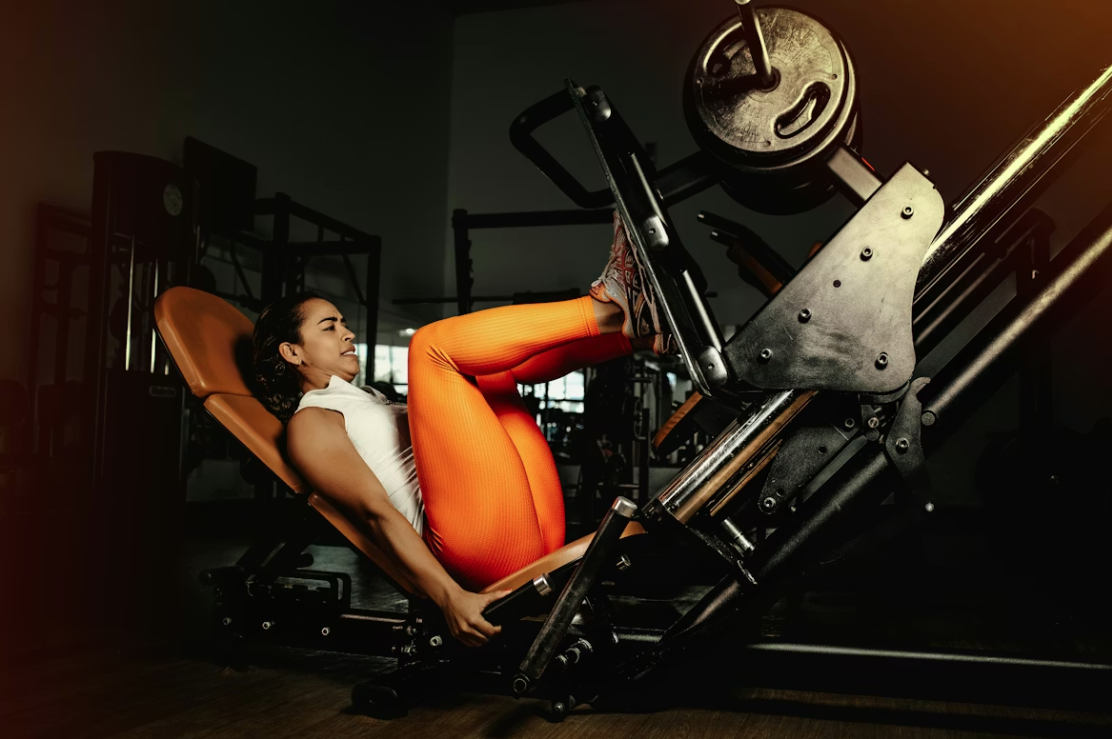
Pavel is clear on this hierarchy: “Machines are very useful for advanced trainees and fairly useless for beginners.” An advanced lifter with a solid foundation might use a leg press to add volume without spinal loading. A beginner must learn to squat, hinge, and press with dumbbells, kettlebells, or barbells.
Analysis & Application
Start your strength journey with fundamental free-weight movements. This builds the proprioception, joint stability, and inter-muscular coordination that define functional strength. Once this foundation is solid, machines can become a strategic tool, not a crutch. For a plan that correctly prioritizes these foundational movements, explore the resources at BeeFit.ai.
Your Strength Practice Questions, Answered
Q: How do I design a “Greasing the Groove” program?
A: Choose one exercise (e.g., pull-ups). Determine your max reps. Throughout the day, perform sets of 30-50% of that max (e.g., if your max is 10, do sets of 3-5). Do 5-10+ sets per day, always staying fresh. Use this for 1-2 exercises at a time for 3-4 weeks, then take a deload week.
Q: If I don’t go to failure, how do I know I’m working hard enough?
A: The benchmark is progressive overload—adding weight or reps over time—not acute fatigue. If you can add a small amount of weight to the bar each week while maintaining perfect form, you are progressing optimally. The strain should be on your muscles, not your nervous system.
Q: Is this approach good for building muscle size (hypertrophy)?
A: Yes, but through a different mechanism. GTG and sub-failure training build muscle via high total tonnage and metabolic stress from frequent practice, rather than through extreme muscle damage. It can be exceptionally effective for building dense, functional muscle.
Q: Can I combine these principles with other sports or activities?
A: Absolutely. This low-fatigue, high-frequency approach is ideal for athletes. It allows you to practice and develop strength without hampering recovery for your sport. The focus on movement quality also directly translates to better technique and resilience in any physical discipline.
Pavel Tsatsouline’s philosophy offers a liberating alternative to exhausting, confusing fitness culture. By redefining strength as a skill, you shift from punishing your body to educating your nervous system. This leads to a sustainable, lifelong practice where progress is measured in precision and power, not pain and fatigue.
Ready to apply these principles to a personalized, intelligent training plan? Discover how to practice strength smarter with a free, tailored approach from BeeFit.ai.
This article is for informational purposes only and is not a substitute for professional medical or coaching advice. Always consult with a healthcare provider or qualified strength coach before beginning any new training program.
Share :

