
Quick Take
- The Mediterranean diet was named the #1 Best Overall Diet for the fifth consecutive year, praised for its balance and disease-fighting power.
- Expert-panel favorites like the DASH and Flexitarian diets tie for second place, excelling in heart health, ease of use, and weight management.
- Diets like Keto and Dukan ranked lowest due to extreme restrictions and long-term sustainability concerns.
- The most effective diets are flexible, focused on whole foods, and promote a lifelong healthy eating style, not quick fixes.
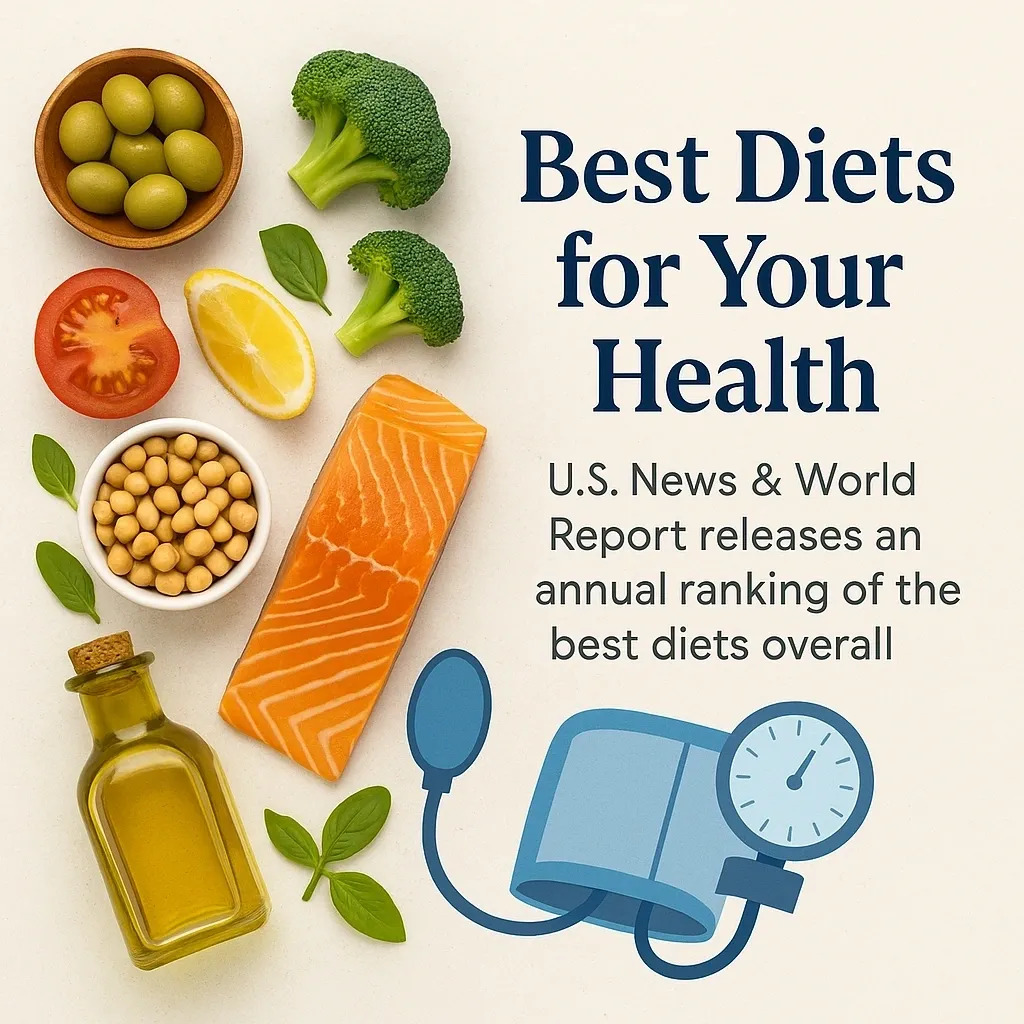
Choosing a diet can feel overwhelming. With bold promises coming from every direction, how do you separate the scientifically sound from the fleeting fads? Each year, U.S. News & World Report asks a panel of top nutritionists, diabetes specialists, and heart health experts to do exactly that.
Their 2025 rankings cut through the noise, evaluating 40 diets on everything from nutritional completeness and safety to their real-world potential for weight loss and disease prevention. The results offer a clear, evidence-based map for anyone looking to improve their health. This guide breaks down the top-ranked plans, explains why they work, and helps you find the right fit for your personal goals and lifestyle.
What Makes the Mediterranean Diet the Unbeatable #1?
Direct Answer: The Mediterranean diet is the gold standard because it’s less of a restrictive “diet” and more of a sustainable, delicious, and scientifically-proven eating pattern that supports long-term weight management, heart health, and longevity.
Explanation & Evidence:
Topping the “Best Diets Overall” list for the fifth year in a row, this diet is inspired by the traditional eating habits of countries bordering the Mediterranean Sea. Its strength lies in its simplicity and focus on whole, nutrient-dense foods.
Research consistently shows this pattern of eating is linked to a lower risk of heart disease, diabetes, depression, and some cancers. A panel of 27 experts ranked it highly for being easy to follow, nutritionally complete, and effective for both short-term and long-term health.
Analysis & Application:
The magic of this diet is its flexibility. There’s no strict calorie counting. Instead, you build your meals around a vibrant foundation: fill half your plate with vegetables and fruits, use whole grains and lean proteins, and cook with healthy fats like olive oil. It encourages enjoying meals socially and being physically active, making it a holistic approach to wellness that’s easy to maintain for life.
Are the DASH and Flexitarian Diets Just as Good as #1?
Direct Answer: Yes. Tying for the #2 Best Overall spot, the DASH and Flexitarian diets are powerhouse plans that offer structured heart health benefits and flexible, plant-forward weight management, respectively.
Explanation & Evidence for DASH:
The Dietary Approaches to Stop Hypertension (DASH) diet was specifically designed by the National Institutes of Health (NIH) to lower blood pressure. It emphasizes foods rich in potassium, calcium, magnesium, and fiber—like fruits, vegetables, whole grains, and lean dairy—while strictly limiting sodium, saturated fat, and added sugars.
Experts note that the combination of foods in DASH “work together especially effectively to lower blood pressure and decrease risk of heart failure”. It’s highly rated for its nutritional completeness and proven track record.
Explanation & Evidence for Flexitarian:
The Flexitarian diet is exactly what it sounds like: a flexible vegetarian approach. You primarily eat plant-based foods but can occasionally include meat or fish. This balance makes it less daunting than going fully vegetarian while delivering significant benefits.
Studies show that shifting toward a mostly plant-based diet is tied to lower body weight, improved blood pressure, and a reduced risk of type 2 diabetes. Experts ranked it #1 for weight loss (tied with others) and praised it for being exceptionally easy to follow.
Analysis & Application:
- For DASH: Think of it as a more structured version of healthy eating. If you have hypertension or a strong family history of heart disease, its specific serving guidelines provide a clear path forward.
- For Flexitarian: This is an ideal “starter” diet for improving health. Try implementing “Meatless Mondays” or designating most weeknights as plant-based. The goal is progress, not perfection.
Can a Diet Really Protect Your Brain?
Direct Answer: Yes. The MIND diet, which ranked #4 Best Overall, is a hybrid of the Mediterranean and DASH diets specifically designed to slow cognitive decline and reduce the risk of neurodegenerative diseases like Alzheimer’s.
Explanation & Evidence:
MIND stands for Mediterranean-DASH Intervention for Neurodegenerative Delay. It takes the brain-boosting components of its parent diets and puts them in the spotlight.
A landmark 2015 study found that older adults who followed the MIND diet most closely had a 53% lower risk of developing Alzheimer’s disease. It specifically emphasizes foods like leafy green vegetables, berries, nuts, and fatty fish—all packed with antioxidants and healthy fats that protect brain cells.
Analysis & Application:
The application is straightforward: add more brain foods to your plate. Aim for six servings of greens per week, snack on berries and nuts, and eat fish at least once a week. Simultaneously, it advises limiting butter, cheese, red meat, fried food, and pastries. You don’t have to follow it perfectly; even moderate adherence has shown protective benefits.
Which Structured Programs Do Experts Recommend?
Direct Answer: For those who want guided support, the Mayo Clinic Diet and WW (Weight Watchers) tied for the top spot in the “Best Diet Programs” category, offering science-backed, sustainable behavior change.
Explanation & Evidence:
These commercial programs ranked highly because they provide more than just a food list; they offer education, structure, and community support.
- The Mayo Clinic Diet is built on the reputable research of the Mayo Clinic. Its two-phase plan focuses on replacing unhealthy habits with healthy ones and is designed for long-term maintenance.
- WW (Weight Watchers) uses a flexible points system (PersonalPoints) that empowers users to make smarter choices without banning any foods. Experts praised it for providing a customizable, community-driven strategy for long-term weight loss.
Analysis & Application:
If you thrive on clear guidelines, tracking, and community encouragement, a reputable program can be an excellent investment. The key is to choose one, like these, that teaches you how to eat healthily for life, rather than just promoting rapid, restrictive weight loss.
Which Popular Diets Do Experts Warn Against?
Direct Answer: Diets that are overly restrictive, unsustainable, or nutritionally unbalanced ranked at the very bottom. These include the Keto, Dukan, and Whole30 diets.
Explanation & Evidence:
The Keto diet, which ties for #38, requires drastically reducing carbs so the body burns fat for fuel. While it can cause quick weight loss, experts consistently rank it poorly overall.
A major concern is that many fad diets are “unbalanced and don’t live up to their claims” and can be difficult to maintain long-term. The Keto diet, for example, is often very low in fiber and certain vitamins and may increase “bad” LDL cholesterol in some people. Similarly, the very low-calorie Dukan diet landed in last place at #40.
Analysis & Application:
Extreme diets often lead to a cycle of weight loss and regain. More importantly, they can foster an unhealthy relationship with food. As Harvard experts advise, sustainable weight loss comes from a permanent shift toward healthier habits, not temporary, radical restriction. Be wary of any plan that eliminates entire food groups, promises unrealistically fast results, or requires expensive supplements.
Your Diet Questions, Answered
Q: What do all the top-ranked diets have in common?
A: They all emphasize whole, minimally processed foods like fruits, vegetables, whole grains, and lean proteins. They are flexible, nutritionally balanced, and designed as sustainable lifestyle changes rather than short-term quick fixes.
Q: I want to lose weight fast. Is the #1 ranked diet also the best for that?
A: Not necessarily. While the Mediterranean diet supports healthy weight management, the top diets for fast weight loss in 2025 were Atkins, HMR, and OPTAVIA. However, experts stress that rapid weight loss diets are rarely sustainable. For long-term success, the Flexitarian, Volumetrics, and WW diets tied for #1 in the Best Weight-Loss Diets category.
Q: How can I start eating healthier without following a strict “diet”?
A: Use the Healthy Eating Plate model from Harvard as a simple guide: fill half your plate with vegetables and fruits, a quarter with whole grains, and a quarter with healthy protein. Add healthy oils and drink water instead of sugary beverages. This approach captures the essence of the top-ranked diets without any complicated rules.
Q: Where can I get personalized diet advice?
A: The U.S. News rankings are an excellent starting point, but for a plan tailored to your specific health needs, preferences, and goals, consult a registered dietitian or your healthcare provider.
The most powerful takeaway from the 2025 rankings is that the “best” diet isn’t a mystery or a trendy secret. It’s the one rooted in whole foods, supported by decades of science, and flexible enough to become a permanent part of your life. Whether you’re drawn to the flavorful balance of the Mediterranean diet, the heart-healthy structure of DASH, or the plant-powered flexibility of the Flexitarian approach, you’re choosing a path validated by leading health experts.
The goal isn’t perfection but consistent progress. By focusing on nourishing your body with quality foods you enjoy, you build a foundation for lasting health that goes far beyond a number on a scale.
For more personalized guidance on implementing these principles, explore the tools and expert resources available at BeeFit.ai.
This article is for informational purposes only and is not a substitute for professional medical advice, diagnosis, or treatment. Always seek the advice of your physician or a qualified health provider with any questions you may have regarding a dietary or health condition.
Share :

