
Quick Take
Meal planning is a proven strategy for achieving your health goals, but success lies in the right approach. True success comes from understanding its psychological benefits, using simple visual guides like the Perfect Plate Method, adhering to core nutrition principles, embracing flexibility over rigidity, and leveraging modern tools. These five secrets transform meal planning from a chore into a sustainable habit for long-term well-being.
The Real Reason Your Healthy Eating Goals Fail
In our fast-paced world, the ambition to eat healthily often clashes with the reality of a demanding schedule. We start with the best intentions, but by midweek, convenience often wins out over our nutritional goals. If you’ve ever found yourself ordering takeout after a long day despite a fridge full of good intentions, you understand this struggle intimately. This cycle isn’t a failure of willpower; it’s a failure of strategy.
Meal planning is more than just a passing trend; it’s a powerful strategy backed by scientific research. A study in the American Journal of Preventive Medicine found that individuals who plan their meals are more likely to have a more balanced diet and achieve their weight management goals. It’s a proactive approach that gives you a roadmap, guiding you toward better health while removing the daily stress of deciding what to eat.
By carving out a little time each week, you can take charge of your nutrition, save money, and reduce food waste. This article will reveal five powerful, but often overlooked, principles that move beyond basic tips. These are the foundational secrets that make meal planning a sustainable, effective, and even enjoyable part of a healthy lifestyle.
Five Foundational Principles of Effective Meal Planning
Let’s move beyond the basics and uncover the foundational principles that separate fleeting attempts from lasting success.
Secret #1: It’s More About Psychology Than Food
The real power of meal planning isn’t just in the food; it’s in how it manages your behavior. It’s a psychological tool that helps you regain control over your eating habits by reducing decision fatigue.
By deciding your meals in advance, you systematically eliminate the guesswork and stress that lead to poor food choices.
When hunger strikes, you’re not left scrambling; you have a healthy, pre-planned meal ready to go. This simple act drastically curbs impulsive eating, preventing you from reaching for high-calorie, low-nutrient snacks.
Furthermore, meal planning is one of the most effective ways to enforce portion control. When you prepare and portion your meals ahead of time, you are less likely to overeat, a common pitfall when ordering takeout. This proactive approach is the cornerstone of building consistency because it removes willpower from the equation when you’re tired and hungry, ensuring long-term success.
Secret #2: The ‘Perfect Plate Method’ Is Your Simplest Blueprint
Forget complicated calorie counting and restrictive diet rules. The “Perfect Plate Method” is a simple, visual guide for building balanced and satisfying meals every single time.
This approach provides an easy-to-remember formula for structuring your plate:
- Half your plate: Fill with a variety of colorful vegetables. Think broccoli, bell peppers, leafy greens, and carrots.
- One-quarter of your plate: Dedicate to lean proteins. This includes options like grilled chicken, fish, tofu, beans, or lentils.
- One-quarter of your plate: Fill with fibrous, complex carbohydrates. Choose whole grains like quinoa, brown rice, oats, or whole wheat pasta.
This method ensures you get a healthy mix of the essential macronutrients your body needs to function optimally, maintain energy levels, and stay full. As Beefit.AI Dietitian Chris Hernandez notes, this framework simplifies nutrition without sacrificing variety.
“These super easy meal ideas adhere to the Perfect Plate Method, allowing you to enjoy a variety of foods without stressing over complicated nutrition charts.”
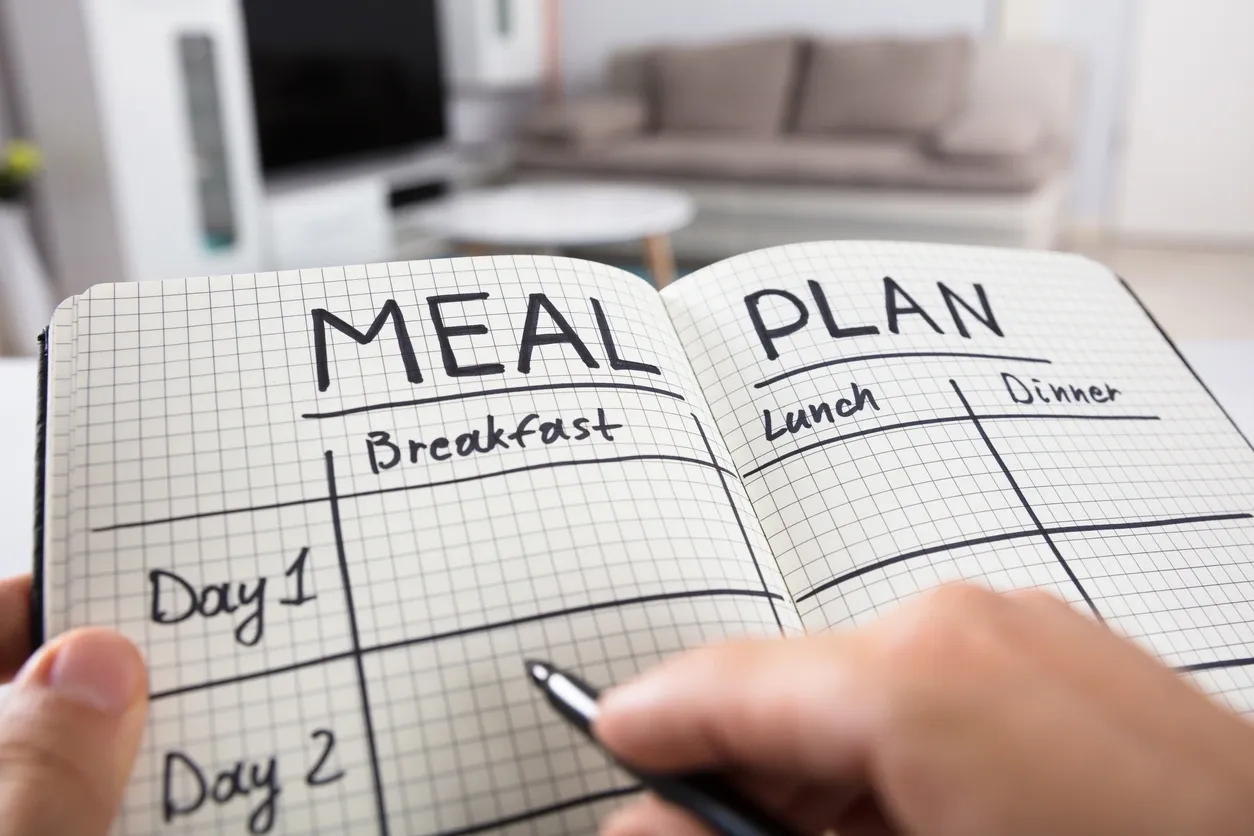
To make this concept tangible, you can use the Perfect Plate Method to build a weekly template. By preparing a few core ingredients like chicken, quinoa, and various vegetables, you can create different combinations throughout the week to keep things interesting.
Here’s a simple 5-day meal plan based on balanced, nutrient-rich meals.
Monday: Start the day with overnight oats topped with fruit. For lunch, have a quinoa salad with grilled chicken and vegetables. Dinner can be whole wheat pasta with chicken and veggies.
Tuesday: Begin with an egg casserole for breakfast, then enjoy a chicken wrap in a whole wheat tortilla for lunch. End the day with a comforting chicken and quinoa soup.
Wednesday: Have an egg casserole for breakfast again, a quinoa salad with vegetables for lunch, and chicken tacos with a side of black beans for dinner.
Thursday: Breakfast is overnight oats with banana. For lunch, try a grilled chicken and avocado wrap, and for dinner, broccoli whole wheat pasta.
Friday: Start with an egg casserole, have a pasta salad with veggies for lunch, and finish the week with a chicken quesadilla for dinner.
Using a simple, visual blueprint like this removes the complexity from healthy eating, making it an intuitive and sustainable habit you can rely on for years.
Secret #3: Success Hinges on Six Simple Nutrition Pillars
A successful meal plan is built on a foundation of sound nutritional principles. By focusing on a few key “Do’s” and “Don’ts,” you can ensure your meals are not just planned, but also optimized to help you feel your best and achieve your goals.
The Three “Do’s”
- Increase Protein: Protein is essential for building and repairing tissues in your body. It also plays a crucial role in weight management. For more inspiration, check out these high-protein recipes.
- Increase Fiber: Fiber aids in healthy digestion and is another key nutrient for promoting fullness. Including plenty of fiber-rich foods like fruits, vegetables, and legumes can help control your weight by reducing unnecessary snacking.
- Stay Hydrated: Drinking enough water is fundamental to your health. Proper hydration supports every bodily function, aids in nutrient absorption, and can even help curb hunger, as thirst is often mistaken for it.
The Three “Don’ts”
- Avoid Excess Sugar: High intake of added sugar is directly linked to weight gain. Be mindful of hidden sugars in processed foods and drinks. When you crave something sweet, opt for natural sources like fresh fruit.
- Limit Refined Carbs: Not all carbohydrates are created equal. Limit refined carbs, such as those in white bread and sugary cereals. Instead, choose complex carbohydrates like whole grains and vegetables for sustained energy.
- Moderate Alcohol: Alcoholic beverages contribute a significant number of excess calories and sugar without providing nutritional value. Limiting alcohol consumption is an effective step toward achieving your health goals.
Focusing on these six pillars ensures your meal plan is nutritionally sound, which is the key to achieving results that you can both see and feel, motivating you to stick with it long-term.
Secret #4: True Meal Planning Is Adaptable, Not Rigid
One of the biggest misconceptions about meal planning is that it’s a rigid, restrictive system that locks you into a boring diet. The reality is the exact opposite.
A well-designed meal plan is a flexible framework, not a prison. It can and should be tailored to accommodate any dietary preference, restriction, or need.
The goal is to create a plan that works for you and your lifestyle. By learning to substitute ingredients, you can enjoy a wide variety of meals while staying on track.
Here’s how easily meal planning can be adapted:
- Vegetarian/Vegan: Simply swap animal proteins for plant-based powerhouses. Focus on building meals around legumes (beans, lentils), tofu, and tempeh.
- Gluten-Free: Adapting for a gluten-free diet is a matter of smart substitution. Replace gluten-containing grains with alternatives such as quinoa, rice, and certified gluten-free oats.
- Keto/Low-Carb: For these plans, the focus shifts to minimizing carbohydrates while emphasizing healthy fats and moderate protein. Build meals around avocados, nuts, and olive oil paired with non-starchy vegetables.
This adaptability is the key to longevity; a plan that bends instead of breaks is one you can stick with through changing tastes, social events, and life circumstances.
[Image: A top-down view of three different meal prep containers, one showing a keto meal, one a vegan meal, and one a standard balanced meal.]
Secret #5: The Right Tools Make It Effortless
In the digital age, meal planning doesn’t have to be a tedious chore. Modern tools can transform the entire process, making it streamlined, inspiring, and highly effective.
Leveraging the right resources can save you time and, just as importantly, reduce the cognitive load of eating healthy. This directly supports the psychological benefits we discussed earlier by making good choices the easiest choices.
- The BeeFit.AI Free Calculator: Technology can be your greatest ally. Our free tool at BeeFit.ai lets you map out your meals and see how they align with your goals. Critically, research shows that logging what you plan to eat before you eat helps you stay accountable and ensures your meals match your goals.
- Kitchen Appliances: Versatile appliances are a meal prepper’s best friend. Air fryers offer a healthier way to get crispy results, while slow cookers allow for “set it and forget it” meals with minimal effort.
- Digital Recipe Inspiration: Platforms like Yummly and Pinterest are treasure troves of culinary inspiration. You can explore recipes tailored to any dietary plan and discover new meals to prevent food boredom.
By automating the most tedious parts of planning and preparation, these tools remove friction from the process, making it far more likely you’ll integrate meal planning as a permanent habit.
FAQ: Your Meal Planning Questions Answered
Q: What is the first step to start meal planning?
A: The first and most important step is to define your goals. Are you trying to lose weight, build muscle, or simply maintain a healthier lifestyle? Clearly identifying your objectives, along with any dietary restrictions or preferences, will provide the foundation for creating a meal plan that is tailored specifically to your needs.
Q: How does meal planning help with weight loss?
A: Meal planning is a powerful tool for weight loss because it addresses several key behaviors. First, it helps you practice portion control by allowing you to determine meal sizes in advance. Second, it helps curb impulsive eating; having healthy, prepared meals ready makes you less likely to reach for high-calorie snacks. Finally, it encourages a balanced mix of macronutrients essential for a healthy weight.
Q: What are some essential pantry items for easy meal planning?
A: A well-stocked pantry is key to making meal planning simple. Essential items include versatile whole grains like quinoa, rice, and oats; plant-based proteins like canned beans and lentils; and canned goods like tomatoes and tuna for quick meals. A good selection of spices, cooking oils like olive oil, and vinegars will also ensure your meals are always flavorful.
Equally important are your fridge and freezer staples. Keep proteins like chicken, fish, or tofu in the freezer for easy options. Frozen vegetables and fruits are perfect for stir-fries and smoothies. Stocking up on fresh produce with a longer shelf life, like carrots and bell peppers, along with dairy or dairy alternatives, ensures you always have the building blocks for a healthy meal on hand.
Take Control of Your Nutrition
Meal planning is far more than a method for organizing your week’s food; it is an empowering skill that puts you firmly in control of your health, your time, and your budget. By embracing the psychology of pre-decision, using simple frameworks like the Perfect Plate Method, adhering to core nutritional pillars, staying flexible, and leveraging the right tools, you transform the process from a daunting task into a simple, sustainable habit. With consistency and practice, planning your meals will become second nature. What is the first small step you can take this week to start your own meal planning journey?
The information provided in this article is for informational purposes only and is not intended as a substitute for professional medical advice, diagnosis, or treatment. Always seek the advice of your physician or another qualified health provider with any questions you may have regarding a medical condition. For personalized dietary advice, please consult with a registered dietitian.
Share :

