
Quick Take
- Fat isn’t the enemy. The right kinds of fat are vital for energy, hormone balance, brain health, and even emotional stability. From omega-3s that lift mood to monounsaturated fats that protect the heart, smart fat choices—like olive oil, fatty fish, nuts, and avocados—can boost performance, extend longevity, and support mental well-being. The key is quality over quantity.
Why Fat Matters More Than You Think
For decades, fat was demonized as the reason for weight gain and heart disease. But modern nutrition science has flipped the script:
- Fat is fuel: It provides 9 calories per gram—more than double carbs or protein—making it a slow-burning, sustainable energy source.
- Fat supports hormones: Estrogen, testosterone, cortisol, and other hormones are synthesized from cholesterol and fatty acids.
- Fat is brain food: About 60% of the brain is fat, and omega-3 fatty acids are key for memory, mood, and focus.
- Fat regulates mood: Healthy fats stabilize neurotransmitters like serotonin and dopamine, directly influencing mental health.
- Fat = longevity: Populations with higher intakes of unsaturated fats—like the Mediterranean diet—have lower risks of cardiovascular disease and live longer. (Harvard Health)
The Role of Fat in Mood and Mental Health
Ever notice how a low-fat diet can make you cranky or foggy? That’s not your imagination.
- Omega-3s and depression: Studies link higher omega-3 intake with lower rates of depression. These fats reduce inflammation in the brain and support serotonin function. (NIH)
- Saturated fats and anxiety: Diets too high in processed, saturated fats may impair brain signaling and worsen anxiety.
- Fat and stress hormones: Adequate fat intake helps balance cortisol, preventing mood swings and energy crashes.
Fat and Metabolism: Why the Right Fat Helps Burn Calories
Fat influences metabolism more than people realize:
- Satiety: Healthy fats slow digestion, keeping you fuller longer and preventing blood sugar spikes.
- Mitochondrial function: Fats, especially medium-chain triglycerides (MCTs), are quickly absorbed and converted into energy.
- Fat storage vs. fat burn: Eating the right fats encourages your body to burn rather than store energy.
A 2018 study in the BMJ found that people on higher-fat, low-glycemic diets burned significantly more calories than those on high-carb diets, even at equal calorie intake.
Fat and Fitness: Building Endurance and Strength
Athletes are rediscovering the importance of fat for performance:
- Endurance: Long-distance runners and cyclists often rely on fat oxidation for steady energy.
- Strength: Testosterone and growth hormone production depend on fat intake, supporting muscle repair and growth.
- Recovery: Anti-inflammatory omega-3s speed muscle recovery and reduce soreness after workouts.
Fat and Longevity: Lessons from Blue Zones
The world’s longest-living populations—like Okinawans in Japan and Mediterraneans in Greece—get 30–40% of calories from fat, mostly from unsaturated sources. Their diets include:
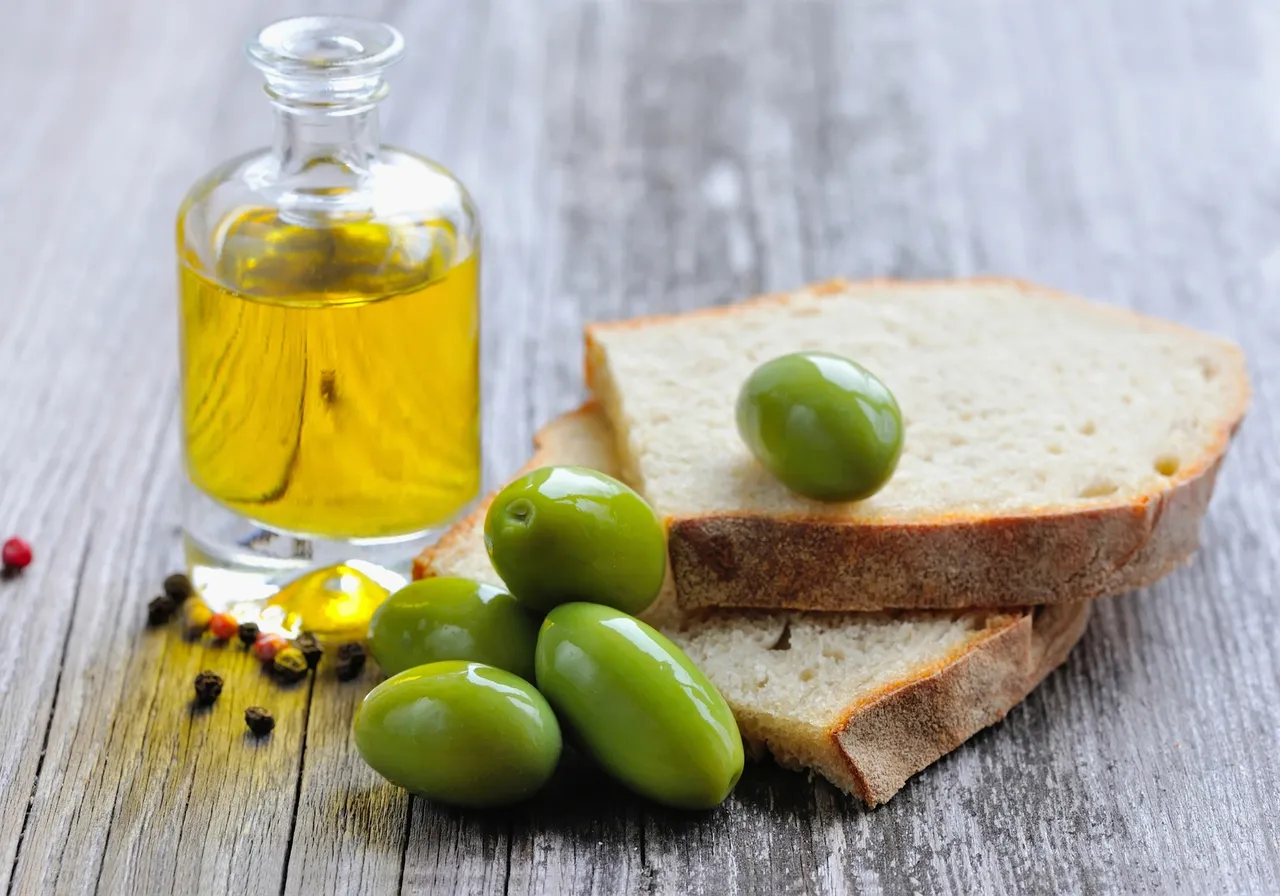
- Olive oil (monounsaturated)
- Fish and seafood (omega-3s)
- Nuts and seeds (monounsaturated + polyunsaturated fats)
- Soy and legumes (plant-based fats)
The Mediterranean diet, rich in olive oil and nuts, reduces cardiovascular risk and extends lifespan (Mayo Clinic).
Best Oils and Fats for Your Health
1. Extra Virgin Olive Oil (EVOO)
- Rich in monounsaturated fats and polyphenols.
- Lowers risk of heart disease and improves cholesterol.
- Best used raw or at low-medium heat.
2. Fatty Fish (Salmon, Sardines, Mackerel)
- High in omega-3s EPA and DHA.
- Protects brain and heart; reduces inflammation.
3. Avocados
- Loaded with monounsaturated fats, potassium, and fiber.
- Supports blood sugar regulation and satiety.
4. Nuts & Seeds (Walnuts, Flaxseeds, Chia)
- Omega-3 ALA and magnesium for mood and metabolism.
- Great for snacks or smoothie boosts.
5. Coconut Oil / MCT Oil
- Contains medium-chain triglycerides for quick energy.
- May support brain function, but best used in moderation.
6. Ghee and Grass-Fed Butter
- Rich in fat-soluble vitamins A, D, E, and K.
- Provides CLA (conjugated linoleic acid) for metabolism support.
Limit processed seed oils (soybean, corn, canola, sunflower) when heavily refined—they’re prone to oxidation, which may drive inflammation.
Q&A: Fat and Your Health
Q: How much fat should I eat daily?
A: Most experts recommend 25–35% of total calories from fat, with an emphasis on unsaturated sources.
Q: Is saturated fat always bad?
A: Not entirely. Natural sources (like grass-fed beef, dairy, coconut oil) in moderation can be part of a healthy diet. The issue is excess + processed forms.
Q: What’s the healthiest cooking oil?
A: Olive oil for low to medium heat, avocado oil for high-heat cooking, and ghee for traditional sautéing.
Q: Can fat really help me lose fat?
A: Yes—by improving satiety, balancing blood sugar, and supporting hormone function, healthy fats make fat loss more sustainable.
Final Thoughts
Fat isn’t the villain of nutrition—it’s a vital ally. The right fats power your body, protect your heart, sharpen your mind, and stabilize your mood. They’re also essential for longevity.
The takeaway? Don’t fear fat—choose it wisely. Swap refined seed oils for olive oil, add fatty fish twice a week, sprinkle nuts and seeds into meals, and enjoy avocado without guilt. By treating fat as fuel, you’ll unlock better mood, metabolism, fitness, and healthspan.
This article is for informational purposes only. Always consult a healthcare provider or dietitian before making major dietary changes
Share :

