
Quick Take
- Group exercise significantly reduces stress hormones; one study found participants’ cortisol levels dropped by 26%.
- Shared, synchronized movement fosters a unique sense of connection, combating the psychological and physical impacts of loneliness.
- The social accountability of a regular class dramatically increases workout consistency and motivation.
- Beyond physical health, the primary benefit is emotional, building a supportive network that enhances overall well-being.
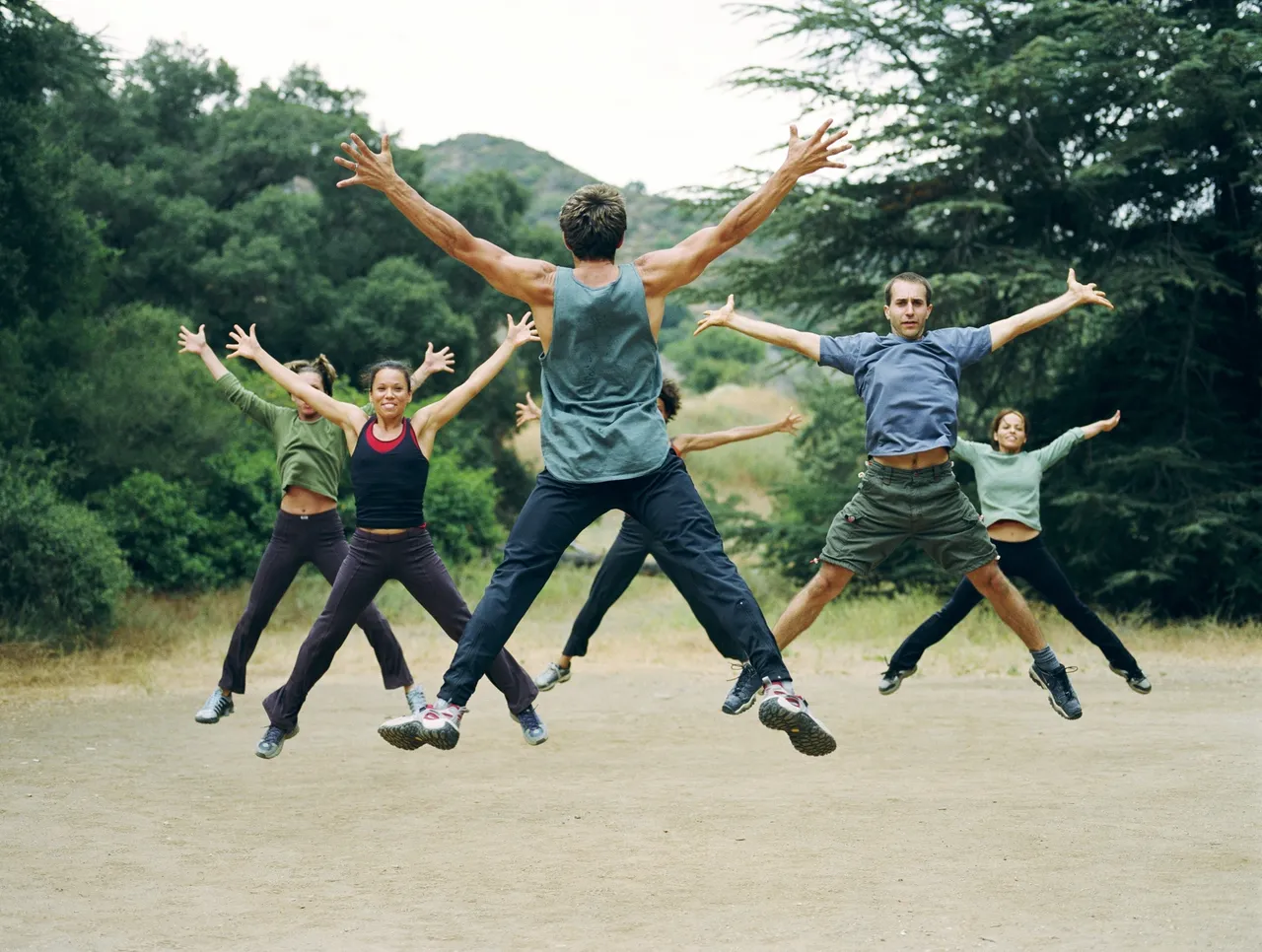
Loneliness isn’t just a feeling; it’s a stressor with tangible effects on your health, linked to increased inflammation, higher blood pressure, and a weakened immune system. While a solo workout can improve your mood, it often misses a critical component for healing loneliness: genuine human connection. Group fitness transforms exercise from a solitary task into a shared, communal experience. This social layer provides profound psychological benefits that a treadmill or weight rack alone cannot offer.
At BeeFit.ai, we look at the complete picture of wellness. Science now reveals that exercising in sync with others does more than build stamina it can build your social brain and foster resilience. This article explores how joining a class can be a powerful, evidence-backed strategy to combat isolation, boost your mental health, and find your community.
How Does Group Exercise Directly Reduce Stress and Anxiety?
Direct Answer: Group fitness creates a powerful biofeedback loop. The combination of physical exertion and positive social interaction reduces cortisol (the primary stress hormone) and stimulates endorphins more effectively than solo exercise for many people.
Explanation & Evidence:
Exercise itself is a well-known stress reliever. However, the group setting amplifies this effect through shared experience and mutual support. A compelling study measured stress hormones in participants and found a significant difference based on how they worked out.
Research Insight: A 2017 study published in the Journal of the American Osteopathic Association found that people who participated in group exercise saw a 26% reduction in perceived stress levels, compared to those who worked out alone or did not exercise regularly.
Analysis & Application:
This suggests the environment is a key variable. The encouragement from an instructor, the shared struggle, and the collective achievement in a class create a positive psychological buffer against daily stressors.
Your Application: If you feel chronically stressed or anxious, prioritize a consistent group class schedule. The routine and social expectation can become a cornerstone of your stress management.
Can Working Out with Others Actually Combat Loneliness?
Direct Answer: Yes, effectively. Group fitness provides structured, low-pressure social interaction centered on a positive, shared goal. This regular contact builds acquaintanceship into community, directly countering the isolation that fuels loneliness.
Explanation & Evidence:
Loneliness thrives in isolation and a lack of meaningful connection. Group classes offer a consistent “third place”—not home, not work—where interaction is built into the activity. You don’t have to make forced conversation; the shared focus on the workout facilitates natural bonding. Research into group dynamics shows that synchronized activity, like moving to the same beat in a cycling or dance class, can increase feelings of social connection and trust.
Analysis & Application:
The workout is the bridge. It gives you an immediate common ground with everyone in the room, removing the social pressure of figuring out what to talk about.
Your Application: To build connections, choose a studio or class time you can attend regularly. Familiar faces become friends. Arrive a few minutes early or stay a little late to chat—these small interactions are the building blocks of community.
Why is the Accountability of a Group So Much Stronger?
Direct Answer: Social accountability leverages our innate desire for consistency and belonging. Knowing others expect you, and having a reserved spot in a class, creates a powerful external motivator that overrides the internal excuse to skip a solo workout.
Explanation & Evidence:
Behavioral science consistently shows that committing to others increases follow-through. When you sign up for a class, you’re making a social contract. An instructor and classmates may notice your absence, and you miss the collective energy you rely on. This is often a stronger pull than the abstract commitment to yourself.
Key Principle: A study on exercise adherence highlighted that individuals with strong social support from a fitness group were 95% more likely to maintain their exercise program over time compared to those without such support.
Analysis & Application:
Your willpower is a finite resource. Group accountability acts as an external reinforcement system, conserving your mental energy for the workout itself.
Your Application: Use this to your advantage. Book and pay for classes in advance. Find a consistent “class buddy,” even casually. Tell the instructor you’re committing to a weekly schedule. This external scaffolding builds unshakeable habits.
What Type of Group Fitness is Best for Building Community?
Direct Answer: The “best” class is one you enjoy enough to attend consistently. However, formats that encourage interaction—like team-based workouts, small-group training, dance, or yoga—often foster deeper connections more quickly than large, impersonal classes.
Explanation & Evidence:
Community forms through repeated, positive interaction. Classes that allow for partner drills, shared challenges, or simply space for conversation before and after are more conducive to connection. Studios with a strong culture of welcoming newcomers and learning names also make a significant difference. The activity should be challenging but enjoyable, making the social reward a key part of the experience.
Analysis & Application:
The goal is to move from being a face in the crowd to being a member of a group.
Your Application: Start by exploring local studios (like BeeFit.ai partners) with good reputations for community. Try introductory offers for different formats—barre, CrossFit, martial arts, running clubs. Pay attention to where you feel welcomed and where you look forward to returning, not just for the sweat, but for the people.
FAQ: Group Fitness and Mental Health
Q: I’m introverted and anxious in social settings. Will group fitness help or hurt?
A: It can be uniquely helpful. Group fitness provides a structured social script—you know what to do (follow the workout) and for how long. The focus is on the activity, not on you. This can be a low-pressure way to practice social engagement. Start with smaller classes or “intro” sessions and communicate your nerves to the instructor; they can help you feel more at ease.
Q: How often do I need to attend to feel the social benefits?
A: Consistency is more important than frequency. Attending the same class with the same instructor at the same time each week is the fastest path to building recognition and rapport. Twice a week on a regular schedule will build connections faster than four random classes a month.
Q: Can the benefits of group exercise replace therapy for loneliness or depression?
A: While group exercise is a powerful complementary tool for improving mood and building social connections, it is not a substitute for professional mental healthcare for clinical conditions like depression. It should be viewed as a vital component of a holistic wellness plan that may also include therapy.
Q: What if I can’t find or afford a local studio class?
A: Build your own group! The principles are the same: shared activity, consistency, and mutual support. Organize a weekly walk or run with neighbors, start a pickup sports game, or join a free community recreation league. The container is less important than the consistent, collective effort.
The Final Rep: Your Community Awaits
Choosing group fitness is an investment in your physical and social health. It is a proactive step to place yourself in an environment where encouragement is built-in, where shared effort leads to collective joy, and where showing up for yourself means showing up for others. The weights you lift, the miles you run, and the poses you hold become the foundation for conversations, inside jokes, and the profound comfort of belonging.
Take the step. Find your class. Your community—and a stronger, more resilient version of yourself—is waiting.
This article is for informational purposes only and is not a substitute for professional medical or mental health advice. Always consult a healthcare provider for concerns about loneliness, depression, or before beginning a new exercise program.
Share :

