
Quick Take
A high-protein diet for fat loss supports muscle maintenance, boosts metabolism, and keeps hunger at bay. This protein-rich meal plan for weight loss offers 150+ grams of daily protein through balanced, whole-food meals, actionable prep tips, and evidence-based guidance.
Why Prioritize Protein?
Protein does more than build muscle—it fuels metabolism, curbs cravings, and preserves lean mass while shedding fat. High-protein eating is trending fast:
- According to Health.com, protein-rich meals increase energy burned during digestion and help maintain muscle mass health.com.
- A Cambridge review found protein promotes satiety, boosts energy expenditure, and shields lean mass during weight loss .
- The Protein Leverage Hypothesis suggests insufficient protein intake drives overeating—make sure yours is high enough.
Many real-life studies confirm: higher protein, less fat—improved body composition follows.
How Much Protein Do You Need?
Recommendations for fat loss or muscle gain typically fall between 1.6 to 2.2 g/kg bodyweight.
- A 70 kg (154 lb) person needs 112–154 g of protein daily.
- Spread across 4–5 meals, this maintains muscle protein synthesis (MPS) throughout the day.
A Rutgers study showed higher protein intake during diets helps preserve lean mass and encourages healthier food choices. (Source)
Why It Actually Works
1. Increases Thermogenesis
Digesting protein burns more calories compared to carbs or fats—up to 30% of protein calories are used just digesting it .
2. Curbs Appetite
Protein boosts hormones like peptide YY (PYY) and GLP-1 while lowering ghrelin—the hunger hormone .
3. Preserves Muscle During Calorie Deficit
With overfeeding or calorie restriction, protein protects lean mass. Higher protein levels help prevent muscle loss .
4. Supports Blood Sugar Balance
Protein slows digestion and regulates insulin—beneficial for fat loss and overall health.
Daily High‑Protein Meal Plan (Approx. 160 g Protein)
Breakfast: Greek Yogurt & Berry Parfait
- 1 cup non-fat Greek yogurt (~20 g protein)
- ½ cup mixed berries (antioxidants + fiber)
- 1 tbsp chia or flax seeds (omega-3 fats + fiber)
Macros: ~25 g protein, 15 g carbs, 6 g fat
Why it works: Jam-packed with protein, fiber, and healthy fats. Great post-workout or morning recovery fuel.
Snack 1: Protein-Rich Smoothie
- 1 scoop whey or plant protein (~20–25 g protein)
- 1 cup spinach + ½ banana
- 1 tbsp almond butter
- 1 cup unsweetened almond milk
Macros: ~30 g protein, 20 g carbs, 12 g fat
Why it works: Rapid muscle recovery and smart for busy mornings.
Lunch: Chicken-Quinoa-Veggie Power Bowl
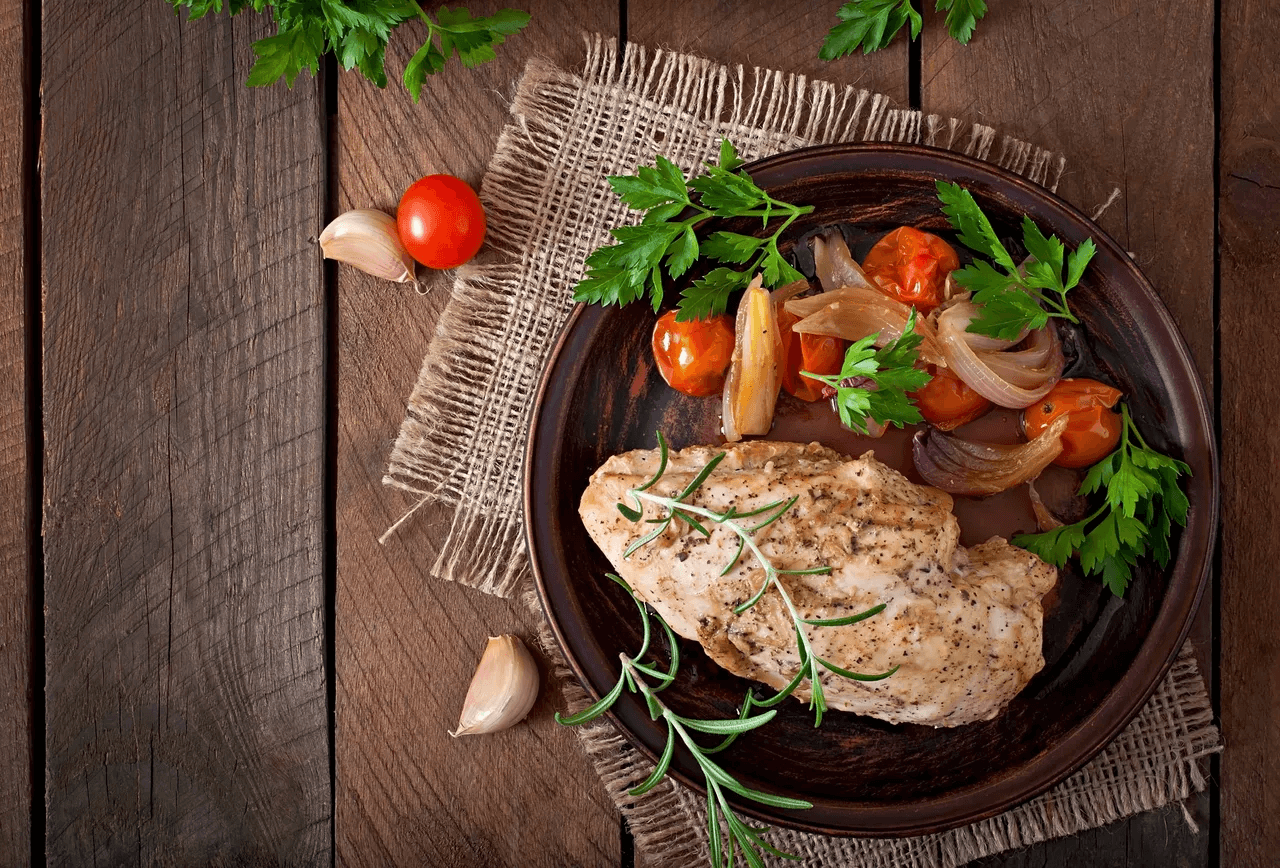
- 4 oz grilled chicken breast (~30 g protein)
- ½ cup cooked quinoa (~4 g protein + 20 g carbs)
- 2 cups mixed salad greens + colorful vegetables
- 1 tbsp olive oil vinaigrette
Macros: ~35 g protein, 30 g carbs, 14 g fats
Why it works: Balanced macros keep metabolism high and energy steady.
Snack 2: Cottage Cheese & Pineapple
- 1 cup low-fat cottage cheese (~25 g protein)
- ½ cup pineapple chunks
Macros: ~25 g protein, 18 g carbs, 2 g fat
Why it works: Low-calorie, high-protein snack that supports lean muscle.
Dinner: Salmon with Sweet Potato & Broccoli
- 5 oz baked salmon (~35 g protein)
- 1 medium sweet potato (~26 g carbs)
- 1 cup steamed broccoli + herbs
Macros: ~40 g protein, 35 g carbs, 15 g fats
Why it works: High-quality protein and omega-3 fats support fat loss and protein synthesis.
Evening Snack (Optional): Casein Shake or Greek Yogurt
- 1 scoop casein protein or ¾ cup Greek yogurt (~20 g protein)
Macros: ~20 g protein, minimal carbs/fat
Why it works: Slow-digesting protein supports overnight recovery and reduces fasting muscle breakdown.
Total Day Macros
- Protein: 155–175 g
- Carbs: 120–140 g
- Fat: 45–55 g
- Calories: ~1,800–2,100 (adjust per goals)
Prep Tips & Time-Saving Hacks
- Batch Cook Proteins: Grill chicken, bake salmon, hard-boil eggs for grab-and-go meals.
- Pre-portion Smoothie packs: Freeze fruit and greens in bags.
- Plan Snacks: Pre-scoop cottage cheese or yogurt into containers.
- Track Intake: Use apps like MyFitnessPal or Cronometer to stay accurate.
- Hydrate Often: Protein metabolism requires water—aim for 3L daily.
Customizing for You
- Vegetarian/Vegan: Use tofu, tempeh, legumes, vegan protein powders.
- Higher Calorie Needs: Add fats like nuts, seeds, avocado, or coconut oil.
- Higher Carb Athletes: Increase quinoa, oatmeal, fruit portions post-workout.
Common Questions Answered
Is too much protein harmful?
Healthy adults don’t usually suffer kidney damage from high-protein diets. But balance with water and monitor overall health—especially if kidney issues exist.
Can I skip carbs?
Not ideal long term. Carbs support training and performance. Stick with whole-grain sources and adjust based on activity.
Does protein build fat if I eat too much?
Yes. Excess protein can convert into fat calories. Watch your total calorie intake.
Will protein keep cravings away?
Yes—protein increases satiety hormones and often reduces cravings between meals .
Research Highlights
- Satiety & Thermogenesis: A review in PubMed confirms protein outperforms carbs/fats in satiety and caloric burn glamour.com.
- Lean Mass Preservation: Protein-rich diets help preserve muscle during calorie loss, as shown by Rutgers University studies rutgers.edu.
- Protein Leverage: Humans eat until protein needs are met—make it high to naturally manage appetite.
- High-Protein + Low-Carb Equals Best Results: A Health.com meta-study found this consistently effective health.com.
Lifestyle Tips for Muscle & Fat Loss
- Strength Train Regularly: Aim for 3–4 sessions per week.
- Mix Cardio: Include HIIT or steady-state cardio to support metabolism.
- Sleep Well: 7–9 hours nightly stabilizes appetite and muscle recovery.
- Manage Stress: High cortisol can hamper fat loss and muscle repair.
- Monitor Progress: Track weight, body composition, energy, and hunger levels.
Final Thoughts
This high-protein meal plan delivers results because it’s based on science, practicality, and flexibility. With 150+ grams of protein from accessible foods, balanced meals, and smart snacks, you’ll support fat loss while preserving or building muscle—essential for health and performance in 2025.
Approach the diet with consistency, pair it with effective training, track your intake, and adjust as needed. Over time, muscle, energy, and body composition will follow.
This article is for informational purposes only and does not constitute medical advice. Always consult a healthcare professional before starting a new diet or exercise program, especially if you have underlying health conditions or are taking medication.
Share :

