
Quick Take
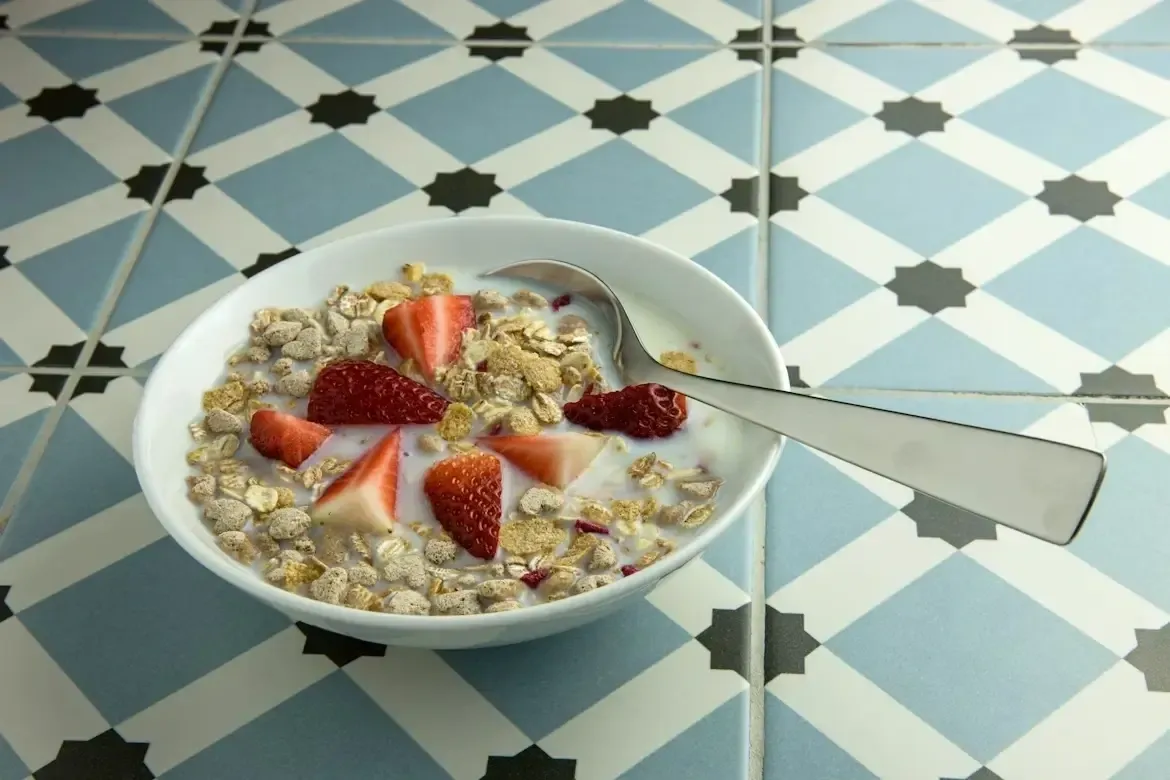
High-protein cereals promise a more functional breakfast, combining flavor with fitness. But are they better than traditional options—or just a trend? In this deep dive, we look at the science, benefits, ingredients, and smarter ways to use these cereals for recovery, satiety, and nutrition gains.
Why Protein Cereal Is Suddenly Everywhere
With the rise of protein-forward eating, food brands have begun enhancing even breakfast staples. Enter protein cereals: modified classics like Wheaties or Cheerios now with 10–15g of protein per bowl. For busy professionals, gym-goers, or parents, it sounds ideal—quick, crunchy, and macro-friendly.
But there’s more to consider.
What Sets Protein Cereal Apart
Most protein cereals differ from their sugary predecessors in three key ways:
- Added Protein Sources: Includes whey, soy, milk protein isolate, or pea protein.
- Balanced Macros: Often higher protein, higher fiber, and moderate sugars.
- Convenience Factor: Easy breakfast or snack with no prep—just add milk or yogurt.
These cereals aim to replace protein bars or shakes while still delivering crunch and nostalgia.
Real Benefits of Protein Cereals
1. Supports Morning Protein Goals
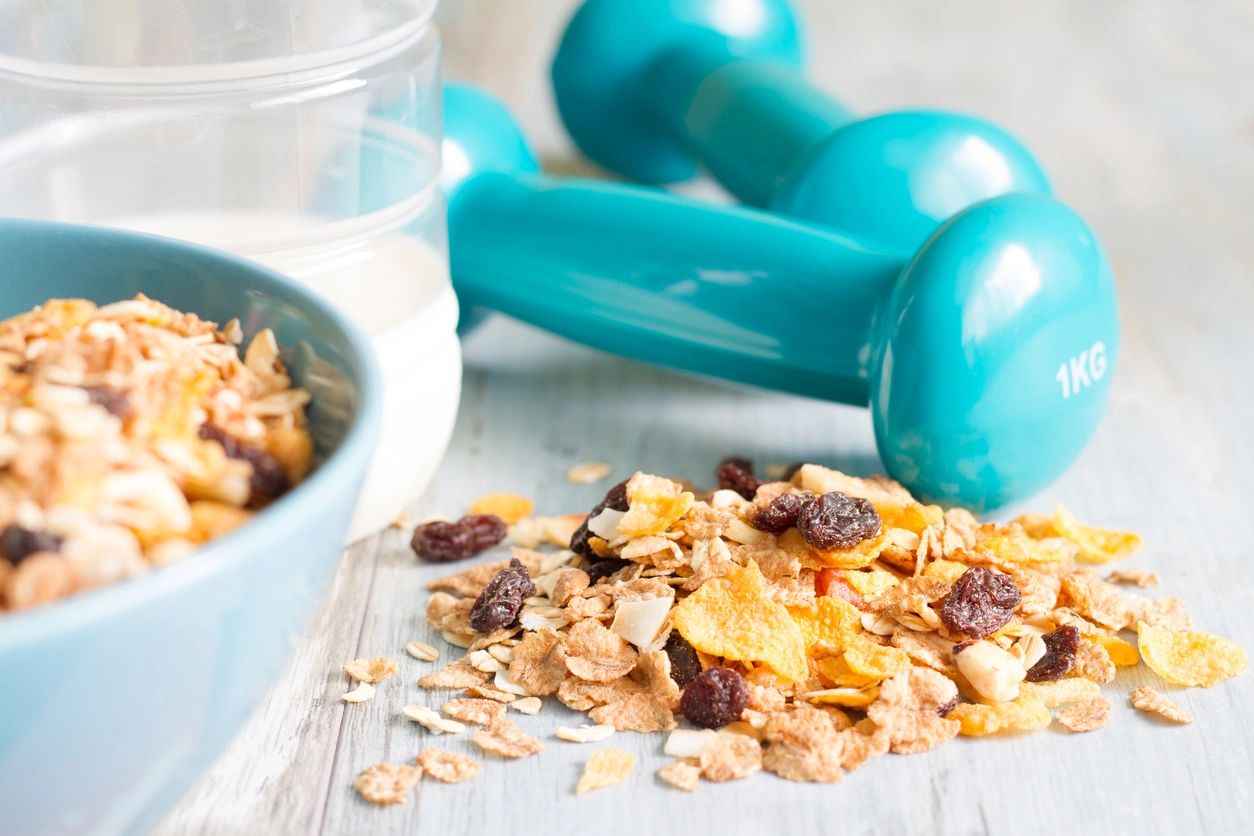
Most adults don’t get enough protein at breakfast. Studies show spreading protein intake throughout the day supports muscle retention and fullness. A high-protein cereal with milk can deliver 20+ grams in one quick meal.
2. Aids in Satiety and Craving Control
Protein helps regulate ghrelin and leptin, hormones that manage hunger and fullness. Swapping sugary cereals for protein-rich options may keep you full longer and curb late-morning snacking.
3. Helps With Muscle Maintenance and Recovery
For athletes or active individuals, starting the day with protein can jumpstart muscle protein synthesis, especially if eaten after a morning workout or fasted cardio session.
Potential Downsides (And What to Avoid)
Not all protein cereals are created equal. Watch for:
- Added Sugars: Some still include cane sugar or syrups to offset the taste of protein powder. Stick to those with 6g or less sugar per serving.
- Low-Quality Proteins: Incomplete proteins (from rice or wheat) may not support recovery as effectively as whey or soy.
- Hefty Price Tags: Premium packaging doesn’t always mean premium nutrition. Compare cost per protein gram to options like eggs or Greek yogurt.
Also be cautious of ultra-processed brands marketed as “clean”—check labels, not slogans.
Smarter Ways to Use Protein Cereal
1. Post-Workout Fuel
Pair with milk and fruit within 30–60 minutes after lifting. It’s fast-digesting and easy on the stomach.
2. Yogurt Bowl Topper
Use protein cereal like granola. Add it to plain Greek yogurt with berries and flaxseeds for a muscle-boosting breakfast.
3. Travel or Snack Option
Keep a portioned bag in your car or gym bag for an emergency meal that beats most vending machine choices.
DIY: Make Your Own Protein Cereal Bowl
If you can’t find a brand you love—or want better control—build your own high-protein cereal meal:
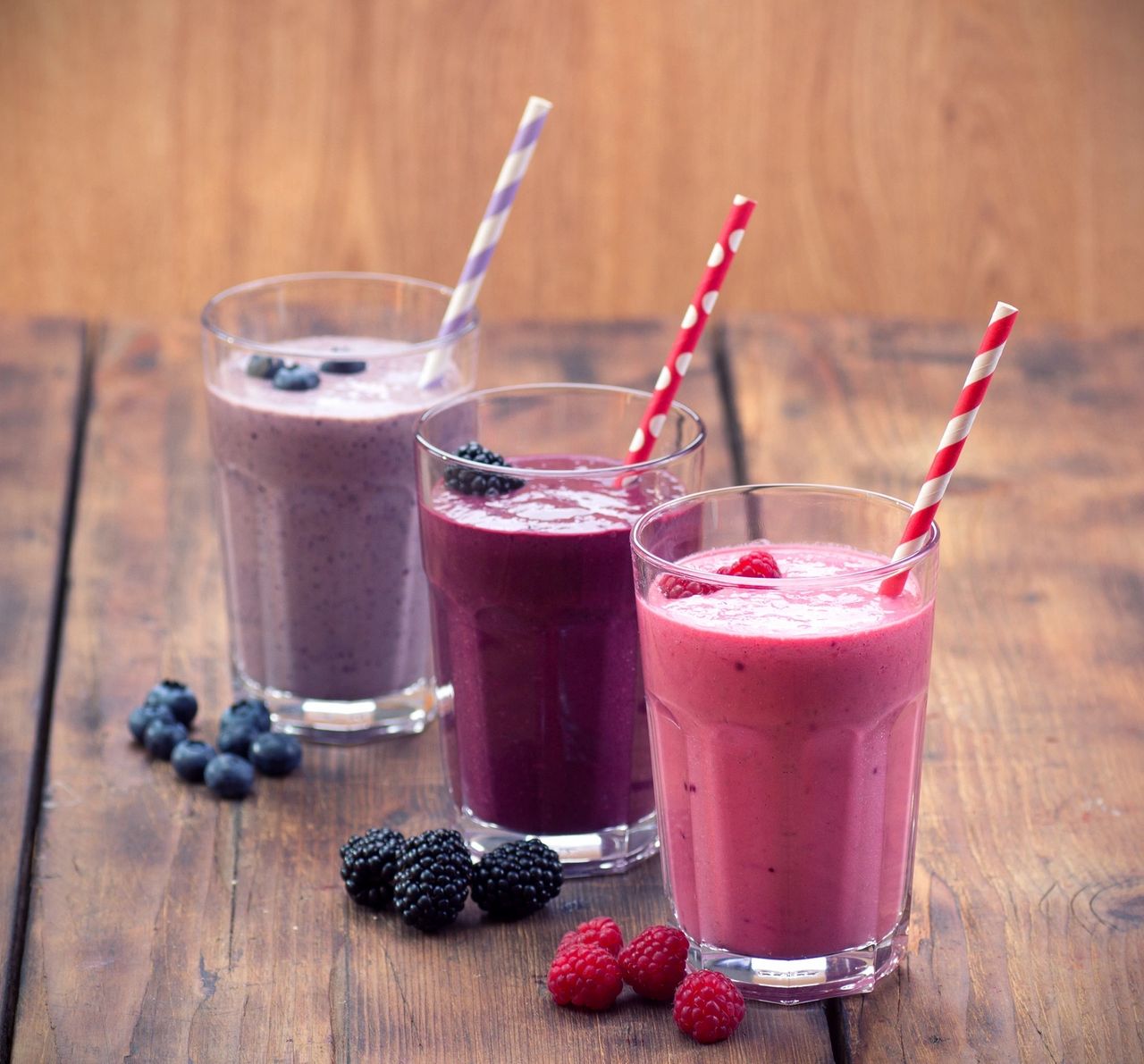
High-Fiber Protein Bowl:
- 1 cup high-fiber flakes or oats:
- ~150–180 calories
- ½ scoop whey or vegan protein:
- ~50–60 calories
- ½ banana, berries, or dates:
- Banana (½): ~50 calories
- Berries (½ cup): ~35 calories
- Dates (2 small): ~45 calories
- 1 tbsp almond butter or chia seeds:
- Almond butter: ~98 calories
- Chia seeds: ~60 calories
- ½–1 cup unsweetened almond or soy milk:
- Almond milk: ~15–30 calories
- Soy milk: ~40–70 calories
Total Calories (approximate)
- With oats + whey + banana + almond butter + almond milk: ~395–420 calories
- With flakes + vegan protein + berries + chia seeds + soy milk: ~370–410 calories
- With dates + almond butter + soy milk: ~400–440 calories
This mix offers flavor, protein, fiber, and good fats—all with no sketchy additives.
Protein Cereal vs. Protein Powder: What’s Better?
While protein powders are versatile and more concentrated, cereal is easier to eat on the go and feels more like a “real meal.” Use powders when cooking or blending; use cereal when you want crunch, convenience, and a spoon-friendly option.
Need a protein recipe idea? Check out Hormone-Balancing Foods for Energy and Fat Loss for meal prep tips.
Who Should Try Protein Cereals?
- Busy workers or parents: quick, no-prep breakfast
- Fitness-focused eaters: bridges the gap between indulgence and macros
- New gym-goers: helps hit daily protein without overhauling your diet
- Older adults: supports lean mass maintenance with less effort
For sedentary folks or those already eating protein-rich meals, it’s less essential but still useful for variety.
Sample High-Protein Breakfast Ideas
Protein Cereal Bowl: High-protein cereal + milk + 1 tbsp peanut butter + sliced banana
- Calories: ~350
- Carbohydrates: ~35g
- Protein: ~25g
- Fat: ~15g
Yogurt Parfait: Plain Greek yogurt + protein cereal + kiwi + chia
- Calories: ~320
- Carbohydrates: ~30g
- Protein: ~28g
- Fat: ~10g
Post-Lift Meal: Protein cereal + chocolate milk + handful of almonds
- Calories: ~400
- Carbohydrates: ~45g
- Protein: ~30g
- Fat: ~18g
Low-Sugar Mix: 50% protein cereal + 50% oats or bran flakes for fiber boost
- Calories: ~300
- Carbohydrates: ~40g
- Protein: ~20g
- Fat: ~8g
FAQs
1. Are protein cereals healthier than regular cereals?
Generally, yes—if they’re lower in sugar and use high-quality proteins. Always read the label.
2. Will they help with weight loss?
They can. More protein = more satiety = fewer cravings. Just watch portions and calories.
3. Are they okay for kids or teens?
Yes, especially active teens or picky eaters. Choose brands with minimal sugar and complete proteins.
4. Can I eat them at night?
Absolutely. Protein before bed may support overnight recovery. Just avoid high-sugar versions.
5. Should I ditch protein powders for cereal?
Not necessarily. Think of them as complementary. Powders are great for shakes; cereal is perfect for variety and convenience.
Final Thoughts
Protein cereals aren’t a magic food—but they’re a smart one. For people struggling to hit protein goals or beat breakfast monotony, they offer a crunchier, easier way to get results.
Still, read your labels. Choose cereals with complete proteins, low sugar, and whole ingredients. Pair with fruit, seeds, or yogurt for a complete, energizing meal.
And if you’re already experimenting with mindful eating and fitness? This could be your next smart upgrade.
Want to explore more simple meal strategies? Read 10K Steps a Day: Your Simple Plan for Summer Weight Loss for an effortless movement and nutrition combo.
Share :

