
When most people think of ab training, one image likely comes to mind: sit-ups, and lots of them. Maybe a few planks. But if your goal is six-pack abs or a truly strong and functional core, relying on these old-school exercises alone will only get you halfway there.
The truth? Your abs are only a small part of your core, which includes not just your rectus abdominis (those elusive “six-pack” muscles), but also the deeper transverse abdominis, internal and external obliques, the spinal erectors, and even your glutes. And these muscles aren’t just there to look good—they’re essential for everything from balance and posture to power and injury prevention.
In this article, we’ll walk through how core training has evolved, what works (and what doesn’t), and how to structure a smart, effective core routine that supports real-life strength and performance.
Ab Training Then: The Era of Isolation
Let’s rewind. For decades, ab training meant isolation exercises—think crunches, sit-ups, leg raises. The idea was simple: train the rectus abdominis directly to carve out that six-pack look.
And while these moves do target the abdominal muscles, they don’t reflect how your core actually functions. In real life (and in sport), your core doesn’t work in isolation. It acts as a stabilizer and a force transmitter, helping your body generate power and maintain posture under stress.
Worse, traditional sit-ups can place strain on the spine if performed improperly or excessively. Studies like this one from McGill University have shown that repetitive flexion-based ab work may increase the risk of lower back issues, especially in people with pre-existing conditions.
Core Training Now: Stability, Strength, and Function
Modern ab training isn’t about crunching on the floor for 15 minutes. It’s about training your core to resist movement, not just create it.
“Your core’s job is to protect your spine and transfer energy between your upper and lower body,” says physical therapist and movement expert Dr. Jen Esquer. “It needs to be stable, responsive, and able to handle multi-directional forces.”
Today’s most effective core workouts are built around anti-flexion, anti-extension, and anti-rotation movements. These exercises teach your core to brace and stabilize under load—just like it does during heavy lifting, running, or day-to-day life.
Functional Ab Training: The New Foundation
Here’s how to think about modern, functional ab training—broken down by purpose:
1. Anti-Flexion
Exercises that prevent your spine from rounding forward.
Examples:
- Farmer’s carries
- Suitcase carries
- Deadbugs
These train core endurance and postural integrity—key for anyone who lifts, runs, or sits at a desk all day.
2. Anti-Extension
Exercises that stop your spine from hyperextending (arching too far back).
Examples:
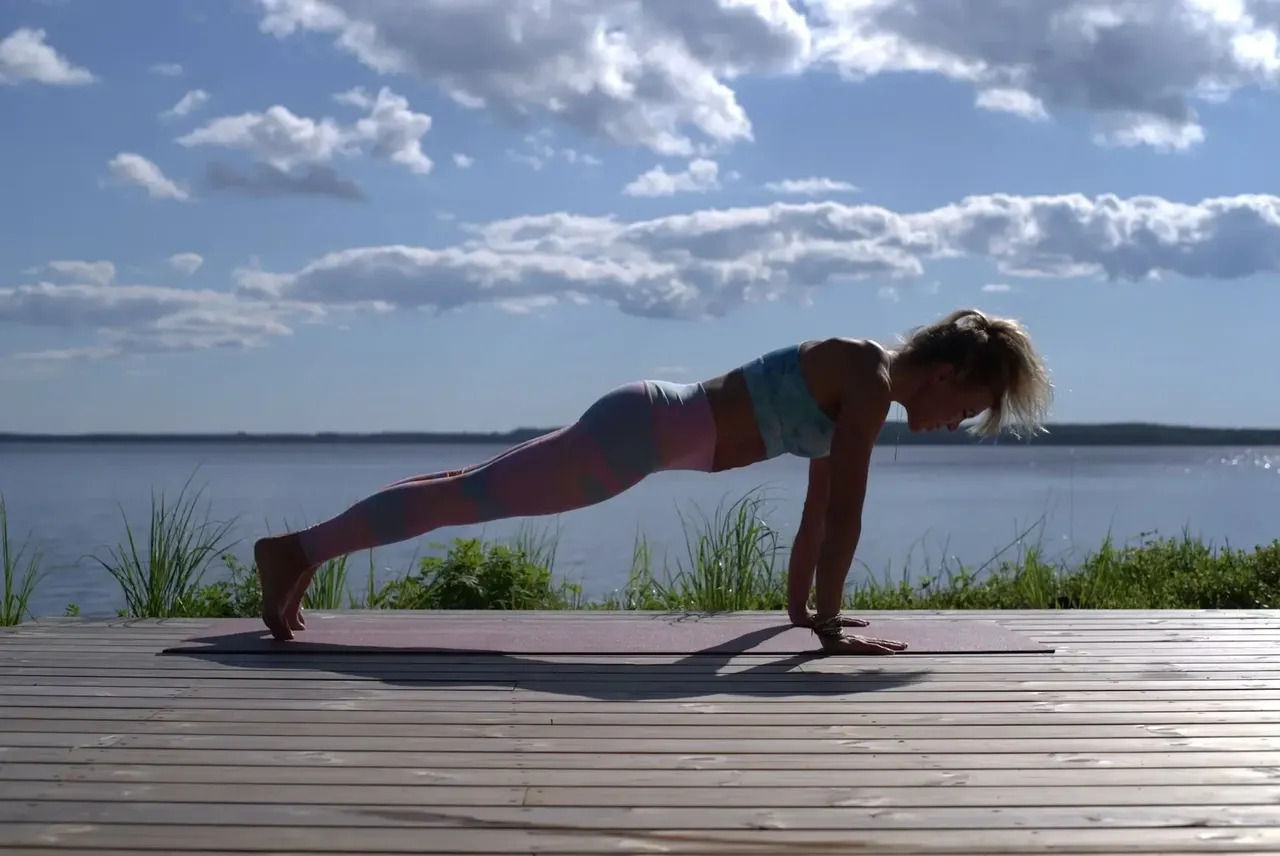
- Front planks
- Ab rollouts
- Hollow body holds
This kind of core strength is essential for runners, lifters, and anyone trying to maintain a neutral spine under load.
3. Anti-Rotation / Anti-Lateral Flexion
Exercises that challenge your core to resist twisting or side-bending.
Examples:
- Pallof presses
- Side planks
- Single-arm overhead carries
These moves are especially useful for sports, where the body often works unilaterally and explosively.
4. Rotational & Dynamic Core Training
Once you’ve built stability, add controlled rotation and movement to your program.
Examples:
- Russian twists with a med ball
- Woodchoppers
- Cable rotations
These exercises help build athleticism—power, speed, and the ability to control force.
Core Strength Progression: How to Train Smarter
If you’re new to functional core training, don’t skip ahead to advanced moves. Build from a stable foundation.
Here’s a smart three-phase approach:
Phase 1: Stabilize
Focus: Build endurance and control.
Include: Planks, deadbugs, bird-dogs, side planks
How Often: 3–4 times per week, 8–12 reps or 30–45 seconds per side
Phase 2: Resist & Load
Focus: Add resistance and dynamic stability.
Include: Weighted carries, ab rollouts, Pallof presses
How Often: 2–3 times per week, moderate volume (3–4 sets)
Phase 3: Move & Rotate
Focus: Introduce power and rotation.
Include: Rotational med ball throws, woodchoppers, banded twists
How Often: 1–2 times per week for athletes or advanced users
Ab Myths That Need to Go
Before you overhaul your training, let’s debunk a few persistent myths:
“Train abs every day”.
Your core is like any other muscle group—it needs time to recover. Aim for 2–4 focused sessions a week, not seven.
“Planks are enough.”
Planks are a solid foundation, but they’re just the start. If you want real strength and carryover to daily life or sport, you’ll need to progress to more complex and loaded movements.
“You need crunches to get abs.”
Visible abs are a result of overall body fat percentage, not just targeted ab work. A smart mix of strength training, cardio, and nutrition is what reveals your six-pack.
What About Six-Pack Abs?
Let’s be real: most people want visible abs. But here’s the truth—
You can build the strongest core in the world, but if it’s hidden under a layer of fat, you won’t see it.
To uncover definition, you’ll need to reduce your overall body fat through:
- Consistent nutrition
- Strength training
- Cardio or conditioning
- Quality sleep and stress management
Want to start dialing in your meal plan? FitnessPal’s personalized nutrition tool is a great (and free) way to start.
Quick Sample Core Routine
Want to start integrating modern core work into your week? Try this beginner-friendly functional circuit:
Deadbug – 3 sets of 10 reps per side
Side Plank – 3 sets of 30 seconds per side
Pallof Press – 3 sets of 12 reps per side
Farmer’s Carry – 3 sets of 30 seconds (heavy dumbbells)
Russian Twists – 3 sets of 20 (bodyweight or light med ball)
Perform this 2–3 times per week and gradually increase weight or reps as you gain strength.
Final Thoughts: Train Your Core for What It’s Meant to Do
The evolution of ab training isn’t just a trend—it’s a shift toward smarter, safer, and more effective strength. When you train your core to stabilize, resist, and transfer force, you unlock better performance, fewer injuries, and yes—eventually—strong, sculpted abs.
Ready to take your training to the next level?
Explore more core and functional strength routines on FitnessPal’s blog, and subscribe for expert-backed content, workout ideas, and nutrition strategies built for real results.
This article is for informational purposes only and is not a substitute for professional medical advice. Always consult your healthcare provider before starting a new exercise routine.
Share :

