
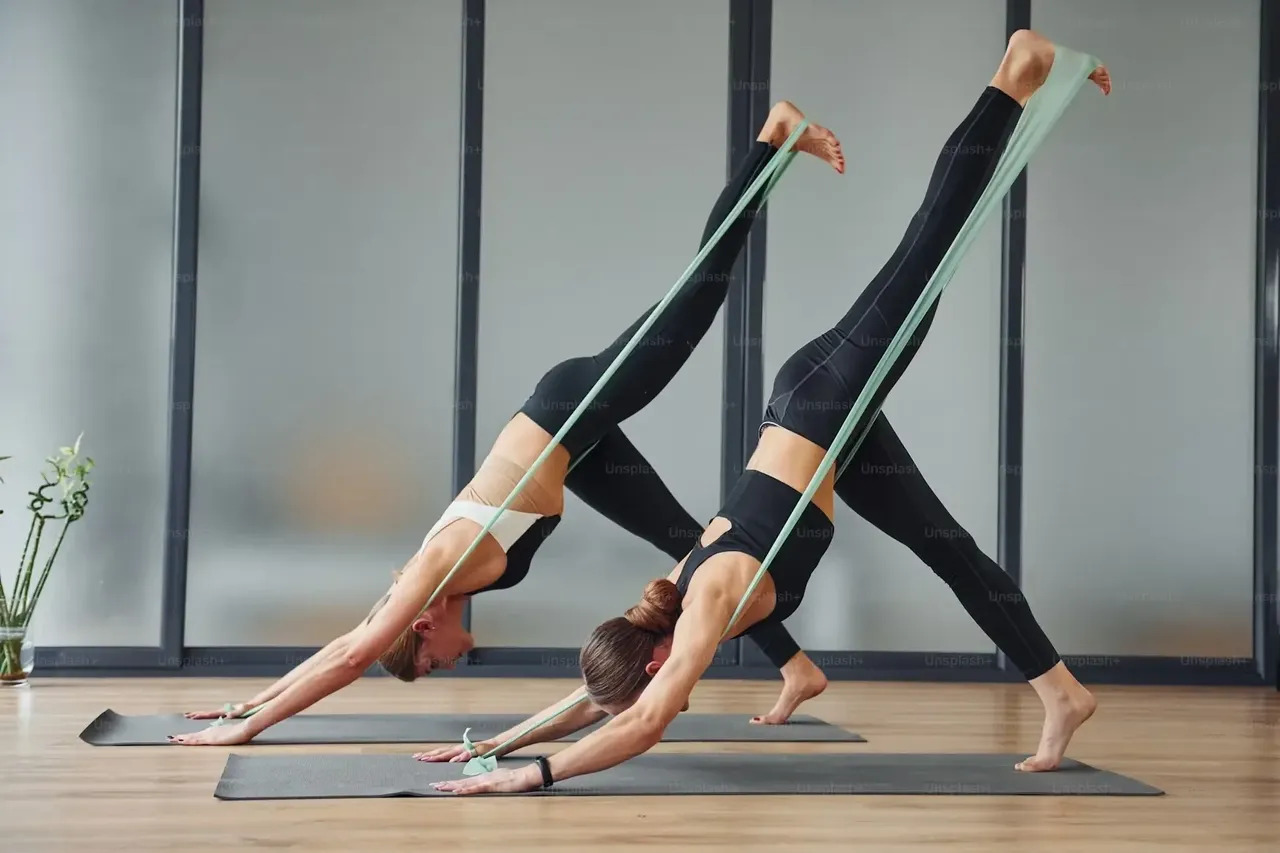
Want to get stronger but don’t have access to a gym—or just don’t enjoy lifting heavy weights? You’re not alone. Whether you’re working out at home, traveling often, or simply prefer more joint-friendly movements, resistance bands are a powerful and portable way to build real strength.
In fact, when used correctly, resistance bands can target your muscles just like free weights. They create constant tension throughout each movement, engage stabilizer muscles, and can scale up or down depending on your fitness level.
If you’re looking for a resistance band plan for beginners or want to explore home strength training without weights, this guide is your blueprint.
Why Choose Resistance Bands for Strength Training?
Resistance bands aren’t just a “beginner alternative” to dumbbells—they offer benefits even advanced lifters appreciate:
- Portability: Throw one in your bag and train anywhere—living room, park, or hotel.
- Joint-Friendly: Ideal for those recovering from injury or managing joint pain.
- Variable Resistance: Bands challenge your muscles differently than weights by increasing resistance the further they’re stretched.
- Progressive Overload: You can build muscle by progressively increasing reps, sets, or band thickness over time.
- Core Engagement: Bands require more control and stability, activating your core in nearly every movement.
And unlike some bulky home gym equipment, resistance bands take up almost no space and cost less than a single personal training session.
Types of Resistance Bands: What You’ll Need
There are several types of bands, and knowing the difference can help you build a more effective plan:
- Loop Bands (Mini Bands) – Great for glute activation, shoulder mobility, and warm-ups.
- Tube Bands with Handles – Mimic dumbbell or cable machine movements. Perfect for full-body workouts.
- Flat Bands (Therapy Bands) – Often used in rehab or stretching routines but also effective for strength work.
- Pull-Up Assist Bands – Long, thick loops for compound movements like rows or squats.
For this beginner plan, we’ll focus on tube bands with handles and loop bands, as they’re the most versatile and beginner-friendly.
Getting Started: Tips Before You Begin
Before jumping into your workout, keep these form and safety tips in mind:
- Anchor Securely: If anchoring bands to doors or furniture, ensure they won’t slip or break under tension.
- Control Every Rep: Slow and controlled movements keep muscles under tension and prevent injury.
- Start Light: Use lighter resistance to master form before progressing to stronger bands.
- Warm Up First: Mobilize your shoulders, hips, and core to prevent strain.
Now let’s get into the workouts.
Beginner Resistance Band Workout Plan (3 Days/Week)
This plan combines push, pull, lower body, and core movements, using minimal equipment. It’s designed for 3 days a week—perfect for beginners looking to build strength at home.
Day 1: Full-Body Foundation (Band Basics)
1. Resistance Band Squats
Focus: Legs, glutes
- Stand on the middle of the band, handles at your shoulders.
- Lower into a squat, keeping your chest up and knees over toes.
- Press back up through your heels.
Reps: 3 sets of 12
2. Resistance Band Chest Press
Focus: Chest, shoulders, triceps
- Anchor the band behind you (door or post), hold handles at chest height.
- Press forward like a push-up motion, then return.
Reps: 3 sets of 10
3. Resistance Band Rows
Focus: Back, biceps
- Anchor band at door handle height. Sit or stand, pull elbows straight back.
- Squeeze your shoulder blades at the top.
Reps: 3 sets of 12
4. Standing Core Twist (Band Rotations)
Focus: Core, obliques
- Anchor band at chest height. Stand side-on and rotate from the waist, keeping arms straight.
Reps: 2 sets of 10 per side
Day 2: Glute & Lower Body Burn
1. Glute Bridges with Mini Band
Focus: Glutes, hamstrings
- Place band above knees, lie on your back, feet flat.
- Push hips to the sky, squeeze glutes, lower down.
Reps: 3 sets of 15
2. Resistance Band Deadlifts
Focus: Hamstrings, back
- Stand on the band, hold handles in front of you.
- Hinge at hips, keeping a flat back, then return to standing.
Reps: 3 sets of 10
3. Lateral Band Walks
Focus: Glutes (medius), hips
- Loop band above knees or at ankles.
- Bend slightly at knees and step side-to-side.
Reps: 3 sets of 10 each direction
4. Resistance Band Calf Raises
Focus: Calves
- Stand on band, hold handles at shoulders.
- Raise heels off the ground, pause at top, slowly lower.
Reps: 3 sets of 15
Day 3: Upper Body & Core Sculpt
1. Resistance Band Shoulder Press
Focus: Shoulders, triceps
- Stand on the band, press handles overhead.
- Keep your core engaged to avoid arching your back.
Reps: 3 sets of 10
2. Resistance Band Bicep Curls
Focus: Arms
- Stand on the band, palms up, curl hands toward shoulders.
Reps: 3 sets of 12
3. Resistance Band Tricep Extensions (Overhead)
Focus: Triceps
- Anchor band low or hold it behind your back.
- Extend your arms overhead, then lower slowly.
Reps: 3 sets of 12
4. Plank with Band Row
Focus: Core, back
- Wrap mini band around wrists. Hold a high plank, row one arm at a time.
Reps: 2 sets of 8 per side
Sample Weekly Schedule
- Monday: Full-Body Foundation
- Wednesday: Glute & Lower Body
- Friday: Upper Body & Core
You can add light cardio or walking on rest days. Each session should take 30–40 minutes, depending on rest and pace.
How to Progress Over Time
The beauty of band training is its scalability. Here’s how to keep seeing results:
- Increase Resistance: Move to thicker bands as you get stronger.
- Add Time Under Tension: Slow down each rep—3 seconds up, 3 seconds down.
- Increase Volume: Add more sets or reps.
- Decrease Rest: Shorten rest between sets to increase intensity.
- Try Supersets: Pair two exercises back-to-back with no rest (e.g., squats + shoulder press).
FAQ: Resistance Band Strength Training
Can you actually build muscle with resistance bands?
Yes. Studies show that muscle activation from band training can be comparable to free weights when done with progressive overload and consistency.
How often should beginners use resistance bands?
Start with 2–3 sessions per week. Focus on quality movement and give your muscles time to recover.
Do I need multiple bands?
Eventually, yes. Start with light or medium resistance and invest in a set with varying strengths for long-term progress.
Can bands replace the gym entirely?
Absolutely—for general strength, posture improvement, and toning. Advanced athletes may still use weights, but for most people, bands are highly effective.
Final Thoughts: A Smarter, Simpler Way to Get Strong
You don’t need barbells or a gym membership to build a strong, lean body. With a consistent resistance band plan for beginners, you can develop full-body strength, improve posture, and stay fit—right from your living room.
If you’re looking for home strength training without weights, resistance bands offer a powerful solution that fits into your schedule, budget, and lifestyle.
Want more?
Try out the BeeFit Calorie Tracer to track your workouts, log progress, and explore expert-led programs tailored to your goals. Your strength journey starts today—no weights required.
This article is for educational purposes only. Always consult your physician or a qualified fitness professional before beginning any new exercise program.
Share :

