
Quick Take
- A 30-day time frame aligns with the 21-30 days needed to form sustainable habits, making it ideal for a weight loss reset.
- Incorporating daily protein and strength training helps preserve muscle mass, which is critical for maintaining metabolism during fat loss.
- Non-scale victories like improved energy, better sleep, and increased strength are key indicators of sustainable progress.
- The plan focuses on nutrient-dense whole foods and consistent movement over extreme calorie restriction or excessive cardio.
Losing weight doesn’t have to mean crash diets, extreme restrictions, or hours at the gym. Instead, it’s about building healthy habits that fit into your life and help you achieve long-term results.
This 30-Day Weight Loss Challenge is designed to help you reset your habits, lose weight sustainably, and feel more energized—without the burnout. By focusing on real food, movement, and consistency, you’ll set yourself up for success that lasts far beyond 30 days.
Why This 30-Day Challenge Works
A month is the perfect timeframe to reset habits, see noticeable progress, and stay motivated. Research shows it takes 21–30 days to form a habit, making this challenge an ideal way to create lasting changes.
Unlike fad diets, this plan isn’t about starvation or overexercising. It’s about making small, realistic adjustments that lead to big results.
How to Prepare for the Challenge
Before diving in, take these steps to set yourself up for success:
- Define Your Goal: Be specific. Do you want to lose 5–10 pounds, feel more energized, or improve your fitness level?
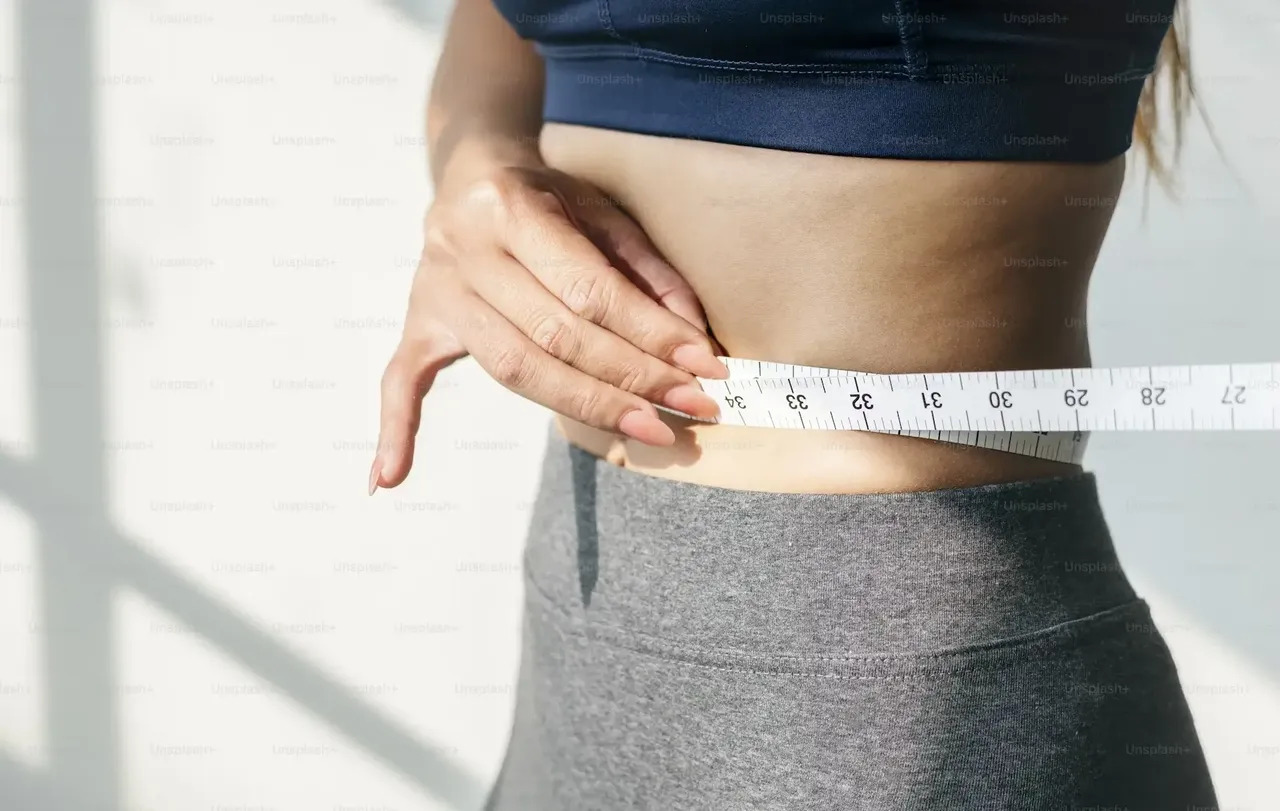
- Take Measurements: Track your weight, inches, and take progress photos. Non-scale victories (like better sleep or improved energy) are just as important.
- Stock Your Kitchen: Replace processed, high-sugar foods with whole, nutrient-dense options.
- Plan Your Workouts: Choose activities you enjoy and can stick to, like walking, yoga, or strength training.
30-Day Weight Loss Plan
Each week builds on the last, helping you ease into healthy habits that last.
Week 1: Small Changes, Big Impact
Focus: Nutrition reset and daily movement
- Eat Protein with Every Meal: Protein keeps you full longer and preserves muscle. Include eggs, Greek yogurt, tofu, or lean meats.
- Drink More Water: Aim for 2–3 liters daily. Add lemon or cucumber for flavor.
- Cut Out Sugary Drinks: Replace soda and juice with sparkling water or unsweetened tea.
- Move for 30 Minutes Daily: Walk, stretch, or try light strength training.
- Eat More Whole Foods: Swap processed snacks for veggies, nuts, and lean protein.
Pro Tip: Batch cook meals like grilled chicken, quinoa, and roasted veggies to make healthy eating easier.
Week 2: Build Strength & Control Portions
Focus: Boost metabolism and fine-tune your diet
- Start Strength Training: Add 2–3 sessions per week using bodyweight or weights.
- Control Portions: Use the plate method: 50% veggies, 25% protein, 25% whole grains.
- Reduce Late-Night Snacking: Brush your teeth after dinner or sip herbal tea.
- Track Your Steps: Aim for 8,000–10,000 steps daily.
Pro Tip: Use a food journal or app to track portions and stay mindful of calorie intake.
Week 3: Add Intensity & Improve Sleep
Focus: Burn more fat and optimize recovery
- Try HIIT Workouts: Add 15–20 minutes of high-intensity intervals (e.g., burpees, jump squats, sprints).
- Eat Mindfully: Slow down, chew thoroughly, and avoid eating in front of screens.
- Prioritize Sleep: Get 7–9 hours per night to regulate hunger hormones.
- Fine-Tune Your Macros: Adjust carbs, protein, and fat based on how you feel.
Pro Tip: Keep healthy snacks like hummus and veggies, boiled eggs, or almonds handy.
Week 4: Break Through Plateaus
Focus: Maximize results and plan for the future
- Increase Workout Intensity: Lift heavier weights or add more reps.
- Refine Your Diet: Make small adjustments to protein and carb intake.
- Stay Active Beyond Workouts: Walk after meals, stretch, or do bodyweight moves throughout the day.
- Plan for the Next 30 Days: Decide how to keep progressing beyond this challenge.
Pro Tip: Reflect on what worked best and create a plan for sustaining results.
What to Eat for Weight Loss
Rather than cutting calories drastically, focus on nutrient-dense foods that keep you full and energized.
Best Foods to Include
- Protein: Chicken, turkey, eggs, Greek yogurt, tofu, salmon
- Healthy Fats: Avocados, nuts, olive oil, fatty fish
- Fiber-Rich Carbs: Sweet potatoes, quinoa, oats, legumes
- Veggies & Fruits: Spinach, bell peppers, berries, citrus
Simple Meal Ideas
- Breakfast: Scrambled eggs with avocado and whole-grain toast
- Lunch: Grilled chicken salad with olive oil dressing
- Dinner: Salmon with roasted vegetables and quinoa
- Snack: Apple with almond butter or Greek yogurt with berries
Pro Tip: Prep your meals ahead of time so you always have a healthy option ready.
How to Stay Motivated
- Find an Accountability Partner: A friend or community can help keep you on track.
- Track Progress Beyond the Scale: Notice energy levels, strength, and confidence.
- Celebrate Small Wins: Every workout, healthy meal, and new habit is progress.
- Be Flexible: If you miss a day, just get back on track—no guilt.
Common Myths About Weight Loss
- You Have to Cut Carbs Completely: Carbs aren’t the enemy. Focus on quality carbs like quinoa, brown rice, and sweet potatoes instead of refined grains.
- You Need to Do Hours of Cardio: Strength training burns more fat long-term by building lean muscle. Mix cardio and strength for best results.
- Eating Late at Night Makes You Gain Weight: It’s what you eat, not when. Stick to balanced meals and snacks regardless of the time.
FAQ: Your 30-Day Weight Loss Challenge Questions, Answered
Q: How much weight can I realistically expect to lose in 30 days?
A: A safe and sustainable rate of weight loss is 1-2 pounds per week, so a realistic goal for 30 days is 4-8 pounds. Results vary based on starting point, adherence, and individual metabolism. Focus on consistent habit-building over rapid scale drops.
Q: Do I need to count calories on this plan?
A: Not strictly. The plan emphasizes food quality and portion control using methods like the plate method (50% veggies, 25% protein, 25% whole grains). For some, tracking initially can build awareness, but it’s not mandatory for success if you follow the foundational habits.
Q: What if I miss a workout or have an off-plan meal?
A: It’s not a setback; it’s part of the process. The key is consistency, not perfection. Simply resume the next planned meal or workout. Building resilience and avoiding an “all-or-nothing” mindset is crucial for long-term success.
Q: Can I do this challenge if I’m a beginner?
A: Absolutely. The plan is structured to progress weekly, starting with foundational habits like daily walking and protein intake. All workouts can be modified. Listen to your body and increase intensity only as you feel ready.
Q: How do I avoid hitting a weight loss plateau during the challenge?
A: Plateaus are normal. The plan proactively addresses this in Week 4 by increasing workout intensity and refining diet. If you plateau earlier, ensure you are accurately portioning food, drinking enough water, prioritizing sleep, and varying your workout intensity.
Final Thoughts
This 30-Day Weight Loss Challenge isn’t about perfection—it’s about building habits that last. By focusing on better nutrition, daily movement, and smart choices, you can lose weight, feel stronger, and create a healthier lifestyle that doesn’t feel like a chore.
Ready to take control of your health? Start today and see what 30 days of consistency can do!
This article is based on research and general nutritional guidelines. It is not a substitute for medical advice. Always consult a healthcare provider for personalized dietary recommendations.
Share :

