
Quick Take
- A single large egg provides 6 grams of high-quality protein, while one cup of cooked oatmeal offers nearly 4 grams of fiber.
- Eating eggs for breakfast can reduce overall daily calorie intake by promoting greater fullness.
- The beta-glucan fiber in oatmeal is proven to help lower LDL (“bad”) cholesterol levels.
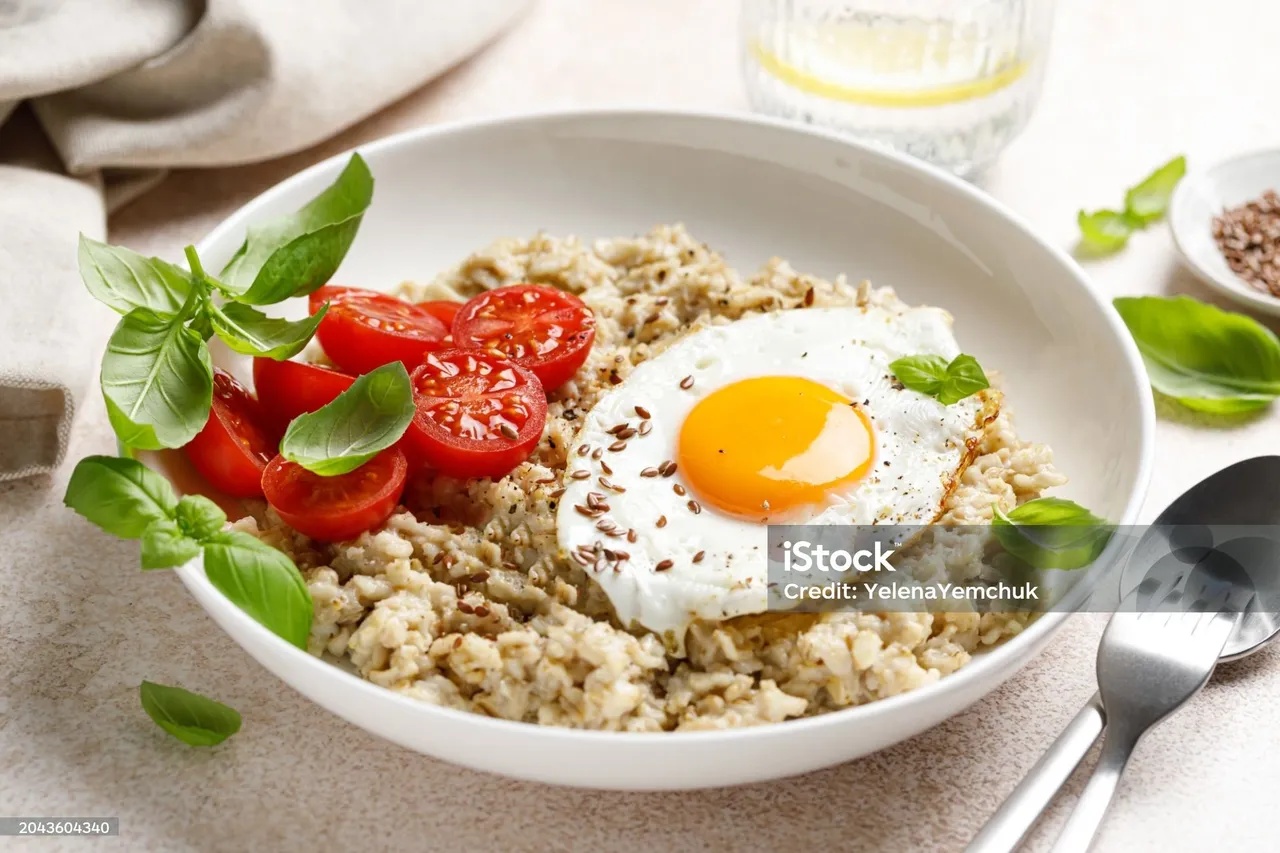
- Combining eggs and oatmeal provides a complete meal of protein, fiber, and complex carbs.
Your morning meal sets the tone for your entire day. It can dictate your energy, focus, and hunger levels for hours. Two classic contenders often dominate the healthy breakfast debate: the protein-packed egg and the fiber-rich bowl of oatmeal.
Each is a nutritional powerhouse in its own right, but they serve different purposes. Is one objectively better? The answer depends entirely on your body, your goals, and your day ahead. This detailed comparison breaks down the science. It will help you decide which breakfast or which combination truly deserves a place on your plate.
Which Breakfast Is Best for Weight Loss?
Eggs have a slight edge for weight loss due to their high protein content, which powerfully promotes satiety and reduces later calorie intake.
A large egg contains about 6 grams of protein and healthy fats. These nutrients digest slowly, keeping you full for longer. Research consistently shows that a high-protein breakfast leads to reduced hunger and fewer calories eaten throughout the day compared to a high-carb breakfast.
Studies show that eating eggs for breakfast can help reduce overall calorie intake throughout the day.
This finding is key because sustainable weight loss hinges on managing hunger. Eggs provide a strategic advantage by targeting satiety hormones directly.
Your Application
For a weight-loss focused breakfast, prioritize eggs. Try two scrambled eggs with vegetables. If you love oatmeal, boost its power by stirring in a scoop of protein powder or having a hard-boiled egg on the side.
Is Oatmeal or Eggs Better for Heart Health?
Oatmeal is the clear winner for direct heart health support, thanks to its soluble fiber, but eggs can be part of a heart-healthy diet in moderation.
Oats are rich in a soluble fiber called beta-glucan. This fiber binds to cholesterol in your digestive system and helps remove it from your body, actively lowering LDL (“bad”) cholesterol levels. The American Heart Association recognizes this benefit.
While eggs contain dietary cholesterol, modern research indicates they have a minimal impact on blood cholesterol for most people. The bigger concern for heart health is often the saturated fat paired with them, like butter or cheese.
Your Application
For cholesterol management, make plain oatmeal a staple. Choose old-fashioned or steel-cut oats and top with berries and nuts. If eating eggs, pair them with avocado and spinach instead of bacon and sausage.
Which Option Provides Longer-Lasting Energy?
Oatmeal provides more sustained energy for most people due to its complex carbohydrates and fiber, which prevent blood sugar spikes and crashes.
A bowl of oatmeal is a source of slow-burning fuel. The complex carbs and fiber break down gradually, providing a steady stream of glucose to your brain and muscles. This leads to stable energy and focus, especially beneficial before a long morning or workout.
Eggs, while excellent for satiety, provide minimal carbohydrate-derived energy. They are perfect for pairing with a carb source to create a balanced, enduring energy supply.
Your Application
For a busy morning requiring mental or physical stamina, choose oatmeal or combine both. A bowl of oatmeal with a side of eggs gives you immediate and lasting energy from carbs, plus staying power from protein.
Are Eggs the Superior Choice for Building Muscle?
Yes, eggs are a superior source of the high-quality, complete protein necessary for muscle repair and growth.
Egg protein is considered a “gold standard” due to its perfect amino acid profile and high bioavailability. This means your body can efficiently use it to repair muscle tissue broken down during exercise. The leucine in eggs is particularly potent for triggering muscle protein synthesis.
While oatmeal contains some protein, it is not a complete protein source on its own and offers a much smaller amount per serving.
Your Application
After a strength training session, a breakfast with 2-3 whole eggs is an excellent choice to kickstart recovery. For a bigger boost, add egg whites to your scramble or enjoy a post-workout oatmeal bowl made with milk and topped with a scoop of nut butter.
Can You Eat Both Eggs and Oatmeal Together?
Absolutely. Combining eggs and oatmeal creates a nutritionally complete breakfast that optimizes fullness, energy, and nutrient intake.
This pairing is a strategic powerhouse. You get the high-quality protein and fats from eggs alongside the sustained energy, fiber, and micronutrients from oatmeal. Together, they cover all nutritional bases, making it one of the most balanced breakfasts you can eat.
This approach is the most effective because it moves the debate from “either/or” to “and.” It harnesses the unique strengths of both foods.
Your Application
Make savory oatmeal by cooking oats in broth and topping with a soft-boiled egg, spinach, and everything bagel seasoning. Or, simply enjoy a bowl of sweet oatmeal with two eggs on the side.
FAQ: Your Breakfast Choice Questions, Answered
Q: I’m on a keto or low-carb diet. Which should I choose?
A: Eggs are the essential choice. They are virtually carb-free. Oatmeal is a high-carb food and does not fit into a strict ketogenic diet.
Q: What if I have high cholesterol? Should I avoid eggs?
A: For most people, dietary cholesterol in eggs has a much smaller effect on blood cholesterol than once thought. The greater impact comes from saturated and trans fats. If you have high cholesterol, consult your doctor. Many can safely enjoy 6-7 eggs per week as part of a diet low in saturated fat.
Q: Does oatmeal cause bloating?
A: The high fiber content can cause gas or bloating in some people, especially if you rapidly increase your fiber intake. Start with a smaller portion (e.g., 1/2 cup dry) and drink plenty of water to help your digestive system adjust.
Q: Are egg whites healthier than whole eggs?
A: Not necessarily. While egg whites are pure protein, the yolk contains almost all the vitamins (A, D, E, B12), minerals (iron, selenium), and healthy fats. For most people, whole eggs are the more nutritious choice.
Q: Which is more filling, eggs or oatmeal?
A: In direct, calorie-matched comparisons, eggs tend to be more filling due to their protein and fat content. However, a large bowl of fiber-rich oatmeal is also very satiating. The most filling option is to combine them.
Final Thoughts
The eggs vs. oatmeal debate isn’t about finding a single winner. It’s about understanding your body’s fuel needs. Are you seeking steady energy, powerful hunger control, or muscle-building support?
Oatmeal excels as a foundational energy source and heart-health promoter. Eggs shine as a tool for satiety, body composition, and nutrient density. For the ultimate breakfast that checks every box, don’t choose—combine them. This powerful duo supports balanced energy, lasting fullness, and overall health better than either could alone.
Looking for more ways to build a balanced plate? Explore our complete guide to meal planning for energy at BeeFit.ai.
This article is for informational purposes only and is based on current nutritional research. It is not a substitute for professional medical advice, diagnosis, or treatment. Always seek the advice of your physician or a qualified dietitian with any questions you may have regarding a medical condition or dietary changes.
Share :

