
Quick Take
- The Mediterranean Diet has been the #1 ranked diet for five consecutive years, praised for its balance, research-backed health benefits, and sustainability.
- The DASH and MIND diets are specialized: DASH for lowering blood pressure, MIND for protecting cognitive health and reducing Alzheimer’s risk.
- The lowest-ranked diets (like GAPS and Dukan) are typically very restrictive, lack long-term scientific support, and are difficult to maintain.
- The most effective diets for long-term success focus on overall eating patterns and lifestyle, not just rapid weight loss.
Navigating the world of diets can be confusing and frustrating. Is the goal rapid weight loss, managing a health condition, or simply eating healthier for life? Fortunately, a panel of top nutrition and medical experts does the heavy lifting each year.
U.S. News & World Report’s annual ranking evaluates diets on what truly matters: nutritional completeness, safety, effectiveness for heart health and diabetes, and critically ease of long-term adherence. This guide breaks down the top contenders and the key science behind their rankings.
Why Has the Mediterranean Diet Been #1 for Five Years Straight?
Because it isn’t a restrictive “diet” at all; it’s a holistic, evidence-based eating pattern that prioritizes food quality, enjoyment, and long-term health sustainability.
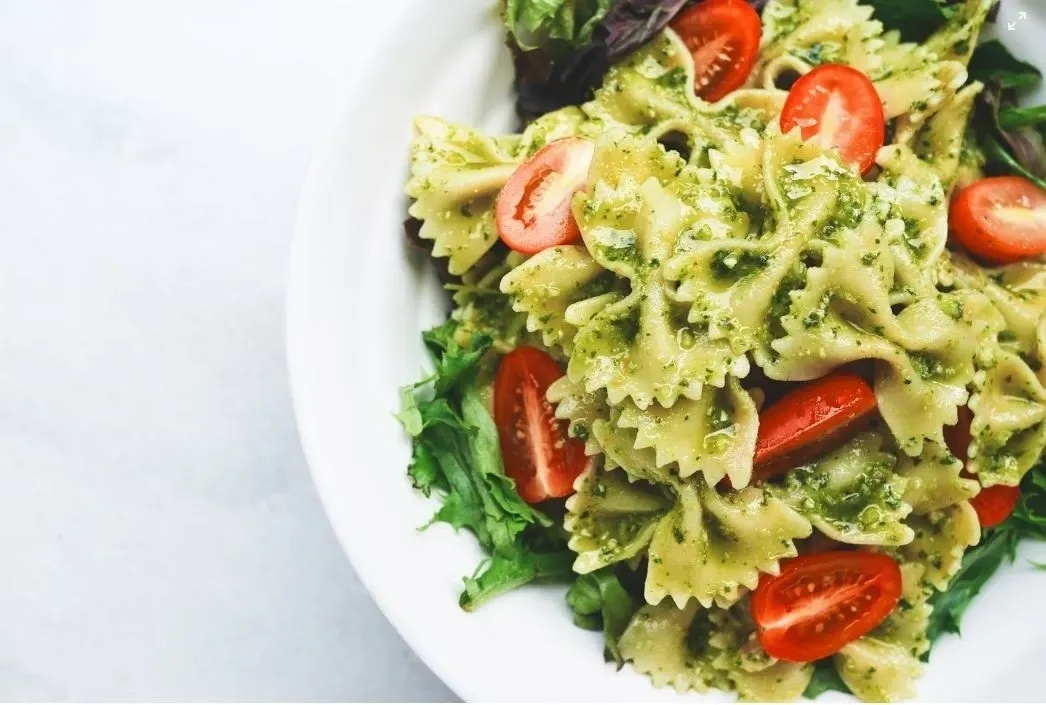
Rooted in the traditional cuisines of Southern Europe, this diet emphasizes vegetables, fruits, whole grains, legumes, nuts, olive oil, and moderate fish and poultry. It’s inherently rich in fiber, healthy fats, and antioxidants. Extensive research links it not just to weight management, but to a significantly lower risk of heart disease, type 2 diabetes, cognitive decline, and increased longevity.
This ranking underscores a vital principle: the best diet is one you can maintain for life. The Mediterranean diet’s flexibility and focus on delicious, whole foods make it uniquely sustainable.
Your Application
Start by making one meal a day “Mediterranean.” Add an extra vegetable to your plate, use olive oil for cooking, and snack on nuts instead of processed foods.
What Makes the DASH Diet a Top Choice for Heart Health?
It was specifically designed and proven by the National Institutes of Health (NIH) to lower blood pressure, often as effectively as medication, through strategic nutrient intake.
DASH stands for Dietary Approaches to Stop Hypertension. Its power lies in its specific combination: high in potassium, calcium, magnesium, and fiber from fruits, vegetables, and low-fat dairy, while being low in sodium and saturated fat. This nutrient profile relaxes blood vessels and improves blood pressure control. Its effectiveness is so well-documented it’s a first-line dietary recommendation from cardiologists.
This is key for anyone with hypertension or a family history of heart disease. It’s a therapeutic eating plan with a singular, powerful focus.
Your Application
To follow DASH, significantly increase your fruit and vegetable intake (aim for 4-5 servings of each daily), choose low-fat dairy, and limit processed foods, which are the biggest sources of hidden sodium.
How Does the MIND Diet Protect Your Brain?
It hybridizes the Mediterranean and DASH diets, specifically targeting foods rich in antioxidants and healthy fats shown to slow cognitive decline.
The MIND (Mediterranean-DASH Intervention for Neurodegenerative Delay) diet zeroes in on brain-healthy foods: leafy greens, berries, nuts, olive oil, whole grains, and fatty fish. It specifically limits red meat, butter, cheese, pastries, and fried foods. Observational studies show it can reduce the risk of Alzheimer’s disease by up to 53% for those who follow it closely.
This finding is revolutionary for preventative health. It moves nutrition from general wellness to targeted protection of our most vital organ.
Your Application
Incorporate two key habits: eat a serving of leafy greens (spinach, kale) daily and snack on berries at least twice a week. These are the foods most strongly correlated with cognitive benefit in MIND diet research.
Is the Flexitarian Diet Effective Without Strict Rules?
Yes. Its structured flexibility prioritizing plants while allowing occasional meat makes it easier to adopt permanently, which is the ultimate predictor of dietary success.
“Flexitarian” blends “flexible” and “vegetarian.” It doesn’t ban food groups, which reduces feelings of deprivation. The core diet is vegetarian, but you have the freedom to include a burger or chicken when desired. Research shows that even moderately reducing meat intake in favor of plants lowers the risk of heart disease, diabetes, and promotes weight loss.
This approach is powerful because it meets people where they are. It’s a practical gateway to healthier eating without an all-or-nothing mindset.
Your Application
Try implementing “Meatless Monday” or choose two days a week where your meals are entirely plant-based. Focus on adding protein from beans, lentils, tofu, and eggs.
Why Do Diets Like Keto and Dukan Rank So Low?
They score poorly on long-term sustainability, nutritional completeness, and heart health safety due to extreme restriction and potential nutrient deficiencies.
Diets like Keto and Dukan are highly restrictive, requiring severe carb limitation and high fat/protein intake. While they can produce rapid short-term weight loss, the panel of experts consistently rates them low because they are difficult to maintain, often lack essential fibers and vitamins, and their long-term effects on heart health (from high saturated fat intake) are concerning.
This critical distinction separates fads from lifestyles. A high ranking requires a diet to be safe and effective not just for months, but for decades.
Your Application
Be wary of any diet that eliminates entire food groups (like fruits, whole grains, and legumes) without medical cause. Sustainable weight management comes from balanced habits, not extreme short-term protocols.
FAQ: Your Diet Ranking Questions, Answered
Q: If a diet is ranked lower, does that mean it doesn’t work?
A: Not necessarily. It means it scores lower on the composite criteria used by experts, which includes long-term safety, ease of follow-through, and nutritional balance. A diet like Keto may lead to quick weight loss (“works” in the short term) but ranks low because it’s hard to maintain and may lack balance, making it less “best” overall.
Q: I need to lose weight fast for an event. Should I ignore these rankings?
A: These rankings are designed to identify the best diets for overall, long-term health. If your only goal is rapid, short-term weight loss for a specific date, a lower-ranked diet might achieve that. However, understand the trade-offs: potential muscle loss, nutrient deficiencies, and a very high likelihood of regaining the weight once you stop the restrictive plan.
Q: How much does cost factor into these rankings?
A: “Ease of Adherence” indirectly factors in cost and accessibility. Diets that require expensive specialty foods, supplements, or pre-made meals are harder to maintain. The top-ranked diets (Mediterranean, DASH, Flexitarian) emphasize affordable, accessible whole foods like beans, lentils, seasonal vegetables, and whole grains.
Q: Can I combine aspects of different top-ranked diets?
A: Absolutely, and this is often the most effective personal strategy. This is essentially what the MIND diet is—a combination of Mediterranean and DASH. You might follow a Mediterranean pattern but use the DASH principle of limiting sodium. The best diet is a personalized one built on sound principles.
Q: Where can I get started with the Mediterranean or DASH diet?
A: Begin with free, reputable resources. The NIH website has official DASH diet materials, and organizations like the American Heart Association and Oldways Preservation Trust offer excellent guides and recipes for the Mediterranean diet.
The Bottom Line
The annual diet rankings reveal a clear consensus among experts: the healthiest way to eat is not through drastic restriction, but through a balanced, enjoyable pattern focused on whole foods. The Mediterranean, DASH, and MIND diets aren’t trendy; they are time-tested, research-backed blueprints for longevity.
Let these rankings steer you away from quick fixes and toward a sustainable, science-supported way of eating. The best diet isn’t the one you follow for 12 weeks; it’s the one you live by for life.
To explore how to build a sustainable plate, read our guide to mastering portion control and mindful eating at BeeFit.ai.
This article summarizes and interprets the U.S. News & World Report Best Diets rankings for informational purposes. It is not a substitute for professional medical advice, diagnosis, or treatment. Always seek the advice of your physician or a registered dietitian before starting any diet or making significant changes to your eating habits, especially if you have underlying health conditions.
Share :

