

Quick Take
- Combining strength training and cardio in the same session can hinder muscle growth if not structured correctly, as cardio may inhibit the mTOR pathway crucial for muscle protein synthesis.
- The 8-week duration is critical; most beginners exhaust their initial “neural adaptation” gains by this point, requiring a change in stimulus for continued progress.
- Performing HIIT after strength training, as this plan suggests, is less optimal for muscle building than doing it on separate days or at least 6 hours apart.
- Low-intensity steady-state (LISS) cardio on off days is superior for recovery and fat oxidation than higher-intensity options, which can impede muscle repair.
This workout plan combines strength training and cardio to maximize fat loss and muscle building, making it perfect for those who want a complete fitness routine with minimal equipment. You’ll focus on full-body exercises three days a week and add cardio for better endurance and faster results. It’s ideal for at-home workouts or while traveling!
Workout Summary
- Main Goal: Build Muscle & Burn Fat
- Workout Type: Full Body + Cardio
- Training Level: Beginner
- Duration: 8 weeks
- Days Per Week: 3 (Strength) + Cardio
- Time Per Workout: 30-45 minutes
- Equipment Needed: Dumbbells
- Gender: Male & Female
- Rest Between Sets: 30-60 seconds
- Cardio: HIIT and low-intensity cardio
Why Combine Strength & Cardio?
By adding cardio to your strength routine, you’ll boost your metabolism, improve cardiovascular health, and burn fat more efficiently. The balance of weight training and cardio provides a full-spectrum workout that builds lean muscle while promoting fat loss.
Here’s why this approach works:
- Fat Burning: Cardio burns calories and promotes fat loss, especially when combined with muscle-building strength exercises.
- Improved Endurance: Cardio will help you increase stamina, making your strength workouts more effective over time.
- Balanced Fitness: Combining strength and cardio ensures both muscle growth and cardiovascular health.
- Time Efficient: Adding short bursts of cardio after your strength routine increases the overall effectiveness without requiring additional workout days.
Cardio Plan for Best Results
On your strength training days (3 days per week), incorporate a 10-15 minute session of High-Intensity Interval Training (HIIT) after completing your weightlifting. On your off days, perform 30-40 minutes of low-intensity cardio (walking, cycling, or swimming) to keep your body active while recovering.
- HIIT (On Strength Days): Perform 20-30 second sprints followed by 40-60 seconds of rest. Repeat for 10-15 minutes after your workout. HIIT can be done using a treadmill, stationary bike, or even with bodyweight exercises like jumping jacks or burpees.
- Low-Intensity Cardio (Off Days): On days when you’re not lifting, aim for a brisk walk or light jog for 30-40 minutes. This keeps your metabolism active while allowing muscle recovery.
Pro Tips for Maximizing Your Workout
- Stay Consistent: Stick to your 3-day strength plan and add in your cardio as recommended for best results.
- Gradually Increase Intensity: As you progress, either increase the weights for your strength exercises or shorten rest periods during HIIT.
- Focus on Recovery: Stretching after cardio and strength workouts will aid in muscle recovery and prevent injury.
- Track Your Heart Rate: During cardio, monitor your heart rate to ensure you’re hitting your target zone for fat burning (usually 60-80% of your max heart rate).
3-Day Full-Body Dumbbell Workout with Cardio
Day 1: Strength + HIIT
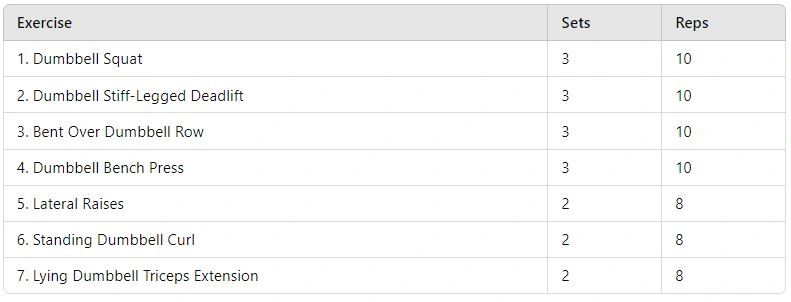
HIIT (10-15 Minutes): Sprint for 20 seconds, rest for 40 seconds, and repeat for 10-15 minutes.
Day 2: Strength + HIIT
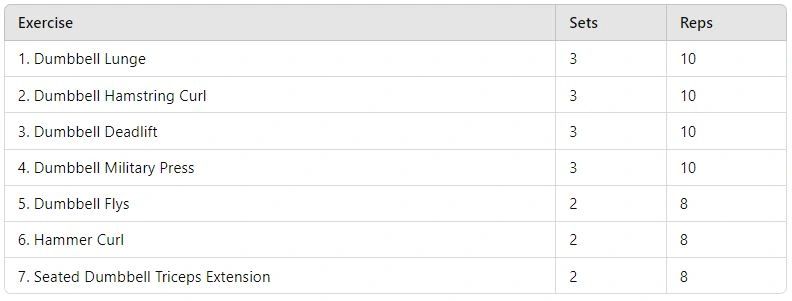
HIIT (10-15 Minutes): Perform jump squats, burpees, or mountain climbers in intervals of 20-30 seconds on, 40-60 seconds rest.
Day 3: Strength + HIIT
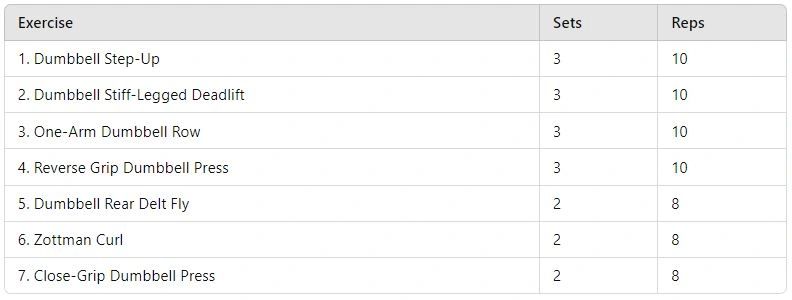
HIIT (10-15 Minutes): End your session with 10-15 minutes of sprints, alternating between running and rest.
Off-Day Cardio
On non-strength training days, aim for a 30-40 minute walk, jog, or cycling session. Keep it low intensity to promote active recovery and keep your metabolism elevated.
FAQ: Your Workout Plan Questions, Answered
Q: Will this plan help me lose fat and build muscle at the same time?
A: Yes, especially if you are a beginner or returning to training—a phase where “body recomposition” is most achievable. The key is a high-protein diet and the progressive overload in your strength workouts. You may not see the scale weight drop quickly, but you should notice changes in clothing fit and muscle definition.
Q: Is 10-15 minutes of HIIT really enough to be effective?
A: Absolutely. The effectiveness of HIIT comes from intensity, not duration. A well-executed, all-out 10-minute HIIT session following protocols like the Tabata method (20s max effort/10s rest) can improve cardiovascular fitness and boost metabolism significantly. Longer sessions increase injury risk and recovery demands.
Q: Why is the warm-up and cool-down so important?
A: A dynamic warm-up (leg swings, arm circles, cat-cow stretches) prepares your muscles, nervous system, and joints for load, reducing injury risk and improving performance. A cool-down with static stretching aids in flexibility and initiates recovery. Neglecting these can compromise your next workout’s quality.
Q: What if I don’t have dumbbells or any equipment?
A: You can maintain the plan’s structure using bodyweight exercises. Replace dumbbell moves with more challenging variations: use close-grip push-ups for chest presses, inverted rows under a table for bent-over rows, and plyometric jump squats for goblet squats. For lower body, single-leg exercises like Bulgarian split squats are highly effective.
Next Steps After 8 Weeks
After completing this 8-week program, you’ll notice improvements in both strength and endurance. Consider increasing the intensity by either adding more sets, incorporating heavier weights, or expanding your cardio sessions. You can also explore a 4-day workout split to challenge your muscles further.
This information is for educational purposes only and is not a substitute for professional medical or fitness advice. Consult with a physician before beginning any new exercise program, especially if you have pre-existing health conditions.
Share :

