
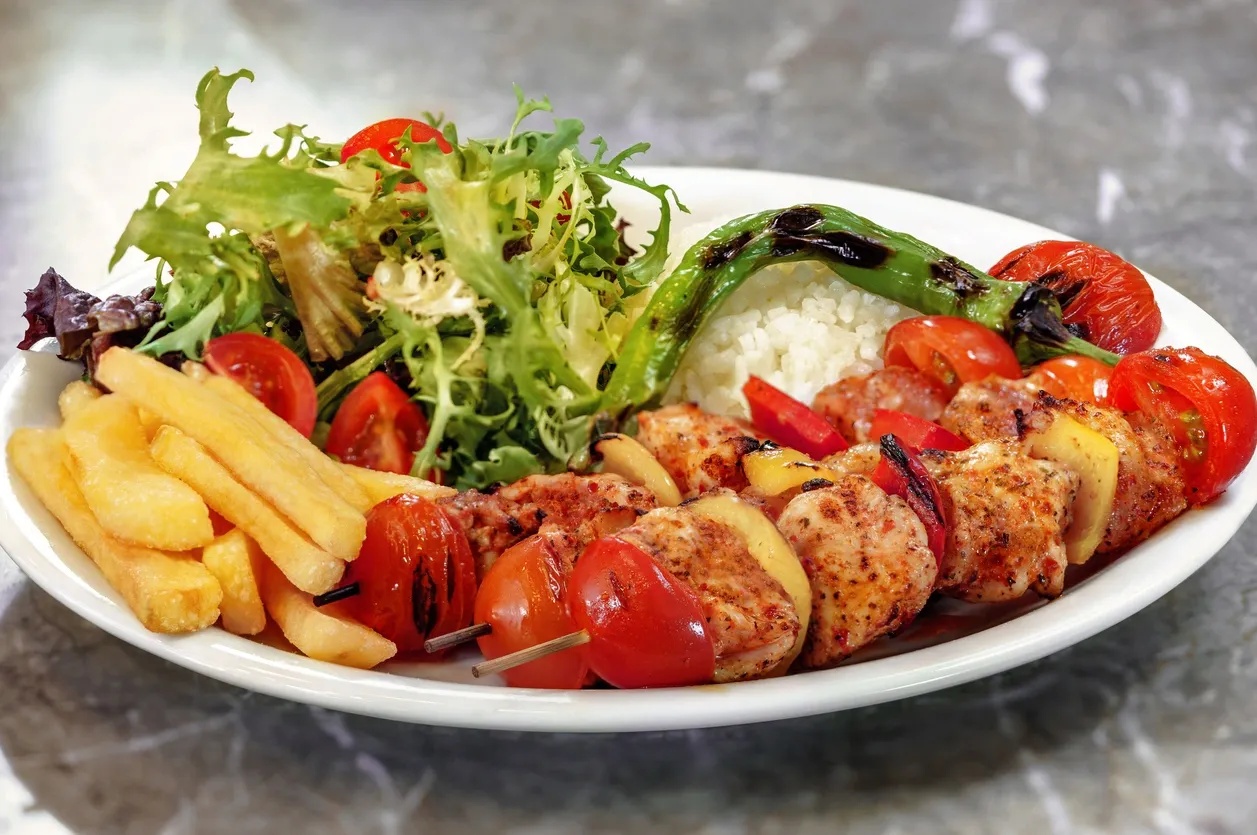
The Mediterranean diet is often praised as a “heart-healthy” eating pattern, a surface-level understanding that overlooks its most profound impact. Celebrated for its olive oil and vegetables, its true power is routinely missed: it functions as a precision prebiotic, systematically reshaping your gut ecosystem to directly combat the chronic inflammation that drives aging. This isn’t just a diet for your heart; it’s a feeding program for the trillions of bacteria that regulate your immune system, brain health, and longevity.
Quick Take
- A landmark 12-month study in Gut found the diet increased gut bacteria linked to reduced frailty and better cognition while lowering inflammatory markers.
- The diet’s effectiveness relies on synergistic nutrients—fiber and polyphenols in plants feed bacteria that produce anti-inflammatory compounds like butyrate.
- Key benefits, including improved cognitive function, are mediated by the gut-brain axis, not just direct nutrition to the brain.
- The diet’s positive changes in the gut microbiome are reversible, disappearing when the diet is stopped, making consistency essential.
How Does This Diet Specifically Alter Your Gut to Fight Inflammation?
Direct Answer: It acts as a fertilizer for beneficial bacteria that produce short-chain fatty acids (SCFAs), particularly butyrate, which strengthens the gut lining and calms systemic immune overreaction, directly lowering measurable inflammatory markers in the bloodstream.
Explanation & Evidence
The diet’s high fiber from legumes, vegetables, and whole grains is not just for digestion; it is the primary food (prebiotic) for bacteria like Faecalibacterium prausnitzii. These bacteria ferment fiber into SCFAs. The polyphenols in olive oil, nuts, and red wine (in moderation) further feed these beneficial strains. A major study following 612 older adults for a year found that strict adherence to the Mediterranean diet increased these SCFA-producing bacteria and decreased pro-inflammatory bacteria, leading to a measurable drop in inflammatory markers like C-reactive protein (CRP).
Participants who adhered to the diet for 12 months showed increased abundance of beneficial bacteria associated with reduced frailty and improved cognitive function and decreased levels of inflammatory markers.
Analysis & Application
This reveals the diet’s action is microbiological, not merely nutritional. The benefits for conditions like rheumatoid arthritis and heart disease are significantly downstream effects of this calmer immune state originating in the gut. Simply eating “healthy food” is not the same as strategically feeding a specific microbial community.
Your Application
Focus on increasing daily prebiotic fiber. Aim to include two servings of legumes (lentils, chickpeas), a variety of colored vegetables, and a handful of nuts daily. Drizzle extra virgin olive oil on vegetables; the fat helps absorb polyphenols and feeds good bacteria.
Is Olive Oil Simply “Healthy Fat,” or Does It Have a Unique Role?
Direct Answer: Olive oil, especially extra virgin, is a pharmacologically active food. Its high concentration of monounsaturated fats is secondary to its potent polyphenols like oleocanthal, which has a proven anti-inflammatory effect comparable to low-dose ibuprofen.
Explanation & Evidence
The monounsaturated fats in olive oil are stable and heart-healthy, but the secret lies in the minor compounds. Oleocanthal inhibits the same cyclooxygenase (COX) enzymes that NSAID pain relievers target. Furthermore, research indicates these polyphenols selectively inhibit the growth of harmful gut bacteria while promoting beneficial ones, creating a dual anti-inflammatory effect: directly in the body and indirectly via the microbiome.
Analysis & Application
This means olive oil is not a passive calorie source but an active component of the diet’s anti-inflammatory effect. Refined, light, or pure olive oil has most polyphenols removed, negating this key benefit. The quality and processing of the oil are therefore critical.
Your Application
Use extra virgin olive oil (EVOO) as your primary cooking fat and for dressings. Look for bottles labeled “cold-pressed” and store it in a dark place to preserve polyphenols. Consider it a mandatory core supplement of the diet, not an optional fat.
Can You Get the Same Benefits Outside the Mediterranean Region?
Direct Answer: Yes, but it requires adherence to the diet’s principles, not its specific geography. The core requirement is daily, high-intake of the key prebiotic food groups (diverse plants, legumes, whole grains) and high-quality EVOO, which are globally available.
Explanation & Evidence
The cited study proved this by achieving positive results across five different European countries with varying local food cultures. The mechanism is based on biochemistry, not location. What matters is the consistent consumption pattern that delivers a specific mix of fibers and polyphenols to the gut. Relying on imported Mediterranean specialties is less important than consistently eating locally available beans, leafy greens, berries, and nuts.
Analysis & Application
This removes a major barrier to adoption. You don’t need to source obscure ingredients. You need to pattern your plate like a Mediterranean: abundant plants, beans as a staple, whole grains, and EVOO. The local broccoli or kale is as effective as any regional green.
Your Application
Use the “Mediterranean Plate” model for lunch and dinner: half the plate non-starchy vegetables, a quarter plant-based or lean protein (beans, fish, poultry), a quarter whole grains, all dressed with EVOO. This pattern is globally applicable.
Why Is Consistency More Critical Here Than with Other Diets?
Direct Answer: The gut microbiome adapts quickly to dietary input. Beneficial bacteria fostered by the Mediterranean diet begin to decline within days of returning to a low-fiber, high-processed food diet, causing the anti-inflammatory benefits and improved microbial diversity to rapidly reverse.
Explanation & Evidence
The 2020 Gut study made a crucial observation: when participants stopped following the diet, the positive microbial changes and health markers diminished. The microbiome is a dynamic ecosystem—beneficial bacteria that thrive on fiber will be outcompeted by inflammatory species within weeks if their food supply (fiber) is cut off. This makes the Mediterranean diet a lifelong lifestyle, not a short-term intervention.
Analysis & Application
This underscores that the diet is a sustained cultivation project, not a cleanse. Intermittent adherence yields intermittent benefits. The goal is to permanently shift your dietary pattern to provide continuous fuel for a health-promoting microbiome.
Your Application
Don’t view this as a temporary “diet.” Make at least two of its core habits non-negotiable daily practices (e.g., “I will eat beans or lentils at one meal daily” and “I will use only EVOO for fats”). This builds the consistency required for lasting change.
FAQ: Your Mediterranean Diet Questions, Answered
Q: Is red wine necessary for the benefits?
A: No. While red wine contains polyphenols like resveratrol, the diet’s benefits are achieved through food. Wine is an optional, moderate component (one glass daily for women, up to two for men). The prebiotic fiber from plants and the fats from EVOO and nuts are the non-negotiable foundations.
Q: How does this diet specifically protect brain health?
A: Through the gut-brain axis. The SCFAs (like butyrate) produced by your nourished gut bacteria reduce neuroinflammation. Furthermore, a healthier gut lining prevents “leaky gut,” which can allow inflammatory particles into the bloodstream that may cross the blood-brain barrier. Improved cognitive function is a documented outcome of this process.
Q: I don’t eat fish. Can I still follow this diet?
A: Absolutely. The diet is plant-forward. Focus on getting omega-3 fats from plant sources like walnuts, flaxseeds, and chia seeds. Ensure adequate protein from legumes, nuts, and occasional poultry. The core benefits are derived from plants and olive oil.
Q: How soon might I notice changes in how I feel?
A: Reductions in bloating and improved energy can occur within a few weeks due to better digestion and stabilized blood sugar. Measurable changes in gut bacteria composition and inflammatory markers, as shown in the study, take consistent adherence over several months.
The Mediterranean diet’s genius is its function as an ecosystem management strategy for your inner microbial world. By consistently providing the specific fibers and polyphenols that beneficial bacteria require, you don’t just eat for yourself—you cultivate a microbial community that actively suppresses inflammation, supports your metabolism, and protects your long-term health. This shifts the goal from passive food restriction to active biological stewardship.
Which single, sustainable shift making legumes a daily staple or switching exclusively to extra virgin olive oil will you implement to begin cultivating this anti-inflammatory environment within?
This article is for informational purposes only and is not a substitute for professional medical advice, diagnosis, or treatment. Always seek the advice of your physician or other qualified health provider with any questions you may have regarding a medical condition.
Share :

