
Quick Take
- Visceral fat is a dangerous type of fat that wraps around your internal organs, promoting inflammation and increasing the risk of chronic disease.
- Food quality trumps simple calorie counting: Saturated fat and added fructose (not fruit) are scientifically shown to disproportionately increase visceral fat storage.
- You can “target” visceral fat with specific exercise: Moderate-to-high intensity cardio and intervals are most effective due to their impact on fat-mobilizing hormones.
- Visceral fat is metabolically primed to be lost first when you create a calorie deficit, making it highly responsive to positive lifestyle changes.
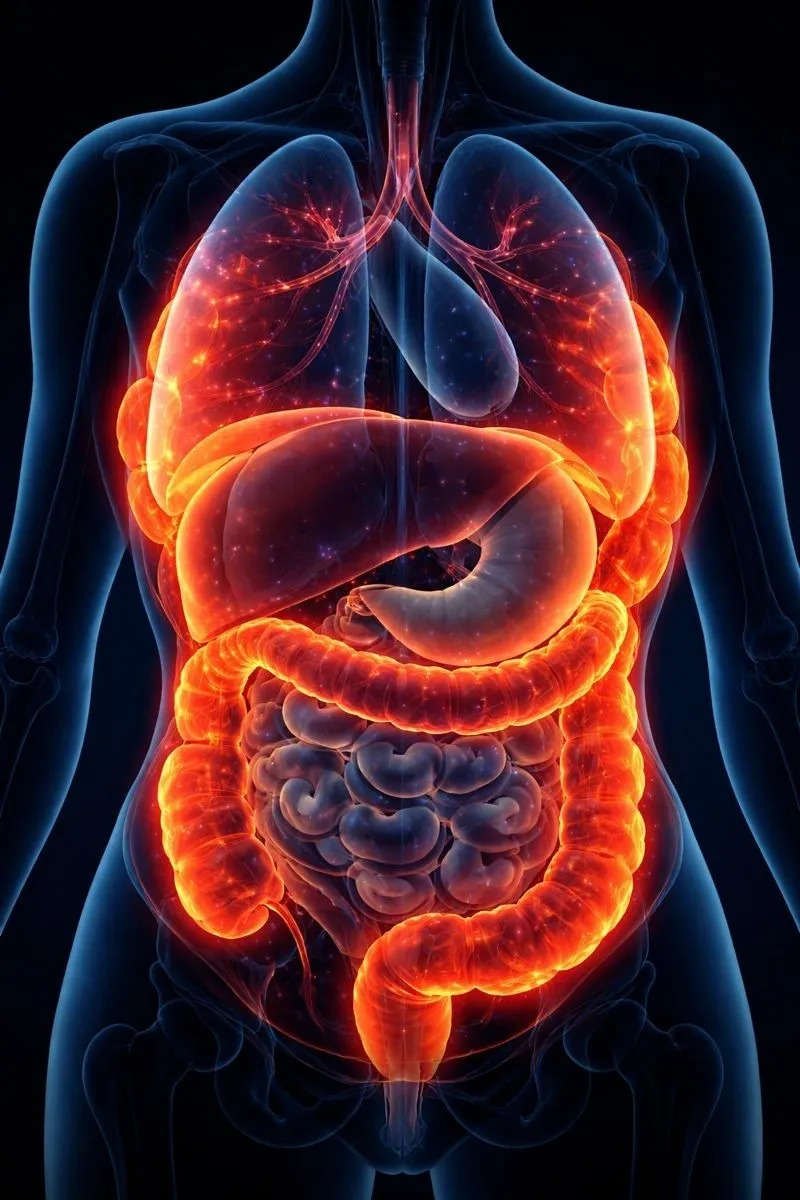
Most of us focus on the fat we can see and pinch. But a far more dangerous type—visceral fat—hides deep within your abdomen, wrapping around vital organs like your liver and intestines. Unlike subcutaneous fat, this hidden fat acts like an active organ, pumping out inflammatory chemicals linked to insulin resistance, heart disease, and other serious health risks.
The threat is real but invisible. A personal example: a relative’s DEXA scan revealed a lean-looking physique masking 2,200 grams of dangerous visceral fat. This article moves beyond generic weight-loss advice to reveal four science-backed, often surprising truths about how to specifically identify and reduce this hidden health hazard.
1. Is a Calorie Just a Calorie for Belly Fat?
Direct Answer: No. While a calorie surplus causes weight gain, the type of fat you eat directly influences where that fat is stored, with saturated fat preferentially driving visceral fat accumulation.
Explanation & Evidence
A pivotal 2014 study had two groups overeat by 750 calories daily via muffins made with either polyunsaturated (nuts, seeds) or saturated (butter, meat) fats. After seven weeks, both groups gained equal weight, but the saturated fat group gained double the visceral fat. The polyunsaturated group even gained more lean muscle mass.
This research decisively shifts the focus from pure quantity to food quality, proving that “food quality directly influences the accumulation of the most dangerous type of body fat.”
Analysis & Application
You don’t need to eliminate favorites; balance them. Limit daily saturated fat to under 30 grams. Swap a ribeye (25g sat fat) for a top sirloin. Prioritize unsaturated fats from avocados, olive oil, and fatty fish. This strategic approach to nutrition is central to building a sustainable, health-focused diet.
2. Is All Sugar Equally Bad for Your Belly?
Direct Answer: No. Added fructose specifically from table sugar and high-fructose corn syrup is uniquely effective at increasing visceral fat and harming metabolic health, unlike the fructose in whole fruit.
Explanation & Evidence:
A landmark 2009 study provided participants with glucose or fructose-sweetened drinks. After 10 weeks, only the fructose group significantly increased visceral fat and worsened insulin sensitivity. The fiber and volume in whole fruit prevent overconsumption; the danger lies in concentrated, added sugars hidden in processed foods, drinks, and condiments.
Analysis & Application
The most effective strategy isn’t just removal—it’s strategic replacement. Swap sugary snacks for high-protein alternatives. For example, replace sugar in coffee with vanilla protein powder, or make a “protein” caramel corn using flavored protein powder. This cuts sugar, boosts satiety, and supports muscle retention, a key principle for metabolic health emphasized in resources at BeeFit.ai.
3. Can You Actually “Target” Visceral Fat with Exercise?
Direct Answer: In a significant exception to the “no spot-reduction” rule, yes. Moderate-to-high intensity cardio and interval training are uniquely effective at reducing visceral fat because it is highly sensitive to the catecholamine hormones released during intense effort.
Explanation & Evidence
Visceral fat has a higher density of beta-adrenergic receptors, making it especially responsive to the fat-burning signals from vigorous exercise. A 2023 meta-analysis confirmed that exercise intensity is a key driver for visceral fat loss.
Analysis & Application
Incorporate 2-3 high-intensity interval training (HIIT) sessions weekly. A sample protocol: after a warm-up, complete 6-10 rounds of 30 seconds of hard work (where talking is difficult) followed by 90 seconds of recovery. This efficient method maximizes hormonal impact. Consistency with a manageable routine you enjoy is more important than finding a “perfect” workout.
4. Is Visceral Fat Stubborn or Eager to Leave?
Direct Answer: It’s eager to leave. Visceral fat is often the first fat mobilized for energy during a calorie deficit, making it highly responsive to lifestyle changes and leading to rapid improvements in internal health.
Explanation & Evidence
Your body metabolically prioritizes visceral fat reduction when you start losing weight. This is why research shows that losing just 5-10% of body weight can reduce visceral fat by up to 30%. This rapid shrinkage directly lowers inflammation and disease risk.
Analysis & Application
This truth is highly motivating. Creating a consistent, moderate calorie deficit through diet and exercise yields measurable internal benefits quickly. Tracking progress with metrics beyond the scale like waist circumference, energy levels, or how your clothes fit can reveal this positive change. For a structured plan that creates this deficit intelligently, explore the personalized guidance available at BeeFit.ai.
Your Visceral Fat Questions, Answered
Q: How can I measure my visceral fat if I can’t see it?
A: While a DEXA or CT scan is most accurate, a simple and reliable proxy is waist circumference. Measure around your navel; for most men, risk increases above 40 inches (102 cm), and for most women, above 35 inches (88 cm). A waist-to-height ratio (waist divided by height) under 0.5 is also a good target.
Q: Are “belly fat burner” supplements effective?
A: No supplement can target fat removal from a specific area. The most effective “supplement” is a consistent calorie deficit achieved through whole foods and exercise. Some supplements like caffeine may offer a minor metabolic boost, but they cannot override a poor diet or lack of activity.
Q: Does stress affect visceral fat?
A: Absolutely. Chronic stress elevates cortisol, a hormone that can promote the storage of visceral fat. Managing stress through sleep, mindfulness, and regular exercise is a crucial, often overlooked component of reducing abdominal fat.
Q: How long does it take to see a reduction in visceral fat?
A: You can start making positive metabolic changes within 2-4 weeks of consistent healthy eating and exercise. Significant reductions, measurable by waist circumference, are often visible within 8-12 weeks, as demonstrated in the personal anecdote of a 50% reduction in 10 weeks.
Combating visceral fat requires moving beyond simplistic diet myths. By focusing on food quality (especially fats and sugars), incorporating high-intensity exercise, and maintaining a consistent healthy lifestyle, you target the root cause of the problem. The reward is not just a leaner appearance but a profound reduction in internal inflammation and a major investment in your long-term health.
Ready to build a personalized plan that targets hidden health risks and builds lasting vitality? Start your journey with a free, tailored strategy at BeeFit.ai.
This article is for informational purposes only and is not a substitute for professional medical advice. Always consult with a healthcare provider for personal health concerns.
Share :

