
Quick Take
- Switching from whole milk to fat-free milk saves nearly 70 calories per cup while keeping protein and calcium.
- Three cups of air-popped popcorn has about 73 fewer calories than the oil-popped version.
- Choosing a beef top loin steak over a rib eye can save over 100 calories and 14 grams of fat per serving.
- Swapping creamy salad dressing for a vinaigrette or lemon juice can save hundreds of calories per meal.
Trying to cut calories often brings to mind bland meals and constant hunger. But effective calorie reduction is not about deprivation. It is about smarter substitution. By strategically swapping high-calorie items for more nutrient-dense alternatives, you can enjoy satisfying meals while creating the calorie deficit needed for weight management.
The key is to focus on foods that provide volume, fiber, and protein. These nutrients promote fullness and stabilize energy. This guide details seven effortless, evidence-based swaps. They are designed to reduce your calorie intake seamlessly, without sacrificing the pleasure of eating.
1. Is Switching to Fat-Free Milk Worth the Change?
Yes. This simple swap significantly reduces calories and saturated fat while preserving essential nutrients like protein and calcium.
A single cup of whole milk contains about 149 calories and 8 grams of fat. The same cup of fat-free milk has roughly 83 calories and virtually no fat. You retain the same 8 grams of muscle-supporting protein and bone-building calcium. This principle applies across dairy.
Switching from whole milk to fat-free milk can save you nearly 70 calories per cup.
This finding is powerful because it targets a daily staple. The saved calories compound quickly without altering routine or satisfaction.
Your Application
Use fat-free milk in cereal, coffee, and smoothies. Choose non-fat plain Greek yogurt over full-fat versions for a protein-packed breakfast or snack.
2. Can Adding More Vegetables Actually Help You Eat Less?
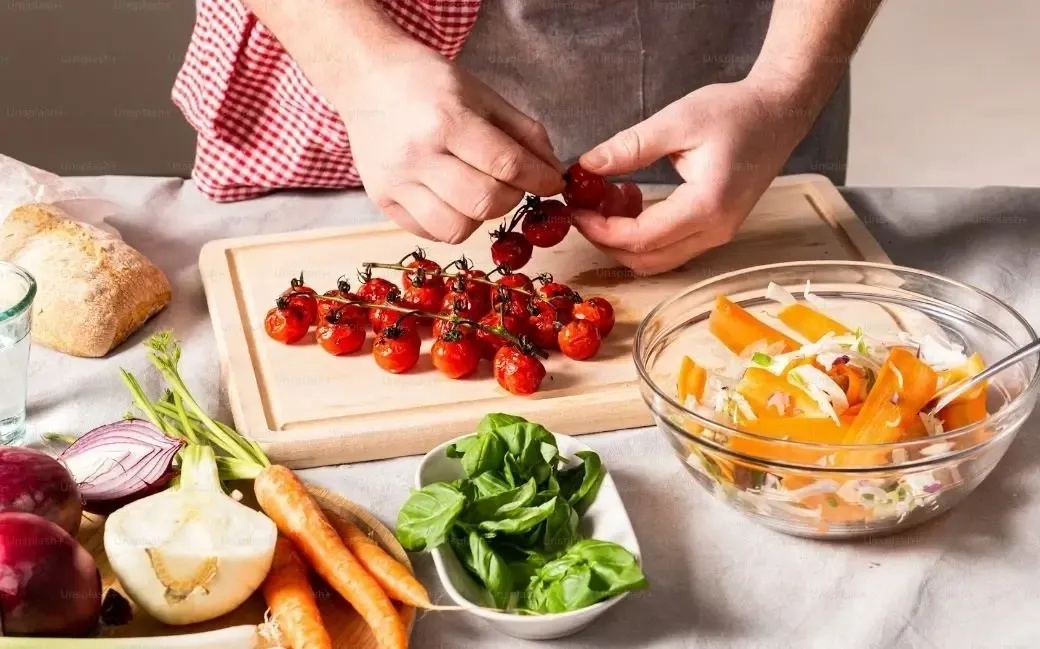
Absolutely. Fruits and vegetables are high in water and fiber, adding bulk to meals with minimal calories. This promotes satiety and naturally reduces overall calorie intake.
Studies consistently show that diets rich in low-calorie, high-fiber foods like vegetables support weight loss. Fiber slows digestion, helping you feel full longer. The visual and physical volume of a plate filled with veggies also enhances meal satisfaction psychologically.
This strategy is counter-intuitive for some. It focuses on adding food to your plate, not taking it away, to successfully consume fewer calories.
Your Application
Use the “half-plate” rule. Fill half your lunch and dinner plate with non-starchy vegetables before adding protein and grains. Add spinach to smoothies and extra veggies to soups, sauces, and omelets.
3. Is Air-Popped Popcorn a Legitimate Healthy Snack?
Yes, it is a high-volume, whole-grain snack that provides satisfying crunch for a relatively low calorie cost.
Three cups of air-popped popcorn contains about 93 calories. It also offers around 3.5 grams of fiber. This combination of volume and fiber makes it far more filling than calorie-dense chips or crackers. The air-popping method is crucial, as it eliminates the need for cooking oil.
This swap is effective because it directly addresses the desire for a large, munchable snack without derailing daily calorie goals.
Your Application
Pop plain kernels in an air popper or microwave popcorn bowl. Season with nutritional yeast, chili powder, cinnamon, or a light spray of olive oil and herbs instead of butter.
4. Does Choosing a Leaner Cut of Meat Make a Real Difference?
Yes. Selecting leaner cuts of meat is one of the most direct ways to reduce calories and saturated fat from protein sources.
The difference can be substantial. A 100-gram serving of beef rib eye steak has about 269 calories and 20 grams of fat. The same serving of beef top loin steak has just 155 calories and 6 grams of fat. You get a similar size and protein content for over 100 fewer calories.
This finding is practical. It allows you to continue enjoying favorite foods like steak, burgers, and pork chops with a significantly improved nutritional profile.
Your Application
Look for keywords like “loin,” “round,” and “90% lean.” Choose skinless poultry, pork tenderloin, and lean ground meats. Trim any visible fat before cooking.
5. How Much Can Swapping Your Drink Really Save?
A substantial amount. Liquid calories from sugary sodas, juices, and coffee drinks provide little satiety but can add hundreds of empty calories daily.
A 12-ounce can of regular cola has about 140 calories solely from sugar. Drinking two daily adds 280 calories, which could equate to nearly 30 pounds of weight gain per year if not offset. Whole fruit is always a better choice than juice, offering fiber and fewer calories per serving.
This swap is critical because the body doesn’t register liquid calories the same way it does solid food, leading to easy overconsumption.
Your Application
Make water, sparkling water, or unsweetened tea your primary beverage. Flavor water with fresh citrus, cucumber, or mint. Eat a whole piece of fruit instead of drinking juice.
6. Are Creamy Salad Dressings Sabotaging Healthy Meals?
Frequently, yes. A healthy salad can become a high-calorie meal quickly with the wrong dressing.
Just two tablespoons of a standard creamy ranch or Caesar dressing can add 140-180 calories, often from unhealthy fats and added sugar. These dressings are easy to over-pour, doubling or tripling that count. Lighter options provide flavor for a fraction of the calories.
This is a key insight because it highlights a common pitfall. The base of the meal is nutrient-rich, but the topping undermines its health benefits.
Your Application
Opt for vinegar-based dressings or simply use balsamic vinegar and lemon juice. If you crave creaminess, blend an avocado with lime juice and herbs, or use plain Greek yogurt as a base for homemade ranch.
7. Does Your Cooking Method Affect Calorie Count?
Definitely. Cooking methods that rely on added fats can dramatically increase the calorie content of otherwise healthy foods.
Frying chicken or vegetables submerges them in oil, which they absorb. Baking, grilling, steaming, or air-frying the same foods uses little to no added fat, drastically cutting calories. These methods also help preserve the food’s natural flavors and nutrients.
This swap is foundational. It gives you control over the final calorie content of your home-cooked meals, regardless of the ingredients.
Your Application
Invest in an air fryer or steamer basket. Use non-stick pans with cooking spray instead of butter or oil. Roast vegetables to caramelize their natural sugars without needing heavy sauces.
FAQ: Your Calorie-Cutting Questions, Answered
Q: Will I feel hungry if I make these swaps?
A: The opposite. Swaps that increase protein, fiber, and water content (like veggies, lean meat, and popcorn) are designed to enhance fullness. The goal is to feel satisfied on fewer calories.
Q: Which swap should I start with?
A: Start with the swap that seems easiest or addresses your biggest calorie source. If you drink sugary sodas, switch to flavored seltzer. If you love snacks, try air-popped popcorn. Master one change before adding another.
Q: Are “low-fat” or “fat-free” packaged foods always better?
A: Not always. Sometimes fat is replaced with sugar or additives. Always read the nutrition label. Whole, minimally processed foods like plain vegetables, lean meats, and unflavored dairy are typically the best choices.
Q: How many calories should I cut to lose weight?
A: A general guideline is a deficit of 500 calories per day to lose about one pound per week. However, individual needs vary. These swaps help create that deficit sustainably without strict counting.
Q: Do I have to give up my favorite foods entirely?
A: No. The philosophy of swapping is about modification, not elimination. You can have a creamy dressing by making a lighter version. You can enjoy steak by choosing a leaner cut. It’s about smarter choices, not deprivation.
The Bottom Line
Reducing calories is not a punitive exercise. It is a strategic skill. By mastering these seven simple substitutions, you empower yourself to navigate your diet intelligently. You can enjoy abundant, flavorful meals that support your energy and health goals. The cumulative effect of these small, consistent swaps can lead to significant, sustainable results without a sense of loss.
For more strategies on building a satisfying diet, read our guide to high-volume, low-calorie foods at BeeFit.ai.
This article is for informational purposes only and is based on general nutritional guidelines. It is not a substitute for professional medical advice, diagnosis, or personalized dietary planning. Always consult with a healthcare provider or registered dietitian before making significant changes to your diet.
Share :

