
Quick Take
- Strength training 2-3 times weekly can reverse up to 50% of sarcopenia (age-related muscle loss) in women over 50, crucial for maintaining metabolism and independence.
- Weight-bearing exercises like walking and dancing directly stimulate osteoblasts, the cells that build bone, helping to prevent osteoporosis.
- Low-impact cardio such as swimming or cycling preserves joint health while improving cardiovascular function, reducing the risk of heart disease by up to 35%.
- Mind-body practices like Tai Chi can reduce the risk of falls by nearly 50% by dramatically improving balance and proprioception.
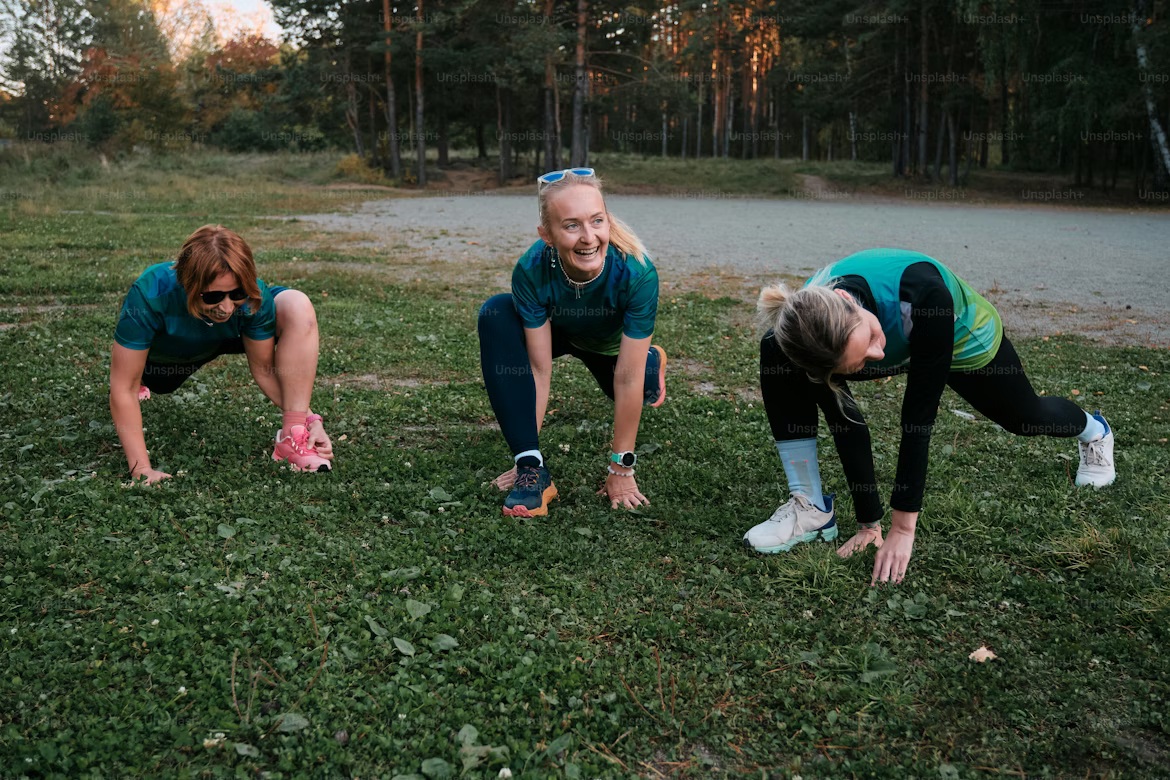
For women over 50, exercise transforms from a tool for aesthetics to a fundamental prescription for vitality, independence, and longevity. The right movement isn’t about punishing your body. It is about strategically investing in your physical capital to ensure you can live life on your own terms for decades to come. “The goal shifts completely,” explains Sarah Mitchell, a certified personal trainer specializing in women’s health. “It’s no longer about how you look in a mirror. It’s about preserving the strength to lift your grandchildren, the balance to hike your favorite trail, and the energy to enjoy your days fully.”
This list distills the overwhelming world of fitness into eight evidence-based, sustainable exercises. Each one targets the key physiological changes that occur post-50, offering a clear roadmap to a stronger, more resilient you.
Is Strength Training Safe After 50?
Direct Answer: Not only is it safe, it is essential. Progressive strength training is the most effective intervention to combat sarcopenia, the age-related loss of muscle mass and function that begins as early as your 30s.
Explanation & Evidence:
Muscle is your metabolic engine and your physical insurance policy. After 50, hormonal changes can accelerate muscle loss at a rate of 1-2% per year. This loss directly impacts strength, metabolic rate, and bone density. Lifting weights or using resistance bands provides the critical mechanical tension needed to signal your body to preserve and even rebuild muscle tissue.
A landmark study in Medicine & Science in Sports & Exercise found that “postmenopausal women who engaged in progressive resistance training twice weekly for one year gained over 2 pounds of muscle mass and increased their bone density, effectively reversing a decade of age-related decline.”
The fear of getting “bulky” is unfounded. The focus is on building resilient, functional strength.
Your Application:
Start with two full-body strength sessions per week. Use dumbbells, resistance bands, or your bodyweight. Master foundational movements: Squats (for sitting/standing), Hip Hinges (for picking things up), Rows (for posture), and Overhead Presses (for reaching). Prioritize proper form over heavy weight.
What Is the Single Best Exercise for Bone Density?
Direct Answer: While strength training is crucial, weight-bearing cardiovascular exercise like brisk walking, hiking, or stair climbing provides the direct, rhythmic impact that most effectively stimulates bone-forming cells (osteoblasts).
Explanation & Evidence:
Bones adapt to the stress placed upon them. The gentle, repeated impact of your body weight hitting the ground during walking sends micro-signals through your skeleton, prompting it to deposit more mineral and become denser. This is a non-negotiable defense against osteoporosis, a condition where bones become brittle and fragile.
Research from the Journal of Bone and Mineral Research confirms that “regular weight-bearing exercise, such as 30 minutes of brisk walking most days, can increase bone density in the spine and hips by 1-3% in postmenopausal women, significantly reducing fracture risk.”
Swimming and cycling, while excellent for joints and heart health, are non-weight-bearing and do not provide this specific bone-building stimulus.
Your Application:
Aim for 150 minutes per week of weight-bearing cardio. A daily 30-minute brisk walk, where you can talk but not sing, is a perfect foundation. Add hills or intervals of faster walking to increase the bone-stimulating effect.
How Can You Protect Your Joints While Getting Stronger?
Direct Answer: By incorporating low-impact, non-weight-bearing exercises like swimming, water aerobics, or cycling, you can build cardiovascular fitness and muscular strength without subjecting vulnerable joints to repetitive pounding.
Explanation & Evidence:
Joint cartilage has limited blood supply and repair capacity. High-impact activities can accelerate wear in individuals with pre-existing joint concerns. Water-based exercise leverages buoyancy to support up to 90% of your body weight, dramatically reducing stress on hips, knees, and spine, while the water’s resistance builds strength in all directions.
The Arthritis Foundation strongly endorses aquatic therapy, noting that “water exercise decreases pain and improves function in adults with osteoarthritis, while providing a safe environment to improve cardiovascular health.”
Think of it as giving your joints a vacation while your muscles get to work.
Your Application:
Substitute one of your weekly walks with a 30-45 minute swim or water aerobics session. Focus on full range-of-motion movements. For cycling, ensure your bike is properly fitted to avoid knee strain.
Why Is Balance Training a Non-Negotiable?
Direct Answer: After 50, the systems that govern balance (vision, inner ear, proprioception) naturally decline. Dedicated balance training, like Tai Chi or specific yoga poses, is proven to cut fall risk nearly in half by retraining neural pathways and strengthening stabilizer muscles.
Explanation & Evidence:
Falls are a leading cause of injury and loss of independence. Balance is a skill you must practice to maintain. Exercises that challenge your stability in a controlled way, like standing on one leg or moving slowly through Tai Chi forms, force your brain and body to communicate more effectively to keep you upright.
A meta-analysis in the British Medical Journal reported that “Tai Chi practice reduced the risk of falls by 43% in older adults and was more effective than other balance-training programs or strength training alone.”
This isn’t just physical. It is neuromuscular training that keeps your movement system sharp.
Your Application:
Practice a single-leg stand while brushing your teeth (hold onto the counter if needed). Take a beginner Tai Chi or gentle yoga class. Incorporate moves like heel-to-toe walks or standing from a chair without using your hands.
Can Exercise Truly Improve Brain Health?
Direct Answer: Yes, consistently. Cardiovascular exercise, in particular, improves cerebral blood flow, stimulates the release of brain-derived neurotrophic factor (BDNF a “fertilizer” for brain cells), and can enhance memory and executive function.
Explanation & Evidence:
The brain is highly vascular and energy-demanding. Exercise acts as a powerful stimulant for neuroplasticity, the brain’s ability to form new connections. Studies show that regular aerobic activity can increase the size of the hippocampus, the brain region central to memory and learning, effectively countering age-related shrinkage.
Neuroscience research published in Neurology found that “older adults with higher cardiovascular fitness had slower rates of cognitive decline and larger brain volumes in key memory areas than their less-fit peers.”
Every time you get your heart rate up, you are quite literally investing in your cognitive reserve.
Your Application:
Pair your physical exercise with mental engagement. Listen to an audiobook or podcast during your walk. Take a dance class to learn new choreography. Choose cycling routes that require navigation. This dual-tasking further challenges and protects your brain.
FAQ: Your Fitness Over 50 Questions, Answered
Q: I’ve never exercised. Is it too late to start?
A: It is absolutely not too late. Your body retains a remarkable ability to adapt and improve at any age. The most important step is the first one. Begin gently, focus on consistency over intensity, and celebrate the non-scale victories like more energy, better sleep, and easier daily movement.
Q: How often should I work out each week?
A: Aim for a balanced mix: Cardio (brisk walking, swimming) most days of the week (150+ minutes total). Strength Training 2-3 non-consecutive days. Balance & Flexibility (yoga, Tai Chi) 2-3 days. Remember, daily movement like gardening or housework counts too.
Q: What should I do if I have arthritis or joint pain?
A: Focus on low-impact and non-weight-bearing options like swimming, recumbent cycling, or chair yoga. Strength training with light weights is still crucial to support the joints, but avoid exercises that cause sharp pain. A physical therapist can provide a personalized, pain-free plan.
Q: Do I need to join a gym?
A: No. An effective routine can be built at home. You need a pair of walking shoes, some resistance bands, a yoga mat, and perhaps a set of light dumbbells. Many excellent follow-along programs are available online for free.
Q: How do I stay motivated?
A: Connect your “why.” Are you exercising to play with your grandkids, travel comfortably, or simply feel stronger in your own body? Find a workout buddy for accountability, track your progress (not just weight, but how you feel), and choose activities you genuinely enjoy. Consistency is born from enjoyment, not punishment.
The narrative around fitness after 50 needs a rewrite. It is not about decline, but about intelligent maintenance. It is not about fighting your body, but about partnering with it strategically. These eight exercises are not a rigid checklist, but a menu of powerful options. Your task is not to do them all at once, but to start where you are, use what you have, and build the movement practice that makes you feel capable, confident, and truly alive in the decades to come.
Ready for a personalized plan? Our experts at BeeFit.ai can help you build a sustainable routine.
This article is for informational purposes only and is not a substitute for professional medical advice, diagnosis, or treatment. Always seek the advice of your physician or other qualified health provider before beginning any new exercise program, especially if you have pre-existing health conditions.
Share :

