Quick Take
- Consistent, moderate exercise enhances immune surveillance by promoting the circulation of immune cells, while chronic intense exercise can temporarily suppress immunity.
- Sleep is non-negotiable for immune function; 7-9 hours per night optimizes the production of cytokines and T-cells that fight infection.
- Chronic stress elevates cortisol, which directly suppresses the production and activity of lymphocytes and white blood cells.
- Nutrients like Vitamin D, Zinc, and Vitamin C play specific, critical roles in immune cell signaling, barrier function, and antioxidant defense.
A strong immune system is your best defense against viruses like the flu, COVID-19, and Human Metapneumovirus (HMPV). While no strategy guarantees complete immunity, adopting certain lifestyle changes, dietary habits, and precautions can significantly reduce your risk of illness and improve your body’s ability to fight off infections.
Here’s how you can strengthen your immune system naturally.
1. Prioritize a Balanced Diet
Focus on Nutrient-Rich Foods
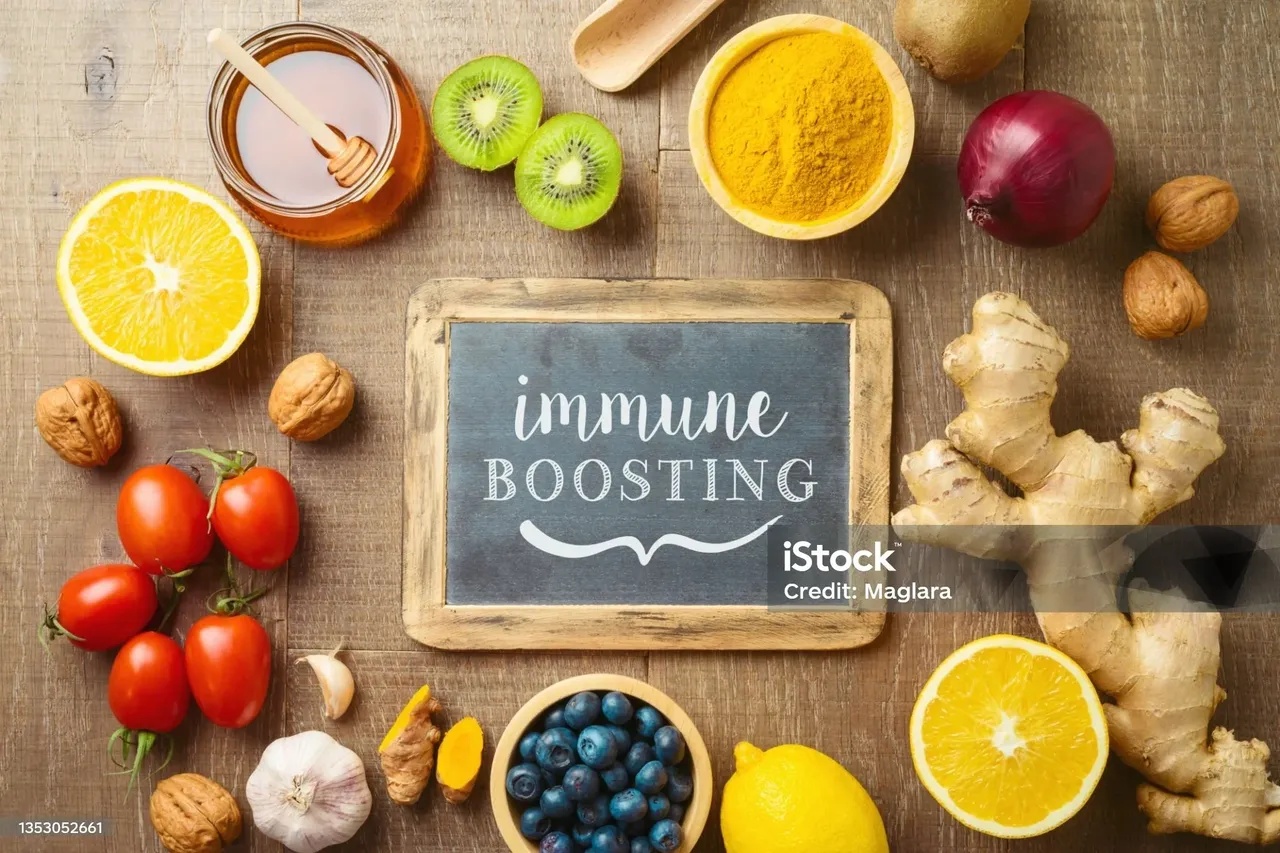
A well-balanced diet packed with vitamins and minerals supports immune cell function. Incorporate the following into your meals:
- Vitamin C-Rich Foods: Oranges, strawberries, bell peppers, and broccoli boost the production of white blood cells.
- Vitamin D Sources: Fatty fish, fortified milk, and sunlight exposure help modulate the immune response (NIH).
- Zinc-Rich Foods: Shellfish, pumpkin seeds, and legumes aid in wound healing and immune response.
- Antioxidant Powerhouses: Blueberries, spinach, and green tea reduce inflammation and free radical damage.
Hydrate Well
Staying hydrated keeps mucous membranes moist, creating a barrier that prevents pathogens from entering the body.
2. Exercise Regularly
Moderate exercise, like brisk walking, cycling, or yoga, boosts circulation and promotes the movement of immune cells throughout your body. Aim for at least 150 minutes of moderate activity per week (CDC).
Avoid Overtraining: Intense or prolonged exercise can suppress immune function, so balance your routine with rest and recovery days.
3. Get Quality Sleep
Sleep is when your body repairs and regenerates, including your immune system. Poor sleep can decrease the production of infection-fighting antibodies and cytokines.
- Adults should aim for 7–9 hours of sleep per night.
- Establish a regular bedtime routine by avoiding screens, caffeine, and heavy meals before bed.
4. Manage Stress Effectively
Chronic stress raises cortisol levels, which can suppress immune system function. Implement stress-reducing techniques like:
- Meditation or mindfulness practices.
- Deep breathing exercises.
- Engaging in hobbies or spending time outdoors.
5. Supplement Wisely
Supplements can help fill nutritional gaps, especially during flu season or periods of high exposure to viruses:
- Vitamin C and Zinc: Often used as a first line of defense against colds.
- Elderberry Extract: Studies suggest it may reduce the severity of flu symptoms.
- Probiotics: A healthy gut microbiome supports overall immune health.
- Vitamin D: Essential for immune modulation, particularly during winter months.
Consult a Healthcare Provider: Always discuss supplements with a professional to ensure they’re appropriate for you.
6. Stay Up-to-Date with Vaccines
Vaccination remains one of the most effective ways to prevent severe illness from flu, COVID-19, and other respiratory viruses.
- Get your annual flu shot.
- Stay current on COVID-19 vaccines and boosters.
- Vaccines for other respiratory illnesses, like RSV, are becoming available—talk to your doctor for recommendations.
7. Practice Good Hygiene
Basic hygiene habits can significantly reduce the spread of viruses:
- Wash your hands frequently for at least 20 seconds with soap and water.
- Avoid touching your face, particularly your eyes, nose, and mouth.
- Disinfect high-touch surfaces like door handles, phones, and keyboards regularly.
Pro Tip: Carry hand sanitizer with at least 60% alcohol when on the go.
8. Stay Socially Connected
Social interactions, even virtual ones, can enhance mental well-being and reduce stress, indirectly supporting your immune system. Studies show that loneliness and isolation can negatively impact immunity (NIH).
9. Avoid Smoking and Limit Alcohol
- Smoking: Damages lung tissue and suppresses the immune response.
- Alcohol: Excessive consumption can weaken the immune system, making you more susceptible to infections.
If you drink alcohol, limit intake to moderate levels: one drink per day for women and two for men (CDC).
10. Stay Active in the Winter
Cold weather can sometimes deter physical activity and outdoor exposure, both of which are important for immune health.
- Take short walks outdoors to boost vitamin D levels and circulation.
- Engage in indoor workouts, such as yoga or bodyweight exercises.
11. Recognize Early Symptoms
Boosting your immune system doesn’t mean you won’t get sick, but it can reduce the severity and duration of illness. Pay attention to early signs like fatigue, fever, or body aches, and rest as needed.
FAQ: Your Immune System Questions, Answered
Q: Can I “boost” my immune system overnight?
A: No. Immune function is built through consistent, long-term habits like sleep, nutrition, and stress management. Think of it as strengthening your defenses over time, not flipping an “on” switch when you feel a cold coming. Supplements or tactics when you’re already sick are supportive, not curative.
Q: What’s the single most important thing I can do for my immunity?
A: Prioritize sleep. Inadequate sleep is one of the most potent suppressors of immune function. It reduces the body’s production of antibodies and infection-fighting cells. Consistent, high-quality sleep is the foundation upon which other immune-supportive habits are built.
Q: Are there specific foods that are proven to fight viruses?
A: No single food “fights” a specific virus, but a diet rich in colorful fruits and vegetables provides a broad spectrum of antioxidants (like Vitamin C, E, beta-carotene) and minerals (like Zinc and Selenium) that support the various cells of your immune system. Focus on a diverse, whole-food diet rather than seeking a magic bullet.
Q: Is it true that exercising while sick is bad?
A: Use the “neck check” rule. If symptoms are above the neck (mild sore throat, runny nose), light exercise may be okay. If symptoms are below the neck (chest congestion, body aches, fever) or you have fatigue, rest is mandatory. Exercising with a systemic illness can worsen it and prolong recovery.
Q: How does vitamin D specifically help the immune system?
A: Vitamin D is crucial for the function of T-cells and macrophages, key white blood cells that identify and destroy pathogens. It helps modulate the immune response, preventing it from becoming overactive (which can cause inflammation) or underactive. Deficiency is strongly linked to increased susceptibility to infection.
The Bottom Line
Boosting your immune system is about adopting a holistic approach that includes a nutrient-rich diet, regular exercise, adequate sleep, and stress management. While no method can completely eliminate your risk of flu, COVID-19, or HMPV, these strategies can help you stay healthier and recover faster.
This article is based on my personal experiences and opinions. It is not intended as medical advice or a substitute for professional guidance. Always consult a qualified professional or healthcare provider for personalized advice regarding your health and wellness.