BeeFit: Fitness & Wellness

How to Avoid Common Injuries at the Gym

Quick Take

  • Poor form, not heavy weight, is the #1 cause of serious gym injuries like disc herniations and rotator cuff tears.
  • A proper dynamic warm-up (5-10 min) increases blood flow to muscles and improves joint mobility, reducing strain risk by up to 35%.
  • The principle of progressive overload must be gradual; increasing weight or volume too quickly is a primary driver of overuse injuries.
  • Mobility work is non-optional for injury prevention; limited ankle mobility causes knee valgus in squats, and poor thoracic mobility leads to rounded-back deadlifts.

The gym is a laboratory for self-improvement, but it’s also a place where physics and biology meet. Ignoring the fundamentals of movement and recovery turns it into a high-risk environment. The goal isn’t to avoid challenge but it’s to ensure the challenge builds you up, rather than breaking you down. This guide translates common injury causes into proactive, actionable strategies for longevity in fitness.

Why Is Proper Form More Important Than the Weight on the Bar?

Because correct form distributes force safely through your joints and connective tissues, while poor form creates harmful shear forces and leverages that muscles cannot protect against.

Lifting with a rounded back during a deadlift doesn’t just “feel wrong”—it places immense compressive and shear force on your spinal discs. Letting your knees cave in during a squat (valgus) misaligns the knee joint, straining the ACL and meniscus. The weight might move, but at the cost of structural integrity. Form is the engineering blueprint that keeps the load where it belongs: on your muscles.

This is the cardinal rule: Master the movement pattern before you add significant load. Your ego is not a reliable spotter.

Your Application

Film your key lifts (squat, deadlift, bench press) from the side. Compare your form to reputable tutorial videos. If you can’t maintain a neutral spine or proper joint alignment, lower the weight.

How Does a Dynamic Warm-Up Actually Prevent Injuries?

It elevates core temperature, increases synovial fluid in joints (for better lubrication), and “turns on” your nervous system’s connection to the muscles you’re about to use, improving coordination and force production.

A proper warm-up is not static stretching. It’s dynamic movement. Arm circles, leg swings, cat-cow stretches, and bodyweight squats take your joints through their full range of motion under light load. This reduces the viscosity of muscles and connective tissue, making them more pliable and less likely to tear under sudden strain. It also primes the neuromuscular pathways, reducing the lag time in stabilizing muscles firing.

Studies show a proper dynamic warm-up can reduce injury risk by up to 35%.

Skipping this is like starting a car in winter and immediately flooring it. You’re asking cold, stiff parts to perform at maximum capacity.

Your Application

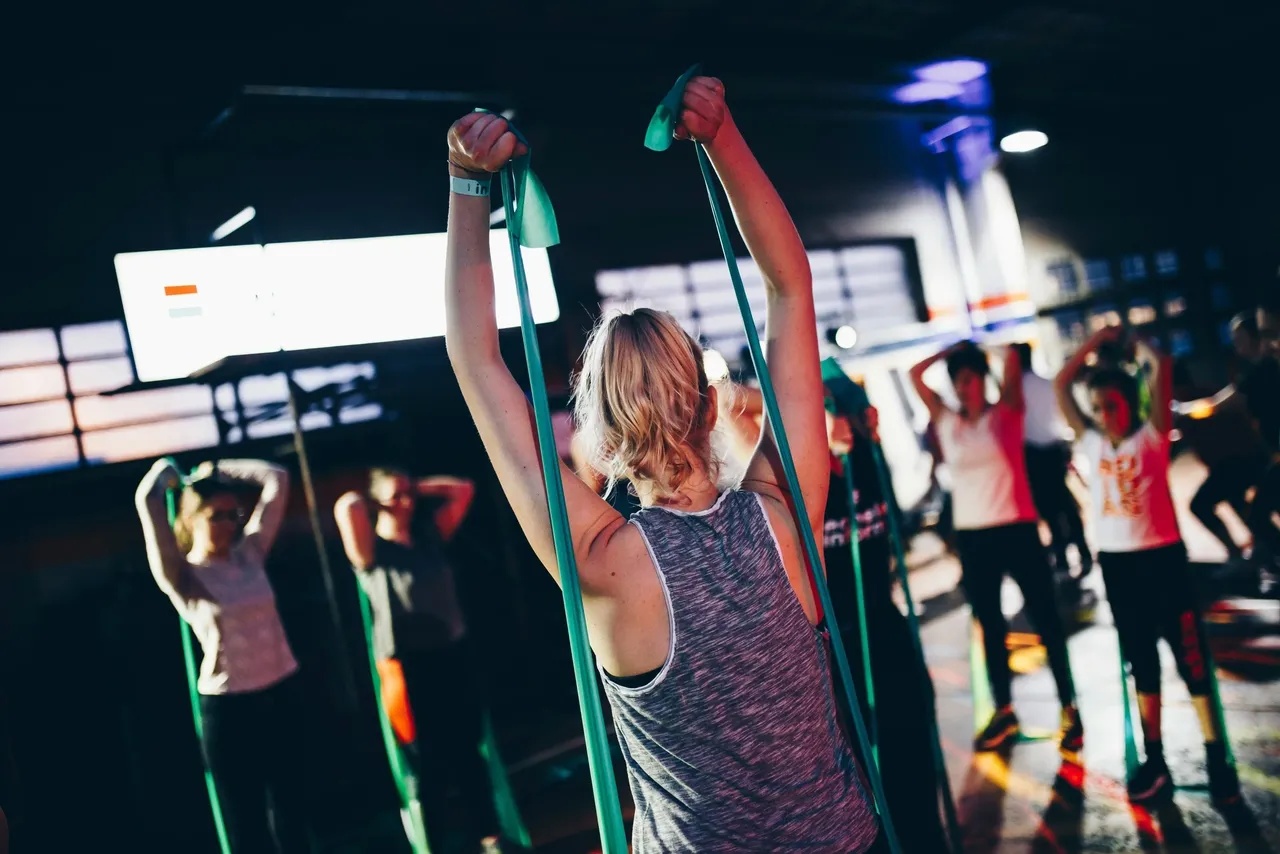
Before every strength session, spend 5-10 minutes doing light cardio (rowing, biking) followed by 2-3 sets of 10-15 reps of dynamic moves like: leg swings, hip circles, world’s greatest stretch, and banded pull-aparts.

What Is the Most Common Mistake That Leads to Overuse Injuries?

A lack of autoregulation ignoring your body’s daily feedback and rigidly sticking to a pre-written program despite fatigue, pain, or poor sleep.

Progressive overload is the key to growth, but it’s not linear. Attempting to add weight or reps every single session, regardless of how you feel, guarantees eventual breakdown. This is how tendonitis, stress fractures, and chronic joint pain develop. Your program should have built-in deload weeks (reduced volume/intensity) and you must learn to differentiate between productive discomfort and pathological pain.

Listening to your body isn’t being soft; it’s being smart. Pain is a signal, not a challenge to overcome.

Your Application

Implement the “Rate of Perceived Exertion (RPE)” scale. If an exercise is supposed to be an 8/10 effort but today it feels like a 10/10 at the same weight, stop. Reduce the weight or volume. Schedule a deload week every 4-8 weeks.

Why Is Targeted Mobility Work Non-Negotiable for Lifters?

Because weightlifting demands specific ranges of motion; if your joints can’t achieve them, your body will cheat using compensatory patterns that place stress on the wrong tissues.

  • Poor Ankle Dorsiflexion? Your knees won’t track properly in a squat, forcing your lower back to round.
  • Limited Thoracic (Upper Back) Extension? Your shoulders will round in a bench press or overhead press, impinging the rotator cuff.
  • Tight Hip Flexors? You’ll lose posterior chain engagement in deadlifts, overloading your lumbar spine.

Mobility work addresses these specific restrictions before they become injuries. It’s preventative maintenance for your body.

Your Application

Identify your tight spots. If you squat, prioritize ankle and hip mobility drills. If you bench or press, prioritize thoracic extension and shoulder external rotation drills. Spend 10 minutes post-workout or on rest days on targeted mobility.

FAQ: Your Gym Safety Questions, Answered

Q: What should I do if I feel a sharp pain during a lift?
A: STOP IMMEDIATELY. Do not try to “work through it.” Carefully rack the weight or safely exit the movement. Sharp pain is an acute injury signal (like a strain or tear). Apply ice, rest, and if it doesn’t improve within 48 hours, see a physical therapist or sports doctor.

Q: Are weightlifting belts and wraps necessary for safety?
A: They are tools, not crutches. A belt helps create intra-abdominal pressure to stabilize the spine during near-maximal lifts (squats, deadlifts). It shouldn’t be worn for every exercise. Wrist/knee wraps provide external stability for joints during heavy singles, but over-reliance can prevent the development of your own stabilizing muscles. Use them sparingly for top sets only.

Q: How much rest do I really need between sets?
A: It depends on the goal. For maximal strength (1-5 reps), rest 3-5 minutes. For hypertrophy (8-12 reps), rest 60-90 seconds. For endurance (15+ reps), rest 30-60 seconds. Inadequate rest compromises form on subsequent sets, drastically increasing injury risk as you fatigue.

Q: Is it safe to lift alone?
A: It can be, with precautions. Always use safety bars in a squat rack. Never use collars on a barbell for bench press if you’re alone—if you fail, you can tilt the bar to let plates slide off. Know your limits and have an emergency bail-out plan for each lift. For heavy or new exercises, a spotter is ideal.

Q: When should I return to the gym after a minor muscle strain?
A: Follow the “pain-free movement” rule. Once the sharp pain is gone (usually 3-7 days), you can gently reintroduce movement. Start with very light weight and high reps, focusing on perfect form and blood flow. If any pain returns, stop. A physical therapist can provide the best graded return-to-play protocol.

The Bottom Line

Injury prevention is not about avoiding hard work; it’s about building a foundation of movement integrity that allows you to train hard for decades. By prioritizing form over ego, respecting the warm-up, listening to your body’s signals, and addressing mobility restrictions, you transform the gym from a minefield of potential injuries into a sustainable engine of strength and health.

The strongest lifters aren’t those who lift the most weight today, but those who are still lifting consistently ten years from now.

Need help building a balanced, progressive program that prioritizes safety? Explore our library of science-backed training plans at BeeFit.ai.

This article is for informational purposes only and is not a substitute for professional medical or coaching advice. Always consult with a qualified healthcare provider or certified strength and conditioning specialist before beginning any new exercise program, especially if you have pre-existing injuries or conditions. Proper technique should be learned under the supervision of a qualified professional.


The Busy Professional’s Guide to Effective Home Workouts

Quick Take

  • Home workouts eliminate the biggest barrier—time by removing commutes and fitting into short breaks, making consistency achievable.
  • Short, high-intensity sessions (5-15 mins) are scientifically potent for improving cardiovascular health, building strength, and boosting metabolism.
  • Minimal equipment (bodyweight, bands) is sufficient to build significant strength and muscle through progressive overload.
  • The key to results is strategic scheduling and consistency, not gym access, a principle championed by free platforms like BeeFit.ai.

Finding time for exercise can feel impossible with a packed schedule. Between meetings, deadlines, and family commitments, the idea of a long gym session is often the first thing cut. The conventional fitness narrative insists you need hours and heavy equipment, creating a barrier that leaves many feeling defeated.

This article dismantles that myth. Grounded in exercise science, it presents a new framework for the busy professional: your greatest asset is not more time, but more strategic use of the minutes you already have. We’ll explore the potent efficiency of home training and provide a toolkit of evidence-based, minimal-equipment workouts designed to deliver maximum results from your living room, home office, or even your desk chair.

Why Are Home Workouts Scientifically Effective for Busy People?

Direct Answer: Home workouts are effective because they maximize adherence by minimizing friction. The primary reason people abandon fitness plans is lack of time and convenience barriers that home training directly eliminates.

Explanation & Evidence

Research in behavioral psychology consistently shows that reducing the steps between intention and action dramatically increases the likelihood of follow-through. By removing the commute, waiting for equipment, and perceived time commitment, home workouts align with the reality of a demanding schedule.

The principle of “consistency over intensity” is foundational. At BeeFit.ai, we build tools based on this science, making fitness simple and accessible by providing expert-guided plans that fit into your existing routine, not the other way around.

Analysis & Application

Success isn’t about a perfect 60-minute session; it’s about completing a good 10-minute session, consistently. The home environment allows for this daily practice. Treat your workout like a critical, non-negotiable meeting by blocking time in your calendar. A dedicated space, even a small corner, psychologically primes you for action.

How Can a 10-Minute Full-Body Circuit Deliver Real Results?

Direct Answer: A well-designed, high-density circuit leverages compound movements and minimal rest to stimulate multiple muscle groups, elevate heart rate, and create significant metabolic demand in a very short time.

Explanation & Evidence

The efficiency comes from exercise selection and structure. Compound exercises like squats, push-ups, and planks work large muscle groups simultaneously, triggering a greater hormonal and caloric response than isolation moves. Performing them in a circuit with minimal rest keeps heart rate elevated, combining strength and cardio benefits.

Analysis & Application

The provided 10-15 minute circuit is a perfect template:

  • Jumping Jacks (1 min): Cardio warm-up.
  • Push-Ups (1 min): Chest, shoulders, triceps, core.
  • Bodyweight Squats (1 min): Quads, glutes, hamstrings.
  • Plank (1 min): Core, shoulders, back.
  • Repeat 2-3x.

Progression is key: As it gets easier, increase rounds, slow your tempo, or add a pause at the hardest part of each move. For more structured progressions, explore the free tools at BeeFit.ai.

What’s the Smartest Way to Use HIIT at Home?

Direct Answer: True High-Intensity Interval Training (HIIT) is characterized by all-out effort followed by complete recovery. This structure maximizes cardiovascular and metabolic adaptation in the shortest possible time, but it must be done correctly to avoid burnout.

Explanation & Evidence

The benefit of HIIT comes from the intensity of the work interval, not the suffering. The protocol of 30 seconds of maximum effort (e.g., burpees) followed by 30 seconds of full rest allows your phosphagen energy system to replenish, enabling you to repeat a true high-intensity effort.

Analysis & Application

The 5-10 minute HIIT protocol provided is excellent:

  • 30s Burpees / 30s Rest
  • 30s Mountain Climbers / 30s Rest
  • 30s Jump Squats / 30s Rest
  • Repeat for 2-3 rounds.

The “all-out” effort is non-negotiable. If you can smoothly transition into the next work interval, you didn’t push hard enough. This method is intensely effective but should be limited to 2-3 times per week with adequate recovery.

Can You Build Real Strength with Just Resistance Bands?

Direct Answer: Absolutely. Resistance bands provide progressive tension that effectively builds muscle strength and hypertrophy. They are exceptionally versatile for home use, allowing you to train every major muscle group.

Explanation & Evidence

Strength adaptation is driven by mechanical tension and progressive overload—making muscles work against increasing resistance. Bands create variable resistance; they get harder to stretch the further you move, matching your muscles’ strength curve. A 2019 study in the Journal of Sports Science & Medicine found banded resistance training produced significant strength gains comparable to some machine-based training.

Analysis & Application

The 15-minute band workout is a powerful strength builder:

  • Bicep Curls & Seated Rows (12 reps each): For arm and back strength.
  • Lateral Band Walks (12 steps/side): For glute and hip stability.
  • Standing Band Press (12 reps): For chest and shoulders.
  • Repeat 2-3 rounds.

To progress: Use thicker bands, increase reps, or slow the movement’s eccentric (lowering) phase. This approach builds a resilient, functional physique without a rack of weights.

Your Home Workout Questions, Answered

Q: I get bored working out alone. How do I stay motivated?
A: Anchor your workout to a habit (e.g., after your morning coffee). Use a visual tracker for streaks. Occasionally follow a new video workout for variety, or use an AI-powered app like BeeFit.ai to get fresh, personalized routines that adapt to keep you challenged.

Q: Is a 5-minute desk workout actually worth it?
A: 100% yes. The goal is to break prolonged sitting, increase blood flow, and reinforce the habit of movement. Consistent micro-workouts (like seated leg lifts, chair dips, and desk push-ups) combat the negative metabolic effects of sedentarism and cumulatively build work capacity.

Q: How do I know if I’m working hard enough without a trainer?
A: Use the “talk test.” During steady-state circuits, you should be able to speak short phrases. During HIIT intervals, speaking should be impossible. For strength work, the last 2-3 reps of a set should feel very challenging but with maintained good form.

Q: When should I consider more equipment or a gym?
A: When you can consistently perform 15-20 perfect reps of bodyweight or band exercises and need more load to continue progressing. Before investing, consider if a calisthenics skill (like push-up variations, pull-ups, or pistol squats) or a virtual training platform could provide the next level of challenge.

The most effective fitness plan is the one you actually do. By embracing the strategic efficiency of home workouts, you reclaim control over your health without sacrificing your professional or personal life. Consistency with these science-backed principles will yield more results than sporadic, perfect workouts that don’t fit your reality.

Ready to build a completely personalized home training plan that evolves with you? Discover your free, custom fitness strategy at BeeFit.ai.

This article is for informational purposes only and is not a substitute for professional medical advice. Always consult with a healthcare provider before beginning any new exercise program.

Stress and Weight Gain: The Cortisol Connection

Quick Take

  • Chronic stress elevates cortisol, a hormone that directly increases cravings for high-calorie foods and promotes fat storage, particularly around the abdomen.
  • This “stress belly” is visceral fat, which is metabolically active and linked to a higher risk of heart disease and type 2 diabetes.
  • High cortisol can slow your metabolism, making it harder to burn calories, even if your diet doesn’t change.
  • Effective management involves reducing stress at the source (mindfulness, sleep) and offsetting its effects through targeted exercise and balanced nutrition.

Stress is a natural part of life, but when it becomes chronic, it can take a serious toll on your body including your weight. If you’ve ever found yourself gaining a few extra pounds during stressful periods, you’re not imagining things. The culprit? Cortisol, the stress hormone.

In this article, we’ll break down the link between stress and weight gain, how cortisol affects your body, and what you can do to manage both stress and your weight effectively.

What Is Cortisol and Why Does It Matter?

Cortisol is a hormone released by your adrenal glands in response to stress. It plays a key role in:

  • Regulating metabolism
  • Controlling blood sugar levels
  • Managing the fight-or-flight response

While short-term cortisol spikes are helpful, chronic stress leads to persistently high cortisol levels, which can throw your body off balance and contribute to unwanted weight gain.

How Cortisol Contributes to Weight Gain

Understanding the ways cortisol impacts your body can help you break the cycle of stress-induced weight gain.

1. Increased Appetite and Cravings

High cortisol levels can trigger intense cravings for high-calorie, sugary, and fatty foods. This happens because your body perceives stress as a threat and seeks quick energy sources whether or not you actually need them.

2. Belly Fat Storage

Cortisol encourages the body to store fat in the abdominal area, particularly visceral fat, which surrounds internal organs. This type of fat is linked to an increased risk of heart disease, diabetes, and other chronic conditions.

3. Slower Metabolism

Chronic stress can disrupt your metabolism, making it harder for your body to burn calories efficiently. This means that even if your diet stays the same, you might find yourself gaining weight more easily.

4. Emotional Eating

Many people turn to food for comfort when stressed, a behavior known as emotional eating. If stress eating becomes a habit, you may consume more calories than your body actually needs, leading to weight gain over time.

The Science Behind the Cortisol-Weight Link

Research has confirmed that stress and cortisol play a major role in weight gain. A study published in Obesity Research found that people with higher cortisol reactivity were more likely to snack on high-fat, high-sugar foods when stressed. Another study from Harvard Health linked chronic stress to increased belly fat storage, reinforcing the need for effective stress management.

Breaking the Stress-Weight Cycle

While stress is unavoidable, you can take steps to manage it and minimize its impact on your weight and health.

1. Practice Stress Management Techniques

  • Meditation and Mindfulness: Deep breathing, meditation, and guided relaxation can lower cortisol levels and promote emotional well-being. Apps like Calm or Headspace can help you get started.
  • Yoga and Stretching: Combining movement with relaxation, yoga is an excellent way to balance hormones and reduce stress naturally.

2. Get Moving

Exercise is one of the most effective ways to combat stress and lower cortisol. Aim for at least 3–4 workouts per week, including:

  • Walking or jogging
  • Strength training
  • Swimming or cycling
  • Yoga or Pilates

3. Eat a Balanced Diet

A well-balanced diet can help regulate blood sugar and curb stress-related cravings.

  • Best Choices: Whole grains, lean proteins, nuts, seeds, fresh fruits, and vegetables.
  • Foods to Avoid: Processed foods and sugary snacks that can spike cortisol levels and increase cravings.

4. Prioritize Quality Sleep

Lack of sleep increases cortisol while disrupting hunger hormones like ghrelin (which makes you feel hungry) and leptin (which signals fullness). To improve sleep quality:

  • Stick to a consistent sleep schedule
  • Avoid screens before bed
  • Keep your bedroom dark, cool, and quiet

5. Stay Hydrated

Even mild dehydration can elevate cortisol levels. Drinking enough water throughout the day can help keep stress in check and support overall well-being.

6. Consider Supplements

Certain supplements can help reduce cortisol and manage stress naturally. Popular options include:

  • Magnesium: Helps with relaxation and muscle recovery.
  • Adaptogens (Ashwagandha, Rhodiola): Herbs that support the body’s stress response.
  • Omega-3 Fatty Acids: Help lower inflammation and cortisol levels.

Always consult a healthcare provider before adding new supplements to your routine. 

FAQ: Your Stress & Weight Gain Questions, Answered

Q: Can stress cause weight gain even if I’m not eating more?
A: Yes, potentially. Chronically high cortisol can 1) slow your metabolic rate, causing you to burn fewer calories at rest, and 2) promote insulin resistance, which makes your body more likely to store calories as fat, particularly around the midsection. However, increased appetite and emotional eating are the most common drivers.

Q: What type of exercise is best to lower cortisol?
A: It depends on timing. Moderate-intensity exercise (brisk walking, cycling, strength training) is excellent for lowering baseline cortisol over time. However, chronic, high-intensity exercise (like multiple long-distance runs or HIIT sessions per week) can actually raise cortisol. The key is balance: pair intense workouts with adequate recovery and include more relaxing movement like walking or yoga.

Q: Are there specific foods that help lower cortisol?
A: Focus on foods that stabilize blood sugar, as blood sugar crashes can spike cortisol. Prioritize:

  • High-fiber carbs: oats, sweet potatoes, legumes.
  • Quality protein: fish, eggs, Greek yogurt.
  • Healthy fats: avocados, nuts, olive oil.
  • Magnesium-rich foods: spinach, almonds, pumpkin seeds.
  • Avoid: refined sugars and processed carbs, which cause spikes and crashes.

Q: How does lack of sleep make this worse?
A: Poor sleep creates a vicious cycle. It directly raises cortisol levels while also increasing ghrelin (the hunger hormone) and decreasing leptin (the fullness hormone). This makes you hungrier, especially for junk food, and less satisfied after eating, all while your body is primed to store more fat.

Q: Will managing my stress help me lose belly fat specifically?
A: It is a crucial component. Reducing chronic stress lowers cortisol, which can help reduce the drive to store visceral belly fat. However, spot reduction is not possible. You must combine stress management with a calorie deficit achieved through a balanced diet and regular exercise for overall fat loss, which will include the abdominal area.

The Bottom Line

Stress and weight gain often go hand in hand, largely due to cortisol’s impact on appetite, fat storage, and metabolism. By incorporating stress management techniques, maintaining an active lifestyle, and making mindful food choices, you can break the cycle and regain control over your weight and health.

Remember, small changes lead to big results. Start managing your stress today for a healthier, happier body and mind!

This article is based on my personal experiences and opinions. It is not intended as medical advice or a substitute for professional guidance. Always consult a qualified professional or healthcare provider for personalized advice regarding your health and wellness.  

Sleep and Fitness: Why Rest Is as Important as Your Workout

Quick Take

  • During deep sleep, your body releases growth hormone, which is essential for repairing muscle tissue broken down during exercise.
  • Sleep deprivation increases the hunger hormone ghrelin and decreases the satiety hormone leptin, driving cravings and making fat loss harder.
  • Just one night of poor sleep can reduce glycogen (energy) stores by up to 30%, leaving you with less fuel for your next workout.
  • For athletes and active individuals, the optimal sleep range is 8-10 hours per night, not the standard 7-9, to support full recovery.

You can’t out-train or out-diet bad sleep. It is the non-negotiable third pillar of fitness, acting as the body’s repair shift, metabolic regulator, and performance enhancer. While you’re lying still, your body is performing the biochemical magic that turns effort into adaptation. Neglecting sleep is like building a house without letting the cement dry and the foundation crumbles.

This guide explains the precise physiological mechanisms that link sleep to muscle growth, energy, and fat loss, and provides actionable steps to make your rest work as hard as you do.

How Does Sleep Actually Build Muscle?

During deep sleep (slow-wave sleep), your pituitary gland pulses with growth hormone, which stimulates protein synthesis, repairs micro-tears in muscle fibers, and helps shuttle amino acids into muscle cells.

The process of building muscle (hypertrophy) occurs in two phases: the stimulus (lifting weights) and the adaptation (repair and growth). Sleep is the critical adaptation phase. Without adequate deep sleep, the anabolic signals from your workout are blunted. Recovery is incomplete, leading to stalled progress, persistent soreness, and a higher risk of overtraining.

Growth hormone, essential for muscle repair and development, is released during deep sleep.

This is why “rest days” are meaningless without quality sleep. The rest day’s purpose is to provide time for sleep-driven repair to occur.

Your Application

Protect your deep sleep. Ensure 7-9 hours of total sleep in a cool, dark room. Avoid alcohol before bed, as it severely fragments sleep architecture and disrupts growth hormone release.

Can Lack of Sleep Really Make You Gain Fat?

Yes, through a powerful hormonal double-whammy: it raises cortisol (a stress hormone that promotes fat storage) and disrupts ghrelin and leptin, making you hungrier and less satisfied after eating.

Sleep deprivation is a significant metabolic stressor. Studies show that short sleep duration increases cravings for high-calorie, carb-heavy foods by up to 45%. This isn’t a lack of willpower; it’s neurobiology. Your sleep-deprived brain shows greater reward center activation in response to junk food. Simultaneously, your body becomes more insulin resistant, making it prone to storing calories as fat.

This creates a vicious cycle: poor sleep drives poor food choices and weight gain, which can further degrade sleep quality (e.g., through sleep apnea).

Your Application

If you’re struggling with cravings or a weight loss plateau, audit your sleep before making drastic dietary changes. Prioritizing an extra 60-90 minutes of sleep can be more effective than cutting 300 calories.

Why Does Poor Sleep Sabotage Your Next Workout?

It depletes muscle glycogen stores and impairs central nervous system (CNS) recovery, leading to perceived weakness, slower reaction times, and reduced motor unit recruitment.

Your muscles run on glycogen. Sleep is when your body restores these energy reserves. Inadequate sleep means you start your workout with a partial tank. Furthermore, the CNS—which coordinates muscle contractions and force output—does not fully recover without sleep. This is why you can feel “weak” even if your muscles aren’t sore. Your brain can’t effectively signal them to fire with maximum power.

This explains the feeling of dragging through a workout after a bad night. It’s not just in your head; it’s a literal power outage at the muscular level.

Your Application

If you had a terrible night’s sleep, consider pivoting your planned intense workout to a lighter, skill-based session or active recovery. Forcing a heavy lift with a fatigued CNS increases injury risk.

What’s the Single Best Habit to Improve Sleep for Fitness?

Consistency in your sleep schedule, going to bed and waking up at the same time every day (even weekends), is more impactful than any supplement or gadget.

Your circadian rhythm governs the release of cortisol, melatonin, growth hormone, and body temperature. An erratic sleep schedule confuses this rhythm, weakening the signals for sleep and wakefulness. Consistency strengthens these signals, leading to deeper, more restorative sleep and more reliable daytime energy. It also optimizes the timing of growth hormone pulses.

This habit is foundational. You can have blackout curtains and a perfect mattress, but if your timing is random, you’re fighting your own biology.

Your Application

Set a fixed wake-up time. Anchor your day to this, and let your bedtime naturally fall 8-9 hours earlier. Use an alarm to go to bed, not just to wake up.

FAQ: Your Sleep & Fitness Questions, Answered

Q: I can only get 6 hours due to my schedule. What can I do?
A: Focus fiercely on sleep quality and timing. Protect those 6 hours by making them absolutely optimal: pitch black, cool (65-68°F), and quiet. Go to bed 15 minutes earlier to maximize time in bed. Consider a short (20 min) nap when possible, as it can help mitigate some deficits but doesn’t replace core night sleep.

Q: Are sleep trackers (like Oura Ring, Whoop) useful for athletes?
A: They can be helpful for identifying trends, not diagnosing each night. They can show you how alcohol, late training, or stress affect your sleep scores and Heart Rate Variability (HRV), a good proxy for recovery readiness. However, don’t become obsessed with the scores. Use them as a guide, not gospel.

Q: What should I eat before bed to help sleep and recovery?
A: A small snack combining protein and a complex carb about 30-60 minutes before bed can be beneficial. Examples: cottage cheese with a few berries, a small whey protein shake, or Greek yogurt. This provides amino acids for overnight repair without causing digestive distress. Avoid large, fatty meals.

Q: How does training too late affect sleep?
A: Intense training within 2-3 hours of bedtime can elevate core body temperature and stimulate your nervous system, making it harder to fall asleep. For evening workouts, focus on cooling down properly, taking a cool shower, and allowing ample time to wind down. Opt for lighter, technique-based sessions late at night if necessary.

Q: If I miss sleep, should I still train?
A: Use the “Two-Thirds Rule.” If you got less than two-thirds of your normal sleep (e.g., 5 hours instead of 8), skip the intense workout. Do active recovery (walking, light mobility) instead. Forcing it increases injury risk and provides minimal adaptive benefit. Sleep debt must be repaid with sleep, not more exercise.

Think of sleep as the silent partner in every rep, set, and meal. It is the period where your body converts the stress of training into strength, the calories you consume into fuel or muscle, and mental fatigue into renewed focus. By elevating sleep to the same level of importance as your training split and nutrition plan, you unlock the full potential of your efforts.

Stop viewing sleep as lost time. It is the most productive hours you’ll spend for your fitness. Invest in it accordingly.

Ready to optimize all three pillars? Use BeeFit.ai to create a personalized plan that balances your workouts, nutrition, and recovery for maximum results.

This article is for informational purposes only and is based on sleep and exercise physiology research. It is not a substitute for professional medical advice, diagnosis, or treatment. Always consult your physician or a sleep specialist if you suspect you have a sleep disorder (like insomnia or sleep apnea) or before making significant changes to your exercise or sleep habits.

5 Longevity Secrets from the World’s Healthiest Women

Quick Take

  • plant-forward, seafood-rich diet low in processed foods and red meat is a cornerstone, as seen in traditional Japanese and Mediterranean-blue zone diets.
  • Multigenerational living and strong social bonds provide emotional support, reduce stress, and are linked to a 50% increased survival rate.
  • Cultural reverence for elders shifts aging from a decline to a celebrated stage of life, impacting mental well-being and purpose.
  • Proactive, preventive health monitoring leads to earlier intervention and management of chronic conditions.

While genetics set the stage, lifestyle writes the script for a long, healthy life. Women from longevity hotspots like Okinawa (Japan), Singapore, and Hong Kong don’t merely live longer; they live with remarkable vitality into their later years. Their secrets aren’t exotic or expensive except that they are sustainable, culturally embedded habits that build resilience from the plate to the mind.

This guide distills five evidence-based principles from these communities that anyone, anywhere, can adapt to build a foundation for a longer, healthier life.

What Is the Dietary Pattern That Supports Extreme Longevity?

plant-forward, pescatarian-leaning diet centered on vegetables, legumes, soy, whole grains, and seafood, with minimal processed foods and red meat.

This isn’t a restrictive “diet” but a culinary tradition. Think of the Japanese washoku or the Okinawan plate: sweet potatoes, bitter melon, seaweed, tofu, and small amounts of fish. These foods are rich in phytonutrients, fiber, and omega-3s, and are naturally low in calories and inflammatory fats. Meat is used as a flavoring, not a main. This pattern supports healthy weight, reduces inflammation, and provides protective antioxidants.

The Okinawa Centenarian Study underscores the importance of diet, physical activity, and social relationships in promoting longevity.

This principle is powerful because it focuses on abundance (of plants) rather than deprivation. You add foods, you don’t just take them away.

Your Application

Apply the “80% Plant” rule to your plate. Make vegetables, legumes, and whole grains the bulk of your meal. Add a palm-sized portion of fish or tofu, and use healthy fats like sesame or avocado oil for cooking.

How Do Social Structures Act as a Longevity “Vaccine”?

Multigenerational households and tight-knit community networks provide unparalleled emotional, practical, and financial support, drastically reducing the chronic stress of isolation.

In many Asian cultures, elders live with or near family. This isn’t just convenient; it’s therapeutic. It provides a daily sense of purpose, belonging, and security. Studies show strong social integration can be as impactful for longevity as quitting smoking. It lowers cortisol, provides cognitive stimulation, and ensures someone notices if health declines.

This insight moves health from an individual pursuit to a communal one. Your relationships are a critical determinant of your lifespan.

Your Application

Prioritize your “Third Place”, a community outside work and home. Invest deeply in family, nurture friendships, join a club, or volunteer. Make social connection a non-negotiable part of your weekly schedule, not an afterthought.

Can Your View of Aging Actually Affect How Long You Live?

Yes. A cultural mindset that venerates elders reframes aging as a continuation of growth and contribution, combating the toxic stress of ageism prevalent in youth-centric cultures.

In societies like Japan, age is associated with wisdom (kenja) and respect. This external validation creates a positive self-perception, which is linked to better health behaviors and recovery from illness. When you see your future self as valued, you are more likely to invest in long-term health. Conversely, internalized ageism (“I’m too old for that”) becomes a self-fulfilling prophecy.

This is about narrative. The story you tell yourself about getting older directly influences your physical and mental trajectory.

Your Application

Actively counter ageist stereotypes. Seek out role models of vibrant aging. Use language of “continued growth” and focus on what you gain (wisdom, perspective) rather than what you lose. Engage in intergenerational activities.

Why Is Proactive Health Monitoring More Effective Than Reactive Care?

prevention-first approach normalized in daily conversation (“What supplement are you taking?” “Have you checked your blood pressure?”) leads to early detection and lifestyle management of issues long before they become critical.

In these communities, health is a daily topic of conversation and action, not something only addressed during illness. There’s less stigma around routine screenings and a greater emphasis on minor dietary or herbal adjustments to correct slight imbalances. This cultural habit bridges the gap between annual doctor visits, creating constant, low-level self-care.

This transforms health from a passive state (waiting to get sick) to an active practice (daily maintenance).

Your Application

Adopt a “quarterly check-in” habit. Every 3 months, review basic biomarkers if possible (blood pressure, fasting glucose, vitamin D), assess your diet and sleep quality, and adjust one small habit. Treat your body like a high-performance asset requiring regular maintenance.

FAQ: Your Longevity Habit Questions, Answered

Q: Do I have to eat Asian food to follow this lifestyle?
A: Absolutely not. The principle is the dietary pattern, not the cuisine. You can apply it with Mediterranean, Latin American, or any other whole-food culinary tradition. The keys are: plants as the star, quality protein (often seafood/legumes), whole grains, minimal processing, and mindful eating.

Q: I live alone and far from family. How can I build this social support?
A: Intentionally create your chosen family. This can be a close circle of friends, a faith community, a recurring class (book club, pottery, fitness), or volunteer group. The quality and consistency of the connection matter more than biological relation. Regular video calls can also maintain strong bonds over distance.

Q: Is early retirement essential for reducing stress?
A: Not retirement per se, but control and purpose. The goal is to reduce chronic, uncontrollable stress. This might mean shifting to a less stressful role, finding meaningful work post-retirement, or establishing firm work-life boundaries. The key is having autonomy and a sense of contribution without relentless pressure.

Q: What specific screenings should I prioritize as I age?
A: Beyond standard annual physicals, discuss these with your doctor based on your personal/family history: DEXA scan (bone density), advanced lipid panel, HbA1c (blood sugar), vitamin D levels, and cancer screenings (colonoscopy, mammogram). Also, monitor functional health: grip strength, balance, and walking speed are powerful longevity predictors.

Q: How do I start if this feels overwhelming?
A: Use the “One Habit Per Pillar” approach. This month, add one extra vegetable to every dinner (Diet). Next month, schedule one recurring social activity (Social). The following month, start a 5-minute daily meditation (Stress). Small, consistent changes in these five areas compound dramatically over years.

The Bottom Line

The extraordinary longevity seen in these cultures is not a mystery; it’s a masterclass in sustainable living. It shows that health is built not through dramatic overhauls or biohacks, but through the daily repetition of simple, nourishing choices: what you put on your plate, who you share your life with, how you manage your stress, and the respect you cultivate for your own journey through time.

You don’t need to move to Okinawa. You need to bring the principles of connection, nourishment, prevention, and purpose into the life you already have.

Inspired to build your personal longevity plan? Use BeeFit.ai to get science-backed guidance on nutrition, movement, and recovery tailored to your life.

This article is for informational and inspirational purposes, highlighting observed cultural practices and scientific research. It is not a substitute for professional medical advice, diagnosis, or treatment. Always seek the advice of your physician or other qualified health provider with any questions you may have regarding a medical condition or lifestyle changes. Cultural practices are diverse, and this article discusses common themes, not universal rules for all individuals of Asian descent.

How to Create a Balanced Meal Plan for Your Fitness Goals

Quick Take

  • Define Your Goals: Clarify whether you’re aiming for fat loss, muscle gain, or improved performance. 
  • Calculate Your TDEE: Determine your Total Daily Energy Expenditure to understand your caloric needs. 
  • Balance Macronutrients: Adjust protein, carbohydrate, and fat intake based on your objectives. 
  • Plan and Prep Meals: Organize your meals to align with your goals and lifestyle. 
  • Stay Flexible: Allow room for adjustments and occasional indulgences to maintain sustainability.

How to Build a Meal Plan That Aligns with Your Fitness Goals

Achieving your fitness aspirations isn’t solely about time spent in the gym; it’s equally about what you put on your plate. Whether you’re aiming to shed fat, build muscle, or boost performance, your nutrition strategy plays a pivotal role. Let’s delve into crafting a meal plan that supports your specific objectives.

Step 1: Define Your Fitness Goals

Your nutritional approach should mirror your fitness goals:

  • Fat Loss: Aim for a calorie deficit by consuming fewer calories than you expend.
  • Muscle Gain: Focus on a calorie surplus, ensuring adequate protein intake to support muscle synthesis. 
  • Performance Enhancement: Maintain a balanced intake of macronutrients to fuel workouts and aid recovery. 

Understanding your goal is the cornerstone of effective meal planning.

Step 2: Determine Your Caloric Needs

Your Total Daily Energy Expenditure (TDEE) represents the number of calories you burn daily. Calculating your TDEE helps determine how many calories you should consume to meet your goals.

Use a reliable TDEE calculator to estimate your daily caloric needs. TDEE Calculator

  • For Fat Loss: Consume 10–20% fewer calories than your TDEE. 
  • For Muscle Gain: Consume 10–20% more calories than your TDEE.
  1. Adjust for Goals:
    • Fat Loss: Subtract 10–20% from your TDEE. 
    • Muscle Gain: Add 10–20% to your TDEE. 

Step 3: Balance Your Macronutrients

Align your macronutrient intake with your goals:

  • Protein: Essential for muscle repair and growth. Aim for 1.2–2.0 grams per kilogram of body weight. 
  • Carbohydrates: Provide energy for workouts. Depending on your activity level, they should constitute 40–60% of your daily intake. 
  • Fats: Support hormone production and overall health. They should make up 20–35% of your daily calories. 

 For detailed guidance, refer to Healthline’s macronutrient recommendations

Step 4: Plan Your Meals

Structure your meals to align with your caloric and macronutrient targets. Here’s an example for each goal:

Fat Loss Meal Plan (Calorie Deficit)

  • Breakfast: Scrambled eggs with spinach and whole-grain toast. 
  • Snack: Apple with almond butter. 
  • Lunch: Grilled chicken salad with mixed greens and olive oil dressing. 
  • Snack: Greek yogurt with blueberries. 
  • Dinner: Baked salmon with quinoa and steamed broccoli. 

Muscle Gain Meal Plan (Calorie Surplus)

  • Breakfast: Overnight oats with milk, protein powder, chia seeds, and fresh fruit. 
  • Snack: Rice cakes with peanut butter and banana slices. 
  • Lunch: Turkey and avocado wrap with sweet potato fries. 
  • Snack: Cottage cheese with pineapple chunks. 
  • Dinner: Grilled steak with roasted potatoes and sautéed green beans. 

Step 5: Embrace Meal Prepping

Preparing meals in advance ensures consistency:

  • Batch Cooking: Cook proteins, grains, and vegetables in bulk. 
  • Portion Control: Use containers to divide meals according to your plan. 
  • Snack Preparation: Keep healthy snacks like nuts, fruits, and yogurt readily available.

 For practical tips, consult Mayo Clinic’s meal planning guide

Step 6: Stay Flexible

Life is unpredictable. It’s okay to deviate occasionally:

  • Mindful Indulgence: Enjoy treats in moderation without guilt. 
  • Adjust as Needed: Listen to your body’s signals and modify your plan accordingly. 

Embracing flexibility can enhance long-term adherence and success.

Common Pitfalls to Avoid

  • Skipping Meals: Can lead to overeating later. 
  • Neglecting Protein: Essential for both fat loss and muscle gain. 
  • Overeating “Healthy” Foods: Even nutritious foods can contribute to weight gain if consumed in excess. 
  • Ignoring Post-Workout Nutrition: Refueling after exercise aids recovery and muscle growth. 

FAQ: Your Meal Planning Questions, Answered

Q: Can I build muscle and lose fat at the same time?
A: This process, known as body recomposition, is most achievable for beginners, those returning to training after a break, or individuals with higher body fat percentages. It requires a very precise approach—often eating at a very slight calorie deficit or at maintenance while prioritizing high protein intake and rigorous strength training. For most experienced athletes, focusing on one primary goal (muscle gain or fat loss) at a time is typically more efficient.

Q: How often should I adjust my calorie and macro targets?
A: You should reassess your plan every 4-6 weeks, or whenever your progress plateaus for more than two weeks. Weight change, workout performance, and weekly measurements are your key indicators. If you’re losing/gaining weight too quickly or not at all, a 5-10% adjustment to your daily calories is a standard, evidence-based next step.

Q: I hate meal prepping. Are there simpler alternatives?
A: Absolutely. Effective nutrition doesn’t require elaborate containers. You can adopt a “flexible fueling” approach: use a simple formula for each meal (e.g., protein + vegetable + smart carb) and keep your kitchen stocked with easy-to-assemble ingredients. The core principle is consistency, not a specific prep method. For more on this, explore our guide to simple nutrition frameworks at BeeFit.ai.

Q: What’s the most common mistake people make when planning for fat loss?
A: The most common mistake is setting an overly aggressive calorie deficit. Cutting calories too drastically can lead to muscle loss, metabolic adaptation, fatigue, and unsustainable hunger, which often causes people to abandon their plan. A moderate deficit of 10-20% below your TDEE is far more sustainable and effective for long-term success.

Q: Do I need to eat differently on rest days?
A: Your protein intake should remain consistently high every day to support muscle repair. However, you may slightly reduce your intake of carbohydrates on rest days since your immediate energy demands are lower. A good strategy is to listen to your hunger cues and perhaps shift 50-100 grams of carbs from your rest day to your more active days.

Final Thoughts

Crafting a balanced meal plan tailored to your fitness goals is a strategic process that combines understanding your objectives, calculating your caloric needs, and aligning your macronutrient intake. By planning and preparing meals, staying flexible, and avoiding common pitfalls, you set the stage for sustainable success.

For personalized meal-planning tips and exclusive resources, consider subscribing to reputable health and fitness platforms.

This article is for informational purposes only and does not constitute medical advice. Always consult with a healthcare professional before making significant changes to your diet or exercise routine.