BeeFit: Fitness & Wellness

How To Make My Anti-Aging Meals (Live to 120+)

Quick Take

  • Let chopped broccoli rest 40 minutes before cooking to maximize the production of sulforaphane, a potent anti-cancer compound.
  • Switch from non-stick to stainless steel or ceramic cookware to avoid PFAS “forever chemicals” that can disrupt metabolism and hormones.
  • Always pair turmeric with black pepper; the piperine in pepper boosts curcumin absorption by up to 2000%, dramatically increasing its anti-inflammatory benefits.
  • Prioritize fiber from legumes (lentils, chickpeas); studies show legume fiber is associated with a significantly greater reduction in colon cancer risk compared to other fibers.

In the pursuit of health, we often overlook the profound power of daily habits. What if the most impactful “supplements” for longevity aren’t in a bottle, but are already in your kitchen? This isn’t about exotic superfoods or complex recipes; it’s about applying simple, science-backed principles to unlock the hidden potential in everyday meals.

By making a few deliberate adjustments to how you prepare and combine foods, you can transform your cooking routine into a strategic foundation for a longer, healthier life. Here are four powerful, evidence-based kitchen hacks that leverage food science for measurable health benefits.

Should You Really Let Chopped Broccoli Sit Before Cooking?

Direct Answer: Yes. Allowing chopped broccoli, cauliflower, or other cruciferous vegetables to rest for 30-40 minutes before cooking dramatically increases the formation of sulforaphane, a powerful, health-protective compound.

Explanation & Evidence

Chopping these vegetables activates an enzyme called myrosinase. This enzyme converts precursor compounds into sulforaphane, but heat rapidly destroys it. The resting period gives the enzyme time to work before cooking halts the process.

Research highlights sulforaphane as “one of the strongest anti-cancer compounds you can find in food,” with studies also pointing to its benefits for detoxification and metabolic health.

Analysis & Application

Make this a prep habit: chop your broccoli first when you start cooking. Let it sit on the cutting board while you prepare other ingredients. This small timing shift ensures you get the maximum bioactive benefit from your vegetables, turning a simple side dish into a functional food.

Is Your Non-Stick Pan a Hidden Source of Toxins?

Direct Answer: Very likely. Conventional non-stick cookware can release per- and polyfluoroalkyl substances (PFAS) when heated—persistent chemicals linked to long-term health risks. Switching to stainless steel, cast iron, or certified ceramic non-stick is a safer choice.

Explanation & Evidence

PFAS are “forever chemicals” that accumulate in the body and environment. Heating non-stick coatings, especially if scratched or overheated, can cause these chemicals to leach into food and air.

Studies indicate that exposure to PFAS can have a negative impact, potentially “messing with your metabolism, hormones, and fertility.” Choosing your cookware is a foundational step in creating a non-toxic kitchen.

Analysis & Application

Invest in high-quality stainless steel or enameled cast iron for most cooking. For eggs or delicate foods, use a well-seasoned cast iron pan or a reputable ceramic non-stick option. This change reduces your daily exposure to metabolic disruptors, supporting your body’s natural systems.

Why is Turmeric Useless Without Black Pepper?

Direct Answer: Curcumin, the active compound in turmeric, is poorly absorbed. Piperine, a compound in black pepper, inhibits its metabolism in the gut, boosting curcumin’s bioavailability by up to 2000%, making its anti-inflammatory effects possible.

Explanation & Evidence

Without piperine, most curcumin passes through your system unused. Piperine slows the liver’s process of breaking down curcumin, allowing it to remain in the bloodstream longer and at higher levels.

This synergy means the “antioxidant, anti-inflammatory, and metabolic benefits last longer.” It’s a prime example of food synergy, where combining ingredients creates an effect greater than the sum of its parts.

Analysis & Application

Never use turmeric alone. Always add a generous pinch of black pepper (about a 1:10 ratio of pepper to turmeric). This applies to golden milk, curries, soups, and even scrambled eggs. For a concentrated boost, look for curcumin supplements that include piperine or BioPerine®.

Are Lentils and Chickpeas Superior to Other Fibers?

Direct Answer: For specific, powerful health outcomes, yes. While all fiber is beneficial, the unique fiber and resistant starch in legumes (beans, lentils, chickpeas) are associated with a disproportionately greater reduction in the risk of serious conditions like colon cancer.

Explanation & Evidence

Legume fiber fosters a gut environment that produces protective compounds like butyrate. Research quantifying this benefit shows a striking difference.

One analysis found that consuming 10 grams of legume fiber daily was linked to a 32% reduction in colon cancer risk, compared to just a 10% reduction from the same amount of other dietary fibers. This highlights the importance of source-specific nutrition.

Analysis & Application

Aim to integrate legumes into multiple meals each week. Add lentils to bolognese, toss chickpeas into salads, blend white beans into soups, or enjoy hummus. This moves legumes from an occasional ingredient to a dietary staple, leveraging their unique protective properties.

Your Longevity Kitchen Questions, Answered

Q: Do other vegetables need to rest like broccoli?
A: This principle applies to all cruciferous vegetables, including cauliflower, Brussels sprouts, kale, cabbage, and bok choy. Chopping or crushing them activates the myrosinase enzyme needed to form beneficial compounds like sulforaphane.

Q: What’s the safest non-stick alternative for beginner cooks?
A: A high-quality ceramic non-stick pan (from a reputable brand) or a well-seasoned carbon steel wok are excellent, forgiving options. For versatility, a tri-ply stainless steel saucepan is a foundational piece that, with proper preheating, provides excellent non-stick performance for many foods.

Q: If I take a curcumin supplement, do I still need black pepper?
A: Check the label. High-quality curcumin supplements must include a bioavailability enhancer. This is often piperine (black pepper extract), listed as BioPerine®. If it’s not included, the supplement is likely to be ineffective. Taking it with a meal containing black pepper can help.

Q: I get bloated from beans. How can I eat more legumes?
A: Start small (1-2 tablespoons daily) and increase gradually to let your gut microbiome adapt. Always rinse canned beans thoroughly. Soaking dried beans and discarding the soaking water before cooking can also reduce gas-producing compounds. Using digestive spices like cumin, ginger, or fennel in your recipes can help.

Transforming your health doesn’t require a complete diet overhaul. As these four hacks demonstrate, small, strategic shifts in your kitchen routine can yield disproportionately large benefits for your long-term well-being. By focusing on food preparation, cooking tools, powerful synergies, and superior ingredient choices, you build a diet that actively works to protect and enhance your vitality for years to come.

Ready to build more science-backed habits for lasting health? Explore further insights and personalized guidance at BeeFit.ai.

This article is for informational purposes only and is not a substitute for professional medical or nutritional advice. Always consult with a healthcare provider before making significant changes to your diet.

4 Surprising Truths About the Hidden Belly Fat You Can’t See

Quick Take

  • Visceral fat is a dangerous type of fat that wraps around your internal organs, promoting inflammation and increasing the risk of chronic disease.
  • Food quality trumps simple calorie counting: Saturated fat and added fructose (not fruit) are scientifically shown to disproportionately increase visceral fat storage.
  • You can “target” visceral fat with specific exercise: Moderate-to-high intensity cardio and intervals are most effective due to their impact on fat-mobilizing hormones.
  • Visceral fat is metabolically primed to be lost first when you create a calorie deficit, making it highly responsive to positive lifestyle changes.

Most of us focus on the fat we can see and pinch. But a far more dangerous type—visceral fat—hides deep within your abdomen, wrapping around vital organs like your liver and intestines. Unlike subcutaneous fat, this hidden fat acts like an active organ, pumping out inflammatory chemicals linked to insulin resistance, heart disease, and other serious health risks.

The threat is real but invisible. A personal example: a relative’s DEXA scan revealed a lean-looking physique masking 2,200 grams of dangerous visceral fat. This article moves beyond generic weight-loss advice to reveal four science-backed, often surprising truths about how to specifically identify and reduce this hidden health hazard.

1. Is a Calorie Just a Calorie for Belly Fat?

Direct Answer: No. While a calorie surplus causes weight gain, the type of fat you eat directly influences where that fat is stored, with saturated fat preferentially driving visceral fat accumulation.

Explanation & Evidence

A pivotal 2014 study had two groups overeat by 750 calories daily via muffins made with either polyunsaturated (nuts, seeds) or saturated (butter, meat) fats. After seven weeks, both groups gained equal weight, but the saturated fat group gained double the visceral fat. The polyunsaturated group even gained more lean muscle mass.

This research decisively shifts the focus from pure quantity to food quality, proving that “food quality directly influences the accumulation of the most dangerous type of body fat.”

Analysis & Application

You don’t need to eliminate favorites; balance them. Limit daily saturated fat to under 30 grams. Swap a ribeye (25g sat fat) for a top sirloin. Prioritize unsaturated fats from avocados, olive oil, and fatty fish. This strategic approach to nutrition is central to building a sustainable, health-focused diet.

2. Is All Sugar Equally Bad for Your Belly?

Direct Answer: No. Added fructose specifically from table sugar and high-fructose corn syrup is uniquely effective at increasing visceral fat and harming metabolic health, unlike the fructose in whole fruit.

Explanation & Evidence:
A landmark 2009 study provided participants with glucose or fructose-sweetened drinks. After 10 weeks, only the fructose group significantly increased visceral fat and worsened insulin sensitivity. The fiber and volume in whole fruit prevent overconsumption; the danger lies in concentrated, added sugars hidden in processed foods, drinks, and condiments.

Analysis & Application

The most effective strategy isn’t just removal—it’s strategic replacement. Swap sugary snacks for high-protein alternatives. For example, replace sugar in coffee with vanilla protein powder, or make a “protein” caramel corn using flavored protein powder. This cuts sugar, boosts satiety, and supports muscle retention, a key principle for metabolic health emphasized in resources at BeeFit.ai.

3. Can You Actually “Target” Visceral Fat with Exercise?

Direct Answer: In a significant exception to the “no spot-reduction” rule, yes. Moderate-to-high intensity cardio and interval training are uniquely effective at reducing visceral fat because it is highly sensitive to the catecholamine hormones released during intense effort.

Explanation & Evidence

Visceral fat has a higher density of beta-adrenergic receptors, making it especially responsive to the fat-burning signals from vigorous exercise. A 2023 meta-analysis confirmed that exercise intensity is a key driver for visceral fat loss.

Analysis & Application

Incorporate 2-3 high-intensity interval training (HIIT) sessions weekly. A sample protocol: after a warm-up, complete 6-10 rounds of 30 seconds of hard work (where talking is difficult) followed by 90 seconds of recovery. This efficient method maximizes hormonal impact. Consistency with a manageable routine you enjoy is more important than finding a “perfect” workout.

4. Is Visceral Fat Stubborn or Eager to Leave?

Direct Answer: It’s eager to leave. Visceral fat is often the first fat mobilized for energy during a calorie deficit, making it highly responsive to lifestyle changes and leading to rapid improvements in internal health.

Explanation & Evidence

Your body metabolically prioritizes visceral fat reduction when you start losing weight. This is why research shows that losing just 5-10% of body weight can reduce visceral fat by up to 30%. This rapid shrinkage directly lowers inflammation and disease risk.

Analysis & Application

This truth is highly motivating. Creating a consistent, moderate calorie deficit through diet and exercise yields measurable internal benefits quickly. Tracking progress with metrics beyond the scale like waist circumference, energy levels, or how your clothes fit can reveal this positive change. For a structured plan that creates this deficit intelligently, explore the personalized guidance available at BeeFit.ai.

Your Visceral Fat Questions, Answered

Q: How can I measure my visceral fat if I can’t see it?
A: While a DEXA or CT scan is most accurate, a simple and reliable proxy is waist circumference. Measure around your navel; for most men, risk increases above 40 inches (102 cm), and for most women, above 35 inches (88 cm). A waist-to-height ratio (waist divided by height) under 0.5 is also a good target.

Q: Are “belly fat burner” supplements effective?
A: No supplement can target fat removal from a specific area. The most effective “supplement” is a consistent calorie deficit achieved through whole foods and exercise. Some supplements like caffeine may offer a minor metabolic boost, but they cannot override a poor diet or lack of activity.

Q: Does stress affect visceral fat?
A: Absolutely. Chronic stress elevates cortisol, a hormone that can promote the storage of visceral fat. Managing stress through sleep, mindfulness, and regular exercise is a crucial, often overlooked component of reducing abdominal fat.

Q: How long does it take to see a reduction in visceral fat?
A: You can start making positive metabolic changes within 2-4 weeks of consistent healthy eating and exercise. Significant reductions, measurable by waist circumference, are often visible within 8-12 weeks, as demonstrated in the personal anecdote of a 50% reduction in 10 weeks.

Combating visceral fat requires moving beyond simplistic diet myths. By focusing on food quality (especially fats and sugars), incorporating high-intensity exercise, and maintaining a consistent healthy lifestyle, you target the root cause of the problem. The reward is not just a leaner appearance but a profound reduction in internal inflammation and a major investment in your long-term health.

Ready to build a personalized plan that targets hidden health risks and builds lasting vitality? Start your journey with a free, tailored strategy at BeeFit.ai.

This article is for informational purposes only and is not a substitute for professional medical advice. Always consult with a healthcare provider for personal health concerns.

How I Fixed My Terrible Sleep with 6 Science-Backed Habits

Quick Take

  • Achieve perfect sleep by adopting the identity of a “professional sleeper,” making rest your non-negotiable top priority.
  • Finish your last meal shockingly early (e.g., by late morning) to allow complete digestion before bed, drastically improving sleep quality.
  • Engineer a sacred sleep environment with social contracts and a bedroom used only for sleep, and consider the data-backed benefits of sleeping alone.
  • Anchor your circadian rhythm with 10,000 Lux light upon waking and use objective sleep data tracking as your most important tool for optimization.

The search for perfect sleep often leaves us counting sheep and following standard advice, yet high-quality rest remains elusive. What if the problem isn’t the tips, but our entire philosophy? What if we stopped hoping for good sleep and started actively engineering it like a professional skill?

Tech entrepreneur and biohacker Bryan Johnson, who claims a record of “8 months of perfect sleep,” has done exactly that. His regimen represents a complete paradigm shift from viewing sleep as passive downtime to treating it as the foundational skill of human performance. This article distills the most impactful and adaptable rules from his system, offering a blueprint to fundamentally redesign your relationship with rest.

Habit 1: Why Should You Call Yourself a “Professional Sleeper”?

Direct Answer: Adopting the identity of a “professional sleeper” is the essential mental shift that redefines sleep from a negotiable compromise into your single most important non-negotiable daily task.

Explanation & Evidence:
Johnson argues that mainstream “grind culture” treats sleep as a weakness, symbolized by toxic mantras like “money never sleeps.” This mindset ensures sleep is always the first sacrifice to other demands. The professional sleeper flips this script, scheduling life around sleep, not sleep around life.

The benefit of this shift is profound and tangible: “you will feel better, you will look better, and everything in life will be easier.” This identity change alters every subsequent decision about evening routines, diet, and social commitments.

Analysis & Application:
Start by verbally reframing your priority. Say, “I’m a professional sleeper, so I need to finish dinner early,” or “I protect my 10 p.m. bedtime.” This isn’t just semantics; it’s a cognitive tool that empowers you to make choices aligned with deep rest, a principle that aligns with building foundational health habits at BeeFit.ai.

Habit 2: Is an 11 A.M. Last Meal the Extreme Secret to Better Sleep?

Direct Answer: While extreme, Johnson’s shockingly early last meal (11 a.m.) highlights the critical principle that late, heavy digestion is a major sleep disruptor. The actionable rule is to finish eating at least 3-4 hours before bedtime.

Explanation & Evidence:
Through rigorous self-experimentation, Johnson found that large meals close to bedtime force the body to focus on digestion instead of restoration. This can lead to fragmented sleep, lower sleep quality, and impaired overnight detoxification and repair processes.

Analysis & Application:
You don’t need to eat lunch as your last meal. Experiment by moving your dinner earlier by 60 minutes each week. If you must eat late, make the meal very light mostly vegetables and lean protein. This gives your body the clear signal that it’s time to shift from digestion to regeneration.

Habit 3: How Do You Engineer a “Sacred” Sleep Sanctuary?

Direct Answer: You engineer a sleep sanctuary through explicit social contracts and a strict single-purpose rule for your bedroom, transforming it from a multi-use room into a dedicated temple for rest.

Explanation & Evidence:
Johnson treats sleep as a “team sport.” He created a “family contract” where he and his son playfully “run to our bedtimes.” He even called a neighbor to resolve a noise issue, creating a “community contract.” The most critical rule is physical: “I do nothing in my bedroom except for sleep. I don’t read in there, I don’t watch movies, I don’t hang out.”

Analysis & Application:
Start with the physical contract. Remove TVs, laptops, and clutter. Use the room only for sleep and intimacy. Then, communicate your “sleep rules” to housemates or partners. This proactive design eliminates decision fatigue and environmental stressors, making good sleep the default, automatic outcome.

Habit 4: Is the “Controversial” Advice to Sleep Alone Actually Logical?

Direct Answer: Yes, from a pure sleep optimization standpoint. Johnson suggests sleeping alone because synchronizing sleep patterns with a partner is inherently difficult, and the resulting “wake events” from movement, temperature differences, or snoring objectively degrade sleep quality for both people.

Explanation & Evidence:
He acknowledges this is “a little bit controversial,” but presents it as a logical consideration for those seeking the highest possible sleep quality. The goal is to minimize all disruptions, and a partner is a common source of unintentional sleep interruptions.

Analysis & Application:
For couples, this doesn’t have to be absolute. Consider “sleep divorces” on weeknights or investing in a larger bed with motion-isolating mattresses. The key takeaway is to honestly assess if sharing a bed is harming your sleep and to have a pragmatic conversation about solutions, prioritizing the health of both individuals.

Habit 5: Why Does Your Morning Light Routine Dictate Your Night?

Direct Answer: Exposure to 10,000 Lux of light within minutes of waking is the most powerful signal to anchor your circadian rhythm, ensuring a consistent sleep drive later that night and regulating key hormones like cortisol and melatonin.

Explanation & Evidence:
Johnson uses a 10,000 Lux light panel first thing in the morning. This intense light exposure suppresses melatonin and cues the body’s internal clock that the day has begun, promoting alertness and setting a reliable countdown to sleepiness roughly 14-16 hours later.

Analysis & Application:
Invest in a verified 10,000 Lux therapy light or, even better, get 10-30 minutes of natural morning sunlight. Consistency is key do this even on weekends. This simple habit is a cornerstone of regulating your body’s natural energy cycles, much like the strategic habits in a well-designed morning routine for peak performance.

Habit 6: What Is the Most Important (Paid) Tool for Sleep Mastery?

Direct Answer: Objective data tracking is the ultimate tool. Johnson uses a Whoop band to move from guessing to knowing, revealing the direct cause-and-effect relationship between his daily behaviors and his sleep metrics.

Explanation & Evidence:
He saves this for last, emphasizing that you should master the free behavioral habits first. Data provides indispensable feedback: “It’s like saying, I’m going to train for a race but I’m not going to use a stopwatch.” You can see how alcohol, late meals, or stress directly impact your sleep depth and recovery.

Analysis & Application:
Use a sleep tracker (Oura Ring, Whoop, Apple Watch) for at least one month. Don’t obsess over nightly scores; look for trends. How does your sleep change when you exercise, eat late, or drink alcohol? This turns sleep from a mystery into a manageable variable, allowing for precise, personal optimization.

Your Sleep Optimization Questions, Answered

Q: I can’t possibly eat my last meal at 11 a.m. How strict do I need to be?
A: The principle is more important than the extreme example. Aim for a minimum 3-hour gap between your last bite and bedtime. Start by moving your dinner 30 minutes earlier each week. The goal is to stop digesting before you sleep, not to adopt an unsustainable regimen.

Q: Is a 10,000 Lux light safe, and what’s a good alternative?
A: Yes, when used correctly in the morning. A strong alternative is natural sunlight: get outside for 10-30 minutes within an hour of waking. Even on a cloudy day, outdoor light intensity far surpasses indoor lighting and effectively anchors your rhythm.

Q: My partner won’t agree to sleeping separately. What can I do?
A: Optimize within the shared space. Use separate blankets to manage temperature, try white noise to mask disturbances, and choose a mattress that minimizes motion transfer. The key is open communication focused on mutual health, not blame.

Q: I’ve tried everything and still can’t sleep. What’s the next step?
A: Consistent sleep difficulties may indicate an underlying issue like sleep apnea, anxiety, or a circadian rhythm disorder. Consult a healthcare provider or a sleep specialist. They can provide diagnostics and targeted treatment beyond lifestyle optimization.

Bryan Johnson’s system demonstrates that perfect sleep is not found, but built. It requires dismantling the cultural myth that rest is for the weak and embracing it as the ultimate performance enhancer. By engineering your environment, habits, and mindset with the precision of a professional, you transform sleep from a recurring challenge into your most reliable source of energy and vitality.

Ready to engineer the rest of your health and fitness with the same precision? Discover your personalized, data-informed strategy at BeeFit.ai.

This article is for informational purposes only and is not a substitute for professional medical advice. Always consult with a healthcare provider for any persistent sleep issues or before making significant changes to your lifestyle.

5 Habits for a Peak Performance Morning

Quick Take

  • Delay your morning coffee by 90-120 minutes to align with your body’s natural adenosine clearance, preventing an afternoon energy crash.
  • View morning sunlight within 30 minutes of waking to anchor your circadian rhythm, boosting mood, focus, and hormone regulation.
  • Take a morning walk to generate “optic flow,” a powerful neurological signal that directly calms your brain’s anxiety center (the amygdala).
  • Fast until late morning to naturally elevate brain adrenaline, creating a state of calm alertness ideal for deep, focused work.
  • Drink 16-32 oz of water with a pinch of salt upon waking to rehydrate and provide the essential electrolytes your neurons need to fire optimally.

We’re all searching for the perfect morning routine. The internet is flooded with advice, from complex rituals to rigid schedules, promising a more productive and energetic day. But what if the most effective habits are counter-intuitive—or even the opposite of common wisdom?

This isn’t about adding more to your plate. It’s about making small, intentional shifts grounded in solid neuroscience. Here are five surprising yet powerful morning habits from a science-based daily protocol that can fundamentally change how you feel and perform all day long.

1. Should You Really Delay Your Morning Coffee?

Direct Answer: Yes. For sustained, crash-free energy, delay your first cup of coffee by 90 to 120 minutes after waking.

Explanation & Evidence

The craving for immediate caffeine is strong, but it works against your biology. A sleep-regulating compound called adenosine builds up while you’re awake, making you tired. When you wake, adenosine levels are naturally low. Drinking caffeine immediately blocks adenosine receptors prematurely.

Neuroscience explains that by waiting, “you allow your body to naturally clear out any remaining adenosine before caffeine enters the picture.” This strategic timing prevents the receptors from being flooded later, which causes the intense afternoon crash.

Analysis & Application

This habit reshapes your entire energy arc. Instead of a sharp spike and dip, you build a sustained wave of alertness. A practical micro-habit: note your wake-up time. Use those 90 minutes for other key routines, like sunlight viewing and a walk, knowing your well-timed coffee will be a powerful reward.

2. How Does a Simple Walk “Quiet” Your Anxiety?

Direct Answer: A morning walk generates “optic flow”—the visual experience of moving forward through your environment—which has a direct, calming effect on your brain’s primary fear center, the amygdala.

Explanation & Evidence

While a walk burns calories, its most immediate mental benefit is neurological. The steady stream of visual motion from walking, running, or cycling sends a powerful signal to your brain.

As research details, “forward ambulation… generating optic flow in particular has this incredible property of lowering activity in the amygdala and thereby reducing levels of anxiety.” This isn’t about intensity; it’s about the motion itself.

Analysis & Application

Think of this as a moving meditation for your nervous system. Even a 10-15 minute stroll, especially when combined with morning light, sets a calm and resilient tone for the day.

3. Why Is Morning Sunlight Non-Negotiable?

Direct Answer: Viewing morning sunlight is the most potent signal to set your circadian rhythm, triggering a cascade of hormonal and metabolic processes essential for energy, mood, and sleep quality.

Explanation & Evidence

Sunlight, particularly the low solar angle of morning, stimulates specialized cells in your eyes (melanopsin cells). This signal tells your brain’s master clock it’s daytime, suppressing sleep hormones and triggering the release of cortisol in a healthy, alerting pattern.

The protocol is clear: get outside within 30 minutes of waking, without sunglasses (if safe), for 2-10 minutes on clear days or 20-30 minutes on overcast days. The light intensity outdoors, even through clouds, is exponentially higher than any indoor lighting.

Analysis & Application

This habit is a foundational lever for all-day biology. It improves nighttime sleep depth, daytime focus, and hormonal balance. Pair it with your anxiety-reducing walk for a powerful two-in-one habit. Consistency matters more than duration.

4. Can Skipping Breakfast Actually Improve Your Focus?

Direct Answer: Yes. Fasting until late morning (e.g., 11 a.m. or noon) naturally elevates brain adrenaline (epinephrine), creating a state of calm alertness and heightened focus ideal for demanding cognitive work.

Explanation & Evidence

Intermittent fasting is often discussed for metabolic benefits, but its cognitive effects are profound. The mild metabolic stress of a fast triggers a release of adrenaline, which sharpens your attention and readiness to learn.

Analysis & Application

This habit is about leveraging your body’s natural rhythm. The early morning fasted state is prime time for your most important mental tasks. Save your first meal for when you naturally feel hungry or after your peak focus work is done. This approach aligns with building a metabolically flexible system, a core concept in our guide to Building Your Foundational Supplement Stack.

5. What’s the Secret Ingredient for Morning Hydration?

Direct Answer: Add a small pinch of high-quality sea salt (about 1/8 tsp) to your 16-32 oz morning water to replenish essential electrolytes lost overnight and support optimal neuronal function.

Explanation & Evidence

You wake up dehydrated. Plain water rehydrates your body, but your brain’s neurons require specific electrolytes—sodium, potassium, magnesium—to fire efficiently. This ionic balance is crucial for neural communication.

The addition of salt isn’t for taste; it’s for function. As the protocol notes, your brain needs this ionic flow “to function correctly.” This small step ensures the water you drink is used effectively at the cellular level.

Analysis & Application

This makes hydration strategic. If drinking plain water first thing is unappealing, this can make it easier. The electrolytes help the water enter your cells more efficiently, reducing the need for excessive intake and supporting mental clarity from the moment you start your day.

Your Morning Routine Questions, Answered

Q: What if I wake up before the sun rises?
A: Turn on bright artificial lights immediately upon waking. Then, get outside for sunlight exposure the moment the sun rises. The artificial light helps signal wakefulness, but natural light remains irreplaceable for setting your circadian clock.

Q: I need caffeine to function. How do I transition to delaying it?
A: Start gradually. Delay by 15 minutes each day until you reach the 90-minute target. Use the other habits—sunlight, walk, salted water—to naturally boost your alertness during the transition. The morning focus from fasting can also help reduce the perceived need for immediate caffeine.

Q: Is the salted water habit safe for everyone?
A: Most people with normal blood pressure can safely add a small pinch of salt to a large glass of water. However, individuals with hypertension, kidney conditions, or those on a sodium-restricted diet should consult their doctor before making this a daily habit.

Q: Can I do the morning walk on a treadmill?
A: A treadmill is better than no movement, but it is less effective for generating true “optic flow” since your environment is static. If you must be indoors, try to position yourself near a window with natural light to combine the benefits as much as possible.

The most powerful morning routines aren’t about complexity or sheer willpower. They are about strategic timing and understanding the “why” behind simple actions. By aligning these five neuroscience-backed habits with your body’s innate rhythms, you don’t just have a morning routine—you build a biological foundation for sustained energy, sharp focus, and emotional balance that lasts all day.

Start with one habit tomorrow. Observe the change. Then build from there.

For more science-backed protocols to optimize your health and performance, explore the resources at BeeFit.ai.

This article is for informational purposes only and is not a substitute for professional medical advice. Always consult with a healthcare provider before making significant changes to your diet, exercise, or supplement regimen.

5 Surprising Cortisol Rules for Unlocking All-Day Energy

Quick Take

  • Cortisol’s primary role is the deployment of energy for your brain and body, not just causing stress.
  • Morning sunlight within an hour of waking can boost your cortisol peak by up to 50%, anchoring your daily energy rhythm.
  • Delaying morning caffeine by 60-90 minutes helps prevent the common afternoon energy crash by working with your natural cortisol curve.
  • Eating starchy carbs at night is linked to lower evening cortisol and may improve sleep quality, countering common diet myths.
  • The “physiological sigh”, a specific breathing pattern, is the fastest known science-backed tool to lower acute stress in real-time.

If you’ve ever felt “wired and tired”, exhausted but unable to unwind at night, you’ve likely blamed cortisol. For decades, this hormone has been cast as the villain, the “bad” stress hormone we must constantly lower. This common view misses a fundamental truth: cortisol is one of your body’s most critical tools for generating consistent, all-day energy and focus.

The key isn’t to eliminate cortisol, but to master its natural 24-hour rhythm. When correctly timed—high in the morning and low at night—cortisol transforms from a source of burnout into your most powerful ally for escaping the cycle of energy peaks and crashes. Grounded in neuroscience popularized by experts like Dr. Andrew Huberman, these five rules provide a science-backed framework for managing your energy with precision.

1. Why Is the ‘Stress Hormone’ Your Secret Weapon for Energy?

Direct Answer: Cortisol’s primary job is not to create stress, but to deploy energy in the form of glucose to your brain and body. It is the essential hormone that powers you out of bed, fuels focus, and drives physical performance.

Explanation & Evidence

We’ve been conditioned to see cortisol as something to avoid, but a healthy surge is vital for daily function. It’s the biochemical signal that tells your body to mobilize its fuel stores.

Neurobiologist Andrew Huberman reframes this common misunderstanding: “Cortisol is not a stress hormone per se. Cortisol should be thought of as a hormone that causes the deployment of energy into the body and helps direct that energy to particular tissues.”

Analysis & Application

The goal isn’t to lower cortisol at all times, but to time it correctly. You need a sharp, high peak in the morning to feel awake, followed by a steady decline to prepare for restful sleep. This reframing is the first step to taking control of your daily energy.

2. Can 10 Minutes of Morning Sun Really Boost Your Cortisol by 50%?

Direct Answer: Yes. Getting bright, natural light in your eyes within the first hour of waking is the most powerful tool for setting your daily rhythm and can increase morning cortisol by up to 50%, creating a robust energy peak.

Explanation & Evidence

This light sends a direct signal to your brain’s master clock, the suprachiasmatic nucleus (SCN), which triggers a sharp cortisol release. This peak is crucial because it effectively starts a timer for your entire daily cycle.

Research cited by Huberman Lab indicates this practice is so effective it’s used to offset seasonal depression and can “increase cortisol levels by up to 50%.”

Analysis & Application:
A higher morning peak triggers your body’s feedback loop to begin shutting down production later, leading to a smoother energy decline. Apply this by getting 5-10 minutes of outdoor light without sunglasses each morning. On cloudy days or before sunrise, a 10,000-lux light therapy lamp is a strong alternative.

3. Is Your Morning Coffee Causing Your Afternoon Crash?

Direct Answer: For regular drinkers, consuming caffeine immediately upon waking can blunt your natural cortisol rhythm and contribute to a steeper afternoon energy crash.

Explanation & Evidence

For habitual users, coffee doesn’t significantly raise morning cortisol. Instead, it prolongs the effects of the cortisol already present. By drinking it immediately, you interfere with the body’s natural peak-and-decline sequence.

Analysis & Application

Delay your first coffee by 60-90 minutes after waking. This allows your natural cortisol peak to occur unimpeded. Introducing caffeine after this peak helps create a more gradual decline in energy, preventing the sharp 3 PM crash. This makes caffeine a tool for shaping your energy curve, not just a wake-up trigger. For more on strategic nutrition timing, see our guide on Building Your Foundational Supplement Stack.

4. Could Eating Carbs at Night Be the Secret to Better Sleep?

Direct Answer: Consuming a serving of starchy carbohydrates with your evening meal is linked to lower cortisol levels, which can support relaxation and improve sleep onset—directly countering the myth to avoid night-time carbs.

Explanation & Evidence

Since cortisol’s role is to release glucose, providing your body with a direct source from carbs reduces the need for cortisol to be secreted. This helps maintain a calmer biochemical state in the evening.

As Huberman explains, “When your blood glucose levels are elevated, your cortisol levels tend to stay low as well because it’s not as readily released.”

Analysis & Application

Incorporate a serving of foods like rice, sweet potato, or oats into your last meal. This nutritional tweak aids your body’s natural wind-down process, paving the way for deeper, more restorative sleep. For a comprehensive approach, explore our article on Express Workout for Busy Schedules to balance activity and recovery.

5. What’s the Fastest Way to Lower Stress in Real-Time?

Direct Answer: The “physiological sigh”, a pattern of a double inhale through the nose followed by a long, extended exhale through the mouth, is the fastest known method to calm your nervous system and lower acute stress.

Explanation & Evidence

This specific pattern maximizes lung inflation and carbon dioxide offloading, which has an immediate effect on your heart rate and autonomic state, shifting you from “fight-or-flight” to “rest-and-digest.”

The technique is simple: “a big deep inhale through your nose then a second sharp inhale to try and maximally inflate your lungs and then a long exhale until your lungs are empty.”

Analysis & Application

This is a free, powerful tool you can use anywhere. When you feel stress rising, take one to three physiological sighs to regain control. It’s especially useful in the evening to keep cortisol low and prepare for sleep.

Your Cortisol & Energy Questions, Answered

Q: What’s the single most important factor for a healthy cortisol rhythm?
A: The timing and quality of your morning cortisol peak. A sharp peak, best achieved through morning light exposure, anchors your entire 24-hour cycle, ensuring a smooth decline that supports daytime energy and nighttime rest.

Q: Does exercise ruin your cortisol levels?
A: Not at all. While a novel, intense workout temporarily raises cortisol, regular exercise at a consistent time reinforces a healthy rhythm. Your body even learns to create a small, anticipatory rise in cortisol before your usual workout, priming you for performance.

Q: Can food really impact cortisol?
A: Yes, potently. Compounds in grapefruit can slow the breakdown of cortisol, extending its effects. Conversely, real black licorice (containing glycyrrhizin) can significantly increase cortisol and should be used cautiously, especially by those with high blood pressure.

Q: What are the signs of cortisol-related burnout?
A: Watch for two patterns: 1) Waking with anxiety followed by a severe afternoon crash, or 2) Feeling sluggish all morning but becoming “wired and tired” at night, unable to sleep despite exhaustion. Both indicate a disrupted cortisol rhythm.

Mastering your daily energy is a matter of biology, not luck. By understanding cortisol as your energy deployment system and learning to conduct its rhythm with light, food, and breath, you take direct control over your focus, mood, and resilience. Start by applying one of these science-backed rules today to begin unlocking consistent, all-day vitality.

For more evidence-based strategies to optimize your health and performance, explore the tools and resources at BeeFit.ai.

This article is for informational purposes only and is not a substitute for professional medical advice. Always consult with a healthcare provider for personal health concerns.

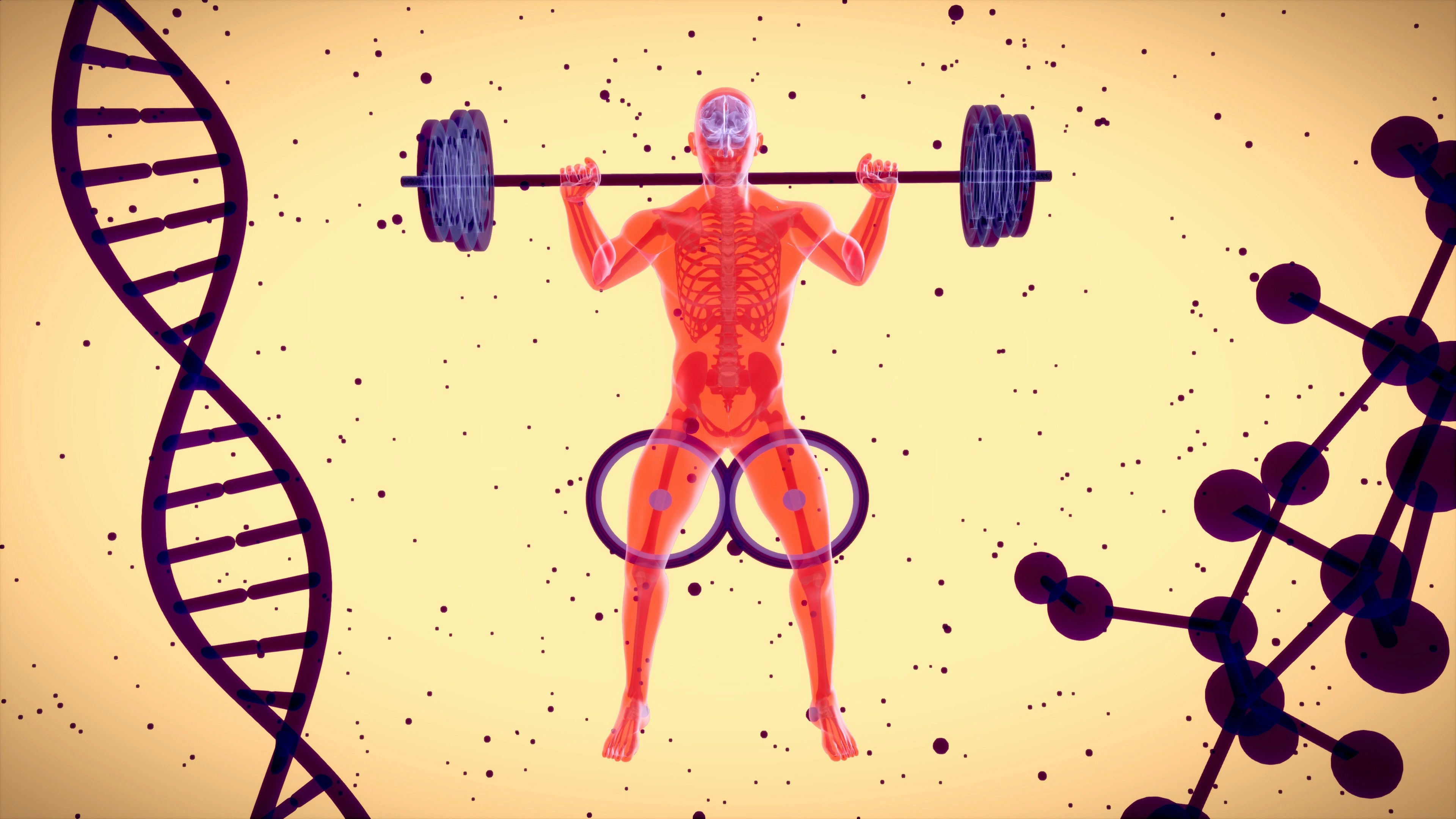
5 Muscle Building Truths from a Neuroscientist

Quick Take

  • You don’t need to lift extremely heavy weights to build muscle; sustained effort within a set is the key driver of growth.
  • Your ability to mentally contract a muscle predicts its growth potential, highlighting the brain’s role in hypertrophy.
  • Simple, zero-cost tests like grip strength and a measured exhale can objectively tell you if your nervous system is recovered and ready to train.
  • Common “recovery” tools like ice baths and NSAIDs post-workout can blunt the muscle-building signals you worked hard to create.
  • Foundational elements—adequate salt, creatine, and the amino acid leucine—are critical for optimal nerve-to-muscle communication and performance.

Cutting Through the Fitness Noise

The online world of fitness and nutrition is notoriously confusing, controversial, and at times, combative. Heated debates about the “best” way to train or eat often leave people more uncertain than when they started. It’s easy to get lost between the dogmas of heavy-lifting evangelists and proponents of complex recovery protocols.

This article cuts through that noise. We’re distilling clear, science-backed, and sometimes counter-intuitive principles for building muscle, strength, and enhancing recovery. Our source is the work of Stanford Professor of Neurobiology, Dr. Andrew Huberman, who excels at bridging complex neuroscience and practical, actionable tools.

Get ready for five surprising truths that challenge common gym wisdom and offer a smarter, more neurologically-informed path to gains.

1. Do You Really Need to Lift Heavy to Grow Muscle?

Direct Answer: No. While lifting heavy is effective, muscle growth (hypertrophy) can be achieved across a wide spectrum of weights, provided you train each set with sustained effort to the point of muscular failure or near-failure.

Explanation & Evidence

The pervasive myth is that only maximal loads recruit the “high-threshold motor units” necessary for growth. However, the Henneman size principle states that your nervous system recruits these motor units in order, from smallest to largest, based on the demand for force. As you fatigue during a set, the demand increases, forcing the recruitment of those bigger, growth-prone muscle fibers, even if the weight isn’t maximal.

“Put differently, heavy weights can help build muscle and strength, but they are not required.”

Analysis & Application

This is liberating and reduces injury risk. Whether you’re using 30% or 80% of your one-rep max, the key is to take each set to a point where you cannot do another rep with good form. This shifts focus from the ego of weight to the quality of effort.

2. Is Your Brain the Real Limiting Factor in Muscle Growth?

Direct Answer: Absolutely. Your conscious ability to contract a muscle independently—the “mind-muscle connection”—is a powerful predictor of its potential for growth.

Explanation & Evidence

There’s a crucial neural distinction between moving weight (strength) and stimulating a specific muscle to grow (hypertrophy). The former uses your musculature as a system; the latter requires isolating and intensely activating specific nerve-to-muscle pathways. Your brain’s control over these pathways dictates how effectively you can signal a muscle to adapt and grow larger.

“If you’re specifically interested in generating hypertrophy, it’s all about trying to generate those really hard, almost painful, localized contractions of muscle.”

Analysis & Application

This reframes training as a skill. Before adding weight, practice flexing and contracting target muscles without any load. During your workout, slow down your reps and focus intently on feeling the target muscle work throughout the entire range of motion. This neural mastery is a foundational, often overlooked, component of building a great physique.

3. Can Two Simple Tests Tell You If You’re Recovered to Train?

Direct Answer: Yes. Objective, zero-cost tests like the Grip Strength Test and Carbon Dioxide Tolerance Test can measure your nervous system’s readiness far more accurately than subjective feelings.

Explanation & Evidence

Your central nervous system (CNS) governs recovery. When it’s fatigued, your performance and growth potential plummet. These tests provide a clear “readiness” signal:

  • Grip Strength: A 10-20% drop in your morning grip strength (vs. a well-rested baseline) indicates incomplete CNS recovery.
  • Carbon Dioxide Tolerance Test: After a deep inhale, time how long you can exhale slowly and steadily. Less than 20-25 seconds suggests poor recovery; 30-60 seconds is a green light for training.

Analysis & Application

Stop guessing. Implement these 60-second tests each morning. If your scores are low, it’s a sign to prioritize sleep, nutrition, and perhaps choose lighter activity over intense training. This data-driven approach, a core principle of intelligent fitness, helps you avoid overtraining and align your workouts with your body’s true capacity. For more on optimizing recovery, explore our guide on [sleep hygiene for athletes].

4. Are Your Post-Workout “Recovery” Habits Sabotaging Gains?

Direct Answer: Possibly. Common practices like ice baths and taking NSAIDs (e.g., ibuprofen) after resistance training can interfere with the natural inflammatory and cellular signaling processes that drive muscle adaptation.

Explanation & Evidence

The muscle damage from a workout isn’t just a side effect—it’s a primary signal for repair and growth. Blunting this signal too aggressively can short-circuit your progress. Research indicates that while ice baths reduce soreness, they may dampen the activation of pathways like mTOR, which is crucial for protein synthesis and muscle growth.

Analysis & Application

This requires a paradigm shift: view acute post-workout inflammation as a productive signal, not just an enemy. Save ice baths for days when managing severe soreness is the priority over maximizing growth. Avoid routine use of NSAIDs around training sessions. Embrace other recovery methods that support, rather than suppress, the adaptation process, such as quality nutrition, hydration, and sleep.

5. Are You Missing These Foundational “Muscle Molecules”?

Direct Answer: Before exotic supplements, master the fundamentals: adequate dietary sodium, creatine, and the amino acid leucine are non-negotiable for optimal nerve-to-muscle function and growth.

Explanation & Evidence

These three elements support the biological machinery of movement and adaptation:

  1. Sodium (Salt): Essential for nerve cells to fire electrical signals. Low sodium impairs the communication from your brain to your muscles.
  2. Creatine Monohydrate: One of the most researched supplements. A review of 66 studies shows it can increase power output by 12-20%. It also enhances cellular hydration and reduces fatigue.
  3. Leucine: A key essential amino acid that acts as a major trigger for muscle protein synthesis. Aim for 700-3,000 mg per meal from high-quality protein sources.

Analysis & Application

Don’t complicate what’s simple. Ensure you’re consuming enough electrolyte-rich foods (or salting your food) especially around workouts. Consider a daily 5g creatine monohydrate supplement. Structure your meals around quality protein (e.g., lean meat, eggs, dairy, legumes) to hit your leucine threshold. These are the proven, foundational bricks upon which advanced strategies are built.

FAQ Answered by a Neuroscientist

Q: What’s the most important factor for building muscle: weight, reps, or effort?
A: The overarching factor is effort—taking sets close to muscular failure. Weight and rep ranges are tools to achieve that effort. Both heavy weights for low reps and lighter weights for higher reps can be effective if each set is challenging enough to recruit all available muscle fibers.

Q: Can I build muscle if I can’t “feel the mind-muscle connection” right away?
A: Yes. The mind-muscle connection is a skill that improves with practice. Start with very light weights or no weight, consciously contracting the muscle through its full range of motion. Over time, this neural control will strengthen, making your actual weight training far more effective.

Q: Are ice baths ever useful for fitness goals?
A: They are best used strategically. If your primary goal is reducing soreness and inflammation without concern for maximizing muscle growth from a recent workout (e.g., during a deload week or after an extreme endurance event), they can be helpful. For maximizing hypertrophy, it’s best to avoid them immediately after resistance training.

Q: Is there an optimal time to take creatine?
A: Timing is not critical. The most important factor is consistent daily intake (typically 5 grams) to saturate your muscle stores. Taking it with a meal or post-workout protein shake can aid absorption, but simply taking it daily is 95% of the benefit.

Building muscle transcends brute force. As modern neuroscience reveals, it’s a sophisticated dialogue between your mind and your muscles, governed by principles of neural recruitment, objective recovery metrics, and foundational biochemistry. By embracing these surprising truths—prioritizing effort over ego, honing neural control, listening to objective data, respecting the body’s signals, and nailing the nutritional basics—you empower yourself to train smarter. This evidence-based approach cuts through the hype, offering a clearer, more effective path to achieving your strength and physique goals. For more tools to integrate this science into your routine, visit the BeeFit.ai homepage.

This article is for informational purposes only and is not a substitute for professional medical advice. Consult with a healthcare professional before beginning any new exercise or nutrition program.