Quick Take
- Eating healthy doesn’t always equal eating for fat loss—portion sizes, sneaky processed foods, and “health halos” can stall progress.
- Even nutrient-dense foods (like avocado or granola) can derail fat loss if portions are too large or calorie-dense.
- Key non-food factors like poor sleep, chronic stress, and lack of resistance training play a major role in weight regulation.
- Liquid calories, gut imbalances, and inconsistent habits are silent contributors to stalled results.
- Small tweaks—like food tracking, sleep hygiene, gut-friendly foods, and managing stress—can unlock stalled fat loss. Consistency > perfection.
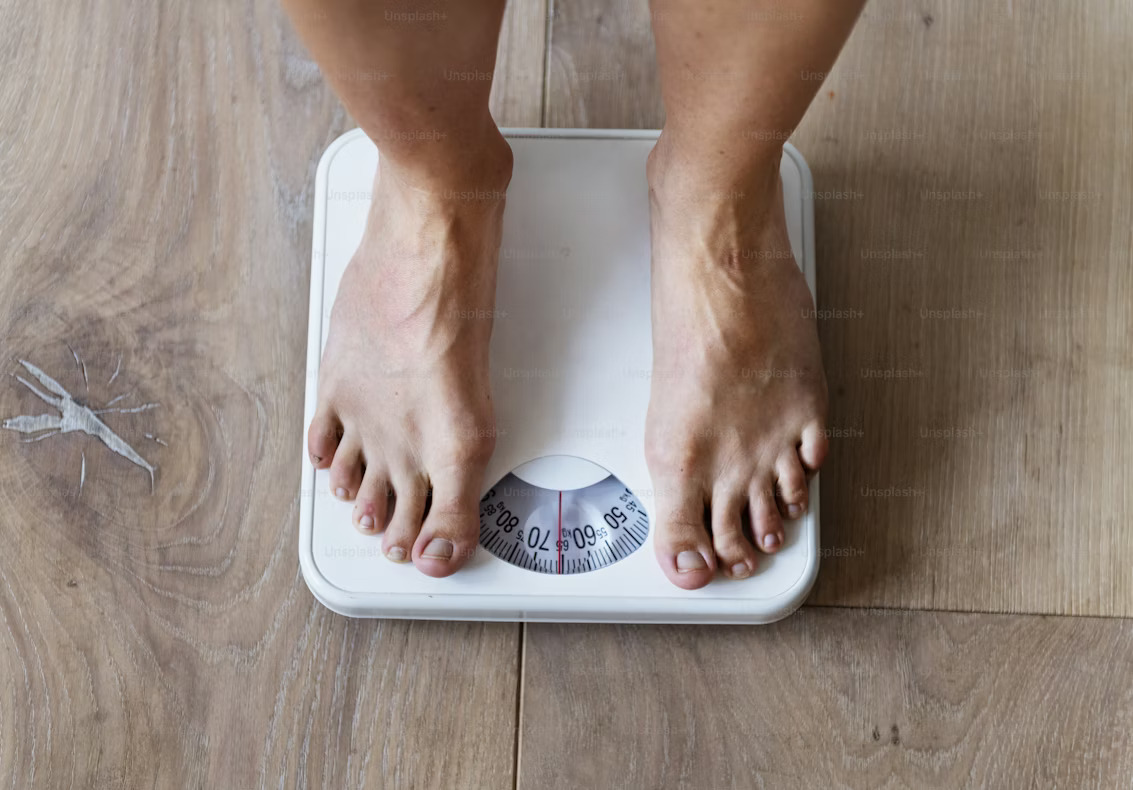
You’ve swapped soda for sparkling water, cut out the junk, started eating more greens and yet the scale hasn’t budged. It’s frustrating, confusing, and unfortunately, more common than you think.
The truth is, eating “healthy” isn’t always the same as eating for weight loss. There are hidden traps like sneaky processed foods, underestimated portions, and even lifestyle factors like stress and sleep that can stall your progress.
Here’s a breakdown of the most overlooked reasons why your clean eating efforts aren’t translating to fat loss and what to do instead.
You’re Eating Healthy… But Too Much of It
Yes, avocado toast is good for you. But two thick slices topped with half an avocado, eggs, and a drizzle of olive oil can easily hit 500–700 calories.
Even nutrient-dense foods still contain calories. And if you’re eating more energy than your body burns, you won’t lose weight—no matter how clean your food is.
Fix it:
- Use tools like MyFitnessPal or BeeFit to track calories for a week—not forever, just to understand your baseline.
- Stick to appropriate portions of calorie-dense healthy foods like nuts, olive oil, hummus, and whole grains.
You’re Eating Too Many “Health” Foods
Granola, smoothie bowls, protein bars, almond flour crackers—these all wear a health halo, but many are heavily processed and calorie-dense.
A protein bar marketed as “keto-friendly” can contain the same calories as a candy bar. Smoothie bowls? Some top 600–800 calories before noon.
Fix it:
- Read labels. Look for added sugars, inflammatory oils, and long ingredient lists.
- Favor whole, single-ingredient foods. When in doubt, build meals around lean protein, vegetables, healthy fats, and complex carbs.
You’re Not Getting Enough Sleep
Sleep isn’t just rest—it’s when your body regulates hunger hormones like leptin and ghrelin. Poor sleep increases cravings, reduces willpower, and disrupts blood sugar regulation.
A study published in Annals of Internal Medicine found that cutting sleep to five hours per night for two weeks reduced fat loss by over 50%, despite equal calorie intake (source).
Fix it:
- Aim for 7–9 hours of quality sleep per night.
- Create a consistent wind-down routine and keep screens out of the bedroom.
You’re Stressed Out—And Your Hormones Know It
Cortisol, your primary stress hormone, can directly impact your ability to lose weight. Chronically elevated cortisol:
- Promotes fat storage, especially in the abdomen
- Increases sugar cravings
- Disrupts thyroid and insulin function
And it’s not just emotional stress—overtraining, poor sleep, and under-eating can all act as stressors on the body.
Fix it:
- Incorporate stress-reducing activities: deep breathing, walking, journaling, or even 10 minutes of stretching.
- Don’t skimp on rest days. Your nervous system needs recovery just like your muscles.
You’re Relying Too Much on Cardio
Steady-state cardio has benefits, but it’s not the most effective way to drive long-term fat loss, especially on its own.
Too much cardio can:
- Increase hunger
- Lead to muscle loss
- Raise cortisol (yes, again)
Fix it:
- Incorporate strength training 2–4x per week to build muscle, which burns more calories at rest.
- Use zone 2 cardio or HIIT strategically (2–3 sessions per week) instead of overdoing long endurance sessions.
You’re Drinking Calories Without Realizing It
Yes, your green juice has vitamins—but it might also have 30+ grams of sugar. Kombucha? About the same. And let’s not even talk about oat milk lattes with vanilla syrup.
Fix it:
- Treat beverages like snacks: read the label and factor them into your intake.
- Choose calorie-free drinks like sparkling water, black coffee, herbal tea, or water with lemon.
You’re Not Actually in a Calorie Deficit
The #1 reason fat loss stalls: you’re not in a true energy deficit, even if you’re eating clean.
Whether it’s eyeballing portions, frequent snacking, or calorie creep from “healthy extras,” small miscalculations add up.
Fix it:
- Track your food for 7 days. Be honest—and weigh portions.
- Use a TDEE calculator like Precision Nutrition’s to estimate your daily energy needs, then aim for a modest deficit (~300–500 calories/day).
Your Gut Health Is Out of Whack
Emerging research links gut microbiome imbalances to weight gain, inflammation, and insulin resistance—even in people who eat well (source).
A low-fiber, high-sugar diet can disrupt your gut flora, while antibiotics, stress, and lack of fermented foods can worsen the issue.
Fix it:
- Eat more prebiotic fiber: bananas, oats, leeks, garlic, apples.
- Include fermented foods: yogurt, kefir, kimchi, sauerkraut.
- Consider a probiotic supplement (but quality and strains matter—check clinical support).
You’re Too “All or Nothing”
Many people sabotage their progress by going too hard, then burning out. Or they eat perfectly all week, then overdo it on weekends.
Fix it:
- Focus on consistency, not perfection. You don’t need to be perfect—you need to be predictable.
- Ask: “Can I do this for the next 6 months?” If not, adjust until the answer is yes.
FAQ: Your Stalled Fat Loss Questions, Answered
Q: I track my calories and eat healthy, so why am I not losing weight?
A: If the scale is truly stuck despite an apparent calorie deficit, there are several likely hidden factors. First, your estimated calorie needs may be off due to metabolic adaptation from dieting. Second, non-food factors like chronic stress (elevating cortisol) or poor sleep (disrupting hunger hormones) can significantly slow fat loss, as the cited Annals of Internal Medicine study shows, reducing loss by over 50%. Third, you may be underestimating portions of healthy, calorie-dense foods like oils, nuts, and avocado. Recalculate your needs, prioritize sleep and stress management, and measure portions strictly for one week to audit your true intake.
Q: I exercise regularly, mostly cardio. Why isn’t this helping me lose fat?
A: Relying solely on cardio can be counterproductive for fat loss. Excessive cardio increases hunger and cortisol, which can promote fat storage and lead to muscle loss. Muscle is metabolically active tissue; losing it lowers your resting metabolic rate. The fix is to prioritize strength training 2-4 times per week. Building muscle increases the calories your body burns at rest, creating a more sustainable metabolic environment for fat loss. Use cardio (like Zone 2 or HIIT) as a supplemental tool 2-3 times weekly, not the primary engine.
Q: Can my gut health really stop me from losing weight, even if I eat well?
A: Emerging science strongly suggests yes. An imbalanced gut microbiome (dysbiosis) is linked to increased inflammation, insulin resistance, and a propensity to extract more calories from food. As noted, a low-fiber, high-sugar diet can disrupt gut flora. You can support your gut by focusing on prebiotic fiber (from onions, garlic, bananas, oats) to feed good bacteria and fermented foods (like yogurt, kefir, sauerkraut) to inoculate them. Improving gut health can enhance metabolic efficiency and reduce inflammatory barriers to fat loss.
Q: How do I break out of the “all-or-nothing” cycle that ruins my progress every weekend?
A: This cycle fails because it’s unsustainable. The key is to abandon the perfectionism of weekdays and the rebellion of weekends. Instead, ask yourself the sustainability question: “Can I maintain this approach for the next six months?” If your plan is too restrictive, it will inevitably break. Design a daily plan that includes satisfying foods you enjoy in controlled portions, allowing for flexibility. Consistency with a 90% “on-track” approach always beats a perfect 5-day streak followed by a 2-day overcorrection. Focus on weekly averages, not daily perfection.
Q: Are “health halo” foods like protein bars and granola secretly sabotaging me?
A: Absolutely. These foods are often marketing triumphs but nutritional failures. A “keto” or “protein” bar can be as calorie-dense as a candy bar, loaded with sugar alcohols, inflammatory oils, and artificial ingredients. Granola is famously high in sugar and fat. The fix is militant label reading: check for added sugars, long ingredient lists, and industrial seed oils (like soybean or canola oil). When possible, choose whole, single-ingredient foods (an apple, a handful of nuts) over packaged “health” products. Don’t let a virtuous label convince you to overlook the calorie content.
Weight Loss Isn’t Just About Willpower
You might be doing everything right—and still not seeing the scale drop. That doesn’t mean your body is broken. It might just mean there’s a hidden blocker—whether hormonal, behavioral, or related to how you’re eating “healthy.”
Start with one adjustment—maybe it’s tracking for a few days, re-evaluating your sleep, or adding more movement. Most importantly, be patient and focus on what you can sustain.
Your body responds to the sum of your daily habits—not just the “good” ones.
This article is for informational purposes only and should not replace medical or dietary advice. Always consult a healthcare provider or registered dietitian before making changes to your health or nutrition plan.