BeeFit: Fitness & Wellness

Gut Reset, Better Mood: Your 7-Day Science-Backed Plan

Quick Take

  • A Stanford study found a diet high in fermented foods increased gut microbiome diversity and reduced key inflammatory markers in just 10 weeks.
  • Your healthy microbiome is unique to you; its stability is more important than specific bacteria.
  • Pro-inflammatory diets are strongly linked to a higher future risk of depression and anxiety.
  • This plan combines fermented foods, prebiotic fibers, and anti-inflammatory fats to reshape your gut ecosystem.

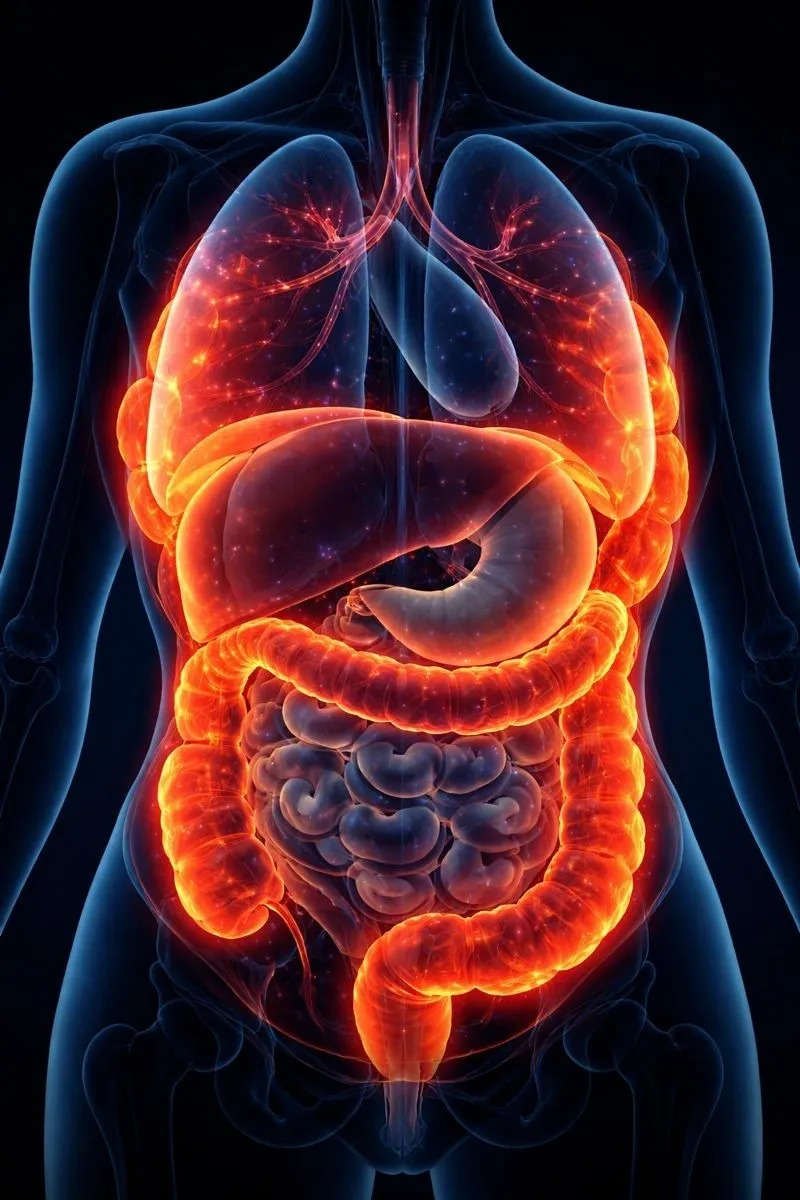
We often think of gut health as just about digestion—less bloating, more regularity. However, groundbreaking research reveals a far more profound truth: your gut is a command center for your entire well-being. The trillions of microbes in your gut, known as the microbiome, directly influence your immune system, stress resilience, and even your mood through the gut-brain axis.

At BeeFit.ai, we translate complex science into actionable health strategies. This 7-day plan moves beyond folklore to leverage the gut-brain connection. It’s a targeted, evidence-based reset designed to transform your inner ecosystem, sharpen your mind, and stabilize your emotions using the most compelling research from top-tier institutions.

Why Do Fermented Foods Outperform Plain Fiber for Gut Diversity?

Direct Answer: While both are crucial, a landmark Stanford study showed that a high-fermented-food diet rapidly increased microbiome diversity and lowered inflammation, whereas a high-fiber diet alone did not significantly change diversity in the short term.

Explanation & Evidence:
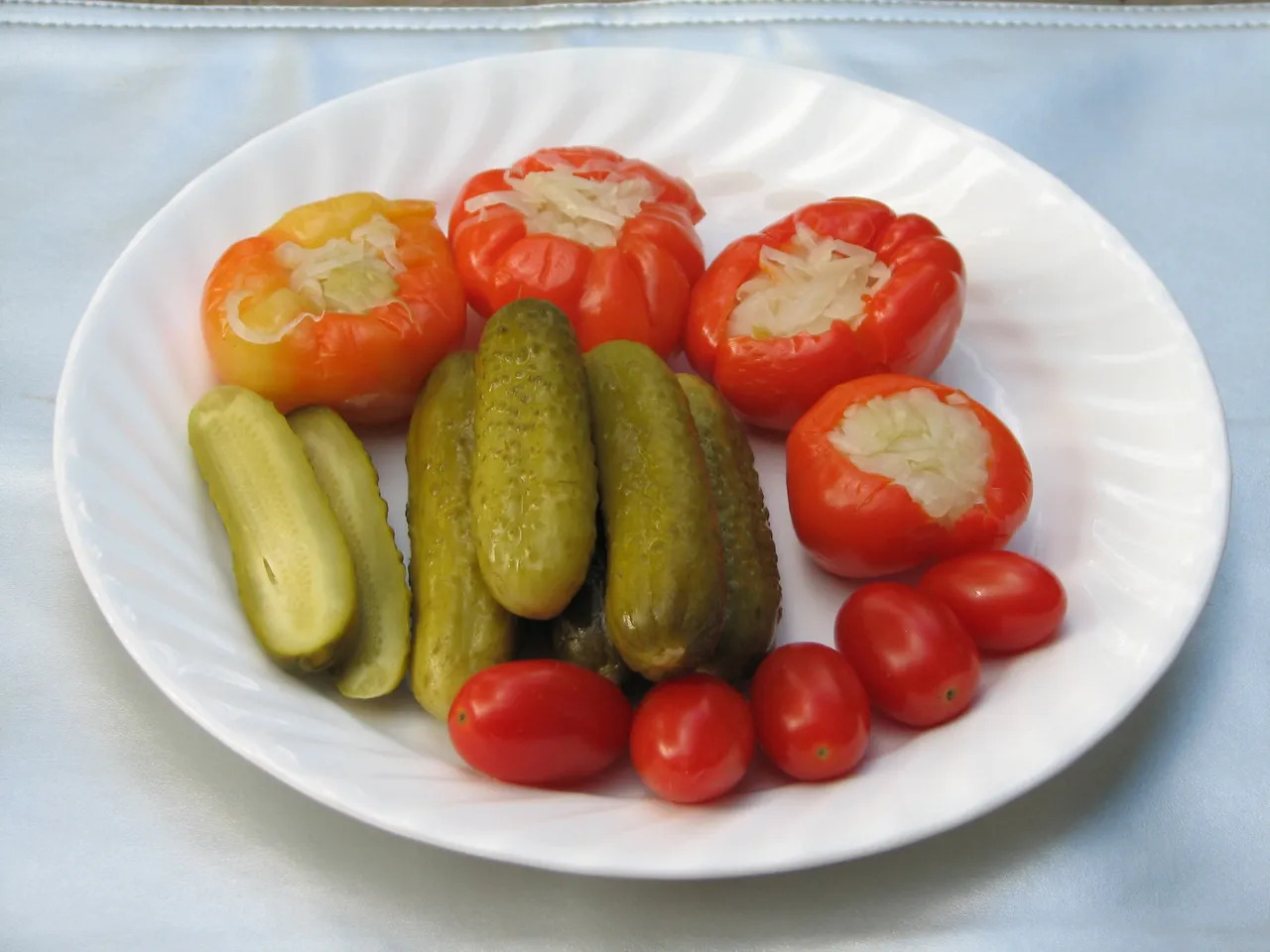
For years, fiber was the undisputed champion of gut health. However, a controlled clinical trial at Stanford School of Medicine revealed a nuanced truth. Researchers assigned participants to either a high-fiber or high-fermented-food diet for 10 weeks. The group eating yogurt, kefir, kimchi, and kombucha daily saw a direct increase in microbial diversity and a decrease in 19 inflammatory markers, including interleukin-6.

Research Insight: “This is a stunning finding,” said Justin Sonnenburg, PhD, an associate professor at Stanford. “It provides one of the first examples of how a simple change in diet can reproducibly remodel the microbiota across a cohort of healthy adults”.

Analysis & Application:
This challenges the “fiber-only” paradigm. The researchers suggest industrialized gut microbiomes may be so depleted that they need time—or direct microbial help—to recover. Fermented foods deliver a direct payload of beneficial microbes. Your Application: Make one or two fermented foods a daily non-negotiable during this reset.

Is There One “Perfect” Healthy Microbiome?

Direct Answer: No. Cutting-edge research confirms that a healthy microbiome is as personal as a fingerprint. The key marker of health is the stability of your unique ecosystem, not a specific bacterial profile.

Explanation & Evidence:
Stanford researchers tracking individuals for years found that the bacteria persisting best in a person’s microbiome were those most particular to the individual. During health, the microbiome remained stable; during illness or the onset of conditions like type 2 diabetes, it fluctuated wildly.

Research Insight: “We’re moving toward this idea that we have a personal microbiome that is incredibly important for our own metabolic and immune health… The microbiome varies enormously between people,” said Professor Michael Snyder, director of the Stanford Center for Genomics and Personalized Medicine.

Analysis & Application:
This closes the door on seeking a universal “ideal” gut flora and emphasizes personalized nutrition. Your Application: Use this 7-day plan as a personal experiment. Note which fermented foods and fibers make you feel more energetic and resilient.

Can Food Really Influence Anxiety and Depression?

Direct Answer: Yes. Large-scale studies show a pro-inflammatory diet is a significant modifiable risk factor for developing depression and anxiety, while an anti-inflammatory diet is protective.

Explanation & Evidence:
Chronic, low-grade inflammation is a hidden driver of mental health challenges. A 2024 study following nearly 190,000 people for over 14 years found a clear gradient: those with diets scoring higher on the pro-inflammatory Dietary Inflammatory Index had a markedly increased risk of developing depression and anxiety disorders.

Research Insight: Diets with pro-inflammatory traits “were strongly linked to an increased risk of developing depression and anxiety in the future. An anti-inflammatory diet… may offer a promising protective approach”.

Analysis & Application:
This moves diet to a central role in mental health prevention via the gut-brain axis. Your Application: This reset is deliberately anti-inflammatory, rich in omega-3s from fatty fish, polyphenols from berries, and healthy fats from olive oil and nuts.

What’s So Special About Short-Chain Fatty Acids from Fiber?

Direct Answer: When gut bacteria ferment fiber, they produce short-chain fatty acids (SCFAs) like butyrate, crucial metabolic signals that reduce inflammation, support gut barrier health, and may positively influence brain function.

Explanation & Evidence:
SCFAs are potent signaling molecules, not just waste. They activate receptors on cells in your gut lining and immune system. Butyrate, for instance, is the primary fuel for gut lining cells and helps suppress inflammation.

Research Insight: “SCFAs have a profound effect on physiological processes… independent of delivering calories to the host”. For brain health, SCFAs “have anti-inflammatory properties and may influence brain function and behavior”.

Analysis & Application:
This is why the quality and variety of fiber matter. You’re feeding the microbial workers that produce essential health compounds. Your Application: This plan includes diverse prebiotic fibers from lentils, oats, asparagus, and garlic to nourish different bacteria and maximize SCFA production.

Your 7-Day Science-Backed Gut Reset Plan

This daily framework applies the research, prioritizing fermented foods, diverse prebiotics, and anti-inflammatory nutrients.

Day 1 – Introduce Ferments & Fiber
Breakfast: Greek yogurt with chia seeds, blueberries, and flax.
Lunch: Lentil soup with spinach and carrots.
Dinner: Baked cod with steamed broccoli and quinoa.
Key Rationale: Inoculate and feed. Live cultures from yogurt meet prebiotic fiber from lentils and berries to immediately support microbial diversity.

Day 2 – Build Blood Sugar Stability
Breakfast: Oatmeal with banana, pumpkin seeds, and cinnamon.
Lunch: Chickpea salad with arugula, olive oil, and lemon.
Dinner: Grilled chicken with roasted sweet potato and sautéed kale.
Key Rationale: Prevent inflammation spikes. Soluble fiber from oats and legumes promotes stable glucose, reducing a key inflammatory trigger.

Day 3 – Anti-Inflammatory Boost
Breakfast: Smoothie with spinach, berries, kefir, and flax oil.
Lunch: Quinoa bowl with roasted vegetables and avocado.
Dinner: Salmon with asparagus and brown rice.
Key Rationale: Direct inflammation modulation. Omega-3s from salmon and polyphenols from greens directly interfere with pro-inflammatory pathways.

Day 4 – Feed Diverse Bacteria
Breakfast: Sourdough toast with avocado and sauerkraut.
Lunch: Lentil curry with basmati rice.
Dinner: Turkey meatballs with zucchini noodles and tomato sauce.
Key Rationale: Increase microbial richness. A wide variety of plant fibers encourages a more complex, resilient gut community.

Day 5 – Hydration & Serotonin Support
Breakfast: Overnight oats with kiwi, pumpkin seeds, and almond milk.
Lunch: Grilled veggie wrap with hummus and leafy greens.
Dinner: Baked trout with roasted cauliflower and quinoa.
Key Rationale: Support gut-brain signaling. Kiwi aids serotonin precursor availability; zinc from seeds is crucial for neurotransmitter synthesis.

Day 6 – Gut Lining Support
Breakfast: Greek yogurt with blueberries and flax seeds.
Lunch: Miso soup with tofu and seaweed, with a side of edamame.
Dinner: Grass-fed beef stir-fry with bell peppers and bok choy.
Key Rationale: Provide repair nutrients. Compounds in bone broth and cooked vegetables support the repair and maintenance of the gut lining.

Day 7 – Reset & Reflect
Breakfast: Smoothie with kefir, spinach, banana, and flax oil.
Lunch: Chickpea stew with carrots and kale.
Dinner: Baked salmon with sweet potato mash and steamed broccoli.
Key Rationale: Consolidate gains. Reflect on changes in energy, mood, and digestion. Plan which 2-3 new habits to continue.

Gut Health Reset: Frequently Asked Questions (FAQ)

Q: I already eat a high-fiber diet. Why aren’t I seeing gut health benefits?
A: The Stanford study suggests modern microbiomes may need time or direct microbial help to process increased fiber. Try combining your high-fiber intake with daily fermented foods like kefir or kimchi to provide the necessary microbes.

Q: What’s the most overlooked factor in gut health?
A: Stability over time. Health is less about specific “good bugs” and more about maintaining a stable, resilient personal microbiome. Consistent, diverse eating is better than drastic, frequent dietary swings.

Q: How quickly can diet change my gut microbiome?
A: Dietary changes can alter microbial communities within 24-48 hours. However, building a stable, diverse ecosystem that reduces inflammation takes consistent effort over weeks and months, as shown in the 10-week Stanford trial.

Q: Can improving gut health help with anxiety?
A: Emerging research strongly suggests a link. Since a pro-inflammatory diet is a risk factor for anxiety, an anti-inflammatory, microbiome-supporting diet is a promising strategy for supporting mental well-being via the gut-brain axis.

The science is clear: your gut is an active health command center. This 7-day reset is your practical blueprint to apply these insights. The goal is a thoughtful experiment to discover how feeding your unique microbial community can transform your energy, focus, and mood from the inside out.

Remember, profound health changes often begin not with a pill, but with a plate. For more science-backed strategies to optimize your wellness, explore our other articles on BeeFit.ai.

This article is for informational purposes only and is not a substitute for professional medical advice, diagnosis, or treatment. Always seek the advice of your physician or other qualified health provider with any questions you may have regarding a medical condition. The dietary plan provided is a general guide and may not be suitable for all individuals, particularly those with specific food allergies, intolerances, or medical conditions such as IBD or SIBO.
Your Gut Is Talking: 5 Ways Your Body Controls Your Mood

Quick Take

  • Your stomach has sugar-sensing neurons that trigger dopamine release and cravings, independent of taste.
  • The omega-3 fat EPA can be as effective as Prozac for some in managing depression, and works synergistically with it.
  • Your brain subconsciously eats to acquire amino acids, tyrosine and tryptophan to produce dopamine and serotonin.
  • Your gut microbiome is a neutral ecosystem; its composition, influenced by diet, directly affects anxiety and depression risk.
  • Your beliefs about food can physically alter digestion, changing hunger hormone (ghrelin) levels based on perceived calorie content.

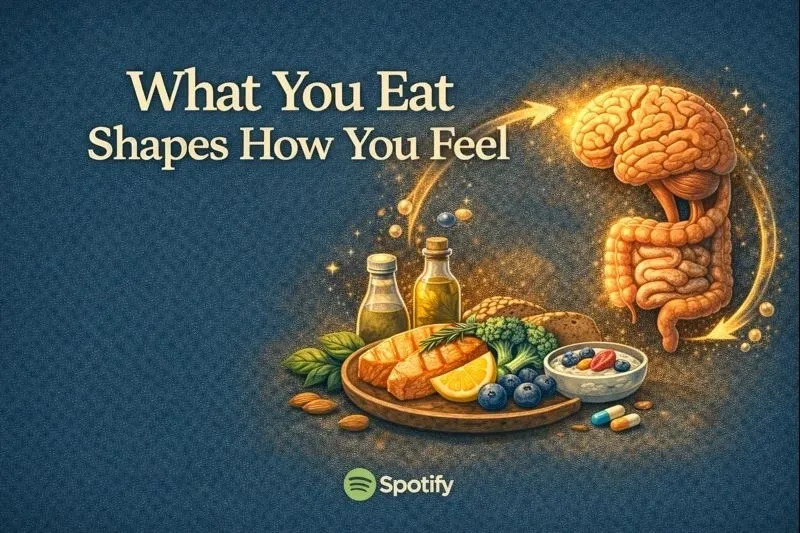
We often view our emotions as abstract, mental events. Yet, a growing body of science reveals a profound truth: your mood is a whole-body creation. The connection between what you eat and how you feel is not just philosophical but it’s a direct, biological dialogue known as the gut-brain axis.

This two-way communication superhighway links your emotional and cognitive centers with your digestive system. It explains why anxiety can cause a “gut-wrenching” feeling and why a troubled gut can send signals of stress to the brain. Your digestive tract is lined with over 100 million nerve cells, forming a “second brain” that is in constant conversation with the one in your head.

By understanding this conversation, you gain powerful levers to influence your mental state. Here are five surprising, evidence-based ways your body dictates your mood, and how you can actively participate in the dialogue.

1. Can You Crave Sugar Without Tasting It?

Direct Answer: Yes. Specialized neurons in your gut can detect sugar and directly signal your brain to release dopamine, driving craving and consumption—completely bypassing your taste buds.

Explanation & Evidence:
This pathway uses the vagus nerve, a major information highway between the gut and brain. In experiments where taste was neutralized, subjects still craved and consumed more of foods containing hidden sugars. This creates a subconscious “chemical gut feeling” that influences your choices.

“What this means is that even if a food is very savory… if there’s sugar snuck into that and you can’t taste it, you will still crave more of that thing without knowing that you crave it because it has sugar.”

Analysis & Application:
This insight shifts responsibility from willpower to awareness. To combat hidden cravings, become a label reader. Watch for added sugars in sauces, bread, dressings, and processed savory snacks. Prioritizing whole, single-ingredient foods is the most effective strategy to avoid this hidden biological pull.

2. Is There a Food-Based Alternative to Antidepressants?

Direct Answer: For some individuals, yes. Clinical research shows that the omega-3 fatty acid EPA (Eicosapentaenoic Acid) can be as effective as a common prescription antidepressant and may enhance its effects when combined.

Explanation & Evidence:
A landmark human study compared 1,000 mg of EPA to 20 mg of fluoxetine (Prozac) in individuals with major depression. The results were striking: EPA was equally effective, and the combination of both produced a superior outcome. This highlights diet’s direct role in brain chemistry. Omega-3s help reduce inflammation, which is often linked to mood disorders.

Analysis & Application:
While not a universal cure, this underscores diet as a foundational tool for mental health. You can increase EPA by eating fatty fish (like salmon, mackerel) 2-3 times per week. For therapeutic doses, a high-quality fish oil supplement standardized for EPA may be considered, ideally in consultation with a healthcare provider. It’s a powerful example of nutritional psychiatry in action.

3. Are You Eating for Your Stomach or Your Brain?

Direct Answer: You are primarily eating for your brain. Your brain drives you to consume food until it acquires enough specific amino acids—tyrosine and tryptophan—which are precursors for the crucial neurotransmitters dopamine and serotonin.

Explanation & Evidence:
Dopamine (from tyrosine) drives motivation and pursuit, while serotonin (from tryptophan) promotes calm and well-being. Notably, up to 95% of your body’s serotonin is produced in the gut. Your brain performs a subconscious nutrient inventory, seeking these building blocks to regulate your mood and alertness.

Analysis & Application:
You can strategically align your meals with your goals. For focused energy, pair tyrosine-rich foods (like chicken, eggs, almonds) with complex carbs earlier in the day. To promote evening relaxation, consuming tryptophan-containing foods (like turkey, oats, bananas) with carbohydrates can aid serotonin production and sleep preparation. Learn more about tailoring your nutrition to your brain’s needs in our guide on foods for focus and mood.

4. Is Your Gut Microbiome a Friend or a Neutral Tenant?

Direct Answer: It’s a neutral, complex ecosystem. The trillions of microbes in your gut aren’t inherently “good” or “bad”; they simply strive to survive. Their composition, heavily influenced by your diet, directly impacts inflammation and neurotransmitter activity, thereby influencing your mood.

Explanation & Evidence:
The gut microbiome communicates with the brain via the immune system, the vagus nerve, and by producing metabolites and neurotransmitters. Diets high in ultra-processed foods can promote microbes linked to inflammation and depression, while diverse, fiber-rich diets support a healthier balance. Remarkably, transplanting gut bacteria from depressed humans to rodents can transfer depression-like behaviors, proving a causal link.

Analysis & Application:
Feed your microbiome for mental health. Prioritize:

  • Probiotic foods: Yogurt, kefir, kimchi, sauerkraut (refrigerated versions).
  • Prebiotic fiber: Asparagus, onions, garlic, bananas, oats, which feed beneficial bacteria.
    Avoid the myth that “more probiotics are always better”—very high doses can sometimes cause brain fog. Consistency with small servings of fermented foods and ample fiber is key.

5. Can Your Mind Change How Your Body Digests Food?

Direct Answer: Absolutely. Your beliefs and expectations about food can trigger real, measurable physiological changes in your body’s digestive response, a phenomenon known as a “top-down” effect.

Explanation & Evidence:
In a famous Stanford study, participants drank the same 380-calorie milkshake but were told it was either a high-calorie “indulgence” or a low-calorie “sensible” drink. Blood measurements revealed that those who believed they drank the high-calorie shake experienced a significantly steeper drop in ghrelin, the hunger hormone. Their belief physically altered their metabolic satiety response.

Analysis & Application:
This powerful “mind-over-meal” effect encourages mindful eating. Approach your meals with a positive, thankful mindset. Avoid labeling foods as “guilty” or “sinful.” The stress and guilt of “cheating” can negatively impact your gut-brain axis. Instead, savor your food intentionally, as your perception is a direct ingredient in its biological effect.

FAQ: Your Gut-Brain Connection Questions, Answered

Q: I want to improve my gut health for my mood. What’s the first step?
A: The single most effective step is to dramatically increase your dietary fiber intake from diverse plant sources (vegetables, fruits, legumes, whole grains). Fiber is the primary fuel for beneficial gut bacteria. Simultaneously, reduce your intake of ultra-processed foods and added sugars.

Q: Are probiotic supplements necessary or helpful for mood?
A: They can be a helpful adjunct, but they are not a magic bullet. Current research, including a 2023 pilot trial, suggests that specific multistrain probiotics (“psychobiotics”) are most effective as an add-on to standard care for depression, not as a standalone treatment. For most people, focusing on a prebiotic and probiotic-rich diet is the best foundation.

Q: How quickly can diet changes affect my mood?
A: While some people report feeling differences in energy within days, more stable changes in mood and microbiome composition can take several weeks to months of consistent dietary change. One study showed the gut microbiome can begin to shift within 24 hours of a diet change, but sustained change requires habit.

Q: If most serotonin is in my gut, why don’t SSRIs (antidepressants) target the gut?
A: This is an active area of research. While 95% of serotonin is in the gut, it primarily acts locally on digestive functions. The serotonin that influences mood is in the brain, separated by the blood-brain barrier. However, the gut-side effects of SSRIs (like nausea) are a direct result of their impact on gut serotonin, highlighting the intimate connection.

Your mood is not a mystery locked in your skull. It is a dynamic, physical conversation between your brain, your gut, and the trillions of microbes within you. By choosing foods that nourish a healthy microbiome, by understanding the hidden drivers of craving, and by engaging your meals with a positive mind, you do more than just eat—you actively compose the biochemical symphony of your own well-being.

Start today: at your next meal, ask yourself, “What message am I sending my gut-brain axis?” For more science-backed strategies to harness your biology, explore the resources at BeeFit.ai.

This article is for informational purposes only and is not a substitute for professional medical advice. Always consult with a qualified healthcare provider for any mental health concerns or before making significant changes to your diet or supplement regimen.

How To Make My Anti-Aging Meals (Live to 120+)

Quick Take

  • Let chopped broccoli rest 40 minutes before cooking to maximize the production of sulforaphane, a potent anti-cancer compound.
  • Switch from non-stick to stainless steel or ceramic cookware to avoid PFAS “forever chemicals” that can disrupt metabolism and hormones.
  • Always pair turmeric with black pepper; the piperine in pepper boosts curcumin absorption by up to 2000%, dramatically increasing its anti-inflammatory benefits.
  • Prioritize fiber from legumes (lentils, chickpeas); studies show legume fiber is associated with a significantly greater reduction in colon cancer risk compared to other fibers.

In the pursuit of health, we often overlook the profound power of daily habits. What if the most impactful “supplements” for longevity aren’t in a bottle, but are already in your kitchen? This isn’t about exotic superfoods or complex recipes; it’s about applying simple, science-backed principles to unlock the hidden potential in everyday meals.

By making a few deliberate adjustments to how you prepare and combine foods, you can transform your cooking routine into a strategic foundation for a longer, healthier life. Here are four powerful, evidence-based kitchen hacks that leverage food science for measurable health benefits.

Should You Really Let Chopped Broccoli Sit Before Cooking?

Direct Answer: Yes. Allowing chopped broccoli, cauliflower, or other cruciferous vegetables to rest for 30-40 minutes before cooking dramatically increases the formation of sulforaphane, a powerful, health-protective compound.

Explanation & Evidence

Chopping these vegetables activates an enzyme called myrosinase. This enzyme converts precursor compounds into sulforaphane, but heat rapidly destroys it. The resting period gives the enzyme time to work before cooking halts the process.

Research highlights sulforaphane as “one of the strongest anti-cancer compounds you can find in food,” with studies also pointing to its benefits for detoxification and metabolic health.

Analysis & Application

Make this a prep habit: chop your broccoli first when you start cooking. Let it sit on the cutting board while you prepare other ingredients. This small timing shift ensures you get the maximum bioactive benefit from your vegetables, turning a simple side dish into a functional food.

Is Your Non-Stick Pan a Hidden Source of Toxins?

Direct Answer: Very likely. Conventional non-stick cookware can release per- and polyfluoroalkyl substances (PFAS) when heated—persistent chemicals linked to long-term health risks. Switching to stainless steel, cast iron, or certified ceramic non-stick is a safer choice.

Explanation & Evidence

PFAS are “forever chemicals” that accumulate in the body and environment. Heating non-stick coatings, especially if scratched or overheated, can cause these chemicals to leach into food and air.

Studies indicate that exposure to PFAS can have a negative impact, potentially “messing with your metabolism, hormones, and fertility.” Choosing your cookware is a foundational step in creating a non-toxic kitchen.

Analysis & Application

Invest in high-quality stainless steel or enameled cast iron for most cooking. For eggs or delicate foods, use a well-seasoned cast iron pan or a reputable ceramic non-stick option. This change reduces your daily exposure to metabolic disruptors, supporting your body’s natural systems.

Why is Turmeric Useless Without Black Pepper?

Direct Answer: Curcumin, the active compound in turmeric, is poorly absorbed. Piperine, a compound in black pepper, inhibits its metabolism in the gut, boosting curcumin’s bioavailability by up to 2000%, making its anti-inflammatory effects possible.

Explanation & Evidence

Without piperine, most curcumin passes through your system unused. Piperine slows the liver’s process of breaking down curcumin, allowing it to remain in the bloodstream longer and at higher levels.

This synergy means the “antioxidant, anti-inflammatory, and metabolic benefits last longer.” It’s a prime example of food synergy, where combining ingredients creates an effect greater than the sum of its parts.

Analysis & Application

Never use turmeric alone. Always add a generous pinch of black pepper (about a 1:10 ratio of pepper to turmeric). This applies to golden milk, curries, soups, and even scrambled eggs. For a concentrated boost, look for curcumin supplements that include piperine or BioPerine®.

Are Lentils and Chickpeas Superior to Other Fibers?

Direct Answer: For specific, powerful health outcomes, yes. While all fiber is beneficial, the unique fiber and resistant starch in legumes (beans, lentils, chickpeas) are associated with a disproportionately greater reduction in the risk of serious conditions like colon cancer.

Explanation & Evidence

Legume fiber fosters a gut environment that produces protective compounds like butyrate. Research quantifying this benefit shows a striking difference.

One analysis found that consuming 10 grams of legume fiber daily was linked to a 32% reduction in colon cancer risk, compared to just a 10% reduction from the same amount of other dietary fibers. This highlights the importance of source-specific nutrition.

Analysis & Application

Aim to integrate legumes into multiple meals each week. Add lentils to bolognese, toss chickpeas into salads, blend white beans into soups, or enjoy hummus. This moves legumes from an occasional ingredient to a dietary staple, leveraging their unique protective properties.

Your Longevity Kitchen Questions, Answered

Q: Do other vegetables need to rest like broccoli?
A: This principle applies to all cruciferous vegetables, including cauliflower, Brussels sprouts, kale, cabbage, and bok choy. Chopping or crushing them activates the myrosinase enzyme needed to form beneficial compounds like sulforaphane.

Q: What’s the safest non-stick alternative for beginner cooks?
A: A high-quality ceramic non-stick pan (from a reputable brand) or a well-seasoned carbon steel wok are excellent, forgiving options. For versatility, a tri-ply stainless steel saucepan is a foundational piece that, with proper preheating, provides excellent non-stick performance for many foods.

Q: If I take a curcumin supplement, do I still need black pepper?
A: Check the label. High-quality curcumin supplements must include a bioavailability enhancer. This is often piperine (black pepper extract), listed as BioPerine®. If it’s not included, the supplement is likely to be ineffective. Taking it with a meal containing black pepper can help.

Q: I get bloated from beans. How can I eat more legumes?
A: Start small (1-2 tablespoons daily) and increase gradually to let your gut microbiome adapt. Always rinse canned beans thoroughly. Soaking dried beans and discarding the soaking water before cooking can also reduce gas-producing compounds. Using digestive spices like cumin, ginger, or fennel in your recipes can help.

Transforming your health doesn’t require a complete diet overhaul. As these four hacks demonstrate, small, strategic shifts in your kitchen routine can yield disproportionately large benefits for your long-term well-being. By focusing on food preparation, cooking tools, powerful synergies, and superior ingredient choices, you build a diet that actively works to protect and enhance your vitality for years to come.

Ready to build more science-backed habits for lasting health? Explore further insights and personalized guidance at BeeFit.ai.

This article is for informational purposes only and is not a substitute for professional medical or nutritional advice. Always consult with a healthcare provider before making significant changes to your diet.

4 Surprising Truths About the Hidden Belly Fat You Can’t See

Quick Take

  • Visceral fat is a dangerous type of fat that wraps around your internal organs, promoting inflammation and increasing the risk of chronic disease.
  • Food quality trumps simple calorie counting: Saturated fat and added fructose (not fruit) are scientifically shown to disproportionately increase visceral fat storage.
  • You can “target” visceral fat with specific exercise: Moderate-to-high intensity cardio and intervals are most effective due to their impact on fat-mobilizing hormones.
  • Visceral fat is metabolically primed to be lost first when you create a calorie deficit, making it highly responsive to positive lifestyle changes.

Most of us focus on the fat we can see and pinch. But a far more dangerous type—visceral fat—hides deep within your abdomen, wrapping around vital organs like your liver and intestines. Unlike subcutaneous fat, this hidden fat acts like an active organ, pumping out inflammatory chemicals linked to insulin resistance, heart disease, and other serious health risks.

The threat is real but invisible. A personal example: a relative’s DEXA scan revealed a lean-looking physique masking 2,200 grams of dangerous visceral fat. This article moves beyond generic weight-loss advice to reveal four science-backed, often surprising truths about how to specifically identify and reduce this hidden health hazard.

1. Is a Calorie Just a Calorie for Belly Fat?

Direct Answer: No. While a calorie surplus causes weight gain, the type of fat you eat directly influences where that fat is stored, with saturated fat preferentially driving visceral fat accumulation.

Explanation & Evidence

A pivotal 2014 study had two groups overeat by 750 calories daily via muffins made with either polyunsaturated (nuts, seeds) or saturated (butter, meat) fats. After seven weeks, both groups gained equal weight, but the saturated fat group gained double the visceral fat. The polyunsaturated group even gained more lean muscle mass.

This research decisively shifts the focus from pure quantity to food quality, proving that “food quality directly influences the accumulation of the most dangerous type of body fat.”

Analysis & Application

You don’t need to eliminate favorites; balance them. Limit daily saturated fat to under 30 grams. Swap a ribeye (25g sat fat) for a top sirloin. Prioritize unsaturated fats from avocados, olive oil, and fatty fish. This strategic approach to nutrition is central to building a sustainable, health-focused diet.

2. Is All Sugar Equally Bad for Your Belly?

Direct Answer: No. Added fructose specifically from table sugar and high-fructose corn syrup is uniquely effective at increasing visceral fat and harming metabolic health, unlike the fructose in whole fruit.

Explanation & Evidence:
A landmark 2009 study provided participants with glucose or fructose-sweetened drinks. After 10 weeks, only the fructose group significantly increased visceral fat and worsened insulin sensitivity. The fiber and volume in whole fruit prevent overconsumption; the danger lies in concentrated, added sugars hidden in processed foods, drinks, and condiments.

Analysis & Application

The most effective strategy isn’t just removal—it’s strategic replacement. Swap sugary snacks for high-protein alternatives. For example, replace sugar in coffee with vanilla protein powder, or make a “protein” caramel corn using flavored protein powder. This cuts sugar, boosts satiety, and supports muscle retention, a key principle for metabolic health emphasized in resources at BeeFit.ai.

3. Can You Actually “Target” Visceral Fat with Exercise?

Direct Answer: In a significant exception to the “no spot-reduction” rule, yes. Moderate-to-high intensity cardio and interval training are uniquely effective at reducing visceral fat because it is highly sensitive to the catecholamine hormones released during intense effort.

Explanation & Evidence

Visceral fat has a higher density of beta-adrenergic receptors, making it especially responsive to the fat-burning signals from vigorous exercise. A 2023 meta-analysis confirmed that exercise intensity is a key driver for visceral fat loss.

Analysis & Application

Incorporate 2-3 high-intensity interval training (HIIT) sessions weekly. A sample protocol: after a warm-up, complete 6-10 rounds of 30 seconds of hard work (where talking is difficult) followed by 90 seconds of recovery. This efficient method maximizes hormonal impact. Consistency with a manageable routine you enjoy is more important than finding a “perfect” workout.

4. Is Visceral Fat Stubborn or Eager to Leave?

Direct Answer: It’s eager to leave. Visceral fat is often the first fat mobilized for energy during a calorie deficit, making it highly responsive to lifestyle changes and leading to rapid improvements in internal health.

Explanation & Evidence

Your body metabolically prioritizes visceral fat reduction when you start losing weight. This is why research shows that losing just 5-10% of body weight can reduce visceral fat by up to 30%. This rapid shrinkage directly lowers inflammation and disease risk.

Analysis & Application

This truth is highly motivating. Creating a consistent, moderate calorie deficit through diet and exercise yields measurable internal benefits quickly. Tracking progress with metrics beyond the scale like waist circumference, energy levels, or how your clothes fit can reveal this positive change. For a structured plan that creates this deficit intelligently, explore the personalized guidance available at BeeFit.ai.

Your Visceral Fat Questions, Answered

Q: How can I measure my visceral fat if I can’t see it?
A: While a DEXA or CT scan is most accurate, a simple and reliable proxy is waist circumference. Measure around your navel; for most men, risk increases above 40 inches (102 cm), and for most women, above 35 inches (88 cm). A waist-to-height ratio (waist divided by height) under 0.5 is also a good target.

Q: Are “belly fat burner” supplements effective?
A: No supplement can target fat removal from a specific area. The most effective “supplement” is a consistent calorie deficit achieved through whole foods and exercise. Some supplements like caffeine may offer a minor metabolic boost, but they cannot override a poor diet or lack of activity.

Q: Does stress affect visceral fat?
A: Absolutely. Chronic stress elevates cortisol, a hormone that can promote the storage of visceral fat. Managing stress through sleep, mindfulness, and regular exercise is a crucial, often overlooked component of reducing abdominal fat.

Q: How long does it take to see a reduction in visceral fat?
A: You can start making positive metabolic changes within 2-4 weeks of consistent healthy eating and exercise. Significant reductions, measurable by waist circumference, are often visible within 8-12 weeks, as demonstrated in the personal anecdote of a 50% reduction in 10 weeks.

Combating visceral fat requires moving beyond simplistic diet myths. By focusing on food quality (especially fats and sugars), incorporating high-intensity exercise, and maintaining a consistent healthy lifestyle, you target the root cause of the problem. The reward is not just a leaner appearance but a profound reduction in internal inflammation and a major investment in your long-term health.

Ready to build a personalized plan that targets hidden health risks and builds lasting vitality? Start your journey with a free, tailored strategy at BeeFit.ai.

This article is for informational purposes only and is not a substitute for professional medical advice. Always consult with a healthcare provider for personal health concerns.

5 Surprising Cortisol Rules for Unlocking All-Day Energy

Quick Take

  • Cortisol’s primary role is the deployment of energy for your brain and body, not just causing stress.
  • Morning sunlight within an hour of waking can boost your cortisol peak by up to 50%, anchoring your daily energy rhythm.
  • Delaying morning caffeine by 60-90 minutes helps prevent the common afternoon energy crash by working with your natural cortisol curve.
  • Eating starchy carbs at night is linked to lower evening cortisol and may improve sleep quality, countering common diet myths.
  • The “physiological sigh”, a specific breathing pattern, is the fastest known science-backed tool to lower acute stress in real-time.

If you’ve ever felt “wired and tired”, exhausted but unable to unwind at night, you’ve likely blamed cortisol. For decades, this hormone has been cast as the villain, the “bad” stress hormone we must constantly lower. This common view misses a fundamental truth: cortisol is one of your body’s most critical tools for generating consistent, all-day energy and focus.

The key isn’t to eliminate cortisol, but to master its natural 24-hour rhythm. When correctly timed—high in the morning and low at night—cortisol transforms from a source of burnout into your most powerful ally for escaping the cycle of energy peaks and crashes. Grounded in neuroscience popularized by experts like Dr. Andrew Huberman, these five rules provide a science-backed framework for managing your energy with precision.

1. Why Is the ‘Stress Hormone’ Your Secret Weapon for Energy?

Direct Answer: Cortisol’s primary job is not to create stress, but to deploy energy in the form of glucose to your brain and body. It is the essential hormone that powers you out of bed, fuels focus, and drives physical performance.

Explanation & Evidence

We’ve been conditioned to see cortisol as something to avoid, but a healthy surge is vital for daily function. It’s the biochemical signal that tells your body to mobilize its fuel stores.

Neurobiologist Andrew Huberman reframes this common misunderstanding: “Cortisol is not a stress hormone per se. Cortisol should be thought of as a hormone that causes the deployment of energy into the body and helps direct that energy to particular tissues.”

Analysis & Application

The goal isn’t to lower cortisol at all times, but to time it correctly. You need a sharp, high peak in the morning to feel awake, followed by a steady decline to prepare for restful sleep. This reframing is the first step to taking control of your daily energy.

2. Can 10 Minutes of Morning Sun Really Boost Your Cortisol by 50%?

Direct Answer: Yes. Getting bright, natural light in your eyes within the first hour of waking is the most powerful tool for setting your daily rhythm and can increase morning cortisol by up to 50%, creating a robust energy peak.

Explanation & Evidence

This light sends a direct signal to your brain’s master clock, the suprachiasmatic nucleus (SCN), which triggers a sharp cortisol release. This peak is crucial because it effectively starts a timer for your entire daily cycle.

Research cited by Huberman Lab indicates this practice is so effective it’s used to offset seasonal depression and can “increase cortisol levels by up to 50%.”

Analysis & Application:
A higher morning peak triggers your body’s feedback loop to begin shutting down production later, leading to a smoother energy decline. Apply this by getting 5-10 minutes of outdoor light without sunglasses each morning. On cloudy days or before sunrise, a 10,000-lux light therapy lamp is a strong alternative.

3. Is Your Morning Coffee Causing Your Afternoon Crash?

Direct Answer: For regular drinkers, consuming caffeine immediately upon waking can blunt your natural cortisol rhythm and contribute to a steeper afternoon energy crash.

Explanation & Evidence

For habitual users, coffee doesn’t significantly raise morning cortisol. Instead, it prolongs the effects of the cortisol already present. By drinking it immediately, you interfere with the body’s natural peak-and-decline sequence.

Analysis & Application

Delay your first coffee by 60-90 minutes after waking. This allows your natural cortisol peak to occur unimpeded. Introducing caffeine after this peak helps create a more gradual decline in energy, preventing the sharp 3 PM crash. This makes caffeine a tool for shaping your energy curve, not just a wake-up trigger. For more on strategic nutrition timing, see our guide on Building Your Foundational Supplement Stack.

4. Could Eating Carbs at Night Be the Secret to Better Sleep?

Direct Answer: Consuming a serving of starchy carbohydrates with your evening meal is linked to lower cortisol levels, which can support relaxation and improve sleep onset—directly countering the myth to avoid night-time carbs.

Explanation & Evidence

Since cortisol’s role is to release glucose, providing your body with a direct source from carbs reduces the need for cortisol to be secreted. This helps maintain a calmer biochemical state in the evening.

As Huberman explains, “When your blood glucose levels are elevated, your cortisol levels tend to stay low as well because it’s not as readily released.”

Analysis & Application

Incorporate a serving of foods like rice, sweet potato, or oats into your last meal. This nutritional tweak aids your body’s natural wind-down process, paving the way for deeper, more restorative sleep. For a comprehensive approach, explore our article on Express Workout for Busy Schedules to balance activity and recovery.

5. What’s the Fastest Way to Lower Stress in Real-Time?

Direct Answer: The “physiological sigh”, a pattern of a double inhale through the nose followed by a long, extended exhale through the mouth, is the fastest known method to calm your nervous system and lower acute stress.

Explanation & Evidence

This specific pattern maximizes lung inflation and carbon dioxide offloading, which has an immediate effect on your heart rate and autonomic state, shifting you from “fight-or-flight” to “rest-and-digest.”

The technique is simple: “a big deep inhale through your nose then a second sharp inhale to try and maximally inflate your lungs and then a long exhale until your lungs are empty.”

Analysis & Application

This is a free, powerful tool you can use anywhere. When you feel stress rising, take one to three physiological sighs to regain control. It’s especially useful in the evening to keep cortisol low and prepare for sleep.

Your Cortisol & Energy Questions, Answered

Q: What’s the single most important factor for a healthy cortisol rhythm?
A: The timing and quality of your morning cortisol peak. A sharp peak, best achieved through morning light exposure, anchors your entire 24-hour cycle, ensuring a smooth decline that supports daytime energy and nighttime rest.

Q: Does exercise ruin your cortisol levels?
A: Not at all. While a novel, intense workout temporarily raises cortisol, regular exercise at a consistent time reinforces a healthy rhythm. Your body even learns to create a small, anticipatory rise in cortisol before your usual workout, priming you for performance.

Q: Can food really impact cortisol?
A: Yes, potently. Compounds in grapefruit can slow the breakdown of cortisol, extending its effects. Conversely, real black licorice (containing glycyrrhizin) can significantly increase cortisol and should be used cautiously, especially by those with high blood pressure.

Q: What are the signs of cortisol-related burnout?
A: Watch for two patterns: 1) Waking with anxiety followed by a severe afternoon crash, or 2) Feeling sluggish all morning but becoming “wired and tired” at night, unable to sleep despite exhaustion. Both indicate a disrupted cortisol rhythm.

Mastering your daily energy is a matter of biology, not luck. By understanding cortisol as your energy deployment system and learning to conduct its rhythm with light, food, and breath, you take direct control over your focus, mood, and resilience. Start by applying one of these science-backed rules today to begin unlocking consistent, all-day vitality.

For more evidence-based strategies to optimize your health and performance, explore the tools and resources at BeeFit.ai.

This article is for informational purposes only and is not a substitute for professional medical advice. Always consult with a healthcare provider for personal health concerns.

The Best Diets for 2025: Science-Backed Guide to Eating for Heal

Quick Take

  • The Mediterranean diet was named the #1 Best Overall Diet for the fifth consecutive year, praised for its balance and disease-fighting power.
  • Expert-panel favorites like the DASH and Flexitarian diets tie for second place, excelling in heart health, ease of use, and weight management.
  • Diets like Keto and Dukan ranked lowest due to extreme restrictions and long-term sustainability concerns.
  • The most effective diets are flexible, focused on whole foods, and promote a lifelong healthy eating style, not quick fixes.

Choosing a diet can feel overwhelming. With bold promises coming from every direction, how do you separate the scientifically sound from the fleeting fads? Each year, U.S. News & World Report asks a panel of top nutritionists, diabetes specialists, and heart health experts to do exactly that.

Their 2025 rankings cut through the noise, evaluating 40 diets on everything from nutritional completeness and safety to their real-world potential for weight loss and disease prevention. The results offer a clear, evidence-based map for anyone looking to improve their health. This guide breaks down the top-ranked plans, explains why they work, and helps you find the right fit for your personal goals and lifestyle.

What Makes the Mediterranean Diet the Unbeatable #1?

Direct Answer: The Mediterranean diet is the gold standard because it’s less of a restrictive “diet” and more of a sustainable, delicious, and scientifically-proven eating pattern that supports long-term weight management, heart health, and longevity.

Explanation & Evidence:
Topping the “Best Diets Overall” list for the fifth year in a row, this diet is inspired by the traditional eating habits of countries bordering the Mediterranean Sea. Its strength lies in its simplicity and focus on whole, nutrient-dense foods.

Research consistently shows this pattern of eating is linked to a lower risk of heart disease, diabetes, depression, and some cancers. A panel of 27 experts ranked it highly for being easy to follow, nutritionally complete, and effective for both short-term and long-term health.

Analysis & Application:
The magic of this diet is its flexibility. There’s no strict calorie counting. Instead, you build your meals around a vibrant foundation: fill half your plate with vegetables and fruits, use whole grains and lean proteins, and cook with healthy fats like olive oil. It encourages enjoying meals socially and being physically active, making it a holistic approach to wellness that’s easy to maintain for life.

Are the DASH and Flexitarian Diets Just as Good as #1?

Direct Answer: Yes. Tying for the #2 Best Overall spot, the DASH and Flexitarian diets are powerhouse plans that offer structured heart health benefits and flexible, plant-forward weight management, respectively.

Explanation & Evidence for DASH:
The Dietary Approaches to Stop Hypertension (DASH) diet was specifically designed by the National Institutes of Health (NIH) to lower blood pressure. It emphasizes foods rich in potassium, calcium, magnesium, and fiber—like fruits, vegetables, whole grains, and lean dairy—while strictly limiting sodium, saturated fat, and added sugars.

Experts note that the combination of foods in DASH “work together especially effectively to lower blood pressure and decrease risk of heart failure”. It’s highly rated for its nutritional completeness and proven track record.

Explanation & Evidence for Flexitarian:
The Flexitarian diet is exactly what it sounds like: a flexible vegetarian approach. You primarily eat plant-based foods but can occasionally include meat or fish. This balance makes it less daunting than going fully vegetarian while delivering significant benefits.

Studies show that shifting toward a mostly plant-based diet is tied to lower body weight, improved blood pressure, and a reduced risk of type 2 diabetes. Experts ranked it #1 for weight loss (tied with others) and praised it for being exceptionally easy to follow.

Analysis & Application:

  • For DASH: Think of it as a more structured version of healthy eating. If you have hypertension or a strong family history of heart disease, its specific serving guidelines provide a clear path forward.
  • For Flexitarian: This is an ideal “starter” diet for improving health. Try implementing “Meatless Mondays” or designating most weeknights as plant-based. The goal is progress, not perfection.

Can a Diet Really Protect Your Brain?

Direct Answer: Yes. The MIND diet, which ranked #4 Best Overall, is a hybrid of the Mediterranean and DASH diets specifically designed to slow cognitive decline and reduce the risk of neurodegenerative diseases like Alzheimer’s.

Explanation & Evidence:
MIND stands for Mediterranean-DASH Intervention for Neurodegenerative Delay. It takes the brain-boosting components of its parent diets and puts them in the spotlight.

A landmark 2015 study found that older adults who followed the MIND diet most closely had a 53% lower risk of developing Alzheimer’s disease. It specifically emphasizes foods like leafy green vegetables, berries, nuts, and fatty fish—all packed with antioxidants and healthy fats that protect brain cells.

Analysis & Application:
The application is straightforward: add more brain foods to your plate. Aim for six servings of greens per week, snack on berries and nuts, and eat fish at least once a week. Simultaneously, it advises limiting butter, cheese, red meat, fried food, and pastries. You don’t have to follow it perfectly; even moderate adherence has shown protective benefits.

Which Structured Programs Do Experts Recommend?

Direct Answer: For those who want guided support, the Mayo Clinic Diet and WW (Weight Watchers) tied for the top spot in the “Best Diet Programs” category, offering science-backed, sustainable behavior change.

Explanation & Evidence:
These commercial programs ranked highly because they provide more than just a food list; they offer education, structure, and community support.

  • The Mayo Clinic Diet is built on the reputable research of the Mayo Clinic. Its two-phase plan focuses on replacing unhealthy habits with healthy ones and is designed for long-term maintenance.
  • WW (Weight Watchers) uses a flexible points system (PersonalPoints) that empowers users to make smarter choices without banning any foods. Experts praised it for providing a customizable, community-driven strategy for long-term weight loss.

Analysis & Application:
If you thrive on clear guidelines, tracking, and community encouragement, a reputable program can be an excellent investment. The key is to choose one, like these, that teaches you how to eat healthily for life, rather than just promoting rapid, restrictive weight loss.

Which Popular Diets Do Experts Warn Against?

Direct Answer: Diets that are overly restrictive, unsustainable, or nutritionally unbalanced ranked at the very bottom. These include the Keto, Dukan, and Whole30 diets.

Explanation & Evidence:
The Keto diet, which ties for #38, requires drastically reducing carbs so the body burns fat for fuel. While it can cause quick weight loss, experts consistently rank it poorly overall.

A major concern is that many fad diets are “unbalanced and don’t live up to their claims” and can be difficult to maintain long-term. The Keto diet, for example, is often very low in fiber and certain vitamins and may increase “bad” LDL cholesterol in some people. Similarly, the very low-calorie Dukan diet landed in last place at #40.

Analysis & Application:
Extreme diets often lead to a cycle of weight loss and regain. More importantly, they can foster an unhealthy relationship with food. As Harvard experts advise, sustainable weight loss comes from a permanent shift toward healthier habits, not temporary, radical restriction. Be wary of any plan that eliminates entire food groups, promises unrealistically fast results, or requires expensive supplements.

Your Diet Questions, Answered

Q: What do all the top-ranked diets have in common?
A: They all emphasize whole, minimally processed foods like fruits, vegetables, whole grains, and lean proteins. They are flexible, nutritionally balanced, and designed as sustainable lifestyle changes rather than short-term quick fixes.

Q: I want to lose weight fast. Is the #1 ranked diet also the best for that?
A: Not necessarily. While the Mediterranean diet supports healthy weight management, the top diets for fast weight loss in 2025 were Atkins, HMR, and OPTAVIA. However, experts stress that rapid weight loss diets are rarely sustainable. For long-term success, the Flexitarian, Volumetrics, and WW diets tied for #1 in the Best Weight-Loss Diets category.

Q: How can I start eating healthier without following a strict “diet”?
A: Use the Healthy Eating Plate model from Harvard as a simple guide: fill half your plate with vegetables and fruits, a quarter with whole grains, and a quarter with healthy protein. Add healthy oils and drink water instead of sugary beverages. This approach captures the essence of the top-ranked diets without any complicated rules.

Q: Where can I get personalized diet advice?
A: The U.S. News rankings are an excellent starting point, but for a plan tailored to your specific health needs, preferences, and goals, consult a registered dietitian or your healthcare provider.

The most powerful takeaway from the 2025 rankings is that the “best” diet isn’t a mystery or a trendy secret. It’s the one rooted in whole foods, supported by decades of science, and flexible enough to become a permanent part of your life. Whether you’re drawn to the flavorful balance of the Mediterranean diet, the heart-healthy structure of DASH, or the plant-powered flexibility of the Flexitarian approach, you’re choosing a path validated by leading health experts.

The goal isn’t perfection but consistent progress. By focusing on nourishing your body with quality foods you enjoy, you build a foundation for lasting health that goes far beyond a number on a scale.

For more personalized guidance on implementing these principles, explore the tools and expert resources available at BeeFit.ai.

This article is for informational purposes only and is not a substitute for professional medical advice, diagnosis, or treatment. Always seek the advice of your physician or a qualified health provider with any questions you may have regarding a dietary or health condition.