BeeFit: Fitness & Wellness

Your Gut is Tired Too: Signs Your Microbiome Needs a Reset

Quick Take

  • Gut fatigue, or dysbiosis, can manifest as unexplained fatigue, bloating, mood swings, and skin issues due to a disrupted microbiome.
  • More than 90% of your body’s serotonin is produced in the gut, directly linking gut balance to anxiety and mood regulation.
  • A gut reset focuses on sustainable habits: increasing prebiotic fiber, probiotic foods, and hydration while reducing sugar and managing stress.
  • Persistent symptoms like severe pain or unexplained weight loss warrant consulting a doctor to rule out conditions like IBS or celiac disease.

If you’ve ever felt drained for no reason, bloated after meals, or just “off” in a way you can’t explain, your gut might be trying to tell you something. While we often talk about energy levels, mental clarity, and immune health as separate concerns, they’re all deeply connected to one thing: your gut health.

And guess what? Your gut can get tired, too.

Let’s break down what that really means, how to spot the signs, and what you can do to reset your gut health naturally and sustainably.

First, What’s Really Going on in Your Gut?

Your gut is more than a digestive system—it’s home to trillions of bacteria, fungi, and other microbes that make up your gut microbiome. This microscopic world affects everything from nutrient absorption to immune response and even mood regulation.

When your microbiome is thriving, so are you. But when things get out of balance—a condition called dysbiosis—you might notice subtle (and not-so-subtle) changes in how you feel day to day.

To learn more about how your gut influences the rest of your body, check out this piece from Harvard Health.

Common Gut Health Signs That You Shouldn’t Ignore

You don’t need to be doubled over in pain to know something’s wrong. Here are some of the most common gut health signs that your microbiome is crying out for a reset:

1. Bloating and Gas After Meals

Occasional bloating is normal, but if your belly is constantly distended or gassy after eating, that’s a red flag. It could indicate poor digestion or an overgrowth of certain gut bacteria that ferment your food in all the wrong ways.

2. Irregular Bowel Movements

Constipation, diarrhea, or a sudden shift in your regular rhythm often points to gut imbalance. Think of your gut as a communication system—when it’s out of sync, the signals get crossed.

3. Unexplained Fatigue

If you’re sleeping enough but still feeling tired or sluggish during the day, your gut might be stealing your energy. Inflammation from poor gut health can interfere with nutrient absorption and even affect your sleep cycles. Johns Hopkins Medicine explains how gut imbalances can even contribute to chronic fatigue and brain fog.

4. Skin Issues

Your skin and your gut are more connected than you think. Conditions like acne, eczema, or rosacea often flare up when your gut is under stress. A tired gut means toxins might be leaking into your bloodstream, triggering skin inflammation.

5. Cravings and Sugar Addiction

An imbalanced microbiome can drive intense sugar cravings. Certain bacteria and yeasts feed on sugar and actually signal your brain to give them more of what they want. It’s not a lack of willpower—it’s a microbial mutiny.

6. Mood Swings and Anxiety

More than 90% of your serotonin is made in the gut. So when your gut is out of whack, it’s no surprise you may feel more anxious, irritable, or even depressed. This is often referred to as the gut-brain connection—and it’s very real. You can dive deeper into this with Cleveland Clinic’s explanation.

What Causes Gut Fatigue in the First Place?

Before we get into how to reset gut health, it helps to know what’s dragging your gut down:

  • Poor Diet: Ultra-processed foods, artificial sweeteners, and too much sugar can starve your good bacteria while feeding the bad guys.
  • Chronic Stress: Stress doesn’t just mess with your mind—it impacts gut motility, hormone balance, and inflammation.
  • Lack of Sleep: Your gut microbiome follows a circadian rhythm too. Poor sleep throws it off balance. NIH studies show disrupted sleep can reduce microbial diversity.
  • Antibiotics or Medications: These can wipe out beneficial microbes, leaving your gut defenseless.
  • Alcohol or Smoking: Both can damage the gut lining and disrupt your microbial ecosystem. 

If any of these habits have been part of your lifestyle, your gut may need some love.

How to Reset Gut Health: A Practical Approach

Resetting your gut isn’t about crash diets or expensive detox kits. It’s about creating a sustainable, gut-friendly lifestyle that allows your microbiome to heal and thrive.

1. Eat for Your Microbiome

Start by incorporating more prebiotic and probiotic foods into your meals:

  • Prebiotics: These are plant fibers that feed your good bacteria. Think bananas, garlic, onions, asparagus, oats, and apples.
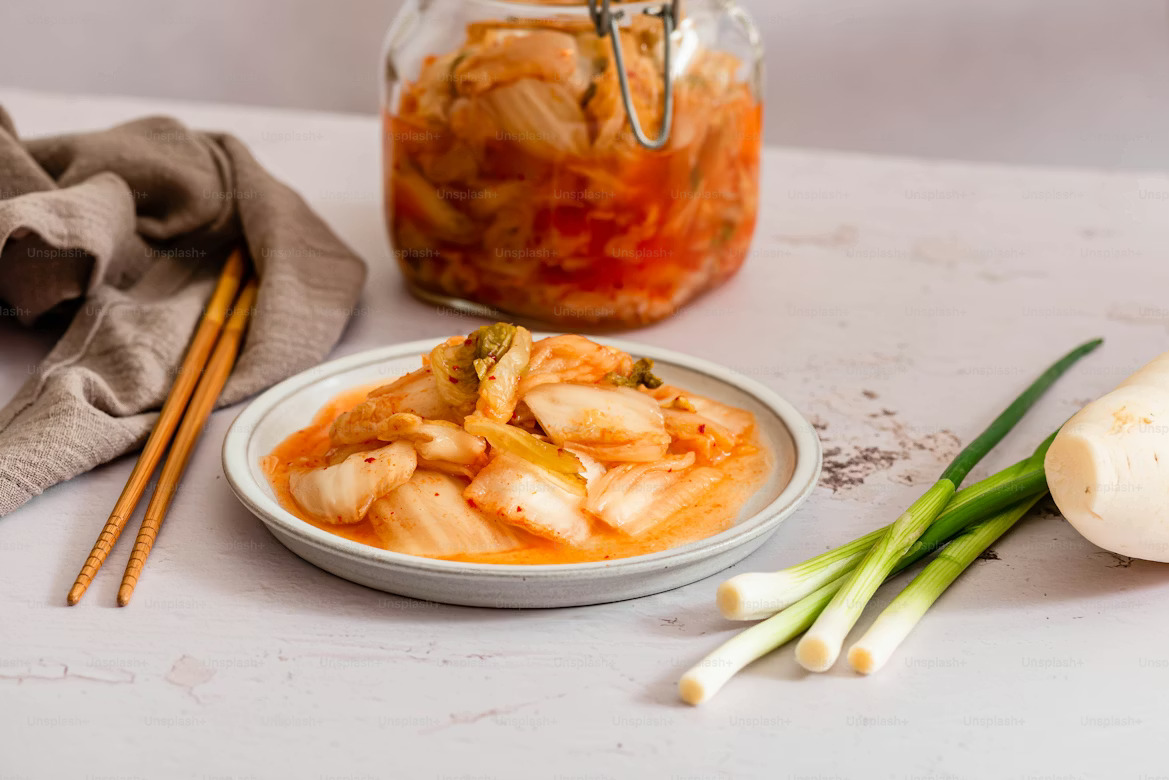
  • Probiotics: These introduce beneficial bacteria. You’ll find them in fermented foods like kefir, yogurt, kimchi, sauerkraut, miso, and kombucha.

Mayo Clinic gives a great overview of probiotic benefits.

2. Cut the Sugar (Especially the Hidden Kind)

Sugar feeds harmful bacteria and yeasts. Start reading labels and cut back on refined carbs, sodas, pastries, and packaged snacks. Don’t worry—your taste buds will recalibrate, and your cravings will fade once balance is restored.

3. Hydrate Like You Mean It

Water helps your digestive system function properly, supports nutrient absorption, and keeps things moving through your system. Aim for at least 8 glasses a day, and consider warm water with lemon in the morning to jumpstart digestion.

4. Prioritize Sleep

Poor sleep throws off your gut’s circadian rhythm and affects hormone production, including those that influence appetite and digestion. Stick to a sleep routine, cut screens before bed, and aim for 7–9 hours of quality sleep.

5. De-Stress Your Gut

Stress impacts your gut through the nervous system. To calm your belly, calm your brain. Meditation, breathwork, yoga, or even short walks in nature can lower stress hormones and reduce gut inflammation.

6. Move Daily

Exercise promotes healthy digestion and increases the diversity of your gut microbes. You don’t need to go hardcore—a brisk walk, light stretching, or a dance session in your living room all count.

Bonus: Consider a Short Gut Reset Protocol

If your symptoms are more intense, consider a short 3–5 day gut reset that includes:

  • A simplified, plant-based diet
  • Bone broth or veggie broth to soothe your gut lining
  • No alcohol, caffeine, or processed food
  • Gentle movement (no intense workouts)
  • Optional: targeted probiotics or digestive enzymes (consult with a health practitioner)

This can give your gut a breather and jumpstart the healing process.

When to See a Doctor

While many gut issues can be managed with lifestyle changes, don’t ignore persistent or severe symptoms like:

  • Chronic constipation or diarrhea
  • Unexplained weight loss
  • Blood in stool
  • Severe abdominal pain
  • Food sensitivities getting worse

These could point to more serious conditions like IBS, Crohn’s, or celiac disease. Trust your gut—literally—and seek medical guidance when needed. NIH’s MedlinePlus has more on when to seek help. 

FAQ: Your Gut Health Questions, Answered

Q: What are the most common signs of an unhealthy gut?
A: The most common signs include persistent bloating or gas after meals, irregular bowel movements (constipation or diarrhea), unexplained fatigue, frequent sugar cravings, skin issues like acne or eczema, and increased anxiety or mood swings.

Q: How long does it take to reset your gut health?
A: You may notice improvements in energy and digestion within 1-2 weeks of consistent dietary and lifestyle changes. However, more significant shifts in microbiome diversity and sustained balance can take several months of dedicated habit-building.

Q: Are probiotic supplements necessary, or is food enough?
A: For many people, incorporating probiotic-rich fermented foods (like yogurt, kefir, sauerkraut) and prebiotic fiber is sufficient. Supplements can be helpful in specific cases, such as after antibiotic use, but it’s best to choose a targeted strain and consult a healthcare provider.

Q: Can stress really affect my gut that much?
A: Yes. Chronic stress can alter gut motility, increase inflammation, and disrupt the balance of your gut bacteria through the gut-brain axis. Managing stress is a critical, non-dietary component of healing your gut.

Q: When should I see a doctor about gut issues?
A: Consult a healthcare professional if you experience severe or persistent symptoms like chronic abdominal pain, blood in your stool, unexplained weight loss, or if your symptoms severely impact your daily life, to rule out underlying conditions.

Listen to Your Gut (It’s Smarter Than You Think)

Your gut health isn’t just about digestion. It’s the foundation of your energy, immunity, mental clarity, and overall vitality. When your microbiome is out of balance, your whole system suffers. But the good news? You have the power to reset it naturally and intentionally.

Start paying attention to the subtle gut health signs, and when your belly feels bloated, your mind foggy, or your cravings out of control, know it’s not all in your head but it could be all in your gut.

So be kind to your microbiome. Feed it right, rest it often, and treat it like the essential health ally it is. Because when your gut feels good, everything else gets better, too.

This article is for informational purposes only and is not a substitute for professional medical advice. Always consult your healthcare provider before making major dietary changes. 
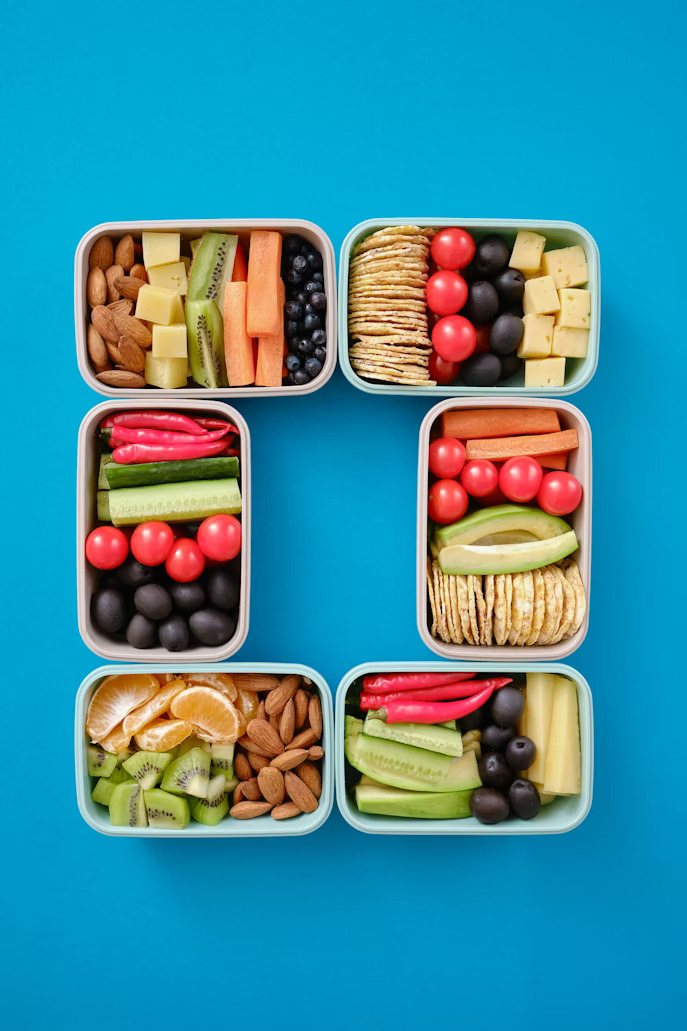
7 Healthiest Snacks to Eat Between Meals

Quick Take

  • Protein-rich snacks containing 15-25 grams of protein significantly increase satiety and reduce subsequent meal intake compared to high-carbohydrate snacks in controlled studies.
  • Snacking frequency itself doesn’t determine weight outcomes; total daily calorie intake and macronutrient quality matter more than eating occasions according to systematic reviews.
  • High-protein afternoon snacks reduce evening hunger and decrease high-fat, high-sugar food intake at dinner by approximately 100-200 calories in research trials.
  • Combining protein with fiber and healthy fats creates sustained satiety through delayed gastric emptying and hormonal signaling (increased GLP-1 and peptide YY) lasting 3-4 hours.

Does Snacking Help or Hurt Weight Management?

Neither inherently. Research shows snacking frequency doesn’t independently predict weight outcomes when total daily calories are controlled. What matters is total intake and snack composition, not eating occasions.

Systematic reviews examining snacking patterns and weight find no consistent relationship between snacking frequency and BMI or weight gain. Studies showing benefits use high-protein, nutrient-dense snacks, while studies showing harm involve high-sugar, low-protein processed foods.

The critical factor is whether snacks contribute to calorie surplus (weight gain) or help maintain deficit/maintenance (weight loss/stability) while providing satiety between meals spaced 4+ hours apart.

High-protein snacks (15-25g protein) demonstrate superior satiety and reduced subsequent intake compared to high-carbohydrate snacks in multiple controlled trials, suggesting snack composition trumps frequency for appetite control.

Your Application:

  • Focus on total daily calorie and protein targets rather than snacking versus not snacking as binary choice
  • Use high-protein snacks (Greek yogurt, hard-boiled eggs, nuts) strategically when meals are spaced 4+ hours apart
  • Track whether snacking helps you meet daily protein goals (0.7-1.0g per pound) or just adds extra calories

What Makes a Snack Actually Satisfying?

Protein content of 15-25 grams combined with fiber and healthy fats produces greatest satiety through hormonal signaling (GLP-1, peptide YY) and delayed gastric emptying lasting 3-4 hours.

Research consistently demonstrates protein’s superior satiating effect compared to carbohydrates or fats when calories are matched. A 160-calorie high-protein snack (25g protein) produces greater fullness than 160-calorie high-carbohydrate snack.

The combination of protein with fiber from vegetables, fruits, or whole grains further enhances satiety through increased chewing, stomach distension, and slower digestion than protein alone.

Snacks containing only carbohydrates (crackers, pretzels, fruit alone) produce rapid blood sugar spikes followed by crashes that trigger hunger 60-90 minutes later, defeating satiety purpose.

Your Application:

  • Build snacks around protein source (Greek yogurt 15-20g, 2 eggs 12g, 1/4 cup nuts 6-8g) as foundation
  • Add fiber from vegetables (carrots, bell peppers) or fruit (berries, apple) for volume and nutrients
  • Include small amount healthy fat (nuts, avocado, olive oil) for palatability and sustained energy

Can Snacking Improve Workout Performance?

Yes, when timed appropriately. Consuming 15-30g carbohydrates with 5-10g protein 30-60 minutes pre-workout provides readily available fuel for training sessions lasting 45+ minutes.

For shorter workouts (under 45 minutes) or training performed 2-3 hours after full meal, pre-workout snacks provide minimal performance benefit and may cause digestive discomfort in some individuals.

Post-workout snacks matter more for recovery, particularly when training again within 24 hours. Consuming 20-40g protein within 2-3 hours post-exercise optimizes muscle protein synthesis regardless of exact timing.

Research shows the anabolic window extends several hours rather than the mythical 30-minute window, making convenient post-workout snacks helpful but not urgently mandatory.

Your Application:

  • Pre-workout: Consume easily digestible carb-protein snack (banana with tablespoon nut butter, Greek yogurt with fruit) 30-60 minutes before training if working out fasted
  • Post-workout: Eat protein-rich snack or meal (20-40g protein) within 2-3 hours after training for recovery
  • Skip pre-workout snacks if training within 2-3 hours of full meal to avoid digestive issues

Which Specific Snacks Actually Work?

Greek yogurt (plain, non-fat) provides 15-20g protein per cup with probiotics supporting gut health, making it superior to regular yogurt (5-7g protein per cup).

Hard-boiled eggs deliver 6g complete protein each with all essential amino acids, vitamin D, choline, and minimal calories (70 per egg), making 2 eggs optimal snack portion.

Mixed nuts (almonds, walnuts, pistachios) offer protein, healthy fats, and fiber. A 1/4 cup portion (approximately 1 ounce) provides 6-8g protein and 200-220 calories with high satiety.

Vegetables with protein-rich dips (hummus, guacamole, Greek yogurt-based dips) combine fiber and volume from vegetables with protein and healthy fats from dips for balanced nutrition.

Your Application:

  • Keep Greek yogurt (plain) stocked, adding own fruit and small amount honey rather than buying pre-sweetened versions
  • Batch-cook 6-12 hard-boiled eggs weekly for grab-and-go protein snacks throughout week
  • Pre-portion nuts into 1/4 cup servings to avoid overeating from large containers

Should You Avoid Snacking in the Evening?

No blanket rule exists. Evening snacking contributes to weight gain only when it creates calorie surplus, not because of timing itself.

Research examining meal timing and weight shows total daily calorie balance determines outcomes more than when calories are consumed. Evening eating doesn’t inherently cause fat storage despite popular myths.

However, late-night snacking often involves high-calorie, low-protein processed foods (chips, cookies, ice cream) consumed mindlessly while watching TV, contributing to excess intake.

Strategic evening snacks can support goals: pre-bed protein (20-30g casein from cottage cheese or Greek yogurt) increases overnight muscle protein synthesis without impairing fat loss when total calories controlled.

Your Application:

  • Allow evening snacks if they fit daily calorie and protein targets without triggering overeating
  • Choose high-protein options (cottage cheese, Greek yogurt, casein protein) if eating within 2 hours of bed
  • Eliminate evening snacking if it consistently leads to mindless overeating of high-calorie foods

FAQ: Your Snacking Questions, Answered

Q: How many snacks should I eat daily?
A: No universal recommendation exists. Some people thrive on 3 meals without snacks while others prefer 3 meals plus 1-2 snacks. Choose pattern that helps you meet daily calorie and protein targets while controlling hunger. Frequency matters less than total intake.

Q: Are protein bars healthy snacks?
A: Depends on ingredients. Look for 15-20g protein, under 5g added sugar, and recognizable ingredients. Many bars are candy bars with added protein. Whole foods (Greek yogurt, eggs, nuts) typically provide better nutrition per dollar.

Q: What’s the best snack for late-night cravings?
A: High-protein, low-calorie options work best: non-fat Greek yogurt (100 calories, 18g protein per cup), cottage cheese (80 calories, 14g protein per 1/2 cup), or hard-boiled eggs (70 calories, 6g protein each). These satisfy hunger without excessive calories.

Q: Should I snack if I’m not hungry?
A: No. Snack in response to genuine hunger, not boredom, stress, or habit. If meals are spaced under 4 hours apart and you’re not hungry, additional snacks likely contribute unnecessary calories without satiety benefit.

Q: Can snacking boost metabolism?
A: No. The “eat small frequent meals to boost metabolism” myth has been thoroughly debunked. Total daily energy expenditure depends on total food consumed, not eating frequency. Six small meals burn same calories through digestion as three larger meals when total intake matches.

Use Snacks Strategically, Not Habitually

Snacking supports weight management and performance when strategically timed between meals spaced 4+ hours apart using high-protein, nutrient-dense options providing 15-25g protein.

Focus on whether snacks help you meet daily protein targets (0.7-1.0g per pound body weight) and control hunger rather than snacking by habit or rigid meal frequency rules. Total daily intake determines outcomes more than eating occasions.

For evidence-based guidance on calculating optimal daily protein and calorie targets supporting your specific goals, explore our macro calculator and nutrition planning resources at BeeFit.ai. You can also check out our breakdown of meal timing strategies and whether nutrient timing actually matters for body composition.

This article is for informational purposes only and is not a substitute for professional medical advice, diagnosis, or treatment. Always consult with a qualified healthcare provider before starting any new exercise or nutrition program.

Forgot the Hummus? Here Are the Best High-Protein Vegan Snacks

Quick Take

  • You can get 8-15 grams of protein per serving from creative, whole-food vegan snacks beyond the typical hummus and nuts.
  • Roasted edamame and lupini beans offer some of the highest protein-per-calorie ratios in the plant kingdom.
  • Combining complementary plant proteins throughout the day ensures you get all essential amino acids.
  • Strategic snack pairing of protein with healthy fats or complex carbs enhances satiety and energy stability.

If your plant-based snacking routine has hit a hummus-and-carrot-stick wall, you’re not alone. While those are great staples, diversifying your snack portfolio is key to meeting higher protein goals and preventing nutritional boredom. The challenge isn’t a lack of options and it’s knowing which ingredients pack a powerful protein punch without relying on processed powders or bars.

The good news is that the plant kingdom is full of versatile, protein-dense foods perfect for portable, satisfying snacks. This list moves beyond the basics to offer innovative, nutrient-packed ideas that support energy, muscle repair, and lasting fullness.

Can You Really Get Enough Protein from Plant-Based Snacks?

Direct Answer: Absolutely. By choosing snacks centered on legumes, soy, seeds, and high-protein whole grains, you can easily consume 8-15 grams of protein per snack, contributing significantly to daily needs.

Explanation & Evidence:
The notion that plant-based protein is insufficient is a myth. Foods like lupini beans (13g per ½ cup), tempeh (15g per 3 oz), and roasted edamame (14g per ⅓ cup) are protein powerhouses. The key is intentional selection and understanding complementary proteins—pairing grains with legumes or nuts with seeds throughout the day to ensure a complete amino acid profile.

The Academy of Nutrition and Dietetics states that “plant-based diets can meet protein requirements with appropriate planning” and emphasizes that “variety is key to ensuring adequate intake of all essential amino acids.”

Snacking is a perfect opportunity to add this variety and boost your overall daily protein intake.

Your Application: 
Focus on snacks built around a core high-protein plant food. Keep roasted edamame or lupini beans on hand for a quick, high-protein base instead of reaching for lower-protein chips or crackers.

What Is the Highest-Protein Whole Food Vegan Snack?

Direct Answer: Per calorie, roasted soybeans (edamame) and lupini beans are among the highest-protein, whole-food vegan snacks available, offering nearly as much protein as animal products by weight.

Explanation & Evidence:
Shelled, roasted edamame provides about 14 grams of protein and 8 grams of fiber per 1/3 cup serving. Lupini beans deliver approximately 12 grams of protein and 11 grams of fiber per 1/2 cup. Their protein density comes from being minimally processed, whole legumes with very little fat or carbohydrate dilution.

A nutrient analysis in the Journal of Food Science and Technology highlights lupini beans as an “underutilized protein source” with a protein content comparable to meat and superior to many other legumes.

These snacks are not just high in protein; they are also rich in fiber, which slows digestion and promotes exceptional satiety.

Your Application: 
Batch-roast shelled edamame with olive oil and sea salt for a weekly supply. For lupini beans, buy pre-cooked jars, rinse to reduce sodium, and season with lemon and pepper for a ready-to-eat snack.

How Can You Make a Vegan Snack More “Complete” in Protein?

Direct Answer: While you don’t need to combine complementary proteins in one sitting, you can create a more balanced amino acid profile for your snack by pairing two different plant protein sources, such as seeds with legumes or nuts with whole grains.

Explanation & Evidence:
“Complete” proteins contain all nine essential amino acids. While soy, quinoa, and hemp are complete, most plant foods are lower in one or two. Pairing foods with complementary amino acid profiles (e.g., grains low in lysine with legumes high in lysine) creates a more balanced nutrient offering for your body to utilize.

Nutritionists clarify that “the body maintains a pool of amino acids,” so as long as you eat a variety of plant proteins throughout the day, you will meet your needs. However, strategic pairing at snack time can optimize muscle protein synthesis windows post-workout.

This approach maximizes the utility of the protein you consume, especially important for athletes or those with higher requirements.

Your Application: 
Create a Savory Lentil Trail Mix by combining roasted lentils (legume) with pumpkin seeds (seed). This combo offers a broader amino acid range than either food alone and makes a highly portable, crunchy snack.

What Are the Best Make-Ahead, Portable High-Protein Vegan Snacks?

Direct Answer: The best portable options are shelf-stable or fridge-stable for days and require no assembly, such as homemade tofu jerky, protein energy balls, and roasted chickpea flour muffin bites.

Explanation & Evidence:
Portability requires durability and safety. Shelf-stable snacks like jerky (dehydrated) and energy balls (bound with nut butter) resist spoilage. Mini baked goods using protein-dense flours like chickpea or almond flour hold their structure and can be packed without mess. These options allow for advanced batch prep, which is crucial for consistency.

Meal prep research consistently finds that “pre-portioned, grab-and-go snacks significantly increase adherence to healthy eating patterns by reducing decision fatigue in moments of hunger.”

Having these snacks pre-made eliminates the temptation to choose a less optimal convenience food.

Your Application: 
On a weekly prep day, make a batch of Tofu Jerky (marinate and bake thin tofu strips until chewy) and Chickpea Flour Socca Bites (bake seasoned chickpea batter in a mini-muffin tin). Store in airtight containers for instant access.

Are Store-Bought Vegan Protein Snacks a Good Option?

Direct Answer: They can be, but careful label reading is essential to avoid options high in added sugar, artificial ingredients, or excessive sodium, while prioritizing those with recognizable, whole-food ingredients.

Explanation & Evidence:
The market is flooded with vegan “protein” snacks that derive most of their calories from refined carbs and fats. A quality store-bought snack should have protein as a leading macronutrient (aim for >8g per serving) and a short ingredient list dominated by foods you recognize, like nuts, seeds, and legumes.

Consumer guidance from registered dietitians advises: “Look for snacks where a protein source (like pea protein, nuts, seeds) is listed first in the ingredients, and where added sugars are not in the top three.”

Trustworthy brands are transparent about their protein sources and minimize fillers and additives.

Your Application: 
When buying off the shelf, choose snacks like Brami Lupini Beans or Biena Roasted Chickpeas. For bars, select those like No Cow Bar, where the protein comes from a blend of plant proteins and the fiber content is high (>10g) with low net carbs.

FAQ: Your High-Protein Vegan Snacking Questions, Answered

Q: How much protein should I aim for in a vegan snack?
A: A solid target is 8-15 grams of protein per snack. This range helps contribute meaningfully to daily goals (typically 50-80g+ for active adults) and provides enough to trigger satiety and support muscle maintenance.

Q: What are some quick, no-prep vegan high-protein snacks?
A: Keep these on hand: a single-serve pack of roasted edamame, a handful of lupini beans from a jar, a serving of shelled pistachios or pumpkin seeds, or a pea-protein-based vegan yogurt. Pair any with a piece of fruit for balanced energy.

Q: Is seitan a good snack option?
A: Yes, seitan is an excellent high-protein (about 15-20g per 3 oz), low-carb option. Purchase pre-sliced or make your own to use in roll-ups or as a standalone snack. Note: it is not gluten-free.

Q: How can I make my snacks more filling?
A: Always pair your protein with fiber or healthy fats. For example, have your seitan slices with a few whole-grain crackers (fiber) or add a tablespoon of almond butter to your apple (fat). This combination slows digestion and stabilizes blood sugar.

Q: Are vegan protein powders necessary for high-protein snacks?
A: No, they are a convenient supplement, not a necessity. You can make protein balls with hemp seeds and nut butter, or bake with chickpea flour. Whole foods provide synergistic nutrients like fiber and antioxidants that isolated powders lack.

Moving beyond hummus isn’t just about variety but about strategically leveraging the incredible diversity of plant-based proteins to fuel your body more effectively. By incorporating these high-protein, whole-food snacks, you transform idle eating opportunities into powerful moments of nourishment that support your energy, fitness, and overall health.

This article is for informational purposes only and is not a substitute for professional medical advice, diagnosis, or treatment. Always seek the advice of your physician or a registered dietitian before making significant changes to your diet.

5-Minute Healthy Meals for Busy People

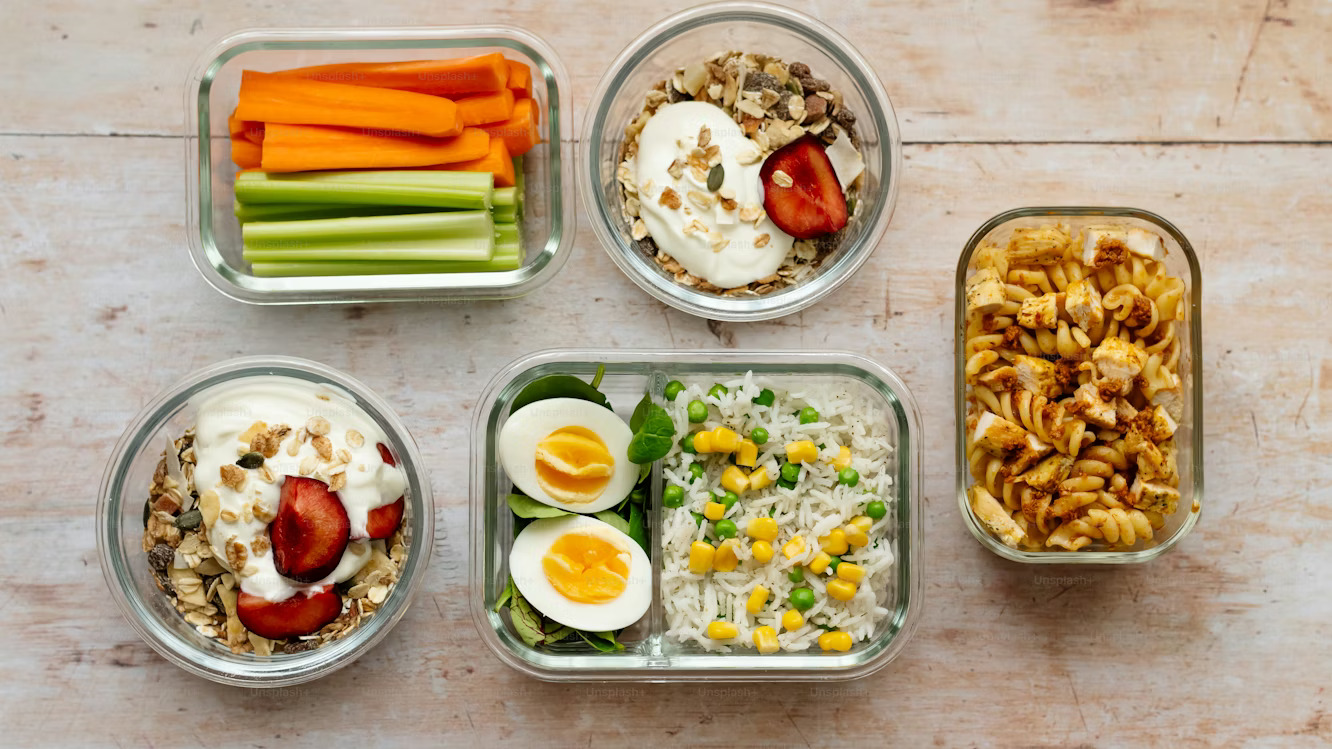
If your schedule is so packed you barely have time to breathe, let alone cook, you’re not alone. Long work hours, parenting responsibilities, or simply feeling drained at the end of the day can make healthy eating feel impossible. That’s where quick, no-cook meals come in—nutrient-dense, balanced, and ready in under 5 minutes.

Whether you’re looking for easy no-cook dinners or healthy meals when tired, these fast and flavorful combinations will help you stay on track without sacrificing your time, energy, or taste. Even better? Each meal comes with an estimated calorie count, so you know exactly what you’re eating.

Why 5-Minute Meals Work

You don’t need a fully stocked kitchen or a chef’s expertise to eat well. With the right ingredients and smart planning, you can throw together satisfying meals in minutes. These meals focus on whole foods, protein, healthy fats, fiber, and complex carbs—everything your body needs to stay fueled.

Let’s break it down: here are smart, quick meals you can whip up anytime you’re tired, overworked, or just not in the mood to cook.

1. Hummus & Veggie Wrap

  • Ingredients: Whole wheat tortilla, 1/4 cup hummus, sliced cucumber, shredded carrots, baby spinach, sliced red pepper.
  • Prep: Spread hummus over tortilla, pile on veggies, roll up and enjoy.
  • Calories: ~320

This meal is refreshing, plant-based, and packs a crunch that satisfies. Add a handful of sunflower seeds inside for extra protein and texture if desired.

2. Greek Yogurt Bowl with Berries & Nuts

  • Ingredients: 1 cup plain Greek yogurt, 1/2 cup fresh berries, 1 tablespoon chopped walnuts or almonds, drizzle of honey (optional).
  • Prep: Mix ingredients in a bowl.
  • Calories: ~350

This quick bowl is loaded with protein and antioxidants. It’s a perfect meal when you’re craving something cool and filling.

3. Tuna Salad Lettuce Wraps

  • Ingredients: 1 small can of tuna in water, 1 tablespoon olive oil mayo, chopped celery, romaine leaves.
  • Prep: Mix tuna, mayo, celery. Spoon into romaine leaves and eat like tacos.
  • Calories: ~280

Tuna is high in protein and omega-3s. Serve with whole grain crackers on the side if you want a little extra crunch.

4. Avocado Toast with Cottage Cheese

  • Ingredients: 1 slice whole-grain bread, 1/2 avocado, 1/4 cup low-fat cottage cheese, chili flakes or lemon zest.
  • Prep: Toast the bread (optional), smash avocado, layer with cottage cheese and sprinkle seasoning.
  • Calories: ~330

A creamy, savory combo that keeps you full thanks to healthy fats and protein.

5. Smoked Salmon & Cucumber Bites

  • Ingredients: 3 oz smoked salmon, sliced cucumber, 1 tablespoon cream cheese, lemon juice.
  • Prep: Spread cream cheese on cucumber slices, top with salmon, drizzle with lemon juice.
  • Calories: ~300

High in protein and omega-3s, this snacky meal is elegant and energizing.

6. Mediterranean Snack Plate

  • Ingredients: 1/4 cup hummus, 5 whole grain crackers, cherry tomatoes, olives, sliced cucumber, 1 oz feta cheese.
  • Prep: Arrange everything on a plate and enjoy.
  • Calories: ~400

This one hits all the marks—satisfying, full of variety, and visually appealing. Perfect for lunch or dinner.

7. Peanut Butter Banana Wrap

  • Ingredients: 1 whole wheat tortilla, 1 tablespoon peanut butter, 1 small banana, cinnamon.
  • Prep: Spread PB, place banana in the center, sprinkle cinnamon, roll up.
  • Calories: ~350

This is a great meal when you’re craving something sweet yet nutritious. Plus, it’s portable.

8. No-Cook Bean Salad

  • Ingredients: 1/2 cup canned black beans (rinsed), 1/4 cup corn, diced tomato, cilantro, squeeze of lime.
  • Prep: Mix everything in a bowl and chill for a few minutes.
  • Calories: ~260

Beans are an excellent source of fiber and protein. You can double the portion for a bigger meal.

9. Caprese Skewers with Pesto

  • Ingredients: Cherry tomatoes, mozzarella balls, fresh basil, drizzle of store-bought pesto.
  • Prep: Stack ingredients on skewers or toothpicks, drizzle with pesto.
  • Calories: ~280

Great as a light meal or part of a larger snack plate.

10. Chia Seed Pudding (Prep Ahead)

  • Ingredients: 1/4 cup chia seeds, 1 cup almond milk, 1/2 tsp vanilla extract, berries on top.
  • Prep: Stir together and refrigerate for at least an hour or overnight.
  • Calories: ~300

This one requires advance prep but pays off when you need a quick, satisfying option later.

Tips to Make 5-Minute Meals Easier

  • Keep staples on hand: Stock your fridge and pantry with canned beans, Greek yogurt, tortillas, whole grains, nut butters, and pre-chopped veggies.
  • Pre-wash produce: Washing fruits and veggies in advance saves time and encourages healthier choices.
  • Invest in smart tools: A mini food processor, sharp knife, or quality containers can make prep and cleanup easier.
  • Batch-prep proteins: Pre-cook or buy pre-cooked proteins like lentils, tofu, or rotisserie chicken to make assembling meals even quicker.

The Bigger Picture: Why Quick Meals Still Matter

Even when you’re busy or exhausted, choosing nourishing meals matters. Skipping meals or relying on ultra-processed food can leave you feeling drained, bloated, and even more tired. These quick, no-cook meals offer:

  • Balanced nutrition: Protein, fiber, healthy fats, and complex carbs in smart portions.
  • Better digestion: Real, whole foods digest easier and reduce inflammation.
  • Mental clarity: A balanced meal stabilizes blood sugar and enhances focus. 

FAQ: Your 5-Minute Meal Questions, Answered

Q: Are these meals really filling enough for dinner?
A: Yes, when built with a balance of protein, fiber, and healthy fats. Meals like the Mediterranean Snack Plate or the Tuna Salad Lettuce Wraps with a side of whole-grain crackers are designed to be satiating. You can easily adjust portions (e.g., add more veggies or an extra tablespoon of nuts) based on your hunger levels.

Q: How can I add more protein to these no-cook meals?
A: Easily incorporate high-protein additions: add a scoop of cottage cheese or rinsed canned lentils to your bean salad, include a hard-boiled egg on your snack plate, use a high-protein Greek yogurt, or add sliced turkey or pre-cooked chicken to your wrap.

Q: I don’t have time to chop vegetables. What are my options?
A: Opt for pre-washed and pre-chopped produce from the grocery store (like baby carrots, spinach, sliced cucumbers). Frozen vegetables like corn or shelled edamame can be thawed quickly under running water. Canned vegetables like diced tomatoes or artichoke hearts are also convenient, ready-to-use options.

Q: Can these meals help with weight management?
A: Yes, because they are built on whole foods with clear portions. The provided calorie estimates and the focus on protein and fiber promote satiety, which can help prevent overeating and mindless snacking on less nutritious options later.

Q: What are the most important staples to keep stocked for these meals?
A: Maintain a core pantry and fridge inventory: canned beans and tuna, whole wheat tortillas, oats, nut butter, plain Greek yogurt, hummus, pre-washed greens, avocados, lemons/limes for dressing, and a variety of spices like chili flakes and cinnamon for flavor without calories.

Final Thoughts

Eating well doesn’t need to be complicated or time-consuming. With these easy no-cook dinners, you can feed your body real food, fast—even on your most hectic days. Remember: fueling yourself isn’t a luxury—it’s essential. The next time you’re too tired to cook, you’ve got options that are quick, nourishing, and satisfying.

So, go ahead—treat your body to meals that are as smart and efficient as your schedule. Your energy, focus, and well-being will thank you.

This article is based on general nutrition knowledge and is not a substitute for medical advice. Please consult a healthcare provider or dietitian for personalized recommendations.

30-Day Weight Loss Challenge: A Realistic Plan for Lasting Result

Losing weight doesn’t have to mean crash diets, extreme restrictions, or hours at the gym. Instead, it’s about building healthy habits that fit into your life and help you achieve long-term results.

This 30-Day Weight Loss Challenge is designed to help you reset your habits, lose weight sustainably, and feel more energized—without the burnout. By focusing on real food, movement, and consistency, you’ll set yourself up for success that lasts far beyond 30 days.

Why This 30-Day Challenge Works

A month is the perfect timeframe to reset habits, see noticeable progress, and stay motivated. Research shows it takes 21–30 days to form a habit, making this challenge an ideal way to create lasting changes.

Unlike fad diets, this plan isn’t about starvation or overexercising. It’s about making small, realistic adjustments that lead to big results.

How to Prepare for the Challenge

Before diving in, take these steps to set yourself up for success:

  • Define Your Goal: Be specific. Do you want to lose 5–10 pounds, feel more energized, or improve your fitness level?
  • Take Measurements: Track your weight, inches, and take progress photos. Non-scale victories (like better sleep or improved energy) are just as important.
  • Stock Your Kitchen: Replace processed, high-sugar foods with whole, nutrient-dense options.
  • Plan Your Workouts: Choose activities you enjoy and can stick to, like walking, yoga, or strength training.

30-Day Weight Loss Plan

Each week builds on the last, helping you ease into healthy habits that last.

Week 1: Small Changes, Big Impact

Focus: Nutrition reset and daily movement

  • Eat Protein with Every Meal: Protein keeps you full longer and preserves muscle. Include eggs, Greek yogurt, tofu, or lean meats.
  • Drink More Water: Aim for 2–3 liters daily. Add lemon or cucumber for flavor.
  • Cut Out Sugary Drinks: Replace soda and juice with sparkling water or unsweetened tea.
  • Move for 30 Minutes Daily: Walk, stretch, or try light strength training.
  • Eat More Whole Foods: Swap processed snacks for veggies, nuts, and lean protein.

Pro Tip: Batch cook meals like grilled chicken, quinoa, and roasted veggies to make healthy eating easier.

Week 2: Build Strength & Control Portions

Focus: Boost metabolism and fine-tune your diet

  • Start Strength Training: Add 2–3 sessions per week using bodyweight or weights.
  • Control Portions: Use the plate method: 50% veggies, 25% protein, 25% whole grains.
  • Reduce Late-Night Snacking: Brush your teeth after dinner or sip herbal tea.
  • Track Your Steps: Aim for 8,000–10,000 steps daily.

Pro Tip: Use a food journal or app to track portions and stay mindful of calorie intake.

Week 3: Add Intensity & Improve Sleep

Focus: Burn more fat and optimize recovery

  • Try HIIT Workouts: Add 15–20 minutes of high-intensity intervals (e.g., burpees, jump squats, sprints).
  • Eat Mindfully: Slow down, chew thoroughly, and avoid eating in front of screens.
  • Prioritize Sleep: Get 7–9 hours per night to regulate hunger hormones.
  • Fine-Tune Your Macros: Adjust carbs, protein, and fat based on how you feel.

Pro Tip: Keep healthy snacks like hummus and veggies, boiled eggs, or almonds handy.

Week 4: Break Through Plateaus

Focus: Maximize results and plan for the future

  • Increase Workout Intensity: Lift heavier weights or add more reps.
  • Refine Your Diet: Make small adjustments to protein and carb intake.
  • Stay Active Beyond Workouts: Walk after meals, stretch, or do bodyweight moves throughout the day.
  • Plan for the Next 30 Days: Decide how to keep progressing beyond this challenge.

Pro Tip: Reflect on what worked best and create a plan for sustaining results.

What to Eat for Weight Loss

Rather than cutting calories drastically, focus on nutrient-dense foods that keep you full and energized.

Best Foods to Include

  • Protein: Chicken, turkey, eggs, Greek yogurt, tofu, salmon
  • Healthy Fats: Avocados, nuts, olive oil, fatty fish
  • Fiber-Rich Carbs: Sweet potatoes, quinoa, oats, legumes
  • Veggies & Fruits: Spinach, bell peppers, berries, citrus

Simple Meal Ideas

  • Breakfast: Scrambled eggs with avocado and whole-grain toast
  • Lunch: Grilled chicken salad with olive oil dressing
  • Dinner: Salmon with roasted vegetables and quinoa
  • Snack: Apple with almond butter or Greek yogurt with berries

Pro Tip: Prep your meals ahead of time so you always have a healthy option ready.

How to Stay Motivated

  • Find an Accountability Partner: A friend or community can help keep you on track.
  • Track Progress Beyond the Scale: Notice energy levels, strength, and confidence.
  • Celebrate Small Wins: Every workout, healthy meal, and new habit is progress.
  • Be Flexible: If you miss a day, just get back on track—no guilt.

Common Myths About Weight Loss

  • You Have to Cut Carbs Completely: Carbs aren’t the enemy. Focus on quality carbs like quinoa, brown rice, and sweet potatoes instead of refined grains.
  • You Need to Do Hours of Cardio: Strength training burns more fat long-term by building lean muscle. Mix cardio and strength for best results.
  • Eating Late at Night Makes You Gain Weight: It’s what you eat, not when. Stick to balanced meals and snacks regardless of the time. 

FAQ: Your 30-Day Weight Loss Challenge Questions, Answered

Q: How much weight can I realistically expect to lose in 30 days?
A: A safe and sustainable rate of weight loss is 1-2 pounds per week, so a realistic goal for 30 days is 4-8 pounds. Results vary based on starting point, adherence, and individual metabolism. Focus on consistent habit-building over rapid scale drops.

Q: Do I need to count calories on this plan?
A: Not strictly. The plan emphasizes food quality and portion control using methods like the plate method (50% veggies, 25% protein, 25% whole grains). For some, tracking initially can build awareness, but it’s not mandatory for success if you follow the foundational habits.

Q: What if I miss a workout or have an off-plan meal?
A: It’s not a setback; it’s part of the process. The key is consistency, not perfection. Simply resume the next planned meal or workout. Building resilience and avoiding an “all-or-nothing” mindset is crucial for long-term success.

Q: Can I do this challenge if I’m a beginner?
A: Absolutely. The plan is structured to progress weekly, starting with foundational habits like daily walking and protein intake. All workouts can be modified. Listen to your body and increase intensity only as you feel ready.

Q: How do I avoid hitting a weight loss plateau during the challenge?
A: Plateaus are normal. The plan proactively addresses this in Week 4 by increasing workout intensity and refining diet. If you plateau earlier, ensure you are accurately portioning food, drinking enough water, prioritizing sleep, and varying your workout intensity.

Final Thoughts

This 30-Day Weight Loss Challenge isn’t about perfection—it’s about building habits that last. By focusing on better nutrition, daily movement, and smart choices, you can lose weight, feel stronger, and create a healthier lifestyle that doesn’t feel like a chore.

Ready to take control of your health? Start today and see what 30 days of consistency can do!

This article is based on research and general nutritional guidelines. It is not a substitute for medical advice. Always consult a healthcare provider for personalized dietary recommendations. 

After Birth: 6 Safe Exercise Strategies That Work

Why “Bouncing Back” Is Dangerous Messaging

Are you pushing yourself to look pre-pregnancy within weeks of giving birth? This “bounce back” culture ignores the physiological reality that full recovery requires months, not weeks, regardless of birth method.

Your body just completed 40 weeks of dramatic change including connective tissue softening, ab muscle separation, pelvic floor stretching, and cardiovascular system expansion. Expecting rapid reversal sets unrealistic expectations that lead to injury or pelvic floor dysfunction.

“Physical activity and exercise in pregnancy are associated with minimal risks and have been shown to benefit most women. The U.S. Department of Health and Human Services recommends at least 150 minutes of moderate-intensity aerobic activity per week during the postpartum period.” (2020, ACOG Committee Opinion No. 804)

What if the goal was healing first, then building strength gradually over months rather than forcing premature returns to pre-pregnancy exercise? Let’s examine what research actually shows about safe postpartum progression.

When Can You Actually Start Exercising After Birth?

Medical clearance typically occurs at the 6-week postpartum checkup for vaginal births and 8-10 weeks for cesarean deliveries. However, gentle walking can begin within days after uncomplicated vaginal delivery.

The traditional 6-week clearance represents when physicians assess healing, not necessarily when all systems are ready for high-intensity exercise. Pelvic floor recovery, connective tissue restoration, and core function require additional time beyond initial wound healing.

Cesarean delivery is major abdominal surgery involving cutting through multiple tissue layers. The fascia (connective tissue) requires 6-8 weeks minimum for initial healing, with full tensile strength returning over months.

Research on return to running recommends waiting minimum 3 months postpartum due to high-impact exercise increasing pelvic floor dysfunction risk nearly fivefold compared to low-impact alternatives.

Your Application:

  • Begin gentle walking (10-20 minutes) within days after uncomplicated vaginal delivery if feeling ready
  • Wait for explicit medical clearance at 6-week (vaginal) or 8-10 week (cesarean) checkup before structured exercise
  • Delay high-impact activities (running, jumping, HIIT) until minimum 12 weeks postpartum and after pelvic floor assessment

Does Pelvic Floor Training Actually Matter Postpartum?

Yes. Pelvic floor muscle training (PFMT) can cure or improve urinary incontinence in up to 74% of women when performed with correct technique, making it the evidence-based first-line treatment.

Pregnancy and childbirth stress the pelvic floor through hormonal softening of connective tissue, mechanical load from baby weight pressing down, and potential vaginal delivery trauma from tearing or instrument use.

“Pelvic floor muscle training, biofeedback, and lifestyle coaching rank as first-line care for postpartum urinary incontinence according to American Physical Therapy Association guidelines.” (2024, APTA Clinical Practice Guidelines)

Even cesarean births stress pelvic floors through 40 weeks of pregnancy weight and pressure. The surgery itself doesn’t eliminate pelvic floor impact from gestational changes.

Your Application:

  • Perform daily pelvic floor contractions (hold 5 seconds, fully relax 5 seconds, 10-15 reps, 3 times daily)
  • Learn 360-degree diaphragmatic breathing coordinating breath with pelvic floor engagement
  • Consider seeing pelvic floor physical therapist if experiencing incontinence beyond 12 weeks postpartum

What Core Exercises Are Safe With Diastasis Recti?

Diastasis recti abdominis (DRA) affects 66-100% of women in late pregnancy and persists in up to 53% at 6 months postpartum. Comprehensive exercise targeting both deep and superficial abdominal muscles shows effectiveness for reducing inter-recti distance.

DRA involves separation of the rectus abdominis muscles along the linea alba (connective tissue). While often viewed as cosmetic, it can cause functional problems including low back pain, reduced core stability, and altered trunk biomechanics.

Research shows that progressive functional exercises combined with breathing techniques and pelvic floor training are more effective than isolated abdominal exercises or passive treatments like binders alone.

Avoid exercises that increase intra-abdominal pressure like crunches, sit-ups, and planks until inter-recti distance closes to less than 2 finger widths. These movements can worsen separation in early postpartum period.

Your Application:

  • Start with pelvic tilts (lying down, gently tilting pelvis to engage deep core) and heel slides
  • Progress to modified dead bugs and bird dogs only after mastering basics without doming or coning visible at midline
  • Work with pelvic floor physical therapist if diastasis exceeds 2.5 finger widths or symptoms persist beyond 12 weeks

Can You Strength Train Safely While Recovering Postpartum?

Yes. Bodyweight strength training using modified movements supports recovery when progressed appropriately, beginning with functional patterns like squats, modified push-ups, and bridges.

Strength training provides multiple benefits including preserving muscle mass, improving bone density, enhancing mood through endorphin release, and building functional capacity for baby-carrying demands.

The key is starting with bodyweight or very light resistance focusing on movement quality, core engagement, and proper breathing patterns before adding significant external load.

Research on postpartum exercise shows that programs combining pelvic floor training with progressive strength work improve outcomes without adverse effects when medical complications are absent.

Your Application:

  • Begin with bodyweight glute bridges, box squats to limited depth, and wall or incline push-ups
  • Focus on exhaling during exertion to prevent excessive intra-abdominal pressure buildup
  • Add external resistance (dumbbells, resistance bands) only after 8-12 weeks of consistent bodyweight training with perfect form

What Should You Avoid in Early Postpartum Period?

High-impact activities (running, jumping, HIIT), heavy weightlifting, and exercises causing visible coning or doming at the abdominal midline should be avoided until adequate healing occurs.

High-impact exercise increases pelvic floor dysfunction risk nearly fivefold compared to low-impact alternatives. This elevated risk persists until pelvic floor strength and coordination fully restore, typically 3-6 months minimum.

Visible coning or doming during exercise (abdominal wall pushing outward at midline during exertion) signals excessive intra-abdominal pressure that the healing connective tissue cannot yet manage safely.

Heavy lifting without proper breathing coordination and core engagement can strain healing abdominal fascia and pelvic floor tissues, potentially worsening diastasis or contributing to pelvic organ prolapse.

Your Application:

  • Substitute walking, swimming, stationary cycling, or resistance training for running and HIIT until minimum 12 weeks postpartum
  • Stop any exercise immediately if experiencing coning, doming, heaviness, or pelvic pressure
  • Use log-roll technique when getting out of bed (roll to side, use arms to push up) rather than traditional sit-up motion

How Do You Fit Exercise Into Newborn Life?

Short 10-15 minute sessions integrated into daily routines (during naps, while baby plays, using stroller walks) create sustainable consistency more effectively than attempting hour-long workouts.

New mothers face unique barriers including unpredictable schedules, sleep deprivation, and constant infant care demands. Traditional workout structures fail because they assume schedule control that doesn’t exist.

Research on habit formation shows that brief, flexible sessions attached to existing routines (morning feeding routine, pre-bedtime, during partner coverage) become automatic more quickly than elaborate plans requiring extensive setup.

The physiological benefits of accumulated short bouts (three 10-minute sessions) match those of single continuous sessions for cardiovascular and metabolic health according to physical activity guidelines.

Your Application:

  • Schedule three 10-minute movement sessions daily (morning walk, midday pelvic floor work, evening strength routine)
  • Involve baby when possible (stroller walks, wearing baby in carrier during bodyweight squats, floor play as movement break)
  • Lower intensity expectations during sleep-deprived periods, prioritizing consistency over performance

FAQ: Your Postpartum Exercise Questions, Answered

Q: How soon after giving birth can I start exercising?
A: Gentle walking can begin within days after uncomplicated vaginal birth if you feel ready. Wait for medical clearance at your postpartum checkup (typically 6 weeks vaginal, 8-10 weeks cesarean) before structured exercise. High-impact activities should wait minimum 12 weeks postpartum.

Q: What exercises are most important to start with postpartum?
A: Prioritize pelvic floor muscle training (Kegels, diaphragmatic breathing) and gentle core reconnection (pelvic tilts, heel slides) as foundational. Add walking for cardiovascular health and mood. These support full-body recovery before adding intensity or complexity.

Q: How do I know if I have diastasis recti and what should I do?
A: Lie on your back with knees bent, lift head slightly, and feel along midline above and below navel. If you can fit 2+ finger widths in the gap, you likely have diastasis. See pelvic floor physical therapist for assessment and individualized exercise progression focusing on core coordination.

Q: Can I do ab exercises if I have diastasis recti?
A: Yes, but not traditional crunches or sit-ups which can worsen separation. Focus on exercises emphasizing deep core activation (transverse abdominis) like pelvic tilts, modified dead bugs, and controlled breathing. Progress only when you can perform them without visible coning or doming.

Q: When can I return to running or high-intensity workouts?
A: Wait minimum 3 months postpartum before attempting return to running or HIIT. First ensure you can walk 30 minutes without pelvic heaviness, perform 20 single-leg squats, and have pelvic floor physical therapist clearance confirming adequate strength and coordination.

Recovery First, Performance Later

Postpartum exercise prioritizes healing and gradual strength rebuilding over aesthetic goals or fitness performance metrics. The first 3-6 months establish foundations that support decades of future training capacity.

Start with pelvic floor work and walking immediately, progress to modified strength training after medical clearance, and delay high-impact activities until minimum 12 weeks with proper progression screening.

For evidence-based guidance on protein requirements supporting postpartum recovery and muscle maintenance, explore our complete nutrition guide at BeeFit.ai. You can also check out our breakdown of progressive strength training principles and how to systematically increase difficulty without risking injury.

This article is for informational purposes only and is not a substitute for professional medical advice, diagnosis, or treatment. Always consult with a qualified healthcare provider before starting any new exercise or nutrition program.