BeeFit: Fitness & Wellness

Plant-Based Nutrition for Strength, Endurance & Recovery

For years, the idea of an elite athlete thriving on a plant-based diet was met with skepticism. But today, plant-based athletes are breaking records, winning championships, and proving that strength, endurance, and recovery don’t depend on animal products. Whether you’re a competitive athlete, weekend warrior, or just looking to optimize your fitness, plant-based nutrition can be a powerful way to fuel your body—if done right.

Why Plant-Based Nutrition Works for Athletes

A well-structured plant-based diet offers:

  • Improved Recovery – Rich in anti-inflammatory foods, reducing muscle soreness and speeding up recovery.
  • Sustained Energy – Whole food carbs provide steady energy without blood sugar crashes.
  • Strong Muscles – Plant proteins build and maintain muscle just as effectively as animal-based proteins.
  • Better Heart Health – Lower cholesterol and better circulation help oxygenate muscles more efficiently.

Key Nutrients Every Plant-Based Athlete Needs

1. Protein: Building Blocks for Strength

You don’t need meat to build muscle. The key is getting enough protein from diverse sources:

  • Legumes (lentils, black beans, chickpeas)
  • Tofu & Tempeh (fermented soy offers high bioavailability)
  • Seitan (wheat-based protein with 20g per serving)
  • Quinoa & Amaranth (complete proteins with all essential amino acids)
  • Hemp & Chia Seeds (packed with protein, fiber, and omega-3s)
  • Plant-Based Protein Powders (pea, rice, hemp, or a blend)

How much? Aim for 1.2-2.0g of protein per kg of body weight, depending on training intensity (Harvard T.H. Chan School of Public Health).

2. Carbohydrates: Fuel for Performance

Carbs are the primary energy source for athletes, and plant-based diets excel in this area:

  • Whole Grains (brown rice, oats, whole wheat, farro)
  • Root Vegetables (sweet potatoes, beets, carrots)
  • Fruits (bananas, dates, berries)
  • Legumes (lentils, chickpeas, black beans)

How much? 3-7g per kg of body weight based on training demands. Higher for endurance athletes, lower for strength-focused athletes.

3. Healthy Fats: Recovery & Hormone Support

Fats help regulate hormones, reduce inflammation, and aid in recovery:

  • Avocados (rich in monounsaturated fats)
  • Nuts & Nut Butters (almonds, cashews, walnuts)
  • Seeds (flaxseeds, hemp seeds, chia seeds)
  • Olive Oil & Coconut Oil (great for cooking and salad dressings)

How much? 20-35% of daily calories from healthy fats, depending on your sport and metabolism.

4. Iron: Oxygen Transport & Stamina

Iron deficiency is a risk for plant-based athletes, as plant-based iron (non-heme iron) isn’t as easily absorbed as animal-based sources. Boost iron intake with:

  • Dark Leafy Greens (spinach, kale, Swiss chard)
  • Lentils & Chickpeas
  • Fortified Cereals & Oats
  • Pumpkin Seeds & Tofu

Pro tip: Pair iron-rich foods with vitamin C (citrus, bell peppers) to increase absorption by up to 300% (National Institutes of Health).

5. Omega-3 Fatty Acids: Joint & Brain Health

Plant-based omega-3s help reduce inflammation and support brain function:

  • Flaxseeds & Chia Seeds
  • Walnuts
  • Algal Oil Supplements (derived from marine algae, best alternative to fish oil)

How much? 1.1-1.6g per day for general health; more if recovering from intense training.

6. Vitamin B12: Energy & Red Blood Cell Production

Since B12 is mostly found in animal products, plant-based athletes should supplement:

  • Fortified plant milks & cereals
  • Nutritional Yeast
  • B12 Supplement (Cyanocobalamin form is best absorbed)

How much? 2.4 mcg per day—more if training intensely.

Pre-Workout Nutrition: What to Eat Before Training

Your pre-workout meal should be high in complex carbs, moderate in protein, and low in fat:

  • Oatmeal + Banana + Almond Butter
  • Whole Grain Toast + Hummus + Spinach
  • Smoothie (Banana, Berries, Plant Protein, Chia Seeds, Almond Milk)
  • Brown Rice + Lentils + Roasted Vegetables

Timing: Eat 60-90 minutes before training to allow digestion.

Post-Workout Nutrition: Maximizing Recovery

After training, focus on replenishing glycogen, repairing muscles, and reducing inflammation:

  • Protein Shake (Plant Protein + Almond Milk + Berries + Flaxseeds)
  • Quinoa + Black Beans + Avocado + Salsa
  • Tofu Stir-Fry + Brown Rice + Steamed Greens

Timing: Eat within 30-60 minutes post-workout for best recovery.

Common Challenges & How to Overcome Them

Struggling with protein intake? Add more lentils, quinoa, tofu, or plant-based protein powder. 

Feeling fatigued? Check iron and B12 levels and adjust accordingly. 

Digestive issues? Increase fiber intake gradually and drink plenty of water. 

Losing muscle? Ensure you’re eating enough calories and protein, especially after workouts.

Success Stories: Athletes Thriving on Plant-Based Diets

  • Lewis Hamilton (F1) – Credits a plant-based diet for endurance and mental clarity.
  • Scott Jurek (Ultramarathoner) – Set records running on plants.
  • Venus Williams (Tennis) – Switched to plant-based eating to manage an autoimmune disorder.
  • Patrik Baboumian (Strongman) – Proves plants fuel strength at the highest level. 

FAQ: Your Plant-Based Athlete Questions, Answered

Q: Can you really build muscle on a plant-based diet?
A: Yes. Muscle building requires adequate total protein and calorie intake, along with proper strength training. Plant-based proteins from lentils, tofu, tempeh, seitan, and protein powders provide all essential amino acids, especially when a varied diet is consumed throughout the day.

Q: What’s the most important nutrient for plant-based athletes to monitor?
A: Vitamin B12 is critical, as a deficiency can impair energy and nerve function. It is not naturally present in plant foods, so supplementation or consumption of fortified foods is non-negotiable. Iron (paired with vitamin C) and omega-3s (from algae oil) are also key focuses.

Q: What should a plant-based athlete eat before a workout?
A: A meal rich in complex carbohydrates with moderate protein, consumed 60-90 minutes prior. Examples: oatmeal with berries and almond butter, or a banana with a small serving of nuts. This provides sustained energy without digestive discomfort.

Q: Is protein timing important for plant-based athletes?
A: While total daily protein is most important, distributing intake evenly across meals and consuming a protein- and carb-rich meal or shake within 60 minutes post-workout can optimize muscle protein synthesis and replenish glycogen stores effectively.

Q: How do plant-based athletes get enough calories for heavy training?
A: By prioritizing calorie-dense whole foods like nuts, seeds, nut butters, avocados, whole grains, legumes, and healthy oils. Smoothies, trail mixes, and larger portion sizes of starchy vegetables and grains help meet high energy demands without excessive volume.

Can a Plant-Based Athlete Thrive? Absolutely.

With the right strategy, plant-based athletes can optimize performance, recovery, and longevity. The key is balanced, intentional nutrition—ensuring you’re getting enough protein, healthy fats, and key micronutrients. Listen to your body, adjust as needed, and remember: you don’t need meat to be strong, fast, or powerful.

This article is for informational purposes only and should not replace professional dietary or medical advice. Always consult a healthcare provider before making significant dietary changes.
18 High-Protein Vegetarian Lunches

Quick Take

  • Vegetarian lunches can easily provide 15-25g of protein per serving using diverse plant-based sources and strategic pairing.
  • Combining complementary proteins like legumes and whole grains ensures a complete amino acid profile for muscle repair and satiety.
  • Key protein-rich vegetarian ingredients include tofu, tempeh, legumes, dairy, eggs, and whole grains like farro and quinoa.
  • These recipes prioritize simplicity, requiring three steps or less, making high-protein vegetarian eating accessible and sustainable.

Meeting your protein goals on a vegetarian diet is often framed as a challenge, but it’s really an opportunity for culinary creativity. Protein isn’t just about building muscle; it’s essential for stable energy, hormonal balance, and lasting satiety. With the right blueprint, plant-forward lunches can be powerful, satisfying, and surprisingly simple to assemble.

This list dispels the myth that vegetarian meals are light on protein. Each recipe delivers at least 15 grams of protein, is built on whole-food ingredients, and can be prepared in three steps or less, proving that nutritious eating fits seamlessly into a busy life.

Can a Vegetarian Lunch Really Keep You Full for Hours?

Direct Answer: Absolutely. When a vegetarian lunch combines a high-quality protein source (15-25g) with ample fiber and healthy fats, it creates a powerful satiety signal that digests slowly, preventing energy crashes and cravings.

Explanation & Evidence:
The “fullness factor” comes from a meal’s macronutrient and fiber composition, not its meat content. Plant proteins from legumes and whole grains are packaged with digestive-slowing fiber. Adding healthy fats (avocado, nuts, cheese) further slows gastric emptying. This trio—protein, fiber, fat—triggers the release of satiety hormones like CCK and GLP-1.

A study in the Journal of Nutrition found that “meals centered on plant-based proteins like legumes induced greater and longer-lasting satiety than meat-based meals with equivalent calories, likely due to their higher fiber content.”

A chickpea salad sandwich or a lentil burger isn’t a light snack; it’s a metabolically strategic meal designed for sustained fuel.

Your Application
Build your lunch plate with this formula: 1 Protein Base + 1 Fiber-Rich Carb + 1 Healthy Fat. Example: Crispy Tofu (protein) + Brown Rice (carb/fiber) + Avocado (fat).

How Do You Get “Complete” Protein Without Meat?

Direct Answer: You achieve a complete amino acid profile by pairing complementary plant proteins throughout the day—such as grains with legumes—or by incorporating complete proteins like dairy, eggs, soy (tofu/tempeh), or quinoa.

Explanation & Evidence:
A “complete” protein contains all nine essential amino acids in sufficient ratios. While most single plant foods are low in one or two (e.g., grains lack lysine; legumes lack methionine), eating a variety throughout the day allows your body to pool these amino acids. You don’t need to perfectly pair them at every meal, but being intentional ensures adequacy.

The Academy of Nutrition and Dietetics states that “complementary proteins do not need to be consumed at the same meal. A varied vegetarian diet over the course of a day provides all essential amino acids.”

Recipes like Teriyaki Tofu Rice Bowls (soy + rice) or Lentil Burgers (lentils + whole grain bun/walnuts) naturally create this complementary effect.

Your Application
Don’t stress over perfect pairing at every meal. Instead, ensure your weekly lunch rotation includes a mix of soy, legumes, dairy/eggs (if consumed), and whole grains.

What Are the Most Protein-Dense Vegetarian Lunch Ingredients?

Direct Answer: The highest protein-per-serving ingredients for vegetarian lunches are firm tofu, tempeh, lentils, chickpeas, Greek yogurt, cottage cheese, eggs, edamame, and certain whole grains like farro.

Explanation & Evidence:
Protein density is key for constructing substantial meals. For example, a 3-ounce serving of firm tofu provides 8-10g of protein, while a half-cup of cooked lentils offers about 9g. Greek yogurt can deliver 15-20g per cup. Incorporating these as the centerpiece of your meal makes hitting a 20g+ protein target straightforward.

Nutritional analysis shows that “soy products (tofu, tempeh), legumes, and high-quality dairy are cornerstone ingredients for meeting elevated protein needs on a vegetarian diet without excessive volume.”

The recipes leverage these powerhouses: Smoked Tofu Wraps, Chickpea Salad Sandwich, and Farro Salad all build around a dense protein core.

Your Application
Stock your kitchen with these high-protein anchors. Batch-cook lentils, marinate and bake tofu blocks, and keep canned beans and Greek yogurt on hand for fast assembly.

Are High-Protein Vegetarian Lunches Time-Consuming to Make?

Direct Answer: No. With strategic use of pre-cooked ingredients, simple assembly techniques, and smart meal prep, these lunches can be assembled in 10 minutes or less.

Explanation & Evidence:
The perceived time barrier is overcome by prep and simplicity. Using pre-cooked grains (farro, rice), canned beans, pre-marinated tofu, washed greens, and pre-shredded cheese turns lunch assembly into a fast, modular process. The “three steps or less” framework for each recipe is intentional.

Meal prep research confirms that “pre-portioning core ingredients (a ‘lunch kit’ method) reduces weekday meal assembly time by over 70%, making healthy eating the default easy choice.”

Recipes like the 3-Ingredient Brie & Jam Wrap or the Get Your Greens Wrap are essentially gourmet assembly jobs, not cooking projects.

Your Application
Dedicate 90 minutes on a weekend to prep components: cook a grain, roast vegetables, make a batch of chickpea salad, and slice toppings. Store them separately for fast, custom assembly all week.

How Do You Add Flavor Without Relying on Meat?

Direct Answer: Layer flavors aggressively using umami-rich ingredients, bold spices, acid, herbs, and textured cooking techniques to create depth and complexity that rivals meat-centric meals.

Explanation & Evidence:
Meat often provides savory umami. Vegetarian cooking replicates this with ingredients like sautéed mushrooms, sun-dried tomatoes, aged cheeses (Gruyère, Parmesan), miso, soy sauce, and nutritional yeast. Techniques like pan-frying tofu for crispness or roasting vegetables for caramelization add satisfying texture and concentrated flavor.

Culinary science notes that “the combination of fat, acid, salt, and umami is key to creating deeply satisfying plant-based dishes that prevent flavor fatigue.”

The Mushroom Melt uses sautéed mushrooms and melted Gruyère for savory depth. The Pickled Beet Sandwich combines tangy, sweet, creamy, and crunchy elements for a complex bite.

Your Application
Build flavor in layers. For a simple bowl, start with a savory base (teriyaki tofu), add a crunchy element (sesame seeds, slaw), and finish with a bright acid (squeeze of lime or drizzle of chili crisp).

Your 18 High-Protein Vegetarian Lunches

  1. Caprese Sandwich: 18g protein. Toasted ciabatta, fresh mozzarella, basil, sun-dried tomatoes.
  2. Vegan Burrito Bowl: 20g protein. Cauliflower rice, black beans, avocado, salsa.
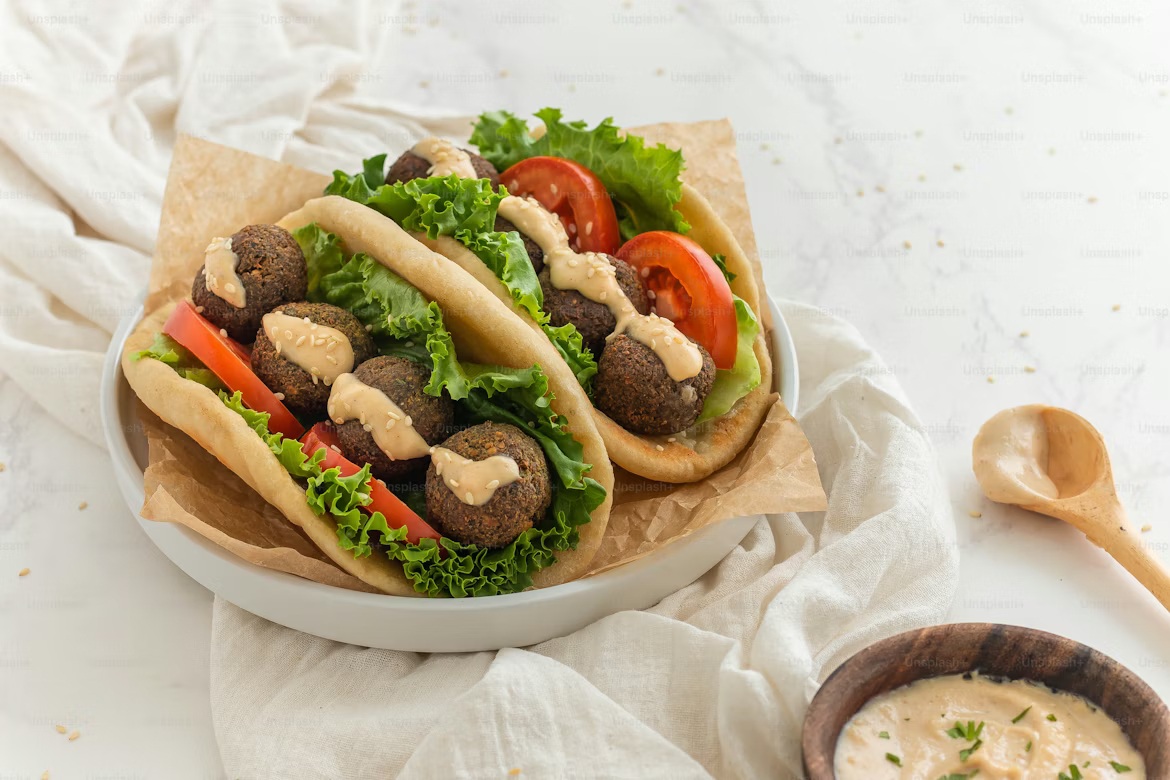
  3. Vegetable Pitas: 16g protein. Whole-wheat pita, hummus, roasted vegetables.
  4. Mushroom Melts: 22g protein. Sautéed mushrooms with melted Gruyère and Swiss on sourdough.
  5. Caprese Pasta Salad: 19g protein. Whole-grain pasta, mozzarella pearls, cherry tomatoes, pesto.
  6. Brie & Jam Wrap: 15g protein. Whole-wheat wrap, Brie, fig jam, arugula.
  7. Cucumber Avocado Sandwich: 17g protein. Multigrain bread, herbed ricotta, avocado, cucumber.
  8. Vegetarian Taco Salad: 21g protein. Romaine, black bean crumbles, avocado, corn, lime crema.
  9. Green Goddess Sandwich: 16g protein. Sprouted bread, avocado mash, sprouts, cucumber, capers.
  10. Farro Arugula Salad: 18g protein. Pre-cooked farro, arugula, artichokes, pistachios, lemon vinaigrette.
  11. Crispy Tofu Wraps: 22g protein. Smoked tofu, cornstarch-crusted & pan-fried, with slaw in a wrap.
  12. Pickled Beet Sandwich: 17g protein. Whole grain bread, herbed goat cheese, pickled beets, arugula, walnuts.
  13. Chickpea Salad Sandwich: 20g protein. Mashed chickpeas, vegan mayo, celery, dill, on whole wheat.
  14. Teriyaki Tofu Bowl: 23g protein. Pre-marinated tofu, brown rice, steamed broccoli, sesame seeds.
  15. Get Your Greens Wrap: 16g protein. Spinach tortilla, avocado, edamame, sprouts, cucumber, tahini.
  16. Tomato Burrata Sandwich: 18g protein. Crusty bread, burrata, heirloom tomatoes, basil, balsamic.
  17. Kale & Gruyère Panini: 21g protein. Sourdough, sautéed kale, tomato, Gruyère, pressed.
  18. Lentil Burgers: 24g protein. Homemade lentil-walnut patty, whole-grain bun, fixings.

FAQ: Your High-Protein Vegetarian Lunch Questions, Answered

Q: I need 30g of protein per meal. How can I boost these?
A: Easily add a side of high-protein Greek yogurt, a hard-boiled egg, a serving of roasted edamame, or a scoop of hemp hearts to any dish. Choose the highest-protein base recipes (Lentil Burgers, Tofu Bowls) and increase the portion of the primary protein source.

Q: Are these recipes suitable for vegans?
A: Many are or can be easily adapted. The vegan options are clearly marked (e.g., Vegan Burrito Bowl, Chickpea Salad Sandwich). For others, simply substitute vegan cheese and use egg-free bread or wraps.

Q: How do I meal prep these without getting soggy??
A: Use the “component prep” method. Store wet ingredients (dressings, sauces, tomatoes) separately from dry. Assemble wraps and sandwiches the morning of. Grain bowls and salads keep best when layered with dressing on the bottom.

Q: Are these lunches kid-friendly?
A: Absolutely. Focus on familiar formats: the Caprese Sandwich3-Ingredient Brie WrapPasta Salad, and Lentil Burgers (as sliders) are typically big hits. Involve kids in assembly to increase acceptance.

Q: How do I estimate the protein in my own creations?
A: Use a nutrition tracker app for a week to build awareness. Generally, ½ cup beans/lentils = 7-9g, 3 oz firm tofu = 8-10g, 1 oz cheese = 7g, ½ cup Greek yogurt = 12g, 1 slice whole-grain bread = 4-5g, ¼ cup nuts/seeds = 6-8g.

High-protein vegetarian eating is a practical, flavorful, and nourishing practice, not a restrictive challenge. This list is your toolkit—a collection of 18 proven formulas that turn simple ingredients into satisfying meals. By mastering the principles of protein pairing, flavor building, and efficient prep, you transform lunch from an afterthought into a daily source of sustained energy and culinary enjoyment.

Need more structure? Download our free Vegetarian Meal Prep Guide with shopping lists and prep schedules at BeeFit.ai.

This article is for informational purposes only and is not a substitute for professional medical advice, diagnosis, or treatment. Always seek the advice of your physician or a registered dietitian before making significant changes to your diet.

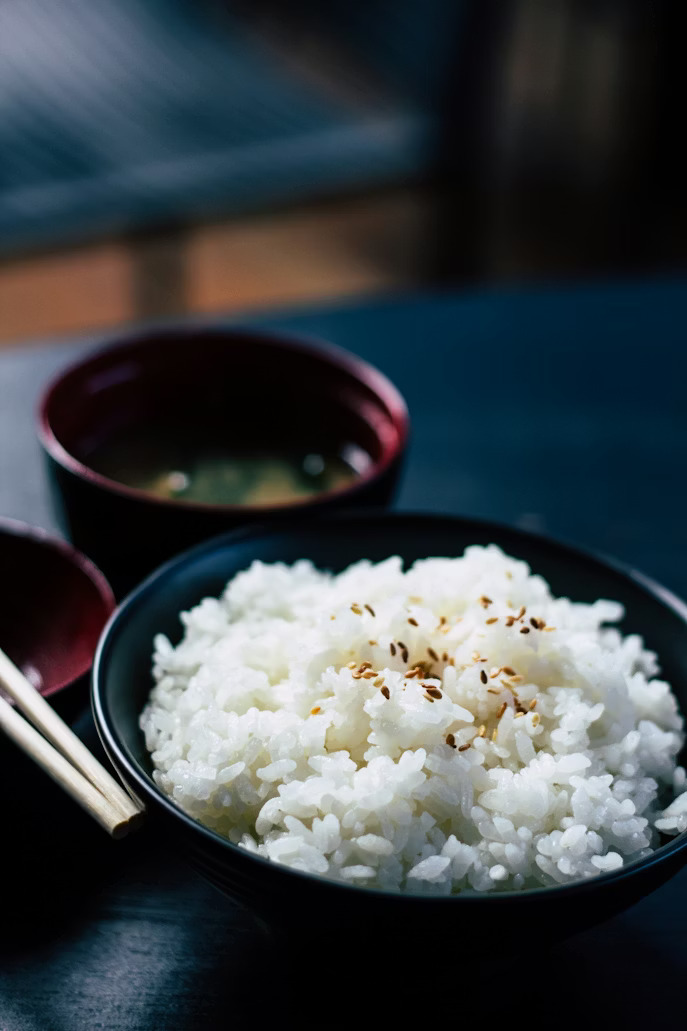
Rice or Quinoa: Which Grain Deserves a Spot on Your Plate?

Quick Take

  • Quinoa is a complete protein, providing all nine essential amino acids, while rice must be paired with other foods to achieve a complete amino acid profile.
  • Brown rice and quinoa offer similar fiber content, but quinoa delivers nearly twice the protein per cooked cup.
  • White rice is a fast-digesting carbohydrate ideal for quick energy replenishment, especially around workouts.
  • For blood sugar management and satiety, quinoa’s combination of higher protein and fiber gives it a metabolic edge.

The great grain debate often centers on two pantry staples: the ancient, protein-packed seed known as quinoa, and the ubiquitous, energy-providing staple, rice. While both serve as foundational carbohydrates, their nutritional philosophies differ. Choosing between them isn’t about declaring one “good” and the other “bad”—it’s about matching their unique properties to your health goals, from muscle recovery to digestive comfort.

Let’s settle the plate with a detailed, evidence-based comparison.

Is Quinoa Really a Complete Protein?

Direct Answer
Yes. Quinoa is one of the few plant foods considered a complete protein, meaning it contains all nine essential amino acids your body cannot produce on its own, in sufficient quantities.

Explanation & Evidence
The quality of a protein is determined by its amino acid profile. While most grains are low in the amino acid lysine, quinoa is uniquely rich in it. This makes it a exceptional protein source for muscle repair, enzyme production, and overall bodily function, particularly for those on plant-based diets.

The Food and Agriculture Organization (FAO) recognizes quinoa’s protein quality, noting its “balanced set of essential amino acids, resembling the amino acid pattern found in human milk and egg.”

Rice, especially brown rice, contains protein but is low in lysine, making it an “incomplete” protein. To get a complete profile from rice, you need to pair it with a lysine-rich food like legumes.

Your Application
If you’re looking to boost plant-based protein intake for satiety or muscle support, prioritize quinoa. A one-cup serving of cooked quinoa provides about 8 grams of complete protein.

Which Is Better for Blood Sugar Control: Brown Rice or Quinoa?

Direct Answer
Quinoa generally has a more favorable impact on blood sugar due to its higher protein and fiber content, which slows digestion and the release of glucose into the bloodstream.

Explanation & Evidence
The Glycemic Index (GI) measures how quickly a food raises blood sugar. Quinoa typically has a lower GI (around 53) compared to brown rice (approx. 68). This difference is attributed to quinoa’s unique nutritional matrix. Its higher fiber and protein content increase the thermic effect of food and improve insulin sensitivity.

A study in the British Journal of Nutrition found that “quinoa consumption resulted in lower post-meal blood glucose and insulin levels compared to both gluten-free bread and traditional wheat bread,” highlighting its metabolic benefits.

While brown rice is a whole grain and superior to white rice, quinoa’s structural advantage makes it a stronger choice for sustained energy and metabolic health.

Your Application
For balanced meals that prevent energy crashes, choose quinoa. Its protein and fiber will help modulate your blood sugar response, keeping you fuller and more energized for longer.

When Is White Rice the Superior Choice?

Direct Answer
White rice is the superior choice when the goal is rapid glycogen replenishment with minimal digestive bulk, such as immediately before, during, or after intense or prolonged exercise.

Explanation & Evidence
Athletes and active individuals have different nutritional needs at different times. White rice is a refined, easily digestible carbohydrate. Its bran and germ have been removed, stripping away fiber and some nutrients but making it very low in residue and fast-absorbing. This allows for quick energy delivery without gastrointestinal distress during competition or for efficiently refilling muscle glycogen stores post-workout.

Sports nutrition protocols often recommend fast-digesting carbs like white rice in the post-exercise “anabolic window” to “rapidly stimulate insulin release and drive glycogen synthesis and muscle protein repair.”

In this context, its “inferior” nutritional profile is actually its functional benefit.

Your Application
In a pre or post-workout meal, pair a serving of white rice with a lean protein source. For general meals focused on nutrition and satiety, opt for brown rice or quinoa.

How Do Their Micronutrient Profiles Compare?

Direct Answer
Quinoa is significantly richer in key minerals like iron, magnesium, and folate, while brown rice provides more selenium and is a good source of B vitamins, particularly B6.

Explanation & Evidence
A cup of cooked quinoa provides about 15% of the Daily Value (DV) for iron and over 30% for magnesium—minerals crucial for oxygen transport and muscle function. It’s also a great source of folate. Brown rice excels in providing manganese (essential for metabolism) and selenium (a powerful antioxidant). White rice is often enriched with iron and B vitamins to replace some lost during processing.

A comparative analysis in the Journal of Food Science and Technology concluded that “quinoa has a markedly higher content of calcium, iron, and zinc compared to common cereals like rice and wheat.”

Your choice can help address specific nutrient gaps in your diet.

Your Application
To boost iron and magnesium intake (common deficiencies, especially in active women), choose quinoa. For a natural source of the antioxidant selenium, a serving of brown rice is an excellent choice.

Can Your Digestive System Tolerate Both?

Direct Answer
For individuals with sensitive guts, IBS, or during flare-ups of digestive conditions, white rice is often the safest, most easily tolerated option due to its low fiber and FODMAP content.

Explanation & Evidence
While fiber is beneficial for most, it can exacerbate symptoms for those with functional gut disorders. White rice is low-FODMAP and provides bland, easily digestible calories. Brown rice contains more fiber and traces of phytic acid, which can cause bloating in some. Quinoa contains saponins (a natural coating) that can be mildly irritating if not rinsed thoroughly before cooking.

The Monash University Low FODMAP Diet app, the gold-standard for IBS management, lists white rice as a “green light” safe food, while quinoa is only safe in limited, controlled servings.

Digestive comfort is a non-negotiable part of nutrition.

Your Application
If you have a sensitive stomach or are recovering from a stomach bug, white rice is your go-to. Always rinse quinoa thoroughly under cold water before cooking to remove saponins and improve digestibility.

FAQ: Your Rice vs. Quinoa Questions, Answered

Q: Is quinoa or rice better for weight loss?
A: Quinoa may have a slight edge due to its higher protein and fiber, which enhance satiety and can help reduce overall calorie intake. However, portion control and the overall balance of your meal are far more important than the grain choice alone. Neither is inherently “fattening.”

Q: Can I eat quinoa if I’m gluten-free?
A: Yes. Quinoa is naturally gluten-free and is an excellent nutrient-dense carbohydrate choice for those with celiac disease or gluten sensitivity. Ensure it’s certified gluten-free if cross-contamination is a concern.

Q: Which has more calories, rice or quinoa?
A: They are very similar. One cup of cooked quinoa has about 220 calories, while one cup of cooked brown rice has about 215 calories. The difference is negligible; the key distinction is in the source of those calories (protein vs. carbs).

Q: Is brown rice healthier than white rice?
A: In terms of whole-food nutrition, yes. Brown rice retains its bran and germ, providing more fiber, vitamins, and minerals. White rice is stripped of these during processing, though it is often enriched. For daily meals, brown rice is the more nutrient-rich choice.

Q: How do I cook quinoa so it’s not bitter?
A: The bitterness comes from saponins, a natural coating. Always rinse quinoa in a fine-mesh strainer under cold running water for at least 60 seconds before cooking. Toasting it in a dry pan for a few minutes after rinsing can also enhance its nutty flavor.

The verdict isn’t a winner-takes-all. Quinoa is the champion for nutrient density, protein completeness, and blood sugar stability. White rice is the specialist for digestive ease and rapid energy needs. Brown rice is the reliable, nutritious whole-grain workhorse.

Intelligent eating means having all three in your arsenal, deploying each for the task at hand. By understanding their unique strengths, you can move beyond the debate and make every meal intentionally nourishing.

Want to build better meals? Explore our guide to creating perfectly balanced plates for any goal at BeeFit.ai.

This article is for informational purposes only and is not a substitute for professional medical advice, diagnosis, or treatment. Always seek the advice of your physician or a registered dietitian before making significant changes to your diet.

The 12 Best Foods for Longevity

Quick Take

  • Cruciferous vegetables like broccoli release sulforaphane, a compound that activates the body’s detoxification pathways and inhibits cancer cell growth.
  • Daily nut consumption is linked to a 35% reduced risk of heart disease, despite their caloric density, due to healthy fats and fiber.
  • Beans, eaten twice weekly, are associated with a 50% lower risk of colon cancer, acting as a nutrient-dense starch that stabilizes blood sugar.
  • Cooked tomatoes provide 10 times more bioavailable lycopene than raw, offering enhanced protection against prostate cancer and UV skin damage.

What we eat has the potential to help us or harm us. Our addiction to processed food offers insufficient nourishment and is the cause of illnesses like obesity, cardiovascular disease, and type 2 diabetes. It doesn’t have to be this way—we should eat foods that leave us energized, reduce our risk of illness, and allow us to maintain a healthy weight. To live longer and be healthier, we have to fuel our bodies with nutrient-dense foods. Natural plant foods can restore our health and vitality.

Here are the 12 best foods for longevity that you should incorporate into your diet:

1. Cruciferous Vegetables

These are vegetable powerhouses with the unique ability to modify human hormones, activate the body’s natural detoxification system, and inhibit the growth of cancerous cells. Cruciferous vegetables should be chewed thoroughly or eaten shredded, chopped, juiced, or blended to release their potent anti-cancer properties.

Key Benefits:

  • Protects blood vessel walls from inflammation.
  • Rich in sulforaphane, a compound that fights cancer and heart disease.

Examples: Broccoli, cauliflower, Brussels sprouts, kale, cabbage.

Learn more about the benefits of cruciferous vegetables in our article: Why Cruciferous Vegetables Are a Must for Longevity.

2. Salad Greens

Raw, leafy green vegetables—some of which are cruciferous—contain fewer than 100 calories per pound, making them ideal for weight control. Studies show that eating a large salad at the beginning of a meal reduces overall calorie intake.

Key Benefits:

  • Reduces the risk of heart attack, stroke, diabetes, and cancer.
  • Rich in folate, lutein, and zeaxanthin, which protect eye health.

Examples: Kale, spinach, arugula, romaine lettuce.

Tip: Add nuts or seeds to your salad to enhance the absorption of fat-soluble nutrients.

3. Nuts

Nuts are a high-nutrient source of healthy fats, plant protein, fiber, antioxidants, and minerals. Despite their caloric density, nut consumption is linked to lower body weight and a reduced risk of heart disease.

Key Benefits:

  • Lowers cholesterol and reduces heart disease risk by 35%.
  • Helps control blood sugar levels.

Examples: Walnuts, almonds, cashews, pistachios.

Discover more in our guide: Top 5 Nuts for Heart Health.

4. Seeds

Seeds are nutritional powerhouses, offering healthy fats, protein, and trace minerals. They are especially rich in omega-3 fats and lignans, which have anti-cancer properties.

Key Benefits:

  • Supports brain health and reduces inflammation.
  • Rich in zinc, calcium, and vitamin E.

Examples: Flaxseeds, chia seeds, hemp seeds, pumpkin seeds.

Tip: Add chia or flaxseeds to smoothies or oatmeal for an easy nutrient boost.

5. Berries

Berries are antioxidant-rich fruits that are incredibly heart-healthy. Regular consumption can improve blood pressure, cholesterol levels, and cognitive function.

Key Benefits:

  • Reduces oxidative stress and inflammation.
  • Helps prevent cognitive decline with aging.

Examples: Blueberries, strawberries, raspberries, goji berries.

Check out our article: The Health Benefits of Berries for Brain and Heart Health.

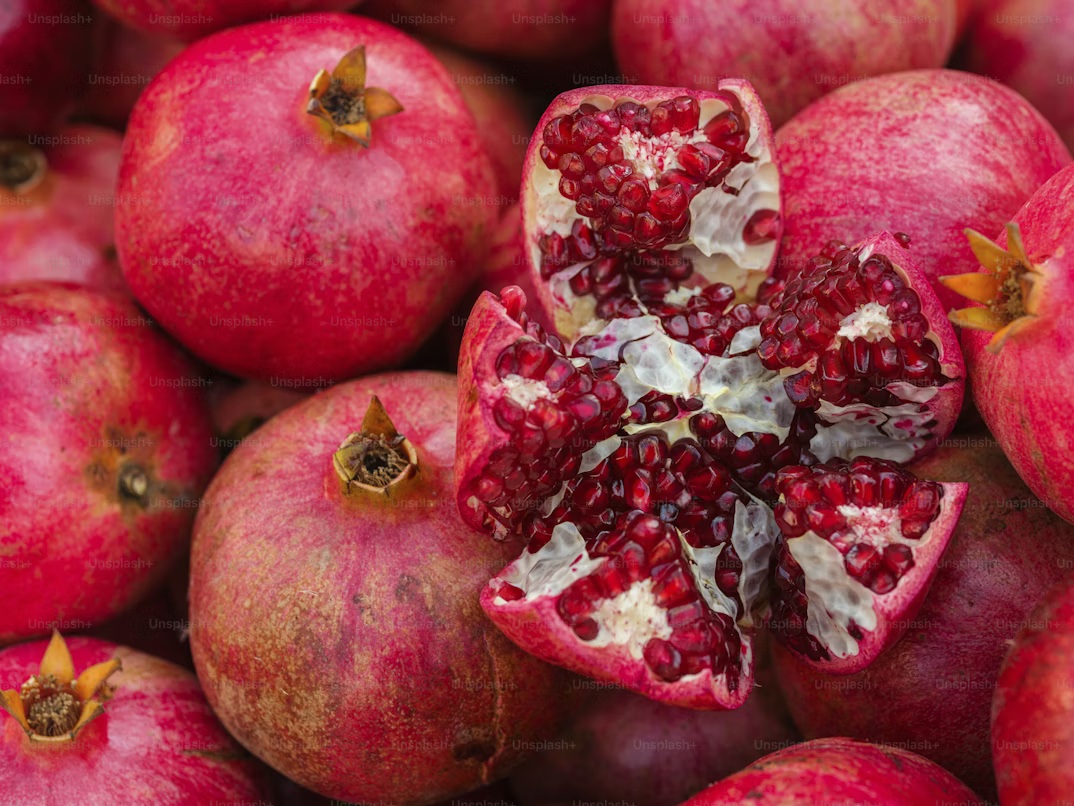
6. Pomegranate

Pomegranates are unique fruits packed with punicalagin, a potent antioxidant. They offer anti-cancer, heart-protective, and brain-healthy benefits.

Key Benefits:

  • Reduces atherosclerotic plaque by 30% in heart disease patients.
  • Improves memory and cognitive function.

Tip: Score the fruit, twist it open, and tap the back with a spoon to release the arils.

7. Beans

Beans are a nutrient-dense starch source that stabilizes blood sugar, reduces appetite, and protects against colon cancer.

Key Benefits:

  • Lowers colon cancer risk by 50% when eaten twice a week.
  • Promotes satiety and aids in weight loss.

Examples: Black beans, chickpeas, lentils, kidney beans.

Learn more: Why Beans Are a Superfood for Longevity.

8. Mushrooms

Mushrooms are rich in compounds that inhibit estrogen production, making them particularly protective against breast cancer.

Key Benefits:

  • Boosts immune function and reduces inflammation.
  • Prevents DNA damage and slows cancer cell growth.

Examples: Shiitake, oyster, maitake, portobello.

Tip: Always cook mushrooms to reduce agaritine, a potentially harmful compound.

9. Onions and Garlic

These allium vegetables are known for their organosulfur compounds, which have anti-cancer, anti-diabetic, and heart-protective effects.

Key Benefits:

  • Lowers the risk of gastric and prostate cancers.
  • Supports cardiovascular and immune health.

Examples: Garlic, leeks, scallions, shallots.

10. Tomatoes

Tomatoes are rich in lycopene, a powerful antioxidant that protects against prostate cancer, UV skin damage, and heart disease.

Key Benefits:

  • Cooked tomatoes provide 10 times more lycopene than raw ones.
  • Best absorbed with healthy fats, like nuts or avocado.

Tip: Choose tomatoes in glass jars instead of cans to avoid BPA.

11. Avocados

Avocados are packed with heart-healthy monounsaturated fats, fiber, and potassium. They support weight management and reduce inflammation.

Key Benefits:

  • Improves cholesterol levels and reduces heart disease risk.
  • Enhances the absorption of fat-soluble vitamins.

Tip: Add avocado to salads, smoothies, or toast for a nutrient boost.

12. Green Tea

Green tea is rich in catechins, antioxidants that protect against cancer, improve brain function, and promote heart health.

Key Benefits:

  • Reduces the risk of cardiovascular disease and stroke.
  • Supports weight loss and metabolic health.

Tip: Drink 2–3 cups daily for maximum benefits.

Explore more in our article: The Science Behind Green Tea and Longevity.

FAQ: Your Longevity Diet Questions, Answered

Q: Do I need to eat all 12 of these foods every day?
A: No. The goal is regular inclusion, not daily perfection. Aim to incorporate a variety of these foods throughout your week. For example, have nuts or seeds daily, cruciferous vegetables most days, and beans several times a week to build a cumulative, protective effect.

Q: Are cooked vegetables less nutritious than raw for longevity?
A: It depends on the vegetable. For cruciferous veggies (broccoli, kale), light steaming can enhance the availability of sulforaphane. For tomatoes, cooking significantly increases the bioavailability of the antioxidant lycopene. A mix of raw (like salad greens) and properly cooked vegetables is ideal.

Q: How can I afford to eat these longevity foods regularly?
A: Focus on cost-effective staples: buy beans, lentils, and oats in bulk; choose frozen berries and cruciferous vegetables, which are equally nutritious and often cheaper; and incorporate affordable seeds like flax or sunflower. Prioritizing plants over expensive meat and processed foods can actually reduce your grocery bill.

Q: Is organic necessary for these foods?
A: While organic can reduce pesticide exposure, eating conventional fruits and vegetables is far better than not eating them at all. If prioritizing, refer to the Environmental Working Group’s “Dirty Dozen” list berries, kale, and spinach often rank high for pesticide residue, so consider organic for those if possible.

Q: Can supplements replace these longevity foods?
A: No. Supplements cannot replicate the synergistic combination of fiber, antioxidants, healthy fats, and thousands of phytonutrients found in whole foods. The health benefits are linked to the whole food matrix. Use supplements only to address specific, diagnosed deficiencies (like Vitamin D), not as a substitute for a nutrient-dense diet.

A Longevity Diet Blueprint

Incorporating these 12 foods into your diet can help you live a longer, healthier life. From cruciferous vegetables to green tea, each food offers unique benefits that support your overall well-being.

Ready to take control of your health? Sign up for BeeFit today and get personalized meal plans, nutrition tips, and expert guidance tailored to your goals.

Explore more research-backed articles on nutrition and longevity in our blog.

This article is based on research and general nutritional guidelines. It is not a substitute for medical advice. Always consult a healthcare provider for personalized dietary recommendations.

8 Myths About Plant-Based Diets

Quick Take

  • Complete proteins are available from plant sources like quinoa, soy, and hemp; combining grains and legumes ensures a full amino acid profile.
  • Calcium needs can be met through leafy greens, fortified plant milks, and tofu, without dairy, when paired with adequate Vitamin D.
  • A plant-based diet built on whole foods (beans, lentils, grains) is often more budget-friendly than an omnivorous diet centered on meat.
  • Vitamin B12 is the only essential nutrient not reliably found in plants, making fortified foods or supplements a non-negotiable requirement.

The core of a plant-based diet is whole and minimally processed foods, which are rich in nutrients and can offer numerous health benefits. However, many misconceptions exist about plant-based eating, deterring people from trying it.

Here are 8 common myths about plant-based diets—and the truth behind them.

1. Plant-Based Diets Lack Protein

Protein is essential for muscle growth, recovery, and overall health. While animal products contain all nine essential amino acids, many plant-based foods do as well.

Top Plant-Based Protein Sources:

  • Quinoa, buckwheat, hemp seeds, and soy products (tofu, edamame, tempeh)
  • Lentils, chickpeas, and black beans
  • Nuts, seeds, and whole grains

Combining grains and legumes (e.g., rice and beans) ensures a complete protein profile. A well-planned plant-based diet provides sufficient protein without the need for animal products.

For more ideas, check out our article: Top 10 Plant-Based Protein Sources.

2. You Need Dairy for Strong Bones

Milk is commonly associated with calcium, but many plant foods are rich in calcium and promote bone health.

Best Plant-Based Calcium Sources:

  • Leafy greens (kale, bok choy, collard greens)
  • Fortified plant-based milks (soy, almond, oat)
  • Tahini, almonds, and tofu
  • Legumes, especially white beans and black beans

The key is ensuring you consume a variety of calcium-rich foods and get enough vitamin D for proper calcium absorption.

3. Plant-Based Diets Are Expensive

A common misconception is that eating plant-based is costly, but it can actually be more budget-friendly than an omnivorous diet.

Top 3 Affordable Plant-Based Staples:

  • Oats, rice, lentils, and beans
  • Seasonal vegetables and frozen produce
  • Bulk nuts and seeds

Buying in bulk, choosing whole foods over processed vegan substitutes, and cooking at home can make plant-based eating highly affordable.

4. A Plant-Based Diet Won’t Keep You Full

Feeling satisfied on a plant-based diet is all about balancing macronutrients.

How to Stay Full on a Plant-Based Diet:

  • Complex carbs (quinoa, brown rice, oats) provide long-lasting energy.
  • Fiber-rich foods (vegetables, legumes, whole grains) slow digestion and keep you fuller longer.
  • Healthy fats (avocados, nuts, seeds) enhance satiety.
  • Protein (tofu, lentils, tempeh, beans) contributes to muscle maintenance and hunger control.

Eating a variety of fiber, healthy fats, and proteins ensures balanced meals that keep you feeling full.

5. A Plant-Based Diet Automatically Makes You Healthier

Simply cutting out animal products doesn’t guarantee a healthier diet. Highly processed vegan foods (e.g., fake meats, sugary snacks, fried foods) can be just as unhealthy as processed omnivorous options.

Tips for a Truly Healthy Plant-Based Diet:

  • Prioritize whole, nutrient-dense foods.
  • Minimize added sugars and refined carbs.
  • Balance your intake of proteins, healthy fats, and fiber.

Learn more about transitioning to a healthier diet in our guide: How to Transition to a Plant-Based Diet.

6. Pregnant Women Should Avoid a Plant-Based Diet

A well-planned plant-based diet can be safe and beneficial during pregnancy, reducing risks of high blood pressure, preeclampsia, and gestational diabetes.

Key Nutrients for Pregnant Women on a Plant-Based Diet:

  • Iron: Lentils, tofu, dark leafy greens, fortified cereals
  • Omega-3s: Chia seeds, flaxseeds, walnuts, algae-based supplements
  • Protein: Quinoa, legumes, nuts, tempeh
  • Vitamin B12: Fortified foods or supplements
  • Vitamin D & Calcium: Fortified plant-based milks, tofu, leafy greens

Consulting with a healthcare professional ensures that all nutrient needs are met during pregnancy.

7. A Plant-Based Diet Causes B12 Deficiency

Vitamin B12 is essential for nerve function and red blood cell production, and it is naturally found in animal products. Plant-based eaters do need to take extra precautions, but B12 can be obtained through:

How to Get Enough B12 on a Plant-Based Diet:

  • Fortified foods (nutritional yeast, plant-based milks, cereals)
  • B12 supplements (available in easy-to-use forms like tablets or sprays)

Tracking your intake and supplementing as needed prevents deficiency and ensures optimal health.

8. You Must Be 100% Vegan to Benefit from a Plant-Based Diet

There’s no strict rule requiring complete elimination of animal products to benefit from a plant-based diet.

Flexible Approaches to Plant-Based Eating:

  • Flexitarian: Mostly plants with occasional meat or dairy.
  • Vegetarian: No meat but includes eggs and dairy.
  • Pescatarian: Includes fish but no meat.

Even small changes, like one plant-based meal per day, can improve health and reduce your environmental impact.

Environmental Impact of Plant-Based Diets

Switching to a plant-based diet isn’t just good for your health—it’s also great for the planet. Plant-based diets:

  • Reduce greenhouse gas emissions.
  • Conserve water resources.
  • Decrease deforestation linked to animal agriculture.

By choosing more plant-based meals, you’re contributing to a healthier planet. 

FAQ: Your Plant-Based Diet Questions, Answered

Q: Will I get enough protein without meat?
A: Yes, easily. Protein needs can be met by including foods like lentils, chickpeas, tofu, tempeh, edamame, quinoa, and nuts. A varied plant-based diet provides all essential amino acids throughout the day. For example, a meal of rice and beans forms a complete protein.

Q: Is a vegan diet automatically healthy?
A: No. A diet of vegan junk food (chips, sugary snacks, processed meat alternatives) is not healthy. True health benefits come from a whole-food, plant-based diet that prioritizes vegetables, fruits, legumes, whole grains, nuts, and seeds while minimizing processed items and added sugars.

Q: Do I need to take supplements on a plant-based diet?
A: Vitamin B12 is essential to supplement, as it is not reliably available from plant foods. Depending on sun exposure and food choices, Vitamin D and Omega-3s (from algae oil) may also require supplementation. A healthcare provider can check levels of iron, B12, and Vitamin D to guide personalized needs.

Q: Is eating plant-based more expensive?
A: It can be very affordable. The most cost-effective staples are dried beans, lentils, rice, oats, seasonal vegetables, and frozen produce. Costs increase if you rely heavily on processed vegan alternatives, specialty products, or out-of-season produce. Cooking at home with bulk whole foods saves money.

Q: Can athletes thrive on a plant-based diet?
A: Absolutely. Many elite athletes follow plant-based diets successfully. The key is ensuring sufficient calorie and protein intake (1.6-2.2g/kg of body weight) from diverse sources and paying attention to key nutrients like iron, B12, and creatine (which can be supplemented for high-intensity performance). Proper planning supports strength, endurance, and recovery.

Real-Life Success Story

“I switched to a plant-based diet two years ago, and it’s been life-changing. Not only did I lose weight and feel more energized, but my cholesterol levels also improved significantly. Plus, knowing I’m reducing my carbon footprint makes it even more rewarding!” – Sarah, BeeFit User

Eating Plant-Based on Your Terms

You don’t need to be fully vegan to reap the benefits of a plant-based diet. Start with small steps, like incorporating more whole, plant-based foods into your meals. Over time, these habits can positively impact your health, the environment, and your overall well-being.

Ready to start your plant-based journey? Sign up for BeeFit.ai today and get personalized meal plans, workout routines, and expert guidance tailored to your goals.

This article is based on research and general nutritional guidelines. It is not a substitute for medical advice. Always consult a healthcare provider for personalized dietary recommendations.

The CrossFit Nutrition Blueprint: 8 Rules for Peak Performance

Quick Take

  • A high-intensity CrossFit workout can burn 15-20+ calories per minute, demanding precise fuel from whole-food carbohydrates and sufficient protein for repair.
  • Strategic carb timing—fast-digesting before, nutrient-dense after directly fuels performance and accelerates glycogen replenishment.
  • A protein-rich breakfast (30g+) kickstarts muscle protein synthesis and stabilizes energy, countering the catabolic state of overnight fasting.
  • Individualization is non-negotiable; tracking performance metrics against dietary intake is the only way to optimize the fuel-to-output ratio for your body.

In CrossFit, the clock measures output, but what you ate hours before dictates the result. Treating nutrition as an afterthought undermines the very adaptation you train so hard to elicit. The CrossFit pyramid is correct: nutrition is the foundation. Without it, strength, conditioning, and skill are built on unstable ground.

These eight principles move beyond generic “clean eating” advice to provide a tactical framework for fueling the unique metabolic demands of constantly varied, high-intensity functional movement. This is how you eat to not just complete a workout, but to dominate it and recover for the next.

Why Is “Eating the Rainbow” Critical for High-Intensity Athletes?

Direct Answer: The phytonutrients and antioxidants in colorful plants combat the elevated oxidative stress and systemic inflammation generated by intense MetCon sessions, directly supporting recovery and cellular resilience.

Explanation & Evidence:
CrossFit’s metabolic demands produce significant reactive oxygen species (ROS). While this stimulates adaptation, chronic high levels can hinder recovery and increase injury risk. Fruits and vegetables provide compounds like anthocyanins (berries), carotenoids (sweet potatoes, leafy greens), and sulforaphane (broccoli) that act as the body’s internal antioxidant defense system, modulating inflammation and protecting muscle cells.

A study in the European Journal of Sport Science found that “athletes with higher habitual intake of phytonutrient-rich fruits and vegetables exhibited lower markers of exercise-induced oxidative stress and muscle damage.”

This isn’t just about “health”; it’s about work capacity. Better cellular recovery means you can train hard again sooner.

Your Application 
Aim for 3+ different colored vegetables at both lunch and dinner. Add a fist-sized serving of dark leafy greens (spinach, kale) to your post-workout meal or smoothie to leverage their anti-inflammatory nutrients when your body needs them most.

How Does Individualization Trump Any Prescribed Diet?

Direct Answer: Your optimal fuel map is determined by your unique metabolism, gut health, training volume, and recovery needs, factors no generic macro calculator or diet template can accurately capture.

Explanation & Evidence:
Two athletes with identical stats can have vastly different responses to the same meal due to factors like insulin sensitivity, microbiome composition, and stress levels. Blindly following a plan without self-assessment leads to plateaus. The key is becoming your own experiment: tracking not just body composition, but also workout performance (e.g., Fran time), sleep quality, energy levels, and digestion against your food intake.

Sports nutritionists emphasize that “data-driven personalization, where diet is adjusted based on performance biomarkers and subjective feedback, yields significantly better outcomes than rigid dietary adherence in athletes.”

The best diet is the one that makes you perform and recover best, not the one that worked for someone else.

Your Application
For two weeks, log your food alongside three metrics: daily energy (1-10), workout performance (e.g., load/rounds), and sleep quality. Look for patterns. Do you perform better with more carbs on heavy lift days? Do fats slow your digestion before a MetCon? Adjust based on your data.

What Is the Most Effective Carbohydrate Strategy for CrossFit?

Direct Answer: Time your carbohydrates: prioritize fast-digesting, low-fiber carbs 60-90 minutes pre-workout for immediate fuel, and focus on nutrient-dense, high-fiber carbs post-workout to replenish glycogen and provide sustained micronutrients.

Explanation & Evidence:
CrossFit taps into both the phosphagen and glycolytic energy systems. To fuel short, explosive efforts and sustained power output, muscle glycogen is essential. Simple carbs pre-workout (like a banana, white rice, or dates) provide readily available glucose without GI distress. Post-workout, your muscles are primed to absorb nutrients; pairing protein with complex carbs (sweet potato, quinoa, oats) restores glycogen and initiates repair.

Research in the Journal of Applied Physiology confirms that “carbohydrate availability prior to and immediately following high-intensity training sessions is critical for maintaining performance intensity and optimizing the rate of glycogen resynthesis.”

Mis-timing or under-consuming carbs is a direct path to “hitting the wall” mid-WOD.

Your Application
Pre-Workout (60-90 min): 30-50g fast carbs + small protein (e.g., rice cakes with almond butter). Post-Workout (within 60 min): 40-60g complex carbs + 30g protein (e.g., chicken with sweet potato and broccoli).

Why Is a Protein-Packed Breakfast Non-Negotiable?

Direct Answer: After an overnight fast, your body is in a catabolic state. A breakfast with 30+ grams of high-quality protein switches on muscle protein synthesis (MPS), halts muscle breakdown, and provides a steady amino acid supply for the day’s physical and cognitive demands.

Explanation & Evidence:
The “anabolic window” isn’t just post-workout; it’s upon waking. Skipping protein at breakfast extends the overnight fasted state, where cortisol is elevated and muscle tissue can be broken down for energy. A substantial protein meal stimulates MPS, provides tyrosine for dopamine production (improving focus), and increases thermogenesis, boosting metabolism.

A study in the American Journal of Clinical Nutrition showed that “distributing protein evenly across meals, starting with a ≥30g breakfast, resulted in a 25% greater stimulation of 24-hour muscle protein synthesis compared to a skewed intake.”

For an athlete, this means better preservation of hard-earned muscle and more stable energy for morning training sessions.

Your Application
Break your fast with 30-40g of protein. Examples: 4-egg omelet with veggies, a smoothie with 2 scoops of protein powder and Greek yogurt, or 1 cup of cottage cheese with nuts and berries.

How Do You Simplify Nutrition to Reduce Decision Fatigue?

Direct Answer: Implement a modular meal assembly system using pre-prepped core ingredients (proteins, carbs, fats, veggies) to construct diverse, balanced meals in minutes, eliminating daily guesswork.

Explanation & Evidence:
Decision fatigue is a real cognitive drain that can impair workout focus. By creating a “nutrition operating system,” you remove dozens of daily food decisions. The system is built on a weekly prep of versatile components: a batch of grilled chicken, roasted sweet potatoes, cooked quinoa, washed greens, and pre-cut vegetables. Meals become simple combinations, not daily cooking projects.

Behavioral science supports that “reducing cognitive load through habit automation and environmental design is one of the most effective strategies for long-term adherence to complex behaviors like athletic nutrition.”

This frees up mental bandwidth for what matters: your training, recovery, and life outside the gym.

Your Application
Weekly Prep: Cook 2 primary proteins, 2 complex carb sources, and chop 3+ vegetables. Daily Assembly: At each meal, choose 1 from each category, add a healthy fat (avocado, olive oil), and season. For example: Chicken + Quinoa + Roasted Broccoli + Avocado. Breakfast is your only “set” meal.

FAQ: Your CrossFit Nutrition Questions, Answered

Q: How much protein do I really need?
A: For CrossFit athletes, aim for 1.6-2.2 grams of protein per kilogram of body weight daily. Distribute this evenly across 3-4 meals. This range supports the high muscle protein turnover from both strength and metabolic conditioning elements.

Q: Should I worry about electrolytes?
A: Yes, especially if you sweat heavily or train in heat. Sodium, potassium, and magnesium are lost in sweat and are critical for nerve function and hydration. Add an electrolyte supplement to your water during long or brutally hot sessions, or ensure your post-workout meal includes sodium (e.g., salted sweet potato) and potassium (e.g., avocado, spinach).

Q: Is it okay to train fasted?
A: It depends on the session. Low-skill, steady-state work might be manageable. However, for high-intensity, high-skill, or heavy strength sessions, fasted training often leads to reduced power output, poorer technique under fatigue, and increased muscle breakdown. If you prefer fasted training, keep these sessions low-intensity or ensure your previous evening’s meal was substantial.

Q: How do I handle nutrition during long competition days or multi-WOD sessions?
A: This requires a specific competition fueling strategy. Consume easily digestible carbs (liquid forms like sports drinks, gels, or baby food pouches) between events. Include small amounts of protein after the last event of a session to begin repair. The goal is to keep glycogen topped up without causing GI distress. Practice this in training.

Q: Are supplements necessary?
A: Necessary? Only Vitamin D (if deficient) and possibly Omega-3s for inflammation. Highly Beneficial? Yes. A quality protein powder aids in hitting daily targets. Creatine monohydrate is proven to improve power output in repeated high-intensity efforts. Caffeine pre-workout can enhance focus and performance. Always prioritize whole food first.

View your diet not as a separate entity, but as the integral first ring of your training program. Every meal is either depositing into your performance bank or making a withdrawal. By applying these tactical principles—strategic fueling, individualization, and relentless simplification you transform nutrition from a confusing chore into your most powerful and predictable advantage. When the clock counts down, you won’t be wondering if you fueled correctly; you’ll know.

This article is for informational purposes only and is not a substitute for professional medical advice, diagnosis, or treatment. Always seek the advice of your physician or a registered dietitian before making significant changes to your diet, especially when engaging in high-level training.