BeeFit: Fitness & Wellness

Should You Track Your Macros? A Practical Guide

Quick Take

  • Tracking macros involves counting grams of protein, carbs, and fats to align your diet with specific fitness or health goals.
  • A common weight-loss split is 40% protein, 30% carbs, and 30% fats, while muscle gain often requires more carbs.
  • It provides flexibility, allowing for any food that fits your daily targets, unlike restrictive diets.
  • The process can be time-consuming and may lead to an unhealthy fixation for some individuals.

Have you ever felt confused about what to eat to reach your goals? You’re not alone. In a world of conflicting diet advice, tracking macronutrients or “macros” has emerged as a data-driven solution. It moves beyond simply counting calories to focus on the quality and purpose of those calories.

Whether you want to lose fat, build muscle, or optimize athletic performance, macro tracking provides a customizable framework. It answers the question: “Is this food moving me toward my goal?” This guide breaks down what macro tracking is, who it’s for, and how to start with clarity and confidence.

What Are Macros, and Why Do the Grams Matter?

Macros are the three foundational nutrients that provide all the energy (calories) in your diet: protein, carbohydrates, and fats. Tracking their grams gives you precise control over your body’s fuel mix.

Each macronutrient serves a unique function. Protein (4 cal/g) builds and repairs tissue. Carbohydrates (4 cal/g) are the primary energy source for your brain and muscles. Fats (9 cal/g) support hormone function and nutrient absorption. By managing their ratios, you directly influence body composition, energy, and recovery.

This is the core principle: calories determine your weight, but macros determine how your body looks, performs, and feels at that weight.

Your Application

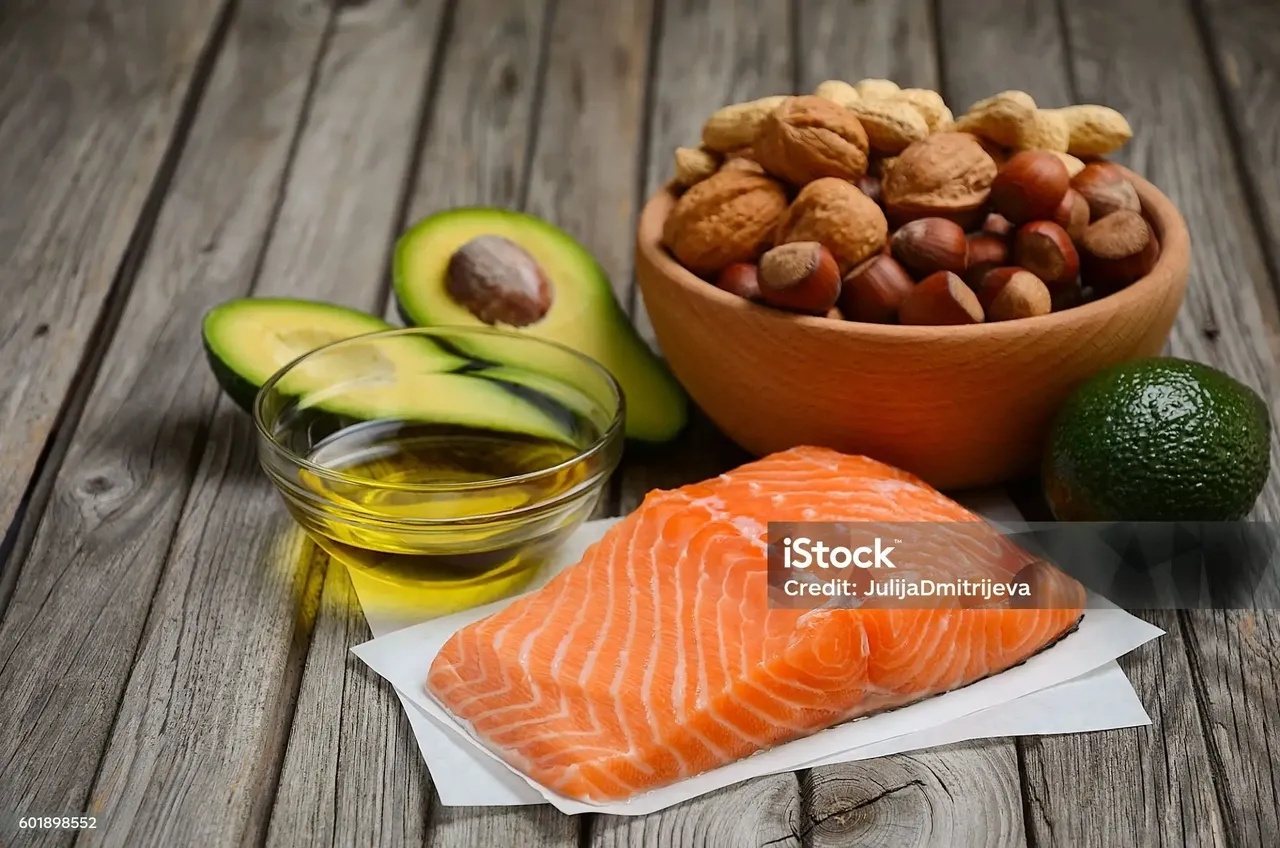
Familiarize yourself with macro-rich foods. Protein: chicken, Greek yogurt, tofu. Carbs: oats, rice, fruit. Fats: avocado, nuts, olive oil.

Is Macro Tracking Just for Bodybuilders and Athletes?

No. While popular in fitness, it’s a versatile tool useful for weight loss, managing health conditions, and breaking through diet plateaus.

The precision of macro tracking helps diverse groups. Someone aiming for weight loss can ensure a high-protein intake to preserve muscle while in a calorie deficit. A person with diabetes can carefully balance carb intake with protein and fat to manage blood sugar. Anyone stuck in a progress plateau can get objective data on what to adjust.

This finding is key because it reframes macro tracking from a niche bodybuilding tactic to a broadly applicable diagnostic tool for nutrition.

Your Application

If you have a specific, measurable goal (e.g., “lose 10 pounds,” “lower fasting blood sugar”), macro tracking can provide a clear nutritional map to get there.

What’s the Biggest Benefit of Counting Macros vs. Calories?

Macro tracking ensures nutritional balance and diet quality, whereas calorie counting alone can lead to deficiencies and poor energy.

A 1,500-calorie day of donuts and a 1,500-calorie day of chicken, veggies, and quinoa will have drastically different effects on your metabolism, hunger, and health. Macro tracking inherently promotes a balanced intake. It ensures you get enough protein to maintain muscle and enough fat to support hormones, which pure calorie counting ignores.

This is the major advantage. It builds nutritional awareness and prevents the common pitfall of being “calorie smart but macro poor.”

Your Application

Use a macro-tracking app. Notice how hitting your protein and fat targets with whole foods naturally crowds out processed options and fills you up.

Can You Really Eat Anything and Still Hit Your Macros?

Technically yes and this is “If It Fits Your Macros” (IIFYM) but prioritizing nutrient-dense foods is essential for health, energy, and satiety.

The flexibility is a major pro. You can budget for a slice of pizza or a cookie without “breaking” your diet. However, 40 grams of carbs from broccoli provides fiber, vitamins, and volume that 40 grams of carbs from candy does not. You might hit your numbers but feel hungry and sluggish.

This is the critical nuance: macros are a framework, not a food quality guide. The framework works best when filled with wholesome foods.

Your Application

Aim to meet 80-90% of your macros with whole, minimally processed foods. Use the remaining 10-20% for flexibility, ensuring you can sustain the plan long-term.

What Is the Most Common Mistake Beginners Make?

They focus solely on the macro numbers and neglect micronutrients (vitamins and minerals), fiber, and food quality.

Obsessing over grams can lead to a diet of protein shakes, processed bars, and “zero-sugar” snacks that lack essential vitamins and fiber. This can cause digestive issues, low energy, and nutrient deficiencies over time. Tracking is a tool, not an excuse to avoid vegetables.

This insight is vital for sustainability. Tracking should enhance your diet’s nutritional quality, not undermine it.

Your Application

Add a non-negotiable rule to your tracking: include at least one serving of vegetables in every meal and two servings of fruit daily to ensure micronutrient and fiber intake.

How Do You Know If Your Macro Split Is Right?

Your energy levels, hunger, workout performance, and progress toward your goal are the ultimate indicators not just hitting a predetermined percentage.

A common starting split for fat loss is 40% protein, 30% carbs, 30% fat. For muscle gain, it might be 30% protein, 40% carbs, 30% fat. However, these are starting points. If you feel constantly drained on 30% carbs, you may need to adjust. If you’re always hungry, more protein or fiber-rich veggies might help.

This is an iterative process. The best macro plan is the one you can stick to that gives you the energy to live well and make progress.

Your Application

Start with a reputable macro calculator. Use the recommended split for 2-3 weeks, then adjust based on your energy, recovery, and results. Increase carbs if training feels sluggish; increase protein or fats if hunger is high.

FAQ: Your Macro Tracking Questions, Answered

Q: Do I have to weigh and measure my food forever?
A: No. The goal is to build intuition. After 2-3 months of consistent tracking, most people develop a strong sense of portion sizes and can transition to more mindful eating, only tracking periodically for check-ins.

Q: What’s the best app for tracking macros?
A: MyFitnessPal and Cronometer are two of the most popular. Cronometer is excellent for tracking micronutrients alongside macros. MyFitnessPal has a larger food database. Choose based on whether you want simplicity or detailed nutrition data.

Q: Can macro tracking lead to an eating disorder?
A: It can exacerbate tendencies in individuals prone to obsessive behavior or disordered eating. If you have a history of these issues, macro tracking may not be appropriate. The focus should always be on health and performance, not perfection or control.

Q: How do I track meals I didn’t cook myself (like at a restaurant)?
A: Use the app’s database to find similar dishes, make your best estimate, and focus on the big picture. One imperfectly logged meal will not ruin your progress. Accuracy matters more for daily consistency than single entries.

Q: Is it necessary to hit my macros exactly every day?
A: Not at all. Think of your targets as a weekly average. Some days you’ll be under on carbs and over on fat, and that’s okay. Aim to be within 5-10 grams of each target most days, but avoid stress over minor deviations.

Final Thoughts

Macro tracking is a powerful lens through which to view your nutrition. It teaches you how food functions as fuel and empowers you to make intentional choices. For those with specific body composition or performance goals, it provides unmatched clarity.

However, it is a tool, not a dogma. Its greatest value lies in the nutritional literacy it builds the ability to look at a plate and understand its impact. Whether you track diligently for a season or simply use the principles to guide your choices, understanding macros puts you in the driver’s seat of your own health.

Ready to dial in your nutrition? Explore our guide to high-protein meal prep for muscle building at BeeFit.ai.

This article is for informational purposes only and is based on general nutritional guidelines. It is not a substitute for professional medical advice, diagnosis, or treatment. Always seek the advice of your physician or a registered dietitian before making any major changes to your diet, especially if you have a history of disordered eating.


Lab-Grown Meat: The Future of Food and Its Impact on Your Health

Quick Take

  • Lab-grown meat is made from animal cells in a bioreactor, not from slaughtered animals, making it a cruelty-free protein.
  • The FDA approved the first lab-grown meat for human consumption in 2022, though it remains rare in the marketplace.
  • Production occurs in a sterile environment, which drastically reduces the risk of common foodborne pathogens like E. coli and Salmonella.
  • Studies suggest cultivated meat could produce up to 96% fewer greenhouse gas emissions than conventional beef.

In 2022, the U.S. Food and Drug Administration (FDA) made headlines by approving lab-grown meat—also known as cell-cultured meat or cultivated meat—for human consumption. This revolutionary development has sparked conversations about the future of food, ethical eating, and sustainable alternatives to traditional meat production. Created from animal cells in a controlled environment, lab-grown meat promises to deliver the same taste and texture as conventional meat without the environmental and ethical concerns.

As of early 2024, lab-grown meat isn’t yet widely available, but it’s raising critical questions about its health benefits, production processes, and potential risks. Let’s dive deeper into what lab-grown meat is, how it’s made, and whether it deserves a spot on your plate.

What Is Lab-Grown Meat?

Lab-grown meat is biologically identical to traditional meat but doesn’t come from slaughtered animals. Instead, it’s cultivated from live animal cells in a lab. This innovation is designed to address the ethical, environmental, and health concerns associated with conventional meat production.

Here’s how it works:

  1. Cell Extraction: Scientists take a small sample of animal cells from a live animal, often without harming it.
  2. Cell Cultivation: The extracted cells are placed in a bioreactor—a large stainless steel tank—where they’re fed nutrients like proteins, carbohydrates, fats, vitamins, and minerals to mimic natural growth conditions.
  3. Muscle and Fat Formation: Over time, the cells grow and multiply, forming muscle and fat tissue, which are the primary components of meat.
  4. Harvesting and Processing: Once the tissue reaches the desired texture and structure, it’s harvested and processed into familiar forms like chicken breast, beef patties, or seafood.

This process creates a product that’s structurally and nutritionally identical to conventional meat, meaning it’s not technically vegetarian but is cruelty-free.

Is Lab-Grown Meat Healthy?

Lab-grown meat is designed to replicate the nutritional profile of traditional meat, but it also has the potential to be healthier. Here are some key benefits:

1. Free of Antibiotics and Hormones

Unlike factory-farmed meat, lab-grown meat doesn’t require antibiotics or growth hormones, reducing the risks of antibiotic resistance and hormonal imbalances in humans.

2. Reduced Risk of Foodborne Illness

Cultivated meat is produced in sterile environments, minimizing exposure to harmful bacteria like E. coli and Salmonella, which are common in conventionally farmed meat.

3. Potential for Nutritional Customization

Lab-grown meat can be tailored to include healthier fats, like omega-3 fatty acids, or higher protein levels. Manufacturers could also reduce saturated fat content, making it more heart-friendly.

4. Elimination of Environmental Toxins

Traditional meat can sometimes carry environmental toxins from contaminated feed or water. Lab-grown meat offers a more controlled production environment, reducing such risks.

That said, the long-term health effects of consuming lab-grown meat are not yet fully understood, and more research is needed to confirm its safety and nutritional equivalence.

Ethical and Environmental Advantages

Lab-grown meat isn’t just about health—it’s also about sustainability and ethics.

1. Cruelty-Free Production

Unlike traditional meat production, lab-grown meat eliminates the need for animal slaughter. For individuals concerned about animal welfare, this is a game-changer.

2. Environmental Sustainability

  • Lower Greenhouse Gas Emissions: Studies suggest lab-grown meat could produce up to 96% fewer greenhouse gas emissions than conventional meat.
  • Reduced Resource Use: Cultivated meat requires significantly less water and land, making it a more sustainable option for a growing global population.

3. Potential to Address Food Insecurity

Lab-grown meat could be produced in urban areas or regions where traditional farming isn’t feasible, increasing access to protein sources.

Are There Any Risks?

Despite its potential, lab-grown meat isn’t without concerns:

1. Microbial Contamination

While lab-grown meat is produced in sterile conditions, there’s still a risk of microbial contamination during production or processing.

2. Allergens

Since cultivated meat is biologically identical to conventional meat, it may trigger the same allergies. Additionally, new allergens could emerge during the production process, requiring further study.

3. Unknown Long-Term Effects

Because lab-grown meat is a relatively new innovation, its long-term effects on health and nutrition remain unknown.

4. High Costs

Lab-grown meat is expensive to produce. The first lab-grown burger in 2013 cost a staggering $333,000. While production costs have dropped significantly, making it affordable for the average consumer remains a challenge.

When Will Lab-Grown Meat Be Available?

Although the FDA has approved lab-grown meat for human consumption, it’s not yet widely available in grocery stores or restaurants. As of 2024, cultivated meat is mostly being introduced in niche markets, such as high-end restaurants.

Production costs, scaling challenges, and consumer acceptance are key barriers to its widespread availability. However, as technology improves, lab-grown meat is expected to become more accessible and affordable.

A Balanced Perspective: Is Lab-Grown Meat for You?

Lab-grown meat has the potential to revolutionize the food industry. It addresses critical issues like sustainability, food safety, and animal welfare, making it an appealing option for environmentally conscious consumers. However, it’s not without its drawbacks, including high production costs and unknown long-term effects.

If you’re curious about lab-grown meat, here’s what you can do:

  • Stay informed about FDA updates and new product launches.
  • Look for lab-grown meat at high-end restaurants or specialty retailers as it becomes more available.
  • Continue prioritizing a balanced diet that includes a variety of protein sources, whether plant-based, traditional, or lab-grown. 

FAQ: Your Lab-Grown Meat Questions, Answered

Q: Is lab-grown meat actually meat?
A: Yes. It is biologically and nutritionally identical to conventional meat because it is made from real animal cells. The difference lies in how it’s produced—in a lab instead of on a farm.

Q: Is lab-grown meat vegan or vegetarian?
A: No. While no animal is slaughtered in the process, the product originates from animal cells. It is not considered vegan, and many vegetarians may also avoid it. It is best described as “cruelty-free” meat.

Q: Is lab-grown meat safe to eat?
A: The FDA has deemed it safe for human consumption after rigorous review. The sterile production environment also minimizes risks like bacterial contamination. However, as a very new food, long-term health studies are ongoing.

Q: When will I be able to buy it at the grocery store?
A: Widespread retail availability is likely still years away. Initial launches are focused on select high-end restaurants. The main barriers are scaling up production and reducing costs to make it affordable for consumers.

Q: What are the biggest downsides to lab-grown meat?
A: The primary concerns are its high current production cost, the significant energy required to run bioreactors, and the unknown long-term health and environmental impacts at a global scale.

The Bottom Line

Lab-grown meat is a promising innovation that offers ethical, environmental, and potential health benefits. It’s cruelty-free, may reduce foodborne illnesses, and has a lower environmental footprint than conventional meat. However, questions about its long-term safety and affordability remain.

As this technology evolves, lab-grown meat could become a staple in the American diet, transforming how we think about food production and consumption. For now, it’s worth keeping an eye on this groundbreaking development in the food industry.

This article is based on my personal experiences and opinions. It is not intended as medical advice or a substitute for professional guidance. Always consult a qualified professional or healthcare provider for personalized advice regarding your health and wellness.  

Sources

  • Food and Drug Administration. FDA completes first pre-market consultation for human food made using animal cell culture technology.
  • Centers for Disease Control and Prevention. Zoonotic diseases.
  • Food and Agriculture Organization of the United Nations and World Health Organization. Food safety aspects of cell-based food.
  • Journal of Food Science and Technology. Conceptual evolution and scientific approaches about synthetic meat.

The Health Benefits of Organ Meats

 Quick Take

  • A 100-gram serving of beef liver provides over 2,000% of your daily Vitamin B12 needs and is one of the richest sources of choline.
  • Organ meats like liver, heart, and kidney are significantly more nutrient-dense than muscle meats like steak or chicken breast.
  • The high purine content in organ meats can trigger gout flare-ups in susceptible individuals.
  • Consuming liver in moderation is key, as its extremely high Vitamin A content can be toxic in excessive amounts.

When we think about meat in the typical Western diet, staples like chicken breasts, pork chops, and steaks come to mind. Yet, there’s a whole category of meat that is often overlooked in mainstream cuisine, organ meats, also called offal. These include nutrient-dense options such as liver, kidneys, heart, and tongue, which have been dietary staples in many cultures around the world for centuries.

Though not as common in modern American diets, organ meats are making a resurgence among health-conscious individuals for their incredible nutritional benefits. Let’s explore what organ meats are, why they deserve a spot on your plate, and how you can prepare them to maximize their health potential.

What Are Organ Meats?

Organ meats refer to the edible internal organs of animals. These include a variety of options such as liver, kidneys, heart, spleen, and tongue. In many cultures, organ meats are not only a delicacy but also a highly valued nutritional powerhouse.

Regions like Southeast Asia, Africa, and parts of Europe regularly incorporate organ meats into their cuisine. Even in certain parts of the United States, particularly the South, dishes featuring liver or chitlins (fried pig intestines) are considered staples. However, the popularity of these meats has waned over time in favor of lean muscle cuts. But why have organ meats persisted in traditional diets for so long? The answer lies in their nutrient density.

Health Benefits of Organ Meats

1. Packed With High-Quality Protein

Protein is the building block of life, essential for everything from muscle repair to hormone production. Organ meats are particularly rich in high-quality protein, which contains all nine essential amino acids needed by the body. This makes them a complete protein source, ideal for muscle growth and overall health.

For example, beef liver provides about 20 grams of protein per 100-gram serving, while pork tongue offers approximately 17 grams per serving. Protein from organ meats can also play a role in combating age-related muscle loss (sarcopenia), particularly when paired with resistance training.

Source: MedlinePlus

2. Rich in Essential B Vitamins

Organ meats are loaded with B vitamins, which are critical for energy production, brain function, and red blood cell formation. Two standout B vitamins found in organ meats are:

  • Vitamin B12: Known for supporting nerve health and DNA synthesis, B12 is crucial for maintaining energy levels and overall vitality. A 100-gram serving of beef liver contains a staggering 59 micrograms of B12, which is more than 2,000% of your daily value.
  • Vitamin B6: This vitamin helps your body metabolize protein and supports brain health. Beef liver contains nearly 100% of your daily B6 needs in just one serving.

These vitamins are particularly beneficial for individuals following high-protein diets or those experiencing fatigue, as they play a direct role in energy metabolism.
Source: Office of Dietary Supplements

3. A Natural Source of Vital Minerals

Organ meats are a treasure trove of essential minerals such as iron, zinc, and selenium. These minerals play pivotal roles in bodily functions like oxygen transport, immune defense, and metabolism.

  • Iron: Found abundantly in liver, iron helps carry oxygen throughout the body and supports energy production. Liver from beef or chicken can supply 28–50% of your daily iron needs in just 100 grams.
  • Zinc: Known for boosting immunity and aiding in wound healing, zinc is present in significant amounts in organs like liver, kidneys, and heart.
  • Selenium: This mineral acts as a powerful antioxidant, reducing oxidative stress and supporting thyroid health. Organ meats like liver and kidneys are excellent sources of selenium.

Including organ meats in your diet is an efficient way to meet your daily mineral requirements.
Source: National Institutes of Health

4. High in Choline for Brain and Muscle Health

Choline is an underrated nutrient that plays a critical role in cognitive function, mood regulation, and muscle control. It is particularly important for brain development in infants and young children. Yet, most Americans fail to meet their daily choline needs.

Beef liver is one of the richest natural sources of choline, with 333 milligrams per 100 grams—meeting 60% of the recommended daily intake. Adding organ meats to your diet can help address this common nutrient gap.
Source: National Institutes of Health

Organ Meats vs. Muscle Meats

Both organ meats and muscle meats have their benefits, but organ meats tend to be significantly more nutrient-dense. For example:

  • Liver contains exponentially higher amounts of vitamin A and B12 compared to lean muscle cuts like chicken breast or steak.
  • Organ meats also deliver more minerals like iron and selenium, making them an efficient way to boost your overall nutrient intake.

Potential Risks of Organ Meats

While organ meats are incredibly nutritious, they should be consumed in moderation due to the following potential risks:

  • High in Purines: Individuals prone to gout should limit organ meats as they can raise uric acid levels.
  • Vitamin A Toxicity: Liver is especially rich in vitamin A, and consuming too much can lead to toxicity, causing symptoms like nausea and headaches. Pregnant individuals should exercise caution.
  • Risk of Non-Alcoholic Fatty Liver Disease (NAFLD): Some studies suggest that excessive organ meat consumption may contribute to NAFLD, though more research is needed.

If you have pre-existing health conditions, consult a healthcare provider before adding organ meats to your diet.
Source: British Journal of Nutrition

How to Safely Prepare and Incorporate Organ Meats

  1. Choose High-Quality Sources: Opt for organic, grass-fed, or pasture-raised organ meats whenever possible.
  2. Cook Thoroughly: Cook organ meats to an internal temperature of 160°F (beef, lamb, pork) or 165°F (poultry) to reduce the risk of foodborne illness.
  3. Start Small: If you’re new to organ meats, start with milder options like chicken liver or beef tongue, which are more palatable.

Delicious Ways to Include Organ Meats in Your Diet

  • Liver Pâté: Spread on whole-grain toast for a nutrient-packed snack.
  • Meatballs: Mix ground liver into your favorite meatball recipe for an added boost of vitamins and minerals.
  • Hearty Soups: Add tripe or kidney to your next pot of stew.
  • Grilled Delicacies: Grill lamb hearts or beef tongue and pair with roasted vegetables. 

FAQ: Your Organ Meats Questions, Answered

Q: What is the most nutritious organ meat to try first?
A: Beef or chicken liver is the most nutrient-dense and widely available. For a milder flavor, chicken liver is often the best “starter” organ meat and is excellent in pâtés or mixed into ground meat dishes.

Q: I’ve heard liver is toxic because it stores toxins. Is this true?
A: This is a common misconception. While the liver’s function is to filter toxins, it does not store them; it neutralizes and excretes them. The nutrients are stored. Choosing liver from healthy, pasture-raised animals further minimizes any potential concerns.

Q: How often should I eat organ meats?
A: Due to their potent nutrient density, a small amount goes a long way. For most people, consuming a 3-4 ounce (85-115g) serving of liver once a week is sufficient to gain significant benefits without risk of Vitamin A toxicity. Other organs like heart or kidney can be eaten more frequently.

Q: Are organ meats suitable for a keto or carnivore diet?
A: Absolutely. Organ meats are zero-carb, high-protein, and high-fat, making them perfectly aligned with ketogenic and carnivore dietary approaches. They are encouraged to provide a broader spectrum of nutrients that muscle meat alone may lack.

Q: What’s the best way to make organ meats taste good if I’m new to them?
A: The key is to blend them into familiar dishes. Finely grind liver and mix it into ground beef for burgers, chili, or meatloaf (a 1:4 ratio is a good start). Soaking liver in milk or lemon juice before cooking can also mellow its strong flavor. Heart and tongue have a more muscle-meat-like texture and are easier to enjoy as steaks or in stews.

The Bottom Line

Organ meats are among the most nutrient-dense foods available, offering unparalleled amounts of vitamins, minerals, and protein. Incorporating them into your diet, even occasionally, can provide significant health benefits while reducing food waste. However, moderation and variety are key. Pair organ meats with other nutrient-rich whole foods for a balanced diet.

This article is based on personal research and experiences and is not intended as medical advice. Always consult a healthcare professional for tailored guidance.

Saturated vs. Unsaturated Fat: Which Is Better for Your Health?

Quick Take

  • The relationship between saturated fat and heart disease is complex, with recent large studies finding no direct link for the general population.
  • Olive oil is a standout; consuming over 0.5 tablespoons daily is linked to a 14% lower risk of heart disease.
  • The type of saturated fat matters: long-chain fats in red meat behave differently than medium-chain fats in coconut oil.
  • Health guidelines recommend keeping saturated fat under 10% of daily calories, with unsaturated fats making up the majority of fat intake.

Fat is an essential nutrient that fuels your body, supports hormone production, and helps absorb key vitamins. But not all fats function the same way in your body. Understanding the differences between saturated and unsaturated fats can help you make smarter dietary choices for long-term health.

Here’s a breakdown of how these fats compare, their impact on health, and practical ways to include the right types in your diet.

What Is Saturated Fat?

Saturated fats have a simple molecular structure with no double bonds, meaning they are packed with hydrogen atoms. This makes them solid at room temperature and commonly found in animal products and certain tropical oils.

Common Sources of Saturated Fat:

  • Butter
  • Lard
  • Coconut oil
  • Palm oil
  • Red meat
  • Heavy cream
  • Cheese

For decades, health guidelines have advised limiting saturated fats due to concerns about heart disease. However, recent research challenges the idea that all saturated fat is harmful.

Health Effects of Saturated Fat

Heart Health

Saturated fats have been linked to higher LDL (“bad”) cholesterol, which can increase the risk of heart disease. However, newer studies suggest a more complex picture:

  • A 2021 review found no direct link between saturated fat intake and increased heart disease risk.
  • The PURE study, which tracked 135,000 people over 10 years, found no association between saturated fat consumption and heart disease, stroke, or cardiovascular death.

Type Matters

Not all saturated fats act the same way in the body.

  • Short-chain saturated fatty acids (SCSFAs): Produced in the gut from fiber fermentation and may benefit digestion.
  • Medium-chain saturated fatty acids (MCSFAs): Found in coconut oil and dairy, and linked to faster energy metabolism.
  • Long-chain saturated fatty acids (LCSFAs): Found in red meat and butter, and associated with higher cholesterol levels.

Cancer Risk

Some studies suggest high saturated fat intake may increase the risk of colorectal cancer, but more research is needed to confirm this connection.

What Is Unsaturated Fat?

Unsaturated fats are liquid at room temperature and generally considered the healthier type of fat. They come in two main forms:

  • Monounsaturated fats: Contain one double bond.
  • Polyunsaturated fats: Contain multiple double bonds.

Common Sources of Unsaturated Fat:

  • Monounsaturated fats: Olive oil, avocados, nuts, canola oil.
  • Polyunsaturated fats: Fatty fish (salmon, mackerel), walnuts, flaxseeds, sunflower oil.

Health Effects of Unsaturated Fat

Supports Heart Health

  • A 2020 study found that people who consumed more than 0.5 tablespoons of olive oil daily had a 14% lower risk of heart disease.
  • Plant-based monounsaturated fats, like those in nuts and avocados, were linked to a 20% lower risk of death from heart disease compared to saturated fats.

Reduces Inflammation

Polyunsaturated fats, especially omega-3 fatty acids, have powerful anti-inflammatory effects.

  • DHA and EPA, found in fatty fish, help lower inflammation and reduce the risk of heart disease and arthritis.

May Lower Cancer and Chronic Disease Risk

Studies suggest that diets high in unsaturated fats are linked to lower risks of cancer and improved longevity.

How Much Fat Should You Eat?

Health organizations recommend balancing fat intake to support overall health:

  • Total fat: 20–35% of daily calories (based on a 2,000-calorie diet).
  • Saturated fat: No more than 10% of daily calories, ideally less than 6%.
  • Unsaturated fat: Should make up the majority of fat intake.

For someone consuming 2,000 calories a day, this means:

  • Less than 13 grams of saturated fat daily.
  • Prioritizing unsaturated fats from plant-based sources like olive oil, nuts, and avocados.

How to Make Better Fat Choices

Switch to Healthier Cooking Oils

Replace butter and margarine with olive oil, avocado oil, or canola oil.

Snack on Nuts and Seeds

Almonds, walnuts, and chia seeds provide healthy fats and essential nutrients.

Include Fatty Fish in Your Diet

Aim for two servings of fatty fish per week for heart-protective omega-3s.

Moderate Red Meat Consumption

Choose leaner cuts, swap in plant-based proteins, or eat poultry and fish more often.

Limit Processed and Fried Foods

Many processed foods contain unhealthy trans fats, which should be avoided entirely.

Quick Comparison: Saturated vs. Unsaturated Fat

Saturated fats are primarily found in animal products and tropical oils, while unsaturated fats come mostly from plant-based foods and fish. Saturated fats have been linked to increased LDL (“bad”) cholesterol, though recent research suggests the relationship with heart disease is not as straightforward as once believed. On the other hand, unsaturated fats actively improve cholesterol balance and support overall heart and brain health.

Unsaturated fats, particularly those from sources like olive oil, nuts, and fatty fish, have strong anti-inflammatory properties and are associated with a lower risk of chronic diseases. While saturated fats can be included in moderation as part of a balanced diet, prioritizing unsaturated fats is the best approach for long-term health. 

FAQ: Your Dietary Fat Questions, Answered

Q: Is butter bad for me?
A: Not inherently, but it should be used in moderation. Butter is high in long-chain saturated fats, which can raise LDL (“bad”) cholesterol for some people. For everyday cooking, oils like olive or avocado oil are healthier primary choices, with butter used occasionally for flavor.

Q: What’s the healthiest oil for cooking?
A: For medium-heat cooking, olive oil and avocado oil are excellent choices due to their high monounsaturated fat content and stability. For high-heat searing, avocado oil and refined coconut oil have higher smoke points. Avoid reusing oils multiple times.

Q: I keep hearing coconut oil is a “superfood.” Is it healthy?
A: It’s neutral to slightly beneficial for some. Coconut oil is unique—it’s mostly saturated fat, but rich in Medium-Chain Triglycerides (MCTs) that are metabolized differently. It may slightly raise HDL (“good”) cholesterol but can also raise LDL. It’s not a heart-healthy oil to use in excess; view it as an occasional alternative, not a daily staple.

Q: Are all unsaturated fats equally good?
A: Mostly, but there’s a hierarchy. Monounsaturated fats (olive oil, avocados, nuts) and omega-3 polyunsaturated fats (fatty fish, walnuts, flaxseeds) are the healthiest. Omega-6 polyunsaturated fats (common in soybean, corn oil) are essential but are over-consumed in modern diets; balancing them with more omega-3s is ideal.

Q: Should I actively try to lower my cholesterol by avoiding saturated fat?
A: It depends on your individual health. If you have high LDL cholesterol, familial hypercholesterolemia, or existing heart disease, reducing saturated fat is a primary dietary strategy. For a generally healthy individual, the focus should be on an overall balanced diet rich in plants, fiber, and unsaturated fats, rather than obsessive fat avoidance.

Additional Reading:

By understanding the differences between saturated and unsaturated fats, you can make informed choices to support your health goals while enjoying a diverse and flavorful diet.

This article is based on my personal experiences and opinions. It is not intended as medical advice or a substitute for professional guidance. Always consult a qualified professional or healthcare provider for personalized advice regarding your health and wellness.  

Dark Chocolate: From Guilty Pleasure to Health Powerhouse

Quick Take

  • Dark chocolate with 70%+ cocoa has five times more flavonoids than milk chocolate, making it a top antioxidant food.
  • Studies show cocoa improves cardiovascular health by lowering blood pressure, reducing “bad” LDL cholesterol, and supporting artery function.
  • The magnesium and prebiotic fiber in dark chocolate support muscle relaxation, energy production, and a healthy gut microbiome.
  • For maximum benefit, limit intake to 1 ounce (about 30g) per day, as it is still calorie-dense.

What if a daily indulgence could be a legitimate part of your health strategy? This is the reality with dark chocolate. When you choose a bar with a high cocoa percentage, you’re not just eating a treat; you’re consuming one of the most potent and enjoyable sources of antioxidants on the planet.

The key is in the cocoa solids. Milk chocolate is dominated by sugar and milk fat, diluting the beneficial compounds. True dark chocolate, however, is a concentrated source of flavonoids, minerals, and fiber. This guide breaks down the science-backed benefits, showing you exactly how a small, daily square can support your heart, brain, and gut.

Is Dark Chocolate Really Good for Your Heart?

Yes. The flavonoids in dark chocolate actively improve several key markers of cardiovascular health.

These plant compounds boost the production of nitric oxide in your blood vessels. This causes them to relax and dilate, improving blood flow and lowering blood pressure. Research also shows that dark chocolate can reduce the oxidation of LDL (“bad”) cholesterol, a critical step in the development of plaque in arteries.

A 2022 review of 31 studies confirmed that cocoa consumption helps reduce blood pressure.

This finding is powerful because it positions dark chocolate as a functional food, not just a neutral snack. Its compounds have a direct, positive physiological effect on your circulatory system.

Your Application

For heart health, aim for 1 ounce (about 30g) daily of chocolate with 70-85% cocoa. Think of it as a supplement, not a dessert.

Can a Sweet Treat Actually Reduce Inflammation?

Absolutely. The polyphenols in dark chocolate are potent anti-inflammatory agents that can lower systemic inflammation.

Chronic, low-grade inflammation is a driver of nearly every modern disease, from diabetes to arthritis. Studies show that consuming dark chocolate reduces blood levels of inflammatory markers like C-reactive protein (CRP). It does this by modulating the activity of immune cells and protecting tissues from oxidative stress.

This benefit is crucial because it gets at the root cause of many health issues. Incorporating anti-inflammatory foods like dark chocolate is a proactive strategy for long-term wellness.

Your Application

Pair your daily dark chocolate with other anti-inflammatory foods like berries or almonds for a synergistic effect.

How Does Dark Chocolate Support Brain Function?

It enhances blood flow to the brain and provides key nutrients that protect cognitive health.

The same flavonoid-driven improvement in blood vessel function benefits your brain. Increased cerebral blood flow delivers more oxygen and nutrients, which can sharpen focus, reaction time, and memory in the short term. Over the long term, these effects, combined with powerful antioxidants, may help protect neurons and lower the risk of neurodegenerative diseases.

This makes dark chocolate a unique brain food. It offers both immediate cognitive perks from better blood flow and long-term protective benefits from its antioxidant shield.

Your Application

Enjoy a square of dark chocolate during an afternoon slump instead of a sugary snack. It can provide a focused energy boost without a crash.

What Essential Minerals Does Dark Chocolate Provide?

A single ounce is a surprisingly rich source of magnesium, iron, and copper, minerals many people lack.

Magnesium is involved in over 300 bodily processes, including muscle and nerve function. Iron is essential for oxygen transport in your blood. Copper supports energy production and iron metabolism. A deficiency in any of these can lead to fatigue, cramps, and brain fog.

This is impactful because it turns a treat into a meaningful source of hard-to-get minerals, especially for those on plant-based diets who may struggle with iron absorption.

Your Application

Check the nutrition label. A quality dark chocolate bar should list a significant percentage of your Daily Value for these minerals.

Is There a Connection Between Dark Chocolate and Gut Health?

Yes. The fiber and polyphenols in dark chocolate act as prebiotics, feeding the beneficial bacteria in your gut.

Your gut microbiome thrives on specific types of fiber that you can’t digest, but your good bacteria can. Cocoa is rich in these compounds. A 2022 study found that eating 30 grams of 85% dark chocolate daily increased gut bacteria diversity, which is a key marker of a healthy microbiome. A healthier gut is linked to improved digestion, mood, and immunity.

This benefit reframes dark chocolate. It’s not just food for you; it’s food for the trillions of microbes that support your overall health.

Your Application

For gut health, choose the highest cocoa percentage you enjoy (85% or more) to maximize prebiotic fiber and minimize sugar, which can feed harmful bacteria.

Can Dark Chocolate Help with Weight Management?

When used strategically, yes. Its intense flavor and satisfying richness can curb cravings for sweeter, less healthy snacks.

Dark chocolate is far more satiating than milk chocolate due to its lower sugar content and higher density of fats and fiber. Eating a small piece slowly can satisfy a sweet tooth, preventing overconsumption of empty calories later. Compounds in cocoa may also support healthy metabolism.

The key insight is moderation and mindfulness. It’s a tool for satisfaction, not a license to overindulge.

Your Application

Keep a bar of high-percentage dark chocolate on hand. When a craving hits, have one deliberate square, let it melt on your tongue, and enjoy it fully. This often eliminates the desire for more.

FAQ: Your Dark Chocolate Questions, Answered

Q: What’s the healthiest percentage of dark chocolate?
A: 70% cocoa or higher. This ensures a high concentration of beneficial flavonoids and minimal added sugar. The higher the percentage, the lower the sugar content, with 85-90% being optimal for health (though more bitter).

Q: Is Dutch-processed or alkalized chocolate less healthy?
A: Yes. The “Dutching” process reduces the bitterness but destroys a significant portion of the healthy flavonoids. For maximum health benefits, look for labels that say “non-alkalized” or simply list a high cocoa percentage from natural cocoa.

Q: How much dark chocolate should I eat per day?
A: The research-based sweet spot is about 1 ounce (28-30 grams) per day. This is roughly one individual square from a large bar. This amount provides benefits without excessive calories, fat, or caffeine.

Q: Are there any downsides to eating dark chocolate?
A: In excess, yes. It is calorie-dense and can contribute to weight gain. It contains caffeine and theobromine, which may affect sensitive individuals. Some cheaper brands may contain heavy metals (like lead and cadmium) from soil; choosing reputable brands can mitigate this risk.

Q: Is dark chocolate okay for people with diabetes?
A: It can be, in very small, controlled amounts. The high flavonoid content may actually improve insulin sensitivity. However, it still contains carbs and sugar. A person with diabetes should consult their doctor, choose very high-percentage chocolate (85%+), and strictly limit portion size to a few small squares, factoring it into their meal plan.

The Bottom Line

Dark chocolate is a rare example of a health food that requires no sacrifice. By choosing a high-quality bar with minimal processing, you transform a simple pleasure into a strategic tool for wellness. Its benefits from a happier heart and sharper brain to a more diverse gut microbiome are backed by robust science.

Embrace it not as a cheat, but as a deliberate, functional part of a balanced diet. Let that daily square be a moment of mindfulness and a direct investment in your vitality.

Curious about other functional foods? Discover the powerful health benefits of everyday spices in our guide at BeeFit.ai.

This article is for informational purposes only and is based on scientific research. It is not a substitute for professional medical advice, diagnosis, or treatment. Always seek the advice of your physician or other qualified health provider with any questions you may have regarding a medical condition or dietary changes.

Can You Enjoy Coffee on the Mediterranean Diet?

Quick Take

  • Coffee’s rich polyphenol content complements the antioxidant-rich foundation of the Mediterranean diet.
  • A review of studies links moderate coffee consumption (2-5 cups/day) to significant reductions in Alzheimer’s and colon cancer risk.
  • The Mediterranean approach emphasizes drinking coffee mindfully, without sugary additives, as part of a social ritual.
  • Adding spices like cinnamon or cardamom enhances flavor and adds anti-inflammatory benefits true to the diet’s principles.

The Mediterranean diet is celebrated not just for its foods, but for its lifestyle—a rhythm of fresh, seasonal eating, convivial meals, and mindful enjoyment. At the heart of this daily rhythm, often shared among friends at a café table, is a simple cup of coffee. Far from being an afterthought, coffee is a natural and beneficial component of this way of living.

This isn’t about hurriedly drinking a large, sweetened latte on your commute. It’s about the ritual of a small, strong espresso enjoyed slowly. This guide explores how coffee’s science-backed benefits align perfectly with the Mediterranean philosophy and how to enjoy your cup in a way that truly honors this healthful tradition.

Is Coffee Considered a Healthy Part of the Mediterranean Diet?

Yes. In moderation, coffee is viewed as a beneficial beverage that shares key traits with the diet’s core foods: it is plant-based, rich in antioxidants, and consumed for both pleasure and health.

The Mediterranean diet prioritizes foods with high antioxidant capacity, like olive oil, berries, and leafy greens. Coffee is one of the richest dietary sources of polyphenols, particularly chlorogenic acids, which fight inflammation and oxidative stress. This shared antioxidant profile seamlessly integrates coffee into the diet’s health-promoting framework.

This finding reframes coffee from a mere caffeine vehicle to a functional beverage that actively supports the same cellular health goals as the diet’s iconic foods.

Your Application

Enjoy your coffee as you would a glass of red wine or a plate of olives mindfully, in moderation, and preferably in good company.

What Does the Research Say About Coffee and Chronic Disease Risk?

Extensive observational research links moderate, regular coffee consumption to a markedly lower risk of several chronic diseases prevalent in Western societies.

Large-scale reviews show compelling associations. For cognitive health, coffee drinkers have a significantly reduced risk of Alzheimer’s disease. For metabolic health, each additional daily cup is linked to a lower risk of developing Type 2 diabetes. For cancer, evidence points to a protective effect against certain types, like liver and colorectal cancers.

Regular coffee consumption is tied to a 65% lower risk of Alzheimer’s disease and slower cognitive decline.

This evidence is powerful because it positions habitual coffee drinking as a potential long-term protective habit, aligning perfectly with the Mediterranean diet’s focus on lifelong wellness and disease prevention.

Your Application

Aim for consistency with 2-4 cups per day (staying under 400mg of caffeine), rather than occasional high intake, to align with the beneficial patterns seen in research.

How Do You Drink Coffee “The Mediterranean Way”?

It’s prepared simply, consumed without refined sugars, and savored slowly as part of a social or relaxing moment.

The classic Mediterranean coffee is an espresso or a small, strong brew. It is typically unsweetened or lightly sweetened with a touch of honey. It’s served in a small cup, encouraging you to slow down. The ritual often involves stepping away from work to enjoy it at a café with a friend or taking a quiet pause in the afternoon.

This practice embodies the diet’s core tenets of mindfulness and community. The focus is on the experience and the connection, not just the caffeine.

Your Application

Transform your coffee break. Step away from your desk. If possible, share it with someone. Sip slowly, and avoid drowning it in sugar, syrups, or large amounts of cream.

What Are the Best Mediterranean-Inspired Additions to Coffee?

Skip the flavored syrups. Instead, use spices like cinnamon or cardamom, a dash of pure cocoa, or a small amount of whole milk or oat milk.

These additions are true to the diet’s ingredient philosophy. Cinnamon and cardamom are traditional Mediterranean spices with their own anti-inflammatory properties. A small splash of whole milk adds creaminess without the need for sweeteners. For a dairy-free option, unsweetened almond or oat milk are excellent choices that keep added sugars minimal.

This approach enhances flavor and health benefits without undermining the beverage’s natural goodness, unlike standard sugar-laden coffee shop drinks.

Your Application

Keep cinnamon, unsweetened cocoa powder, and vanilla extract on hand. Experiment by adding a pinch to your coffee grounds before brewing or stirring a sprinkle into your cup.

Are There Any Downsides to Coffee in This Diet?

Potential downsides arise only when the Mediterranean principles are ignored: excessive intake, loading it with sugar, or consuming it in a stressed, rushed state.

The diet’s magic lies in balance and quality. Six large coffees a day disrupts balance. A mega-sized mocha full of syrup compromises quality. Drinking it anxiously on the go negates the mindful ritual. For some individuals with specific conditions like GERD or anxiety disorders, even moderate coffee may need limitation.

This highlights that context is everything. The beverage itself is neutral to positive; it’s our habits that determine its place in a healthy lifestyle.

Your Application

Listen to your body. If coffee makes you jittery or disrupts your sleep, cut back or avoid it after noon. Always prioritize pure, simple preparations over complicated, sugary ones.

FAQ: Your Mediterranean Diet & Coffee Questions, Answered

Q: How many cups of coffee per day is “moderate” in the Mediterranean context?
A: Most health authorities define moderate intake as 3-4 standard cups (providing up to 400mg of caffeine). In Mediterranean cultures, this often looks like 2-3 small, strong servings like espressos throughout the day.

Q: Is it okay to add sugar to my coffee on this diet?
A: The diet minimizes refined sugar. If you need sweetness, opt for a tiny amount of honey, a date, or a sprinkle of cinnamon which provides the perception of sweetness without the sugar spike. The goal is to appreciate coffee’s natural flavor.

Q: What’s the difference between having coffee with a pastry versus with a piece of fruit?
A: This choice encapsulates the diet’s philosophy. Pairing coffee with fresh fruit or a handful of nuts aligns with its focus on whole foods. A processed pastry, however, introduces refined flour and sugars, moving away from the diet’s core principles. The coffee is the same; the companion food makes the difference.

Q: Can I drink decaf coffee and still get the benefits?
A: Yes, many of the antioxidant and polyphenol benefits are present in decaffeinated coffee. If you are sensitive to caffeine, decaf is an excellent way to participate in the ritual and gain the non-caffeine related health perks.

Q: What time should I stop drinking coffee on this diet?
A: To protect the Mediterranean priority of quality sleep, it’s wise to avoid caffeine at least 6-8 hours before bedtime. For most, this means cutting off coffee consumption by mid-afternoon.

Final Thoughts

In the Mediterranean diet, coffee is more than a drink; it’s a testament to a philosophy. It represents the synergy between pleasure and health, the importance of pause in a busy day, and the value of connection. By choosing high-quality beans, preparing them simply, and savoring them mindfully, you do more than just consume caffeine. You participate in a timeless ritual that nourishes the body and the spirit, cup by cup.

To explore the full spectrum of this lifestyle, read our complete beginner’s guide to the Mediterranean diet at BeeFit.ai.

This article is for informational purposes only and is based on scientific research and cultural practices. It is not a substitute for professional medical advice, diagnosis, or treatment. Always seek the advice of your physician or other qualified health provider with any questions you may have regarding a medical condition or dietary changes. Individual tolerance to caffeine varies.