BeeFit: Fitness & Wellness

The 5 Hidden Micronutrients That Supercharge Your Metabolism

Quick Take

  • Magnesium activates over 300 enzyme systems, many of which directly convert food into usable energy.
  • Low Vitamin D levels are linked to higher body fat percentage and impaired fat metabolism.
  • Iron is essential for oxygen transport to muscles; a deficiency drastically reduces workout efficiency and metabolic rate.
  • B vitamins (B6, B12, Folate) are coenzymes that unlock energy from carbs, fats, and proteins.

While protein and fiber get the headlines for weight management, true metabolic efficiency happens at the microscopic level. Vitamins and minerals are the essential cofactors—the spark plugs and catalysts—that enable every fat-burning and energy-producing process in your body. A deficiency in even one can act like a metabolic handbrake, stalling progress no matter how clean you eat.

This guide focuses on the five most critical micronutrients for metabolism. We’ll explain not just what they do, but how a shortfall undermines your efforts and the most effective ways to ensure you’re getting enough.

How Does Magnesium Actually Power Your Metabolism?

It acts as a mandatory cofactor for the enzymes that convert food into ATP (adenosine triphosphate), your body’s primary energy currency.

Think of your metabolism as an assembly line. Magnesium is the essential worker required at over 300 stations along that line, particularly in glycolysis (breaking down glucose) and the Krebs cycle (producing energy). Without sufficient magnesium, these processes slow down, leading to inefficient energy production and increased fatigue.

Dr. Carolyn Dean, author of The Magnesium Miracle, highlights magnesium’s role in preventing fatigue and supporting metabolic health.

This is crucial because marginal magnesium deficiency is common. It doesn’t just cause cramps; it subtly lowers your metabolic engine’s RPM, making you feel tired and burning fewer calories at rest.

Your Application

Prioritize magnesium-rich foods daily: a handful of almonds, spinach in a smoothie, or black beans in a salad. If supplementing, choose magnesium glycinate for better absorption.

Is Vitamin D a True “Fat Regulator”?

Yes. Vitamin D receptors are found in fat cells, and the hormone influences whether these cells are stored or burned for fuel.

Vitamin D functions more like a hormone than a vitamin. It helps regulate insulin sensitivity, which controls blood sugar and fat storage. Low levels are associated with increased fat accumulation, particularly visceral fat. It also supports muscle protein synthesis, and more muscle means a higher resting metabolic rate.

This link is significant because deficiency is widespread, especially in winter or with limited sun exposure. Correcting it can be a key step in overcoming a weight loss plateau driven by hormonal imbalance.

Your Application

Get your blood level of 25-hydroxyvitamin D tested. Aim for a level above 30 ng/mL. Supplement with D3 (cholecalciferol) if needed, as directed by your healthcare provider.

Why Is Iron Critical for Metabolic Rate and Workouts?

Iron is the core component of hemoglobin, which carries oxygen in your blood. Low iron directly limits oxygen delivery to muscles, crippling workout performance and post-exercise calorie burn.

During exercise, your muscles demand oxygen to produce energy aerobically. With low iron, you become fatigued faster, reduce your workout intensity and duration, and miss out on the heightened metabolism that follows intense exercise (EPOC). This creates a double setback: less calories burned during and after activity.

This is especially important for active women and vegetarians, who are at higher risk for deficiency. Your metabolism can’t run hot if your muscles are oxygen-starved.

Your Application

Pair plant-based iron sources (spinach, lentils) with vitamin C (bell peppers, citrus) to boost absorption. If you experience unexplained fatigue and workout intolerance, ask your doctor for a ferritin test.

How Do B Vitamins Directly Convert Food into Energy?

B vitamins (especially B6, B12, and Folate) act as essential coenzymes in the metabolic pathways that break down carbohydrates, fats, and proteins into ATP.

Imagine trying to start a car without a key. Macronutrients are the fuel, but B vitamins are the ignition key. They are directly involved in the chemical reactions of the Krebs cycle and electron transport chain your cellular power plants. A deficiency in B12 or Folate can also lead to elevated homocysteine, which is linked to slower metabolism and increased cardiovascular risk.

This is foundational. No matter how perfectly you balance your macros, without adequate B vitamins, your body cannot efficiently transform that food into usable energy, leading to stored fat and fatigue.

Your Application

Eat a varied diet with B-rich foods: eggs, nutritional yeast, salmon, and leafy greens. Those on vegan diets must supplement with B12, as it is not available from plant sources.

Can Zinc Deficiency Really Slow Your Metabolism?

Yes, primarily by impairing thyroid function, which sets your body’s baseline metabolic rate, and by disrupting the hunger hormone leptin.

Zinc is necessary for the production of thyroid hormones (T3 and T4). Low zinc can contribute to lower thyroid hormone levels, directly slowing down your metabolism. Furthermore, zinc helps regulate leptin, the hormone that signals fullness to your brain. Deficiency can lead to leptin resistance, causing increased hunger and cravings.

This highlights zinc’s dual role: it supports the organ that governs your metabolic speed (thyroid) and the hormone that controls your calorie intake (leptin). 

Your Application

Include zinc-rich foods like pumpkin seeds, chickpeas, and lean beef regularly. High-dose zinc supplementation can interfere with copper absorption, so focus on dietary sources first.

FAQ: Your Metabolism & Micronutrient Questions, Answered

Q: Should I just take a multivitamin to cover my bases?
A: A high-quality multivitamin can be a good insurance policy, but it’s not a substitute for a nutrient-dense diet. Food provides these vitamins and minerals in their most bioavailable forms, along with fiber and phytochemicals that aid absorption and health. Use a multi to fill gaps, not as your primary source.

Q: How do I know if I have a micronutrient deficiency?
A: Common signs include persistent fatigue, brain fog, muscle weakness, poor workout recovery, and brittle hair/nails. However, symptoms can be vague. The only way to know for sure is through specific blood tests (e.g., for Vitamin D, B12, ferritin, magnesium RBC) ordered by your doctor.

Q: Can you get too much of these from food?
A: It is very difficult to reach toxic levels of these nutrients from food alone. The risk of overdose comes from high-dose supplementation without medical supervision, particularly with fat-soluble vitamins like D and minerals like iron.

Q: Do these nutrients help with belly fat specifically?
A: They support overall metabolic function and hormonal balance, which are necessary for reducing all body fat, including visceral (belly) fat. Vitamin D and magnesium, in particular, are strongly linked to improved insulin sensitivity, which is key for reducing abdominal fat storage.

Q: How long after correcting a deficiency will I notice a change in my energy?
A: It depends on the nutrient and severity. Correcting an iron or B12 deficiency can lead to noticeable improvements in energy within 2-6 weeks. Optimizing Vitamin D or magnesium levels may yield more subtle but important improvements in sleep, recovery, and metabolic efficiency over a similar timeframe.

The Bottom Line

Optimizing your metabolism isn’t just about eating less and moving more. It’s about providing your cellular machinery with the essential tools it needs to run efficiently. These five micronutrients; Magnesium, Vitamin D, Iron, B Vitamins, and Zinc are non-negotiable components of that toolkit.

By focusing on a colorful, varied diet rich in whole foods, you supply these metabolic spark plugs naturally. When in doubt, test, and don’t guess and work with a professional to address deficiencies. This foundational approach ensures your body is fully equipped to convert food into vibrant energy, not stored fat.

For a complete guide on building a metabolism-supporting plate, explore our article on macro-balanced meals at BeeFit.ai.

This article is for informational purposes only and is based on scientific research. It is not a substitute for professional medical advice, diagnosis, or treatment. Always seek the advice of your physician or a registered dietitian before making any significant dietary changes or starting new supplements, especially if you suspect a deficiency.

How Much Dietary Cholesterol Can You Have Per Day?

Quick Take

  • Your body naturally produces 70-80% of its cholesterol; only about 20-30% comes from your diet.
  • The biggest dietary driver of high LDL (“bad”) cholesterol is saturated fat, not dietary cholesterol itself.
  • Current U.S. dietary guidelines recommend keeping dietary cholesterol intake “as low as possible” while limiting saturated fats to less than 10% of daily calories.
  • For most people, a heart-healthy diet focuses on replacing saturated fats with unsaturated fats and increasing fiber, rather than strictly counting cholesterol milligrams.

Cholesterol is a fat-like substance that your body produces naturally and is also present in certain foods such as eggs, dairy, and meat. It plays a vital role in your body’s health by aiding in hormone production, cell building, and vitamin D synthesis. However, high blood cholesterol levels are a major risk factor for heart disease, which remains the leading cause of death in the United States.

An estimated 31.7% of U.S. adults have high levels of low-density lipoprotein (LDL) cholesterol, doubling their risk of heart disease. Fortunately, dietary and lifestyle changes can help manage cholesterol levels and support heart health.

How Much Cholesterol Should You Consume?

The 2020-2025 Dietary Guidelines for Americans recommend keeping cholesterol intake as low as possible within a healthy, balanced diet. While this advice doesn’t specify an exact limit, it aligns with broader goals of reducing saturated fat intake and focusing on whole, nutrient-dense foods.

  • Limit Saturated Fats: Saturated fats, found in foods like red meat and butter, are closely associated with high cholesterol levels. Aim to consume less than 10% of your daily calories from saturated fats. The American Heart Association recommends an even stricter limit of less than 6% of daily calories for heart health.

If you have high cholesterol or an increased risk of heart disease, your healthcare provider may recommend stricter limits and provide a tailored dietary plan.

Why Past Cholesterol Guidelines Changed

For decades, dietary guidelines recommended limiting cholesterol intake to 300 milligrams per day. However, this changed in 2015 after research failed to show a consistent link between dietary cholesterol and heart disease risk for the general population. This shift acknowledges that your body regulates cholesterol levels by reducing its own production when you consume more through your diet.

Still, some individuals, known as hyper-responders, experience significant increases in LDL cholesterol when consuming cholesterol-rich foods. If this applies to you, consult your healthcare provider for personalized advice.

How Cholesterol Affects Your Health

Cholesterol is essential for:

  • Producing hormones such as estrogen and testosterone.
  • Building and maintaining cell membranes.
  • Creating bile acids that help digest fats.
  • Supporting vitamin D synthesis.

About 70–80% of your body’s cholesterol is produced by your liver, meaning only a small portion comes from your diet. However, excessive consumption of saturated fat and high-cholesterol foods can lead to elevated LDL cholesterol levels, which may increase your risk of developing heart disease.

Heart Health and Dietary Cholesterol

Although dietary cholesterol has a limited impact on blood cholesterol for most people, it is often found in foods high in saturated fats. Replacing these foods with plant-based proteins, unsaturated fats, or complex carbohydrates can improve your overall heart health.

For example, research shows that replacing saturated fats with healthier options can:

  • Lower LDL (“bad”) cholesterol levels.
  • Reduce inflammation and plaque buildup in arteries.
  • Decrease the risk of heart disease.

If you have a family history of heart disease or are concerned about your cholesterol levels, work with a healthcare provider to create a balanced diet that emphasizes heart-healthy foods.

Foods High in Cholesterol

Here are some common cholesterol-rich foods and their cholesterol content per 100 grams:

  • Eggs: 373 mg
  • Butter: 215 mg
  • Shrimp: 125 mg
  • Cheese: 108 mg
  • Beef: 90 mg
  • Chicken: 88 mg
  • Pork: 80 mg
  • Ice Cream: 47 mg

The average U.S. man consumes about 348 mg of cholesterol per day, while the average woman consumes 242 mg per day. While moderation is key, focusing on plant-based foods can help reduce dietary cholesterol intake.

Low-Cholesterol Food Choices

To manage your cholesterol levels, incorporate more low-cholesterol, nutrient-rich foods into your diet:

  • Beans and Lentils: High in fiber, which helps lower LDL cholesterol.
  • Vegetables: Especially leafy greens and cruciferous vegetables like broccoli.
  • Fruits: Rich in fiber and antioxidants.
  • Tofu and Plant Proteins: Great alternatives to red meat.
  • Whole Grains: Brown rice, oats, and quinoa.
  • Nuts and Seeds: Almonds, walnuts, and chia seeds.
  • Healthy Oils: Olive oil and avocado oil.
  • Low-Cholesterol Seafood: Salmon, cod, and other fatty fish high in omega-3 fatty acids.

Tips for Managing Cholesterol

Making lifestyle adjustments can have a significant impact on cholesterol levels:

  1. Adopt a Heart-Healthy Diet
    • Focus on whole, plant-based foods and minimize processed options.
    • Include high-fiber foods, such as oats, beans, and fruits, to help lower LDL cholesterol.
  1. Maintain a Healthy Weight
    • Losing even 5–10% of your body weight can significantly lower cholesterol levels.
  1. Exercise Regularly
    • Aim for at least 150 minutes of moderate exercise per week to raise HDL (“good”) cholesterol and manage LDL levels.
  1. Avoid Smoking
    • Smoking reduces HDL cholesterol and increases the risk of plaque buildup in arteries.
  1. Limit Alcohol Intake
    • Drink in moderation, as excessive alcohol consumption can negatively impact cholesterol levels.

For some individuals, medication may also be necessary to manage cholesterol. Work closely with your healthcare provider to determine the best plan for your needs. 

FAQ: Your Cholesterol Questions, Answered

Q: Are eggs bad for my cholesterol?
A: For most people, no. The cholesterol in eggs has a minimal impact on blood cholesterol for the majority of the population. The greater concern for heart health is often the saturated fat that accompanies eggs (like butter, cheese, or sausage). Focus on overall dietary patterns, not single foods.

Q: I have high cholesterol. What’s the most important thing to change in my diet?
A: The primary dietary focus should be reducing saturated fat (found in red meat, full-fat dairy, butter, and tropical oils) and trans fats (in fried and processed foods). Replace them with unsaturated fats (olive oil, avocados, nuts, fatty fish) and increase soluble fiber (oats, beans, apples, flaxseed), which actively helps lower LDL cholesterol.

Q: Why did the guidelines change from a 300 mg cholesterol limit to no specific limit?
A: Research showed that for the general population, dietary cholesterol has a much smaller effect on blood cholesterol than once believed. The body compensates by producing less of its own cholesterol when intake is high. The focus shifted to limiting saturated and trans fats, which have a more direct and harmful impact on LDL levels.

Q: What are “hyper-responders,” and how do I know if I am one?
A: Hyper-responders are a minority of people (about 15-25%) whose blood cholesterol levels rise significantly when they eat cholesterol-rich foods. The only way to know is to get your cholesterol tested, then re-test after a period of eating a diet higher in cholesterol (like eating 2-3 eggs daily for a few weeks), under the guidance of a doctor or dietitian.

Q: Does exercise help lower cholesterol?
A: Yes, significantly. Regular aerobic exercise (like brisk walking, cycling) can raise your HDL (“good”) cholesterol and help lower triglycerides. It also helps manage weight, which is a key factor in improving your overall cholesterol profile. Aim for at least 150 minutes of moderate activity per week.

Final Thoughts 

While there’s no longer a specific daily limit for cholesterol intake, health experts recommend keeping it as low as possible by focusing on nutrient-dense, plant-based foods and avoiding saturated fats. Small lifestyle changes, such as eating more fiber, exercising regularly, and quitting smoking, can go a long way in managing cholesterol and reducing the risk of heart disease.

This article is based on general information and is not intended as medical advice. Always consult a healthcare provider for personalized guidance.

8 Best Diets for Health and Weight Loss

Quick Take

  • The Mediterranean Diet has been the #1 ranked diet for five consecutive years, praised for its balance, research-backed health benefits, and sustainability.
  • The DASH and MIND diets are specialized: DASH for lowering blood pressure, MIND for protecting cognitive health and reducing Alzheimer’s risk.
  • The lowest-ranked diets (like GAPS and Dukan) are typically very restrictive, lack long-term scientific support, and are difficult to maintain.
  • The most effective diets for long-term success focus on overall eating patterns and lifestyle, not just rapid weight loss.

Navigating the world of diets can be confusing and frustrating. Is the goal rapid weight loss, managing a health condition, or simply eating healthier for life? Fortunately, a panel of top nutrition and medical experts does the heavy lifting each year.

U.S. News & World Report’s annual ranking evaluates diets on what truly matters: nutritional completeness, safety, effectiveness for heart health and diabetes, and critically ease of long-term adherence. This guide breaks down the top contenders and the key science behind their rankings.

Why Has the Mediterranean Diet Been #1 for Five Years Straight?

Because it isn’t a restrictive “diet” at all; it’s a holistic, evidence-based eating pattern that prioritizes food quality, enjoyment, and long-term health sustainability.

Rooted in the traditional cuisines of Southern Europe, this diet emphasizes vegetables, fruits, whole grains, legumes, nuts, olive oil, and moderate fish and poultry. It’s inherently rich in fiber, healthy fats, and antioxidants. Extensive research links it not just to weight management, but to a significantly lower risk of heart disease, type 2 diabetes, cognitive decline, and increased longevity.

This ranking underscores a vital principle: the best diet is one you can maintain for life. The Mediterranean diet’s flexibility and focus on delicious, whole foods make it uniquely sustainable.

Your Application

Start by making one meal a day “Mediterranean.” Add an extra vegetable to your plate, use olive oil for cooking, and snack on nuts instead of processed foods.

What Makes the DASH Diet a Top Choice for Heart Health?

It was specifically designed and proven by the National Institutes of Health (NIH) to lower blood pressure, often as effectively as medication, through strategic nutrient intake.

DASH stands for Dietary Approaches to Stop Hypertension. Its power lies in its specific combination: high in potassium, calcium, magnesium, and fiber from fruits, vegetables, and low-fat dairy, while being low in sodium and saturated fat. This nutrient profile relaxes blood vessels and improves blood pressure control. Its effectiveness is so well-documented it’s a first-line dietary recommendation from cardiologists.

This is key for anyone with hypertension or a family history of heart disease. It’s a therapeutic eating plan with a singular, powerful focus.

Your Application

To follow DASH, significantly increase your fruit and vegetable intake (aim for 4-5 servings of each daily), choose low-fat dairy, and limit processed foods, which are the biggest sources of hidden sodium.

How Does the MIND Diet Protect Your Brain?

It hybridizes the Mediterranean and DASH diets, specifically targeting foods rich in antioxidants and healthy fats shown to slow cognitive decline.

The MIND (Mediterranean-DASH Intervention for Neurodegenerative Delay) diet zeroes in on brain-healthy foods: leafy greens, berries, nuts, olive oil, whole grains, and fatty fish. It specifically limits red meat, butter, cheese, pastries, and fried foods. Observational studies show it can reduce the risk of Alzheimer’s disease by up to 53% for those who follow it closely.

This finding is revolutionary for preventative health. It moves nutrition from general wellness to targeted protection of our most vital organ.

Your Application

Incorporate two key habits: eat a serving of leafy greens (spinach, kale) daily and snack on berries at least twice a week. These are the foods most strongly correlated with cognitive benefit in MIND diet research.

Is the Flexitarian Diet Effective Without Strict Rules?

Yes. Its structured flexibility prioritizing plants while allowing occasional meat makes it easier to adopt permanently, which is the ultimate predictor of dietary success.

“Flexitarian” blends “flexible” and “vegetarian.” It doesn’t ban food groups, which reduces feelings of deprivation. The core diet is vegetarian, but you have the freedom to include a burger or chicken when desired. Research shows that even moderately reducing meat intake in favor of plants lowers the risk of heart disease, diabetes, and promotes weight loss.

This approach is powerful because it meets people where they are. It’s a practical gateway to healthier eating without an all-or-nothing mindset.

Your Application

Try implementing “Meatless Monday” or choose two days a week where your meals are entirely plant-based. Focus on adding protein from beans, lentils, tofu, and eggs.

Why Do Diets Like Keto and Dukan Rank So Low?

They score poorly on long-term sustainability, nutritional completeness, and heart health safety due to extreme restriction and potential nutrient deficiencies.

Diets like Keto and Dukan are highly restrictive, requiring severe carb limitation and high fat/protein intake. While they can produce rapid short-term weight loss, the panel of experts consistently rates them low because they are difficult to maintain, often lack essential fibers and vitamins, and their long-term effects on heart health (from high saturated fat intake) are concerning.

This critical distinction separates fads from lifestyles. A high ranking requires a diet to be safe and effective not just for months, but for decades.

Your Application

Be wary of any diet that eliminates entire food groups (like fruits, whole grains, and legumes) without medical cause. Sustainable weight management comes from balanced habits, not extreme short-term protocols.

FAQ: Your Diet Ranking Questions, Answered

Q: If a diet is ranked lower, does that mean it doesn’t work?
A:
Not necessarily. It means it scores lower on the composite criteria used by experts, which includes long-term safety, ease of follow-through, and nutritional balance. A diet like Keto may lead to quick weight loss (“works” in the short term) but ranks low because it’s hard to maintain and may lack balance, making it less “best” overall.

Q: I need to lose weight fast for an event. Should I ignore these rankings?
A:
These rankings are designed to identify the best diets for overall, long-term health. If your only goal is rapid, short-term weight loss for a specific date, a lower-ranked diet might achieve that. However, understand the trade-offs: potential muscle loss, nutrient deficiencies, and a very high likelihood of regaining the weight once you stop the restrictive plan.

Q: How much does cost factor into these rankings?
A:
“Ease of Adherence” indirectly factors in cost and accessibility. Diets that require expensive specialty foods, supplements, or pre-made meals are harder to maintain. The top-ranked diets (Mediterranean, DASH, Flexitarian) emphasize affordable, accessible whole foods like beans, lentils, seasonal vegetables, and whole grains.

Q: Can I combine aspects of different top-ranked diets?
A:
Absolutely, and this is often the most effective personal strategy. This is essentially what the MIND diet is—a combination of Mediterranean and DASH. You might follow a Mediterranean pattern but use the DASH principle of limiting sodium. The best diet is a personalized one built on sound principles.

Q: Where can I get started with the Mediterranean or DASH diet?
A:
Begin with free, reputable resources. The NIH website has official DASH diet materials, and organizations like the American Heart Association and Oldways Preservation Trust offer excellent guides and recipes for the Mediterranean diet.

The Bottom Line

The annual diet rankings reveal a clear consensus among experts: the healthiest way to eat is not through drastic restriction, but through a balanced, enjoyable pattern focused on whole foods. The Mediterranean, DASH, and MIND diets aren’t trendy; they are time-tested, research-backed blueprints for longevity.

Let these rankings steer you away from quick fixes and toward a sustainable, science-supported way of eating. The best diet isn’t the one you follow for 12 weeks; it’s the one you live by for life.

To explore how to build a sustainable plate, read our guide to mastering portion control and mindful eating at BeeFit.ai.

This article summarizes and interprets the U.S. News & World Report Best Diets rankings for informational purposes. It is not a substitute for professional medical advice, diagnosis, or treatment. Always seek the advice of your physician or a registered dietitian before starting any diet or making significant changes to your eating habits, especially if you have underlying health conditions.

5 Food Groups That Are Easy to Digest

Quick Take

  • Low-fiber, low-fat, and soft-textured foods ease mechanical and chemical digestion, allowing the gut to rest.
  • White rice, ripe bananas, and plain crackers are cornerstone foods because they are low in insoluble fiber, which can irritate the gut lining during distress.
  • Cooking vegetables breaks down rigid cell walls, making them much gentler to digest than in their raw form.
  • Blended foods like soups and smoothies reduce mechanical digestion work by partially breaking down food before you eat it.

Digestive discomfort can strike when you least expect it, leaving you wondering what to eat. Whether you’re recovering from a stomach bug, experiencing bloating or diarrhea, or simply giving your digestive system a rest, easy-to-digest foods can be a lifesaver. These foods are typically low in fiber and fat, soft in texture, and mild in flavor, which helps minimize the energy your body expends during digestion.

Here’s a comprehensive guide to five easy-to-digest food groups, the science behind why they work, and practical tips for incorporating them into your diet when your GI system needs a break.

The Science of Digestion

Before diving into the food groups, it’s essential to understand why certain foods are easier to digest. Digestion requires energy and involves two processes:

  • Mechanical Digestion: Chewing food and breaking it down into smaller particles.
  • Chemical Digestion: Stomach acids and enzymes break down food into nutrients your body can absorb.

When your digestive system is compromised, choosing foods that minimize effort in these stages can provide relief and support recovery. According to Dr. Michael Russo, a gastroenterologist, “easy-to-digest foods reduce gastrointestinal workload, allowing the body to heal and restore normal function.”

1. White Flour Products

While high-fiber foods like whole grains are vital for long-term gut health, they can irritate the digestive system during periods of distress. Refined grain products, such as white flour-based foods, have had their fiber content removed, making them gentler on your stomach.

Why They Work:

Fiber is an indigestible carbohydrate that adds bulk to stool and speeds up intestinal motility. When you’re experiencing symptoms like diarrhea or bloating, reducing fiber can alleviate discomfort by slowing down digestion and minimizing irritation.

Examples of White Flour Products:

  • White rice
  • Plain crackers
  • White bread
  • Regular pasta

Pro Tip: Pair these foods with lean proteins like skinless chicken or scrambled eggs for a balanced and easy-to-digest meal.

2. Peeled, Canned, or Stewed Fruits

Fruits are nutrient powerhouses, but their fiber content particularly in skins and seeds can make them harder to digest. Opting for peeled, canned, or stewed fruits lowers fiber while preserving essential vitamins and minerals.

Best Choices:

  • Ripe bananas: Naturally low in fiber and high in potassium, which helps replenish electrolytes lost during diarrhea.
  • Melons (e.g., cantaloupe, honeydew): Hydrating and easy on the stomach.
  • Peeled apples or pears: Removing the skin reduces fiber content, making them gentler on digestion.
  • Stewed plums or canned peaches: Cooking softens the fruit and breaks down fibers, aiding digestibility. Choose canned options packed in water or natural juice instead of syrup to avoid added sugars.

3. Well-Cooked Vegetables

Raw vegetables, though packed with nutrients, can be tough on your stomach due to their high fiber content and rigid cell walls. Cooking vegetables softens these walls, making their nutrients more accessible and easier for your body to digest.

Easy-to-Digest Vegetables:

  • Zucchini and squash (seeds removed)
  • Spinach
  • Peeled potatoes
  • Green beans
  • Beets
  • Carrots

Cooking Tips:

  • Steam, boil, or roast vegetables to make them softer and more digestible.
  • Avoid frying vegetables, as high-fat content can strain digestion.

4. Soft Proteins

Proteins are essential for repair and recovery, but not all proteins are created equal when it comes to digestibility. Tough, chewy, or high-fat proteins can be difficult for your body to process. Instead, choose softer, leaner protein options.

Examples of Soft Proteins:

  • Scrambled eggs: Easy to chew, swallow, and digest.
  • Lean ground meats (e.g., chicken, turkey): Mild and gentle on the stomach.
  • Smooth nut butters (e.g., peanut, almond): A plant-based protein option that’s easy to incorporate into meals or snacks.
  • Soft tofu: A versatile and gut-friendly choice for vegetarians.

What About Dairy?

Dairy can be tricky for digestion, especially for those with lactose intolerance. However, fermented dairy products like yogurt and kefir contain probiotics, which can support gut health. If you tolerate dairy, opt for low-fat options, as they’re easier to digest than full-fat varieties.

5. Soups, Smoothies, and Purees

The way you prepare your food can significantly impact its digestibility. Blended, pureed, or soup-based meals reduce the mechanical work required for digestion by breaking food into smaller particles.

Examples of Easy-to-Digest Preparations:

  • Soups: Broth-based vegetable or chicken soups provide hydration and nutrients without taxing the digestive system.
  • Smoothies: Blend fruits like bananas and berries with yogurt for a gut-friendly drink.
  • Purees: Mashed carrots, sweet potatoes, or pumpkin are gentle options for mealtime.

Blending doesn’t remove fiber, but it does make it gentler on your digestive system by mimicking the early stages of mechanical digestion.

When to Choose Easy-to-Digest Foods

Digestive-friendly foods can be beneficial in several scenarios:

  • During Recovery: After surgery or illness, such as a stomach bug or food poisoning.
  • Chronic Conditions: For individuals with GERD, gastritis, or inflammatory bowel disease (IBD).
  • Temporary Discomfort: If you’re experiencing bloating, diarrhea, or nausea.

If symptoms persist, consult a healthcare provider to identify the underlying cause and work with a registered dietitian to create a sustainable plan.

Foods to Avoid During Digestive Distress

Certain foods can exacerbate symptoms and should be avoided during periods of GI discomfort:

  • High-fiber raw vegetables (e.g., broccoli, cauliflower)
  • Whole nuts and seeds
  • Spicy or acidic foods (e.g., citrus, tomato sauce)
  • Fried and fatty foods
  • Alcohol and caffeinated beverages 

FAQ: Your Easy Digestion Questions, Answered

Q: Is white rice really better than brown rice when my stomach is upset?
A: Yes. Brown rice contains the bran (fiber) and germ, which are harder to digest and can speed up motility, worsening diarrhea. White rice has these removed, making it a bland, binding starch that can help solidify stools and is easily broken down.

Q: What should I drink when my digestion is off?
A: Focus on clear, non-caffeinated, non-carbonated fluids to prevent dehydration. Best choices: water, oral rehydration solutions, clear broths, and herbal peppermint or ginger tea (which can soothe the stomach). Avoid juice, soda, coffee, and alcohol.

Q: How long should I stay on an easy-to-digest diet?
A: Use it as a short-term (24-48 hour) “reset” during acute symptoms like diarrhea or nausea. Once symptoms improve, gradually reintroduce higher-fiber foods (like oats, well-cooked vegetables) over several days to avoid shocking your system. For chronic conditions, work with a dietitian.

Q: Are bananas good or bad for constipation/diarrhea?
A: It depends on ripeness. Very ripe (spotty) bananas are higher in soluble fiber (pectin) and can help bind stools and ease diarrheaLess ripe (green-tipped) bananas are higher in resistant starch, which can have a mild constipating effect for some.

Q: Can I eat dairy like yogurt?
A: If you are not lactose intolerant, plain, low-fat yogurt or kefir can be beneficial. They are soft, provide protein, and contain probiotics that may help restore gut flora. Avoid high-fat, sugary, or artificially sweetened yogurts. If lactose intolerant, choose lactose-free versions or avoid.

The Bottom Line

Easy-to-digest foods can provide relief during digestive distress by reducing the workload on your GI system. While these foods can be a temporary solution, it’s essential to reintroduce a diverse range of nutrients as your symptoms improve to maintain overall health.

This article is based on personal insights and research. It is not intended as medical advice. Always consult a healthcare professional for personalized guidance.

10 High-Protein Recipes You Can Make in 15 Minutes or Less

Quick Take

  • A single cup of non-fat Greek yogurt delivers roughly 20g of protein, making it one of the fastest, most versatile protein bases.
  • Canned tuna provides about 20g of lean protein per 4oz can and requires zero cooking.
  • Cottage cheese is rich in slow-digesting casein protein, ideal for sustained muscle repair, especially before bed.
  • Two large eggs offer 12g of high-quality, complete protein and cook in under 5 minutes.

You don’t need elaborate meals or hours in the kitchen to hit your protein targets. Smart, strategic recipes use minimal, high-quality ingredients to deliver maximum nutritional payoff. Whether you’re refueling post-workout or need a sustaining snack, these ten recipes are designed for speed without sacrificing the protein your muscles need to repair and grow.

Here are the fast, delicious solutions to keep you fueled.

1. Greek Yogurt Power Bowl

Prep Time: 5 minutes | Total Protein: ~25g
Why It Works: Greek yogurt is a protein powerhouse and a natural source of probiotics. The chia seeds add fiber and omega-3s, while almond butter provides healthy fats for sustained energy. This bowl is the ultimate quick-recovery meal.
Ingredients:

  • 1 cup non-fat Greek yogurt (20g protein)
  • 1/2 cup mixed berries
  • 1 tbsp chia seeds (2g protein)
  • 1 tbsp almond butter (3g protein)
  • 1 tsp honey (optional)

Instructions: Add yogurt to a bowl. Top with berries, chia seeds, and almond butter. Drizzle with honey if desired.

2. Chicken Avocado Wrap

Prep Time: 10 minutes | Total Protein: ~30g
Why It Works: Using pre-cooked grilled chicken (from a store-bought rotisserie or weekly meal prep) turns this into an instant, portable meal. The avocado adds heart-healthy monounsaturated fats and creaminess.
Ingredients:

  • 1 whole-grain tortilla (4g protein)
  • 3 oz grilled chicken breast, sliced (26g protein)
  • 1/4 avocado, sliced
  • 1/4 cup shredded lettuce
  • 1 tbsp Greek yogurt or hummus

Instructions: Spread Greek yogurt on the tortilla. Layer with chicken, avocado, and lettuce. Roll tightly and slice.

3. Protein-Packed Smoothie

Prep Time: 5 minutes | Total Protein: ~30g
Why It Works: This is liquid nutrition. Whey protein is fast-absorbing, ideal post-workout. The banana replenishes glycogen, peanut butter adds healthy fats, and spinach sneaks in micronutrients without altering the taste.
Ingredients:

  • 1 scoop whey protein powder (25g protein)
  • 1 cup unsweetened almond milk (1g protein)
  • 1/2 banana
  • 1 tbsp peanut butter (3g protein)
  • 1/2 cup spinach (1g protein)
  • Ice cubes

Instructions: Blend all ingredients until smooth.

4. Cottage Cheese & Fruit Bowl

Prep Time: 3 minutes | Total Protein: ~16g
Why It Works: Cottage cheese is predominantly casein protein, which digests slowly, providing a steady amino acid release. Pairing it with sweet pineapple or peaches makes for a satisfying sweet-and-savory snack that keeps you full.
Ingredients:

  • 1/2 cup low-fat cottage cheese (14g protein)
  • 1/2 cup pineapple chunks or peaches
  • 1 tbsp sunflower seeds (2g protein)

Instructions: Scoop cottage cheese into a bowl. Top with fruit and sunflower seeds.

5. Quick Tuna Salad

Prep Time: 7 minutes | Total Protein: ~24g (with bread)
Why It Works: Canned tuna is a pantry staple loaded with protein. Using Greek yogurt instead of mayo lightens it up and adds extra protein. Serve on whole-grain bread for a complete, filling meal.
Ingredients:

  • 1 can (4 oz) tuna in water, drained (20g protein)
  • 1 tbsp light mayo or Greek yogurt
  • 1/4 cup diced celery
  • 1/4 tsp black pepper
  • 1 slice whole-grain bread (4g protein)

Instructions: Mix tuna, mayo/yogurt, celery, and pepper. Serve on bread or with crackers.

6. Scrambled Egg & Spinach Wrap

Prep Time: 10 minutes | Total Protein: ~24g
Why It Works: Eggs are a gold-standard protein. Scrambling is the fastest cooking method, and adding spinach and cheese boosts nutrients and flavor. Wrapping it up makes it easy to eat on the go.
Ingredients:

  • 2 large eggs (12g protein)
  • 1/4 cup shredded cheese (7g protein)
  • 1/2 cup spinach (1g protein)
  • 1 whole-grain tortilla (4g protein)

Instructions: Scramble eggs in a pan. Add spinach and cheese until wilted/melted. Spoon onto the tortilla and wrap.

7. Turkey & Veggie Stir-Fry

Prep Time: 15 minutes | Total Protein: ~24g (per 4 oz turkey)
Why It Works: Lean ground turkey cooks in minutes. Stir-frying with frozen broccoli and pepper strips eliminates chopping time. It’s a complete, high-volume meal that’s packed with protein and fiber.
Ingredients:

  • 1/2 lb lean ground turkey (24g protein per 4 oz)
  • 1 cup broccoli florets (fresh or frozen)
  • 1/2 cup sliced bell peppers
  • 1 tbsp soy sauce or coconut aminos

Instructions: Cook turkey in a skillet until browned. Add broccoli and peppers; stir-fry 5-7 min. Stir in soy sauce. Serve over rice or quinoa if desired.

8. Peanut Butter Protein Balls (No-Bake)

Prep Time: 10 minutes (+30 min chill) | Total Protein: ~41g total batch (~5g per ball)
Why It Works: These require no cooking and are perfect for meal prep. They combine complex carbs (oats), healthy fats (PB), and protein powder for a balanced, grab-and-go snack that fuels recovery.
Ingredients:

  • 1 cup rolled oats (5g protein)
  • 1/2 cup peanut butter (16g protein)
  • 1/4 cup honey
  • 1/4 cup protein powder (20g protein)
  • 1/4 cup mini dark chocolate chips

Instructions: Mix all ingredients in a bowl. Roll into balls. Chill for 30 minutes before eating.

9. Lentil & Veggie Soup

Prep Time: 20 minutes | Total Protein: ~18g (per cup of lentils)
Why It Works: Using pre-cooked or canned lentils cuts cooking time to zero. This soup is a hearty, plant-based protein source that’s also rich in fiber and iron, supporting energy and digestion.
Ingredients:

  • 1 cup cooked lentils (18g protein)
  • 1 cup vegetable broth
  • 1/2 cup diced tomatoes (canned is fine)
  • 1/2 cup chopped carrots & celery
  • 1 tsp cumin

Instructions: Combine all ingredients in a pot. Simmer for 15-20 minutes until veggies are tender.

10. Overnight Oats with Protein

Prep Time: 5 minutes (prep night before) | Total Protein: ~21g
Why It Works: The ultimate “set it and forget it” breakfast. The protein powder dissolves into the mix, ensuring you start your day with a massive protein and fiber boost that keeps you full for hours.
Ingredients:

  • 1/2 cup rolled oats (5g protein)
  • 1/2 cup unsweetened almond milk (1g protein)
  • 1/2 scoop vanilla protein powder (12g protein)
  • 1/4 cup diced apple
  • 1 tbsp almond butter (3g protein)

Instructions: In a jar, mix oats, almond milk, and protein powder. Top with apple and almond butter. Cover and refrigerate overnight.

FAQ: Your Quick Protein Questions, Answered

Q: I’m lactose intolerant. Which recipes work for me?
A: Focus on the Tuna Salad, Turkey Stir-Fry, Lentil Soup, and Protein Balls. For the smoothie, use a plant-based protein powder and lactose-free milk. For the wrap, use hummus instead of Greek yogurt.

Q: Can I make these recipes in bulk for meal prep?
A: Absolutely. The Protein Balls, Lentil Soup, Overnight Oats, and Tuna Salad (keep dressing separate) are excellent for weekly prep. Cook ground turkey and grilled chicken in large batches to use in wraps, salads, and stir-fries all week.

Q: Which recipe is best right after a workout?
A: The Protein-Packed Smoothie or the Greek Yogurt Power Bowl. Both provide a mix of fast-digesting protein (whey or yogurt) and simple carbs to rapidly replenish glycogen stores and kickstart muscle repair.

Q: I don’t have a lot of appetite in the morning. What’s the lightest option?
A: The Cottage Cheese & Fruit Bowl or a single Peanut Butter Protein Ball with a piece of fruit. They provide protein without being too heavy, helping to stabilize blood sugar and prevent mid-morning crashes.

The Bottom Line

Hitting your protein target is a non-negotiable for recovery and body composition, but it doesn’t have to be a complicated culinary project. These ten recipes prove that with a few strategic ingredients like Greek yogurt, canned fish, eggs, and lentils you can build delicious, muscle-supporting meals in the time it takes to scroll through your phone.

Keep this list handy for those busy days. Your future, well-fueled self will thank you.

Need help calculating your exact daily protein needs and building a weekly plan? Use our personalized nutrition calculator at BeeFit.ai.

This article provides recipes for informational purposes only. It is not a substitute for professional medical or nutritional advice. Always consult with a healthcare provider or registered dietitian for personalized dietary recommendations, especially if you have food allergies, intolerances, or specific health conditions.

How to Read Nutrition Labels Like a Pro

Quick Take

  • The Serving Size is the most critical piece of data; all other numbers on the label depend on it.
  • Scan the Ingredient List first: ingredients are listed by weight, so if sugar or refined oil is in the top three, reconsider.
  • Use the % Daily Value (%DV): 5% or less is low, 20% or more is high. Aim high for fiber, vitamins, and minerals; aim low for sodium, saturated fat, and added sugars.
  • “Low-fat” or “Gluten-free” are marketing terms, not health guarantees; the nutrition panel and ingredient list reveal the truth.

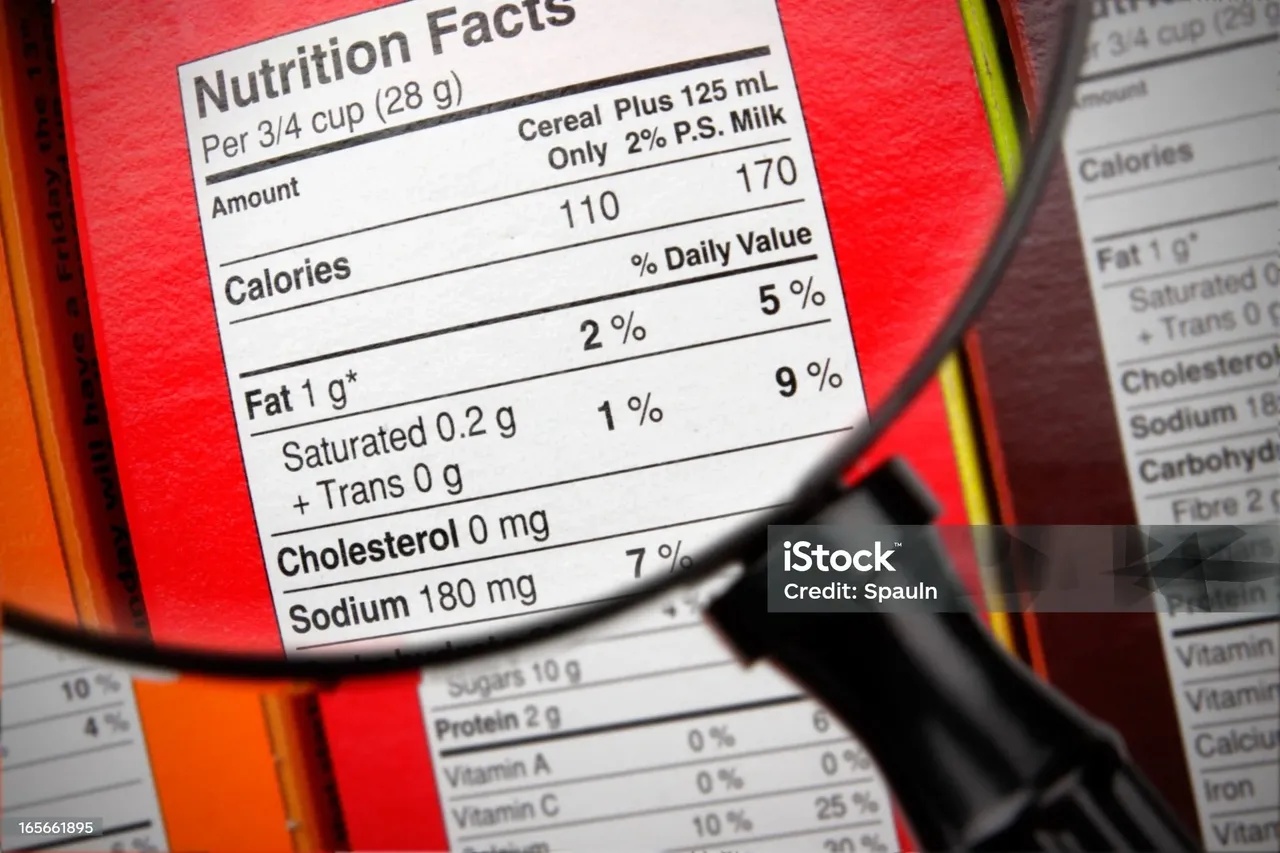
That block of tiny text on your food package isn’t just a formality but it’s a blueprint. Learning to read it is the single most practical skill for taking control of your diet, whether your goal is fat loss, muscle gain, or simply eating cleaner. This guide breaks down the U.S. Nutrition Facts label into a straightforward, actionable system, turning confusion into clarity.

Why Is the Serving Size the First Thing You Should Check?

Because every number that follows ‘calories, macros, sodium’ is meaningless unless you know the quantity it refers to. This is where most people unconsciously overconsume.

The serving size is a standardized measurement set by the FDA (like “1 cup” or “15 chips”). The “Servings Per Container” shows how many of those servings are in the entire package. A pint of “healthy” ice cream might list 150 calories per serving, but if the container has 4 servings and you eat half, you’ve just consumed 300 calories, not 150.

This step is non-negotiable. It grounds every other piece of data in reality, preventing you from underestimating your intake.

Your Application

Before you look at calories, find the serving size. Ask yourself: “Is this the amount I actually eat?” If you typically eat double, mentally double every number on the label.

How Do You Decode the Ingredient List Like a Pro?

Read it like a rank-ordered list: the first three ingredients make up the bulk of the product. If they aren’t whole foods, the product is likely highly processed.

Ingredients are listed by weight, from most to least. A quality bread should start with “whole wheat flour,” not “enriched wheat flour” and sugar. Watch for hidden sugars under names like “cane syrup,” “brown rice syrup,” or “fruit juice concentrate.” Also, avoid “partially hydrogenated oils,” which indicate trans fats.

This is your truth detector. The flashy health claims on the front are marketing; the ingredient list is the unvarnished reality.

Your Application

Make a habit of scanning the ingredient list before the nutrition panel. If the list is long and full of chemicals you can’t pronounce, or if a form of sugar is a top ingredient, consider it a red flag.

What Do the “% Daily Value” Numbers Actually Tell You?

They provide a quick, at-a-glance benchmark to gauge if a food is high or low in a specific nutrient, based on a standard 2,000-calorie diet.

The % Daily Value (%DV) is your context. A simple rule: 5% DV or less is LOW, 20% DV or more is HIGH. Use this to prioritize nutrients you want more of (like Fiber, Vitamin D, Calcium, Iron) and limit those you want less of (like Sodium, Saturated Fat, Added Sugars).

This tool helps you make fast comparisons without a calculator. It answers: “Is this a significant source of this nutrient, good or bad?”

Your Application

When comparing two cereals, check the %DV for Fiber and Added Sugars. Choose the one with a higher %DV for fiber and a lower %DV for sugar.

Where Are Hidden Sugars and Sneaky Sodium Hiding?

In the “Includes Xg Added Sugars” line under Total Carbohydrates and the “Sodium” line. These are the two most common culprits for undermining health goals in packaged foods.

Added Sugars are now separately listed from total sugars. The American Heart Association recommends limiting them to <25g per day for women and <36g per day for men. A single flavored yogurt or granola bar can contain half that. Sodium can be excessive in savory snacks, sauces, and prepared meals, with a daily limit of <2,300mg.

Ignoring these two lines can sabotage an otherwise “healthy” diet, leading to inflammation, bloating, and stalled progress.

Your Application

Make “Added Sugars” and “Sodium” your mandatory checkpoints. For a snack, aim for <5g of added sugar and <150mg of sodium per serving.

FAQ: Your Nutrition Label Questions, Answered

Q: Should I prioritize calories or macros?
A: It depends on your goal. For weight losscalories are king and you must be in a deficit. Use the macros to guide quality: ensure adequate protein (>20g per meal) and fiber within your calorie budget. For muscle gain or maintenanceprotein and overall macronutrient balance become the priority within a sufficient calorie intake.

Q: What does “low-fat” or “reduced sugar” really mean?
A: These are regulated terms but can be misleading. “Low-fat” means 3g of fat or less per serving, but the product may be high in sugar. “Reduced sugar” means it has 25% less sugar than the original, but the original could have been extremely high. Always check the actual nutrition panel and ingredient list to verify.

Q: Are “total carbs” or “net carbs” more important?
A: For most people, total carbs are the standard metric to track. “Net carbs” (total carbs minus fiber and sugar alcohols) is primarily useful for those on strict ketogenic diets. If you’re not keto, focus on total carbs, prioritizing foods with high fiber content.

Q: How do I handle labels on bulk items from Costco or club stores?
A: Pay extreme attention to the serving size. Bulk items often list a surprisingly small serving to make the numbers look better. Also, calculate the cost per serving, not just the total price, to see if it’s truly a good value for your needs.

Q: Is a product with a long ingredient list always bad?
A: Not necessarily. Some nutritious foods, like plant-based meat alternatives or protein bars, may have longer lists due to vitamin/mineral fortification and binding agents. The key is whether you recognize the ingredients as real food. A long list dominated by chemicals, preservatives, and multiple sugar names is a warning sign.

Final Thoughts

Reading a nutrition label is a skill that shifts power from the marketer to you, the consumer. It transforms grocery shopping from a guessing game into a strategic mission. By mastering the four key areas; serving size, ingredient list, %DV, and hidden sugars/sodium you build an intuitive filter that helps you effortlessly spot truly nutritious food and avoid cleverly disguised junk.

Arm yourself with this knowledge. Your cart and your health will reflect the difference.

Want to practice? Use our AI Label Decoder tool at BeeFit.ai to analyze labels and get instant, personalized insights on how a food fits your goals.

This article is for informational purposes only and is based on FDA guidelines and general nutritional principles. It is not a substitute for personalized medical or dietary advice. Always consult with a healthcare provider or registered dietitian for guidance tailored to your specific health conditions and nutritional needs.