Quick Take
- Your meal plan must align with your specific goal: a calorie deficit for weight loss, a calorie surplus with high protein for muscle gain, or maintenance with nutrient density for health.
- Calculate your Total Daily Energy Expenditure (TDEE) as your starting point, then adjust calories based on your goal.
- Aim for 0.8-1.2 grams of protein per pound of body weight to support muscle repair and satiety, regardless of your goal.
- Plan meals around your workouts: consume protein + carbs 1-2 hours pre-workout for energy and within 60 minutes post-workout for recovery.
When it comes to fitness, what you eat plays a critical role in your success. Whether you’re aiming to lose weight, build muscle, or maintain overall health, a balanced meal plan tailored to your goals can be a game-changer. For those in the U.S., meal planning doesn’t have to be complicated or time-consuming but just a little strategy can make all the difference.
Here’s how to create a balanced meal plan that works for your fitness goals, your busy schedule, and your lifestyle.
Step 1: Identify Your Fitness Goals
Your meal plan should align with what you want to achieve:
- Weight Loss: Focus on creating a calorie deficit by consuming fewer calories than you burn.
- Muscle Gain: Increase your calorie intake with a focus on protein to support muscle repair and growth.
- Endurance or General Health: Prioritize nutrient-dense foods to fuel your body and sustain energy.
Step 2: Calculate Your Calorie Needs
To figure out how much you should eat, start by calculating your Total Daily Energy Expenditure (TDEE). Tools like BeeFit AI Calculator or free online calculators make this simple. Once you have your TDEE:
- Subtract 500–750 calories per day for weight loss.
- Add 250–500 calories per day for muscle gain.
Step 3: Balance Your Macros
Your macronutrient distribution (protein, carbs, and fats) plays a crucial role in hitting your goals. A general breakdown might look like:
- Protein (30–35%): Essential for muscle repair and recovery. Aim for 0.8–1.2 grams per pound of body weight (NIH).
- Examples: Chicken breast, fish, tofu, eggs, and Greek yogurt.
- Carbohydrates (40–50%): Provide energy for workouts and recovery.
- Examples: Quinoa, oats, sweet potatoes, whole-grain bread.
- Fats (20–30%): Support hormone production and brain health.
- Examples: Avocado, olive oil, nuts, and seeds.
Step 4: Plan Around Your Workout Schedule
Timing is key when it comes to maximizing energy and recovery:
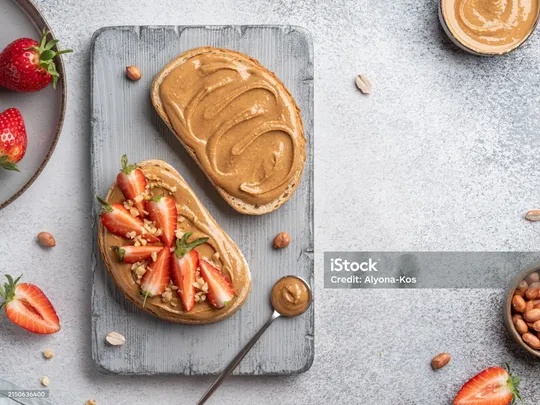
- Pre-Workout: Eat a small meal or snack with protein and carbs 1–2 hours before exercising (e.g., a banana with peanut butter or oatmeal with berries).
- Post-Workout: Refuel within 30–60 minutes with protein and carbs to support muscle recovery (e.g., grilled chicken with sweet potatoes and broccoli).
Step 5: Grocery Shopping Made Easy
Here’s a beginner-friendly grocery list filled with versatile, nutrient-dense options:
Proteins
- Chicken breast
- Ground turkey
- Salmon or tuna
- Greek yogurt
- Eggs
- Tofu or tempeh
Carbohydrates
- Quinoa
- Brown rice
- Oats
- Whole-grain bread or wraps
- Sweet potatoes
- Seasonal fruits (e.g., apples, bananas, berries)
Fats
- Avocado
- Olive oil
- Almonds or walnuts
- Chia seeds
Vegetables
- Spinach
- Kale
- Bell peppers
- Zucchini
- Carrots
Pro Tip: Shop at stores like Trader Joe’s or Whole Foods for organic options, or look for deals at Costco and ALDI to save money on bulk items.
Step 6: Easy Sample Meal Plan
Here’s a sample day of balanced meals for someone with a 2,000-calorie goal:
Breakfast (400 calories):
- Scrambled eggs (3 eggs) with spinach and whole-grain toast.
- 1/2 avocado and a cup of mixed berries.
Snack (200 calories):
- Greek yogurt with 1 tablespoon of chia seeds and a handful of almonds.
Lunch (500 calories):
- Grilled chicken breast with quinoa and roasted vegetables (e.g., zucchini, carrots, bell peppers).
- Drizzle with olive oil and lemon juice.
Pre-Workout Snack (150 calories):
- Apple slices with 1 tablespoon of peanut butter.
Dinner (550 calories):
- Baked salmon with sweet potato and steamed asparagus.
Evening Snack (200 calories):
- A handful of walnuts and a small square of dark chocolate (70% cocoa or higher).
Step 7: Stay Consistent With These Tips
- Meal Prep Once a Week: Set aside time on Sundays to cook and portion meals for the week.
- Track Your Intake: Use tools like MyFitnesspal to log your meals, monitor calories, and ensure your macronutrients are on point.
- Be Flexible: Life happens—don’t stress about occasional treats or missed meals.
The Bottom Line
Creating a balanced meal plan isn’t just about hitting your macros—it’s about fueling your body in a way that supports your goals, fits your lifestyle, and keeps you feeling great. With the right foods, proper timing, and a little preparation, you’ll set yourself up for long-term success.
This article is based on my personal experiences and opinions. It is not intended as medical advice or a substitute for professional guidance. Always consult a qualified professional or healthcare provider for personalized advice regarding your health and wellness.