
BeeFit: Fitness & Wellness

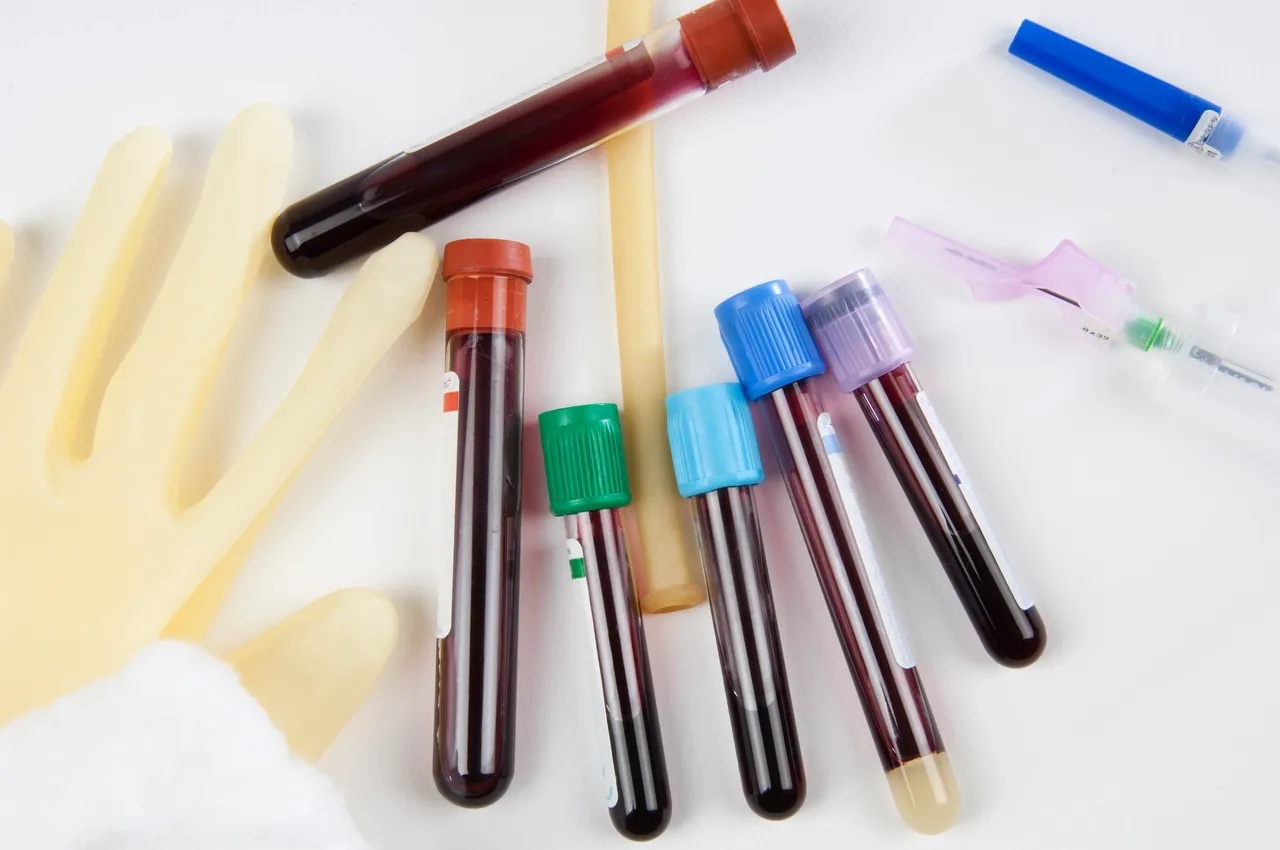
The Blood Type Diet’s Surprising Truth

The Blood Type Diet persists as a compelling idea: that a simple, innate biological trait can unlock a personalized path to perfect health. This promise leads many to follow restrictive food lists based on their A, B, O, or AB status. However, the powerful, evidence-based truth is that the benefits some experience have nothing to do with blood type and everything to do with the accidental, universal healthy patterns embedded in the diet’s rules. The secret isn’t in your blood; it’s in the overlooked fundamentals of nutrition that the diet accidentally gets right.

Quick Take

  • Major peer-reviewed studies, including a 2013 review in the American Journal of Clinical Nutrition, found no evidence that blood type dictates the optimal diet for health or weight loss.
  • Improvements in health markers while on the diet are linked to general healthy eating like more vegetables and less processed food not blood type specificity.
  • The proposed scientific mechanism (lectins interacting with blood type) is not supported by human digestion physiology, as food lectins are largely broken down during digestion.
  • Restricting entire food groups based on blood type can create unnecessary nutritional gaps without providing a proven, compensatory benefit.

Does Your Blood Type Actually Determine Your Ideal Diet?

Direct Answer: No. Comprehensive scientific reviews have found no valid evidence that a person’s blood type is a meaningful factor in determining nutritional needs, metabolic response to food, or long-term health outcomes from diet.

Explanation & Evidence

The core hypothesis of the Blood Type Diet lacks a plausible biological mechanism in humans. While it proposes that dietary lectins cause agglutination based on blood type, the vast majority of food lectins are deactivated by cooking and digestion. Rigorous studies designed to test the diet’s claims have consistently found no correlation. Adherence to any of the diet’s plans tends to improve health because each plan recommends whole foods, but the benefits are not specific to the blood type for which they are prescribed.

A 2013 systematic review published in the American Journal of Clinical Nutrition concluded that “no evidence currently exists to validate the purported health benefits of blood type diets.”

Analysis & Application

This is crucial because it shifts the focus from a fixed, genetic determinism to flexible, evidence-based nutrition. The diet’s apparent success stories are attributable to the universal benefits of eating more vegetables, lean proteins, and whole foods while cutting out processed items principles that are effective for everyone, regardless of blood type.

Your Application

Ignore the blood type lists. Instead, adopt the underlying healthy patterns common to all the diets: prioritize vegetables, fruits, lean proteins, and whole grains while minimizing processed foods, added sugars, and unhealthy fats.

Why Do Some People Feel Better on the Blood Type Diet?

Direct Answer: People feel better because the diet inadvertently promotes general, high-quality eating habits that reduce inflammation and improve metabolic health, not because the food choices are magically aligned with their blood type.

Explanation & Evidence

Each blood type plan eliminates common low-quality, processed foods. For example, Type O avoids grains and dairy, which often cuts out refined breads, pastries, and sugary yogurts. Type A avoids meat, which often means reducing intake of processed red meats. A 2014 study demonstrated this clearly: while participants saw health improvements from following the prescribed diets, the benefits showed “no association with blood type.” The improvements were tied to the diet quality itself.

Analysis & Application

This reveals the diet’s secret: its restrictive nature functions as a coarse filter for food quality. The feeling of improved energy, digestion, or weight loss is a real biological response to better nutrition, but it is achievable through any balanced, whole-foods diet. The blood type categorization is an unnecessary and misleading middleman.

Your Application

If you felt better on your blood type diet, analyze which foods you eliminated and which you added. Did you eat more plants? Less sugar? More home-cooked meals? Double down on those specific, positive behavior changes, not the blood type framework.

Is the Lectin-Agglutination Science Behind the Diet Valid?

Direct Answer: No. The theory that food lectins cause harmful clumping of red blood cells based on blood type is not supported by human digestive physiology. The lectins cited are typically destroyed by cooking and stomach acid, and those that remain are unlikely to enter the bloodstream in significant amounts to cause the proposed effects.

Explanation & Evidence

Lectins are proteins in many plants that can bind to carbohydrates. While high doses of raw, active lectins (like those in uncooked kidney beans) can cause illness, the everyday lectins in cooked beans, grains, and tomatoes are not a threat to human health. The human digestive system is highly effective at breaking them down. The dramatic claims of systemic blood cell agglutination from eating the “wrong” vegetables lack credible scientific support in the context of a normal, cooked-food diet.

Analysis & Application

This dismantles the diet’s proposed scientific foundation. Fear of lectins is a major driver of the diet’s restrictive food lists, but this fear is misplaced for anyone consuming a typical cooked diet. Avoiding nutritious foods like tomatoes, lentils, or whole grains based on this theory deprives you of fiber, vitamins, and antioxidants without a justifiable reason.

Your Application

Do not fear lectins from properly cooked whole foods. Enjoy tomatoes, beans, lentils, and whole grains as part of a varied diet. They are pillars of some of the world’s healthiest and longest-living populations.

Can the Diet’s Exercise Recommendations Be Trusted?

Direct Answer: No. The prescription of specific exercise modalities (e.g., intense cardio for Type O, yoga for Type A) based on blood type is an invention without physiological evidence. Effective exercise programming depends on fitness level, goals, injury history, and personal preference, not ABO blood type.

Explanation & Evidence

There is no known mechanism by which blood type antigens influence a person’s optimal response to aerobic versus anaerobic exercise. Exercise science focuses on principles of adaptation, load, and recovery that are universal. The pairing of blood type with exercise style appears to be a speculative extension of the diet’s personality-based myths, not a product of exercise physiology research.

Analysis & Application

Following generic exercise advice can still lead to results because any consistent movement is beneficial. However, optimal progress comes from personalization based on real, measurable factors like starting fitness, mobility, and specific goals not an unchanging genetic trait like blood type.

Your Application

Choose exercise you enjoy and can sustain. A mix of strength training, cardiovascular activity, and flexibility work benefits everyone. For a tailored plan, consider factors like your schedule, fitness level, and objectives, or consult a certified trainer.

FAQ: Your Blood Type Diet Questions, Answered

Q: I lost weight on the Blood Type Diet. Doesn’t that prove it works?
A: Weight loss on any diet occurs due to a calorie deficit. The Blood Type Diet often creates this deficit by cutting out entire categories of commonly overeaten, calorie-dense foods (like processed carbs for Type O or fatty meats for Type A). The weight loss is a result of reduced calorie intake, not blood type compatibility.

Q: What should I follow instead for personalized nutrition?
A: For true personalization, focus on factors that matter: your activity level, food intolerances, health metrics (like cholesterol or blood sugar), and personal goals. Tools like BeeFit’s AI-powered nutrition planner can help tailor recommendations based on these inputs, or you can consult a registered dietitian for a science-backed plan.

Q: Is there any credible research linking blood type to diet?
A: Current high-quality research finds no link. Some older, observational studies have noted weak correlations between blood type and disease risk (e.g., gastric cancer), but these associations are not strong enough to form dietary recommendations and likely involve complex genetic and environmental factors far beyond simple food choices.

Q: What are the real risks of following this diet?
A: The primary risk is unnecessary restriction, which can lead to nutritional deficiencies (e.g., cutting dairy without a plan for calcium/vitamin D, or avoiding meat without replacing iron and B12). It also perpetuates nutrition misinformation, diverting attention from evidence-based healthy eating principles.

The most personalized diet isn’t one based on a single, static trait like blood type, but one that adapts to your evolving life, activity, and health. The lasting value of the Blood Type Diet conversation is that it highlights a universal desire for a guiding food philosophy. By discarding its unscientific framework and embracing its accidental promotion of whole foods, you can build a truly effective, flexible, and sustainable approach to eating one that works for your unique body as it is today, not as a four-letter category.

What evidence-based nutrition principle such as eating 30 different plants per week or prioritizing protein at breakfast will you adopt to replace the blood type rules?

The Surprising Science Behind Simple Calorie Counting

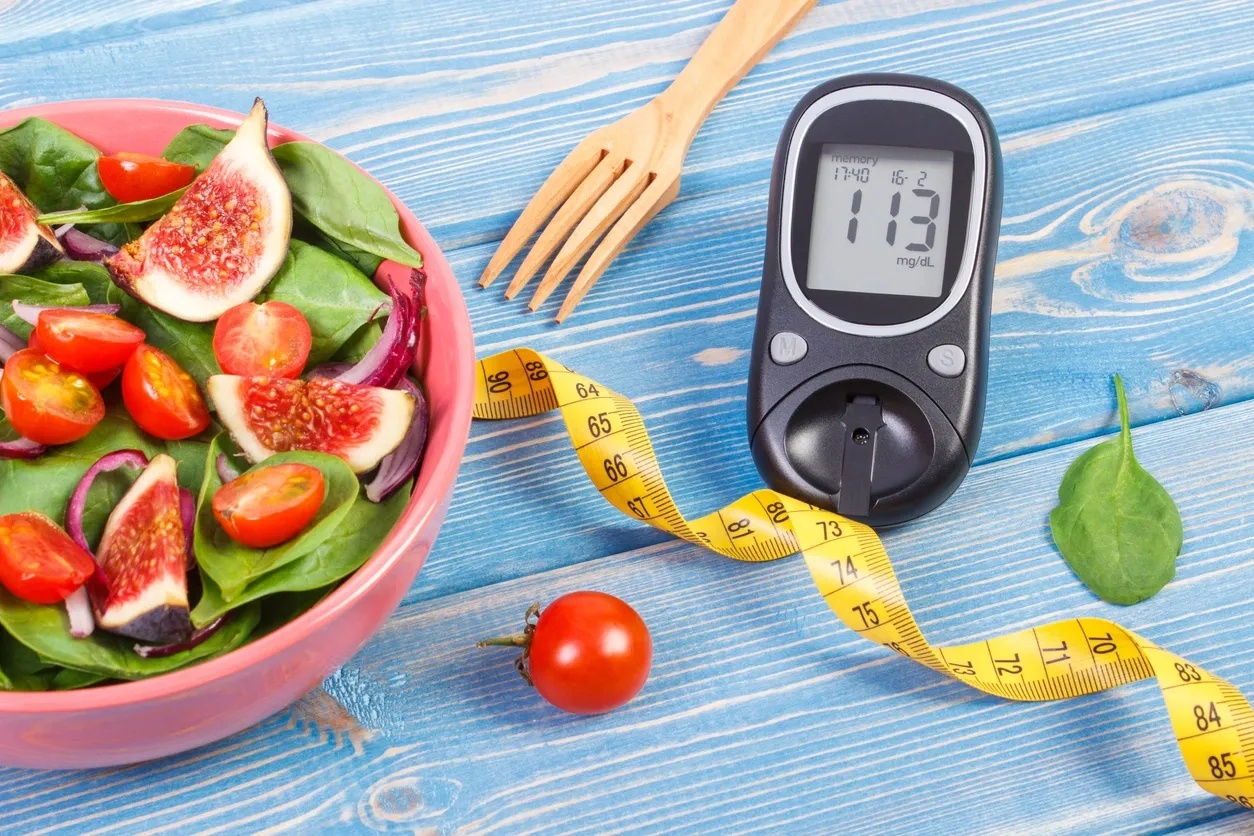
Calorie counting is often dismissed as tedious, obsessive, or overly simplistic in an era of complex diet trends. This perception leads many to abandon a foundational tool, chasing quick fixes that fail to address the core arithmetic of weight management. However, the most compelling data reveals a counter-intuitive truth: the simple act of tracking intake is not just about numbers—it’s a practice that builds nutritional awareness, doubles weight loss efficacy, and serves as the most reliable predictor of long-term success, outperforming the diet type itself.

Quick Take

  • Consistent food logging can double weight loss results, with studies showing trackers losing twice as much weight as non-trackers.
  • The primary benefit of tracking is not restriction, but the creation of awareness, correcting the average 50% underestimation of calorie intake.
  • Prioritizing protein intake within your calorie target is more metabolically effective for fat loss than simply focusing on “clean” calories.
  • Manual tracking, though highly effective, has an 80% abandonment rate within three months, highlighting the critical need for sustainable tools and habits.

Why Does Writing Down What You Eat Double Your Weight Loss?

Direct Answer: Food logging works primarily by combating “nutritional amnesia” and creating quantifiable accountability. The act of recording forces a moment of conscious awareness before eating and provides an objective record that eliminates the guesswork and gross underestimation that derail most diets.

Explanation & Evidence

Studies, including one published in the American Journal of Preventive Medicine, provide robust evidence. The mechanism is behavioral and cognitive. Most people underestimate their daily intake by hundreds, sometimes thousands, of calories. Tracking eliminates this blind spot. It transforms abstract eating habits into concrete data, allowing for precise adjustments. This practice builds a skillset in portion estimation and macronutrient awareness that becomes internalized over time.

A study found that participants who kept daily food records lost twice as much weight as those who didn’t.

Analysis & Application

The power of tracking lies in its function as a mirror, not a jailer. It’s less about rigidly hitting a number each day and more about understanding the cumulative impact of choices—how a latte here and a snack there add up. This awareness is the irreplaceable first step in making sustainable changes, which is why it outperforms passive dieting.

Your Application

Commit to logging everything you consume—including drinks, cooking oils, and bites while cooking—for just one week. Don’t judge the numbers; use them as a diagnostic tool to identify one or two easy areas for adjustment, like sugary beverages or oversized portions of carbohydrates.

Is a “Calorie” from Protein Different from a “Calorie” from Sugar for Weight Loss?

Direct Answer: While a calorie is a unit of energy, the source of that calorie profoundly impacts metabolism, satiety, and body composition. A protein calorie is metabolically “superior” for fat loss because it increases thermogenesis (calories burned during digestion), preserves muscle mass, and significantly reduces hunger compared to a calorie from refined sugar.

Explanation & Evidence

The concept of the “thermic effect of food” (TEF) is key. Your body uses energy to digest and process nutrients. Protein has a TEF of 20-30%, meaning 20-30% of its calories are burned during digestion. For carbohydrates, it’s 5-10%, and for fats, 0-3%. Furthermore, protein is the most satiating macronutrient, directly influencing hormones like ghrelin that control hunger. A diet with adequate protein within a calorie deficit helps ensure weight lost comes from fat, not metabolically crucial muscle.

Analysis & Application

This debunks the misleading idea that “a calorie is a calorie” in terms of physiological outcome. For fat loss, 300 calories from grilled chicken will keep you full and support muscle, while 300 calories from soda will spike insulin, increase hunger, and promote fat storage. The goal is to manage total calories while optimizing their source.

Your Application

Within your daily calorie target, prioritize hitting a protein goal of 1.6-2.2 grams per kilogram of body weight first. Build meals around lean protein sources, then add vegetables and controlled portions of complex carbs and healthy fats.

Why Do Most People Abandon Calorie Tracking, and How Can You Sustain It?

Direct Answer: An estimated 80% of people abandon manual tracking due to perceived complexity, time commitment, and social friction. Sustainability is achieved by leveraging technology to reduce the burden and shifting focus from perfection to informative consistency.

Explanation & Evidence

The cognitive load of weighing, searching databases, and logging every item is high. This friction leads to abandonment. Modern tools address this directly. AI-powered apps can use photo recognition to estimate meals, sync with fitness trackers for exercise calories, and remember frequent foods. The goal shifts from meticulous, stressful accuracy to consistent, directionally correct tracking that maintains awareness without becoming a burden.

Analysis & Application

The path to success is not perfect tracking for 365 days a year. It is consistent tracking long enough to build educated intuition (typically 8-12 weeks), followed by periodic “check-in” weeks to recalibrate. The tool should work for you, not the other way around.

Your Application

Choose one user-friendly tracking app and use its most convenient feature—barcode scanning, photo logging, or saving frequent meals. Aim for consistency over perfection. If you miss logging a meal, estimate it and continue; don’t let one gap break the habit.

How Can You Use Portion Control Strategies Without Counting Every Calorie?

Direct Answer: Visual portion control strategies can serve as a highly effective, sustainable bridge between strict counting and intuitive eating by providing simple, memorable heuristics that automatically regulate calorie intake.

Explanation & Evidence

Research, such as that from Cornell University, shows environmental cues heavily influence consumption. Using smaller plates can lead to eating 20-30% less without feeling deprived because it tricks visual perception. The “hand portion” method (palm for protein, fist for vegetables, cupped hand for carbs, thumb for fats) provides a personalized, portable measurement system that correlates closely with calorie needs.

Analysis & Application

These strategies work because they are simple, actionable, and executed at the decision point—serving yourself. They automate portion sizing, reducing decision fatigue and making healthy choices the default path of least resistance.

Your Application

For your next meal, use a smaller plate. Visually compose it so that half is filled with non-starchy vegetables, one-quarter with lean protein, and one-quarter with complex carbohydrates. This method, sustained over time, naturally creates a moderate calorie deficit without any numbers.

FAQ: Your Calorie Counting Questions, Answered

Q: How accurate do I need to be with calorie counting?
A: Directional accuracy is more important than perfection. A consistent margin of error (even 10-20%) is still vastly more informative than not tracking at all. The goal is to identify patterns and trends, not to log every gram with lab-grade precision.

Q: Will my metabolism slow down if I cut calories?
A: A metabolic adaptation is expected but manageable. Large, aggressive deficits cause a more significant slowdown. By choosing a moderate deficit (300-500 calories), prioritizing protein, and incorporating strength training, you preserve calorie-burning muscle mass, which keeps your metabolism as robust as possible.

Q: What should I do when I hit a weight loss plateau?
A: First, ensure your tracking is still accurate—portions often creep up. Recalculate your TDEE, as it lowers with weight loss. Consider a temporary “diet break” at maintenance calories for 1-2 weeks to regulate hormones, or slightly increase your daily step count or exercise intensity to boost expenditure.

Q: How do I handle meals out or social events?
A: Don’t abandon tracking; estimate. Look up the restaurant menu beforehand, log a best estimate, and enjoy the meal. For potlucks, fill half your plate with obvious healthy choices (veggies, lean meat) first. One meal will not ruin your progress; the overall weekly trend matters most.

Mastering calorie management is the process of replacing dietary guesswork with empowered awareness. By leveraging tracking to educate your intuition, prioritizing protein to transform the quality of your calories, and using smart tools to make the process sustainable, you move beyond a temporary diet to a permanent skill set. This evidence-based approach provides the clarity needed to navigate nutrition confidently, ensuring your efforts translate directly into the results you seek.

What is the first, smallest habit whether downloading a tracking app or using the hand-portion method for your next dinner that you will implement to build this awareness?

This article is for informational purposes only and is not a substitute for professional medical or fitness advice. Always consult a certified personal trainer or physician before beginning any new exercise program, especially if you have pre-existing health conditions.

The Mediterranean Diet’s Hidden Mechanism for Slowing Aging

The Mediterranean diet is often praised as a “heart-healthy” eating pattern, a surface-level understanding that overlooks its most profound impact. Celebrated for its olive oil and vegetables, its true power is routinely missed: it functions as a precision prebiotic, systematically reshaping your gut ecosystem to directly combat the chronic inflammation that drives aging. This isn’t just a diet for your heart; it’s a feeding program for the trillions of bacteria that regulate your immune system, brain health, and longevity.

Quick Take

  • A landmark 12-month study in Gut found the diet increased gut bacteria linked to reduced frailty and better cognition while lowering inflammatory markers.
  • The diet’s effectiveness relies on synergistic nutrients—fiber and polyphenols in plants feed bacteria that produce anti-inflammatory compounds like butyrate.
  • Key benefits, including improved cognitive function, are mediated by the gut-brain axis, not just direct nutrition to the brain.
  • The diet’s positive changes in the gut microbiome are reversible, disappearing when the diet is stopped, making consistency essential.

How Does This Diet Specifically Alter Your Gut to Fight Inflammation?

Direct Answer: It acts as a fertilizer for beneficial bacteria that produce short-chain fatty acids (SCFAs), particularly butyrate, which strengthens the gut lining and calms systemic immune overreaction, directly lowering measurable inflammatory markers in the bloodstream.

Explanation & Evidence

The diet’s high fiber from legumes, vegetables, and whole grains is not just for digestion; it is the primary food (prebiotic) for bacteria like Faecalibacterium prausnitzii. These bacteria ferment fiber into SCFAs. The polyphenols in olive oil, nuts, and red wine (in moderation) further feed these beneficial strains. A major study following 612 older adults for a year found that strict adherence to the Mediterranean diet increased these SCFA-producing bacteria and decreased pro-inflammatory bacteria, leading to a measurable drop in inflammatory markers like C-reactive protein (CRP).

Participants who adhered to the diet for 12 months showed increased abundance of beneficial bacteria associated with reduced frailty and improved cognitive function and decreased levels of inflammatory markers.

Analysis & Application

This reveals the diet’s action is microbiological, not merely nutritional. The benefits for conditions like rheumatoid arthritis and heart disease are significantly downstream effects of this calmer immune state originating in the gut. Simply eating “healthy food” is not the same as strategically feeding a specific microbial community.

Your Application

Focus on increasing daily prebiotic fiber. Aim to include two servings of legumes (lentils, chickpeas), a variety of colored vegetables, and a handful of nuts daily. Drizzle extra virgin olive oil on vegetables; the fat helps absorb polyphenols and feeds good bacteria.

Is Olive Oil Simply “Healthy Fat,” or Does It Have a Unique Role?

Direct Answer: Olive oil, especially extra virgin, is a pharmacologically active food. Its high concentration of monounsaturated fats is secondary to its potent polyphenols like oleocanthal, which has a proven anti-inflammatory effect comparable to low-dose ibuprofen.

Explanation & Evidence

The monounsaturated fats in olive oil are stable and heart-healthy, but the secret lies in the minor compounds. Oleocanthal inhibits the same cyclooxygenase (COX) enzymes that NSAID pain relievers target. Furthermore, research indicates these polyphenols selectively inhibit the growth of harmful gut bacteria while promoting beneficial ones, creating a dual anti-inflammatory effect: directly in the body and indirectly via the microbiome.

Analysis & Application

This means olive oil is not a passive calorie source but an active component of the diet’s anti-inflammatory effect. Refined, light, or pure olive oil has most polyphenols removed, negating this key benefit. The quality and processing of the oil are therefore critical.

Your Application

Use extra virgin olive oil (EVOO) as your primary cooking fat and for dressings. Look for bottles labeled “cold-pressed” and store it in a dark place to preserve polyphenols. Consider it a mandatory core supplement of the diet, not an optional fat.

Can You Get the Same Benefits Outside the Mediterranean Region?

Direct Answer: Yes, but it requires adherence to the diet’s principles, not its specific geography. The core requirement is daily, high-intake of the key prebiotic food groups (diverse plants, legumes, whole grains) and high-quality EVOO, which are globally available.

Explanation & Evidence

The cited study proved this by achieving positive results across five different European countries with varying local food cultures. The mechanism is based on biochemistry, not location. What matters is the consistent consumption pattern that delivers a specific mix of fibers and polyphenols to the gut. Relying on imported Mediterranean specialties is less important than consistently eating locally available beans, leafy greens, berries, and nuts.

Analysis & Application

This removes a major barrier to adoption. You don’t need to source obscure ingredients. You need to pattern your plate like a Mediterranean: abundant plants, beans as a staple, whole grains, and EVOO. The local broccoli or kale is as effective as any regional green.

Your Application

Use the “Mediterranean Plate” model for lunch and dinner: half the plate non-starchy vegetables, a quarter plant-based or lean protein (beans, fish, poultry), a quarter whole grains, all dressed with EVOO. This pattern is globally applicable.

Why Is Consistency More Critical Here Than with Other Diets?

Direct Answer: The gut microbiome adapts quickly to dietary input. Beneficial bacteria fostered by the Mediterranean diet begin to decline within days of returning to a low-fiber, high-processed food diet, causing the anti-inflammatory benefits and improved microbial diversity to rapidly reverse.

Explanation & Evidence

The 2020 Gut study made a crucial observation: when participants stopped following the diet, the positive microbial changes and health markers diminished. The microbiome is a dynamic ecosystem—beneficial bacteria that thrive on fiber will be outcompeted by inflammatory species within weeks if their food supply (fiber) is cut off. This makes the Mediterranean diet a lifelong lifestyle, not a short-term intervention.

Analysis & Application

This underscores that the diet is a sustained cultivation project, not a cleanse. Intermittent adherence yields intermittent benefits. The goal is to permanently shift your dietary pattern to provide continuous fuel for a health-promoting microbiome.

Your Application

Don’t view this as a temporary “diet.” Make at least two of its core habits non-negotiable daily practices (e.g., “I will eat beans or lentils at one meal daily” and “I will use only EVOO for fats”). This builds the consistency required for lasting change.

FAQ: Your Mediterranean Diet Questions, Answered

Q: Is red wine necessary for the benefits?
A: No. While red wine contains polyphenols like resveratrol, the diet’s benefits are achieved through food. Wine is an optional, moderate component (one glass daily for women, up to two for men). The prebiotic fiber from plants and the fats from EVOO and nuts are the non-negotiable foundations.

Q: How does this diet specifically protect brain health?
A: Through the gut-brain axis. The SCFAs (like butyrate) produced by your nourished gut bacteria reduce neuroinflammation. Furthermore, a healthier gut lining prevents “leaky gut,” which can allow inflammatory particles into the bloodstream that may cross the blood-brain barrier. Improved cognitive function is a documented outcome of this process.

Q: I don’t eat fish. Can I still follow this diet?
A: Absolutely. The diet is plant-forward. Focus on getting omega-3 fats from plant sources like walnuts, flaxseeds, and chia seeds. Ensure adequate protein from legumes, nuts, and occasional poultry. The core benefits are derived from plants and olive oil.

Q: How soon might I notice changes in how I feel?
A: Reductions in bloating and improved energy can occur within a few weeks due to better digestion and stabilized blood sugar. Measurable changes in gut bacteria composition and inflammatory markers, as shown in the study, take consistent adherence over several months.

The Mediterranean diet’s genius is its function as an ecosystem management strategy for your inner microbial world. By consistently providing the specific fibers and polyphenols that beneficial bacteria require, you don’t just eat for yourself—you cultivate a microbial community that actively suppresses inflammation, supports your metabolism, and protects your long-term health. This shifts the goal from passive food restriction to active biological stewardship.

Which single, sustainable shift making legumes a daily staple or switching exclusively to extra virgin olive oil will you implement to begin cultivating this anti-inflammatory environment within? 

This article is for informational purposes only and is not a substitute for professional medical advice, diagnosis, or treatment. Always seek the advice of your physician or other qualified health provider with any questions you may have regarding a medical condition.