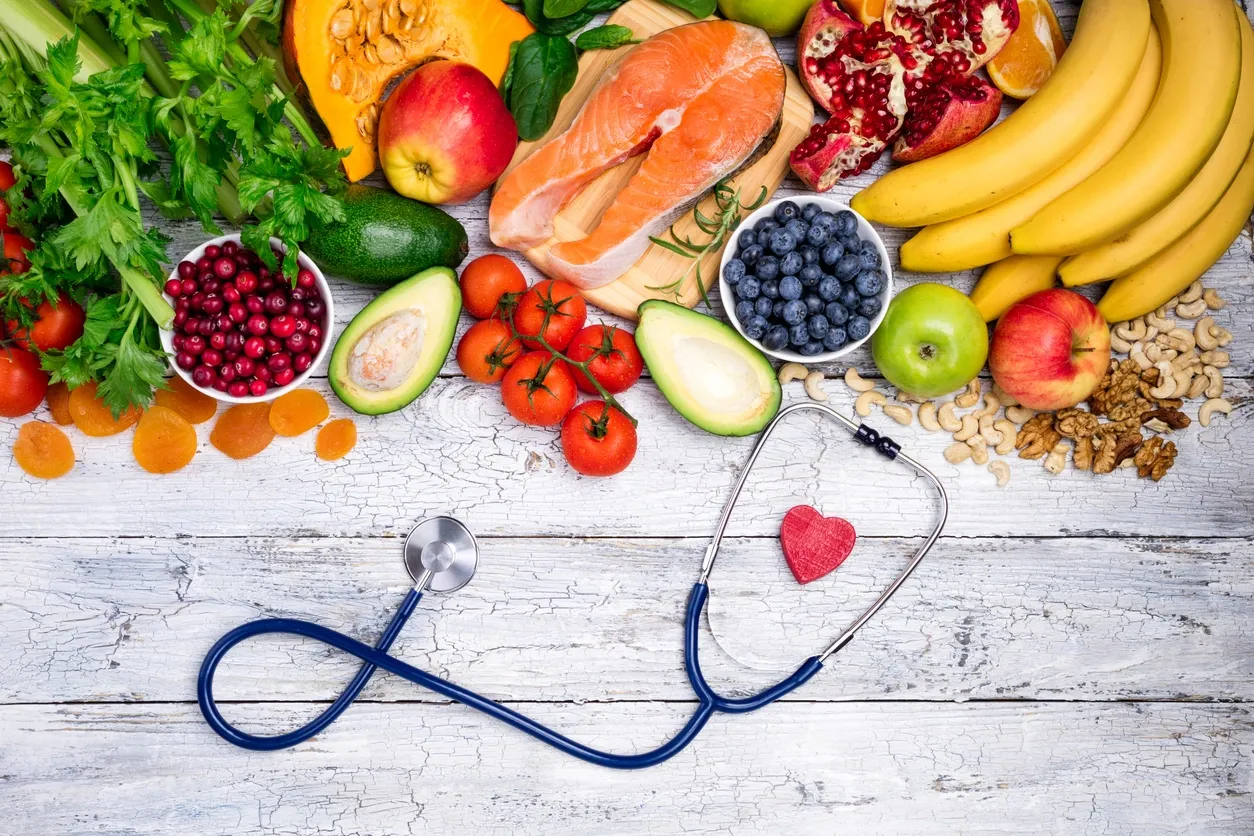
Most people recognize the importance of diet for weight management and energy, but far fewer appreciate how profoundly food choices influence the trillions of microbes living in our intestines. Collectively known as the gut microbiome, these bacteria, viruses and fungi help digest fiber, synthesize vitamins and communicate with our immune and nervous systems. A balanced gut microbiome is linked with improved immunity, stable blood sugar, better mood and even a lower risk of chronic diseases. Conversely, a disturbed gut ecosystem can contribute to inflammation, bloating and weight gain. The good news? You can cultivate a healthier gut with every bite. This article takes a deep dive into the best foods for gut health, explaining the science behind each choice and how to incorporate them into your routine.
Why Gut Health Matters
Your digestive tract is home to roughly 100 trillion microorganisms, an ecosystem that researchers are just beginning to understand. Harvard nutrition expert Dr. David S. Ludwig notes that a diverse and balanced gut microbiome helps “fine‑tune the immune system and wards off damaging inflammation inside the body, which may lead to conditions ranging from obesity and diabetes to neurodegenerative diseases” health.harvard.edu. Beneficial bacteria form a physical barrier against pathogens and can improve digestion and nutrient absorption health.harvard.edu. They also help produce short‑chain fatty acids such as acetate and butyrate, compounds that strengthen the gut lining and communicate with the brain and immune system pmc.ncbi.nlm.nih.gov. Beyond immunity, the gut microbiome appears to influence everything from mental health to metabolic function. Because the microbes adapt rapidly to dietary changes, small adjustments in what you eat can shift your gut population within days.
Probiotics and Fermented Foods: Feeding Your Inner Garden
Probiotics are live microorganisms that, when consumed in adequate amounts, confer health benefits. Yogurt and other fermented foods supply probiotic strains such as Lactobacillus and Bifidobacterium that may improve immune function, help protect against harmful bacteria and improve digestion health.harvard.edu. A 2021 clinical trial from Stanford University found that participants who consumed a diet rich in fermented foods including yogurt, kefir, kimchi and kombucha experienced increased microbiome diversity and lower levels of inflammatory proteins. As researcher Justin Sonnenburg explained, the findings offer “one of the first examples of how a simple change in diet can reproducibly remodel the microbiota across a cohort of healthy adults” med.stanford.edu.
Fermentation is an ancient preservation technique in which beneficial bacteria or yeasts metabolize sugars and starches. This process produces acids and other compounds that extend shelf life and give fermented foods their tangy flavors while increasing nutrient availability. Dr. Ludwig points out that fermented vegetables allow vegetarians to obtain vitamin B12 normally lacking in plants and that fermentation creates foods like sauerkraut or yogurt that last for months when stored properly health.harvard.edu. Not all fermented foods contain probiotics, so look for products with “live and active cultures” on the label.
How to eat more
Incorporate plain Greek yogurt into breakfast parfaits, smoothies or as a substitute for sour cream; sip kefir as a drink; add kimchi or sauerkraut to sandwiches and grain bowls; experiment with miso soup or tempeh in stir‑fries; and try kombucha or fermented vegetable brines as refreshing beverages.
Prebiotics: Fuel for Your Friendly Bacteria
While probiotics introduce beneficial organisms, prebiotics feed them. Prebiotics are non‑digestible ingredients, starches, oligosaccharides and fibers that ferment in the colon and act as fuel for beneficial microbes. Harvard Health notes that prebiotics help good bacteria flourish and may enhance calcium absorption, improve blood sugar control and support immunity. They often occur naturally in high‑fiber foods such as garlic, onions, bananas, soybeans, asparagus and whole grains health.harvard.edu. Recent research from the American Society for Nutrition identified dandelion greens, Jerusalem artichokes, garlic, leeks and onions as the foods richest in prebiotics nutrition.org.
Increasing prebiotic intake can also influence food choices. A study found that people who consumed 30 grams of inulin (a type of prebiotic fiber) daily for two weeks were more likely to prefer medium or low‑calorie foods over high‑calorie ones. However, those with certain digestive conditions such as irritable bowel syndrome should introduce prebiotic foods gradually to avoid discomfort health.harvard.edu.
How to eat more
Sauté garlic and onions as a flavor base for soups and sautés; include asparagus or Jerusalem artichoke in roasted vegetable medleys; add banana slices to oatmeal; sprinkle chopped leeks into omelets; or swap out refined grains for whole grains like oatmeal and barley.
Top Foods for Gut Health
Below you’ll find the most evidence-backed gut-friendly foods. Remember: variety matters. Try to include a diverse rotation of plant foods every week to build a resilient microbiome.
1. Greek Yogurt and Kefir
Greek yogurt and kefir are cultured dairy products brimming with live, active cultures. They supply lactobacilli and bifidobacterial strains that may improve digestion, enhance immunity and even aid protein digestion health.harvard.edu. Greek yogurt is thicker and higher in protein than regular yogurt, while kefir is a fermented drink with a tart, effervescent flavor. Both contain calcium, vitamin B12 and probiotics that can replenish the gut after antibiotic use. Choose plain, unsweetened varieties to avoid added sugars and look for the “live and active cultures” seal.
How to eat
Enjoy Greek yogurt with fruit and nuts, blend kefir into smoothies, make creamy salad dressings or substitute yogurt for mayonnaise in recipes.
2. Fermented Vegetables (Sauerkraut, Kimchi, Pickles)
Fermented vegetables are preserved in salt and water, creating an environment where beneficial lactic acid bacteria thrive. Sauerkraut (fermented cabbage) and kimchi (a Korean staple made of fermented cabbage, radishes and spices) are rich sources of probiotics, vitamins C and K, and fiber. Because the fermentation process breaks down tough plant fibers, nutrients become more bioavailable and easier to digest. A diet high in fermented foods was shown to increase microbial diversity and decrease inflammatory proteins, whereas a high‑fiber diet alone had a more modest effect med.stanford.edu.
How to eat
Add a forkful of sauerkraut to grain bowls or sandwiches, mix kimchi into fried rice or scrambled eggs, or snack on naturally fermented cucumber pickles (avoid vinegar‑based varieties, which are not fermented).
3. Miso, Tempeh and Other Soy Ferments
Soybeans can be transformed into probiotic‑rich foods through fermentation. Miso is a paste made from soybeans fermented with koji (a type of fungus) and salt. It provides beneficial bacteria and is rich in protein, manganese and zinc. Tempeh is whole soybeans fermented into a firm cake, offering probiotics, complete protein and vitamins. Fermented soy sauces and natto (fermented soybeans popular in Japan) are additional options. These foods provide umami flavor while supporting the microbiome.
How to eat
Whisk a spoonful of miso into broths, salad dressings or marinades; sauté tempeh cubes for stir‑fries; and explore natto for its unique flavor and probiotic benefits.
4. High‑Fiber Whole Grains (Oats, Quinoa, Barley)
Whole grains deliver fiber, resistant starch and prebiotics that feed beneficial bacteria. Oats and barley contain beta‑glucan, a soluble fiber that forms a gel in the digestive tract, supporting healthy cholesterol and blood sugar levels. Quinoa offers a complete protein profile and fiber. Unlike refined grains, whole grains still contain the bran and germ, which supply B vitamins, minerals and antioxidants. Fermentation of fiber by gut bacteria produces short‑chain fatty acids like butyrate that nourish colon cells and reduce inflammation pmc.ncbi.nlm.nih.gov.
How to eat
Start your day with steel‑cut oatmeal topped with fruit and seeds; swap white rice for quinoa or bulgur; and bake with whole‑grain flours. Remember to drink plenty of water when increasing fiber intake.
5. Legumes and Pulses
Beans, lentils, peas and chickpeas are nutrient powerhouses rich in fiber, protein, folate and minerals. They contain resistant starch, a type of carbohydrate that escapes digestion and ferments in the colon, promoting the growth of beneficial bacteria. Regular legume consumption has been linked with improved metabolic health and lower inflammation. Because they are inexpensive and versatile, legumes can easily become a staple in a gut‑friendly diet.
How to eat
Add cooked lentils to salads, blend chickpeas into hummus, stir black beans into soups, or use beans as a base for plant‑based burgers. To reduce digestive discomfort, rinse canned beans thoroughly or soak dried beans before cooking.
6. Nuts and Seeds
Almonds, walnuts, flaxseeds and chia seeds contain fiber, healthy fats, vitamins and minerals that nourish gut bacteria and provide anti‑inflammatory benefits. Walnuts, for example, supply alpha‑linolenic acid (ALA), a plant‑based omega‑3 fatty acid. Flax and chia seeds are particularly high in soluble fiber and lignans, which act as prebiotics. Regular nut consumption has been associated with improved cholesterol levels and reduced inflammation.
How to eat
Sprinkle chopped nuts or seeds on oatmeal, yogurt or salads; blend them into smoothies; or enjoy a small handful as a snack. Store them in the refrigerator to preserve their healthy oils.
7. Leafy Greens and Cruciferous Vegetables
Spinach, kale, Swiss chard and collard greens are packed with vitamins, minerals, antioxidants and fiber. Cruciferous vegetables like broccoli, Brussels sprouts and cabbage contain glucosinolates compounds that may help protect against certain cancers and support detoxification. The fiber in leafy greens feeds gut bacteria and helps maintain regular bowel movements. A colorful plate of vegetables provides diverse nutrients to support a balanced microbiome.
How to eat
Sauté greens with garlic and olive oil, toss kale into smoothies, roast broccoli or Brussels sprouts with spices, or enjoy raw spinach in salads. Variety matters and yo better try to rotate your greens throughout the week.
8. Berries and Polyphenol‑Rich Fruits
Berries (blueberries, strawberries, raspberries and blackberries) are loaded with polyphenols, antioxidants that interact with gut microbes. Though our bodies cannot fully digest polyphenols, intestinal bacteria transform them into bioactive compounds that may reduce inflammation and support beneficial microbes. Berries are also high in fiber and vitamin C, making them a nutrient‑dense choice for gut health and overall wellness.
How to eat
Add fresh or frozen berries to oatmeal, yogurt and smoothies; stir them into chia seed puddings; or snack on them by the handful. When berries are not in season, choose frozen berries (without added sugar) for an affordable option.
9. Garlic, Onions, Leeks and Other Alliums
Alliums such as garlic, onions, leeks and shallots are prebiotic superstars rich in inulin and other oligosaccharides that stimulate the growth of beneficial gut bacteria. These aromatic vegetables also contain organosulfur compounds that have been linked with improved immune function and reduced inflammation. The American Society for Nutrition notes that onions and related foods appear frequently in dishes and are an accessible way to boost prebiotic intake nutrition.org.
How to eat
Use garlic and onion as a base for sauces and soups; roast whole garlic bulbs for a milder flavor; sauté leeks into risottos; and top pizzas or salads with thinly sliced scallions. Raw onions provide the most prebiotics, but cooked forms still count.
10. Herbs, Spices and Green Tea
Certain herbs and spices such as ginger, turmeric and cinnamon contain anti‑inflammatory compounds that support digestive health. Ginger’s gingerol compound may help ease nausea and reduce muscle soreness, while turmeric’s curcumin is one of the most potent anti‑inflammatory agents known. Green tea contains polyphenols called catechins that may modulate gut bacteria and reduce oxidative stress. While not technically foods, these ingredients can enhance both flavor and function.
How to eat
Steep ginger and turmeric in teas; add cinnamon to oatmeal or yogurt; use spices to flavor dishes instead of relying on salt; and drink green tea in the morning instead of sugary beverages.
Beyond Food: Lifestyle Habits for a Healthy Gut
- Diversify your diet. Eating a wide array of plant foods encourages a broader range of microbes. Aim for 30 different plant foods per week including fruits, vegetables, whole grains, nuts, seeds and legumes to maximize microbial diversity.
- Move your body. Regular physical activity supports healthy digestion and is associated with more diverse gut microbiota. Both cardiovascular exercise and strength training can benefit the gut.
- Manage stress. Chronic stress can alter the gut microbiome and contribute to digestive disorders. Mindfulness practices, breathing exercises, yoga and adequate sleep help regulate the gut‑brain axis.
- Stay hydrated. Water helps move fiber through the digestive system and supports optimal microbial function. Aim for at least 8 cups of water daily, more when increasing fiber intake.
- Limit ultra‑processed foods. Highly processed foods often contain refined sugars, unhealthy fats and artificial ingredients that can disrupt the microbiome. Choose whole, minimally processed foods whenever possible.
FAQs About Gut‑Friendly Foods
Q: What are the best foods to improve gut health quickly?
A: While no single food is a magic bullet, fermented foods (like yogurt, kimchi and kefir) and high‑fiber foods (like beans, oats and vegetables) can make a noticeable difference in just a few weeks. A Stanford study found that eating fermented foods increased microbial diversity and reduced inflammatory markers in healthy adults med.stanford.edu.
Q: How many probiotic foods should I eat each day?
A: There is no official recommendation, but including one to two servings of fermented foods daily is a good goal. Vary your sources yogurt one day, sauerkraut the next to ensure a diverse array of beneficial bacteria.
Q: Do prebiotic supplements work as well as foods?
A: Prebiotic supplements can be beneficial but whole foods provide fiber, vitamins, minerals and phytochemicals that supplements lack. It’s best to focus on prebiotic‑rich foods like garlic, onions, bananas and whole grains health.harvard.edu.
Q: Can I take antibiotics and probiotics together?
A: Antibiotics can kill beneficial bacteria along with harmful ones, so many clinicians recommend taking probiotics during and after antibiotic therapy to help restore balance. Space them a few hours apart and consult your healthcare provider. health.harvard.edu.
Q: Are fermented foods safe for everyone?
A: Most fermented foods are safe for healthy individuals, but those with compromised immune systems, histamine intolerance or certain digestive disorders should consult a healthcare provider before increasing fermented food intake.
The Bottom Line
A resilient gut microbiome is the foundation of overall health. By emphasizing probiotic‑rich fermented foods, feeding your beneficial bacteria with prebiotic fibers, and diversifying your diet with whole, plant‑based foods, you create an environment where friendly microbes thrive. Research from Harvard and Stanford underscores the profound impact these foods can have on inflammation, immunity and metabolic health (health.harvard.edu, med.stanford.edu). Complement these choices with active living, stress management and adequate hydration, and you’ll foster a gut that supports optimal digestion, mood and longevity. Your gut is a living ecosystem nourish it, and it will take care of you.
This article is for educational purposes only and is not intended to substitute for professional medical advice. Always consult a healthcare professional or registered dietitian before making significant changes to your diet, particularly if you have underlying health conditions or are taking medications.