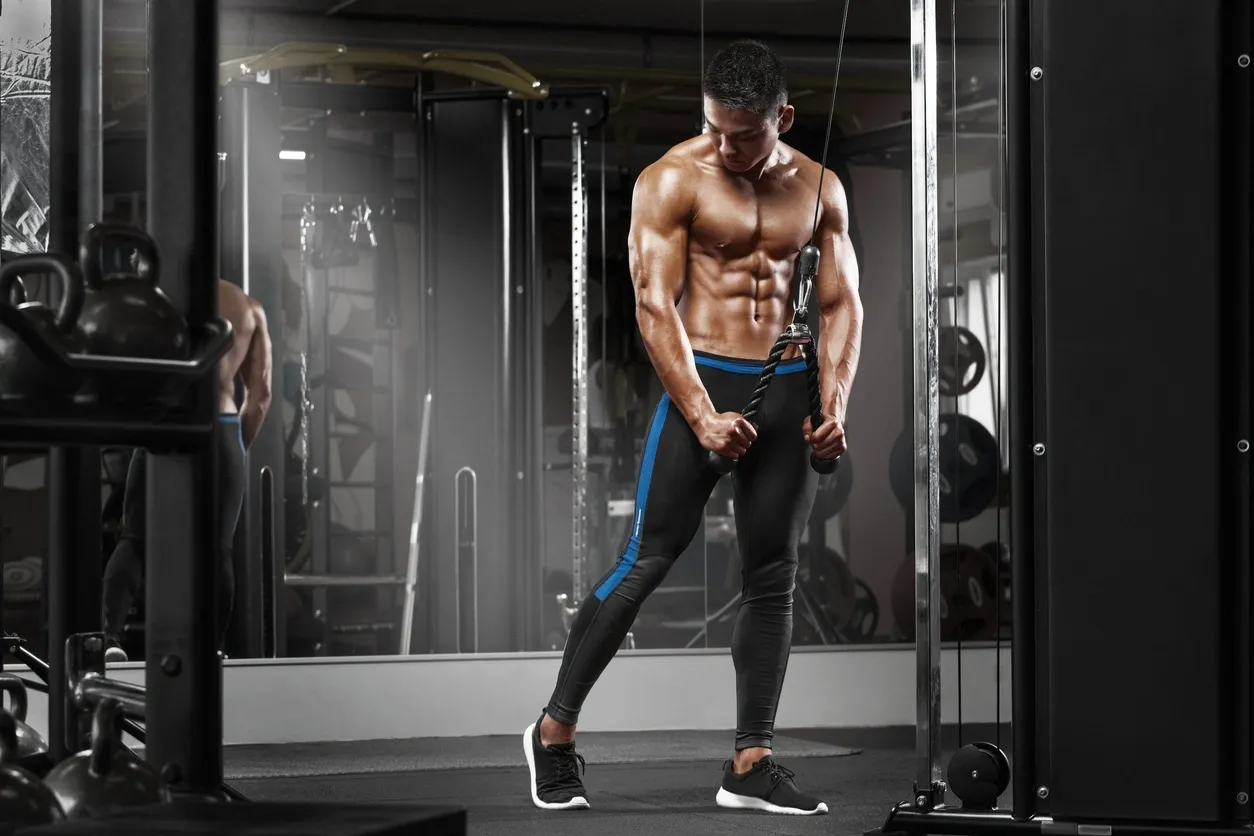
When most people think about muscle, they picture six-pack abs, defined arms, or toned legs. But muscle is so much more than aesthetics. It’s one of the body’s most vital health assets—an active tissue that powers movement, regulates metabolism, supports brain health, protects bones and joints, and even influences how long we live.
For decades, public health conversations have focused mostly on weight loss and body fat. But new research shows that maintaining and building muscle mass may be just as—if not more—important for long-term health and resilience.
Here’s why muscle matters for every stage of life, the science behind it, and what you can do to preserve it.
Muscle Is a Metabolic Powerhouse
Unlike fat, muscle is metabolically active. That means it constantly burns energy—even when you’re sitting still.
- Blood sugar control: More muscle improves insulin sensitivity, helping your body absorb and use glucose efficiently. This lowers the risk of type 2 diabetes and metabolic syndrome.
- Higher resting metabolic rate: A pound of muscle burns more calories at rest than a pound of fat, making it easier to maintain a healthy weight.
- Inflammation reduction: Research published in the Journal of Clinical Endocrinology & Metabolism shows that muscle tissue secretes “myokines,” anti-inflammatory molecules that help regulate immunity.
Muscle Strengthens the Brain, Too
We often separate “body” and “mind,” but they’re deeply connected. Resistance training doesn’t just strengthen your biceps—it also benefits your brain.
- BDNF boost: Strength training increases brain-derived neurotrophic factor (BDNF), a protein critical for memory, learning, and mood.
- Sharper cognition: Studies in Age and Ageing link higher muscle strength to better cognitive performance in older adults.
- Mental health: Regular resistance training reduces symptoms of depression and anxiety. The combination of endorphins, confidence from strength gains, and structural brain changes creates a powerful mental health benefit.
“Muscle strength is one of the strongest predictors of cognitive health as we age.”
— Dr. Teresa Liu-Ambrose, professor of physical therapy and brain health researcher
Protects Joints, Bones, and Balance
Starting in our 30s, we naturally begin to lose muscle—a process called sarcopenia. Without intervention, this decline accelerates, leading to frailty, falls, and loss of independence.
- Joint protection: Muscle acts as a shock absorber, stabilizing joints during movement.
- Bone density: Strength training stimulates bone formation, reducing the risk of osteoporosis.
- Fall prevention: Strong muscles improve balance and coordination, lowering fall-related injuries in older adults.
A 2022 study in the Journal of Bone and Mineral Research found that people who performed regular resistance training had significantly higher bone density and fewer fractures later in life.
More Muscle = Lower Risk of Chronic Disease
Think of muscle as long-term health insurance.
Higher muscle mass is associated with:
- Lower all-cause mortality
- Reduced risk of cardiovascular disease
- Better outcomes in cancer survival
- Faster recovery from illness, surgery, or injury
According to the American College of Sports Medicine (ACSM), maintaining muscle mass is a stronger predictor of longevity than weight or BMI alone.
“Muscle is the currency of health. The more you have, the better you’ll withstand illness and the aging process.”
— Dr. Stuart Phillips, PhD, muscle physiology researcher, McMaster University
Muscle Improves Everyday Performance
Muscle isn’t just about lifting weights in the gym—it powers daily life:
- Carrying groceries without strain
- Climbing stairs without fatigue
- Playing with kids or grandkids
- Traveling, hiking, or enjoying active hobbies
These may sound small, but they add up to independence, confidence, and quality of life. Strong muscles mean you can keep doing what you love for longer.
Muscle and Hormonal Health
Muscle plays a role in hormonal balance:
- Testosterone and growth hormone: Resistance training helps maintain these hormones, both of which support strength, energy, and vitality.
- Cortisol regulation: Exercise helps regulate stress hormones, lowering chronic inflammation.
- Insulin sensitivity: As mentioned earlier, muscle helps keep insulin in check, protecting against metabolic disease.
This hormonal balance is why muscle is often linked with better mood, energy, and vitality across the lifespan.
How Much Muscle Do You Need?
There’s no single number, but research suggests maintaining or building muscle as you age is more important than hitting a perfect weight.
The ACSM recommends:
- 2–3 days of resistance training per week for all major muscle groups.
- Exercises like squats, deadlifts, pushups, and rows provide the most bang for your buck.
- Protein intake of 1.2–2.0 g per kg of bodyweight per day helps preserve muscle mass.
Even small improvements matter. A study in The Lancet Public Health showed that older adults who added modest strength training significantly reduced their risk of disability.
How to Build and Maintain Muscle
Practical steps to protect this critical asset:
- Strength training: 2–3 sessions per week, focusing on compound lifts (squats, deadlifts, presses, pulls).
- Protein-rich diet: Prioritize lean meats, eggs, dairy, legumes, and plant proteins.
- Adequate recovery: Muscles grow during rest—prioritize sleep and stress management.
- Consistency over intensity: You don’t need extreme programs. Progressively increase weight, reps, or sets over time.
- Stay active daily: Even outside workouts, stay on your feet—walking, carrying, moving.
FAQs
Q: Is muscle more important than losing fat?
A: Both matter, but building and maintaining muscle may be a stronger predictor of long-term health than fat loss alone.
Q: Do women need to lift weights to build muscle?
A: Yes—but building muscle doesn’t mean “bulking up.” Women naturally gain lean definition and strength without excessive size.
Q: Can older adults still build muscle?
A: Absolutely. Research shows people in their 70s and 80s can still build strength with resistance training.
Q: What’s better: bodyweight training or weights?
A: Both work. The key is progressive overload—gradually making muscles work harder over time.
Q: How fast do you lose muscle without training?
A: Muscle loss begins within weeks of inactivity, highlighting the importance of consistency.
The Bottom Line
Muscle is more than what you see in the mirror. It’s a metabolic powerhouse, a protector of joints and bones, a supporter of brain and hormonal health, and a key driver of longevity.
Building and maintaining muscle doesn’t require extreme programs—just consistent strength training, protein-rich nutrition, and daily movement.
Your future health, independence, and quality of life depend on the muscle you build today.
This article is for educational purposes only and is not intended as medical advice. Always consult a healthcare professional before starting a new exercise or nutrition program.