BeeFit: Fitness & Wellness

Metabolic Reset Meals: Boost Your Summer Metabolism Naturally

Quick Take

Summer-friendly metabolic reset meals combine lean protein, colorful veggies, healthy fats, and metabolism-boosting herbs. These eating patterns support energy, fat loss, digestion, and longevity—all while enjoying fresh, seasonal foods that feel satisfying and light.

Why Focus on Metabolism in Summer?

In 2025, “metabolism-focused wellness” is gaining traction. Everyone wants to feel energized, manage weight, and improve long-term health—without calorie obsession. A summer metabolic reset emphasizes:

  • Increasing energy levels 
  • Supporting fat-burning metabolism 
  • Leveraging fresh, seasonal ingredients 
  • Preparing the body for longevity and resilience 

Metabolic reset meals offer a practical, science-backed approach without the overwhelm.

5 Key Principles of Metabolic Reset Meals

1. Prioritize Protein

Leaner proteins like chicken, fish, eggs, and legumes support metabolism and muscle. Healthline.com notes that protein-rich meals can temporarily increase metabolic rate by 15–30%.

2. Add Low-Calorie, Nutrient-Dense Veggies

Colorful vegetables like spinach, peppers, zucchini, and broccoli fill your plate with fiber and micronutrients while keeping calorie load low.

3. Include Healthy Fats

Avocados, olives, nuts, seeds, and fatty fish like salmon offer satiety and support hormone function.

4. Boost Metabolism with Spices & Herbs

Ingredients like cayenne, ginger, turmeric, and rosemary can boost thermogenesis and digestion, according to BeeFit.ai.

5. Stay Hydrated

Water supports digestion and metabolic processes. Include hydrating foods like cucumber, watermelon, and broths to enhance fluid intake.

Building a Reset Metabolism Diet

Step 1: Choose a Lean Protein Base

Select 20–30 g of protein per main meal. Options include grilled salmon, chicken breast, eggs, tofu, or legumes.

Step 2: Add Seasonal Veggies

Aim for two large cups per meal. Pair zucchini with tomatoes, spinach with mushrooms, or broccoli with bell peppers.

Step 3: Include Good Fats

Add olive oil in dressings, a handful of nuts, half an avocado, or a spoonful of nut butter.

Step 4: Flavor With Metabolic Herbs & Spices

Use cayenne pepper for heat, turmeric for inflammation, ginger for digestion, and rosemary or oregano for freshness.

Step 5: Hydrate With Food

Include cucumber salad, watermelon cubes, cold soups, or herbal teas to enhance hydration and metabolism.

3 Metabolic Reset Meal Ideas

1. Salmon & Summer Veggie Bowl

  • Grilled salmon fillet 
  • Quinoa or brown rice base 
  • Spinach, cucumber, tomato, roasted zucchini 
  • Olive oil + lemon + dill dressing 
  • Optional: jalapeño slices for spice 

2. Rainbow Veggie Egg Scramble

  • Scrambled eggs or chickpea omelet 
  • Peppers, kale, red onion, cherry tomatoes 
  • Avocado slices 
  • Pair with whole-grain toast 

3. Spiced Chicken & Veggie Stir-Fry

  • Chicken strips or tofu 
  • Broccoli, snap peas, bell peppers 
  • Garlic-ginger-turmeric sauce 
  • Serve over cauliflower rice or whole grain 

Why Resetting Your Metabolism Matters

Fat-Burning Potential

Higher protein, fiber, and spicy foods can modestly increase metabolism and support fat loss when paired with exercise.

Improved Blood Sugar Balance

Meals rich in protein, fiber, and healthy fats slow digestion and reduce blood sugar spikes—supporting metabolic resilience and energy (source: Health.com).

Enhanced Digestion & Inflammation Control

Herbs like turmeric and ginger contain antioxidants that soothe digestion and reduce inflammation.

Mindful Eating & Sustainability

Choosing fresh, metabolism-nourishing foods encourages mindful eating—less dieting, more nourishment.

Lifestyle Tips to Support Your Reset

  • Prioritize Sleep: 7–9 hours nightly helps regulate metabolism 
  • Move Daily: Mix walking, resistance training, or yoga to support metabolic health 
  • Smart Caffeine Use: Green tea or cold brew prior to activity can enhance metabolism 
  • Manage Stress Naturally: Use breathwork, journaling, or short walks to lower cortisol without empty calories 

FAQs

1. Can I use these meals on an intermittent fasting plan?
Yes—focus your protein- and veggie-rich reset meals within your eating window for maximum metabolic benefit.

2. Are these meals good for weight loss or just general health?
They support both. While not a strict calorie-cutting plan, the combination of protein, fiber, and metabolism-boosting ingredients supports fat loss and wellness.

3. Can vegetarian or vegan eaters follow this?
Absolutely. Replace animal proteins with legumes, tofu, tempeh, and protein-rich grains like quinoa. Include nutritional yeast for B vitamins.

4. Do these foods need to be ‘organic’ to work?
No. Conventional produce still contains fiber, phytonutrients, and hydration. Prioritize organic for high-pesticide crops if desired.

5. How long does a metabolism reset take?
Within 7–10 days you may notice energy and digestion improvements. Fat loss and long-term effects happen over weeks with consistent habits.

Final Thoughts

Metabolic reset meals help you enjoy fresh, delicious food while naturally boosting metabolism, energy, and fat-burning potential. They are not about drastic restrictions, but about nourishing your body with balanced, metabolism-supportive ingredients.

This approach fits the rising 2025 trend toward metabolism-focused wellness—sustainable, joyful, and science-based. Add more herbs, veggies, and mindful habits, and you’ll feel healthier and more energized this summer and beyond.

This article is for informational purposes only and is not a substitute for professional medical or fitness advice. Always consult a certified personal trainer or physician before beginning any new exercise program, especially if you have pre-existing health conditions.
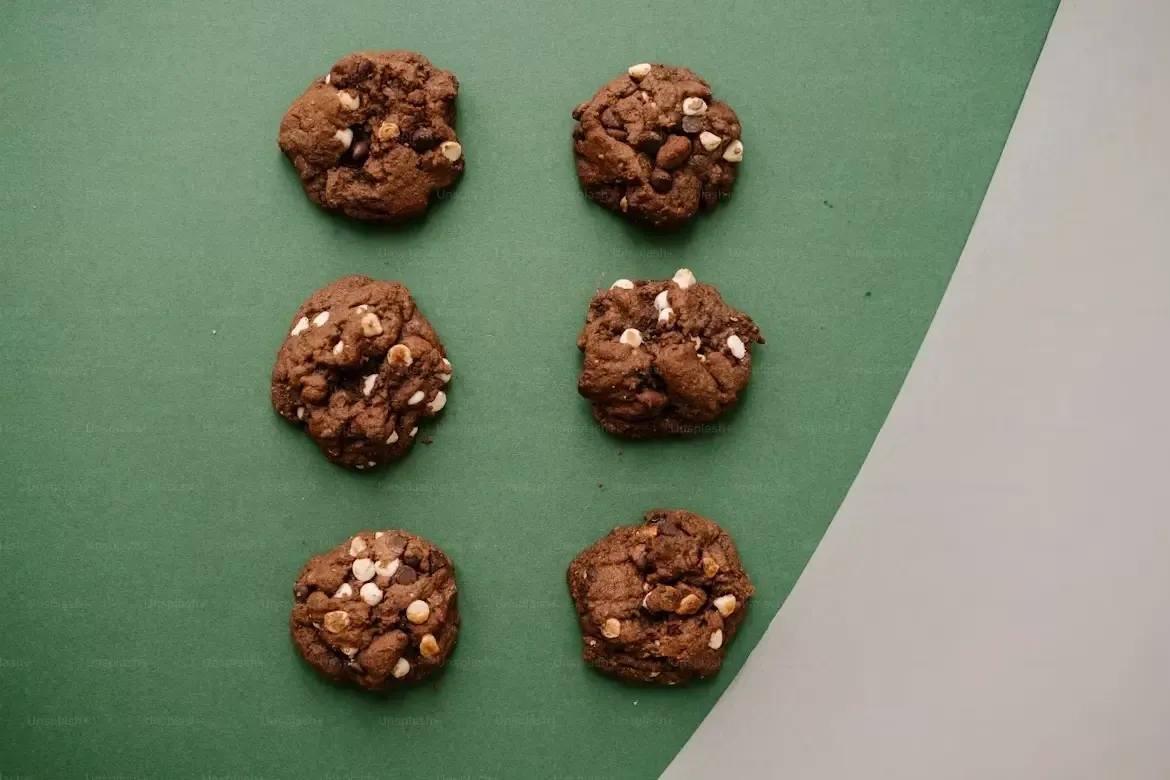

Protein Cookies Decoded: Smart Snack or Sweet Sabotage?

Quick Take

  • Protein cookies can act as a convenient post-workout recovery aid, delivering protein and carbs when a real meal isn’t possible.
  • Quality varies wildly: the best are high in protein and fiber with minimal added sugar, while others are just glorified candy.
  • Homemade versions offer full ingredient control and can be a fun, healthier alternative to complex store-bought options.
  • Strategic timing—like after a workout or as a high-protein snack—is key to making them a useful tool, not a diet derailer.

The word “cookie” rarely conjures images of a health food. But what if you could have a treat that actually helps you recover from a workout, keeps you full for hours, and satisfies a sweet tooth without the sugar crash? Enter the protein cookie, the snack that promises to bridge the gap between indulgence and nutrition. As searches for these functional treats surge, it’s clear they’ve moved from niche bodybuilder fare to mainstream snack aisles.

But here’s the crucial question everyone is asking: are they a legitimate tool for your fitness goals, or just clever marketing wrapped in a cookie? The truth, as with most things in nutrition, is nuanced. At BeeFit.ai, we believe in data-driven clarity. This article cuts through the hype to reveal when a protein cookie is a smart strategic snack, when it’s just empty calories in disguise, and how to make or choose one that truly delivers on its promises.

Can a Cookie Really Be a Good Post-Workout Snack?

Direct Answer: Yes, a well-formulated protein cookie can be an effective and convenient post-workout option, providing the crucial combination of protein for muscle repair and carbohydrates to replenish energy stores.

Explanation & Evidence:
After a workout, your muscles need two things: amino acids from protein to repair and grow, and carbohydrates to restore glycogen (stored energy). A cookie containing 15-20g of quality protein and a moderate amount of carbs fits this recovery window perfectly. It’s a portable, palatable alternative to a shake when you’re on the go.

Key Insight: As one fitness blog notes, “Carbs are necessary to prevent muscle breakdown and increase protein synthesis, while protein provides your muscles with essential amino acids”.


Analysis & Application:
This redefines a “cookie” from a cheat meal to a functional recovery tool. The convenience factor is huge—no mixing, no blender, just unwrap and eat. 

Your Application: Keep a high-quality protein cookie in your gym bag for those days when you can’t get a solid meal within an hour of training. Look for one with a 2:1 or 3:1 carb-to-protein ratio for optimal recovery.

What’s the Real Difference Between a Protein Cookie and a Regular Cookie?

Direct Answer: The difference is in the macros and the motive. A true protein cookie is formulated to be a functional snack, prioritizing high protein and fiber with controlled sugar, while a regular cookie is purely a treat focused on taste with refined carbs and sugars as the main ingredients.

Explanation & Evidence:
Compare the labels. A standard chocolate chip cookie might have 2-3 grams of protein and 15+ grams of sugar. A purpose-made protein cookie flips this, offering 12-20g of protein from sources like whey, casein, or pea protein, and often uses sugar substitutes or minimal added sugar to keep the count low. It also typically includes fiber for satiety.

Analysis & Application:
The “protein” label doesn’t automatically mean “healthy.” Some products are “protein-washed”—they contain just enough protein to use the label but are still packed with junk. 

Your Application: Become a label detective. Prioritize cookies where protein is the first or second ingredient, added sugar is under 5g, and the fiber content is at least 3g per serving. Avoid long lists with unrecognizable additives.

Is Homemade Always Better Than Store-Bought?

Direct Answer: For ingredient control, cost, and customization, yes. For convenience, consistency, and shelf-life, store-bought wins. The best choice depends on your personal priorities, time, and baking skills.

Explanation & Evidence:
Homemade cookies give you complete command. You choose the protein powder (experts recommend simple whey protein for best baking results), natural sweeteners like mashed banana or honey, and healthy fats from nut butter. This avoids the sugar alcohols, artificial sweeteners, and preservatives common in commercial versions.

Recipe Tip: A popular clean recipe uses just three core ingredients: “banana, peanut butter, protein powder” for a simple, nutrient-dense base.

Analysis & Application:
Baking at home transforms the cookie from a processed product into a whole-food-based snack. You can tailor macros to your diet and make them allergen-friendly.

Your Application: Try a simple recipe this weekend. Batch-make, wrap individually, and freeze. You’ll have a stash of healthy, cost-effective snacks ready to go. If buying, stick to trusted brands with transparent, short ingredient lists.

What Are the Hidden Pitfalls in “Healthy” Protein Cookies?

Direct Answer: The most common pitfalls are excessive sugar alcohols causing digestive distress, misleading “low-sugar” claims hiding unhealthy fats, and an over-reliance on processed ingredients that contradict their healthy image.

Explanation & Evidence:
To keep sugar content low, many manufacturers use sugar alcohols like maltitol and sorbitol. For some people, these can cause significant bloating, gas, and discomfort. Other cookies compensate for low sugar with high amounts of saturated or processed fats to maintain texture and taste. Furthermore, some protein blends use low-quality isolates and fillers.

Analysis & Application:
A cookie that upsets your stomach or is packed with palm oil isn’t supporting your health goals, no matter its protein count. 

Your Application: Read the full ingredient list, not just the nutrition panel. If you’re sensitive, avoid maltitol. Look for cookies using natural sweeteners like stevia or monk fruit and fats from sources like nuts or cocoa butter.

Should a Protein Cookie Ever Replace a Meal?

Direct Answer: No, protein cookies are designed as a supplement or snack, not a meal replacement. They lack the comprehensive nutrient profile—vitamins, minerals, and phytonutrients—found in a balanced meal of whole foods.

Explanation & Evidence:
While a cookie might match the calories and macros of a small meal, it cannot replicate the nutritional complexity of real food. A chicken breast with quinoa and broccoli provides a wide spectrum of nutrients that support all bodily functions, not just muscle synthesis. Relying on processed cookies can lead to nutritional imbalances over time.

Analysis & Application:
Think of a protein cookie as a useful bridge between meals or a targeted recovery tool. 

Your Application: Use them strategically: as a post-workout fix when short on time, a mid-afternoon satiety booster to avoid vending machine runs, or a pre-bed casein-based snack to support overnight recovery. Your primary nutrition should always come from varied, whole foods.

FAQ: Your Protein Cookie Questions, Answered

Q: Are protein cookies good for weight loss?
A: They can be a helpful tool if they help you manage hunger and stay within your calorie goals. Their protein and fiber increase satiety, which can prevent overeating later. However, they are still a calorie-dense food, so portion control is essential.

Q: I’m diabetic. Can I eat protein cookies?
A: You must choose carefully. Opt for cookies with very low added sugar (<5g), high fiber, and no high-glycemic sweeteners. Always check with your healthcare provider, as individual blood sugar responses can vary. Homemade cookies with sugar-free sweeteners give you the most control.

Q: Are popular brands like Quest or Lenny & Larry’s healthy?
A: “Healthy” is relative. Compared to a regular cookie, they are a better option due to higher protein. However, dietitian reviews note they are still highly processed treats with long ingredient lists and should not be mistaken for whole-food nutrition.

Q: Can I bake with any protein powder?
A: Not all powders bake well. Whey protein isolate or concentrate tends to yield the best texture. Vegan powders (pea, brown rice) can make baked goods dry or gritty. For best results, use a powder designed for baking or recommended in trusted recipes.

The Final Bite: A Tool, Not a Treasure

Protein cookies occupy a unique space in modern nutrition—they are a testament to the demand for convenience without total compromise. When chosen or made wisely and used with strategic intent, they are a far cry from the empty calories of their traditional counterparts. They can stave off hunger, fuel recovery, and make healthy eating more sustainable.

Yet, they are not magic. They are a single tool in a much larger nutritional toolbox. The foundation of your health will always be built on vegetables, fruits, lean proteins, and whole grains. The protein cookie’s real value is in helping you stay on that foundational path when life gets busy.

So, what’s your priority—ultimate convenience or total ingredient control? Your answer will guide you to the right cookie for your jar.

For more guidance on smart post-workout nutrition, explore our article on Perfecting Your Post-Workout Meal at BeeFit.ai.

This article is for informational purposes only and is not a substitute for professional medical or dietary advice. Always consult a registered dietitian or healthcare provider before making significant changes to your diet.

Your 30s, Your Fast: A Smarter Guide to Intermittent Fasting

Quick Take

  • Intermittent fasting (IF) can aid fat loss and metabolic health for women over 30, but success hinges on shorter, sustainable windows (12-14 hours) that protect hormonal balance.
  • Protein intake is non-negotiable; aim for 1.2-1.8g/kg daily to preserve muscle mass and regulate appetite within a restricted eating window.
  • Menstrual cycle awareness is critical: shorten fasting windows during the luteal phase (post-ovulation) to support progesterone and reduce stress on the body.
  • IF must be integrated with foundational health: prioritize sleep, manage stress, and pair with resistance training. It is a flexible tool, not a rigid rule.

Navigating health and wellness in your 30s can feel like a new game with unseen rules. Metabolism evolves, hormonal rhythms demand more attention, and the relentless pace of career and family can make simple, sustainable habits feel out of reach. Intermittent fasting (IF) emerges as a compelling strategy, promising structure and metabolic benefits without meticulous calorie counting.

However, generic IF protocols often fail women, leading to fatigue, disrupted cycles, and frustration. This is because female physiology, particularly the intricate dance of estrogen and progesterone, responds differently to fasting stress than male physiology. This guide moves beyond one-size-fits-all dogma to provide a science-informed, adaptable framework for intermittent fasting. We will detail how to tailor fasting to your unique biology, protect your hormonal health, and use time-restricted eating as a powerful tool for sustainable energy and body composition.

Why Does Intermittent Fasting Need a Different Approach for Women?

Direct Answer: Female hormones, particularly estrogen and progesterone, are highly sensitive to energy availability and stress. Overly aggressive fasting can be perceived as a stressor, potentially disrupting the hypothalamic-pituitary-ovarian (HPO) axis, leading to cycle irregularities, mood changes, and metabolic adaptations that hinder progress.

Explanation & Evidence:
Cortisol, the primary stress hormone, has a complex relationship with reproductive hormones. While short-term fasting can be adaptive, prolonged or severe caloric restriction can elevate cortisol. Research in Endocrine Reviews indicates that high cortisol can inhibit gonadotropin-releasing hormone (GnRH) pulsatility, disrupting the entire menstrual cycle. Furthermore, estrogen plays a key role in modulating insulin sensitivity and appetite; disrupting its balance can counteract the metabolic benefits of IF.

“The female body is exquisitely tuned to protect reproductive capacity. Signals of sustained energy scarcity, like those from very long fasts, can downregulate non-essential processes, including regular ovulation,” notes a review on nutrition and female endocrinology.

Analysis & Application:
For women, the goal of IF should be metabolic harmony, not metabolic stress. This means choosing conservative fasting windows (12-14 hours), ensuring nutrient density in your eating window, and being willing to adjust or shorten the fast based on your energy, sleep quality, and cycle symptoms. Your period is a vital sign; its regularity is a key indicator of whether your approach is sustainable.

What Is the Optimal Fasting Protocol for Hormonal Balance?

Direct Answer: A time-restricted eating (TRE) window of 12-14 hours is the most evidence-aligned, sustainable starting point for women over 30. This approach, such as a 14:10 schedule (fasting for 14 hours, eating within 10), provides metabolic benefits without imposing significant stress on the hormonal axis for most women.

Explanation & Evidence:
The 14:10 protocol aligns well with natural circadian rhythms and allows for adequate daily nutrition. A study published in Cell Metabolism found that TRE (15:9 in the study) improved insulin sensitivity, blood pressure, and oxidative stress even without weight loss. Crucially, it did not report the adverse hormonal effects sometimes seen with more extreme fasting. The shorter fast supports stable blood sugar, which is foundational for balanced cortisol and sex hormones.

Analysis & Application:
Start with a 12-hour fast (e.g., 7 PM to 7 AM) and hold for one to two full menstrual cycles. If energy, sleep, and mood are stable, gradually move to a 13 or 14-hour window. The 16:8 protocol should not be a default; it is an advanced tool to be used selectively, perhaps only during the follicular phase (post-period) when metabolic flexibility and stress resilience are typically higher. Always prioritize how you feel over the clock.

How Must You Adapt Fasting to Your Menstrual Cycle?

Direct Answer: Your fasting strategy should be dynamic, syncing with your menstrual cycle. Shorten your fasting window and increase nutrient intake during the luteal phase (the ~14 days after ovulation) to support rising progesterone and metabolic demands.

Explanation & Evidence:
The menstrual cycle has two key phases with distinct hormonal profiles:

  • Follicular Phase (Day 1-14): Estrogen rises. Insulin sensitivity is generally higher, and stress tolerance may be better. This is the time when a slightly longer fast (14:10) may be well-tolerated.
  • Luteal Phase (Day 15-28): Progesterone dominates. Basal body temperature rises, metabolic rate increases, and the body is more prone to cortisol sensitivity. A review in the International Journal of Environmental Research and Public Health highlights that energy intake needs increase in this phase.

Analysis & Application:
Practice cycle-syncing your fast:

  • Follicular/Early Ovulation: Maintain your baseline fasting window (e.g., 14:10).
  • Luteal Phase: Listen to your body. If hunger increases or sleep suffers, shorten your fast to 12-13 hours. Increase complex carbohydrate and magnesium-rich foods to support serotonin production and progesterone metabolism.

What Are the Non-Negotiable Nutrition Rules Within Your Eating Window?

Direct Answer: The composition of your meals is far more important than the fasting window itself. Every meal must be anchored by high-quality protein (25-40g per meal) and built on a foundation of whole foods to prevent muscle loss, regulate appetite, and provide essential micronutrients.

Explanation & Evidence:
Adequate protein is the safeguard of a successful IF protocol. The International Society of Sports Nutrition recommends 1.2-1.8 grams of protein per kilogram of body weight daily for active individuals to maintain muscle mass. For a 150 lb (68 kg) woman, this is 82-122 grams daily. Consuming sufficient protein in fewer meals is crucial to stimulate muscle protein synthesis sufficiently throughout the day.

Analysis & Application:
Structure your plate using this framework:

  • Protein (1/2 plate): Chicken, fish, eggs, tofu, tempeh, Greek yogurt, lean beef.
  • Produce & Fiber (1/4 plate): Leafy greens, cruciferous vegetables, berries.
  • Smart Carbs & Fats (1/4 plate): Sweet potato, quinoa, oats, avocado, olive oil, nuts.
    Hydration with electrolytes (sodium, potassium, magnesium) during the fast is essential to prevent headaches and fatigue.

How Do You Integrate Fasting with Training for Maximum Results?

Direct Answer: Align training intensity with your eating window. Place high-intensity workouts (heavy strength training, HIIT) within your eating period or immediately before your first meal. Reserve fasted movement for low-intensity steady-state (LISS) cardio or recovery sessions.

Explanation & Evidence:
Intense training requires glycogen and readily available amino acids for performance and repair. A study in the Journal of the International Society of Sports Nutrition suggests that while fasted cardio may increase fat oxidation during the activity, it does not lead to greater fat loss over time and may compromise performance and muscle retention. Training fed ensures you have the energy to lift with intensity, which is the primary driver for maintaining metabolic rate and muscle mass.

Analysis & Application:

  • Schedule strength training in the afternoon if you break your fast at noon, or in the evening with a meal afterwards.
  • Fasted activities should be gentle, such as walking, yoga, or mobility work.
  • Always prioritize post-workout nutrition: a meal containing protein and carbs within 1-2 hours of training is critical for recovery, especially in a restricted eating window.

FAQ: Your Intermittent Fasting Questions, Answered

Q: Will IF slow my metabolism or cause muscle loss?
A: Not if practiced correctly. Muscle loss is prevented by consistent resistance training and hitting daily protein targets. Metabolic rate is preserved by avoiding excessive calorie deficits. The shorter fasting windows recommended for women (12-14 hours) are not associated with a slowed metabolism when combined with adequate nutrition.

Q: Can I drink coffee during the fast? What about supplements?
A: Yes, black coffee and plain tea are fine and can help with focus. However, avoid any creamers, milk, or sweeteners. You can take most supplements during your fast, but fat-soluble vitamins (A, D, E, K) are better absorbed with food. A quality electrolyte supplement is beneficial during the fasting window.

Q: What are the red flags that IF is not working for my body?
A: Stop and re-evaluate if you experience: increased anxiety or mood swings, significant hair loss, a missing or irregular period (amenorrhea), constant fatigue that doesn’t improve, dizziness, or a decline in workout performance. These are signs of undue physiological stress.

Q: I’m perimenopausal. Does this advice still apply?
A: The principles of gentleness, protein prioritization, and stress management are even more critical. Hormonal fluctuations in perimenopause can be significant. A very conservative start (12-hour fast) with close monitoring of symptoms like sleep disruption and hot flashes is essential. Focus on the consistency of whole foods and strength training as primary tools, with IF as a secondary optional strategy.

Intermittent fasting for women over 30 is not about brute-force discipline; it is about intelligent synchronization. It requires you to become an expert on your own body, honoring its hormonal rhythms and nutritional needs. The greatest benefit may not be just fat loss, but the cultivated awareness of how energy, food, and stress interact in your system.

Begin with observation, not restriction. Track your natural eating window for a few days. Then, gently consolidate it to 12 hours, focusing first on protein and vegetable intake. Progress only as your energy, sleep, and cycle stability allow. This patient, bio-individual approach transforms IF from a trendy diet into a sustainable, empowering component of a holistic health strategy.

For more personalized guidance on integrating nutrition, training, and recovery, explore the science-backed resources available at BeeFit.ai.

This article is for informational purposes only and is not a substitute for professional medical advice. Always consult with your healthcare provider or a registered dietitian before beginning any new dietary protocol, especially if you have a history of hormonal imbalances, disordered eating, or are on medication.

Cycle Syncing Nutrition: Eat for Hormone Balance & Energy

Quick Take

  • Estrogen and progesterone fluctuations across the menstrual cycle directly impact resting metabolic rate, carbohydrate tolerance, and nutrient partitioning.
  • The luteal phase (post-ovulation) increases energy expenditure by approximately 5-10%, creating higher caloric and carbohydrate needs.
  • Iron requirements peak during menstruation, while magnesium needs may increase during the luteal phase to help manage cramps and mood.
  • A 2023 review in Nutrition Reviews found that aligning macronutrient intake with cycle phases can significantly reduce PMS symptoms and improve metabolic markers.

The standard nutritional advice that works for a 25-year-old male athlete is often applied universally, leaving a critical gap for half the population. This one-size-fits-all approach overlooks a fundamental biological reality: a woman’s hormonal landscape shifts dramatically across the month, altering metabolism, nutrient requirements, and even how the body processes food. Ignoring these fluctuations means leaving performance, energy, and symptom management on the table.

Does Your Metabolism Actually Change Throughout Your Cycle?

Direct Answer: Yes, significantly. Research shows that resting metabolic rate increases during the luteal phase, meaning you naturally burn more calories in the week or two before your period compared to the follicular phase.

Explanation & Evidence
This metabolic shift is driven by progesterone, which has a thermogenic effect, raising body temperature and energy expenditure. Studies have documented a 5-10% increase in resting metabolic rate during the mid-to-late luteal phase. This means a woman consuming the same calories throughout the month is effectively in a slight deficit pre-menstrually and a slight surplus post-menstrually, which can affect energy levels, cravings, and body composition over time.

Analysis & Application
This finding challenges the notion that calorie needs are static. For women tracking intake or struggling with pre-menstrual hunger, understanding this biological demand reframes cravings as a physiological signal, not a lack of willpower. The body genuinely requires more fuel during this phase.

Your Application: During the luteal phase (roughly days 15-28), allow yourself an extra 100-200 calories from nutrient-dense sources like complex carbohydrates and healthy fats. This aligns intake with actual energy expenditure and can reduce feelings of deprivation.

How Do Hormones Change Your Fuel Preferences?

Direct Answer: Estrogen promotes the use of fat for fuel, while progesterone increases reliance on carbohydrates. This hormonal shift means your body preferentially burns different energy sources at different times of the month, making phase-specific macronutrient adjustments beneficial.

Explanation & Evidence
During the high-estrogen follicular phase leading to ovulation, your body is more efficient at utilizing stored fat for energy, which can support endurance. As progesterone rises post-ovulation, your muscles become more reliant on carbohydrate oxidation. This is why carb cravings often intensify before a period—it is a metabolic demand, not a moral failing. Insulin sensitivity also tends to be higher in the follicular phase and lower in the luteal phase, meaning carbohydrates are handled differently.

Analysis & Application
This physiological shift explains why a low-carb approach might feel manageable in week two but impossible in week four. Working with this hormonal rhythm rather than against it means strategically increasing carbohydrate intake when your body is primed to use them (luteal phase) and potentially relying more on fats when they are the preferred fuel (follicular phase).

Your Application: In the follicular phase (days 6-14), emphasize healthy fats (avocado, nuts, olive oil) and lean protein. In the luteal phase (days 15-28), increase complex carbohydrates like sweet potatoes, oats, and quinoa to match your body’s fuel preference and stabilize mood.

Can Targeted Nutrients Really Reduce PMS Symptoms?

Direct Answer: Yes. Specific micronutrients—particularly magnesium, calcium, and vitamin B6—have demonstrated efficacy in reducing the physical and emotional symptoms of PMS when intake is optimized, especially in the luteal phase.

Explanation & Evidence
Magnesium helps relax muscle tissue, reducing cramps, and plays a role in neurotransmitter function affecting mood. Calcium fluctuations across the cycle are linked to symptom severity, and studies show calcium supplementation can reduce fluid retention and pain. Vitamin B6 is involved in the production of serotonin and dopamine, and higher intake is associated with improved mood scores. A 2023 review highlighted that timing these nutrients to the luteal phase enhances their effectiveness.

A 2023 review found that macro adjustments by cycle phase may reduce PMS symptoms and improve mood and metabolic markers.

Analysis & Application
This moves PMS management from reactive pain relief to proactive nutritional support. Instead of only taking ibuprofen when cramps hit, strategic nutrient intake in the days and weeks before can address the underlying physiological drivers of symptoms.

Your Application: In the week before your period, increase magnesium-rich foods (pumpkin seeds, spinach, dark chocolate), calcium sources (yogurt, sardines, leafy greens), and vitamin B6 (bananas, chickpeas, poultry). Consider a magnesium glycinate supplement in the evening, which also supports sleep.

Why Does Iron Matter Most During Your Period?

Direct Answer: Menstrual blood loss depletes iron stores, making the menstrual phase the critical window for replenishment. Adequate iron intake during this time prevents deficiency, which can cause fatigue, impaired immune function, and decreased exercise performance.

Explanation & Evidence
Iron is essential for hemoglobin production, which carries oxygen to working muscles. Even mild iron deficiency without anemia can impair endurance and recovery. Women of reproductive age are at higher risk due to monthly blood loss. Consuming iron-rich foods during and immediately after menstruation helps restore levels before the next cycle begins. Pairing iron with vitamin C significantly enhances absorption.

Analysis & Application
Many women experience fatigue during their period and attribute it solely to hormones, when low iron status may be a contributing factor. Focusing on iron repletion during this phase directly addresses the root cause of energy dips.

Your Application: During your menstrual phase (days 1-5), prioritize heme iron sources (red meat, organ meats, poultry) which are most absorbable, or plant sources like lentils and spinach paired with vitamin C (bell peppers, citrus). A cast-iron pan can also leach small amounts of absorbable iron into food.

FAQ: Your Cycle Syncing Nutrition Questions, Answered

Q: Do I need to eat completely different foods each week?
A: Not at all. Start with simple adjustments: add iron-rich foods during your period, emphasize healthy fats in the follicular phase, increase protein and antioxidants around ovulation, and boost complex carbs and magnesium in the luteal phase. The core of a healthy diet—vegetables, lean protein, whole foods—remains constant.

Q: Can cycle syncing help if I’m on hormonal birth control?
A: Hormonal contraceptives suppress your natural cycle, so the phase-based approach differs. However, the general principles of nutrient timing and anti-inflammatory eating can still be beneficial. Some women find value in syncing to their pill pack schedule (on vs. off weeks).

Q: How long does it take to notice benefits from cycle-synced eating?
A: Many women report improvements in energy and reduced cravings within the first 1-2 cycles. Full benefits for symptom management and performance optimization typically build over 3-4 months as you learn your body’s patterns and fine-tune your approach.

Q: Is this approach suitable for athletes?
A: Yes, and it may offer a competitive advantage. Matching higher carbohydrate intake to the luteal phase supports training demands when the body needs them most. Aligning high-intensity sessions with peak energy windows (late follicular/ovulatory phase) and focusing on recovery nutrition in the luteal phase can enhance overall performance and reduce injury risk.

The emerging science of cycle syncing reveals that optimal female nutrition is not static but dynamic—a flexible practice that adapts to the body’s changing hormonal landscape. By understanding the metabolic demands of each phase and strategically adjusting your intake of carbohydrates, fats, and key micronutrients like iron and magnesium, you can transform how you feel, perform, and recover across the entire month. This is not about restriction; it is about intelligent alignment with your biology.

What is one small adjustment—adding magnesium-rich foods in week four or prioritizing iron during your period that you will make this month to begin working with your cycle instead of against it?

This information is for educational purposes only and does not substitute professional medical advice. Always consult with a qualified healthcare provider before making significant changes to your diet or supplement routine, especially if you are pregnant, nursing, taking medication, or managing a health condition. The evidence cited is based on available research and should be interpreted in the context of your individual health status.

High‑Protein Meal Plan for Fat Loss & Muscle Gain

Quick Take

A high-protein diet for fat loss supports muscle maintenance, boosts metabolism, and keeps hunger at bay. This protein-rich meal plan for weight loss offers 150+ grams of daily protein through balanced, whole-food meals, actionable prep tips, and evidence-based guidance.

Why Prioritize Protein?

Protein does more than build muscle—it fuels metabolism, curbs cravings, and preserves lean mass while shedding fat. High-protein eating is trending fast:

  • According to Health.com, protein-rich meals increase energy burned during digestion and help maintain muscle mass health.com
  • A Cambridge review found protein promotes satiety, boosts energy expenditure, and shields lean mass during weight loss . 
  • The Protein Leverage Hypothesis suggests insufficient protein intake drives overeating—make sure yours is high enough. 

Many real-life studies confirm: higher protein, less fat—improved body composition follows.

How Much Protein Do You Need?

Recommendations for fat loss or muscle gain typically fall between 1.6 to 2.2 g/kg bodyweight.

  • A 70 kg (154 lb) person needs 112–154 g of protein daily. 
  • Spread across 4–5 meals, this maintains muscle protein synthesis (MPS) throughout the day. 

A Rutgers study showed higher protein intake during diets helps preserve lean mass and encourages healthier food choices. (Source)

Why It Actually Works

1. Increases Thermogenesis
Digesting protein burns more calories compared to carbs or fats—up to 30% of protein calories are used just digesting it .

2. Curbs Appetite
Protein boosts hormones like peptide YY (PYY) and GLP-1 while lowering ghrelin—the hunger hormone .

3. Preserves Muscle During Calorie Deficit
With overfeeding or calorie restriction, protein protects lean mass. Higher protein levels help prevent muscle loss .

4. Supports Blood Sugar Balance
Protein slows digestion and regulates insulin—beneficial for fat loss and overall health.

Daily High‑Protein Meal Plan (Approx. 160 g Protein) 

Breakfast: Greek Yogurt & Berry Parfait

  • 1 cup non-fat Greek yogurt (~20 g protein) 
  • ½ cup mixed berries (antioxidants + fiber) 
  • 1 tbsp chia or flax seeds (omega-3 fats + fiber)

Macros: ~25 g protein, 15 g carbs, 6 g fat
Why it works: Jam-packed with protein, fiber, and healthy fats. Great post-workout or morning recovery fuel.

Snack 1: Protein-Rich Smoothie

  • 1 scoop whey or plant protein (~20–25 g protein) 
  • 1 cup spinach + ½ banana 
  • 1 tbsp almond butter 
  • 1 cup unsweetened almond milk

Macros: ~30 g protein, 20 g carbs, 12 g fat
Why it works: Rapid muscle recovery and smart for busy mornings.

Lunch: Chicken-Quinoa-Veggie Power Bowl

  • 4 oz grilled chicken breast (~30 g protein) 
  • ½ cup cooked quinoa (~4 g protein + 20 g carbs) 
  • 2 cups mixed salad greens + colorful vegetables 
  • 1 tbsp olive oil vinaigrette

 Macros: ~35 g protein, 30 g carbs, 14 g fats
Why it works: Balanced macros keep metabolism high and energy steady.

Snack 2: Cottage Cheese & Pineapple

  • 1 cup low-fat cottage cheese (~25 g protein) 
  • ½ cup pineapple chunks

 Macros: ~25 g protein, 18 g carbs, 2 g fat
Why it works: Low-calorie, high-protein snack that supports lean muscle.

Dinner: Salmon with Sweet Potato & Broccoli

  • 5 oz baked salmon (~35 g protein) 
  • 1 medium sweet potato (~26 g carbs) 
  • 1 cup steamed broccoli + herbs

Macros: ~40 g protein, 35 g carbs, 15 g fats
Why it works: High-quality protein and omega-3 fats support fat loss and protein synthesis. 

Evening Snack (Optional): Casein Shake or Greek Yogurt

  • 1 scoop casein protein or ¾ cup Greek yogurt (~20 g protein)

Macros: ~20 g protein, minimal carbs/fat
Why it works: Slow-digesting protein supports overnight recovery and reduces fasting muscle breakdown.

Total Day Macros

  • Protein: 155–175 g 
  • Carbs: 120–140 g 
  • Fat: 45–55 g 
  • Calories: ~1,800–2,100 (adjust per goals) 

Prep Tips & Time-Saving Hacks

  • Batch Cook Proteins: Grill chicken, bake salmon, hard-boil eggs for grab-and-go meals. 
  • Pre-portion Smoothie packs: Freeze fruit and greens in bags. 
  • Plan Snacks: Pre-scoop cottage cheese or yogurt into containers. 
  • Track Intake: Use apps like MyFitnessPal or Cronometer to stay accurate. 
  • Hydrate Often: Protein metabolism requires water—aim for 3L daily. 

Customizing for You

  • Vegetarian/Vegan: Use tofu, tempeh, legumes, vegan protein powders. 
  • Higher Calorie Needs: Add fats like nuts, seeds, avocado, or coconut oil. 
  • Higher Carb Athletes: Increase quinoa, oatmeal, fruit portions post-workout. 

Common Questions Answered

Is too much protein harmful?
Healthy adults don’t usually suffer kidney damage from high-protein diets. But balance with water and monitor overall health—especially if kidney issues exist.

Can I skip carbs?
Not ideal long term. Carbs support training and performance. Stick with whole-grain sources and adjust based on activity.

Does protein build fat if I eat too much?
Yes. Excess protein can convert into fat calories. Watch your total calorie intake.

Will protein keep cravings away?
Yes—protein increases satiety hormones and often reduces cravings between meals .

Research Highlights

  • Satiety & Thermogenesis: A review in PubMed confirms protein outperforms carbs/fats in satiety and caloric burn glamour.com
  • Lean Mass Preservation: Protein-rich diets help preserve muscle during calorie loss, as shown by Rutgers University studies rutgers.edu
  • Protein Leverage: Humans eat until protein needs are met—make it high to naturally manage appetite. 
  • High-Protein + Low-Carb Equals Best Results: A Health.com meta-study found this consistently effective health.com

Lifestyle Tips for Muscle & Fat Loss

  • Strength Train Regularly: Aim for 3–4 sessions per week. 
  • Mix Cardio: Include HIIT or steady-state cardio to support metabolism. 
  • Sleep Well: 7–9 hours nightly stabilizes appetite and muscle recovery. 
  • Manage Stress: High cortisol can hamper fat loss and muscle repair. 
  • Monitor Progress: Track weight, body composition, energy, and hunger levels.

Final Thoughts

This high-protein meal plan delivers results because it’s based on science, practicality, and flexibility. With 150+ grams of protein from accessible foods, balanced meals, and smart snacks, you’ll support fat loss while preserving or building muscle—essential for health and performance in 2025.

Approach the diet with consistency, pair it with effective training, track your intake, and adjust as needed. Over time, muscle, energy, and body composition will follow.

This article is for informational purposes only and does not constitute medical advice. Always consult a healthcare professional before starting a new diet or exercise program, especially if you have underlying health conditions or are taking medication.

Sourdough vs. Regular Bread: 5 Real Benefits Backed by Science

Quick Take

Not all bread is equal. Sourdough bread stands out for its health benefits from easier digestion and better blood sugar control to enhanced nutrient absorption and natural shelf stability. Backed by studies and perfect for daily meals, this post walks you through why real sourdough deserves a spot in your kitchen.

Why Bread Quality Matters

In today’s wellness landscape, consumers are asking better questions about food quality. Searches like “best bread for digestion,” “healthy bread for weight loss,” and “gut-friendly bread” are trending. The answer for many? Sourdough.

Unlike white or commercial whole wheat bread, real sourdough is fermented slowly using wild yeast and lactic acid bacteria. This process unlocks key nutritional advantages—and makes it easier on your body.

1. It’s Easier to Digest

If bread leaves you bloated or sluggish, you’re not alone. Many commercial loaves are made with refined flour, fast-rising yeast, and additives that don’t sit well with sensitive stomachs.

Sourdough, by contrast, is fermented over many hours. This breaks down some of the gluten and starch, making the bread gentler on digestion. A clinical study published in the Journal of Agricultural and Food Chemistry found that sourdough fermentation reduces gluten concentration and improves tolerance in sensitive individuals (source).

2. It Helps You Absorb More Nutrients

Whole grains contain phytic acid, a naturally occurring compound that blocks your body from absorbing minerals like iron, zinc, and magnesium.

Long fermentation in sourdough bread breaks down phytic acid. This means your body can actually use the nutrients found in whole grain flour. A study in Food Chemistry found that sourdough bread significantly improves mineral bioavailability compared to quick-rise yeast breads (source).

3. It Supports Blood Sugar Balance

Sourdough’s fermentation process produces organic acids that slow carbohydrate digestion. That translates to fewer blood sugar spikes—and steadier energy.

In one study, sourdough bread had a glycemic index of 54, compared to 70 for standard white bread. That’s a meaningful difference for people looking to manage blood sugar levels, energy dips, or long-term metabolic health.

4. It Supports a Healthy Gut

While sourdough bread doesn’t contain live probiotics (they don’t survive baking), the fermentation process still offers gut benefits. Sourdough acts as a prebiotic—feeding the beneficial bacteria in your gut.

A 2020 review in Frontiers in Nutrition concluded that fermented foods improve gut microbiota diversity and support digestion and immune function (source).

5. It Keeps Longer — Naturally

Sourdough bread is less prone to mold and spoilage than commercial bread—and it does this without chemical preservatives. The lactic acid in sourdough acts as a natural preservative, reducing the need for additives like calcium propionate.

How to Eat Sourdough the Clean Way

Here’s how to use sourdough in a clean, balanced meal plan—without losing flavor or nutrition.

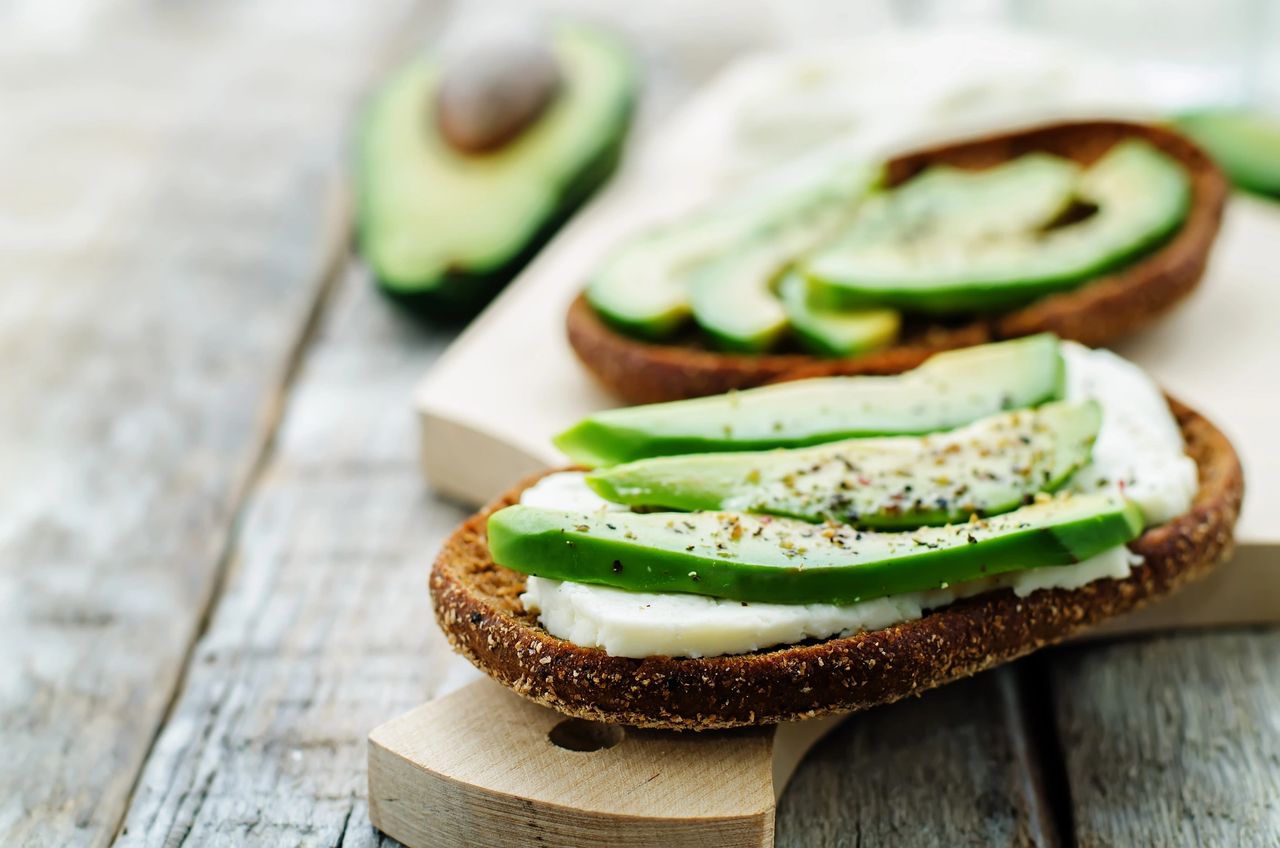
Close-up of a healthy avocado toast on whole grain bread with cottage cheese and seasoning—ideal for  clean eating, healthy fats, and metabolism-boosting meals.

Breakfast: Sourdough with Avocado and Egg

  • One slice of whole grain sourdough 
  • Half a mashed avocado 
  • One poached egg 
  • Approx. 270 calories, 9 grams protein, 7 grams fiber
    This combo delivers healthy fats, slow-digesting carbs, and protein to keep you full. 
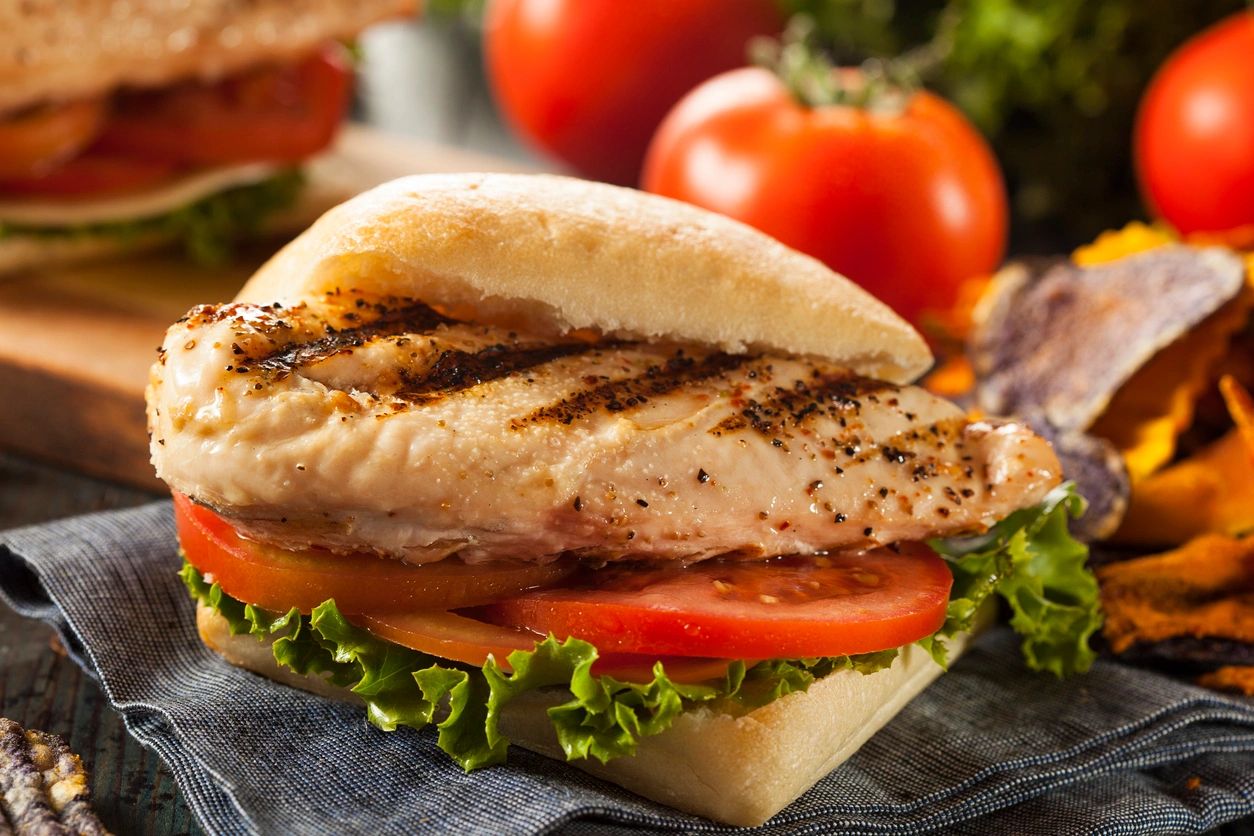
Close-up of a grilled chicken sandwich on ciabatta with fresh tomato and lettuce—perfect for clean eating, lean protein meals, or healthy lunch ideas.

Lunch: Grilled Chicken Sourdough Sandwich

  • Two slices of sourdough 
  • Three ounces grilled chicken 
  • Fresh spinach, tomato, and a spoon of hummus 
  • Approx. 430 calories, 30 grams protein, no added sugar
    Ideal for energy and recovery during busy afternoons. 
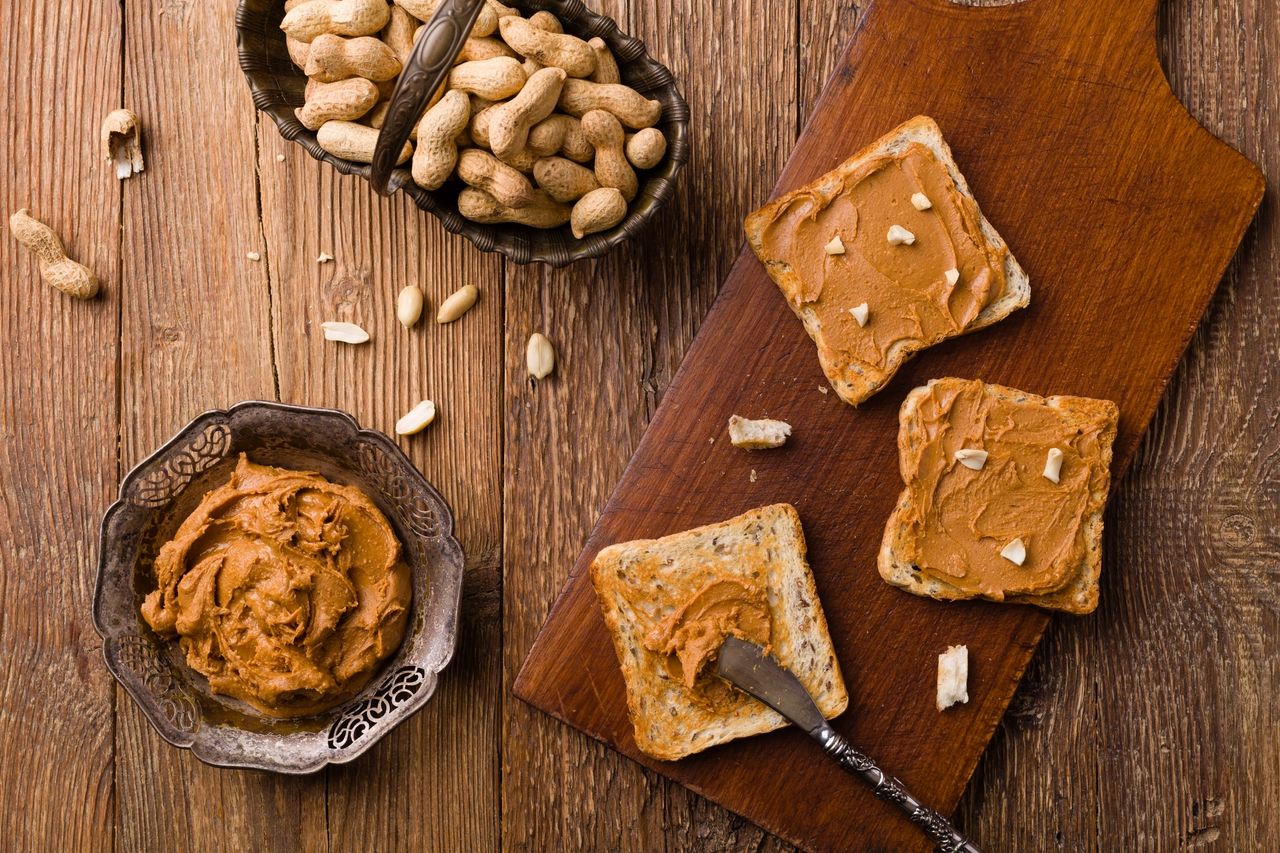
Rustic wooden table setting with whole peanuts, creamy peanut butter, and multigrain toast—ideal for protein-packed snacks, clean eating, or healthy breakfast ideas.

Snack: Nut Butter on Toast

  • One slice of sourdough 
  • One tablespoon almond butter 
  • Approx. 220 calories, 6 grams protein
    A stable, satisfying snack for between meals. 

Dinner: Sourdough with Roasted Veggies and Tahini

  • One slice sourdough 
  • One cup roasted carrots and beets 
  • Drizzle of tahini 
  • Approx. 250 calories, high fiber and antioxidants
    A gut-friendly side with healthy fats and fiber. 

Trusted Bread Brands to Look For

Not all sourdough is created equal. Many store brands add yeast and skip fermentation altogether. Look for labels that say “naturally leavened” or “fermented for 12+ hours.”

Here are a few dependable options:

  • Dave’s Killer Bread (Power seed) – High fiber, organic, and no preservatives. 
  • Ezekiel 4:9 – Sprouted, sugar-free, and complete plant protein. 
  • Alvarado Street Bakery – Real sourdough with sprouted whole grains. 
  • Trader Joe’s Sourdough – Short ingredient list, wild-fermented. 
  • Silver Hills Bakery – Multigrain sourdough with sprouted grains and no additives. 

FAQs

Is sourdough gluten-free?
No, but it may be easier to digest due to its fermentation. It’s not suitable for people with celiac disease.

Does sourdough help with weight loss?
It can help by improving satiety and supporting blood sugar control, but total calorie balance still matters.

How can I tell if it’s real sourdough?
Look for terms like “wild fermented,” “no commercial yeast,” or “long fermentation.” Avoid brands that just say “sourdough flavor.”

Is it safe for diabetics?
Sourdough bread may have a lower glycemic impact, but portion control and balanced meals are still important.

Final Thoughts

Sourdough isn’t just a trend—it’s a traditional, nutrient-rich food with benefits that modern bread often lacks. Backed by science and ideal for daily clean eating, it’s one of the simplest upgrades you can make in your diet.

Look for high-quality loaves, build balanced meals around them, and enjoy better digestion, energy, and long-term health—without giving up bread.

This article is for informational purposes only and does not constitute medical advice. Always consult with a qualified healthcare professional before making changes to your supplement, nutrition, or fitness routine, especially if you are pregnant, nursing, taking medication, or managing a health condition.