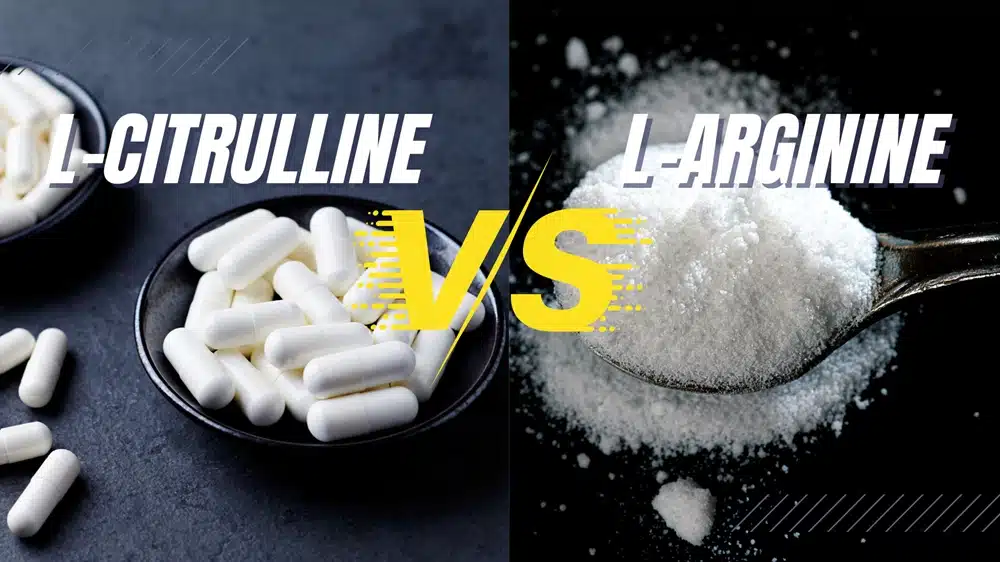
Quick Take
- L-citrulline is the more effective supplement for increasing blood arginine and nitric oxide levels, leading to better performance.
- Direct L-arginine supplementation has poor bioavailability, as much of it is broken down by the liver before reaching the bloodstream.
- Citrulline’s benefits extend beyond pumps, including reduced muscle soreness, enhanced endurance, and faster ammonia clearance.
- For most fitness goals, citrulline malate (6-8g pre-workout) is the superior choice, while arginine may play a supporting role in specific stacks.
The quest for a better muscle pump and faster recovery leads many to nitric oxide (NO) boosters, with L-citrulline and L-arginine at the center of the debate. Both are marketed as vasodilators that enhance blood flow, but the prevailing supplement aisle wisdom is misleading. The truth, revealed by comparative clinical research, is that one of these amino acids consistently outperforms the other by using a smarter, more efficient pathway in your body.
Understanding this distinction is crucial. Choosing the wrong one means wasting money on a supplement that may not effectively reach your muscles. At BeeFit.ai, we analyze the direct evidence. This guide cuts through the marketing to explain why L-citrulline is the definitive choice for performance, how it works, and how to use it to unlock real results.
Why Does L-Citrulline Work Better Than L-Arginine?
Direct Answer: L-citrulline bypasses the liver’s “first-pass metabolism,” which destroys much orally consumed L-arginine. Citrulline is efficiently converted to arginine in the kidneys, leading to higher and more sustained blood arginine levels, which directly boosts nitric oxide production.
Explanation & Evidence:
When you consume L-arginine directly, enzymes in the intestines and liver (arginase) break down a significant portion before it enters circulation. L-citrulline takes an indirect but superior route. It is converted to L-arginine in the kidneys, circumventing this breakdown, resulting in a more pronounced and longer-lasting increase in plasma arginine.
Research Insight: A pivotal study in the British Journal of Clinical Pharmacology concluded that “L-citrulline supplementation increased plasma L-arginine concentration and improved NO-dependent vasodilation more effectively than L-arginine supplementation itself.”
Analysis & Application:
This isn’t a minor difference; it’s a fundamental flaw in direct arginine supplementation for healthy individuals.
Your Application: For reliable nitric oxide boosting, prioritize L-citrulline or citrulline malate. The standard effective dose is 6-8 grams, taken 30-60 minutes before training.
Can L-Citrulline Actually Improve Strength and Endurance?
Direct Answer: Yes. Research shows L-citrulline can significantly increase training volume (more reps per set) and reduce perceived exertion, making your workouts more productive and less fatiguing.
Explanation & Evidence:
The benefits extend beyond vascularity. By enhancing blood flow and aiding in the removal of exercise byproducts like ammonia and lactate, citrulline directly combats muscular fatigue. This allows you to maintain performance for longer during a session.
Performance Data: A study in the Journal of Strength and Conditioning Research found that athletes supplementing with citrulline malate were able to perform 52% more repetitions in the bench press to failure compared to the placebo group, with significantly reduced muscle soreness 24 and 48 hours post-exercise.
Analysis & Application:
This translates to concrete gains. More volume over time is a primary driver of muscle growth.
Your Application: To maximize strength and hypertrophy sessions, use citrulline malate as a staple in your pre-workout nutrition. Track your sets and reps; you should notice an ability to maintain performance deeper into your workout.
Is L-Arginine Completely Useless for Fitness?
Direct Answer: Not useless, but inconsistent and inferior for the primary goal of exercise performance. Its role is better suited for specific health applications or as a secondary component in a comprehensive nitric oxide-supporting stack.
Explanation & Evidence:
While direct arginine supplementation’s bioavailability is poor, it still has physiological roles. Some research supports its use for endothelial function and certain cardiovascular conditions. In fitness, its effects are highly variable person-to-person, and the doses required for a reliable effect are often high and may cause gastrointestinal discomfort.
Analysis & Application:
Don’t expect a reliable pump or endurance boost from standalone arginine.
Your Application: If you choose to use arginine, do so with managed expectations. It may be found in combination products, but ensure citrulline is the primary NO-boosting ingredient. For non-exercise benefits like general vascular health, consult with a healthcare professional for appropriate dosing.
What’s the Best Way to Take L-Citrulline for Maximum Effect?
Direct Answer: For performance, take 6-8 grams of citrulline malate 30-60 minutes before exercise. Pairing it with carbohydrates can enhance uptake, and combining it with other evidence-based supplements like creatine and beta-alanine creates a powerful synergistic pre-workout stack.
Explanation & Evidence:
Citrulline malate is the most researched form. The malic acid component aids the Krebs cycle, supporting energy production. The pre-workout timing ensures peak blood arginine levels coincide with your training session. Stacking is effective because each supplement works through a different, complementary mechanism.
Analysis & Application:
Optimizing your supplement regimen is key to cost-effectiveness and results.
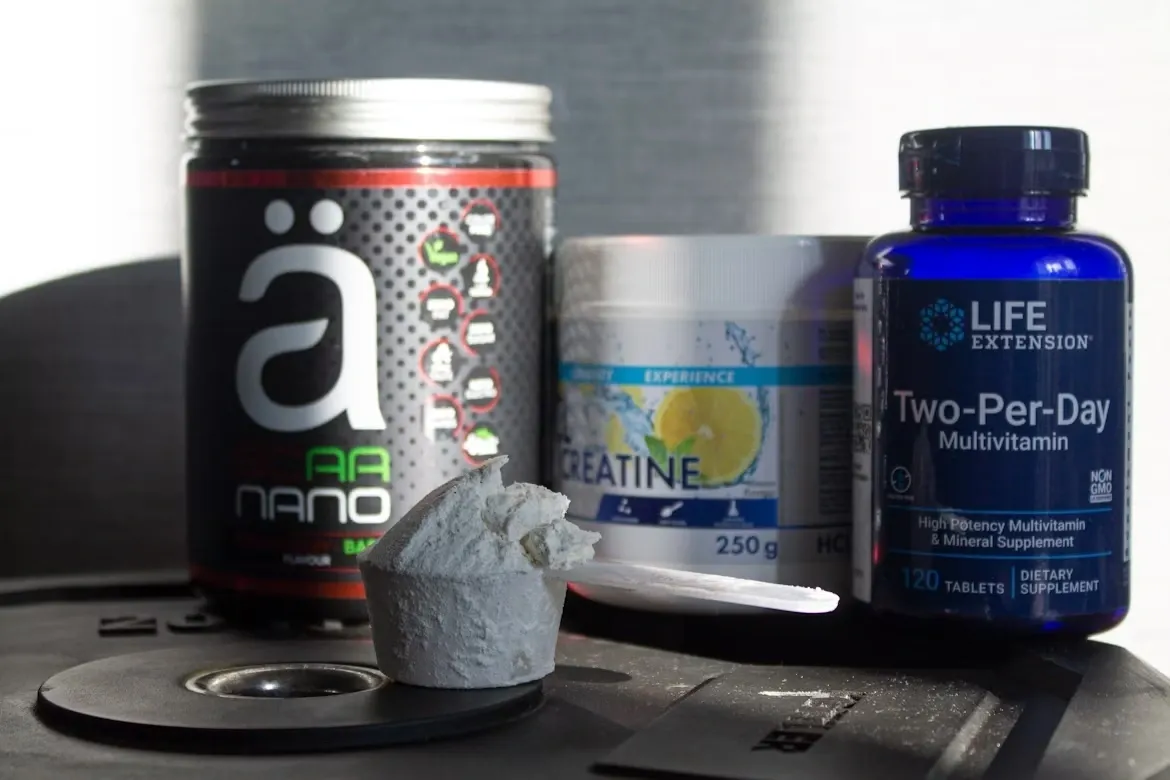
Your Application: Build a foundational pre-workout stack of:
- Citrulline Malate (6-8g): For blood flow and fatigue reduction.
- Creatine Monohydrate (5g): For strength and power output.
- Beta-Alanine (3-5g): For muscular endurance against burning.
This combination is backed by strong evidence and avoids proprietary blends with underdosed ingredients.
FAQ: Your Nitric Oxide Supplement Questions, Answered
Q: Can I get enough from food, or do I need a supplement?
A: While foods like watermelon (citrulline) and spinach/beets (nitrates) support NO production, the doses required for a measurable performance effect are very high. For example, you’d need to eat about 4-6 cups of diced watermelon to get 6 grams of citrulline. Supplementation provides a reliable, concentrated dose.
Q: Are there any side effects to taking L-citrulline?
A: L-citrulline is generally very well-tolerated. High doses (above 10g) may cause mild gastrointestinal upset in some individuals, which is why starting at the 6-8g range is recommended. It does not typically cause the stomach discomfort sometimes associated with high-dose L-arginine.
Q: Should I cycle L-citrulline?
A: There is no evidence that the body builds a tolerance to L-citrulline, so cycling is not necessary. It can be taken consistently on training days. As with any supplement, it’s prudent to periodically assess if it’s still providing a noticeable benefit to your training.
Q: Does nitric oxide boosting lower blood pressure?
A: Yes, vasodilation can lead to a mild, temporary reduction in blood pressure. This is generally beneficial for cardiovascular health. However, individuals with clinically low blood pressure or those taking blood pressure medication should consult a doctor before using NO-boosting supplements.
The Final Rep: A Clear Winner for Performance
The evidence clearly directs athletes and fitness enthusiasts toward L-citrulline. Its superior pharmacokinetics translate to tangible, research-backed benefits where it matters most: in the gym, enabling more work and faster recovery. L-arginine, while important for health, fails to deliver consistent performance enhancements on its own.
By choosing citrulline malate and dosing it correctly, you’re not just buying into a trend—you’re applying a direct piece of exercise science to overcome a specific limit: muscular fatigue. This is how supplements move from hype to genuine tools for progress.
Ready to refine your entire supplement strategy? Explore our guide to building an evidence-based supplement stack at BeeFit.ai.
This article is for informational purposes only and is not a substitute for professional medical advice, diagnosis, or treatment. Always consult your physician or a qualified healthcare provider before starting any new supplement, especially if you have a pre-existing health condition or are taking medication.