BeeFit: Fitness & Wellness

Omega-3 for Your Brain: Boosting Memory and Longevity

 Quick Take

  • Omega-3s—especially DHA—aren’t just good for your heart; they actively support brain health, memory, and cognitive performance. 
  • A new study from the University of Manchester found that DHA stimulates the growth of new neurons and boosts brain-derived neurotrophic factor (BDNF), a key protein for neuroplasticity. 
  • DHA plays a critical role in brain structure, neurotransmission, and aging-related cognitive decline prevention. 
  • Research from Harvard Medical School and others shows omega-3s can improve learning, focus, and mental resilience. 
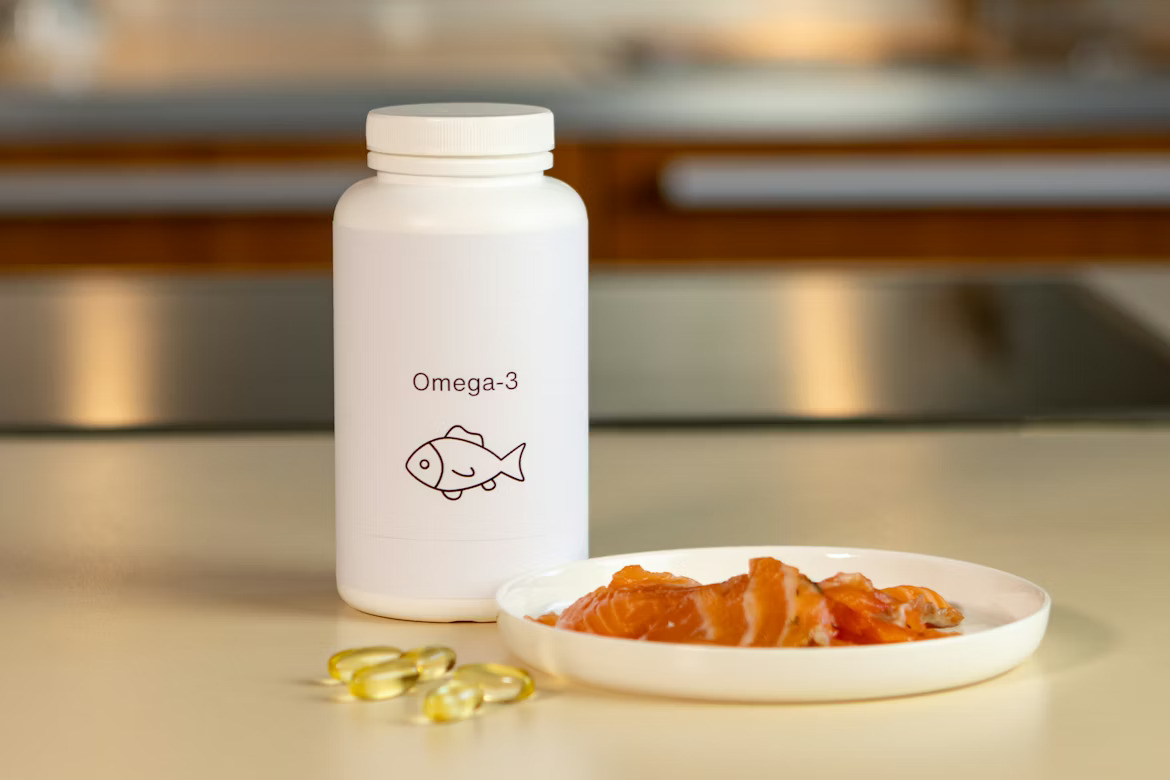
  • Fatty fish, algae-based supplements, and high-quality fish oil are the best ways to get DHA—aim for 500–1000 mg/day for optimal brain support.

If you’ve heard omega-3s are good for your heart, you’re absolutely right—but there’s much more to the story. A growing body of research shows that omega-3 fatty acids, particularly DHA, may play a profound role in brain health, supporting everything from memory to cognitive flexibility and even helping reduce the effects of aging on the mind.

A recent study conducted by researchers at the University of Manchester, published in Brain Research, adds fresh weight to the science behind omega-3s’ neurological benefits. The researchers found that regular intake of omega-3 supplements may stimulate the growth of new neurons and enhance critical cognitive functions like memory and learning.

Let’s dive into what this means for your brain—and how omega-3s might help you stay sharp as you age.

What Does the Study Say?

The study highlighted the effects of DHA (docosahexaenoic acid), a primary component of omega-3 fats, on neurogenesis—the process by which new neurons are formed. The researchers observed that omega-3s, particularly DHA, could trigger neural growth in the hippocampus, a region of the brain closely linked to memory consolidation and learning.

According to the researchers:

“DHA appears to support the proliferation of neural stem cells and protect against inflammatory damage in the brain.” Moreover, the study found that omega-3 intake was associated with increased levels of brain-derived neurotrophic factor (BDNF), a protein that supports existing neurons while encouraging the formation of new connections. This is a big deal—BDNF has been dubbed “Miracle-Gro for the brain” by neuroscientists.  

You can read more about BDNF and brain plasticity from Harvard Medical School.

Why DHA Matters Most

Among the various types of omega-3s—ALA, EPA, and DHA—DHA is the most crucial for brain function. It comprises a significant portion of the brain’s gray matter and is involved in regulating membrane fluidity and neurotransmission.

Studies like this one add to a growing list of research showing that DHA may:

  • Enhance learning and working memory
  • Improve mood regulation
  • Reduce the risk of cognitive decline with age
  • Delay or prevent neurodegenerative diseases like Alzheimer’s

One meta-analysis in The FASEB Journal found that DHA supplementation improved cognitive function in both aging adults and younger individuals with mild cognitive impairment (source).

Omega-3 and Neuroplasticity

Neuroplasticity—the brain’s ability to reorganize and form new connections—is a key factor in mental resilience and adaptability. The Manchester study indicates that omega-3s not only enhance neuroplasticity but may also extend cognitive health span by improving communication between neurons.

As Dr. Simon Dyall, a neuroscience researcher and expert in omega-3 fatty acids, puts it:

“Omega-3s act like insulation on a wire, making sure your brain signals fire efficiently. This becomes even more crucial as we age.”

Omega-3s and Aging: Could They Help Prevent Cognitive Decline?

Cognitive decline isn’t inevitable. Research increasingly shows that lifestyle, including diet, plays a significant role. The consistent intake of omega-3s has been linked to:

  • Lower risk of dementia
  • Slower brain volume loss
  • Better attention and processing speed in older adults

According to a 2022 study in Nutrients, individuals who consumed higher amounts of omega-3s over the course of five years had significantly better scores on cognitive function tests compared to low-intake individuals (source).

The Manchester study adds that even midlife supplementation can trigger neural regeneration—meaning it’s not too late to start even in your 40s, 50s, or beyond.

How to Get More Omega-3s (Especially DHA)

The best sources of DHA include:

  • Fatty fish: salmon, mackerel, sardines, anchovies
  • Algae-based supplements (great for vegans)
  • Omega-3 fortified eggs
  • High-quality fish oil or krill oil supplements

Look for a supplement that provides at least 500–1000 mg of DHA and EPA combined daily, and ensure it’s third-party tested for purity (like those certified by IFOS or USP). 

FAQ: Your Omega-3 and Brain Health Questions, Answered

Q: I already eat a healthy diet. Why do I need extra DHA from supplements?
A: While a healthy diet is foundational, obtaining therapeutic levels of DHA solely from food can be challenging. The brain’s preferred form of omega-3 is pre-formed DHA. To get 500-1000 mg of DHA daily, you would need to eat a large serving of fatty fish like salmon almost every single day. Supplements provide a reliable, concentrated, and measurable dose to ensure your brain receives the optimal amount it needs for functions like supporting BDNF and neurogenesis, as highlighted in the University of Manchester research.

Q: What’s the difference between fish oil and algae oil, and which is better for my brain?
A: Both are excellent sources of DHA, and the choice depends on your lifestyle. Fish oil derives DHA from the tissues of fatty fish, which accumulate it from consuming algae. Algae oil is sourced directly from marine algae, making it a potent, sustainable, and vegan-friendly option. Crucially, high-quality algae oil provides the same pre-formed DHA your brain needs. For brain health, the priority is the dose and purity of DHA, not the source. Choose a third-party tested product from either category that delivers 500-1000 mg of combined EPA and DHA, with a strong emphasis on DHA content.

Q: I’ve heard omega-3s can “thin the blood.” Is it safe to take them if I’m on medication or before surgery?
A: Omega-3s have a mild antiplatelet effect, meaning they may slightly reduce the “stickiness” of blood platelets. While this is generally a positive benefit for cardiovascular health, it is essential to consult your physician if you are on blood-thinning medications (like warin, aspirin, or clopidogrel) or have an upcoming surgical procedure. Your doctor can advise on the appropriate dosage and any necessary precautions to ensure safety, as they would with any supplement that affects bodily functions.

Q: How long does it take to notice cognitive benefits after starting an omega-3 supplement?
A: This depends on your baseline DHA status and what you’re looking to improve. Some subjective feelings of improved mood or focus might be noticed within a few weeks. However, the structural and functional benefits to the brain—like supporting neurogenesis and increasing BDNF levels—are cumulative processes. For measurable, sustained cognitive benefits related to memory and processing speed, consistent supplementation over 3 to 6 months is typically required, as the body incorporates DHA into cell membranes and supports long-term neural health.

Q: My child is a picky eater. Are omega-3s important for developing brains, and how can I ensure they get enough?
A: DHA is critically important for brain development, particularly in early childhood and adolescence when the brain is rapidly growing and forming neural connections. For picky eaters, options include:

  • Child-friendly supplements: Gummies or liquid fish oils that are flavored to mask the taste.
  • Fortified foods: Look for eggs, milk, or yogurt enriched with DHA.
  • Sneaky incorporation: Blend a mild, high-quality fish oil into a smoothie with strong flavors like banana or chocolate.
    Always choose a supplement formulated for children and consult with your pediatrician for appropriate dosing based on age and weight. 

Should You Take Omega-3 for Brain Health?

If you’re aiming to protect your brain as you age, improve your ability to focus, or support your mental health, adding omega-3s—especially DHA—is a simple, low-risk, high-reward strategy.

As the Manchester study reminds us, the brain is highly adaptable. Giving it the nutrients it needs to perform and recover can translate to better learning, memory, and overall cognitive function at any stage of life.

And no, omega-3s aren’t a “magic pill”—they work best as part of a comprehensive approach that includes exercise, sleep, and mindfulness. But as far as brain-supportive supplements go, they’re one of the most researched and respected.

This article is for educational purposes only and is not intended as medical advice. Always consult with your physician before starting any new supplement, especially if you have a neurological condition or are taking medications.

Battle of the Brews: Dark vs. Medium Roast for Max Energy

Quick Take

  • Caffeine myth, busted: Dark roast doesn’t mean more caffeine. In fact, medium roast has a slight edge by volume.
  • Roast ≠ strength: That bold flavor in dark roast? It’s taste, not necessarily energy.
  • Medium roasts retain more antioxidants like chlorogenic acid, which may support blood sugar and inflammation.
  • Dark roasts are easier on the stomach and pack N-methylpyridinium, a compound linked to digestive health.
  • For maximum energy: Go medium roast + cold brew or espresso. For comfort + low acid: Choose dark roast + French press 
  • Your perfect cup depends on how you brew, not just how you roast.

If you’re serious about your coffee—or just need a reliable morning kick—you’ve probably wondered: Is dark roast or medium roast better for a caffeine boost?
The answer isn’t as straightforward as you might think.

When it comes to coffee, a lot more is going on than just flavor. Roast type impacts everything from caffeine content and taste to potential health benefits. Understanding the differences can help you choose the roast that not only energizes you but also supports your wellness goals.

Let’s break it down, cup by cup.

The Basics: What Really Happens During Roasting?

Roasting coffee beans transforms green coffee into the rich, flavorful brown beans we love. During roasting, chemical reactions alter the bean’s structure, flavor compounds, and caffeine content.

  • Medium Roast beans are heated until they reach an internal temperature of about 410°F–430°F. They typically showcase more of the bean’s natural flavors—think floral, fruity, and nutty notes.
  • Dark Roast beans are roasted hotter and longer, around 465°F–480°F. This longer roast burns off more of the delicate flavors, resulting in a bolder, smoky, sometimes bittersweet taste.

But what does this mean for your caffeine intake?

Caffeine Content: Medium Roast vs. Dark Roast

Here’s where it gets interesting: roasting doesn’t drastically change caffeine levels.

That’s right. Caffeine is surprisingly stable during roasting. Although many people believe that dark roast must have more caffeine because of its intense taste—or that it must have less because it’s “roasted out”—the truth lies somewhere in the middle.

  • By Bean Count: If you measure your coffee by number of beans, medium roast has slightly more caffeine because the beans are denser.
  • By Weight: If you measure your coffee by weight (as most professional baristas and coffee shops do), dark roast and medium roast have very similar caffeine levels, with dark roast having a tiny edge due to slight moisture loss during longer roasting.

If you’re scooping your coffee (volume-based), medium roast may give a tiny caffeine edge.
If you’re weighing it, the difference is negligible.

Flavor Profile: Which Roast Tastes “Stronger”?

Another common misconception: people often associate “strong” flavor with more caffeine.
In reality, flavor strength and caffeine strength aren’t the same.

  • Medium Roasts tend to have a lighter body, brighter acidity, and more nuanced flavor notes.
  • Dark Roasts offer bold, smoky, chocolatey, or even slightly bitter flavors. This robust taste tricks many into thinking they’re drinking a stronger, more caffeinated brew.

If you’re after a punchy flavor experience, dark roast will feel “stronger.”
If you’re chasing higher perceived energy, medium roast can feel slightly sharper and more awakening because of its bright acidity.

Health Benefits: Which Roast Wins?

Both dark and medium roast coffees offer health benefits, but they emphasize different compounds.

Medium Roast Health Perks:

  • Higher in chlorogenic acid, a potent antioxidant that may help regulate blood sugar and fight inflammation.
  • Retains more natural plant compounds thanks to shorter roasting times.

Dark Roast Health Perks:

  • Richer in N-methylpyridinium, a compound formed during roasting that may help protect against stomach acid buildup.
  • Some research suggests dark roasts might be gentler on digestion for people with sensitive stomachs.

According to a study published in the Journal of Medicinal Food, dark roast coffee also slightly boosted weight loss compared to light roasts during a small human trial—but the effect was minimal.

Dive deeper into coffee’s antioxidant properties with research from Harvard Health Publishing.

Best Roast for Energy: What the Experts Say

If your primary goal is a reliable, sustained energy boost, experts generally recommend:

  • medium roast for a slightly higher caffeine-by-volume advantage and a lighter, “brighter” sensory experience that helps you feel more alert.
  • Choose single-origin medium roasts for the cleanest caffeine experience if you’re looking for clarity and sharpness.

That said, if you enjoy a bolder taste and want your coffee to feel like a comforting ritual—without sacrificing energy benefits—dark roast still fits the bill.

The real game-changer isn’t just roast type: it’s how you brew it.

  • Espresso shots concentrate caffeine even from dark roasts.
  • Cold brew (steeped long and slow) extracts even more caffeine, especially from medium or light roasts.
  • Drip coffee allows you to taste nuanced differences between medium and dark roasts, while keeping caffeine levels high.

Practical Tips: Choosing the Best Roast for Your Routine

  • Morning Energy: Medium roast drip or cold brew. Bright, clean flavors + solid caffeine.
  • Pre-Workout Boost: A medium roast espresso for a sharper, fast-acting jolt.
  • Afternoon Pick-Me-Up: Dark roast pour-over. Smooth and comforting without overwhelming acidity.
  • Sensitive Stomach?: Try a dark roast with a lower-acid brewing method like cold brew or French press.

There’s No Wrong Choice

The next time you’re standing in the coffee aisle, wondering if you should grab a dark or medium roast bag, remember: both will deliver your caffeine fix. The difference comes down to your taste preference, health priorities, and daily energy needs.

Medium roast offers a slight advantage if you’re optimizing for caffeine per scoop, flavor brightness, and antioxidant intake.
Dark roast brings richness, smoothness, and a low-acid experience that’s easier on digestion—and still energizing.

In the end, the best coffee is the one you enjoy drinking consistently.

Need more guidance on optimizing your nutrition and daily energy habits? Visit the BeeFit Blog for more research-backed articles.


This article is for informational purposes only and is not a substitute for professional medical advice, diagnosis, or treatment. Always consult with a qualified healthcare provider before making changes to your diet, caffeine intake, or wellness routine, especially if you have underlying health conditions or sensitivities.
 

Beyond Gatorade: 6 Smarter, Science-Backed Drinks for Recovery

Quick Take

  • Traditional sports drinks often act as sugary obstacles to recovery, delivering up to 34g of sugar that can spike insulin and promote fat storage instead of optimal rehydration.
  • Natural alternatives like coconut water and tart cherry juice provide superior electrolytes and antioxidants, directly combating inflammation and muscle soreness with clinical backing.
  • Effective hydration is rooted in simplicity and intention—a DIY electrolyte mix or infused water can outperform costly, artificially engineered beverages.
  • The goal of a post-workout drink should be true physiological restoration, not just flavor and marketing; your choice directly influences muscle repair, sleep quality, and long-term metabolic health.

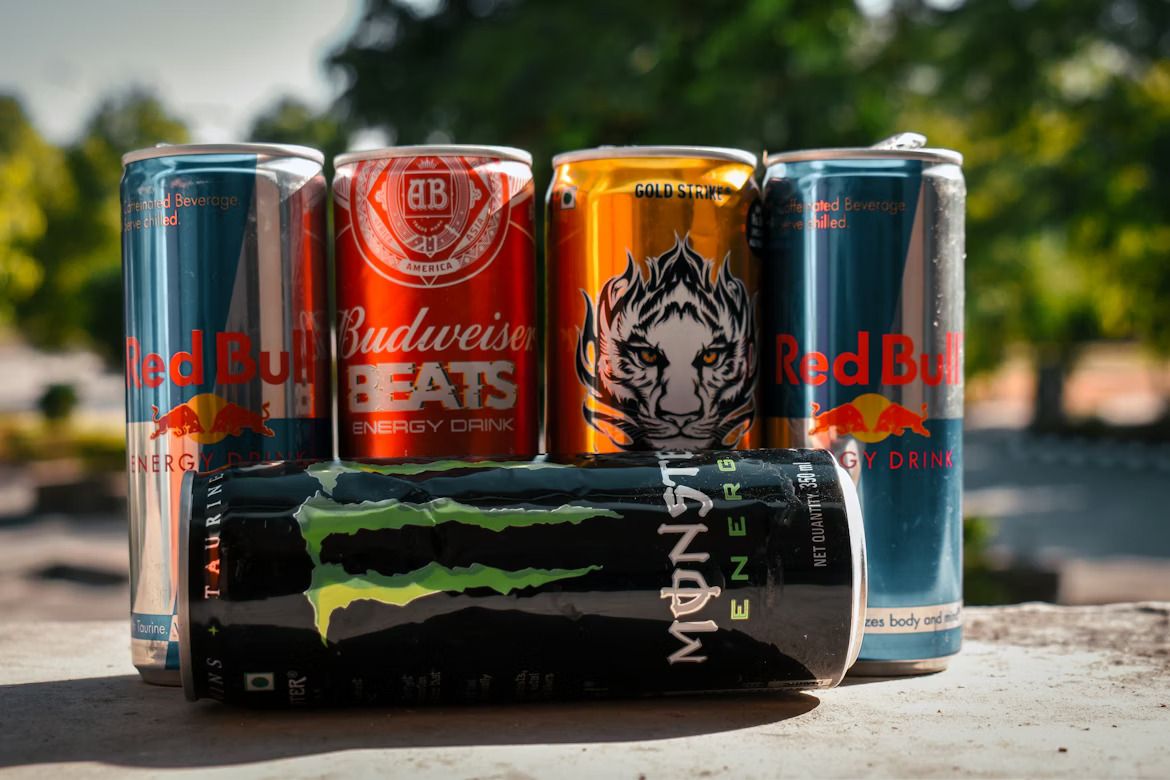
After a tough workout, it’s common to reach for a popular sports drink like Gatorade or an energy drink like Celsius or Red Bull. They promise to rehydrate, energize, and boost performance. But are these brightly colored, heavily marketed beverages truly helping you recover, or are they potentially undermining your long-term health goals?

But beneath the slick marketing lies a less appealing truth: these drinks are often packed with hidden downsides. A standard 20-ounce bottle of Gatorade, for example, contains a staggering 34 grams of sugar nearly as much as a can of soda. Energy drinks can pack excessive amounts of caffeine that interfere with sleep, a crucial component of recovery.

Fortunately, there are smarter, more effective ways to hydrate and refuel your body. This guide reveals six science-backed alternatives that use natural ingredients to support your fitness journey without the unwanted additives.

The Hidden Cost of Your Post-Workout Drink

Before exploring better options, it’s important to understand the two primary problems with many commercial sports and energy drinks.

Sugar Overload, Not Hydration

A 20oz Gatorade contains 34 grams of sugar, which can cause a rapid energy spike followed by a crash. Over time, high sugar intake contributes to weight gain, insulin resistance, and dental problems. Even the “zero sugar” versions are not a perfect solution; they rely on artificial sweeteners that emerging research suggests may negatively affect gut health and insulin response.

Caffeine Jitters vs. Real Recovery

Energy drinks can contain up to 200mg of caffeine per can. While caffeine can enhance performance, excessive amounts can lead to anxiety, heart palpitations, and poor sleep quality. This undermines the very recovery process you need after training by disrupting sleep and raising stress hormones, leaving you tired and stressed rather than restored.

Six Science-Backed Alternatives to Fuel Your Fitness

The best alternatives provide effective hydration and recovery support using natural ingredients. Here are six expert-approved options to fuel your body the right way.

1. Nature’s Electrolyte Drink: Coconut Water

Coconut water is a natural source of key electrolytes like potassium, sodium, and magnesium, all of which are essential for muscle function and recovery. Unlike commercial drinks, it delivers these benefits without synthetic additives or artificial colors.

A 2012 study in the Journal of the International Society of Sports Nutrition found that coconut water replenishes hydration just as effectively as commercial sports drinks.

This profile positions coconut water as an ideal choice for clean, light, post-workout hydration.

2. The Ultimate Recovery Hack: Tart Cherry Juice

Tart cherry juice is a potent tool for reducing muscle soreness and inflammation. Its power comes from a high concentration of antioxidants called anthocyanins. Research published in the Scandinavian Journal of Medicine & Science in Sports found that athletes who drank tart cherry juice experienced significantly less muscle soreness and recovered faster. As a bonus, it contains natural melatonin, which can improve sleep quality, a critical factor in muscle repair.

3. For Smarter Endurance: Water with BCAAs

Adding Branched-Chain Amino Acids (BCAAs) to your water is an excellent strategy, particularly if you perform fasted cardio or strength training, or engage in long endurance sessions. BCAAs help reduce muscle breakdown during exercise and support the repair process afterward. For optimal results, look for a BCAA powder with a 2:1:1 ratio of leucine, isoleucine, and valine. Read more about our favorite BCAA supplements here at BeeFit.ai.

4. The Budget-Friendly Powerhouse: DIY Electrolyte Water

Why buy when you can make your own effective and clean electrolyte drink? This simple recipe supports electrolyte balance and provides a gentle energy boost without artificial ingredients.

  • 16 oz filtered water
  • 1/8 tsp sea salt
  • Juice of half a lemon or orange
  • 1 tsp honey or maple syrup

This option is cheap, completely customizable, and free from the artificial ingredients found in store-bought drinks.

5. Calm Energy for Mind and Body: Herbal Teas

Herbal infusions like peppermint, ginger, and green tea offer gentle hydration and a wealth of antioxidants without sugar or excessive stimulants. Green tea is particularly beneficial, as it contains EGCG, an antioxidant compound that has been shown to support fat metabolism. These teas are a perfect way to rehydrate while promoting a sense of calm energy. Link

6. Effortless Hydration: Infused “Spa” Water

Sometimes the simplest solution is the best. Infused water is a zero-calorie way to make hydration more appealing, encouraging you to drink consistently throughout the day. Simply add ingredients like sliced cucumbers, lemon, berries, or mint to a pitcher of water for a refreshing, natural flavor boost.

What About Electrolyte Powders and Tablets?

Convenient electrolyte products like Nuun or LMNT can be excellent tools, especially for serious athletes, individuals training in hot weather, or for travel. They provide controlled ratios of sodium and potassium without the sugar found in traditional sports drinks.

When choosing a product, look for one free of added sugar and artificial dyes. It’s also wise to be mindful of the sodium content, particularly if you are managing hypertension.

Frequently Asked Questions (FAQ)

Q: Are zero-sugar sports drinks a healthy alternative? A: Not necessarily. While they don’t contain sugar, they often use artificial sweeteners that emerging research suggests may negatively affect gut health and insulin response.

Q: What is the best natural drink for muscle soreness? A: Tart cherry juice is an excellent choice. It is rich in antioxidants called anthocyanins, which have been shown in studies to reduce muscle inflammation and speed up recovery.

Q: Can I make my own electrolyte drink at home? A: Yes. A simple and effective DIY electrolyte drink can be made by mixing 16 oz of filtered water with 1/8 tsp of sea salt, the juice of half a lemon or orange, and 1 tsp of honey or maple syrup.

Fuel Smarter, Not Harder

Relying on heavily marketed sports and energy drinks may provide a temporary boost, but smart, sustainable fitness comes from better fuel. True hydration and recovery are rooted in whole ingredients, natural electrolytes, and recovery-enhancing nutrients, not marketing hype and sugar. 

Your recovery is earned, not bought in a bottle. The next time you finish a workout, which of these smarter fuels will you choose to honor your effort?

This article is for informational purposes only and does not substitute for medical advice, diagnosis, or treatment. Always consult a healthcare provider before making changes to your diet, supplementation, or fitness routine.

The Best Natural Supplements for Post-Workout Recovery

Quick Take

  • A high-protein vegetarian breakfast regulates your metabolism, triggering hormones that increase fullness and suppress hunger to prevent energy crashes.
  • Plant proteins from legumes, seeds, and dairy work synergistically to build a complete amino acid profile essential for muscle and brain health.
  • Consuming 20-30 grams of protein in the morning initiates muscle repair and creates a stable hormonal environment, making subsequent meals easier to manage.
  • The core strategy is strategic food pairing. Combining items like chickpea pancakes with nuts or quinoa with seeds maximizes protein quality and absorption.

When it comes to maximizing your fitness progress, what you do after your workout can be just as important as the effort you put in at the gym. While good sleep, hydration, and nutrition form the foundation of effective recovery, certain natural supplements can help you bounce back faster, reduce soreness, and protect your hard-earned muscle.

You already know about protein shakes and creatine but there’s a whole world of lesser-known natural recovery aids worth exploring. Here’s a closer look at the best ones, backed by science and trusted by coaches and nutritionists alike.

1. Tart Cherry Juice

If you’re looking for something powerful and proven, tart cherry juice should be at the top of your list. Studies show that it can significantly reduce muscle soreness and inflammation after intense exercise.

In fact, a study published in the Scandinavian Journal of Medicine & Science in Sports found that athletes who drank tart cherry juice experienced faster recovery of strength and less soreness compared to a placebo group.

How to Use It:

  • Drink 8–12 ounces of tart cherry juice immediately after workouts and again before bed for best results.
  • Look for unsweetened varieties to avoid unnecessary sugars.

2. Magnesium

Magnesium is often overlooked, but it’s crucial for muscle relaxation, energy production, and reducing cramps. According to the National Institutes of Health (NIH), most Americans don’t get enough magnesium from their diet.

Low magnesium levels can lead to muscle twitches, fatigue, and longer recovery times. Supplementing can help maintain healthy muscle and nerve function—especially important after heavy lifting or endurance training.

Best Sources:

  • Magnesium glycinate or magnesium citrate are highly bioavailable forms.
  • Recommended daily intake: 300–400 mg, but needs may vary depending on training intensity.

3. Curcumin (from Turmeric)

Curcumin, the active compound in turmeric, is famous for its anti-inflammatory and antioxidant properties. Research shows it can significantly lower post-workout inflammation and oxidative stress, which otherwise slow recovery.

A review published in the Journal of Medicinal Food highlighted curcumin’s effectiveness in reducing exercise-induced muscle damage and soreness.

How to Supplement:

  • Look for curcumin supplements that contain black pepper extract (piperine), which boosts absorption by up to 2000%.
  • Take 500–1000 mg per day, split into two doses.

4. Omega-3 Fatty Acids

You probably know that omega-3s are good for your heart—but did you know they can also accelerate muscle recovery?

A study in the American Journal of Clinical Nutrition found that omega-3 supplementation reduced muscle soreness and improved range of motion after strenuous exercise.

Sources:

  • Fish oil capsules (look for high EPA/DHA content).
  • Algae-based omega-3 supplements for plant-based athletes.

Pro Tip: Aim for about 2–3 grams of combined EPA and DHA daily for noticeable recovery benefits.

5. L-Carnitine

L-carnitine, a compound derived from amino acids, plays a critical role in energy production. Recent research suggests that it can improve muscle oxygenation, reduce markers of muscle damage, and speed up recovery.

According to a review published in Nutrients, consistent supplementation of L-carnitine leads to better performance and faster post-exercise recovery.

Dosing Tip:

  • Take 1–2 grams of L-carnitine L-tartrate daily, especially around workout times.

6. Collagen Peptides

Collagen is the most abundant protein in your body and plays a major role in the health of your joints, tendons, and ligaments. Supplementing with collagen peptides can speed up recovery from connective tissue injuries and even enhance muscle repair.

2019 study in Amino Acids reported that collagen supplementation led to significant improvements in muscle recovery and joint health among physically active adults.

How to Use:

  • Mix 10–20 grams of collagen peptides into your post-workout smoothie or coffee.
  • For best results, pair collagen with a source of vitamin C to enhance absorption.

7. Adaptogens: Ashwagandha and Rhodiola Rosea

While not direct muscle builders, adaptogens like ashwagandha and rhodiola can boost recovery by balancing cortisol levels and supporting overall stress management.

Ashwagandha has been shown in studies to improve strength gains and muscle recovery, while Rhodiola Rosea can help reduce perceived exertion and fatigue (source).

Dosing:

  • Ashwagandha: 300–600 mg daily of a standardized extract.
  • Rhodiola: 200–400 mg before workouts or stressful periods.

Important Tips Before Supplementing

  • Quality Matters: Always choose reputable brands with third-party testing to ensure purity.
  • Consistency is Key: Natural supplements typically work best when used consistently over time.
  • Talk to a Professional: Consult your doctor or a registered dietitian before starting any new supplement regimen, especially if you have medical conditions or take medications. 

FAQ; Your Natural Supplement for Energy Questions, Answered

Q: I’m vegan. How do I get a complete protein at breakfast?
A: A complete protein has all nine essential amino acids. Most plant foods are low in one or two. You can combine them. Pair legumes with grains or seeds. Try chickpea flour pancakes with tahini. Have a smoothie with pea protein and hemp seeds. Eat a quinoa bowl with almonds. Eating different plant proteins all day helps your body make complete proteins.

Q: Is a protein smoothie as good as a whole food breakfast?
A: It depends on your goal. A good plant protein powder helps you hit a protein target fast. This is useful after a workout. A whole food meal like a tofu scramble gives you more. It has fiber, fats, vitamins, and minerals from vegetables. For best health, use whole foods most days. Use protein powder as a helpful tool on busy days.

Q: Dairy makes me bloated. What are good alternatives?
A: You may be sensitive to lactose. Try lactose free Greek yogurt or cottage cheese. These have the same protein. Skyr is another high protein, lower lactose option. You can also find non dairy versions made from coconut or almond milk. A savory tofu scramble is a great dairy free choice that is high in protein.

Q: How do I stay full until lunch? I get hungry by 10 AM.
A: You need three things: Protein, Fiber, and Healthy Fat. This combination digests slowly. It keeps your blood sugar stable. Add chia seeds and almonds to Greek yogurt. Put flaxseed and spinach in a smoothie. Top avocado toast with edamame and sesame seeds. This will help you feel full longer.

Q: What are quick make ahead breakfasts?
A: Prepare your breakfast in batches. Make overnight chia pudding with protein powder. Cook and freeze chickpea pancakes to toast later. Assemble smoothie packs with frozen fruit and spinach. If you eat eggs, hard boil a batch for the week. Spending a little time preparing saves time every morning.

Final Thoughts: Natural Recovery Boosters for Real Results

Muscle recovery doesn’t have to rely solely on stretching, foam rolling, or downtime. The right natural supplements can dramatically speed up recovery, reduce soreness, and support your fitness goals without harsh chemicals or extreme measures.

From tart cherry juice to curcumin and magnesium, these under-the-radar options can be the missing link in your training strategy. Start small, be consistent, and enjoy stronger sessions with less downtime!

This article is for informational purposes only and does not constitute medical advice. Always consult with a healthcare professional before making changes to your supplement, nutrition, or fitness routines.

The Best Time to Take Creatine for Maximum Results

Creatine is one of the most well-researched and effective supplements for increasing muscle mass, improving strength, and enhancing recovery. While its benefits are well established, the timing of creatine intake remains a common question among athletes and fitness enthusiasts. Should you take it before or after a workout? Does timing even matter?

This guide breaks down the science behind creatine timing, how it works, and how to get the most out of your supplementation.

What Is Creatine and How Does It Work?

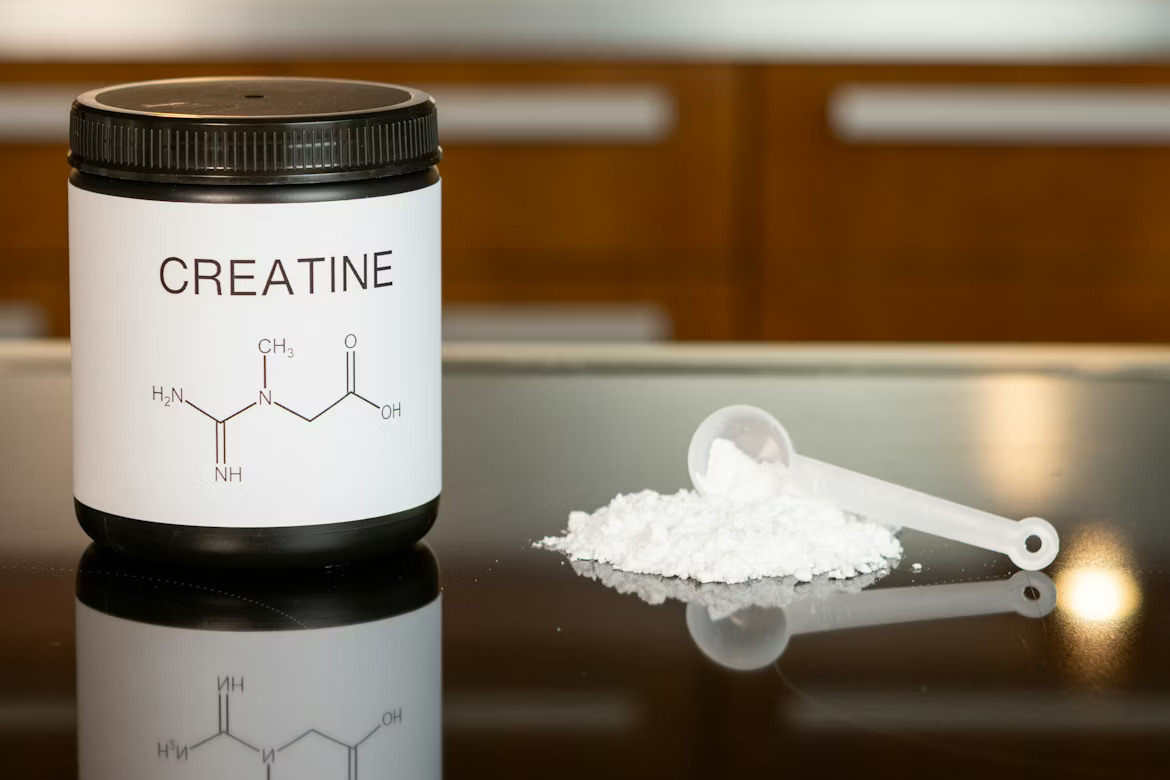
Creatine is a naturally occurring compound that plays a key role in energy production, particularly during high-intensity exercise. It is stored in muscle tissue as phosphocreatine, which helps regenerate adenosine triphosphate (ATP)—the body’s primary energy source.

How Creatine Enhances Performance:

  • Increases ATP production for better workout endurance.
  • Boosts strength and power by enhancing muscle contractions.
  • Speeds up recovery by reducing muscle damage and inflammation.
  • Promotes muscle growth by increasing cellular hydration and protein synthesis.

Creatine is found in foods like red meat and fish, but getting enough through diet alone is difficult, making supplementation an efficient way to maintain optimal levels.

When Is the Best Time to Take Creatine?

Unlike stimulants like caffeine, creatine doesn’t work instantly. Instead, it accumulates in muscle cells over time, meaning consistency matters more than timing. However, research suggests that taking creatine close to your workout may offer some advantages.

Pre-Workout vs. Post-Workout Creatine

Several studies have examined whether taking creatine before or after workouts makes a difference in muscle growth and performance.

Post-Workout Creatine May Be Slightly More Effective

A 2013 study published in the Journal of the International Society of Sports Nutrition compared two groups:

  • One group took 5g of creatine before workouts
  • The other group took 5g of creatine after workouts

After four weeks, the post-workout group experienced:

  • 3% increase in lean muscle mass (compared to 1.3% in the pre-workout group).
  • 7.5% improvement in one-rep max bench press strength (compared to 6.8% in the pre-workout group).

Conclusion: Taking creatine after a workout may slightly enhance muscle gain.

2015 study on older adults undergoing resistance training found similar results—post-workout creatine led to slightly greater muscle mass gains than pre-workout creatine.

Taking Creatine Anytime Close to a Workout Is Effective

2021 systematic review concluded that as long as creatine is taken close to a workout (either before or after), it provides similar benefits.

Bottom Line: The key is consistent daily intake, rather than stressing over exact timing.

How Much Creatine Should You Take?

There are two common dosing strategies:

1. Loading Phase (For Faster Results)

  • 20g per day for 5–7 days, divided into 4–5 servings.
  • Followed by a maintenance dose of 3–5g per day.
  • Helps saturate muscle stores quickly (within a week).

2. No-Loading Method (For a Gradual Approach)

  • 3–5g per day from the start.
  • Takes about 3–4 weeks to fully saturate muscles.

Which method is better? Both work. Loading speeds up the process, but skipping the loading phase still leads to the same long-term results.

Should You Take Creatine on Rest Days?

Yes. Your body naturally breaks down 1–2% of its muscle creatine stores daily, which need to be replenished. Taking creatine daily ensures your muscles stay saturated.

On rest days, timing isn’t critical—just take it with a meal for better absorption.

What Should You Take Creatine With?

Studies suggest that insulin spikes can enhance creatine uptake into muscle cells. Pairing creatine with carbohydrates and protein may improve absorption.

Best options:

  • Protein shakes with creatine.
  • Creatine mixed with a meal containing carbs and protein.
  • Post-workout recovery drinks.

Avoid mixing creatine with acidic drinks like orange juice, as acidity can degrade creatine over time.

Which Type of Creatine Is Best?

The best and most researched form is Creatine Monohydrate because it is:

  • Highly effective.
  • Affordable.
  • The most studied and proven form.
  • Safe for long-term use.

Other forms like creatine HCL, buffered creatine, and creatine ethyl ester claim better absorption, but research shows no significant advantages over monohydrate.

Is Creatine Safe?

Yes. Creatine is one of the safest and most studied supplements available. Research shows no harmful effects on kidney function in healthy individuals.

Common Myths Debunked:

  • Creatine does not cause kidney damage unless you have pre-existing kidney disease.
  • Creatine does not cause dehydration or muscle cramps.
  • Creatine does not cause bloating. It increases intracellular water in muscles, not under the skin.

The only potential side effect? Mild stomach discomfort if taken in high doses (10g+ at once). To prevent this, split doses throughout the day.

Final Thoughts: When Should You Take Creatine?

  • Take 3–5g of creatine daily for maximum benefits.
  • Post-workout may be slightly better for muscle growth.
  • Taking it before or after workouts both work—the key is consistency.
  • Pair with protein or carbs to enhance absorption.
  • Take creatine every day, even on rest days.
  • Creatine monohydrate is the best form.
  • It is safe, effective, and one of the best supplements for muscle growth. 

FAQ: Your Creatine Timing Questions, Answered

Q: Is it better to take creatine before or after a workout?
A: Research suggests post-workout timing may have a slight advantage for muscle growth, but the difference is minimal. The most important factor is taking it consistently every day. Taking it either before or after your workout is effective, as creatine saturates your muscles over time, not instantly.

Q: Do I need to do a loading phase?
A: No. A loading phase (20g/day for 5-7 days) saturates muscles faster, but a standard daily dose of 3-5 grams will achieve the same muscle saturation and benefits within 3-4 weeks. Choose the method that best fits your preference and tolerance.

Q: Should I take creatine on rest days?
A: Yes. Your body uses and breaks down creatine daily. Taking 3-5 grams on rest days, ideally with a meal, maintains saturated muscle stores, ensuring you have optimal levels for your next workout.

Q: What’s the best thing to mix creatine with?
A: Mix it with water, a protein shake, or a meal containing carbohydrates and protein. The resulting insulin response can help drive creatine into muscle cells. Avoid mixing it with acidic juices (like orange juice) for long periods, as acidity can degrade creatine over time.

Q: Which type of creatine should I buy?
A: Creatine monohydrate. It is the most extensively researched, proven effective, cost-efficient, and safe form. Other marketed forms (HCL, ethyl ester) do not demonstrate superior absorption or benefits in independent studies.

The Bottom Line

The small difference between pre- and post-workout timing isn’t as important as taking creatine consistently and ensuring your muscles stay saturated. If you haven’t already added creatine to your routine, now is the time to start maximizing your gains.

This article is based on my personal experiences and opinions. It is not intended as medical advice or a substitute for professional guidance. Always consult a qualified professional or healthcare provider for personalized advice regarding your health and wellness. 

Why Magnesium is Essential for Athletes

Quick Take

  • Magnesium supports over 300 biochemical reactions, including the creation of ATP for muscle energy and the regulation of muscle contraction.
  • Athletes are at higher risk of deficiency due to magnesium loss through sweat, which can lead to cramps, fatigue, and impaired recovery.
  • The recommended daily intake is 400–420 mg for men and 310–320 mg for women, with athletes often needing slightly more.
  • Magnesium citrate and glycinate are well-absorbed supplement forms, but food sources like leafy greens, nuts, and legumes should be prioritized.

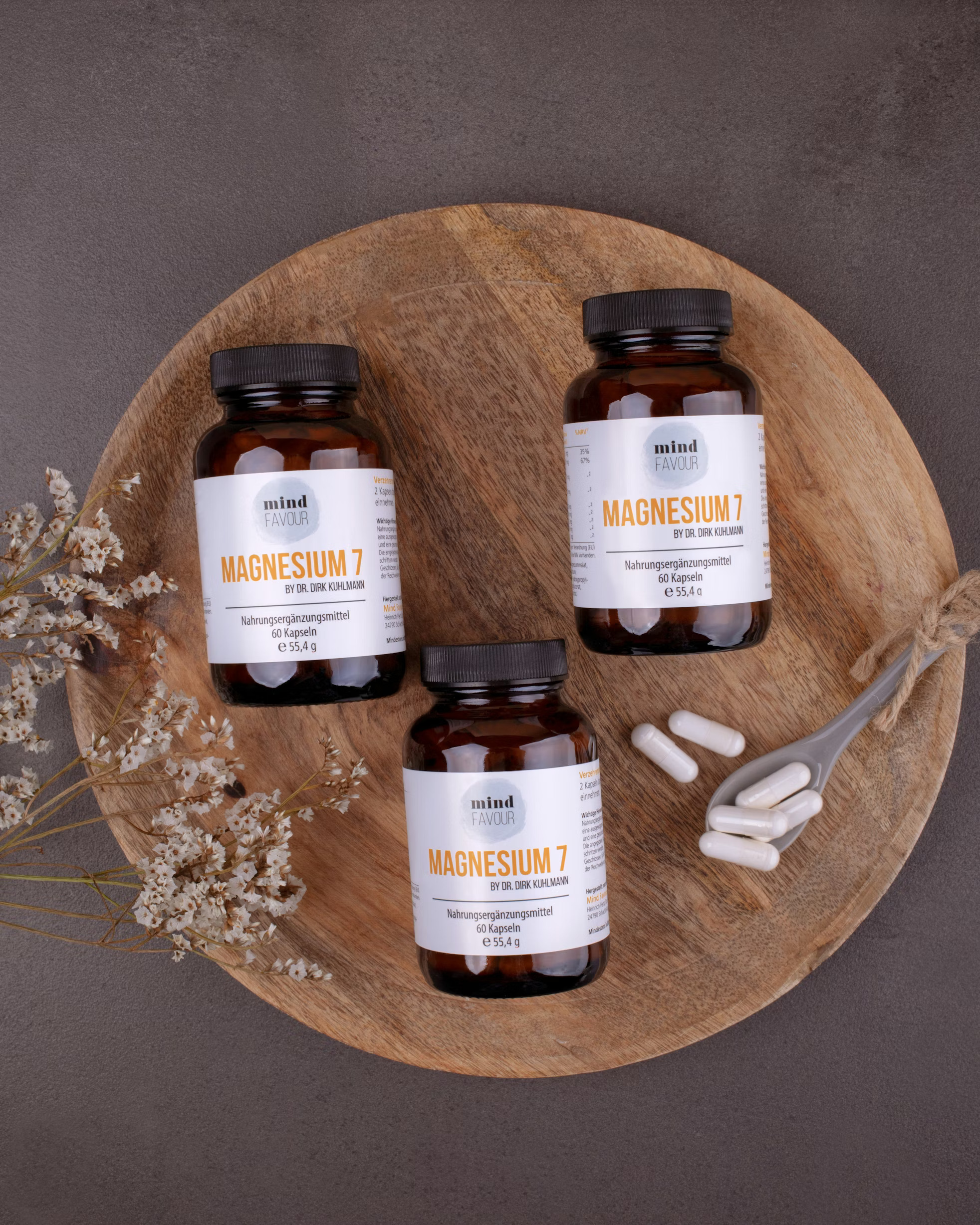
Magnesium often flies under the radar compared to high-profile nutrients like protein or calcium, but it plays a critical role in athletic performance and overall health. From supporting muscle function to aiding recovery, magnesium is a powerhouse mineral that athletes can’t afford to overlook.

The Role of Magnesium in the Body

Magnesium is involved in over 300 biochemical reactions, making it vital for everything from energy production to muscle and nerve function. Here’s how it benefits athletes specifically:

  1. Energy Production
    Magnesium helps create adenosine triphosphate (ATP), the molecule that fuels muscle contractions during exercise (NIH on Magnesium’s Role in Energy).
  2. Muscle Function
    Proper magnesium levels support muscle contraction and relaxation, reducing the risk of cramps and spasms during intense workouts (Cleveland Clinic on Muscle Recovery).
  3. Recovery and Repair
    After exercise, magnesium aids in muscle tissue repair and reduces inflammation, speeding up recovery time (Healthline on Recovery Benefits).
  4. Hydration and Electrolyte Balance
    Magnesium helps maintain hydration and balance electrolytes, which is crucial during heavy sweating (Harvard on Electrolyte Balance).
  5. Nervous System Regulation
    Magnesium supports the nervous system, reducing stress and promoting better sleep—both critical for optimal athletic performance and recovery (Sleep Foundation on Magnesium and Sleep).

The Risks of Magnesium Deficiency for Athletes

Athletes are particularly at risk of magnesium deficiency because they lose more magnesium through sweat and urine during intense training sessions. Deficiency can lead to:

  • Muscle cramps and spasms
  • Fatigue and reduced endurance
  • Increased inflammation
  • Poor recovery

Studies show even marginal magnesium deficiency can impair exercise performance and amplify the effects of fatigue (PubMed Research).

How Much Magnesium Do Athletes Need?

The Recommended Daily Allowance (RDA) for magnesium is:

  • Men: 400–420 mg/day
  • Women: 310–320 mg/day

Athletes may require slightly more due to increased magnesium losses during exercise (NIH Guidelines).

Top Food Sources of Magnesium

Incorporate these magnesium-rich foods into your diet:

  1. Leafy Greens: Spinach, kale, and Swiss chard are excellent sources (WebMD on Magnesium Foods).
  2. Nuts and Seeds: Almonds, cashews, and pumpkin seeds are portable, protein-packed options (Healthline on Magnesium Foods).
  3. Whole Grains: Quinoa, brown rice, and oats are great for energy and magnesium (Harvard Nutrition Source).
  4. Legumes: Black beans, lentils, and chickpeas offer a double benefit of magnesium and protein.
  5. Dark Chocolate: At least 70% cocoa content provides a magnesium boost with antioxidants (Everyday Health on Dark Chocolate).

Should Athletes Take Magnesium Supplements?

If you’re unable to meet your magnesium needs through food alone, supplementation may be helpful. Magnesium supplements come in various forms:

  • Magnesium Citrate: Best for absorption (Cleveland Clinic on Magnesium Supplements).
  • Magnesium Glycinate: Gentle on the stomach, ideal for relaxation and sleep (Sleep Foundation).
  • Magnesium Oxide: Affordable but less bioavailable.

Before supplementing, consult with a healthcare provider to determine the right dosage and form for your needs (NIH on Supplement Safety). 

FAQ: Your Magnesium Questions, Answered

Q: How do I know if I’m deficient in magnesium?
A: Common signs for athletes include persistent muscle cramps or twitches, unusual fatigue, poor recovery, and disrupted sleep. A blood test from a healthcare provider can confirm a deficiency, as symptoms can be vague and overlap with other issues.

Q: What’s the best type of magnesium supplement for athletes?
A: Magnesium citrate is highly absorbable and supports energy and muscle function. Magnesium glycinate is also well-absorbed and is particularly good for promoting relaxation and sleep without digestive upset, which aids recovery. Avoid magnesium oxide for performance goals, as it has poor bioavailability.

Q: Can I get enough magnesium from food alone?
A: Yes, it’s possible with a focused diet. Prioritize daily servings of leafy greens (spinach, kale), nuts and seeds (almonds, pumpkin seeds), legumes (black beans), whole grains (quinoa), and dark chocolate. However, athletes with high training volumes or digestive issues may benefit from targeted supplementation.

Q: When is the best time to take a magnesium supplement?
A: For general muscle function and energy, taking magnesium with a meal earlier in the day can be beneficial. If using magnesium glycinate for its calming properties and to improve sleep quality, taking it 30-60 minutes before bedtime is often recommended.

Q: Can too much magnesium be harmful?
A: Yes. Excessive magnesium from supplements (not food) can cause diarrhea, nausea, and abdominal cramping. Very high doses can lead to more serious issues like irregular heartbeat. It’s important not to exceed the Tolerable Upper Intake Level (UL) of 350 mg per day from supplemental sources unless under medical supervision.

The Bottom Line

Magnesium is an essential mineral that supports energy production, muscle function, and recovery—making it a must-have for athletes. Whether you meet your magnesium needs through diet or supplements, ensuring adequate intake can significantly improve performance and overall health.

This article is based on my personal experiences and opinions. It is not intended as medical advice or a substitute for professional guidance. Always consult a qualified professional or healthcare provider for personalized advice regarding your health and wellness.