BeeFit: Fitness & Wellness

8 Psychiatrist-Approved Supplements for Mood & Anxiety

Quick Take

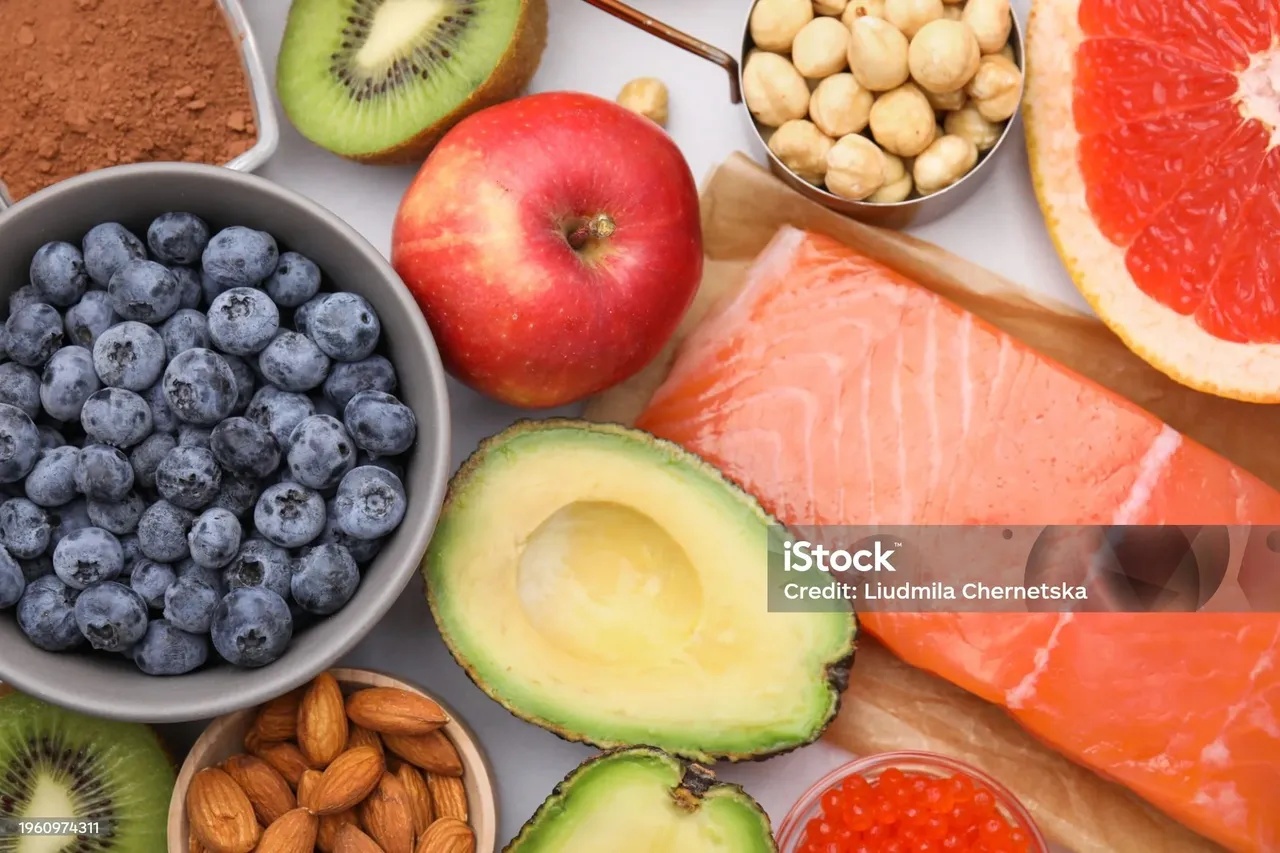
  • Omega-3 fatty acids, particularly EPA, are directly linked to reduced symptoms of depression in clinical research.
  • Vitamin D acts as a neurosteroid in the brain, influencing mood regulation, and deficiency is common.
  • The probiotic-gut-brain axis is a key area of study, with specific strains shown to reduce anxiety and depression.
  • Adaptogens like Ashwagandha and Rhodiola help the body physiologically adapt to and resist stress.

Mental well-being is a complex balance of brain chemistry, lifestyle, and nutrition. While supplements are not a replacement for therapy or medication, they can provide foundational support. Targeted nutrients can help address deficiencies, modulate stress responses, and support the biological pathways that govern mood and focus.

Psychiatrists are increasingly looking at these adjunctive tools. This list details eight of the most recommended supplements, explaining not just what they do, but why and how they can be integrated into a holistic mental health strategy.

1. How Do Omega-3s Actually Improve Your Mood?

They reduce neuroinflammation and are critical building blocks for brain cell membranes, directly supporting neurotransmitter function.

The two key omega-3s are EPA and DHA. EPA is heavily researched for its anti-inflammatory effects in the brain, which are tied to mood disorders. DHA is a structural fat essential for brain development and signaling. A deficiency can disrupt cognitive function and emotional regulation.

Dr. Anna Johnson, a psychiatrist, explains, “Omega-3 fatty acids are foundational for brain health. A deficiency in these essential fats can lead to cognitive decline and worsen depressive symptoms.”

This is fundamental because you cannot create these fats in your body; they must come from your diet or supplements. They are literal food for your brain.

Your Application

Look for a fish oil or algal oil supplement with a high EPA-to-DHA ratio (e.g., 2:1 or 3:1) for mood support. Aim for 1,000-2,000 mg of combined EPA/DHA daily.

2. Why Is Vitamin D Called the “Sunshine Vitamin” for Your Brain?

Because it functions like a hormone that regulates gene expression in the brain, influencing the production of mood-regulating neurotransmitters like serotonin.

Vitamin D receptors are found throughout the brain. Low levels are strongly correlated with a higher risk of depression and Seasonal Affective Disorder (SAD). It supports nerve growth and reduces inflammation, creating a healthier environment for brain cells to communicate.

This is critical because widespread deficiency makes this a common, correctable factor in low mood, especially in winter or for those with limited sun exposure.

Your Application

Have your vitamin D (25-hydroxyvitamin D) level tested. A common maintenance dose is 1,000-2,000 IU daily, but deficiency may require a higher, doctor-supervised dose initially.

3. Can a Mineral Like Magnesium Really Calm Anxiety?

Yes. Magnesium acts as a natural gatekeeper for your NMDA receptors, calming excessive neuronal excitement that manifests as anxiety and stress.

Magnesium helps regulate the hypothalamic-pituitary-adrenal (HPA) axis, your body’s central stress response system. It also supports GABA, a calming neurotransmitter. Modern diets are often low in magnesium, and stress depletes it further, creating a vicious cycle.

This finding is powerful because it connects a simple mineral deficiency to the physiological experience of anxiety and restless sleep.

Your Application

For mental calm, choose magnesium glycinate or bisglycinate. Take 200-400 mg in the evening. This form is highly absorbable and less likely to cause digestive issues.

4. What Is the Gut-Brain Axis, and How Do Probiotics Help?

It’s the direct communication network between your gut microbiome and your brain via the vagus nerve, hormones, and immune signaling. Probiotics can positively influence this dialogue.

Certain probiotic strains produce neurotransmitters like GABA and serotonin. They also help reduce systemic inflammation, which is linked to depression. By improving gut barrier integrity, they prevent “leaky gut,” which can trigger an inflammatory response that affects the brain.

This is a paradigm-shifting area of psychiatry. It underscores that mental health is not just about the brain, but the entire ecosystem of the body.

Your Application

Select a broad-spectrum probiotic with studied strains like Lactobacillus helveticus and Bifidobacterium longum. Consistency is key—take daily for at least 4-8 weeks to assess effects.

5. How Does L-Theanine Create Calm Without Drowsiness?

It increases alpha brain wave activity, which is associated with a state of relaxed alertness, and modulates key neurotransmitters like GABA, serotonin, and dopamine.

Unlike sedatives, L-Theanine doesn’t induce sleepiness. It takes the edge off anxiety while maintaining mental clarity. It’s famously synergistic with caffeine, smoothing out the jitters while enhancing focus.

This is valuable for those who need to manage anxiety during the day without impairment. It’s a tool for calm functionality.

Your Application

Take 100-200 mg of L-Theanine as needed for acute stress, or 30-60 minutes before a known anxiety-provoking situation. It can also be taken daily.

6. What Is an Adaptogen, and How Does Ashwagandha Work?

Adaptogens are herbs that help the body resist physical, chemical, and biological stressors. Ashwagandha works primarily by lowering cortisol, the body’s primary stress hormone.

Chronic elevated cortisol is damaging and linked to anxiety, depression, and brain fog. Ashwagandha helps normalize the HPA axis, reducing the physiological impact of stress. This can lead to improved mood, energy, and resilience over time.

This is key for those experiencing burnout or constant “wired and tired” feelings. It helps your body downshift from a prolonged state of high alert.

Your Application

Look for a standardized extract like KSM-66® or Sensoril®. Take 300-600 mg daily. Effects are cumulative and best noticed after several weeks of consistent use.

7. Why Is a B-Vitamin Complex Important for Mental Energy?

B vitamins (especially B6, B9/folate, and B12) are essential cofactors in the biochemical pathways that produce neurotransmitters like serotonin, dopamine, and GABA.

Think of them as the spark plugs in your brain’s engine. A deficiency in any single B vitamin can slow down the production of these critical chemicals, leading to fatigue, low mood, and brain fog. They are also crucial for homocysteine metabolism; high homocysteine is a risk factor for cognitive decline.

This is fundamental support. They enable the basic chemistry of mood and energy to happen efficiently.

Your Application

A high-quality B-complex supplement is often more effective than taking individual B vitamins, as they work synergistically. Take it with food in the morning for optimal energy metabolism.

8. When Is Rhodiola Rosea the Right Choice?

Rhodiola is particularly effective for fatigue associated with stress, enhancing mental stamina and focus during periods of high demand.

Rhodiola works by influencing neurotransmitters and supporting the efficient use of cellular energy (ATP). It is known to reduce feelings of exhaustion and improve cognitive performance under stress, making it ideal for work-related burnout or prolonged mental effort.

This adaptogen is distinguished by its energizing, yet non-jittery, properties. It’s for when you need to perform while stressed, not just wind down.

Your Application

Use Rhodiola in cycles (e.g., 6-8 weeks on, 2-4 weeks off). Take 200-400 mg of a standardized extract (typically 3% rosavins) in the morning or early afternoon to avoid interfering with sleep.

FAQ: Your Mental Health Supplement Questions, Answered

Q: Can I take these supplements with my prescription medication?
A: You must consult your prescribing doctor or pharmacist. Some supplements (like St. John’s Wort, not listed here) have severe interactions. Even these can interact; for example, high-dose Omega-3s may thin blood. Always disclose all supplements to your healthcare team.

Q: How long before I notice a difference in my mood?
A: It varies. Magnesium or L-Theanine may offer relatively quick calming effects. Building foundational nutrients (Omega-3s, Vitamin D, probiotics, adaptogens) often takes 4-12 weeks of consistent use to see measurable changes in baseline mood and resilience.

Q: Should I get blood work done first?
A: It is highly advisable, especially for Vitamin D, B12, and ferritin (iron). Testing removes the guesswork, allowing you and your doctor to target specific deficiencies effectively and efficiently.

Q: What’s the most important lifestyle factor to pair with these supplements?
A: Consistent, quality sleep is non-negotiable. Sleep deprivation undermines emotional regulation, increases stress hormones, and negates the benefits of any supplement. Prioritize 7-9 hours per night alongside supplementation.

Q: Are there any side effects?
A: Possible, but often mild. These can include fishy burps (fish oil), digestive changes (probiotics, magnesium), or mild stimulation (Rhodiola). Starting with a low dose and taking supplements with food can minimize issues.

Conclusion

Supporting mental health with supplements is a strategic endeavor. It involves providing the raw materials your brain needs to balance neurotransmitters, manage stress physiology, and reduce inflammation. These eight options offer a strong, evidence-based starting point.

Remember, they are part of a matrix that includes nutrition, movement, sleep, and professional care. By addressing potential nutritional gaps, you build a more resilient foundation, giving other therapeutic strategies a better environment in which to work.

For a foundational approach to reducing anxiety through daily habits, explore our guide to building a stress-resilient routine at BeeFit.ai.

This article is for informational purposes only and is based on scientific research and expert opinion. It is not a substitute for professional psychiatric or medical advice, diagnosis, or treatment. Always seek the advice of your physician, psychiatrist, or other qualified health provider with any questions you may have regarding a medical condition or before starting any new supplement, especially if you are on medication. Do not disregard professional medical advice because of something you have read here.

8 Science-Backed Supplements for Deeper, More Restorative Sleep

Quick Take

  • Melatonin is most effective for resetting your sleep schedule, not as a general sedative.
  • Magnesium glycinate promotes relaxation by regulating GABA, a calming neurotransmitter.
  • The amino acid L-Theanine reduces nighttime anxiety without causing morning drowsiness.
  • Studies show 3 grams of glycine before bed can help you fall asleep faster and improve sleep quality.

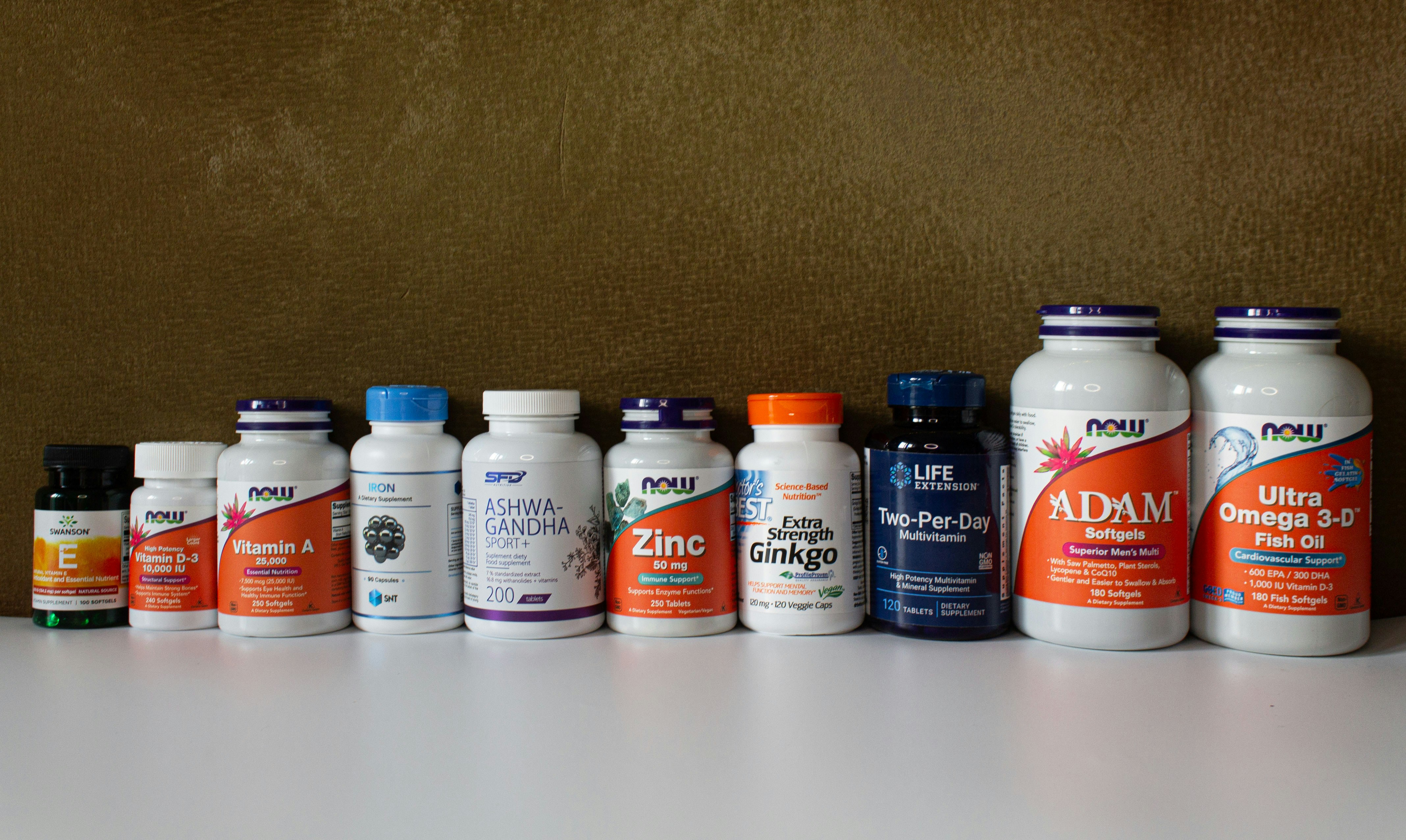
Do you lie awake with a racing mind, or wake up feeling unrested? You’re not alone. Quality sleep is the foundation of mental clarity, immune health, and emotional balance, yet it eludes many. While habits like a consistent bedtime and a dark room are essential, sometimes your body needs extra support to truly unwind.

Certain supplements can help by addressing specific gaps in your relaxation and sleep-cycle chemistry. They are not replacements for good sleep hygiene, but they can be powerful allies. This guide breaks down eight of the most effective, research-supported supplements to help you quiet your mind, relax your body, and finally achieve the deep sleep you need.

1. Is Melatonin Just for Jet Lag, or Can It Help Me Sleep?

It is best for regulating your sleep-wake cycle, making it ideal for schedule disruptions, not for general sedation.

Melatonin is the hormone your brain naturally releases in response to darkness, signaling that it’s time for sleep. Supplementing is incredibly effective for resetting your internal clock. This is useful for jet lag, shift work, or if your bedtime has become irregular. It is less effective for anxiety-induced insomnia.

Melatonin plays a critical role in regulating circadian rhythms, making it especially useful for individuals struggling with jet lag, shift work, or occasional insomnia.

This is key because taking melatonin at the wrong time or for the wrong reason can lead to grogginess. Its job is to send a timing signal, not to force sedation.

Your Application

For resetting your schedule, take 0.5-1 mg 30 minutes before your desired bedtime. Start low to assess your sensitivity.

2. How Can Magnesium Possibly Help Me Relax?

Magnesium acts as a natural relaxant for your nervous system and muscles, directly countering the physical tension that keeps you awake.

This essential mineral is involved in over 300 bodily processes. It helps regulate GABA, a neurotransmitter that quietens nerve activity. A deficiency can manifest as muscle twitches, restless legs, and a mind that won’t shut off. Supplementing addresses this deficit at the source.

This finding is powerful because it connects a common mineral deficiency directly to physical symptoms of sleeplessness. It’s not just “in your head.”

Your Application: Take 200-400 mg of magnesium glycinate or citrate 30-60 minutes before bed. Avoid magnesium oxide, which is poorly absorbed. This form promotes muscle and mental relaxation.

3. Can an Amino Acid from Green Tea Really Calm My Mind?

Yes. L-Theanine, found in green tea, promotes a state of relaxed alertness by boosting alpha brain waves, reducing anxiety without drowsiness.

Unlike sedatives, L-Theanine doesn’t make you feel foggy. It eases the transition from a busy mind to a calm one by influencing calming neurotransmitters like GABA and serotonin. This makes it perfect for those who feel mentally “wired” at bedtime.

This is valuable because it offers a non-drowsy path to relaxation. You can use it in the evening without worrying about next-day grogginess.

Your Application

Take 100-200 mg of L-Theanine 30-45 minutes before bed. It pairs beautifully with magnesium for a synergistic calming effect.

4. Is Valerian Root Just a Folk Remedy, or Does It Actually Work?

Research supports it. Valerian root acts as a mild herbal sedative by increasing GABA levels, helping to shorten the time it takes to fall asleep.

Used for centuries, valerian root’s modern application is backed by studies showing it can improve sleep quality and reduce sleep latency. It doesn’t work instantly like a pharmaceutical; its effects often build over consistent use.

This is helpful for those seeking a gentle, plant-based option. Think of it as a natural aid to help your brain power down.

Your Application

Try 300-500 mg of a standardized valerian root extract 30-60 minutes before bed. Its distinctive earthy smell is a sign of its active compounds.

5. What Does GABA Do, and Should I Take It Directly?

GABA is your brain’s main “brake pedal” neurotransmitter. While evidence on supplement absorption is debated, many report it helps quiet racing thoughts.

GABA’s role is to inhibit nerve signals, promoting calm. Oral supplements may not cross the blood-brain barrier efficiently for everyone, but anecdotally, many find them helpful for reducing nighttime mental chatter, possibly through gut-brain axis effects.

This insight is practical. It may be worth a trial if your primary issue is a mind that won’t stop, but results can vary per individual.

Your Application

If trying GABA, a common dose is 100-300 mg before bed. It is often combined with L-Theanine, which may help support GABA activity.

6. Can an Adaptogen Like Ashwagandha Improve My Sleep?

Yes, primarily by lowering stress hormones. Ashwagandha helps your body manage stress, which is a leading cause of nighttime wakefulness.

Ashwagandha is an adaptogen, meaning it helps your body resist stressors. By moderating cortisol levels, it can prevent the heightened alertness and anxiety that disrupts sleep, leading to more consolidated rest.

This is crucial because it addresses the root cause of stress-related insomnia. Better stress management by day leads to better sleep at night.

Your Application

Take 250-600 mg of a root extract (like KSM-66® or Sensoril®) in the evening or earlier in the day to help modulate your daily stress response.

7. How Does Lowering Body Temperature with Glycine Help Sleep?

A drop in core body temperature is a key biological signal for sleep onset. Glycine supplementation gently facilitates this process.

Glycine is an amino acid that studies show can improve sleep quality and morning alertness. It works, in part, by causing a slight vasodilation that helps dissipate body heat, mimicking your body’s natural pre-sleep temperature drop.

This finding is fascinating because it targets a fundamental, often overlooked, physiological trigger for sleep.

Your Application

Consider taking 3 grams (3000 mg) of glycine powder or capsules 30 minutes before bed to support falling asleep and sleep depth.

8. Is Passionflower a Strong Enough Herb for My Anxiety at Night?

For mild to moderate anxiety, yes. Passionflower is a gentle herb that enhances GABA activity, similar to valerian, promoting calmness.

Passionflower is well-regarded for its mild sedative and anxiolytic properties. It’s a good option if you experience nervous tension or restlessness that interferes with sleep but prefer a gentler herb than valerian.

This offers a useful alternative within the herbal toolkit, allowing you to find the best personal fit for your type of nighttime restlessness.

Your Application

Try 250-500 mg of passionflower extract before bed. It can also be consumed as a tea for a soothing bedtime ritual.

FAQ: Your Sleep Supplement Questions, Answered

Q: Can I take more than one of these supplements together?
A: Yes, many work well in combination. Common and safe pairs include Magnesium + L-Theanine, or Melatonin + Glycine. Always start with one new supplement at a time to see how you react before adding another.

Q: How long does it take for sleep supplements to work?
A: It varies. Melatonin and glycine can work the first night. Herbal supplements like valerian and ashwagandha may take 2-4 weeks of consistent use to show full effects, as they help regulate your system over time.

Q: Will I become dependent on sleep supplements?
A: Most of these supplements (like magnesium, glycine, herbs) are non-habit forming. Melatonin is a hormone, but at low doses for circadian resetting, dependency is not common. The goal is to use them as temporary aids while improving sleep habits.

Q: What’s the very first supplement I should try?
A: Start with magnesium glycinate. Magnesium deficiency is common, and it supports relaxation at a fundamental level with a strong safety profile. It addresses both physical tension and nervous system calm.

Q: When should I take my sleep supplement?
A: Most are taken 30-60 minutes before bedtime. The exception is ashwagandha, which some people take earlier in the day for all-day stress support, which then improves sleep at night.

Final Thoughts

Achieving deep, restorative sleep is a holistic endeavor. The most effective approach combines a consistent wind-down routine with targeted nutritional support that addresses your specific barriers—be it a racing mind, a tense body, or a disrupted clock. These eight supplements offer research-backed ways to gently guide your biology toward rest.

Remember, they are tools to support your journey, not magic pills. By pairing them with a dark, cool room and a digital sunset, you can build an unbeatable recipe for truly restorative sleep.

For a foundational approach, explore our guide to building the perfect sleep hygiene routine at BeeFit.ai.

This article is for informational purposes only and is based on scientific research and traditional use. It is not a substitute for professional medical advice, diagnosis, or treatment. Always consult your physician or a qualified healthcare provider before starting any new supplement, especially if you are pregnant, nursing, taking medications, or have a health condition. Do not disregard professional medical advice because of something you have read here. 
Energy Supplements: What Actually Works According to Science

Quick Take:

  • Vitamin B12 and iron supplements only boost energy when you have a confirmed deficiency, not as general performance enhancers for healthy individuals.
  • Creatine supports cellular ATP production and benefits both high-intensity physical performance and cognitive function during mental fatigue or demanding tasks.
  • Correcting low vitamin D levels through supplementation can measurably improve energy and reduce fatigue within four to six weeks of consistent use.
  • Beetroot powder enhances oxygen delivery and blood flow through nitrate conversion, reducing the energy cost of endurance activities in clinical trials.

Why Your Energy Problem Isn’t What You Think

Are you reaching for another coffee because you can’t shake constant fatigue? You’re treating a symptom, not the cause. Low energy rarely stems from lack of caffeine. It’s usually a signal of nutritional deficiency, poor sleep, or metabolic dysfunction.

The supplement industry has convinced millions that energy comes in a pill, powder, or drink. Most of these products rely on stimulants that create a temporary high followed by an inevitable crash. That’s not sustainable energy.

What if the real solution involves identifying and correcting specific deficiencies rather than chasing quick fixes? Let’s examine what research actually shows about supplements that address the root causes of fatigue.

Does Vitamin B12 Actually Increase Energy Levels?

Vitamin B12 boosts energy only if you have a deficiency. If your B12 levels are normal, supplementation will not increase energy or performance beyond baseline.

B12 plays a critical role in red blood cell formation and nervous system function. When deficient, your body cannot efficiently produce healthy blood cells, leading to megaloblastic anemia and profound fatigue.

“Vitamin B12 deficiency was associated with significant fatigue that improved following supplementation in deficient populations, but showed no energy benefits in individuals with normal B12 status.” (2013, Journal of Clinical Sleep Medicine)

The problem is that many people supplement without ever testing their levels. Vegans, vegetarians, people over 50, and those on acid-reducing medications are highest risk. Everyone else probably doesn’t need it.

Your Application

  • Get blood levels tested before supplementing (normal range is 200-900 pg/mL)
  • If deficient, take 500-1000 mcg daily in methylcobalamin or cyanocobalamin form
  • Take it in the morning as late-day dosing may interfere with sleep in some individuals

Can Vitamin D Deficiency Really Cause Fatigue?

Yes. Low vitamin D levels are strongly linked to fatigue, and correcting deficiency through supplementation improves energy levels in most affected individuals.

Vitamin D receptors exist throughout the body, including in muscle tissue and the brain. When levels drop below optimal, you may experience muscle weakness, low mood, and persistent tiredness that doesn’t respond to rest.

“Individuals with vitamin D deficiency experienced significant improvements in fatigue scores after four weeks of supplementation at 50,000 IU weekly.” (2016, Medicine)

The challenge is that vitamin D deficiency is extremely common, especially in winter months or for people who work indoors. You cannot get adequate amounts from food alone, making supplementation necessary for many people.

Your Application

  • Test your blood levels to establish baseline (optimal range is 30-50 ng/mL)
  • If deficient, supplement with 2000-4000 IU daily with a meal containing fat
  • Retest after 8-12 weeks to confirm levels have normalized before adjusting dose

Should Athletes Take Creatine for Energy?

Creatine supports cellular energy production by replenishing ATP stores during high-intensity activities. It benefits both physical performance and cognitive function during mentally demanding tasks.

Unlike stimulants, creatine doesn’t provide an immediate energy rush. It works by increasing phosphocreatine stores in your muscles, allowing faster ATP regeneration during repeated bouts of intense effort.

“Creatine supplementation improved cognitive processing and reduced mental fatigue during periods of sleep deprivation and cognitive demand.” (2018, Nutrients)

The research is strongest for athletes performing high-intensity interval training, sprinting, or heavy resistance exercise. Benefits for sedentary individuals are less pronounced but may still appear during periods of mental fatigue.

Your Application

  • Take 3-5 grams daily, timing doesn’t matter significantly for energy purposes
  • Expect 2-4 weeks before noticing effects on energy and performance
  • Stay well-hydrated as creatine pulls water into muscle cells

Will Iron Supplements Fix My Low Energy?

Iron supplements boost energy only if you have iron deficiency or iron deficiency anemia. Taking iron when levels are normal provides no energy benefit and may cause side effects.

Iron is essential for hemoglobin production, which carries oxygen to tissues throughout your body. When deficient, oxygen delivery becomes impaired, causing fatigue, difficulty concentrating, and exercise intolerance.

Women with heavy menstrual periods, pregnant individuals, and vegetarians face highest risk of deficiency. Men and postmenopausal women rarely need supplemental iron unless they have absorption issues or blood loss.

Testing is critical because excess iron is toxic. Your body has no mechanism to excrete excess iron, so it accumulates in organs when you over-supplement.

Your Application

  • Get ferritin and hemoglobin tested before supplementing (ferritin should be above 30 ng/mL)
  • If deficient, take 18-25 mg elemental iron daily with vitamin C to enhance absorption
  • Take on an empty stomach if tolerated, or with food if it causes nausea

Does Magnesium Actually Help With Energy and Fatigue?

Magnesium supports energy production at the cellular level and plays a role in over 300 enzymatic reactions. However, its most significant impact on energy comes indirectly through improved sleep quality and stress management.

Magnesium deficiency is relatively common due to soil depletion and processing of foods that naturally contain it. Athletes lose additional magnesium through sweat, creating higher requirements.

The relationship between magnesium and energy is complex. While it’s required for ATP synthesis, supplementation doesn’t dramatically increase energy unless you’re deficient. Its bigger value is reducing stress and improving sleep, which indirectly supports energy levels.

Different forms of magnesium have different effects. Magnesium glycinate supports sleep and recovery. Magnesium citrate may cause digestive upset. Magnesium threonate crosses the blood-brain barrier for cognitive benefits.

Your Application

  • Take 200-400 mg daily, preferably magnesium glycinate or bisglycinate for best absorption
  • Time it 1-2 hours before bed to leverage its calming effects on sleep
  • Start with lower doses to assess tolerance as high doses cause diarrhea

Can CoQ10 Really Reduce Fatigue?

CoQ10 may reduce fatigue in specific populations, particularly older adults and people taking statin medications. Evidence for general energy enhancement in healthy young adults is limited.

Your body naturally produces CoQ10, but levels decline with age. It functions in mitochondria to support ATP production while also acting as an antioxidant to protect cells from oxidative damage.

The strongest evidence for CoQ10 and fatigue comes from people with specific conditions or those whose CoQ10 production is compromised. For healthy individuals under 40, benefits are less clear.

If you’re taking statins for cholesterol management, CoQ10 supplementation may help counteract the muscle fatigue that statins sometimes cause by depleting natural CoQ10 levels.

Your Application

  • Consider CoQ10 if you’re over 40 or taking statin medications
  • Take 100-200 mg daily in ubiquinol form with a fat-containing meal
  • Allow 4-8 weeks to assess effects as benefits accumulate gradually

Does Beetroot Powder Actually Improve Endurance?

Beetroot powder improves endurance performance by enhancing oxygen delivery through nitrate conversion to nitric oxide. This reduces the oxygen cost of submaximal exercise, effectively making activities feel less demanding.

The mechanism involves dietary nitrates converting to nitric oxide in your body, which dilates blood vessels and improves blood flow. This allows more efficient oxygen and nutrient delivery to working muscles.

“Beetroot juice supplementation improved time to exhaustion by 16% and reduced oxygen consumption during submaximal exercise.” (2012, Journal of Applied Physiology)

Benefits are most pronounced in endurance activities like cycling, running, or rowing. Effects on strength training or high-intensity interval work are less consistent.

Your Application

  • Take 500 mg beetroot powder (or 250 mL juice) 2-3 hours before endurance training
  • Look for products listing actual nitrate content (aim for 300-500 mg nitrates)
  • Effects diminish with consistent use, so consider cycling it for key training blocks or events

FAQ: Your Energy Supplement Questions, Answered

Q: Which supplement should I try first for fatigue?
A: Don’t guess. Get blood work done to test for vitamin D, B12, iron, and thyroid function. The most common correctable causes of fatigue are deficiencies in these areas. Supplementing blindly wastes money and delays identifying the real problem.

Q: Can I take these supplements with my morning coffee?
A: It depends on the supplement. B vitamins are fine with coffee. However, caffeine inhibits iron absorption and may interfere with magnesium. Take most supplements with food and water, separating them from coffee by 1-2 hours when possible.

Q: How long does it take to feel more energetic after starting a supplement?
A: Correcting deficiencies like iron or B12 typically shows improvements within 2-6 weeks. Performance aids like creatine or beetroot may work within days to one week. CoQ10 works on cellular health and requires 4-8 weeks for noticeable benefits.

Q: Are energy blend supplements worth buying?
A: Usually no. They often contain high doses of stimulants alongside ineffective doses of other ingredients. You get better results targeting specific needs with single-ingredient supplements based on testing rather than shotgunning multiple compounds.

Q: What’s the most important thing to pair with supplements for energy?
A: Sleep and hydration. No supplement overcomes chronic sleep deprivation or dehydration, which are primary fatigue drivers. Supplements support your body’s processes but cannot replace these fundamental requirements. Fix these first before spending money on supplements.

The Foundation First Approach to Energy

Supplements work best when addressing specific, verified deficiencies rather than serving as general energy boosters. Testing identifies exactly what your body needs instead of guessing based on marketing claims.

Start with blood work to establish your baseline levels of vitamin D, B12, iron, and thyroid hormones. Then supplement strategically based on actual gaps rather than following generic recommendations.

For a deeper look at how deficiency testing works and what blood markers to request from your doctor, explore our complete guide to interpreting common lab results for athletes at BeeFit.ai. You can also check out our breakdown of natural energy-boosting foods that complement supplementation for sustained performance.

This article is for informational purposes only and is not a substitute for professional medical advice, diagnosis, or treatment. Always consult with a qualified healthcare provider before starting any new exercise or nutrition program.

CoQ10: Benefits, Best Brands, and Why It Matters

Quick Take

  • CoQ10 is critical for cellular energy production, and levels naturally decline with age.
  • Statin medications for cholesterol can deplete the body’s CoQ10, contributing to side effects like muscle pain.
  • Supplementation can improve heart function; a study found it significantly reduced mortality in heart failure patients.
  • For better absorption, take CoQ10 with a meal containing healthy fats.

Coenzyme Q10 (CoQ10) is a powerful antioxidant that plays a crucial role in energy production and overall health. Naturally produced by the body, CoQ10 helps fuel cells, supports heart function, and protects against oxidative stress. However, levels decline with age, making supplementation beneficial for many people. 

What Is CoQ10?

CoQ10 is essential for producing energy in your cells, primarily in the mitochondria, the “powerhouses” of the body. It also protects cells from oxidative stress and inflammation, which are linked to aging and chronic diseases. While your body produces CoQ10, factors like age, stress, and medications such as statins can deplete levels.

Health Benefits of CoQ10

1. Boosts Heart Health

CoQ10 may reduce blood pressure, improve symptoms of heart failure, and enhance overall heart function. According to a study published in the European Journal of Heart Failure, CoQ10 supplementation significantly reduced mortality rates in patients with heart failure.

2. Improves Energy and Exercise Performance

By supporting energy production, CoQ10 helps reduce fatigue and improve endurance, especially for athletes or those experiencing chronic fatigue. A study in the Journal of the International Society of Sports Nutrition found that CoQ10 supplementation enhanced performance in endurance athletes.

3. Supports Brain Health

CoQ10’s antioxidant properties protect the brain from oxidative damage, potentially reducing the risk of Alzheimer’s and Parkinson’s diseases.

4. Slows Aging

Research shows that CoQ10 improves skin elasticity and reduces wrinkles when taken orally or applied topically, thanks to its ability to combat free radicals.

5. Helps Manage Cholesterol

Statins, which are commonly prescribed for high cholesterol, can deplete CoQ10 levels, causing side effects like muscle pain. Supplementing with CoQ10 may help alleviate these symptoms.

Top CoQ10 Brands Compared

When choosing a CoQ10 supplement, factors like form, bioavailability, and additional ingredients matter. Below is a comparison of popular CoQ10 brands available in the U.S.:

1. Qunol Ultra CoQ10

  • Pros: High bioavailability due to water and fat-soluble formulation. Available in soft gel form, making it easy to swallow. Widely recommended for heart health.
  • Cons: Slightly more expensive than generic brands.
  • Best for: Individuals seeking a high-absorption formula.
  • Price: Around $30 for 60 soft gels.
  • More about Qunol CoQ10

2. Nature Made CoQ10

  • Pros: Affordable, widely available in drugstores. USP-verified for quality and purity.
  • Cons: Standard formulation may not absorb as well as water-soluble options.
  • Best for: Budget-conscious buyers.
  • Price: Approximately $20 for 60 softgels.
  • Learn more about Nature Made CoQ10

3. Doctor’s Best High Absorption CoQ10

  • Pros: Features BioPerine (black pepper extract) for enhanced absorption. Affordable and vegan-friendly.
  • Cons: Some users report mild digestive discomfort.
  • Best for: Vegans or vegetarians looking for value.
  • Price: $22 for 120 capsules.
  • Doctor’s Best CoQ10 Details

4. NOW Foods CoQ-10

  • Pros: Trusted brand offering a variety of strengths and formulations. Non-GMO and budget-friendly.
  • Cons: Lacks advanced absorption technology.
  • Best for: General supplementation.
  • Price: $15–$25, depending on dosage.
  • Read about NOW Foods CoQ10

For those prioritizing absorption, Qunol is a standout option. For affordability, Nature Made and NOW Foods are solid choices. Always look for third-party certifications like USP or NSF to ensure quality.

Natural Food Sources of CoQ10

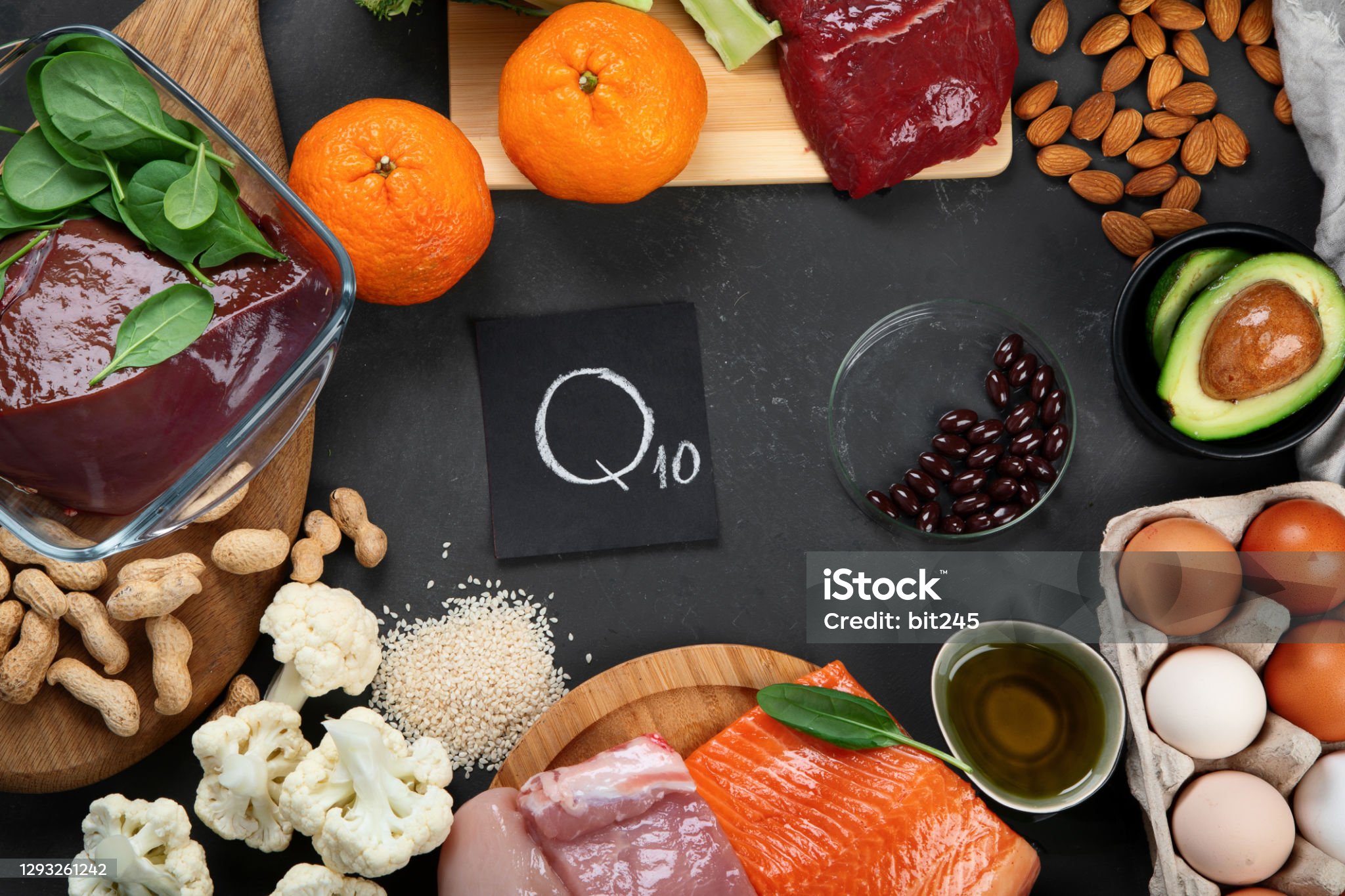
Although supplementation is often recommended for therapeutic doses, CoQ10 can also be found in these foods:

  • Fatty fish (salmon, mackerel, tuna)
  • Organ meats (liver, kidney, heart)
  • Whole grains
  • Spinach and broccoli
  • Nuts and seeds

The natural content of CoQ10 in these foods is lower than in supplements, so combining both may provide the best results.

How to Use CoQ10 for Maximum Effect

  1. Dosage: Most studies recommend 100–300 mg daily, though your healthcare provider may suggest more for specific conditions.
  2. Timing: Take CoQ10 with meals containing healthy fats for better absorption.
  3. Consistency: CoQ10’s benefits accumulate over time, so regular daily use is key.

Is CoQ10 Safe?

CoQ10 is generally safe, but mild side effects like nausea, headaches, or upset stomach can occur in some individuals. Pregnant or breastfeeding women and those taking medications should consult a healthcare provider before starting CoQ10.

Why CoQ10 Is a Must-Have for Americans

With the prevalence of heart disease, fatigue, and age-related conditions in the U.S., CoQ10 is an accessible and effective way to support overall health. By choosing the right brand and dose, Americans can reap the benefits of this powerful nutrient while taking steps toward a healthier lifestyle. 

FAQ: Your CoQ10 Questions, Answered

Q: What is CoQ10, and do I need a supplement?
A: CoQ10 is an antioxidant your body makes to help cells produce energy. You may benefit from a supplement if you are over 40, take statin medications, have a heart condition, or experience persistent fatigue, as levels decrease with age and certain medications.

Q: What’s the difference between ubiquinone and ubiquinol?
A: Ubiquinone is the oxidized form, and ubiquinol is the reduced, antioxidant form. Your body converts one to the other. Ubiquinol is often marketed as more “bioavailable,” especially for older adults, but high-quality ubiquinone is also effective and typically more affordable.

Q: Can CoQ10 really help with statin side effects?
A: Research suggests it can. Statins lower cholesterol but also reduce your body’s natural CoQ10 production, which may lead to muscle aches and weakness for some. Supplementing with CoQ10 has been shown in studies to help alleviate these symptoms.

Q: How long does it take to feel the effects of CoQ10?
A: For energy or exercise performance, you may notice a difference in a few weeks. For cardiovascular benefits, it often takes 8-12 weeks of consistent use to see measurable changes, as it works on a cellular level.

Q: Are there any side effects or interactions?
A: CoQ10 is generally well-tolerated. Mild side effects can include digestive upset or headaches. It may interact with blood-thinning medications like warfarin and potentially affect blood sugar and blood pressure. Always consult your doctor before starting, especially if you are on medication.

The Bottom Line

CoQ10 is a versatile supplement with proven benefits for energy, heart health, and aging. Whether you’re managing health conditions or simply looking to enhance your wellness, CoQ10 can play a vital role.

This article is for informational purposes only and does not substitute for professional medical advice. Consult your healthcare provider for personalized recommendations.

Zinc: The Essential Mineral for Immunity, Healing & Vitality

Quick Take

  • Zinc is a cofactor for over 300 enzymatic reactions in the body, crucial for immune function and cell growth.
  • Zinc lozenges, taken within 24 hours of onset, can reduce the duration of a common cold by up to 33%.
  • Plant-based diets high in phytates can reduce zinc absorption by up to 50%, increasing deficiency risk for vegans and vegetarians.
  • The safe upper limit for daily zinc supplementation is 40 mg; exceeding this can cause toxicity and impair immune function.

Zinc is a silent workhorse. This essential trace mineral is involved in nearly every cellular process, from DNA synthesis to hormone regulation. Despite its critical role, your body cannot produce or store it, making consistent intake through diet or supplements non-negotiable.

While severe deficiency is rare in developed nations, marginal insufficiency is common, subtly undermining immunity, skin health, and metabolic function. This guide cuts through the noise, detailing the evidence-based benefits of zinc, who truly needs to supplement, and how to do it safely to avoid more harm than good.

Can Zinc Really Shorten a Cold?

Yes, but timing and form are everything. Zinc lozenges can reduce cold duration, but only if taken at the very first sign of symptoms.

The theory is that zinc ions may inhibit the rhinovirus from replicating in the throat’s mucous membranes. A meta-analysis of randomized trials confirms that zinc acetate or gluconate lozenges, taken at doses of 75-100 mg per day at symptom onset, can shorten colds by 2-3 days.

Research indicates that zinc lozenges may reduce the duration of colds, with some studies showing recovery rates up to 70% faster for users compared to placebo groups.

This finding is powerful but specific. Zinc supplements in pill form do not have the same localized effect, and starting after a cold is established offers little benefit.

Your Application

Keep zinc lozenge (look for zinc acetate or gluconate) on hand. At the first tickle in your throat, follow the product’s dosing instructions for 1-2 days. Do not use long-term.

Who Is Most at Risk for a Zinc Deficiency?

Vegans, vegetarians, older adults over 60, and individuals with digestive disorders are the most common groups at risk.

Zinc bioavailability is the key issue. Animal proteins enhance zinc absorption. Plant sources like beans and whole grains contain phytates, which bind to zinc and can reduce absorption by 50%. The elderly often have reduced intake and absorption. Conditions like Crohn’s disease or celiac disease also impair mineral uptake.

This is critical because the symptoms of mild deficiency like frequent colds, slow-healing cuts, or diminished sense of taste are vague and often overlooked.

Your Application

If you fall into a high-risk group and have suggestive symptoms, ask your doctor for a plasma zinc test. Do not self-diagnose a deficiency.

How Does Zinc Actually Support Immune Function?

Zinc is essential for the normal development and function of immune cells, including neutrophils and natural killer (NK) cells. It acts as a signaling molecule that helps coordinate the immune response.

Adequate zinc levels create a barrier against pathogens by maintaining the integrity of skin and mucosal membranes. Inside cells, it is crucial for the genetic programming that directs immune responses. Deficiency leads to a weakened, less coordinated defense system.

This mechanism explains why zinc deficiency makes you more susceptible to infections and why correcting it is foundational to immune resilience, not just a cold remedy.

Your Application

For general immune support, aim to meet the Recommended Dietary Allowance (RDA) through diet: 11 mg/day for men, 8 mg/day for women. A supplement at or near the RDA can fill gaps.

Is Topical or Oral Zinc Better for Acne?

Both have proven efficacy, but they work through different mechanisms and are often used together for moderate acne.

Oral zinc supplements (like zinc gluconate or sulfate) work systemically to reduce inflammation and regulate oil production. Topical zinc (often as zinc oxide or pyrithione) acts as an anti-inflammatory and antimicrobial agent directly on the skin. Studies show oral zinc can be as effective as certain antibiotics for inflammatory acne.

This is a valuable alternative for those seeking non-antibiotic treatments. It highlights zinc’s potent anti-inflammatory properties. 

Your Application

For persistent acne, consult a dermatologist. They may recommend a 30-45 mg/day dose of oral zinc (like zinc picolinate) for a limited period, as high doses are needed for therapeutic effect and require monitoring.

Why Is Zinc Critical for Wound Healing?

Zinc is required for every phase of the healing process: coagulation, inflammation, tissue formation, and remodeling. It is a cofactor for collagen synthesis and cell membrane repair.

Approximately 5% of the body’s zinc is concentrated in the skin. During wound healing, zinc demand locally skyrockets. Deficiency slows down cell proliferation and protein synthesis, leading to delayed closure and weaker scar tissue. This is especially crucial for chronic wounds, like diabetic ulcers.

This underscores that zinc isn’t just “good for the skin”; it is a fundamental building block for tissue regeneration. 

Your Application

Ensure adequate zinc intake when recovering from surgery, injury, or burns. A standard supplement at the RDA can support this heightened need. For severe wounds, medical supervision is essential.

What’s the Risk of Taking Too Much Zinc?

Acute toxicity causes nausea and vomiting. Chronic excessive intake (over 40 mg/day from supplements) can induce copper deficiency, leading to anemia and neurological issues, and paradoxically suppress immune function.

Zinc and copper compete for absorption in the gut. High, sustained zinc intake blocks copper uptake. This can lead to a serious imbalance, as copper is essential for iron metabolism and nerve health. This is a major risk of unsupervised high-dose supplementation.

This is the most critical safety rule: more is not better. Zinc supplementation should be precise and purposeful. 

Your Application

Never take high-dose zinc supplements (above 40 mg/day) for more than 1-2 weeks unless under direct medical supervision. If supplementing long-term at lower doses, consider a supplement that includes a small amount of copper (e.g., 1-2 mg).

FAQ: Your Zinc Supplement Questions, Answered

Q: What’s the best form of zinc supplement to take?
A: For general absorption, zinc picolinate, citrate, or bisglycinate are highly bioavailable. For colds, use zinc acetate or gluconate lozenges. Avoid zinc oxide, commonly found in sunscreens, as it is poorly absorbed orally.

Q: Should I take zinc with food?
A: Yes, take it with a meal to minimize stomach upset. Be aware that taking it with high-phytate foods (like whole-grain bread) can reduce absorption. Taking it with a protein-rich meal can enhance absorption.

Q: Can zinc help with hair loss?
A: Only if the hair loss is related to a zinc deficiency, which a doctor can diagnose. For those with normal zinc levels, supplementing will not promote hair growth and may cause toxicity.

Q: What are the signs of zinc deficiency?
A: Common signs include hair loss, impaired sense of taste or smell, poor appetite, frequent infections, slow-healing wounds, and skin conditions like acne or eczema. These are non-specific, so testing is important.

Q: Does zinc interact with medications?
A: Yes. Zinc can reduce the absorption of several drugs, including certain antibiotics (quinolones, tetracyclines) and the rheumatoid arthritis drug penicillamine. Take zinc supplements at least 2 hours before or 4-6 hours after these medications.

Conclusion

Zinc operates as a master regulator within your cells. Ensuring adequate levels is a proactive step toward robust immunity, resilient skin, and efficient recovery. The goal is not to mega-dose, but to achieve and maintain sufficiency—primarily through a diet rich in oysters, beef, pumpkin seeds, and lentils.

Supplementation is a powerful tool for at-risk individuals or for targeted, short-term uses like fighting a cold. Used wisely, it bridges the gap between ordinary and optimal cellular function.

To understand how other key nutrients support your health, explore our guide to the best supplements for energy and mood at BeeFit.ai.

This article is for informational purposes only and is based on scientific research. It is not a substitute for professional medical advice, diagnosis, or treatment. Always seek the advice of your physician or other qualified health provider with any questions you may have regarding a medical condition or before starting any supplement, especially at high doses. Do not disregard professional medical advice because of something you have read here.
The 5 Hidden Micronutrients That Supercharge Your Metabolism

Quick Take

  • Magnesium activates over 300 enzyme systems, many of which directly convert food into usable energy.
  • Low Vitamin D levels are linked to higher body fat percentage and impaired fat metabolism.
  • Iron is essential for oxygen transport to muscles; a deficiency drastically reduces workout efficiency and metabolic rate.
  • B vitamins (B6, B12, Folate) are coenzymes that unlock energy from carbs, fats, and proteins.

While protein and fiber get the headlines for weight management, true metabolic efficiency happens at the microscopic level. Vitamins and minerals are the essential cofactors—the spark plugs and catalysts—that enable every fat-burning and energy-producing process in your body. A deficiency in even one can act like a metabolic handbrake, stalling progress no matter how clean you eat.

This guide focuses on the five most critical micronutrients for metabolism. We’ll explain not just what they do, but how a shortfall undermines your efforts and the most effective ways to ensure you’re getting enough.

How Does Magnesium Actually Power Your Metabolism?

It acts as a mandatory cofactor for the enzymes that convert food into ATP (adenosine triphosphate), your body’s primary energy currency.

Think of your metabolism as an assembly line. Magnesium is the essential worker required at over 300 stations along that line, particularly in glycolysis (breaking down glucose) and the Krebs cycle (producing energy). Without sufficient magnesium, these processes slow down, leading to inefficient energy production and increased fatigue.

Dr. Carolyn Dean, author of The Magnesium Miracle, highlights magnesium’s role in preventing fatigue and supporting metabolic health.

This is crucial because marginal magnesium deficiency is common. It doesn’t just cause cramps; it subtly lowers your metabolic engine’s RPM, making you feel tired and burning fewer calories at rest.

Your Application

Prioritize magnesium-rich foods daily: a handful of almonds, spinach in a smoothie, or black beans in a salad. If supplementing, choose magnesium glycinate for better absorption.

Is Vitamin D a True “Fat Regulator”?

Yes. Vitamin D receptors are found in fat cells, and the hormone influences whether these cells are stored or burned for fuel.

Vitamin D functions more like a hormone than a vitamin. It helps regulate insulin sensitivity, which controls blood sugar and fat storage. Low levels are associated with increased fat accumulation, particularly visceral fat. It also supports muscle protein synthesis, and more muscle means a higher resting metabolic rate.

This link is significant because deficiency is widespread, especially in winter or with limited sun exposure. Correcting it can be a key step in overcoming a weight loss plateau driven by hormonal imbalance.

Your Application

Get your blood level of 25-hydroxyvitamin D tested. Aim for a level above 30 ng/mL. Supplement with D3 (cholecalciferol) if needed, as directed by your healthcare provider.

Why Is Iron Critical for Metabolic Rate and Workouts?

Iron is the core component of hemoglobin, which carries oxygen in your blood. Low iron directly limits oxygen delivery to muscles, crippling workout performance and post-exercise calorie burn.

During exercise, your muscles demand oxygen to produce energy aerobically. With low iron, you become fatigued faster, reduce your workout intensity and duration, and miss out on the heightened metabolism that follows intense exercise (EPOC). This creates a double setback: less calories burned during and after activity.

This is especially important for active women and vegetarians, who are at higher risk for deficiency. Your metabolism can’t run hot if your muscles are oxygen-starved.

Your Application

Pair plant-based iron sources (spinach, lentils) with vitamin C (bell peppers, citrus) to boost absorption. If you experience unexplained fatigue and workout intolerance, ask your doctor for a ferritin test.

How Do B Vitamins Directly Convert Food into Energy?

B vitamins (especially B6, B12, and Folate) act as essential coenzymes in the metabolic pathways that break down carbohydrates, fats, and proteins into ATP.

Imagine trying to start a car without a key. Macronutrients are the fuel, but B vitamins are the ignition key. They are directly involved in the chemical reactions of the Krebs cycle and electron transport chain your cellular power plants. A deficiency in B12 or Folate can also lead to elevated homocysteine, which is linked to slower metabolism and increased cardiovascular risk.

This is foundational. No matter how perfectly you balance your macros, without adequate B vitamins, your body cannot efficiently transform that food into usable energy, leading to stored fat and fatigue.

Your Application

Eat a varied diet with B-rich foods: eggs, nutritional yeast, salmon, and leafy greens. Those on vegan diets must supplement with B12, as it is not available from plant sources.

Can Zinc Deficiency Really Slow Your Metabolism?

Yes, primarily by impairing thyroid function, which sets your body’s baseline metabolic rate, and by disrupting the hunger hormone leptin.

Zinc is necessary for the production of thyroid hormones (T3 and T4). Low zinc can contribute to lower thyroid hormone levels, directly slowing down your metabolism. Furthermore, zinc helps regulate leptin, the hormone that signals fullness to your brain. Deficiency can lead to leptin resistance, causing increased hunger and cravings.

This highlights zinc’s dual role: it supports the organ that governs your metabolic speed (thyroid) and the hormone that controls your calorie intake (leptin). 

Your Application

Include zinc-rich foods like pumpkin seeds, chickpeas, and lean beef regularly. High-dose zinc supplementation can interfere with copper absorption, so focus on dietary sources first.

FAQ: Your Metabolism & Micronutrient Questions, Answered

Q: Should I just take a multivitamin to cover my bases?
A: A high-quality multivitamin can be a good insurance policy, but it’s not a substitute for a nutrient-dense diet. Food provides these vitamins and minerals in their most bioavailable forms, along with fiber and phytochemicals that aid absorption and health. Use a multi to fill gaps, not as your primary source.

Q: How do I know if I have a micronutrient deficiency?
A: Common signs include persistent fatigue, brain fog, muscle weakness, poor workout recovery, and brittle hair/nails. However, symptoms can be vague. The only way to know for sure is through specific blood tests (e.g., for Vitamin D, B12, ferritin, magnesium RBC) ordered by your doctor.

Q: Can you get too much of these from food?
A: It is very difficult to reach toxic levels of these nutrients from food alone. The risk of overdose comes from high-dose supplementation without medical supervision, particularly with fat-soluble vitamins like D and minerals like iron.

Q: Do these nutrients help with belly fat specifically?
A: They support overall metabolic function and hormonal balance, which are necessary for reducing all body fat, including visceral (belly) fat. Vitamin D and magnesium, in particular, are strongly linked to improved insulin sensitivity, which is key for reducing abdominal fat storage.

Q: How long after correcting a deficiency will I notice a change in my energy?
A: It depends on the nutrient and severity. Correcting an iron or B12 deficiency can lead to noticeable improvements in energy within 2-6 weeks. Optimizing Vitamin D or magnesium levels may yield more subtle but important improvements in sleep, recovery, and metabolic efficiency over a similar timeframe.

The Bottom Line

Optimizing your metabolism isn’t just about eating less and moving more. It’s about providing your cellular machinery with the essential tools it needs to run efficiently. These five micronutrients; Magnesium, Vitamin D, Iron, B Vitamins, and Zinc are non-negotiable components of that toolkit.

By focusing on a colorful, varied diet rich in whole foods, you supply these metabolic spark plugs naturally. When in doubt, test, and don’t guess and work with a professional to address deficiencies. This foundational approach ensures your body is fully equipped to convert food into vibrant energy, not stored fat.

For a complete guide on building a metabolism-supporting plate, explore our article on macro-balanced meals at BeeFit.ai.

This article is for informational purposes only and is based on scientific research. It is not a substitute for professional medical advice, diagnosis, or treatment. Always seek the advice of your physician or a registered dietitian before making any significant dietary changes or starting new supplements, especially if you suspect a deficiency.