Quick Take
- Whey protein isolate is the gold standard for muscle growth due to its rapid digestion and high leucine content, a key trigger for muscle protein synthesis.
- For weight loss, prioritize low-calorie, high-satiety options like whey isolate or casein, which can help preserve muscle in a calorie deficit.
- Plant-based proteins require strategic blending (e.g., pea + rice) to provide a complete amino acid profile comparable to dairy.
- Always check the label: the ideal product has >20g of protein, <3g of sugar, and a short ingredient list without artificial additives.
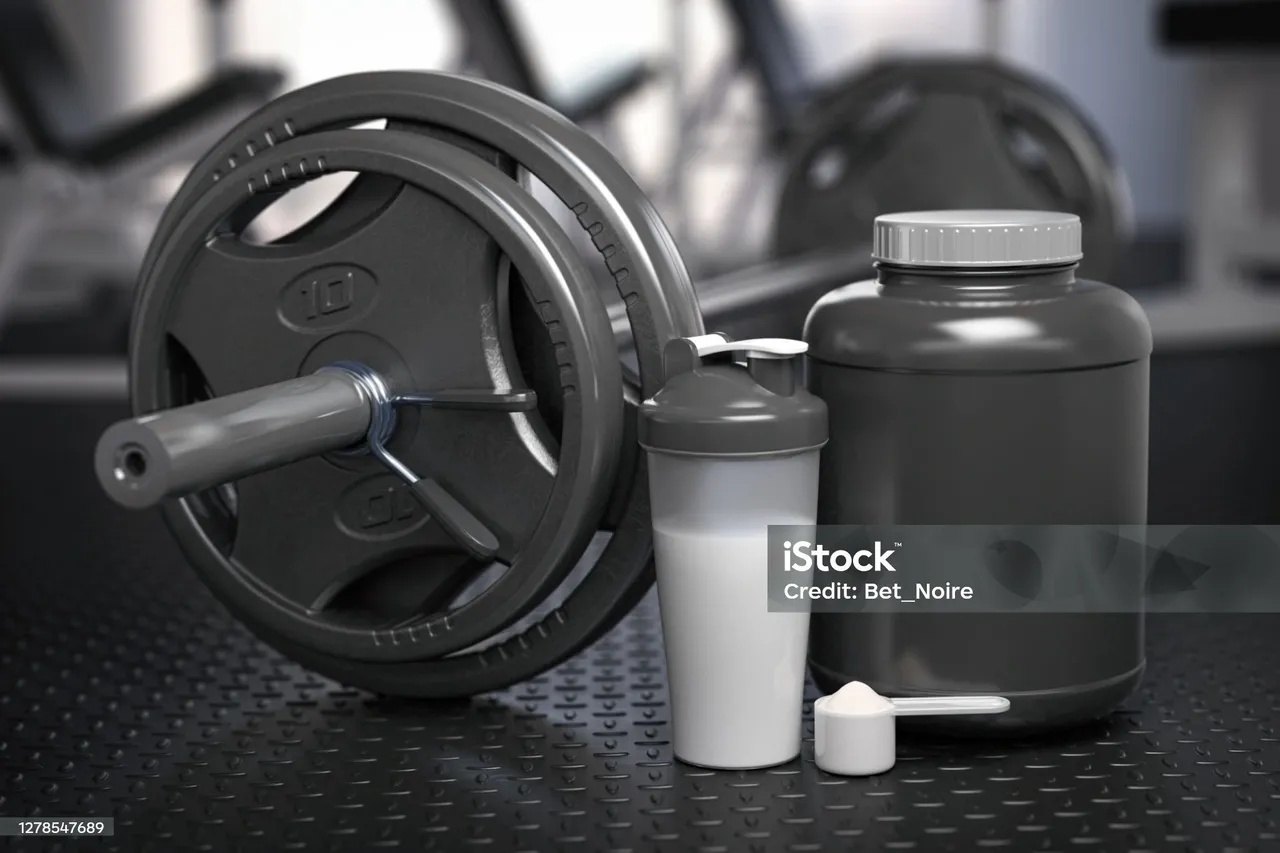
Protein powder is more than a shake; it’s a strategic tool. Used correctly, it can help you build lean muscle, preserve it while losing fat, or simply ensure you meet a critical daily nutrient target. But with endless options of whey, casein, pea, collagen the choice can be paralyzing.
This guide cuts through the marketing. We’ll match the science of protein digestion and amino acids to your specific fitness objectives, so you can choose a powder that works for your body, not against it.
What’s the Absolute Best Protein for Building Muscle?
Whey protein isolate is the most effective due to its rapid absorption and high concentration of leucine, the primary amino acid that triggers muscle protein synthesis.
Post-workout, your muscles are primed to absorb nutrients. Whey’s fast digestion quickly floods your bloodstream with amino acids, spiking muscle protein synthesis more effectively than other proteins. Its superior leucine content (about 2.5-3g per serving) is the critical signal for growth. Casein digests slowly, making it excellent for preventing breakdown overnight, but less optimal immediately after training.
This is the key distinction: speed and signal. For the anabolic window after resistance training, whey is the most efficient delivery system.
Your Application
For muscle growth, use whey isolate or concentrate within 30-60 minutes post-workout. A dose of 20-40g is ideal for most people.
Which Protein Powder Is Most Effective for Weight Loss?
Whey isolate or micellar casein. Both are high-protein, low-carb/fat options that promote satiety and help preserve calorie-burning muscle mass during a deficit.
Weight loss requires a calorie deficit, which can trigger muscle loss. High-protein intake mitigates this. Whey isolate provides high protein with minimal extra calories. Casein is uniquely effective for curbing hunger; its gel-like digestion in the stomach promotes a prolonged feeling of fullness, reducing overall calorie intake.
This insight shifts the goal from just “adding protein” to choosing a type that actively manages hunger and body composition during fat loss.
Your Application
Use a whey isolate shake as a low-calorie post-workout meal. Consider a casein shake or pudding as a satisfying, high-protein evening snack to prevent late-night cravings.
How Do You Choose a Truly High-Quality Plant-Based Protein?
Look for a blend of complementary plant sources (like pea and rice protein) to ensure a complete amino acid profile, and prioritize brands with third-party testing for heavy metals.
No single plant protein is “complete” like whey or casein, as each lacks optimal amounts of certain essential amino acids. Pea protein is high in lysine but low in methionine. Rice protein is the opposite. Blending them creates a complete amino acid profile that supports muscle repair. Third-party testing is crucial, as plant proteins can absorb heavy metals from soil.
This is vital for vegan athletes: the source matters as much as the grams. A quality blend is non-negotiable for results equal to dairy-based options.
Your Application
Choose a plant-based powder that explicitly states it’s a “blend” (pea, rice, hemp, pumpkin seed). Verify it has been tested by NSF, Informed Sport, or USP for purity.
What Are the Biggest Red Flags on a Protein Powder Label?
An excessively long ingredient list, artificial sweeteners (like acesulfame potassium, sucralose), thickeners (gums, carrageenan), and “proprietary blends” that hide specific ingredient amounts.
A protein powder is a supplement, not a dessert. Fillers and artificial ingredients add no nutritional value and can cause digestive distress. “Proprietary blends” are a marketing tactic that prevents you from knowing exactly how much of the key protein you’re getting versus cheap fillers.
This rule protects your health and your wallet. You are paying for protein, not chemical cocktails or undisclosed ingredients.
Your Application
Stick to powders where “whey protein isolate,” “pea protein concentrate,” etc., are the first and only major ingredients. Avoid products with “blend” in the name of the protein source itself.
Is Collagen Protein a Good Choice for Fitness Goals?
No, not as a primary muscle-building protein. It’s excellent for skin, hair, and joint health but lacks tryptophan and is low in branched-chain amino acids (BCAAs), making it incomplete for stimulating muscle growth.
Collagen is rich in glycine, proline, and hydroxyproline amino acids that support connective tissue. However, it fails to provide the complete amino acid profile needed to optimally stimulate muscle protein synthesis. Think of it as a therapeutic supplement for joints and recovery, not a foundational protein source for hypertrophy.
This clarifies a common point of confusion. Collagen is a valuable addition to, not a replacement for, a complete protein powder if muscle growth is your aim.
Your Application
Add a scoop of collagen peptides to your coffee or post-workout shake for joint and skin benefits, but ensure you’re also consuming 20-40g of a complete protein (whey, casein, plant blend) around your workouts.
FAQ: Your Protein Powder Questions, Answered
Q: When is the best time to take protein powder?
A: The most important times are post-workout (within 1-2 hours) to maximize muscle repair and between meals if you struggle to hit your daily protein target through whole foods alone. Before bed, casein can provide a slow-release amino acid stream overnight.
Q: Can I use protein powder as a meal replacement?
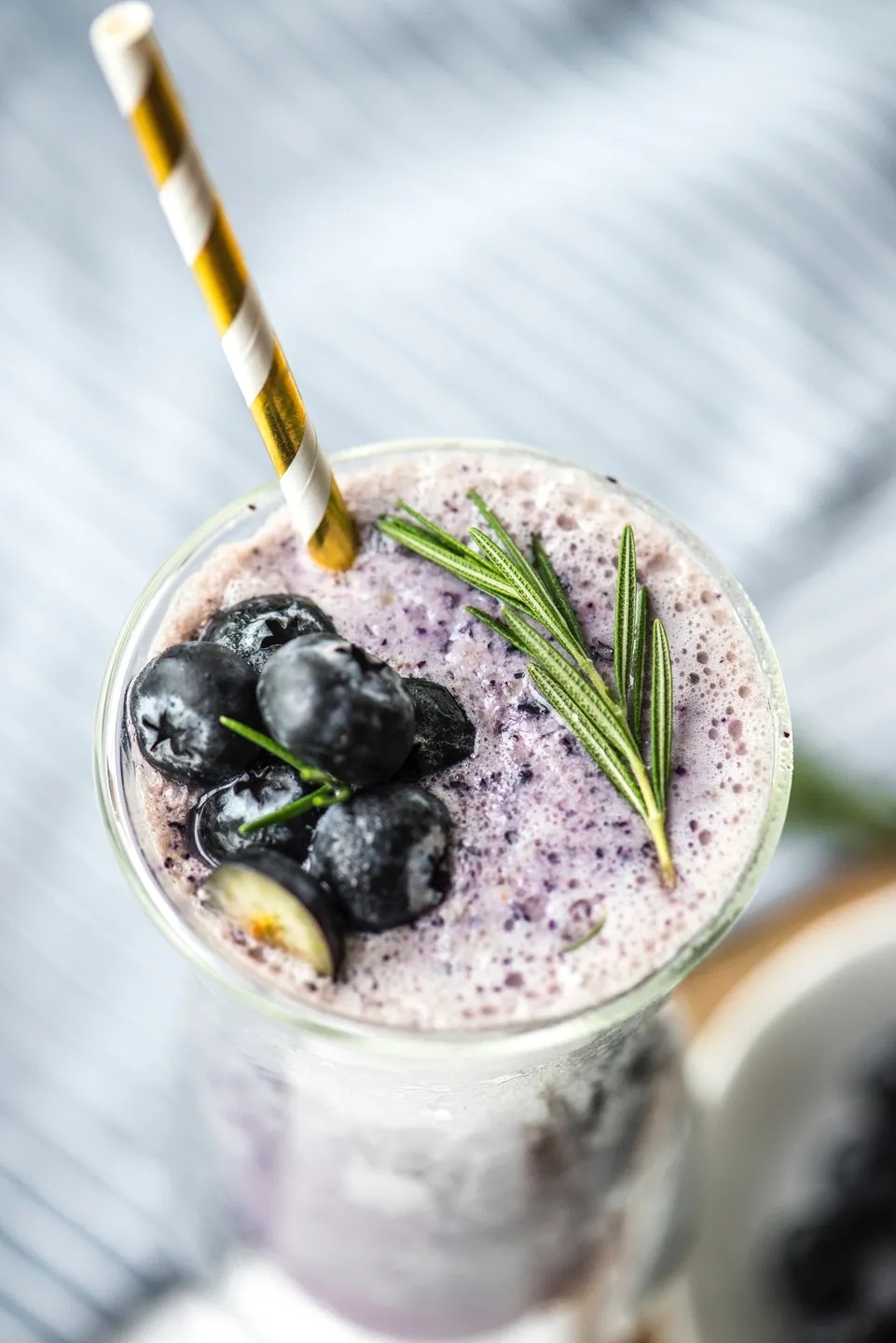
A: It can be part of one, but it shouldn’t be the whole meal. A true meal replacement should include fiber, healthy fats, and complex carbohydrates. Blend your protein powder with spinach, berries, nut butter, and oats to create a balanced, nutrient-dense meal.
Q: What’s the difference between whey concentrate and isolate?
A: Whey Concentrate is about 70-80% protein, with the rest being some lactose (milk sugar) and fat. Whey Isolate is further processed to be 90%+ protein, with almost no lactose or fat. Isolate is purer, faster absorbing, and better for those lactose-sensitive, but concentrate is often less expensive and still highly effective.
Q: How much protein do I actually need per day?
A: For active individuals, a general guideline is 0.7 to 1 gram of protein per pound of body weight (1.6 to 2.2 g/kg). A 150-pound person would aim for 105-150 grams daily. Use protein powder to help meet this total, not exceed it dramatically.
Q: Will protein powder damage my kidneys?
A: For individuals with healthy kidneys, high protein intake from powders and food is not harmful. However, those with pre-existing kidney disease should not increase protein intake without medical supervision. If you have concerns, consult your doctor.
Final Thoughts
Choosing a protein powder is a practical decision that should serve your specific physiology and goals. It’s not about the “best” powder overall, but the best one for you—your digestive system, your dietary restrictions, and your fitness targets.
Let the principles of quality, purpose, and simplicity guide you. Prioritize clean ingredients, match the protein type to your goal’s timing, and use this powerful tool to efficiently bridge the gap between your diet and your aspirations.
Ready to apply this? Explore our library of high-protein recipes and meal plans tailored to your goals at BeeFit.ai.
This article is for informational purposes only and is not a substitute for professional medical or nutritional advice. Always consult your physician or a registered dietitian before making significant changes to your diet or supplement regimen, especially if you have underlying health conditions.