
BeeFit: Fitness & Wellness

These 7 Supplements Can Slow Aging

Quick Take

  • Omega-3 fatty acids from fish oil can lower systemic inflammation and reduce the risk of cardiovascular death, a leading cause of mortality.
  • Vitamin D functions more like a hormone than a vitamin, regulating over 1,000 genes involved in immune function, cellular growth, and inflammation.
  • Magnesium is a cofactor for over 300 enzymatic reactions, directly supporting DNA repair, energy production, and stress response systems.
  • Probiotics influence the gut-brain axis and can reduce markers of systemic inflammation linked to nearly every age-related disease.

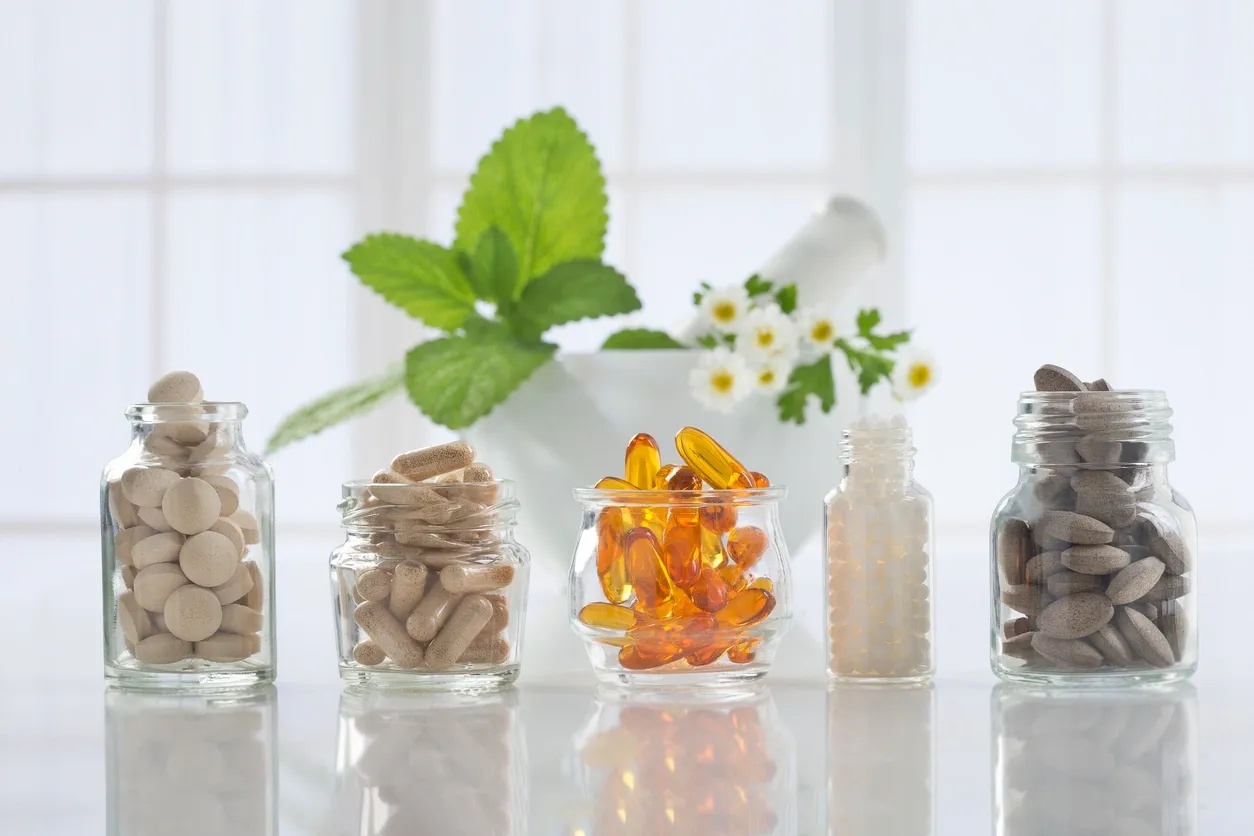
The quest for longevity is often reduced to a simple formula: eat well and exercise. While foundational, this view overlooks a critical layer—cellular nutrition. Even a healthy diet can leave gaps in specific nutrients that act as essential cofactors for the biological processes that slow aging, from repairing DNA to cooling inflammation. Supplements are not a replacement for a healthy lifestyle, but they can be the precision tools that help optimize its benefits.

The latest science moves beyond preventing deficiency; it reveals how certain nutrients actively participate in the mechanisms of aging itself. This article shifts the focus from general wellness to targeted, evidence-based supplementation that supports the intricate systems keeping your cells young, your mind sharp, and your body resilient over decades.

Can a Fish Oil Supplement Really Protect Your Heart and Brain as You Age?

Direct Answer: Yes, substantial evidence shows that the EPA and DHA in omega-3 supplements significantly reduce triglycerides, lower systemic inflammation, and are associated with a reduced risk of cardiovascular events and cognitive decline, directly supporting two major pillars of longevity.

Explanation & Evidence

Omega-3 fatty acids are incorporated into cell membranes, improving fluidity and reducing the production of pro-inflammatory compounds. In the cardiovascular system, this leads to more stable arterial plaque and lower blood pressure. In the brain, DHA is a critical structural component of neurons, and higher levels are correlated with preserved brain volume and function in later life.

Omega-3s have been shown to lower the risk of heart disease, improve brain function, and reduce joint pain.

Analysis & Application

This is crucial because chronic, low-grade inflammation (“inflammaging”) is a root driver of most age-related diseases. Omega-3s are not just “good fats”; they are direct modulators of this inflammatory environment. Their benefit is less about acute effects and more about the long-term, cumulative protection of your most vital organs.

Your Application

If you don’t consume fatty fish 2-3 times per week, consider a supplement providing 1,000-2,000 mg of combined EPA and DHA daily. Look for third-party tested options to ensure purity and potency.

Is Vitamin D More of a Hormone Than a Vitamin for Longevity?

Direct Answer: Absolutely. Vitamin D operates as a steroid hormone, binding to receptors in nearly every tissue in the body and influencing the expression of genes related to immune modulation, cell growth, and neuromuscular function, making its sufficiency non-negotiable for healthy aging.

Explanation & Evidence

Vitamin D’s role extends far beyond calcium absorption. It helps regulate the immune system, reducing inappropriate inflammatory responses. It also supports muscle strength and function, which is critical for preventing frailty. Widespread deficiency is linked to higher incidences of numerous age-related conditions, from osteoporosis to certain autoimmune disorders.

Low vitamin D levels are linked to weakened bones, increased inflammation, and a higher risk of chronic disease.

Analysis & Application

The surprising insight is that vitamin D status is a strong biomarker of overall health and resilience. Optimizing levels isn’t just about bone health; it’s about providing a foundational signal that tells your cells to function in a healthy, regulated manner. Given that deficiency is common, especially in older adults and those with limited sun exposure, supplementation is often essential.

Your Application

Request a 25-hydroxy vitamin D blood test. Aim for a level between 40-60 ng/mL. A daily supplement of 2,000-4,000 IU of Vitamin D3 is commonly needed to achieve and maintain this range.

Why is Magnesium Called the “Master Mineral” for Cellular Health?

Direct Answer: Magnesium acts as an essential cofactor for over 300 enzymatic reactions, including those responsible for ATP (energy) production, DNA synthesis and repair, glutathione (antioxidant) production, and the regulation of the nervous system—all processes that degrade with age and stress.

Explanation & Evidence

Every cell requires magnesium to generate energy. It also helps regulate the hypothalamic-pituitary-adrenal (HPA) axis, our central stress response system. Chronic stress depletes magnesium, and low magnesium exacerbates stress, creating a vicious cycle that accelerates cellular aging and impairs recovery and sleep quality.

Supports heart health, helps lower blood pressure, improves sleep, and reduces stress as key factors in overall longevity.

Analysis & Application

Magnesium’s role is systemic and foundational. It doesn’t target one symptom; it supports the basic metabolic machinery that keeps all cells running smoothly. Correcting a marginal deficiency can have outsized effects on sleep quality, stress resilience, and muscle function, which collectively define one’s healthspan.

Your Application

Choose a well-absorbed form like magnesium glycinate or citrate. Take 300-400 mg daily, ideally in the evening to support nervous system relaxation and improve sleep quality.

Can Probiotics Do More Than Just Aid Digestion?

Direct Answer: Yes, modern research shows a healthy gut microbiome, supported by probiotics, influences systemic inflammation, immune function, and even brain health via the gut-brain axis, making it a central regulator of the aging process throughout the body.

Explanation & Evidence

The gut is a major interface with the environment and a command center for the immune system. Beneficial bacteria produce compounds like short-chain fatty acids (SCFAs) that strengthen the gut lining, reduce inflammation, and can cross into the bloodstream to exert positive effects. An imbalanced microbiome is linked to higher inflammatory markers seen in nearly every chronic disease of aging.

Supports digestion, boosts the immune system, and reduces inflammation.

Analysis & Application

This elevates gut health from a digestive concern to a core longevity strategy. Probiotics (and their food, prebiotics) help maintain a microbial balance that produces beneficial metabolites and keeps the immune system appropriately trained, reducing the inflammatory burden on the body as a whole. For more on this connection, explore our guide to the gut-brain axis at BeeFit.ai.

Your Application

Regularly consume fermented foods like kefir, kimchi, and sauerkraut. For supplemental support, choose a probiotic with multiple strains (including Lactobacillus and Bifidobacterium) and at least 10-50 billion CFUs.

FAQ: Your Longevity Supplement Questions, Answered

Q: Can’t I get all these nutrients from food?
A:
In an ideal world, yes. However, factors like soil depletion, modern food processing, dietary restrictions, and age-related decreases in absorption make optimal intake challenging from food alone. Supplements help bridge the gap between “adequate” and “optimal” for longevity.

Q: Do I need to take all of these supplements?
A:
Not necessarily. This is a toolkit, not a prescription. The most important step is to identify your personal needs through blood tests (like for Vitamin D) and an assessment of your diet and lifestyle. Start with one or two that address your biggest gaps or goals.

Q: Is there a best time of day to take these?
A:
It varies. Magnesium and probiotics are often better tolerated in the evening. Vitamin D is fat-soluble, so take it with a meal containing fat. Omega-3s can be taken with any meal to improve absorption and reduce any fishy aftertaste. Consistency matters more than precise timing.

Q: How do I choose a high-quality multivitamin?
A:
Look for forms with high bioavailability (e.g., methylcobalamin for B12, methylfolate for folate). It should contain minimal fillers and provide nutrients at or near 100% of the Daily Value, not in unnecessarily high “mega-doses.” A third-party testing seal (NSF, USP) is a strong indicator of quality.

Longevity is not merely the absence of disease but the sustained ability of your cells and systems to function optimally. Strategic supplementation with evidence-backed nutrients like omega-3s, vitamin D, magnesium, and probiotics provides the specific building blocks and signals that support these systems at a fundamental level. When layered upon a diet of whole foods and regular physical activity, they become a powerful, proactive strategy for not just adding years to your life, but life to your years.

Which single longevity supplement aligns most with a health gap you’ve been wanting to address?

This article is for informational purposes only and is not a substitute for professional medical advice, diagnosis, or treatment. Always consult with your physician or a qualified healthcare provider before starting any new supplement regimen, especially if you have pre-existing health conditions or are taking medications. The information is based on current research but is not intended to be conclusive or personally prescriptive.


How Caffeine Actually Helps You Burn Fat

Quick Take

  • Caffeine can increase your resting metabolic rate by 3-11%, leading to more calories burned even at rest.
  • Consuming caffeine before exercise increases fat oxidation, making your body more likely to burn fat for fuel during a workout.
  • Caffeine has a mild, short-term appetite-suppressing effect by influencing hunger hormones.
  • The fat-burning benefits of caffeine are most effective when combined with exercise, not as a standalone weight-loss solution.

For most, coffee is a non-negotiable ritual for morning alertness. But what if your daily cup could do more than just wake you up? The idea of caffeine as a true fat-burning aid is often dismissed as an overhyped claim, leading many to overlook a genuine, science-backed metabolic lever. The reality is that caffeine is one of the most studied ergogenic aids in the world, and its effects on metabolism are both measurable and significant.

This isn’t about promoting caffeine as a magic bullet. It’s about understanding the precise physiological mechanisms increased metabolic rate, enhanced fat oxidation, and subtle hormonal shifts that make it a powerful strategic tool when used correctly. This article separates the robust evidence from the hype, revealing how to harness caffeine not just for energy, but to actively support your body’s ability to mobilize and burn stored fat.

Can Caffeine Really Boost Your Metabolism at Rest?

Direct Answer: Yes. Caffeine is a proven metabolic stimulant that can increase your Resting Metabolic Rate (RMR) by 3-11%, meaning you burn more calories even while sitting still, primarily through a process called thermogenesis.

Explanation & Evidence

Caffeine stimulates the central nervous system, which sends signals to fat cells to break down fat. It also increases the release of neurotransmitters like norepinephrine, which raises metabolic activity and heat production in the body (thermogenesis). This process requires energy, so your body burns more calories to accomplish it.

Studies show that caffeine can increase metabolism by 3-11%, depending on individual factors like age, weight, and activity level. This metabolic boost is largely due to thermogenesis.

Analysis & Application

The surprising insight is that caffeine’s effect isn’t just about the energy you feel; it’s about creating a measurable increase in your body’s baseline energy expenditure. This makes it a useful tool for creating the slight calorie deficit necessary for fat loss, complementing diet and exercise.

Your Application

To leverage this, consume your caffeine in the morning or early afternoon to align with your body’s natural metabolic rhythm. Avoid high-calorie creamers and sugars that can negate the calorie-burning advantage.

How Does Caffeine Make Your Body Burn More Fat During Exercise?

Direct Answer: Caffeine increases the release of adrenaline, which signals your fat cells to release stored fatty acids into your bloodstream, making fat the preferred fuel source for your muscles during exercise, a process known as increased fat oxidation.

Explanation & Evidence

The adrenaline response triggered by caffeine acts as a “mobilization signal” for your fat stores. By increasing the availability of fatty acids in the blood, your muscles can more easily use fat for energy instead of pulling primarily from carbohydrate stores (glycogen). This shift is particularly beneficial for endurance and sustained moderate-to-high intensity exercise.

Caffeine triggers adrenaline (epinephrine), which signals fat cells to release stored fatty acids. When combined with exercise, your body is more likely to burn fat instead of carbohydrates.

Analysis & Application

This is a key counter-intuitive point: caffeine doesn’t create energy out of nothing. It changes the type of fuel your body prioritizes, sparing glycogen and tapping into larger fat reserves. This can enhance endurance and increase the overall amount of fat burned in a single session.

Your Application

For optimal fat oxidation, consume a cup of black coffee or a caffeine equivalent approximately 30-60 minutes before your workout. This timing allows caffeine levels in the blood to peak as you begin exercising.

Does Caffeine Suppress Appetite or Is That a Myth?

Direct Answer: Caffeine has a mild, short-term appetite-suppressing effect for some people by temporarily influencing hormones like ghrelin (the “hunger hormone”), but it is not a reliable or sustainable strategy for controlling calorie intake on its own.

Explanation & Evidence

Research indicates that caffeine can transiently reduce levels of ghrelin, leading to a temporary feeling of fullness. However, this effect varies significantly between individuals and diminishes with habitual consumption. The body quickly adapts, meaning you cannot rely on caffeine alone for long-term appetite control.

Some studies indicate that caffeine can temporarily decrease hunger hormones like ghrelin, making you feel fuller for longer. However, this effect is short-term and varies from person to person.

Analysis & Application

This finding is important because it prevents the common mistake of using multiple cups of coffee to stave off hunger, which can lead to overconsumption, jitters, and poor sleep. Appetite management is best achieved through a diet rich in protein, fiber, and healthy fats.

Your Application

View caffeine’s appetite effect as a potential short-term bonus, not a core strategy. If you feel less hungry after your morning coffee, use that window to prepare a balanced, high-protein meal to ensure you meet your nutritional needs later.

Is There an Optimal Time and Dose for Caffeine for Fat Loss?

Direct Answer: The optimal strategy is a moderate dose (100-200 mg, or about 1-2 cups of coffee) consumed 30-60 minutes before exercise, staying under the general safe limit of 400 mg per day to avoid side effects that can hinder fat loss efforts.

Explanation & Evidence

Timing is critical for aligning the peak blood concentration of caffeine with the start of your workout to maximize performance and fat oxidation. Exceeding 400 mg daily can lead to anxiety, insomnia, and increased stress hormones like cortisol, which can promote fat storage and disrupt recovery, counteracting any potential benefits.

Experts recommend keeping your caffeine intake within safe limits—generally around 400 mg per day for most adults. Consuming excessive caffeine can lead to side effects like jitters, headaches, increased heart rate, and insomnia.

Analysis & Application

More caffeine is not better. The goal is to use the minimum effective dose to get the metabolic and performance benefits without triggering a stress response that impairs sleep and recovery two pillars of successful fat loss. Consistency in timing and dose allows your body to respond predictably.

Your Application

Measure your intake. A standard 8-oz cup of brewed coffee contains roughly 100 mg of caffeine. Time your pre-workout coffee precisely and avoid caffeine within 8-10 hours of bedtime to protect sleep quality. For more on optimizing your routine, see our guide to pre-workout nutrition at BeeFit.ai.

FAQ: Your Caffeine and Fat Loss Questions, Answered

Q: Does decaf coffee have the same fat-burning effects?
A: No. The fat-burning and metabolic effects are directly tied to the caffeine content. Decaf coffee contains only trace amounts (2-5 mg per cup) and will not produce the same stimulant or ergogenic benefits.

Q: Will I build a tolerance to caffeine’s fat-burning effects?
A: Yes, tolerance to the stimulant effects (like alertness) can develop. However, studies suggest the ergogenic benefits for exercise performance, including enhanced fat oxidation, may persist even in habitual users. Cycling your intake (e.g., taking periodic breaks) can help manage overall tolerance.

Q: Are energy drinks or caffeine pills just as effective as coffee?
A: For the core caffeine effect, yes. However, coffee and tea provide additional antioxidants. Energy drinks often contain high amounts of sugar and additives that can spike insulin and promote fat storage, negating the benefit. Pills offer a controlled dose but lack the protective phytonutrients.

Q: Can caffeine help with stubborn belly fat?
A: Caffeine can increase overall fat oxidation, but it cannot target fat loss in a specific area. Reducing belly fat requires a consistent calorie deficit created through diet and exercise, of which caffeine can be a supportive component.

Caffeine’s role in fat loss is not that of a solitary hero, but of a powerful and precise ally. By understanding its capacity to gently elevate metabolism, shift fuel utilization during exercise, and its limitations in appetite control, you can move beyond simply consuming it to strategically deploying it. This evidence-based approach transforms your daily ritual into a calculated tool that supports your larger metabolic goals, ensuring every cup works as hard as you do.

How will you adjust the timing and context of your caffeine intake to align with your next workout?

This article is for informational purposes only and is not a substitute for professional medical advice, diagnosis, or treatment. Individuals with heart conditions, high blood pressure, anxiety disorders, or who are pregnant should consult a healthcare provider before using caffeine as a supplement. The information provided is based on current research and is not intended to be a definitive guide.

The Protein Myths That Slow Your Progress

The common advice to “eat more protein” is everywhere, but it’s dangerously vague. This leads to two major mistakes: first, consuming protein inefficiently in one or two large meals, and second, relying heavily on powders while neglecting the superior nutritional matrix of whole foods. The truth is, your body’s ability to use protein for muscle repair is capped per meal, and the source of your protein dictates much more than just your amino acid intake—it controls hunger, health, and long-term sustainability.

Quick Take

  • The body can only utilize 20-40 grams of protein per meal for muscle synthesis; excess is used for energy or stored.
  • Plant-based proteins can be as effective as animal proteins for muscle building when a variety of sources are consumed throughout the day.
  • Protein supplements are a useful tool for convenience but lack the fiber, vitamins, and phytonutrients of whole foods that drive overall health.
  • For weight loss, increasing protein intake to 1.6-2.2 grams per kilogram of body weight is critical for preserving metabolism-boosting muscle.

Is There a Limit to How Much Protein Your Muscles Can Use in One Meal?

Direct Answer: Yes. Research indicates a practical upper limit of approximately 20-40 grams of high-quality protein per meal for maximizing muscle protein synthesis (MPS). Consuming more than this in a single sitting does not further stimulate muscle growth and diverts the excess for other uses.

Explanation & Evidenc

Muscle protein synthesis is the process of repairing and building muscle tissue, driven by the availability of amino acids in the bloodstream. Studies show that a dose of about 20-40 grams of protein (e.g., the amount in a large chicken breast or a standard protein shake) creates a near-maximal stimulation of MPS. This is often referred to as the “muscle full” effect. Protein consumed beyond this threshold is primarily oxidized for energy or, in a calorie surplus, may be converted to fat.

Analysis & Application

This finding fundamentally changes meal planning. It means that a person aiming for 140 grams of daily protein will see better muscle-building results by spreading it across 4 meals of 35 grams each, rather than consuming 70 grams at dinner and 70 grams at lunch. Efficient distribution ensures a continuous supply of amino acids to keep MPS elevated throughout the day.

Your Application

Structure your main meals to each contain a palm-sized portion of protein, aiming for 30-40 grams. For a 180-pound (82 kg) individual targeting muscle gain, this means planning four meals with a solid protein source rather than two or three massive portions.

Can You Build Muscle Effectively on Plant-Based Protein Alone?

Direct Answer: Absolutely. While individual plant proteins are often “incomplete,” meaning they lower in one or more essential amino acids, consuming a variety of plant sources throughout the day provides a complete amino acid profile that is just as effective for muscle building as animal protein.

Explanation & Evidence

The key to muscle building is consuming adequate total protein and all nine essential amino acids, particularly leucine. While animal proteins contain all nine in high amounts, plant proteins like beans, lentils, and grains have different but complementary profiles. For example, grains are lower in lysine but high in methionine, while legumes are the opposite. Research, including studies cited by the National Academy of Sports Medicine, confirms that well-planned vegan and vegetarian diets support muscle hypertrophy equally when protein intake is sufficient.

Analysis & Application

This debunks the myth that animal protein is superior for fitness. The advantage of plant-based diets is their package deal: they provide not only protein but also fiber, antioxidants, and healthy fats that reduce inflammation and improve recovery. The focus shifts from seeking a single “perfect” protein to consuming a diverse array of plants.

Your Application

If you follow a plant-based diet, ensure you’re eating protein at every meal and combine complementary sources. A meal of rice and beans, lentils with whole-grain bread, or tofu with quinoa naturally forms a complete protein. Aim for the higher end of the protein range (up to 2.2 g/kg) to account for slightly lower digestibility.

Are Protein Supplements a Necessary Tool or a Convenient Crutch?

Direct Answer: Supplements are a convenient tool for meeting high protein targets but a poor nutritional replacement for whole foods. They should be used strategically to fill gaps, not as a dietary foundation.

Explanation & Evidence

Protein powders offer isolated protein with minimal other nutrients. A whey protein shake post-workout provides fast-absorbing amino acids, which can be beneficial. However, a chicken breast provides the same protein plus B vitamins, zinc, and iron. A lentil stew provides protein plus fiber, iron, and folate. As registered dietitians note, whole foods promote greater satiety and provide a complex nutrient matrix that powders cannot replicate.

Analysis & Application

The convenience of supplements is their greatest strength and weakness. While helpful for athletes needing 150+ grams daily or for a quick post-workout refuel, over-reliance can lead to a deficit in fiber and micronutrients, undermining overall health and recovery. Supplements complement a diet; they don’t constitute one.

Your Application

Use a protein shake when it’s truly convenient—after a morning workout when you’re short on time, or blended into a smoothie with spinach and berries to add nutrients. Make whole foods like eggs, Greek yogurt, fish, legumes, and lean meats the cornerstone of your daily intake.

Why is High Protein Intake Non-Negotiable for Weight Loss?

Direct Answer: During a calorie deficit, a high protein intake (1.6-2.2 g/kg) is essential to preserve lean muscle mass, which is the primary driver of your metabolic rate. Losing muscle during weight loss slows your metabolism and makes long-term weight maintenance far more difficult.

Explanation & Evidence

When you consume fewer calories, your body seeks energy from stored fat and muscle. A high protein intake provides a powerful signal to your body to spare muscle tissue. It also has the highest thermic effect of food (meaning you burn more calories digesting it) and significantly increases satiety, helping you naturally adhere to a reduced-calorie diet. Studies consistently show that higher-protein diets lead to greater fat loss and less muscle loss compared to standard-protein diets.

Analysis & Application

This shifts the goal of weight loss from simply reducing scale weight to specifically preserving muscle while losing fat. A successful diet is measured not just by pounds lost, but by the percentage of that loss coming from fat. High protein intake is the key lever for achieving this favorable body composition change.

Your Application

When cutting calories, prioritize protein first. Design every meal around its protein source. A high-protein breakfast (30+ grams) is particularly effective for curbing appetite all day. A sample day could include Greek yogurt at breakfast, chicken breast at lunch, a protein shake as a snack, and salmon with lentils at dinner.

FAQ: Your Protein Questions, Answered

Q: Is it harmful to consume a high-protein diet long-term?
A: For healthy individuals with normally functioning kidneys, a high-protein diet is not harmful. The body adapts efficiently. Those with pre-existing kidney disease should consult a doctor, but high protein does not cause kidney disease in healthy people.

Q: What’s the best protein source for a post-workout meal?
A: The best source is the one you will consume consistently. A fast-digesting whey protein shake is effective, but a whole food meal with lean protein and carbohydrates (like chicken and sweet potato) within 2 hours post-workout is equally beneficial for recovery.

Q: How do I calculate my specific protein needs?
A: Multiply your body weight in kilograms by your activity factor. For a 75 kg person aiming for muscle gain: 75 kg x 1.8 g/kg = 135 grams of protein per day. Distribute this evenly across 4 meals for optimal utilization.

Q: Can I get enough protein without eating meat?
A: Yes. Focus on dairy (Greek yogurt, cottage cheese), eggs, and for vegans, a combination of legumes (lentils, chickpeas), tofu, tempeh, seitan, and protein-rich grains like quinoa. Variety throughout the day is crucial.

Mastering protein is less about maximum consumption and more about strategic distribution and intelligent sourcing. By respecting the 20-40 gram per-meal threshold, prioritizing nutrient-dense whole foods, and using supplements only as a tactical aid, you transform protein from a simple macronutrient into a precise tool for building muscle, fueling metabolism, and achieving sustainable health.

What is one change you can make today such as adding a protein source to your breakfast or planning a more balanced plant-based meal to better leverage these principles?

This information is for educational purposes only and is not a substitute for professional medical or nutritional advice. Individuals with pre-existing kidney or liver conditions should consult a physician before significantly altering protein intake. Always seek guidance from a registered dietitian or healthcare provider for personalized recommendations.