BeeFit: Fitness & Wellness

Seven Things to Do Between Sets at the Gym

Quick Take

  • Active rest strategies like adjusting weights or light mobility prep can improve workout efficiency, but full passive rest is best for heavy strength sets.
  • Supersetting should be reserved for smaller, complementary muscle groups to avoid impairing performance on primary lifts like squats or deadlifts.
  • Using rest periods for intentional breathing or visualization can enhance focus and physiological readiness for the next set.
  • The optimal rest activity depends on your training goal: complete rest for maximal strength, light tasks for hypertrophy, and active prep for circuit training.

Rest is a crucial part of strength training. Depending on the exercise and your goals, you may find yourself resting anywhere from 30 seconds to five minutes. But what should you do during that time? Here are seven productive and effective ways to use your rest periods.

Literally Do Nothing

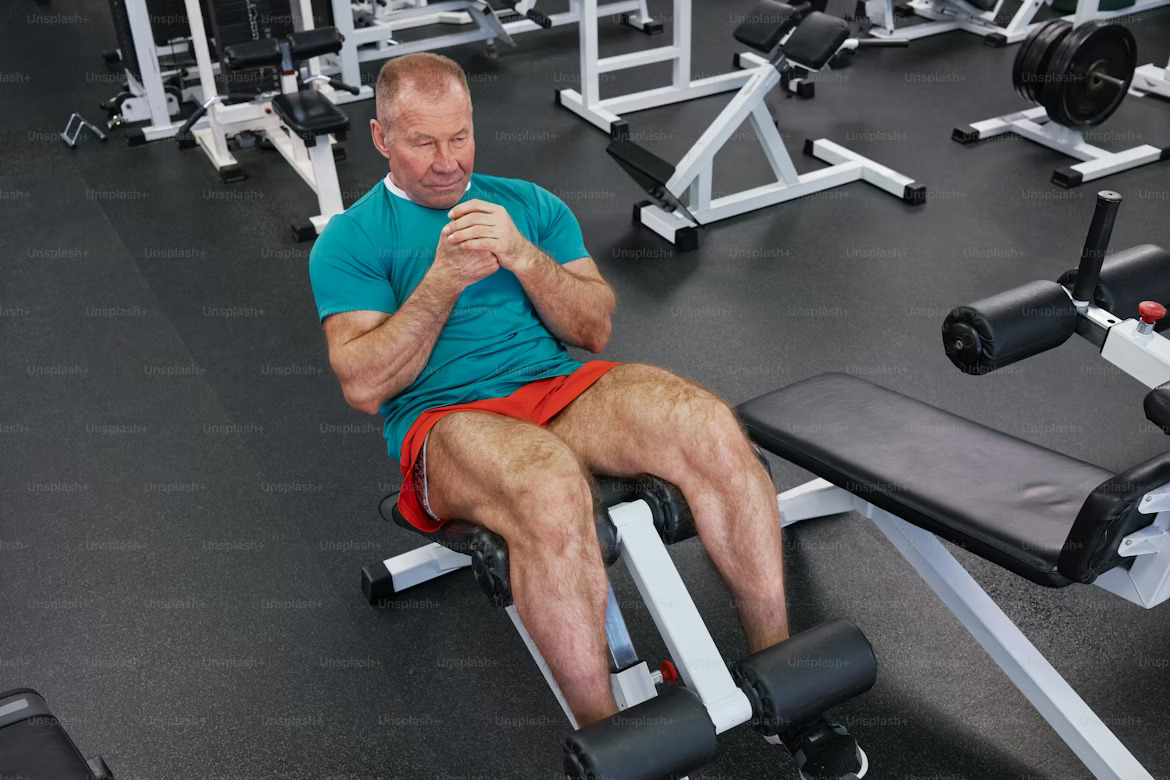
As awkward as it may feel, simply resting is often the best option. Your body needs recovery time, so avoid stretching, working another muscle, or doing anything strenuous.

Some gyms provide seating for lifters who need longer breaks, particularly in powerlifting and weightlifting gyms. If no designated seating is available, you can always rest on a plyo box or another stable surface.

Do Small Gym Chores

Use your rest periods for quick, productive tasks, such as:

  • Adjusting the weights for your next set
  • Logging your last set in a notebook or fitness app
  • Watching a video of your last lift for self-feedback
  • Trimming your workout video to remove unnecessary footage
  • Staying hydrated and having a quick snack
  • Cleaning up after yourself by racking weights or wiping down equipment

Start Warming Up for Your Next Exercise

If you have another exercise coming up, use your rest time to prepare. This could include:

  • Grabbing necessary equipment
  • Changing shoes (if needed for the next lift)
  • Doing mobility work relevant to the next movement

For example, if you’re transitioning from squats to overhead presses, start warming up your shoulders. If you’re moving from pressing to squats, consider ankle mobility exercises.

Walk or Move Around

If you’re lifting heavy, pacing can help keep you mentally focused. Competitive lifters often have a designated walking path between attempts.

For those with more energy, a casual dance or movement between sets can keep the mood light and maintain an active mindset. Just be sure not to wander too far from your equipment.

Use Your Phone (Wisely)

It’s okay to scroll your phone between sets, but be mindful:

  • Use it to check your form videos, track progress, or manage your playlist
  • Avoid distractions that extend your rest period unnecessarily
  • Set a timer if needed to stay on track
  • If using equipment, be polite and let others work in if they ask

A good tip: Avoid stress-inducing content like work emails or online debates. Instead, read an ebook, listen to music, or engage in something lighthearted.

Superset (When Appropriate)

Supersets involve alternating between two exercises during rest periods. While this can be time-efficient, it’s not always the best approach.

Avoid supersets for heavy lifts that require full energy, like squats or deadlifts. Instead, pair smaller, less demanding exercises—such as bicep curls with tricep extensions or pull-ups with dips—where minor fatigue won’t impact performance significantly.

To execute a superset:

  1. Do a set of the first exercise.
  2. Immediately do a set of the second exercise.
  3. Rest briefly (if needed) before repeating the cycle.

Practice Breathing and Mindfulness

Taking a moment to focus on your breathing and practice mindfulness can enhance your workout. Controlled breathing techniques can help regulate your heart rate, improve oxygen flow, and mentally prepare you for the next set. Try:

  • Box breathing (inhale for four seconds, hold for four seconds, exhale for four seconds, hold for four seconds, and repeat)
  • Diaphragmatic breathing (deep belly breaths to maximize oxygen intake)
  • Mental visualization (picture yourself successfully completing the next lift with perfect form)

Practicing mindfulness during rest periods can improve focus, reduce stress, and optimize performance. 

FAQ: Your Rest Period Questions, Answered

Q: How long should I rest between sets?
A: It depends on your goal. For maximal strength and power (1-5 reps), rest 3-5 minutes. For hypertrophy (8-12 reps), rest 60-90 seconds. For muscular endurance (15+ reps), rest 30-60 seconds. These times allow for adequate phosphocreatine system recovery or metabolic clearance.

Q: Is it bad to use my phone between sets?
A: Not inherently, but it can lead to unintentionally extended rest periods, disrupting your workout’s metabolic or strength stimulus. If you use your phone, set a timer, and use it for workout-related tasks like logging sets or reviewing form videos, not for scrolling social media.

Q: Can I stretch during my rest periods?
A: Static stretching between sets is not recommended, as it can temporarily reduce muscle force production and impair performance on subsequent heavy sets. Use rest for recovery or dynamic preparation. Save static stretching for your post-workout cooldown.

Q: What is the best thing to do between heavy sets like squats or deadlifts?
A: The best practice is passive rest: sit or stand calmly, focus on controlled breathing to regulate your heart rate, and mentally prepare for the next lift. Avoid any activity that raises your heart rate or distracts from the task. Let your nervous system recover.

Q: When is it appropriate to superset exercises?
A: Superset non-competing exercises that don’t interfere with each other’s performance, especially in hypertrophy-focused workouts. For example, pair a push (e.g., shoulder press) with a pull (e.g., lat pulldown), or two smaller muscle group exercises (biceps and triceps). Never superset two heavy, compound lifts (like squats and bench press) as this will drastically reduce your performance on the second exercise.

Final Thoughts

The time between sets is valuable, and how you use it depends on your goals. Whether you rest completely, stay productive with gym-related tasks, or add some movement, make sure your break supports your overall performance.

Choose the strategy that works best for you, and optimize your workout experience.

This article is based on research and general nutritional guidelines. It is not a substitute for medical advice. Always consult a healthcare provider for personalized dietary recommendations. 
A Beginner’s Guide to Gym Terminology

Quick Take

  • RPE (Rate of Perceived Exertion) is a 1-10 scale used to auto-regulate training intensity based on how many reps you have left in reserve.
  • A “plate” in U.S. gyms typically refers to a 45 lb weight; “two plates” means 225 lbs total on the barbell (45s + bar).
  • Compound lifts like squats and deadlifts train multiple muscle groups, while isolation lifts like curls target a single muscle.
  • Training modalities like EMOM (Every Minute on the Minute) and AMRAP (As Many Reps As Possible) structure workouts for specific goals like conditioning or strength endurance.

Walking into a gym can feel like entering a foreign country where everyone is fluent in a language of acronyms and iron. Understanding the local dialect isn’t about gatekeeping—it’s about unlocking better workouts, following proven programs, and training with intention and safety.

This guide decodes the essential modern gym terminology, moving from basic equipment to the programming shorthand that drives intelligent training today.

What Do People Mean by “RPE” and “RIR”?

Direct Answer: RPE (Rate of Perceived Exertion) is a subjective scale (1-10) to gauge workout difficulty, while RIR (Reps in Reserve) is its practical counterpart, estimating how many reps you could have done before failure.

Explanation & Evidence:
Gone are the days of just “3 sets of 10.” Advanced programming uses auto-regulation adjusting load based on daily readiness. An RPE of 8 or an RIR of 2 means you stopped with two good reps left in the tank. This method, supported by sports science, helps manage fatigue, improve technique, and reduce injury risk compared to constantly lifting to absolute failure.

Research in the Journal of Strength and Conditioning Research supports auto-regulatory methods, noting they “allow for daily adjustments in training load that can optimize performance and recovery.”

This language shift empowers you to communicate effort precisely with a coach or in your training log.

Your Application: Next time your program says “Squat at RPE 8,” choose a weight where you feel you could have completed 2 more reps with perfect form. This is training with intention, not just completion.

Why Is a “Plate” 45 Pounds?

Direct Answer: It’s a gym culture shorthand. In most American commercial gyms, the largest, most common plate on the Olympic barbell is 45 lbs (20 kg). Therefore, “a plate” has become the default unit for counting loaded weight.

Explanation & Evidence:
The standardization of the 45 lb steel plate dates back to the Olympic weightlifting and powerlifting scenes. Counting in plates is efficient: “One plate” per side (45s) + the 45 lb bar = 135 lbs. “Two plates” (a 45 on each side) = 225 lbs. This lexicon allows lifters to quickly communicate loads without lengthy arithmetic. It’s important to note this is a convention, not a universal rule always confirm the actual weight.

This terminology is so ingrained that fitness apps and forums frequently use “plates” as a default setting for plate-loading calculators.

Understanding this lets you decode goals (“I want to bench two plates”) and follow along in any gym conversation.

Your Application: When loading a bar, remember the quick math: (Number of Plates per side x 45 lbs) + 45 lb bar. So, three plates per side is (3×45)=135, +45 (bar) = 315 lbs total.

What’s the Real Difference Between Compound and Isolation Lifts?

Direct Answer: Compound lifts are multi-joint movements that train movement patterns and recruit large muscle groups, while isolation lifts are single-joint movements designed to target a specific muscle.

Explanation & Evidence:
This isn’t just about muscles worked; it’s about training philosophy. Compound lifts (e.g., Squat, Deadlift, Bench Press, Overhead Press) are the cornerstone of strength and functional fitness. They impose a high systemic demand, build foundational strength, and are prioritized in programs. Isolation lifts (e.g., Bicep Curl, Leg Extension, Tricep Pushdown) are used for accessory work to address weaknesses, improve muscle symmetry, or add volume with less fatigue.

Strength coaches emphasize that “a program’s core should be built around compound movements for efficiency and broad athletic development, with isolation work serving as a supplementary tool.”

Knowing this helps you structure a balanced session: compounds first when you’re fresh, isolations later for “finishing” work.

Your Application: Design your workout around 1-2 primary compound lifts for your main strength work. Then, select 1-2 isolation lifts that support those movements (e.g., Rows after Bench Press for back health, or Leg Curls after Squats for hamstring balance).

What Are EMOMs and AMRAPs, and When Should I Use Them?

Direct Answer: EMOM (Every Minute on the Minute) and AMRAP (As Many Reps As Possible) are time-based training frameworks used to structure conditioning, build work capacity, or test strength endurance.

Explanation & Evidence:
These are not exercises but workout formats. An EMOM (e.g., EMOM 10: 5 Pull-ups) means you start a set at the top of every minute for 10 minutes, resting only the time left after completing your work. It’s great for pacing and skill practice. An AMRAP (e.g., AMRAP 12: 10 Air Squats, 8 Push-ups) challenges you to complete as many rounds as possible in a set time, pushing metabolic conditioning.

These protocols are staples in high-intensity conditioning methodologies because they “create measurable, repeatable workouts that efficiently challenge both aerobic and anaerobic systems.”

They add variety and a clear metric for progress beyond just adding weight.

Your Application: For a conditioning day, try an EMOM 12: Min 1: 12 Calorie Bike, Min 2: 10 KB Swings. For a strength endurance test, do an AMRAP 8 of 8 Dumbbell Thrusters. Track your rounds/reps to measure progress.

What Is “Functional Training” and How Is It Different?

Direct Answer: Functional training emphasizes movements over muscles, preparing the body for real-world activities and sports by improving strength, stability, and mobility across multiple planes of motion.

Explanation & Evidence:
While traditional bodybuilding might focus on isolating the “quads” on a leg extension machine, functional training would use a Split Squat or Lunge, which trains the quad, glute, and core while challenging balance and coordination. It often uses free weights, cables, and bodyweight in standing, unstable, or dynamic positions that mimic life or sport.

The National Academy of Sports Medicine defines functional exercise as “training that attempts to mimic the specific physiological demands of real-life activities.”

It’s less about how a muscle looks and more about how your body performs as an integrated system.

Your Application: Incorporate functional movements into your warm-up or accessory work. Before heavy squats, do Walking Lunges to activate stabilizers. Instead of only machine rows, include Single-Arm Dumbbell Rows to engage your core and combat rotational instability.

FAQ: Your Gym Lingo Questions, Answered

Q: What does “de-load” mean?
A: A de-load is a planned week of reduced training volume or intensity (often 40-60% less weight) to allow for physical and neurological recovery. It’s a strategic break to prevent overtraining and facilitate long-term progress, not a week off.

Q: What is “time under tension” (TUT)?
A: TUT refers to the total time a muscle is under strain during a set. Slowing down the eccentric (lowering) phase increases TUT, which is a key driver of muscular hypertrophy (growth). For example, a 3-second down, 1-second up tempo on a squat.

Q: What’s a “superset” versus a “compound set”?
A: A superset pairs two exercises for opposing muscle groups (e.g., Bench Press followed by Bent-Over Rows). A compound set (or giant set) pairs two exercises for the same muscle group (e.g., Bench Press followed by Push-ups). The former balances the body; the latter fatigues a single muscle.

Q: What does “PB” or “PR” mean?
A: PB stands for Personal Best and PR for Personal Record. They are interchangeable terms meaning the most weight you’ve ever lifted for a given exercise (a 1-rep max PR) or the most reps/rounds you’ve completed in a specific workout.

Q: What is “mind-muscle connection”?
A: It’s the conscious, focused effort to feel the target muscle working throughout an exercise’s entire range of motion. It’s believed to improve muscle activation and growth, especially during isolation or hypertrophy-focused training.

Learning gym lingo is the first step in transitioning from just working out to training with purpose. This vocabulary provides the tools to execute sophisticated programs, track progress accurately, and engage confidently in the global fitness community. Now, you’re not just hearing noise—you’re understanding the language of results.

This article is for informational purposes only and is not a substitute for professional medical advice, diagnosis, or treatment. Always consult your physician or a qualified healthcare provider before starting any new supplement, especially if you have a pre-existing health condition or are taking medication.

After 40: 7 Essential Movements That Combat Muscle Loss

Quick Take

  • Muscle loss begins around age 30 at approximately 3-5% per decade, accelerating after age 60 and potentially reaching 50% by the eighth decade without intervention.
  • Functional resistance training utilizing multi-joint compound movements effectively preserves muscle mass, improves balance, and enhances movement patterns essential for daily activities.
  • Resistance training 2-3 times weekly using 1-3 sets of 8-10 multi-joint exercises for major muscle groups significantly improves functional fitness in older adults.
  • Task-specific training that mimics daily living activities (chair stands, walking, balance work) produces both muscle growth and improved real-world functional performance.

Why Most Over-40 Workout Plans Miss the Point

Are you still training like you’re 25? Most fitness programming ignores the fundamental shift in training priorities that should occur after age 40 when muscle preservation becomes more critical than muscle building.

Starting around age 30, adults lose 3-5% of muscle mass per decade. This accelerates significantly after 60, with losses approaching 10% per decade and reaching up to 50% by age 80 without intervention.

“Muscle mass decreases approximately 3-8% per decade after the age of 30 and this rate of decline is even higher after the age of 60. This involuntary loss of muscle mass, strength, and function is a fundamental cause of and contributor to disability in older people.” (2010, Review in Current Opinion in Clinical Nutrition) 

What if the exercises you choose matter less for aesthetics and more for maintaining independence at 75? Let’s examine what research shows about optimal movement selection for combating sarcopenia.

Does Functional Resistance Training Actually Preserve Muscle Mass?

Yes. Functional resistance training (FRT) utilizing multi-joint, multiplanar movements effectively improves muscle strength, movement efficiency, and quality of life in middle-aged and older adults.

FRT originated in physical therapy to restore patients to full health after musculoskeletal injuries by strengthening joints through improved movement patterns. It mimics daily activities like standing up or lifting objects while emphasizing balance, coordination, and movement efficiency.

Research comparing functional exercises to traditional resistance training shows functional movements mimicking activities of daily living (chair stands, walking, balance training) stimulate muscle growth while improving real-world functional performance.

A 6-week study found that both functional training with weighted vests and traditional weight training produced similar muscle hypertrophy and strength gains, but functional training showed superior carry-over to daily living activities.

Your Application:

  • Prioritize compound movements (squats, lunges, hinges, pushes, pulls) that mimic daily activities
  • Perform exercises through full range of motion to maintain joint mobility and flexibility
  • Train 2-3 times weekly with focus on movement quality over maximum weight lifted

Which Exercises Combat Sarcopenia Most Effectively?

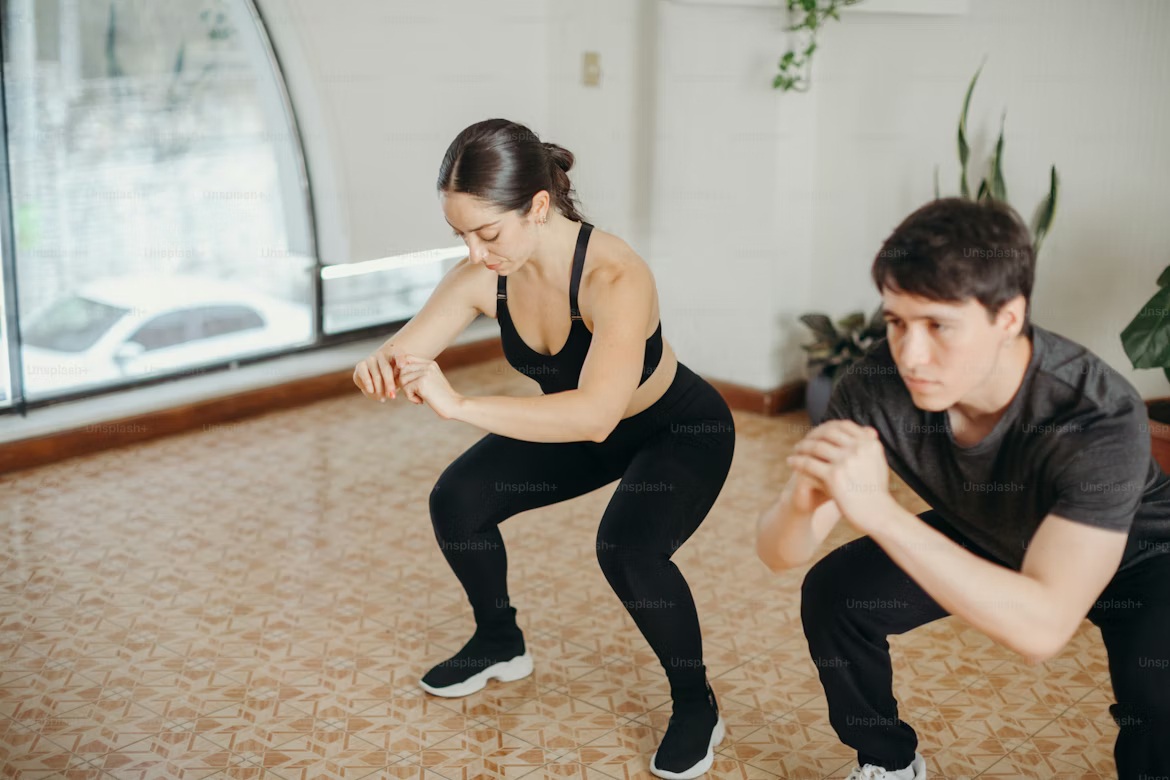
Goblet squats strengthen legs, glutes, and core while maintaining joint mobility with less lower back stress than traditional barbell squats, making them ideal for older adults.

The goblet variation holds weight close to the chest, encouraging upright torso position and reducing spinal compression. This loading pattern is more accessible for people with limited shoulder mobility who cannot safely position barbells on their back.

Squats are fundamental movement patterns required for sitting, standing, and countless daily activities. Maintaining squat capacity directly predicts independence and quality of life as we age.

Research on functional training demonstrates that exercises mimicking daily activities produce both muscle growth and improved performance in those activities, creating dual benefits unmatched by isolation exercises.

Your Application:

  • Perform 8-12 goblet squats 2-3 times weekly using dumbbells or kettlebells
  • Focus on lowering slowly (3 seconds down) and driving through heels to stand
  • Progress by increasing weight gradually when 12 repetitions becomes easy while maintaining perfect form

Do Push-Ups Really Matter After 40?

Yes. Push-ups build upper body strength while engaging core stability, maintaining functional pushing capacity needed for getting up from the floor and preventing falls.

The ability to get off the floor unassisted is a critical marker of functional independence and mortality risk in older adults. Push-ups train the exact movement pattern needed for this essential skill.

Research shows resistance training improves not just muscle mass but also neuromuscular coordination, making exercises that challenge stability (like push-ups) particularly valuable for aging adults.

Additionally, push-ups require no equipment and can be modified infinitely from wall push-ups (easiest) through standard push-ups to decline variations (hardest), allowing progressive difficulty across all fitness levels.

Your Application:

  • Start with variation you can perform 8-12 repetitions with perfect form (wall, countertop, or knee push-ups if needed)
  • Keep elbows at 45-degree angle to body to protect shoulders from excessive stress
  • Progress to harder variations (feet elevated, slower tempo) rather than endless repetitions of easy versions

Can Lunges Actually Improve Balance and Coordination?

Yes. Lunge variations enhance balance, coordination, and lower-body endurance by creating unilateral loading that challenges stability while keeping muscles under tension longer.

Step-through lunges (alternating forward and reverse lunges with same leg) particularly challenge balance because you never fully return to stable bilateral stance between repetitions.

Falls are the third leading cause of chronic disability in older adults. Balance training through unilateral exercises like lunges reduces fall risk significantly according to multiple systematic reviews.

The single-leg stability requirement in lunges trains balance dynamically during movement, which transfers better to real-world fall prevention than static balance exercises alone.

Your Application:

  • Begin with stationary split squats (back foot elevated, stepping up) before progressing to walking lunges
  • Perform 6-10 repetitions per leg focusing on controlled descent and stable landing
  • Use support (touching wall or chair) initially if balance is limited, progressively reducing support over weeks

Does Bent-Over Rowing Prevent Posture Problems?

Yes. Bent-over rows strengthen posterior chain muscles (back, rear shoulders, core) that counteract forward-hunched posture common with aging and desk work.

Poor posture isn’t just aesthetic. It compresses the chest cavity reducing lung capacity, strains the neck causing headaches, and shifts the center of gravity forward increasing fall risk.

Rowing movements target muscles that retract shoulder blades and extend the spine, directly opposing the rounded-forward position that develops from prolonged sitting and loss of back muscle strength.

Research on resistance training in older adults consistently shows improvements in posture markers and reduced difficulty performing daily tasks when programs include adequate pulling exercises.

Your Application:

  • Perform 8-12 bent-over rows 2-3 times weekly using dumbbells, cables, or resistance bands
  • Maintain neutral spine (flat back) throughout movement by hinging at hips, not rounding spine
  • Focus on squeezing shoulder blades together at top of movement for full back muscle contraction

Can Dead Hangs Really Improve Grip Strength and Spinal Health?

Yes. Dead hangs from a pull-up bar improve grip strength, decompress the spine, and enhance shoulder mobility through passive loading in overhead position.

Grip strength independently predicts all-cause mortality, cardiovascular disease, and functional disability in older adults. Declining grip strength serves as a biomarker for whole-body strength and health status.

The spinal traction from hanging creates space between vertebral discs, potentially relieving compression-related back pain. The overhead position also maintains shoulder range of motion that declines with age.

While pull-ups challenge many older adults, simply hanging (dead hang) provides substantial benefits without requiring vertical pulling strength.

Your Application:

  • Hang from pull-up bar or sturdy overhead structure for 10-30 seconds, 2-3 times per session
  • Keep shoulders engaged (not completely relaxed) to protect shoulder joints from excessive stress
  • Use step stool or platform under feet if needed to assist getting into and out of hanging position

Why Include Farmer’s Carries in Over-40 Programming?

Farmer’s carries build total-body functional strength, core stability, and real-world carrying capacity while being easily scalable and joint-friendly for most people.

Carrying capacity directly determines quality of life. Grocery shopping, moving household items, and carrying grandchildren all require the exact strength pattern trained by farmer’s carries.

Research on loaded carries shows they create substantial core activation without spinal compression, making them safer than traditional core exercises for people with back issues.

The upright walking position with external load closely mimics daily functional demands, ensuring strength gains transfer directly to improved real-world performance.

Your Application:

  • Hold heavy dumbbells or kettlebells in each hand and walk 20-40 meters maintaining upright posture
  • Start with weights allowing 30-60 seconds of walking before grip fails
  • Progress by increasing weight in small increments (5 pounds per hand) once duration becomes easy

FAQ: Your Over-40 Training Questions, Answered

Q: Can I start resistance training if I’ve never lifted weights before?
A: Yes, resistance training is safe and highly beneficial for beginners at any age when progressed appropriately. Start with bodyweight or very light weights focusing on movement quality for 4-8 weeks before adding significant load. Consider working with a qualified trainer initially for proper form coaching.

Q: How long before I see results from resistance training after 40?
A: Neurological adaptations (improved coordination, feeling stronger) appear within 2-4 weeks. Measurable muscle growth typically requires 8-12 weeks of consistent training. Functional improvements (easier stairs, better balance) often appear within 4-6 weeks as both strength and coordination improve.

Q: Should I still do cardio or focus entirely on strength training?
A: Both are essential. Cardiovascular training protects heart health and maintains aerobic capacity. However, prioritize strength training 2-3 days weekly as non-negotiable foundation, then add cardiovascular work (walking, cycling, swimming) 2-4 additional days. Total of 4-6 training days weekly is optimal.

Q: What if I have joint pain during certain exercises?
A: Modify exercises or find alternatives that allow pain-free training. For example, if squats hurt knees, try box squats to limited depth or leg press. Joint pain during exercise signals problem with form, load, or exercise selection. Consult physical therapist if pain persists.

Q: How do I know if I’m using enough weight?
A: The final 2-3 repetitions of each set should feel challenging but achievable with perfect form. If you can easily complete 12+ repetitions, increase weight 5-10%. If you cannot complete 6-8 repetitions with good form, reduce weight. Track weights used and aim to progress gradually over weeks.

Train for Function, Not Just Aesthetics

Resistance training after 40 shifts from aesthetic goals toward functional capacity preservation. The movements you choose should maintain independence, prevent falls, and support activities of daily living decades from now.

Begin with these seven exercises performed 2-3 times weekly with focus on perfect form and progressive difficulty. Consistency over months and years matters infinitely more than intensity in any single session.

For evidence-based guidance on protein requirements that support muscle maintenance during aging, explore our complete nutrition guide at BeeFit.ai. You can also check out our breakdown of progressive overload principles and how to systematically increase training difficulty without risking injury.

This article is for informational purposes only and is not a substitute for professional medical advice, diagnosis, or treatment. Always consult with a qualified healthcare provider before starting any new exercise or nutrition program.

How CrossFit Athletes Can Optimize Testosterone Naturally

Quick Take

  • Chronic undereating combined with high-intensity training is a primary driver of low testosterone in CrossFit athletes, disrupting the anabolic environment needed for recovery.
  • Excess body fat increases aromatase activity, an enzyme that converts testosterone into estrogen, directly undermining hormonal balance.
  • Just one week of reduced sleep (5 hours per night) can decrease testosterone levels by 10-15%, comparable to a decade of aging.
  • Key nutrients like Zinc, Vitamin D, and healthy fats are non-negotiable substrates for testosterone synthesis and hormonal regulation.

For CrossFit athletes, performance is the ultimate metric. Yet, a key driver of strength, recovery, and body composition often operates unseen: testosterone. This foundational hormone doesn’t just influence muscle growth; it regulates energy utilization, fat metabolism, and neural drive. In the high-stress, high-output world of CrossFit, hormonal balance is easily disrupted, turning hard work into diminishing returns.

Optimizing testosterone isn’t about quick fixes; it’s about building a sustainable physiological environment where performance can thrive. Here’s how to align your lifestyle with your hormonal health.

Can Your CrossFit Diet Actually Lower Testosterone?

Direct Answer: Yes. Chronic caloric deficit, especially when combined with high-volume training, is one of the most common causes of low testosterone in athletes, as the body prioritizes survival over performance and reproduction.

Explanation & Evidence:
CrossFit’s significant energy demand requires ample fuel. When intake doesn’t match output, the body enters a low-energy availability (LEA) state. This is perceived as a major stressor, elevating cortisol and suppressing the hypothalamic-pituitary-gonadal (HPG) axis, which governs testosterone production. The body downregulates “non-essential” anabolic processes to conserve energy.

Research in the Journal of Clinical Endocrinology & Metabolism states that “energy deficiency, independent of body fat levels, profoundly suppresses testosterone levels in male athletes, impairing recovery and adaptation.”

This isn’t about being overweight; it’s about fueling the work. An athlete at a “healthy” weight but in a prolonged deficit can still be hormonally compromised.

Your Application: Track your intake for a week. If you’re constantly fatigued, losing strength, or have low libido, you may be undereating. Increase calories, particularly from carbs and healthy fats, around training to signal safety and support recovery.

How Does Body Fat Directly Impact Hormone Levels?

Direct Answer: Adipose (fat) tissue produces the enzyme aromatase, which converts testosterone into estrogen. Higher body fat percentage increases this conversion, lowering free testosterone and creating an unfavorable estrogen-to-testosterone ratio.

Explanation & Evidence:
The relationship is metabolic, not just aesthetic. Fat cells are hormonally active. As body fat increases, particularly visceral fat, aromatase activity rises. This means more of your circulating testosterone is transformed into estradiol (a form of estrogen). This imbalance can blunt muscle-building signals, promote fat storage, and reduce motivation and drive.

Studies show that “for every 10% increase in body mass index (BMI) above normal, testosterone levels can decrease by approximately 20-30% due to increased aromatization.”

Managing body composition isn’t just for the leaderboard; it’s a direct lever for maintaining a potent anabolic hormone profile.

Your Application: Focus on sustainable body composition management through a modest calorie deficit (if needed) and high-protein intake to preserve muscle. Avoid extreme cuts that could trigger the low-energy availability state discussed above.

Is Sleep More Important Than an Extra Training Session?

Direct Answer: For testosterone optimization, yes. Sleep is the prime time for hormonal restoration, and even short-term sleep restriction can cause a significant and rapid decline in testosterone levels.

Explanation & Evidence:
The majority of testosterone release occurs during deep, slow-wave sleep. Disrupting this cycle with short sleep duration or poor quality directly impairs the endocrine system’s nightly reboot. The impact is both acute and severe.

A University of Chicago study found that “restricting sleep to 5 hours per night for one week decreased daytime testosterone levels in healthy young men by 10-15%,” a level associated with significant aging.

Sacrificing sleep for an early workout creates a counterproductive cycle: more training stress with diminished recovery capacity.

Your Application: Protect 7-9 hours of sleep as non-negotiable. Implement a sleep protocol: cool, dark room; no screens 60 minutes before bed; consistent sleep/wake times. Consider this as critical as your programming.

Which Nutrients Are Non-Negotiable for Testosterone Synthesis?

Direct Answer: Zinc, Vitamin D, and dietary cholesterol from healthy fats are critical substrates your body cannot produce testosterone without.

Explanation & Evidence:
Testosterone is synthesized from cholesterol in a series of reactions dependent on key micronutrients. Zinc acts as a co-factor for the enzymes in this pathway. Vitamin D functions more like a hormone and upregulates the expression of genes involved in testosterone production. Dietary Fats and Cholesterol provide the raw building blocks for steroid hormones.

A study in Nutrition journal concluded that “supplementation with Zinc and Vitamin D significantly increased testosterone levels in deficient individuals, highlighting their permissive role in hormone production.”

No amount of training can overcome a biochemical shortage of these foundational elements.

Your Application: Prioritize foods rich in Zinc (oysters, pumpkin seeds, red meat), get daily sunlight or supplement with Vitamin D3 (based on blood work), and include cholesterol-rich whole foods like eggs and saturated fats from quality meats and coconut.

Do Adaptogens Like Ashwagandha Really Work?

Direct Answer: Emerging research suggests adaptogens like Ashwagandha can support testosterone indirectly by significantly reducing cortisol and improving resilience to training stress, thereby removing a key inhibitory factor on the HPG axis.

Explanation & Evidence:
Chronic elevation of the stress hormone cortisol is a direct antagonist to testosterone. Adaptogens help modulate the body’s stress response. Ashwagandha (Withania somnifera), in particular, has been shown in randomized controlled trials to reduce cortisol levels, improve sleep quality, and in stressed populations, increase testosterone levels.

A 2019 study published in Medicine found that “Ashwagandha root extract supplementation was associated with significant reductions in cortisol and greater increases in testosterone compared to placebo in resistance-trained males.”

It doesn’t “boost” testosterone in a vacuum; it helps restore balance by mitigating the stress that suppresses it.

Your Application: If you experience high stress or poor stress recovery, consider a high-quality Ashwagandha extract (300-500 mg standardized for withanolides). Use it as a tool to improve adaptation, not as a standalone solution.

FAQ: Your CrossFit & Testosterone Questions, Answered

Q: Can overtraining lower my testosterone?
A: Absolutely. Overtraining syndrome (OTS) creates a prolonged state of systemic inflammation and high cortisol, which suppresses gonadotropin-releasing hormone (GnRH), the master signal for testosterone production. Listening to your body and incorporating deload weeks is crucial for hormonal health.

Q: Should I get my testosterone levels checked?
A: If you’re experiencing persistent symptoms like unexplained fatigue, loss of strength/muscle, low libido, and poor recovery despite good habits, a blood test is wise. Test in the morning (7-10 AM) when levels are highest. Look at free testosterone and SHBG (sex hormone-binding globulin), not just total testosterone.

Q: Do testosterone-boosting supplements work?
A: Most over-the-counter “boosters” are ineffective if your fundamentals (sleep, diet, stress, training load) aren’t dialed in. The supplements with the strongest evidence for addressing deficiencies are Zinc, Vitamin D, and Fish Oil. Invest in lifestyle first, then consider targeted supplementation based on proven needs.

Q: How does alcohol affect testosterone?
A: Alcohol increases aromatase activity (converting T to estrogen), increases cortisol, and directly impairs testosterone production in the Leydig cells of the testes. For optimal hormone function, limit consumption significantly.

Q: Is this relevant for female athletes?
A: Yes, but the context differs. Women produce less testosterone, but it remains vital for muscle strength, bone density, and libido. The same lifestyle factors—low energy availability, poor sleep, high stress—can disrupt their delicate hormonal balance (including testosterone, estrogen, and progesterone), impacting performance and health.

Optimizing testosterone is not about chasing a number; it’s about systematically removing the modern barriers to your biological potential. By mastering sleep, nutrition, and stress, you stop fighting your physiology and start leveraging it. The result is not just better scores on the board, but a more resilient, energetic, and sustainable athletic life.

Ready to dial in your nutrition for performance? Explore our science-backed guides on fueling for functional fitness at BeeFit.ai.

This article is for informational purposes only and is not a substitute for professional medical advice, diagnosis, or treatment. Always seek the advice of your physician or other qualified health provider with any questions you may have regarding a medical condition, including hormone health. Do not disregard professional medical advice or delay seeking it because of something you have read here.

Squat vs. Leg Press: The Ultimate Leg Day Verdict

Quick Take

  • The squat is a full-body, functional movement that builds real-world strength and athleticism by demanding core and stabilizer muscle engagement.
  • The leg press isolates the lower body, allowing for greater loading with less systemic fatigue and reduced spinal compression.
  • For pure quadriceps hypertrophy, research shows the leg press can produce greater EMG activation due to its fixed, stable movement path.
  • The optimal strategy for leg development incorporates both exercises: squats for foundational strength and the leg press for targeted overload.

The quest for powerful legs often leads to a pivotal choice between two gym titans: the free-weight barbell squat and the machine-based leg press. This isn’t a trivial debate; it’s about understanding two distinct tools for building lower-body strength. One is a foundational test of total-body athleticism, while the other is a precision instrument for muscle isolation. Choosing the right one—or the right blend—depends entirely on your physiology and your goals.

Let’s break down the biomechanics, the science, and the practical application to settle the score.

Which Exercise Builds More Functional Strength?

Direct Answer: The barbell squat is unequivocally superior for building functional, transferable strength that applies to sports, daily life, and overall athleticism.

Explanation & Evidence:
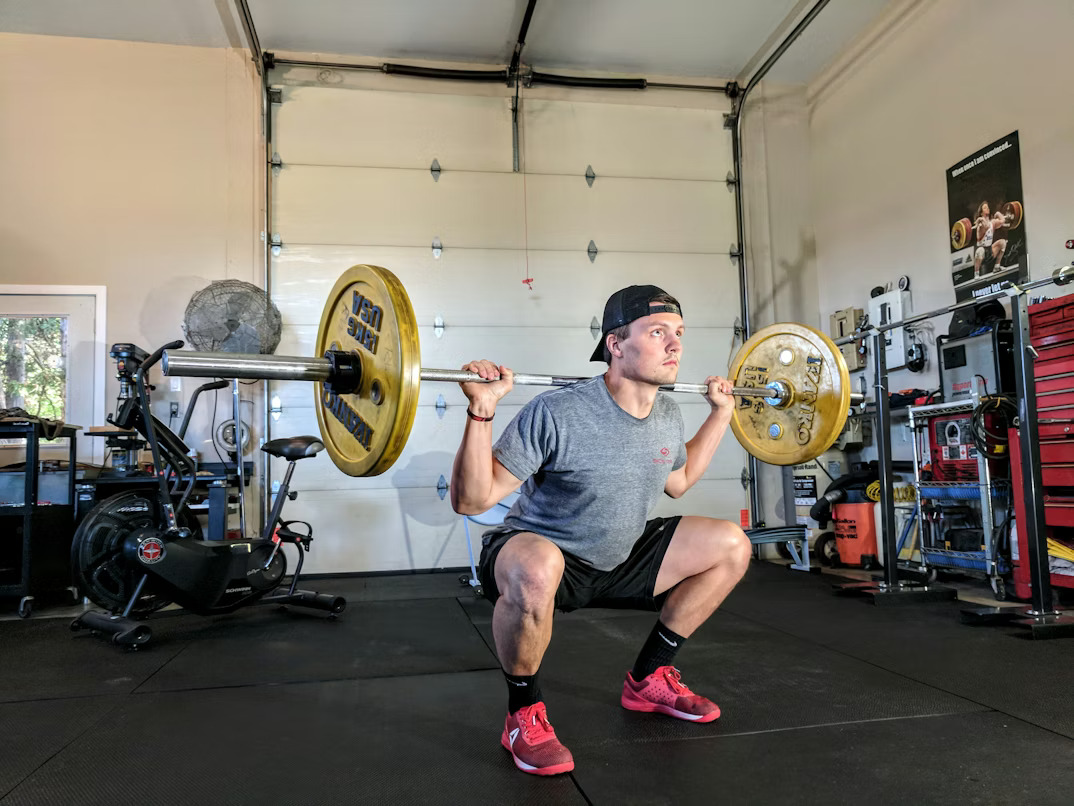
Functional strength is the ability to produce and control force in unpredictable, real-world environments. The squat is a “closed-chain” exercise where your feet are fixed, mimicking natural movements like standing up, jumping, or lifting. It requires the coordinated effort of your quads, hamstrings, glutes, core, and back stabilizers to control the weight in three-dimensional space. This teaches your nervous system to manage load with balance and proprioception.

A study in the Journal of Strength and Conditioning Research concluded that “free-weight exercises like the squat produce greater neuromuscular activation and co-contraction of stabilizer muscles compared to machine-based exercises.”

The leg press, while excellent for building muscle, is an “open-chain” exercise where you move a load away from your body on a fixed track. This removes the balance and core stabilization demands, limiting its direct transfer to athletic performance.

Your Application
If your goal is to improve athletic performance, build resilience for daily tasks, or develop a strong core, the barbell squat must be a cornerstone of your training.

Which Exercise Is Safer for Your Lower Back?

Direct Answer
The leg press is generally safer for individuals with pre-existing lower back issues, as it minimizes spinal loading and shear forces when performed correctly.

Explanation & Evidence:
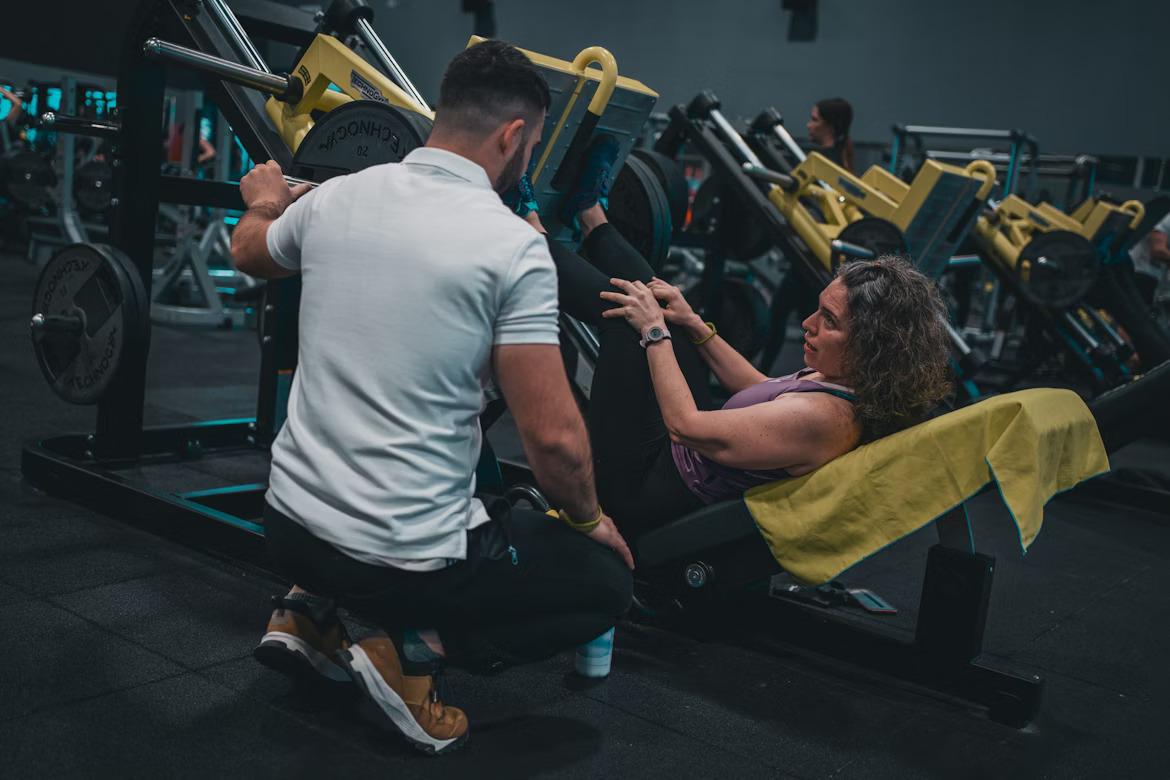
During a back squat, the barbell loads the spine axially (down the length of the vertebrae), creating significant compressive force. For a healthy spine with proper bracing, this is a potent adaptive stimulus. However, for those with disc issues, stenosis, or poor form, this compression can be problematic. The leg press supports the torso, offloading the spine and allowing the legs to be trained with minimal lower back involvement.

Biomechanical analyses note that “the seated, supported position of the leg press reduces lumbar spine compression and shear forces by over 50% compared to the loaded back squat, making it a viable option for back-sensitive populations.”

This does not mean squats are “dangerous,” but rather that the leg press provides a valuable alternative when spinal loading is contraindicated.

Your Application
If you have a history of lower back pain or injury, use the leg press to build leg strength safely. You can later progress to goblet or belt squats, which also minimize spinal load, before considering barbell squats.

Which Exercise Is Better for Isolating and Growing the Quads?

Direct Answer
For isolating the quadriceps and achieving maximal muscular overload with minimal technical demand, the leg press has a distinct advantage.

Explanation & Evidence
Because the leg press stabilizes your torso, you can focus solely on extending your knees. This allows you to use heavier loads or achieve deeper muscular fatigue without being limited by core or back strength. Electromyography (EMG) studies often show high levels of quadriceps activation in the leg press, and the ability to safely perform techniques like drop sets or partial reps makes it a hypertrophy powerhouse.

Research comparing muscle activation has found that “while squatting activates more total muscle mass, the leg press can produce equal or greater EMG activity in the vastus lateralis (outer quad) due to the elimination of stabilizer limitations.”

The squat is a better overall developer, but the leg press is a more efficient tool for overloading the quads specifically.

Your Application:
For targeting quadriceps hypertrophy, place the leg press later in your workout after squats. Use a full range of motion and techniques like rest-pause sets to push the quads to failure safely.

Can the Leg Press Compensate for Poor Squat Mobility?

Direct Answer
Yes. The leg press can be a crucial tool for building leg strength while you work to improve the ankle, hip, and thoracic mobility required for a deep, safe squat.

Explanation & Evidence
Many individuals lack the ankle dorsiflexion or hip flexion to squat deeply without compromising form (e.g., butt wink). Forcing a heavy squat with poor mobility is a recipe for injury. The leg press allows you to strengthen the quads, glutes, and hamstrings through a full range of motion that you control, independent of your current mobility constraints.

Physical therapists often use leg press variations as a “bridge exercise” to “maintain lower-body strength during periods where mobility work is the primary focus for improving squat mechanics.”

It’s not about replacing the squat forever, but about maintaining leg strength while you correct the movement pattern.

Your Application
If you struggle with squat depth, use the leg press as your primary strength builder. Simultaneously, dedicate separate sessions to mobility work for your ankles, hips, and thoracic spine, and practice squat patterning with light weights or bodyweight.

What Is the Optimal Strategy for Maximum Leg Development?

Direct Answer
The most effective long-term strategy is to use both exercises in a periodized manner: squat for primary strength and neurological development, and leg press for supplemental hypertrophy and volume.

Explanation & Evidence
This is not an either/or proposition. They are complementary. The squat builds the foundational strength, core stability, and hormonal response. The leg press then allows you to add additional volume (total sets and reps) to the quads without accumulating excessive systemic or nervous system fatigue from more squatting, which can lead to overtraining.

A periodized programming approach, as endorsed by strength coaches, “uses compound free-weight lifts like the squat for strength phases, and incorporates machine-based assistance work like the leg press during hypertrophy phases to maximize muscle growth while managing fatigue.”

This integrated approach yields better results than relying on either exercise alone.

Your Application
Structure your leg day with squats first (3-5 sets of 5-8 reps) when you are freshest. Afterward, move to the leg press (3-4 sets of 10-15 reps) to add high-rep, quad-focused volume. Finish with isolation work like leg extensions and hamstring curls.

FAQ: Your Squat vs. Leg Press Questions, Answered

Q: Will leg press make me better at squatting?
A: Indirectly, yes. A stronger leg press can increase the potential strength of your prime movers (quads, glutes). However, it won’t improve the core stability, balance, or technique required to express that strength in a squat. You must practice squats to improve at squats.

Q: Why can I leg press so much more than I can squat?
A: This is normal. The leg press removes stabilizing demands, allows you to use a shorter range of motion if desired, and leverages mechanical advantages. There is no direct correlation; your leg press weight will always be significantly higher than your squat.

Q: Are hack squats a good middle ground?
A: The hack squat machine is an excellent compromise. It provides more spinal support than a free-weight squat but requires more core and stabilizer engagement than a leg press. It’s a fantastic tool for overloading the quads with a fixed path, often considered a hybrid of the two.

Q: Which is better for glute development?
A: The barbell squat, particularly low-bar and wide-stance variations, generally places greater emphasis on the glutes and hamstrings. To target glutes on the leg press, use a high foot placement and focus on driving through your heels, ensuring a deep stretch at the bottom.

Q: Should beginners start with leg press or squats?
A: Beginners should start by learning bodyweight squats and goblet squats to master the movement pattern with minimal risk. The leg press can be introduced early to build basic leg strength, but it should not replace learning the fundamental movement skill of the squat.

The debate isn’t about crowning a winner; it’s about allocating resources. The squat is your foundation—an investment in total-body strength and resilience. The leg press is your specialization—a targeted tool for hypertrophy and strength preservation when the squat isn’t an option.

By strategically employing both, you’re not hedging your bets; you’re building a comprehensive leg development plan that is smarter, safer, and more effective than relying on dogma alone.

Ready to build a balanced lower body program? Explore our science-backed leg day workout templates at BeeFit.ai.

This article is for informational purposes only and is not a substitute for professional medical advice, diagnosis, or treatment. Always seek the advice of your physician or other qualified health provider before beginning any new exercise program, especially if you have pre-existing conditions.

The 6-Move Bodyweight Workout That Beats Running

Quick Take

  • This 6-move bodyweight circuit combines primal movement patterns to elevate heart rate and build functional strength without equipment.
  • Gorilla Sprawls offer a joint-friendly, high-intensity alternative to burpees, targeting legs, core, and upper body in one movement.
  • The workout’s structure—60 seconds on, 10 seconds off for 5 rounds—maximizes metabolic stress and cardiovascular conditioning.
  • Exercises like Bear Crawls and Shuttle Runs improve multi-planar agility and athleticism often neglected by steady-state cardio.

The pursuit of heart-pounding, sweat-dripping cardio often defaults to the treadmill a monotonous grind that can feel more like a chore than training. But what if you could achieve superior conditioning while also building full-body strength, agility, and resilience? This calisthenics-inspired circuit proves you can.

Designed around fundamental human movements, this workout delivers a potent metabolic charge and functional strength gains in under 30 minutes. It requires no equipment, no burpees, and no gym membership just the will to move with intention. Here’s why this simple-seeming routine is a covert conditioning powerhouse.

Is This Workout Really a Better Cardio Alternative to Running?

Direct Answer: Yes, for developing explosive power, multi-muscle endurance, and metabolic conditioning simultaneously. While running is a superior steady-state aerobic builder, this HIIT-style circuit creates a greater excess post-exercise oxygen consumption (EPOC) effect, burning more calories post-workout and improving anaerobic capacity.

Explanation & Evidence:
Running primarily challenges your cardiovascular system in one plane of motion. This circuit, however, combines plyometrics (Bunny Hops), dynamic stability (Bear Crawls), and lateral power (Skater Lunges), taxing your heart while also demanding strength and coordination from your muscles. This hybrid demand creates a larger metabolic disturbance.

Research in the Journal of Strength and Conditioning Research shows that “high-intensity bodyweight circuits elicit a significantly greater EPOC (Afterburn) and fat oxidation response than moderate-intensity steady-state cardio like jogging.”

You’re not just training your engine; you’re upgrading all the components that make it efficient under diverse, real-world demands.

Your Application: Use this circuit 2-3 times per week on non-consecutive days as a replacement for a standard cardio session. Its intensity provides a different, complementary stimulus to longer, slower runs.

How Do Gorilla Sprawls Protect Your Joints Compared to Burpees?

Direct Answer: Gorilla Sprawls eliminate the high-impact chest-to-floor drop and the explosive vertical jump, reducing compressive force on the spine, wrists, and knees, while maintaining the metabolic and full-body engagement of a burpee.

Explanation & Evidence:
The traditional burpee’s plyometric push-up and jump can be problematic for those with wrist, shoulder, or lower back issues. The Gorilla Sprawl modifies the pattern: you jump your feet outside your hands into a deep squat (increasing hip mobility), briefly lift your hands (adding a balance challenge), then step/jump back to plank. This maintains the squat-thrust motion but in a more controlled, joint-conscious range.

Biomechanically, this modification “replaces high axial load on the spine and wrists with a greater emphasis on hip hinge mobility and quad engagement, making it a scalable, longevity-focused alternative,” according to movement specialists.

It’s a strategic regressions that keeps intensity high but impact low.

Your Application: Master the Gorilla Sprawl by focusing on a smooth, controlled transition. Jump or step your feet wide, get deep in the squat, and keep your core braced as you briefly lift your hands. Control the return to plank.

Why Are Bear Crawls Considered a “Full-Body Primer”?

Direct Answer: Bear Crawls are a quadrupedal movement that simultaneously challenges core anti-rotation, shoulder stability under load, contralateral coordination, and cardio-respiratory fitness, making them a uniquely integrative exercise.

Explanation & Evidence:
Unlike isolated exercises, the Bear Crawl forces your body to work as a coordinated unit. The opposite arm/leg movement pattern requires cross-body neural communication. Keeping your knees an inch off the ground demands intense core and hip flexor engagement to prevent sagging. Moving under this tension rapidly elevates your heart rate.

A study on core activation found that “dynamic, weight-bearing movements like the Bear Crawl produced higher and more global core muscle EMG activity than traditional isolated core exercises like crunches.”

It’s less about raw strength and more about teaching your body to organize strength under fatigue—a key athletic skill.

Your Application: Perform Bear Crawls with precision: maintain a flat back, keep your head neutral, and move with deliberate control. Speed is a bonus, but form is the priority. Try traveling forward for 10 yards, then backward, to challenge different motor patterns.

Can Short, Max-Effort Sprints Like Shuttle Runs Build Endurance?

Direct Answer: Yes. Repeated short sprints with minimal rest (like the 10-second breaks in this circuit) develop anaerobic endurance and improve your body’s ability to buffer lactate and recover quickly—a quality known as work capacity, which is foundational for all other fitness.

Explanation & Evidence:
Endurance isn’t just about going long; it’s about recovering fast between efforts. Shuttle Runs in this format are a form of “repeat sprint ability” (RSA) training. By sprinting maximally for 60 seconds with only 10 seconds of rest before the next exercise, you push your phosphocreatine and glycolytic energy systems to their limits, enhancing their efficiency and recovery rate.

Sports science indicates that “RSA training improves both anaerobic power and the aerobic system’s role in recovery between sprints, leading to broad-based conditioning improvements.”

This builds the kind of endurance that matters in sports and life: the ability to perform high-intensity efforts repeatedly.

Your Application: For Shuttle Runs, mark two points 10-15 meters apart. Focus on explosive changes of direction. Each sprint to a point and back is one rep; aim for maximum trips in the 60-second window.

How Does the 60s On/10s Off Structure Maximize Results?

Direct Answer: The 60:10 work-to-rest ratio creates accumulating metabolic fatigue by preventing full recovery, forcing your body to work at a high percentage of its max capacity for the entire 5-round circuit, which optimizes both cardiovascular and muscular adaptations.

Explanation & Evidence:
A 10-second rest is long enough to catch your breath but not long enough to clear significant lactate or fully replenish phosphocreatine stores. This means you start each subsequent exercise and each new round with a progressively higher level of systemic fatigue. This method, known as “density training,” increases the total workload in a fixed time, boosting metabolic stress (a key driver of muscle adaptation) and cardiovascular demand.

Training density is a proven variable for hypertrophy and conditioning. This protocol “maximizes time under tension and metabolic stress in a time-efficient framework, leading to significant improvements in VO2 max and body composition.”

The structure itself is the secret weapon, turning six simple moves into a grueling test of fitness.

Your Application: Use a reliable interval timer. The key is maintaining movement quality even as fatigue sets in. If form breaks, pause for a few seconds within the work interval rather than pushing through with poor mechanics.

The 6-Move No-Equipment Workout

The Protocol: 60 seconds of work, 10 seconds of rest per exercise. Complete all 6 moves consecutively to finish one round. Complete 5 total rounds. Record your reps for the first exercise in Round 1 and try to match or exceed it in each following round.

  1. Gorilla Sprawls: The joint-smart burpee alternative. From plank, jump feet wide outside hands into a deep squat, lift hands, replace them, jump feet back to plank.
  2. Bunny Hops: Plyometric core & shoulder builder. In a pike position, hands down, hop both feet toward hands and back out rapidly.
  3. Bear Crawls: Full-body integrator. On hands and feet (knees hovering), crawl forward with opposite arm/leg, keeping back flat.
  4. Skater Lunges: Lateral power developer. Leap side-to-side, landing on one foot and reaching the opposite foot behind you, touching the floor.
  5. Shuttle Runs: Repeat-sprint conditioner. Sprint back and forth between two points ~10 meters apart. Each round-trip counts as one rep.
  6. Plank Jacks: Core-centric cardio. In a high plank, jump feet wide and back in (like a horizontal jumping jack).

FAQ: Your Bodyweight Cardio Questions, Answered

Q: I’m a beginner. How do I scale this?
A: Reduce the work time (try 40s on, 20s off), decrease the rounds (start with 3), or modify the exercises. For Gorilla Sprawls, step back instead of jumping; for Bunny Hops, do slow mountain climbers; for Skater Lunges, do lateral step-touches.

Q: How many calories does this burn?
A: While individual, a vigorous 30-minute session of this nature can burn an estimated 250-400 calories, with additional calories burned through the elevated metabolism (EPOC) for hours afterward. Focus on the performance metric—beating your rep counts—rather than calorie estimates.

Q: Can I do this every day?
A: No. This is a high-intensity session that requires recovery. Perform it 2-3 times per week on non-consecutive days, balanced with strength training, mobility work, and lower-intensity active recovery.

Q: What if I don’t have space for Shuttle Runs?
A: Substitute High Knees or Fast Feet running in place. The goal is maximal lower-body turnover for 60 seconds. You can also do Mountain Climbers at a high pace.

Q: How do I track progress?
A: Record your total reps for each exercise in Round 1. Your primary goal is to match that number in Rounds 2-5 as fatigue accumulates. When you can consistently hit your Round 1 numbers across all 5 rounds, it’s time to increase the work time or add a round.

This workout proves that intensity, not equipment, is the ultimate lever for transformation. By mastering your own body’s capacity for explosive movement, stability, and endurance, you build a foundation of fitness that translates far beyond the gym walls. The treadmill will always be there, but this circuit offers a smarter, more engaging, and ultimately more rewarding path to peak conditioning.

Ready for more bodyweight mastery? Explore our library of progressive calisthenics programs at BeeFit.ai.

This article is for informational purposes only and is not a substitute for professional medical advice, diagnosis, or treatment. Always seek the advice of your physician or other qualified health provider before beginning any new exercise program, especially high-intensity interval training.