BeeFit: Fitness & Wellness

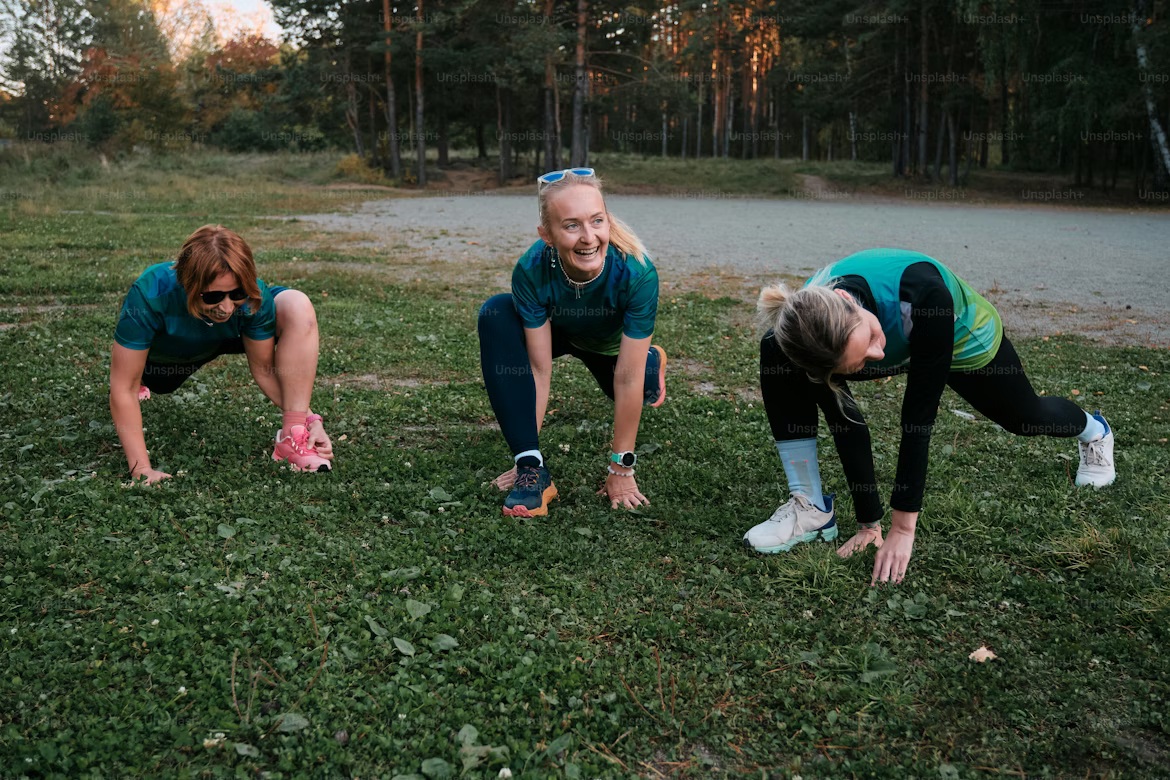
8 Essential Exercises for Women Over 50 to Stay Strong & Independ

Quick Take

  • Strength training 2-3 times weekly can reverse up to 50% of sarcopenia (age-related muscle loss) in women over 50, crucial for maintaining metabolism and independence.
  • Weight-bearing exercises like walking and dancing directly stimulate osteoblasts, the cells that build bone, helping to prevent osteoporosis.
  • Low-impact cardio such as swimming or cycling preserves joint health while improving cardiovascular function, reducing the risk of heart disease by up to 35%.
  • Mind-body practices like Tai Chi can reduce the risk of falls by nearly 50% by dramatically improving balance and proprioception.

For women over 50, exercise transforms from a tool for aesthetics to a fundamental prescription for vitality, independence, and longevity. The right movement isn’t about punishing your body. It is about strategically investing in your physical capital to ensure you can live life on your own terms for decades to come. “The goal shifts completely,” explains Sarah Mitchell, a certified personal trainer specializing in women’s health. “It’s no longer about how you look in a mirror. It’s about preserving the strength to lift your grandchildren, the balance to hike your favorite trail, and the energy to enjoy your days fully.”

This list distills the overwhelming world of fitness into eight evidence-based, sustainable exercises. Each one targets the key physiological changes that occur post-50, offering a clear roadmap to a stronger, more resilient you.

Is Strength Training Safe After 50?

Direct Answer: Not only is it safe, it is essential. Progressive strength training is the most effective intervention to combat sarcopenia, the age-related loss of muscle mass and function that begins as early as your 30s.

Explanation & Evidence:
Muscle is your metabolic engine and your physical insurance policy. After 50, hormonal changes can accelerate muscle loss at a rate of 1-2% per year. This loss directly impacts strength, metabolic rate, and bone density. Lifting weights or using resistance bands provides the critical mechanical tension needed to signal your body to preserve and even rebuild muscle tissue.

A landmark study in Medicine & Science in Sports & Exercise found that “postmenopausal women who engaged in progressive resistance training twice weekly for one year gained over 2 pounds of muscle mass and increased their bone density, effectively reversing a decade of age-related decline.”

The fear of getting “bulky” is unfounded. The focus is on building resilient, functional strength.

Your Application: 
Start with two full-body strength sessions per week. Use dumbbells, resistance bands, or your bodyweight. Master foundational movements: Squats (for sitting/standing), Hip Hinges (for picking things up), Rows (for posture), and Overhead Presses (for reaching). Prioritize proper form over heavy weight.

What Is the Single Best Exercise for Bone Density?

Direct Answer: While strength training is crucial, weight-bearing cardiovascular exercise like brisk walking, hiking, or stair climbing provides the direct, rhythmic impact that most effectively stimulates bone-forming cells (osteoblasts).

Explanation & Evidence:
Bones adapt to the stress placed upon them. The gentle, repeated impact of your body weight hitting the ground during walking sends micro-signals through your skeleton, prompting it to deposit more mineral and become denser. This is a non-negotiable defense against osteoporosis, a condition where bones become brittle and fragile.

Research from the Journal of Bone and Mineral Research confirms that “regular weight-bearing exercise, such as 30 minutes of brisk walking most days, can increase bone density in the spine and hips by 1-3% in postmenopausal women, significantly reducing fracture risk.”

Swimming and cycling, while excellent for joints and heart health, are non-weight-bearing and do not provide this specific bone-building stimulus.

Your Application: 
Aim for 150 minutes per week of weight-bearing cardio. A daily 30-minute brisk walk, where you can talk but not sing, is a perfect foundation. Add hills or intervals of faster walking to increase the bone-stimulating effect.

How Can You Protect Your Joints While Getting Stronger?

Direct Answer: By incorporating low-impact, non-weight-bearing exercises like swimming, water aerobics, or cycling, you can build cardiovascular fitness and muscular strength without subjecting vulnerable joints to repetitive pounding.

Explanation & Evidence:
Joint cartilage has limited blood supply and repair capacity. High-impact activities can accelerate wear in individuals with pre-existing joint concerns. Water-based exercise leverages buoyancy to support up to 90% of your body weight, dramatically reducing stress on hips, knees, and spine, while the water’s resistance builds strength in all directions.

The Arthritis Foundation strongly endorses aquatic therapy, noting that “water exercise decreases pain and improves function in adults with osteoarthritis, while providing a safe environment to improve cardiovascular health.”

Think of it as giving your joints a vacation while your muscles get to work.

Your Application: 
Substitute one of your weekly walks with a 30-45 minute swim or water aerobics session. Focus on full range-of-motion movements. For cycling, ensure your bike is properly fitted to avoid knee strain.

Why Is Balance Training a Non-Negotiable?

Direct Answer: After 50, the systems that govern balance (vision, inner ear, proprioception) naturally decline. Dedicated balance training, like Tai Chi or specific yoga poses, is proven to cut fall risk nearly in half by retraining neural pathways and strengthening stabilizer muscles.

Explanation & Evidence:
Falls are a leading cause of injury and loss of independence. Balance is a skill you must practice to maintain. Exercises that challenge your stability in a controlled way, like standing on one leg or moving slowly through Tai Chi forms, force your brain and body to communicate more effectively to keep you upright.

A meta-analysis in the British Medical Journal reported that “Tai Chi practice reduced the risk of falls by 43% in older adults and was more effective than other balance-training programs or strength training alone.”

This isn’t just physical. It is neuromuscular training that keeps your movement system sharp.

Your Application: 
Practice a single-leg stand while brushing your teeth (hold onto the counter if needed). Take a beginner Tai Chi or gentle yoga class. Incorporate moves like heel-to-toe walks or standing from a chair without using your hands.

Can Exercise Truly Improve Brain Health?

Direct Answer: Yes, consistently. Cardiovascular exercise, in particular, improves cerebral blood flow, stimulates the release of brain-derived neurotrophic factor (BDNF a “fertilizer” for brain cells), and can enhance memory and executive function.

Explanation & Evidence:
The brain is highly vascular and energy-demanding. Exercise acts as a powerful stimulant for neuroplasticity, the brain’s ability to form new connections. Studies show that regular aerobic activity can increase the size of the hippocampus, the brain region central to memory and learning, effectively countering age-related shrinkage.

Neuroscience research published in Neurology found that “older adults with higher cardiovascular fitness had slower rates of cognitive decline and larger brain volumes in key memory areas than their less-fit peers.”

Every time you get your heart rate up, you are quite literally investing in your cognitive reserve.

Your Application: 
Pair your physical exercise with mental engagement. Listen to an audiobook or podcast during your walk. Take a dance class to learn new choreography. Choose cycling routes that require navigation. This dual-tasking further challenges and protects your brain.

FAQ: Your Fitness Over 50 Questions, Answered

Q: I’ve never exercised. Is it too late to start?
A: It is absolutely not too late. Your body retains a remarkable ability to adapt and improve at any age. The most important step is the first one. Begin gently, focus on consistency over intensity, and celebrate the non-scale victories like more energy, better sleep, and easier daily movement.

Q: How often should I work out each week?
A: Aim for a balanced mix: Cardio (brisk walking, swimming) most days of the week (150+ minutes total). Strength Training 2-3 non-consecutive days. Balance & Flexibility (yoga, Tai Chi) 2-3 days. Remember, daily movement like gardening or housework counts too.

Q: What should I do if I have arthritis or joint pain?
A: Focus on low-impact and non-weight-bearing options like swimming, recumbent cycling, or chair yoga. Strength training with light weights is still crucial to support the joints, but avoid exercises that cause sharp pain. A physical therapist can provide a personalized, pain-free plan.

Q: Do I need to join a gym?
A: No. An effective routine can be built at home. You need a pair of walking shoes, some resistance bands, a yoga mat, and perhaps a set of light dumbbells. Many excellent follow-along programs are available online for free.

Q: How do I stay motivated?
A: Connect your “why.” Are you exercising to play with your grandkids, travel comfortably, or simply feel stronger in your own body? Find a workout buddy for accountability, track your progress (not just weight, but how you feel), and choose activities you genuinely enjoy. Consistency is born from enjoyment, not punishment.

The narrative around fitness after 50 needs a rewrite. It is not about decline, but about intelligent maintenance. It is not about fighting your body, but about partnering with it strategically. These eight exercises are not a rigid checklist, but a menu of powerful options. Your task is not to do them all at once, but to start where you are, use what you have, and build the movement practice that makes you feel capable, confident, and truly alive in the decades to come.

Ready for a personalized plan? Our experts at BeeFit.ai can help you build a sustainable routine. 

This article is for informational purposes only and is not a substitute for professional medical advice, diagnosis, or treatment. Always seek the advice of your physician or other qualified health provider before beginning any new exercise program, especially if you have pre-existing health conditions.
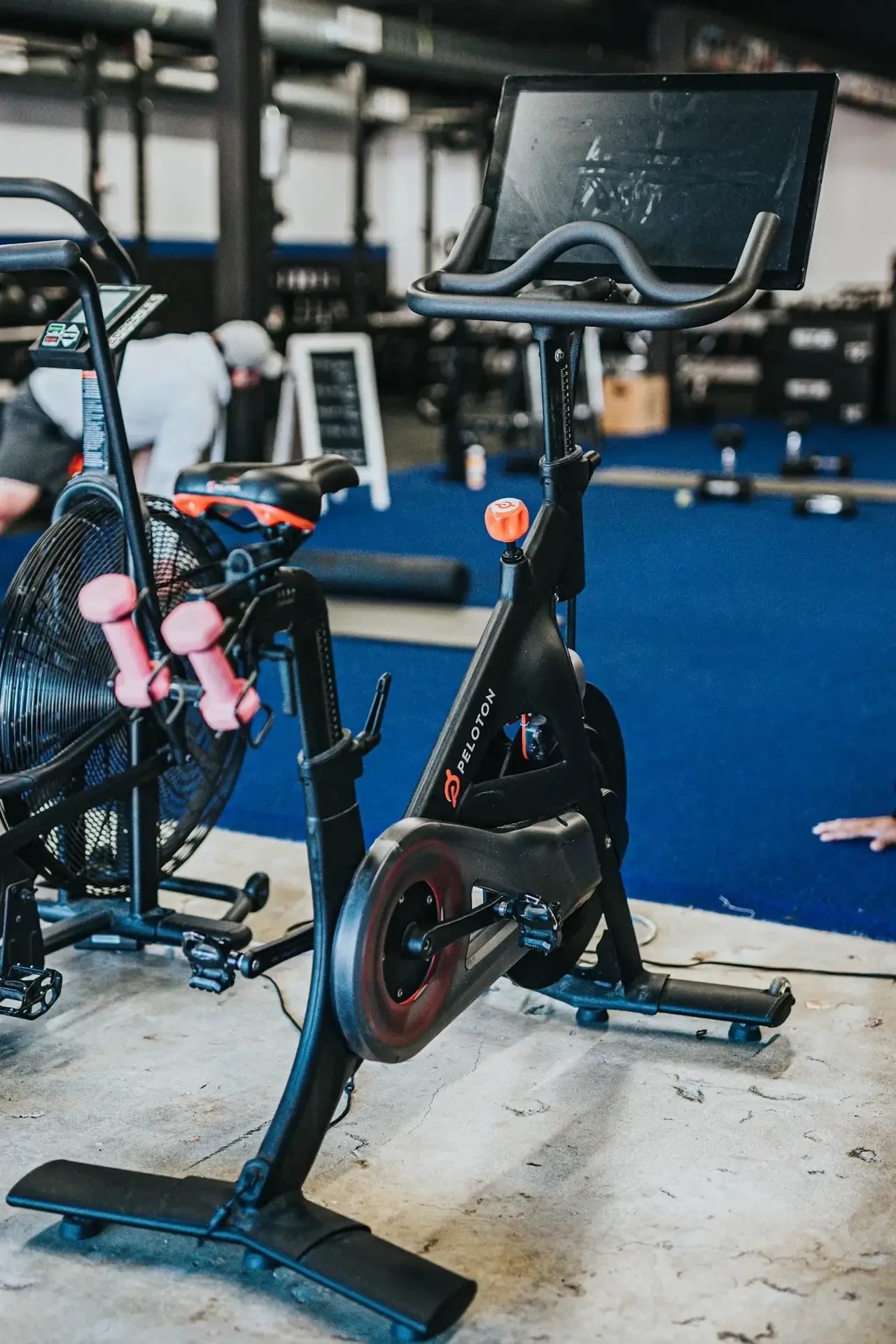

The Ultimate Indoor Cycling Guide for Serious Riders

Quick Take

  • Direct-drive smart trainers provide 98% power measurement accuracy and replicate real-road feel, making them the gold standard for performance training.
  • A polarized training model, with 80% of sessions at low intensity (Zone 2) and 20% at high intensity, is proven to increase FTP and VO2 max more effectively than moderate-intensity training.
  • Pedaling drills like single-leg focus eliminate “dead spots” in your stroke, improving pedaling efficiency by up to 15% and transferring power directly to the road.
  • Integrating two full-body strength sessions weekly can increase cycling power output by 8-12% and dramatically reduce injury risk from muscular imbalances.

For the dedicated cyclist, indoor training is not a compromise. It is a controlled laboratory for building fitness. The absence of traffic lights, wind, and hills allows for precise manipulation of intensity, cadence, and duration. This precision, when harnessed with a strategic plan, can yield faster gains in a single winter than an entire season of unstructured outdoor riding.

This guide moves beyond simply “spinning your legs” to provide a systematic framework used by coaches and pros to turn indoor sessions into tangible outdoor performance.

Is a Smart Trainer Worth the Investment for Performance Gains?

Direct Answer: Absolutely. A direct-drive smart trainer is the single most impactful equipment upgrade for performance-focused indoor training, due to its unmatched accuracy in measuring power output and its ability to automatically control resistance for structured workouts.

Explanation & Evidence:
Outdoor performance is measured and trained by power (watts). Wheel-on trainers and basic stationary bikes often have power inaccuracies of 10-20% or more, making it impossible to precisely train in specific zones or track progress. A direct-drive smart trainer like the Wahoo KICKR or Tacx Neo connects directly to your bike’s cassette, measures power at the drivetrain with near-perfect accuracy, and syncs with apps like Zwift or TrainerRoad to automatically adjust resistance for intervals. This turns your workout from guesswork into targeted, repeatable stress.

A study in the Journal of Science and Cycling found that “direct-drive smart trainers provided power measurement accuracy within 2%, which is essential for executing valid FTP tests and polarized or threshold interval training protocols.”

Your data is only as good as your tools. For serious training, precision matters.

Your Application: 
If your goal is performance improvement, invest in a direct-drive smart trainer. Pair it with a subscription to a structured training platform (TrainerRoad, Wahoo SYSTM) that will prescribe and control your workouts based on your tested FTP (Functional Threshold Power).

What Is the Most Effective Training Structure for Building Fitness?

Direct Answer: A polarized training model, where 80% of your weekly training volume is performed at low intensity (Zone 2, conversational pace) and 20% is performed at high intensity (Zone 4/5, above threshold), yields superior gains in endurance and power compared to spending more time in moderate, “junk” zones.

Explanation & Evidence:
The body adapts best to clear signals. Moderate intensity (Zone 3) is too hard to be truly restorative and too easy to drive significant adaptation, often leading to fatigue without fitness. The polarized model is highly efficient: the high-volume, low-intensity work builds mitochondrial density and fat-burning capacity (aerobic base), while the low-volume, high-intensity work stresses and improves your lactate threshold and VO2 max.

Research in the International Journal of Sports Physiology and Performance concluded that “well-trained cyclists utilizing a polarized intensity distribution (80/20) showed greater improvements in VO2 max, power at lactate threshold, and 40-minute time trial performance than those using a threshold-focused or pyramidal model.”

Stop grinding medium-hard miles. Train very easy, then very hard.

Your Application: 
Structure your weekly indoor hours around the 80/20 rule. For a 5-hour week, that’s 4 hours of Zone 2 (steady, comfortable effort) and 1 hour total of high-intensity intervals (e.g., 4×8-minute intervals at 105% FTP). Use your smart trainer and heart rate monitor to stay strictly in zone.

How Can You Drastically Improve Pedaling Efficiency Indoors?

Direct Answer: By isolating and eliminating “dead spots” in your pedal stroke through targeted drills like single-leg pedaling and low-cadence, high-torque intervals, you can learn to apply force more evenly through the entire 360-degree rotation.

Explanation & Evidence:
Most cyclists “push” on the downstroke but provide little force during the upstroke and transition points. This inefficiency wastes energy. Indoor training is the perfect environment to focus purely on this skill. Single-leg pedaling (unclip one foot) forces the working leg to pull through the backstroke. Low-cadence, high-resistance drills (50-60 RPM) build muscular strength and teach you to apply smooth power.

Biomechanics research shows that “targeted pedaling drills can increase pedaling efficiency, measured as effective force application across the pedal cycle, by up to 15%, leading to more power output for the same metabolic cost.” 

A smoother pedal stroke is free speed. It also reduces fatigue in individual muscle groups.

Your Application: 
Dedicate 10-15 minutes of each endurance ride to skill work. Perform 3 sets of 1-minute single-leg pedaling per leg (easy resistance) with 1 minute of normal pedaling in between. Once a week, include a strength endurance session: 5×5-minute intervals at 70-80% FTP with a cadence of 50-60 RPM.

Why Is Strength Training Non-Negotiable for Cyclists?

Direct Answer: Cycling is a repetitive, single-plane motion that creates muscular imbalances and neglects stabilizing muscles. Strength training corrects these imbalances, increases the force your muscles can produce (raising your power ceiling), and fortifies connective tissues to prevent overuse injuries.

Explanation & Evidence:
While cycling builds incredible quad endurance, it underutilizes the glutes, hamstrings, and core. This can lead to back pain, knee issues, and a power plateau. Compound lifts like squats and deadlifts teach your nervous system to recruit more muscle fibers simultaneously. This translates directly to higher wattage, especially during sprints and steep climbs. A stronger core prevents energy leaks and improves handling.

A meta-analysis in Sports Medicine found that “strength training improved cycling economy and time-trial performance in elite and well-trained cyclists, with an average increase in maximal power output of 8-12% after 8-12 weeks of training.”

The gym is where you build the engine. The bike is where you tune and use it.

Your Application: 
Perform two full-body strength sessions per week on non-consecutive days, focusing on quality over weight. Prioritize: Barbell Back Squats (3×5), Romanian Deadlifts (3×8), Walking Lunges (3×10 per leg), and Plank Variations (3×60 sec). Maintain this even during peak cycling volume.

How Do You Make Indoor Training Mentally Sustainable?

Direct Answer: By using external motivation tools like virtual riding platforms (Zwift), structured workout programs, and audiobooks or podcasts specifically for endurance sessions, you transform the trainer from a monotonous task into an engaging, goal-oriented activity.

Explanation & Evidence:
The biggest barrier to indoor training is mental burnout. Unlike the outdoors, there are no changing views or social dynamics. Virtual platforms like Zwift provide a visual distraction, gamification, and community through group rides and races. Following a pre-written workout on your head unit or app provides a clear “contract” for the session, breaking it into manageable chunks and eliminating the need to decide what to do next.

Sports psychology principles support that “external focus of attention” (e.g., following a race in a virtual world) and “goal setting” (completing a structured workout) significantly reduce perceived exertion and increase adherence to monotonous tasks like indoor training.

You are not just fighting physical fatigue. You are managing boredom.

Your Application: 
Use different tools for different sessions. Use Zwift or Rouvy for long endurance rides and group events. Use a structured training app (TrainerRoad, Wahoo SYSTM) for your high-intensity interval days. Listen to audiobooks or podcasts exclusively during Zone 2 rides to create a positive association.

FAQ: Your Indoor Cycling Performance Questions, Answered

Q: How often should I test my FTP?
A: Re-test your Functional Threshold Power every 6-8 weeks during a dedicated training block. Test when you are well-rested (after a recovery week) to get an accurate measure of improvement. Avoid testing more frequently, as true physiological adaptation takes time.

Q: Is it better to train with power, heart rate, or perceived exertion?
A: For indoor training, power is king. It is immediate, objective, and unaffected by heat or fatigue like heart rate. Use heart rate as a secondary metric to monitor cardiovascular drift and overall strain. Perceived exertion (RPE) is a useful backup and check-in tool. The ideal setup uses all three, with power as the primary guide.

Q: How long should my longest indoor ride be?
A: For endurance adaptation, 2-3 hours is sufficient for most riders, even if training for longer events. The mental and physical stress of longer indoor sessions often yields diminishing returns. Focus on consistent weekly volume and supplement with outdoor long rides when possible. Break up longer sessions with changes in position, fuel, and entertainment.

Q: Can I replace all my outdoor riding with indoor training?
A: For pure fitness metrics (FTP, VO2 Max), yes, you can maintain and even improve. However, you cannot replicate bike handling skills, outdoor pacing strategy, or the specific muscular endurance required for long climbs or variable terrain. Indoor training is best used as the foundation of fitness, with outdoor rides supplementing skills and race-specific endurance.

Q: What’s the most important thing to remember about recovery?
A: That indoor training, especially high-intensity work, can be deceptively taxing. Because you never coast, the muscular and neural fatigue accumulates quickly. Prioritize sleep, nutrition, and hydration even more diligently than during outdoor season. Your off-the-bike habits dictate your ability to absorb and benefit from the high-quality work you’re doing on the trainer.

Indoor cycling is the ultimate tool for the analytical athlete. It strips away variables and demands intent. By embracing precision equipment, evidence-based training structures, and complementary strength work, you transform the off-season from a period of maintenance into a powerful catalyst for breakthrough. The rider who masters the monotony of the trainer will own the chaos of the road.

This article is for informational purposes only and is not a substitute for professional medical advice, diagnosis, or treatment. Always seek the advice of your physician or other qualified health provider before beginning any new training program, especially high-intensity interval training.

5 Science-Backed Habits to Burn Fat and Boost Energy

Quick Take

  • A 20-minute HIIT session can boost your metabolism for hours after your workout ends, burning more calories than steady-state cardio.
  • Eating more protein increases thermogenesis, meaning your body burns more calories digesting it compared to fats or carbs.
  • Swapping sugary drinks for green tea can aid fat burning due to its catechin content while eliminating hundreds of empty calories.
  • Getting 7-9 hours of quality sleep regulates hunger hormones, directly reducing cravings and supporting weight management.

For many Americans, achieving optimal health and fitness is a top priority. Whether the goal is to lose fatboost energy, or simply feel better in everyday life, small, consistent changes can make a significant impact. But with so much information available, it can be overwhelming to know where to start.

That’s why we’ve compiled 5 science-backed habits designed to help you transform your body and elevate your well-being. These strategies are simple, effective, and tailored to fit seamlessly into your lifestyle. From high-intensity workouts to smarter nutrition choices, these habits are your roadmap to a healthier, more energized you. Let’s explore how you can take the first step toward achieving your goals.

1. HIIT: The Ultimate Fat-Burning Workout

High-Intensity Interval Training (HIIT) is a game-changer for anyone looking to torch fat and boost metabolism. These short, intense workouts alternate between bursts of activity and brief rest periods, making them incredibly efficient.

Why It Works:

  • Burns more calories in less time compared to steady-state cardio.
  • Keeps your metabolism elevated for hours post-workout (the afterburn effect).
  • Preserves lean muscle while targeting stubborn fat.

How to Get Started

  • Try a 20-minute HIIT session: 30 seconds of burpees, 30 seconds of rest, repeat.
  • Mix in exercises like jump squats, mountain climbers, or kettlebell swings for variety.

2. Prioritize Protein: Your Secret Weapon for Fat Loss

Protein isn’t just for bodybuilders—it’s essential for anyone looking to lose fat and feel full longer. It supports muscle repair, boosts metabolism, and helps curb cravings.

Why It Works

  • Increases thermogenesis (your body burns more calories digesting protein).
  • Keeps hunger at bay, reducing the urge to snack on unhealthy foods.
  • Helps maintain lean muscle mass while shedding fat.

How to Incorporate It

  • Breakfast: Greek yogurt with berries and a sprinkle of nuts.
  • Lunch: Grilled chicken salad with quinoa and avocado.
  • Dinner: Salmon with roasted veggies and a side of sweet potatoes.

3. Ditch Sugary Drinks: Hydrate for Energy and Fat Loss

Sugary drinks are a major source of empty calories that can sabotage your goals. Swap them for water or green tea to cut calories and boost energy.

Why It Works

  • Green tea contains catechins, which enhance fat burning.
  • Staying hydrated improves metabolism and energy levels.
  • Eliminates unnecessary calories that contribute to weight gain.

Pro Tips

  • Add lemon, cucumber, or mint to your water for a refreshing twist.
  • Sip on green tea between meals to curb cravings and stay energized.

4. Walk More: The Stealthy Calorie Burner

Walking is one of the simplest yet most effective ways to burn calories and improve overall health. It’s low-impact, easy to incorporate into your day, and great for your mental well-being.

Why It Works

  • Burns calories without the strain of high-intensity workouts.
  • Improves cardiovascular health and mood.
  • Helps you stay consistent with movement throughout the day.

How to Walk More

  • Take the stairs instead of the elevator.
  • Park farther away and enjoy the extra steps.
  • Schedule a 10-minute walk after every meal to aid digestion and boost metabolism.

5. Prioritize Sleep: The Ultimate Recovery Tool

Sleep is often overlooked, but it’s crucial for fat loss, energy, and overall health. Poor sleep disrupts hormones that regulate hunger and metabolism, making it harder to achieve your goals.

Why It Works

  • Regulates hunger hormones (ghrelin and leptin) to reduce cravings.
  • Boosts recovery, so you’re ready to crush your workouts.
  • Improves focus, mood, and overall well-being.

How to Improve Sleep

  • Aim for 7-9 hours of quality sleep each night.
  • Create a bedtime routine: dim the lights, avoid screens, and unwind with a book or meditation.
  • Keep your bedroom cool, dark, and quiet for optimal rest.

Bonus Tip: Track Your Progress

Keeping track of your habits, workouts, and meals can help you stay accountable and motivated. Use a fitness app or journal to monitor your progress and celebrate your wins along the way. 

FAQ: Your Healthy Habit Questions, Answered

Q: Which habit should I start with if I’m a beginner?
A: Start with the habit that feels most manageable and relevant to your biggest challenge. If snacking is an issue, prioritize protein and hydration. If time is tight, incorporate walking or a short HIIT session. Mastering one habit builds confidence to add the next.

Q: Do I need to go to the gym to do HIIT workouts?
A: No, you can do effective HIIT workouts anywhere with no equipment. Bodyweight exercises like burpees, jump squats, mountain climbers, and high knees are perfect for home HIIT sessions.

Q: How much protein do I actually need per day?
A: A general guideline for adults aiming for fat loss and muscle maintenance is 0.7 to 1 gram of protein per pound of body weight. For a 150-pound person, that’s roughly 105-150 grams daily, spread across meals.

Q: Can I drink diet soda or other zero-calorie drinks instead of water?
A: While better than sugary drinks, water and unsweetened tea are the optimal choices. Some studies suggest artificial sweeteners may still trigger cravings in some people. The best habit is to make water your primary beverage.

Q: Why is sleep so directly linked to fat loss?
A: Poor sleep disrupts the hormones ghrelin (which signals hunger) and leptin (which signals fullness). When you’re sleep-deprived, ghrelin rises and leptin falls, leading to increased appetite and cravings, especially for high-calorie foods.

Your Journey Starts Now: Small Steps, Big Results

You’ve just unlocked 5 powerful habits designed to help you torch fatboost energy, and feel your absolute best. But here’s the truth: real change doesn’t happen overnight. It’s built through consistent, intentional actions—one step at a time.

These habits aren’t just quick fixes; they’re sustainable strategies to help you create a healthier, more vibrant lifestyle. And the beauty of it? You don’t have to do everything at once. Start small, stay committed, and let the results speak for themselves.

Here’s how to make these habits work for you:

  1. Start with One Focus: Choose the habit that resonates most with you—whether it’s adding a morning HIIT session, prioritizing protein, or walking more each day. Master it before moving on to the next.
  2. Celebrate Your Wins: Every step forward is progress. Did you swap soda for water? Nail a workout? Sleep like a pro? Acknowledge it! These small victories build momentum.
  3. Track Your Progress: Use a fitness app, journal, or even a simple checklist to monitor your habits. Seeing your progress in real-time is incredibly motivating and keeps you accountable.
  4. Be Patient and Persistent: Change takes time, and setbacks are part of the journey. What matters is that you keep moving forward. Progress, not perfection, is the goal.

This is your opportunity to take control of your health and create habits that last a lifetime. Whether you’re looking to lose fat, feel more energized, or simply live a healthier life, these strategies are your foundation.

So, what’s your first step? Maybe it’s committing to a daily walk, swapping sugary drinks for water, or finally prioritizing that protein-packed breakfast. Whatever it is, start today. You have the tools, the knowledge, and the power to make it happen.

This article is based on research and general nutritional guidelines. It is not a substitute for medical advice. Always consult a healthcare provider for personalized dietary recommendations. 

Endurance vs. HIIT vs. Sprints: Which Best Reshapes Your Body?

Quick Take

  • Endurance Training (like jogging) is optimal for building a dense network of capillaries (angiogenesis) and enhancing the efficiency of your muscle’s energy factories (mitochondria).
  • High-Intensity Interval Training (HIIT) triggers powerful mitochondrial growth and angiogenesis in less time than steady-state cardio, improving both endurance and metabolic health.
  • Speed Interval Training (SIT) all-out sprints produces rapid gains in aerobic capacity and uniquely remodels fast-twitch muscle fibers by boosting their mitochondrial content.
  • The key adaptation for all three is mitochondrial biogenesis, the process of creating new, more efficient mitochondria driven by the PGC-1α protein pathway.

The goal of cardio isn’t just to burn calories. It’s to fundamentally rewire your body’s internal infrastructure for better energy use. This happens through two silent, cellular-level upgrades: growing new blood vessels (angiogenesis) and building new cellular power plants (mitochondrialization). The type of cardio you choose dictates how these upgrades are prioritized and where they occur.

This guide translates complex physiology into practical insight, comparing how Endurance Training, HIIT, and Sprints uniquely reshape your muscles and metabolism from the inside out.

How Does Steady-State Jogging (Endurance Training) Build a Better Aerobic Engine?

By stimulating extensive capillary growth and optimizing existing mitochondria for ultra-efficient, fat-burning energy production over long periods.

When you run or cycle at a steady, moderate pace for 30+ minutes, you create a sustained demand for oxygen in your muscles. This prolonged stimulus is the perfect signal for your body to build a more extensive delivery network—new capillaries—around your slow-twitch muscle fibers. Simultaneously, your existing mitochondria become more efficient at using oxygen to produce energy, primarily from fat.

A 2020 study in the Journal of Physiology demonstrated that prolonged aerobic exercise upregulates vascular endothelial growth factor (VEGF), a protein critical for angiogenesis.

This adaptation is about building an endurance foundation. It’s why marathon runners have supremely efficient aerobic systems, even if they aren’t the most powerful sprinters.

Your Application

For foundational cardiovascular health and endurance, prioritize 2-3 weekly sessions of 30-60 minutes of continuous effort at a pace where you can hold a conversation (60-70% max heart rate).

Can HIIT Really Match Endurance Benefits in Half the Time?

Yes, by delivering a potent, repeated shock to your system that accelerates both mitochondrial growth and new blood vessel formation, albeit through a slightly different physiological stress.

HIIT works through peaks and valleys. The short, intense bursts (e.g., 30 seconds at 90%+ effort) create a massive, sudden oxygen debt and cellular stress. This powerfully activates PGC-1α, the master regulator for building new mitochondria. The recovery periods then allow for a surge of blood flow, which stimulates VEGF release and capillary development. The result is a rapid, time-efficient upgrade of both your energy production and delivery systems.

This is the key efficiency of HIIT. It compresses the adaptive signal into a shorter timeframe, making it ideal for improving VO2 max and metabolic health with limited workout time.

Your Application

For time-crunched fitness, perform HIIT 1-2 times weekly. A classic protocol: 8 rounds of 30 seconds hard on a bike or rower, followed by 90 seconds of easy recovery.

What Makes All-Out Sprints (SIT) Uniquely Transformative?

Sprints force your powerful, fast-twitch muscle fibers which are typically more anaerobic to develop better aerobic machinery (mitochondria), making you more powerful and metabolically flexible.

Speed Interval Training (SIT) is HIIT’s more extreme cousin, with efforts that are truly “all-out” (e.g., 20-second sprints). This maximal intensity heavily recruits fast-twitch muscle fibers. To cope with the immense energy demand and clear metabolic waste products like lactate, these fibers undergo rapid mitochondrial biogenesis. This makes them more fatigue-resistant and improves your body’s ability to handle carbohydrates and fats.

This adaptation is unique. It doesn’t just improve your aerobic system; it makes your powerful, explosive muscle fibers more metabolically versatile, enhancing performance in everything from sports to daily activities.

Your Application

To boost power and metabolic rate, add one sprint session per week. Example: After a warm-up, perform 4-6 rounds of a 20-30 second all-out sprint with 3-4 minutes of complete rest between efforts.

Which Method Is Best for Burning Fat and Improving Metabolic Health?

All three improve metabolism, but through different primary mechanisms. HIIT and SIT may offer superior post-exercise calorie burn and insulin sensitivity improvements, while Endurance Training optimizes fat-burning capacity during exercise.

The metabolic benefits are multifaceted. Endurance training enhances your muscles’ ability to oxidize fat during activity. HIIT and SIT, however, create a significant “afterburn” effect (Excess Post-exercise Oxygen Consumption, or EPOC) and can lead to more dramatic improvements in insulin sensitivity due to the intense muscular contractions. For overall metabolic health, a combination is often most effective.

This means you shouldn’t choose based on “fat burn” alone. The best program incorporates variety to stress your metabolism in complementary ways.

Your Application

For comprehensive metabolic health, combine methods: one longer endurance session, one HIIT session, and one strength training session per week.

FAQ: Your Aerobic Training Questions, Answered

Q: I only have 20 minutes, 3 days a week. What should I do?
A: Prioritize HIIT. A well-structured 20-minute HIIT session (e.g., 10 rounds of 1 min hard/1 min easy) will stimulate greater improvements in VO2 max, mitochondrial density, and insulin sensitivity in that limited time compared to a 20-minute steady jog.

Q: Do I need a heart rate monitor for these?
A: It’s helpful but not mandatory. For Endurance Training, use the “talk test” (able to speak in short sentences). For HIIT, aim for an effort where speaking is impossible. For SIT, it’s a maximal, all-out sprint. A monitor helps quantify intensity, especially for beginners.

Q: Can I do HIIT or Sprints every day?
A: No. These methods impose high neurological and muscular stress. Doing them daily leads to overtraining, injury, and burnout. Allow at least 48 hours of recovery between high-intensity sessions. You can do light endurance training or strength training on recovery days.

Q: Which method is safest for a beginner?
A: Endurance Training is the safest entry point. It allows you to build joint resilience, cardiovascular base, and body awareness with low impact on any single session. Start with walking or slow jogging. Introduce HIIT only after a few weeks of consistent base building.

Q: How long until I see improvements in my stamina?
A: Mitochondrial and vascular adaptations begin with your first workout, but noticeable improvements in how you feel during exercise (less huffing/puffing, faster recovery) can often be seen within 2-4 weeks of consistent training (3x per week). Measurable improvements in VO2 max take 6-8 weeks.

Conclusion

Choosing your cardio is about selecting the stressor that creates your desired adaptation. Want a fatigue-resistant, efficient aerobic base? Embrace Endurance Training. Need maximum results in minimum time with a metabolic boost? HIIT is your tool. Looking to make your powerful muscles more resilient and boost peak performance? Incorporate Sprints.

The most robust fitness comes not from exclusive loyalty to one method, but from understanding their unique languages and using them in a complementary periodized plan. By strategically applying these different stressors, you build a more complete, resilient, and capable physiology.

To build a periodized training plan that incorporates all three methods, explore our science-based program templates at BeeFit.ai.

This article is for informational purposes only and is based on exercise physiology research. It is not a substitute for professional medical or exercise advice. Consult your physician before beginning any new exercise program, especially high-intensity interval training (HIIT) or sprinting, if you have any pre-existing health conditions, are new to exercise, or are returning after an injury.

Winter Fitness Guide: How to Stay Active When It’s Cold & Dark

Quick Take

  • Layering is non-negotiable for outdoor workouts: a moisture-wicking base, an insulating mid-layer, and a wind/waterproof shell.
  • Setting up a simple home workout space can eliminate the biggest barrier—leaving the house.
  • Adjust your mindset from “gains” to “maintenance”; consistency through winter is a victory.
  • Exercise is a proven tool to combat Seasonal Affective Disorder (SAD) and winter blues by boosting endorphins and regulating circadian rhythms.

Winter is the ultimate test of your fitness resolve. The combination of cold, darkness, and cozy comforts creates a powerful inertia. But the season also offers a unique opportunity to build mental toughness and establish unshakable habits. The key isn’t to fight winter, but to adapt your strategy, making your routine resilient to the season’s challenges.

This guide provides the tactical shifts from gear to mindset that will help you not just survive, but actively thrive in your fitness journey during the coldest months.

What’s the Right Way to Layer for a Cold Weather Workout?

Use a three-layer system that manages moisture, insulates, and protects, allowing you to stay warm without overheating.

The goal is to stay dry. Start with a synthetic or merino wool base layer that wicks sweat away from your skin. Add a fleece or lightweight down mid-layer for insulation. Top it with a windproof and water-resistant breathable shell. Avoid cotton at all costs, as it holds moisture and will make you cold. The “be bold, start cold” rule applies; you should feel slightly chilly for the first 5-10 minutes.

This system is crucial because being cold is miserable, but overheating and sweating profusely is dangerous. Proper layering gives you control over your microclimate.

Your Application

Invest in quality base layers. For a run in 30°F (-1°C) weather, try a long-sleeve tech shirt, a light fleece, and a windbreaker. Peel off layers as you warm up.

How Can You Create an Effective Workout Space at Home?

Designate a specific, inviting area and equip it with versatile, space-efficient tools that remove all excuses.

Your home space doesn’t need to be a gym. It needs to be a consistent cue. Clear a corner in a living room or bedroom. Essential starter gear includes: a mat, a set of adjustable dumbbells or resistance bands, and a sturdy chair. This allows for endless bodyweight and weighted circuits. The act of defining the space psychologically commits you to using it.

This strategy defeats the primary winter obstacle: the journey to the gym. When the workout is literally steps away, the friction to starting disappears.

Your Application

Set up your “fitness corner” today. Follow a 20-minute HIIT or bodyweight routine from a trusted app or YouTube channel. Consistency beats duration in winter.

Should You Change Your Fitness Goals for the Winter?

Yes, shift from peak performance or aggressive fat loss to the foundational goals of consistency, maintenance, and mental health.

The reduced daylight and weather disruptions make it harder to hit PRs or adhere to strict diets. Instead, make your goal “Move 5 days a week, no matter what.” This could mean a gym session, a home workout, or a winter sport. Maintaining your muscle mass and cardiovascular base through winter sets you up for explosive progress in spring, rather than starting over.

This mindset shift is liberating. It reduces pressure and redefines success as showing up, which is the most important fitness habit of all.

Your Application

Set a process-based goal: “I will complete three 30-minute home workouts and one long walk each week.” Track adherence, not just performance metrics.

How Does Exercise Specifically Combat the “Winter Blues”?

It increases the production of serotonin and endorphins, counters the circadian disruption caused by short days, and provides a sense of accomplishment and control.

Seasonal Affective Disorder (SAD) and general low mood are linked to reduced sunlight exposure. Exercise acts as a powerful, natural antidepressant. It also helps regulate your sleep-wake cycle, which can be thrown off by dark mornings and evenings. The discipline of a routine itself provides structure and a proactive sense of agency during a passive season.

This reframes exercise from a physical chore to a non-negotiable mental health practice. The workout is for your mind as much as your body.

Your Application

Schedule your workout for the time of day you typically feel lowest (e.g., mid-afternoon slump). Use it as a tool to reset your energy and mood.

FAQ: Your Winter Fitness Questions, Answered

Q: Is it safe to run outside in freezing temperatures?
A: Yes, with proper precautions. The main risks are ice (choose clear paths, consider traction devices for shoes) and frostbite on exposed skin (cover ears, fingers, and face). Breathe through a scarf to warm the air. Listen to your body and move indoors if conditions are hazardous.

Q: I really lack motivation in the dark mornings. Any tips?
A: Prepare everything the night before: lay out your workout clothes (or sleeping clothes you can exercise in), set up your mat/equipment, and have your pre-workout routine ready. Commit to just starting the first 5 minutes. Often, action precedes motivation.

Q: What are good winter sports for cardio?
A: Cross-country skiing is one of the best full-body cardiovascular workouts. Snowshoeing offers intense cardio and leg strength. Even ice skating provides great aerobic exercise. These activities make the cold a feature, not a bug.

Q: How do I stay hydrated when I don’t feel thirsty?
A: Cold air is dehydrating, and you still sweat. Make it a habit: drink a glass of water before you head out, and always finish your workout with another. Herbal teas and broths also count toward fluid intake and are warming.

Q: My gym is crowded in January. What should I do?
A: Have a home workout backup plan for days when the gym is overwhelming. Go at off-peak hours if possible (late morning, mid-afternoon). Or, use the crowd as motivation to try a new machine or bodyweight circuit in a corner you normally ignore.

Conclusion

Winter fitness is an exercise in resilience. It’s about trading the perfect outdoor run for a determined home circuit, swapping a performance goal for a consistency streak, and recognizing that every workout is a victory over inertia. The habits you forge in the cold, dark months, the discipline, the adaptability, the commitment to well-being are the ones that build a lifelong fitness mindset.

Embrace the season not as an obstacle, but as your training ground for mental fortitude. When spring arrives, you won’t be starting over; you’ll be starting stronger.

Need a structured plan to keep you on track all season? Explore our library of winter-proof home and gym programs at BeeFit.ai.

This article is for informational purposes only. It is not a substitute for professional medical or fitness advice. Always consult your physician before beginning a new exercise regimen, especially in extreme weather conditions. Be aware of frostbite and hypothermia risks, and never push yourself in unsafe outdoor conditions.

7 Reasons to Start Jumping Rope Today

Quick Take

  • Jumping rope burns approximately 10-16 calories per minute, making it one of the most efficient cardio exercises for calorie expenditure available.
  • Regular jump training measurably increases bone mineral density in the hips and spine, reducing osteoporosis risk through repeated impact loading.
  • The coordination demands of jump rope create new neural pathways and improve brain function while simultaneously strengthening cardiovascular fitness.
  • Jump rope requires minimal equipment and space while delivering full-body conditioning that rivals or exceeds traditional cardio machines in effectiveness.

Why Most People Underestimate Jump Rope

Think jump rope is just for boxers and kids on playgrounds? This perception keeps most adults from discovering one of the most efficient, research-backed cardio tools available.

The fitness industry pushes expensive treadmills, rowing machines, and cycling classes. Meanwhile, a $15 piece of equipment sitting in your garage might deliver superior results in half the time.

What if the simplest tool could outperform the most expensive machines? Let’s examine what clinical research actually reveals about jump rope’s impact on calories, bones, coordination, and overall fitness.

Does Jump Rope Really Burn More Calories Than Running?

Yes. Jump rope burns approximately 10-16 calories per minute at moderate intensity, matching or exceeding running’s calorie expenditure while requiring significantly less time and space.

The metabolic equivalent of task (MET) for jump rope at average pace is 11.8. This means you expend nearly 12 times more energy jumping rope than sitting at rest, placing it among the highest-intensity cardio activities.

“Ten minutes of jumping rope per day will improve cardiovascular health as much as thirty minutes of jogging per day.” (2013, Research comparing jump rope to jogging)

What makes these numbers particularly valuable is efficiency. A 200-pound person burns approximately 241-362 calories in just 20 minutes depending on intensity. That same time investment jogging burns fewer calories while placing higher impact stress on joints.

Your Application

  • Start with 10-minute sessions alternating 30 seconds jumping with 30 seconds rest
  • Progress to 15-20 minute sessions as fitness improves for 250-350 calorie burns
  • Use jump rope for time-efficient workouts when you have limited training windows

Can Jumping Rope Actually Strengthen Your Bones?

Jump rope training significantly increases bone mineral density, particularly in the hips and spine. Research shows measurable improvements in bone strength after just 16 weeks of consistent jumping.

The mechanism involves ground reaction forces. When you land from a jump, your bones experience forces 2-6 times your body weight. This mechanical loading stimulates osteoblasts, the cells responsible for building new bone tissue.

“After 16 weeks of high-impact jump training, hip bone mineral density improved in premenopausal women by jumping just 10 or 20 times, twice daily, with 30 seconds of rest between each jump.” (2014, American Journal of Health Promotion)

The bone-building effect isn’t limited to young people. Studies on Olympic artistic swimmers showed that adding jump rope training increased lumbar spine bone density by 2.10%, total hip by 2.07%, and femoral neck by 2.39% over one season.

Your Application

  • Perform 10-20 jumps twice daily with 30 seconds rest between jumps for bone health
  • Land softly on the balls of your feet with slight knee bend to maximize bone loading safely
  • Combine jump rope with resistance training for comprehensive bone strengthening

How Does Jump Rope Improve Coordination and Brain Function?

Jump rope requires synchronization between hands, eyes, and feet, creating new motor patterns that enhance neural communication and cognitive function. Learning new jump rope skills actively builds brain connectivity.

The rhythmic, bilateral movement pattern challenges your brain differently than most exercises. You must coordinate upper and lower body simultaneously while maintaining timing and spatial awareness.

According to neurologists, combining physical and cognitive challenges like jump rope may help slow age-related cognitive decline. The skill acquisition component activates motor learning pathways that remain plastic throughout life.

Advanced techniques like crossovers, double-unders, and criss-crosses further amplify the cognitive demand. Each new skill requires your brain to build fresh neural pathways, essentially creating new wiring for movement control.

Your Application

  • Start with basic two-foot jumps until rhythm becomes automatic
  • Progress to single-leg hops, alternating feet, and running in place patterns
  • Learn one new trick monthly to maintain cognitive challenge and neural adaptation

Is Jump Rope Better Than Cardio Machines for Calorie Burn?

Jump rope matches or exceeds most cardio machines in calorie burn per minute while offering superior portability and cost-effectiveness. Lab testing confirms its efficiency rivals high-end equipment.

A Western Kentucky University study compared different jump ropes under identical conditions. Heavy ropes (1-3 pounds) created the highest calorie burns through added upper body and core engagement, while speed ropes delivered comparable results when tempo increased.

The comparison to machines is striking. Jump rope achieves 400-500 calories per 30 minutes, matching intense rowing or running at a 7-minute mile pace. However, machines cost thousands of dollars and require dedicated space.

MET values tell the story. Advanced jump rope techniques like double-unders match the intensity of running a 7-minute mile. That’s elite-level cardio from a tool that fits in your bag.

Your Application

  • Use jump rope for hotel workouts or when traveling to maintain training consistency
  • Substitute 10-15 minutes of jump rope for 30 minutes of moderate-intensity machine cardio
  • Choose heavier ropes (1-2 pounds) to increase calorie burn and add strength component

Does Jump Rope Work for Circuit Training and HIIT?

Jump rope integrates perfectly into circuit training and HIIT protocols, providing explosive cardio bursts between strength exercises. The intensity spikes heart rate rapidly while the recovery allows strategic rest.

The structure of HIIT demands exercises you can perform maximally for short bursts. Jump rope delivers this perfectly. Thirty seconds of all-out jumping elevates heart rate to 80-90% maximum, then recovers quickly during rest periods.

Professional boxers use jump rope HIIT extensively. Typical protocols involve 3 minutes of intense jumping followed by 1 minute rest, repeated for 5-6 rounds. This develops both aerobic and anaerobic capacity simultaneously.

Unlike running or cycling, jump rope allows instant intensity modulation. You can adjust speed, height, or technique mid-workout to match your target heart rate without equipment changes.

Your Application

  • Insert 60-90 second jump rope intervals between strength exercises in circuits
  • Structure HIIT as 30 seconds maximum effort jumping, 30 seconds rest for 10-15 rounds
  • Use jump rope as cardio finisher after resistance training for metabolic conditioning

What’s the Best Way to Start Jump Rope Training?

Start with equipment selection and proper warm-up before attempting extended sessions. Invest in an adjustable rope with ball bearings, and prepare muscles with multiplanar movements.

The right rope matters. Choose one that’s adjustable to your height. When you stand on the middle, handles should reach your armpits. Ball bearings create smoother rotation and reduce arm fatigue.

Warm-up should address the sagittal (forward/backward), frontal (side-to-side), and transverse (rotational) movement planes. This prepares ankles, calves, and coordination systems for the demands of jumping.

Common beginner mistakes include jumping too high (waste energy, increase joint impact) and using arms instead of wrists (causes fatigue). You should clear the rope by only 1-2 inches, using small wrist circles to spin it.

Your Application

  • Download a timer app to manage work-to-rest intervals during initial sessions
  • Practice 20-30 second intervals with 60 second rest for first 2-3 weeks
  • Focus on wrist rotation with elbows close to sides, looking straight ahead not at feet

FAQ: Your Jump Rope Questions, Answered

Q: How long should I jump rope for a good workout?
A: Start with 10-15 minute sessions using intervals of 20-30 seconds jumping followed by 30-60 seconds rest. This provides excellent cardio benefits. As fitness improves, increase work time and decrease rest periods. Total session time of 15-20 minutes delivers comparable benefits to 30-45 minutes of moderate jogging.

Q: Is jumping rope bad for your knees or joints?
A: When performed correctly, jump rope is low-impact. Jump only 1-2 inches off the ground, land softly on the balls of your feet with slight knee bend, and use proper surfaces like exercise mats, wooden floors, or turf. Avoid concrete. The repeated low-level impact actually strengthens joints and connective tissue over time.

Q: What’s the best type of jump rope for beginners?
A: Start with a beaded or PVC speed rope. They’re affordable, provide audible feedback when hitting the ground, and are adjustable. Avoid heavy ropes initially. Ensure proper sizing by standing on the rope’s middle and checking that handles reach your armpits.

Q: I keep tripping on the rope. How can I improve my technique?
A: Focus on wrist movement, not arms. Keep elbows close to sides and make small controlled circles with wrists. Look straight ahead, never at your feet. Practice the jumping motion without the rope first to establish timing. Master basic two-foot jumps until the rhythm becomes automatic before progressing.

Q: Can jumping rope help with weight loss?
A: Yes. Jump rope burns 10-16 calories per minute, making it highly efficient for creating calorie deficits. When combined with proper nutrition and strength training, it’s a powerful fat loss tool. The high intensity also creates excess post-exercise oxygen consumption (EPOC), extending calorie burn after your workout ends.

Simple Equipment, Serious Results

Jump rope delivers research-backed improvements in cardiovascular fitness, bone density, coordination, and calorie expenditure. The barrier to entry is minimal while the ceiling for progression remains high.

Start with basic two-foot jumps for 10 minutes daily, focusing on consistency over complexity. As technique improves, add intervals, increase duration, and experiment with new skills to maintain challenge and adaptation.

For evidence-based guidance on combining jump rope with resistance training for maximum fat loss, explore our complete workout programming guide at BeeFit.ai. You can also check out our breakdown of HIIT protocols and how to structure high-intensity intervals for optimal results.

This article is for informational purposes only and is not a substitute for professional medical advice, diagnosis, or treatment. Always consult with a qualified healthcare provider before starting any new exercise or nutrition program.