BeeFit: Fitness & Wellness

FST-7 Training: The Science Behind Fascia Stretch Training

Popularized by celebrity coach Hany Rambod, FST-7 isn’t just another bodybuilding buzzword. Here’s how fascia stretch training can help maximize muscle growth.

What Is FST-7 Training?

FST-7 stands for Fascia Stretch Training, 7 sets. Created by renowned bodybuilding coach Hany Rambod, FST-7 is designed to push muscles beyond normal fatigue, increase the “pump,” and expand the fascia—the connective tissue that surrounds and encases muscles.

The idea: by stretching the fascia and saturating muscles with blood, nutrients, and metabolites, you create an environment for greater hypertrophy (muscle growth).

How FST-7 Works

The foundation of FST-7 is a finisher protocol:

  1. Train a muscle group with traditional heavy sets. 
  2. End the workout with 7 sets of an isolation exercise for that same muscle, with only 30–45 seconds rest. 

Example (Chest Day):

  • Bench press: 3–4 sets 
  • Incline dumbbell press: 3–4 sets 
  • Dumbbell flys: 3 sets 
  • FST-7 finisher: 7 sets of cable crossovers (12–15 reps, short rest) 

This floods the muscle with blood (“the pump”), stretches the fascia, and delivers more nutrients for repair and growth.

The Role of Fascia in Muscle Growth

The fascia is a thin but dense connective tissue that surrounds muscles, bones, and organs. Think of it like a sleeve that holds muscle fibers together.

  • tight fascia may limit muscle expansion. 
  • By pumping blood into muscles and stretching fascia from the inside, FST-7 theorizes you create “room” for more growth. 

While fascia stretch training is debated in academic circles, athletes who’ve used it report greater pumps, fullness, and hypertrophy.

Benefits of FST-7 Training

1. Maximum Muscle Pump

Seven high-volume sets drive blood, oxygen, and nutrients into the target muscle. This pump is more than cosmetic—it may enhance muscle-building signals.

2. Fascia Stretching

Stretching fascia under tension may reduce structural limits on muscle growth, creating an expanded “growth potential.”

3. Metabolic Stress

Short rests build metabolic fatigue (burning, pump) that’s proven to be a powerful stimulus for hypertrophy.

4. Mind-Muscle Connection

Repetition and volume reinforce neuromuscular control, helping you activate muscles more effectively.

5. Psychological Edge

The intensity of the protocol challenges discipline and mental toughness, traits shared by elite bodybuilders.

Science and Expert Insight

“The concept behind FST-7 is to maximize the pump and stretch the fascia. It’s painful, but it works for creating fullness and detail in the muscle.” Hany Rambod, creator of FST-7
Research in the Journal of Strength and Conditioning Research confirms that metabolic stress (pump training) is a key driver of hypertrophy, alongside mechanical tension and muscle damage. FST-7 leans heavily on this principle.

How to Program FST-7

FST-7 is typically applied to isolation exercises at the end of a workout:

  • Chest: cable crossovers, pec deck 
  • Back: straight-arm pulldowns, machine pulldowns 
  • Shoulders: lateral raises, machine laterals 
  • Biceps: preacher curls, cable curls 
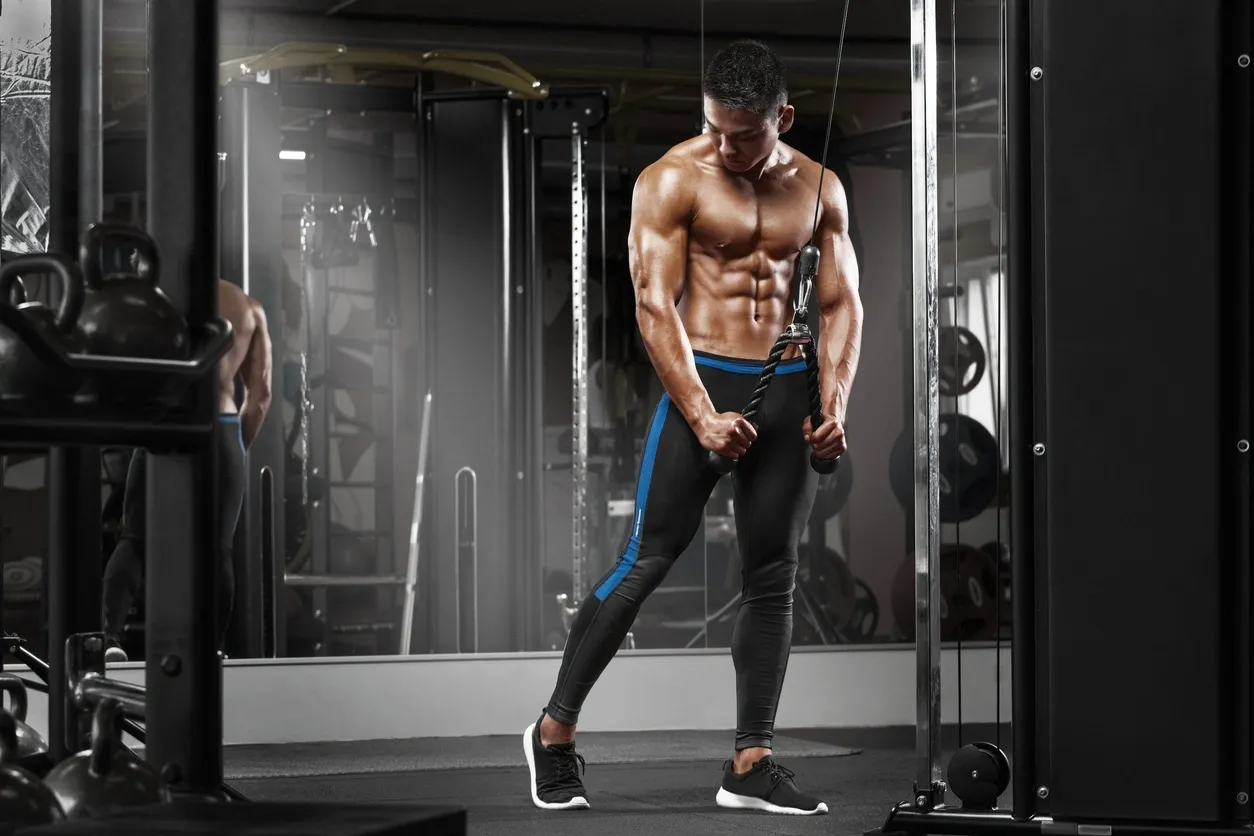
  • Triceps: rope pushdowns, skull crushers 
  • Quads: leg extensions 
  • Hamstrings: lying leg curls 
  • Calves: seated calf raises 

General Guidelines:

  • Reps: 8–12 (sometimes 12–15 for pump) 
  • Sets: 7 
  • Rest: 30–45 seconds between sets 
  • Frequency: 1–2 times per week per muscle group 
  • Load: Moderate weight—heavy enough for fatigue but light enough to maintain form across all sets 

Sample FST-7 Chest Workout

  1. Barbell Bench Press: 4 sets × 6–8 reps 
  2. Incline Dumbbell Press: 3 sets × 8–10 reps 
  3. Dumbbell Flys: 3 sets × 10–12 reps 
  4. FST-7 Finisher: Cable Crossovers → 7 sets × 12–15 reps, 30 sec rest 

Nutrition and Recovery for FST-7

Because of the intensity, recovery is critical.

  • Protein intake: Aim for 1.6–2.2 g/kg bodyweight per day 
  • Carbs: Support glycogen replenishment for high-volume training 
  • Hydration: Essential for pump and fascia expansion 
  • Sleep: 7–9 hours to allow muscle repair 
  • Supplements: Creatine, EAAs, and citrulline malate may enhance pump and recovery 

Who Is FST-7 For?

Best suited for: Intermediate to advanced lifters who want more size and definition.
Not ideal for beginners: The volume and intensity can be overwhelming.

Potential Downsides

  • Overuse risk: High-volume pump work can increase soreness and recovery needs. 
  • Not for strength goals: FST-7 is hypertrophy-specific, not strength-focused. 
  • Mental barrier: The burn and pump can feel brutal—discipline is required. 

FAQ: Your FST-7 Questions Answered

Q: What does FST-7 stand for?
A: Fascia Stretch Training, 7 sets.

Q: Is FST-7 safe for beginners?
A: No—stick to basic progressive overload first. FST-7 is an advanced technique.

Q: Can I use FST-7 for every muscle?
A: Yes, but limit it to 1–2 muscles per session to avoid overtraining.

Q: How often should I train FST-7?
A: 1–2 times per week per body part, depending on recovery.

Q: Does FST-7 replace normal training?
A: No. It’s a finisher method to complement traditional lifting.

The Bottom Line

FST-7 isn’t a gimmick—it’s a structured way to combine metabolic stress, pump training, and fascia stretching to stimulate hypertrophy. While research on fascia expansion is still evolving, the combination of high volume, short rest, and isolation work makes FST-7 a powerful tool for advanced lifters.

If your goal is to build fuller, rounder muscles and break through plateaus, FST-7 might be the challenge you need.

This article is for educational purposes only and not medical advice. Consult with a qualified fitness professional or healthcare provider before starting new training programs like FST-7.

The 15-Minute Fat-Burn Myth (And How to Make It Real)

Quick Take

  • 15-minute workouts can effectively burn fat by creating a significant metabolic disturbance through high-intensity, full-body movements.
  • The key is workout density, not duration: maximizing work in minimal time with minimal rest drives the “afterburn” effect.
  • Consistency with short sessions outperforms sporadic long ones; adherence is the ultimate driver of fat loss results.
  • Strategic progression within the 15-minute window—by increasing reps, load, or complexity—ensures continuous improvement.

The most persistent myth in fitness is that you need to grind for an hour to see real change. This belief is the very barrier that stops busy people from starting. The truth revealed by exercise science is more liberating: the efficiency of your workout matters far more than its duration. For fat loss, a 15-minute session engineered with precision can create a superior metabolic stimulus to a meandering hour-long routine.

The secret isn’t just working out for 15 minutes—it’s what you pack into them. At BeeFit.ai, we focus on protocols backed by physiology, not gym lore. This guide dismantles the time barrier by providing three evidence-based, coach-designed workouts that leverage intensity and structure to turn a quarter-hour into a powerful catalyst for fat loss.

Can a 15-Minute Workout Really Alter Your Metabolism?

Direct Answer: Yes, absolutely. A strategically designed 15-minute high-intensity workout can elevate your metabolism for hours after you finish—a phenomenon known as Excess Post-Exercise Oxygen Consumption (EPOC) or the “afterburn” effect.

Explanation & Evidence
The key driver is workout density: performing a high volume of work in a minimal time frame with little rest. This creates a substantial “oxygen debt” that your body must repay post-workout, increasing calorie burn while you recover. Studies comparing short, high-intensity training to longer, steady-state exercise confirm that HIIT protocols can produce similar or superior improvements in metabolic health and fat oxidation in a fraction of the time.

Key Insight: As noted, these sessions work by spiking heart rate and driving “a meaningful oxygen debt,” which keeps the metabolic furnace stoked long after the timer stops.


Analysis & Application
This changes the goal from “logging minutes” to “maximizing output.” It’s not a casual 15 minutes; it’s a focused, demanding effort. 

Your Application
Approach your 15-minute window with intent. Use a timer, eliminate distractions, and aim for an intensity where you’re “breathing hard, still in control” (RPE 7-8/10). Every second counts.

How Do You Maximize Fat Burn in Such a Short Window?

Direct Answer: You prioritize compound, full-body movements that recruit large muscle groups, and you structure the workout to minimize rest, keeping your heart rate elevated throughout the entire session.

Explanation & Evidence
Exercises like squats, lunges, pushes, and pulls engage more muscle mass than isolated moves (like bicep curls). More muscle worked equals more energy demanded. Formats like AMRAP (As Many Rounds As Possible) and EMOM (Every Minute on the Minute) are not arbitrary; they are proven structures that enforce work density and manage fatigue, ensuring you sustain a high power output.

Analysis & Application
The exercise selection and format are your leverage tools to amplify intensity. 

Your Application
Stick to the blueprint. For the Zero Equipment Fat Burn (Workout A), cycle through the five-move circuit (squats, push-ups, lunges, hinges, cardio) continuously. The goal is not to rest, but to move efficiently from one exercise to the next, maintaining a high heart rate for the full 15 minutes.

How Do You Get Stronger and Leaner Without Adding Time?

Direct Answer: You implement progressive overload within the 15-minute constraint by increasing the workout’s difficulty week-to-week through added reps, added load, or more challenging exercise variations.

Explanation & Evidence
Your body adapts to stress. If you do the same 15-minute workout forever, results will stall. Progressive overload is the non-negotiable principle for continued improvement. The provided workouts have this built-in. For example, in the Dumbbell Metcon (Workout B), the progression is clear: increase reps weekly, then add weight.

Progression Example: The plan outlines: “Week 1: 12s across. Week 2: 12/12/14 reps. Week 3: 14s across. Week 4: Add 5 lb per dumbbell, back to 12s.”


Analysis & Application
This transforms a short workout from a static routine into a dynamic training program. 

Your Application
Track your performance. In Workout A, note how many rounds you complete. Next time, aim for one more rep or a slightly faster pace. In Workout B, follow the prescribed rep and load progression. Small, weekly challenges force adaptation.

Are Short, Intense Workouts Safe for Joints and Beginners?

Direct Answer: Yes, when regressions and proper form are prioritized over speed or ego. Each workout must include scalable options to match fitness levels and protect vulnerable areas like the knees and lower back.

Explanation & Evidence
High-intensity does not mean high-impact or risky. The principle of “form first” is paramount. The provided workouts emphasize joint-friendly cues and offer clear regressions. For instance, push-ups can be done on an incline, lunges can be shortened, and hinges can be shallower to protect the lower back.

Analysis & Application
Safety ensures sustainability. An injury from pushing too hard too soon will derail progress more than any missed workout. 

Your Application
Always choose a variation you can perform with perfect, controlled form. If you feel sharp pain, stop and switch to a regression. It’s more effective to complete 15 minutes of clean, moderate exercise than 5 minutes of intense, painful, and sloppy movement.

Your 15-Minute Workout Toolkit

Here’s how to execute the three core plans. Always begin with the 2-minute warm-up (marching, arm circles, hip hinges, bodyweight squats).

  • Workout A: Zero Equipment Fat Burn
    • Format: 15-minute AMRAP.
    • The Circuit: 12 Bodyweight Squats → 10 Incline Push-Ups → 8 Reverse Lunges/leg → 12 Hip Hinges → 30s High-Knee March.
    • Goal: Complete as many rounds as possible with minimal rest.
  • Workout B: Dumbbell Metcon
    • Format: 15-minute EMOM.
    • The Cycle: Min 1: 12 Goblet Squats → Min 2: 12 Bent-Over Rows → Min 3: 12 Romanian Deadlifts.
    • Goal: Start each set at the top of the minute; rest only the remaining time.
  • Workout C: Tabata Finisher
    • Format: Three 4-minute Tabata blocks (20s work, 10s rest) with 1-minute rest between.
    • The Blocks: 1: Lunges/Mountain Climbers → 2: Push-Ups/Plank Taps → 3: Skater Hops/Squat Calf Raises.
    • Goal: Maintain crisp, powerful movements for each 20-second burst.

FAQ: Your Short Workout Questions, Answered

Q: Do I need to do cardio on top of these workouts?
A: Not necessarily. These workouts provide high-intensity metabolic conditioning. For optimal health and recovery, adding 2-3 sessions of low-intensity, steady-state cardio (like a 30-minute brisk walk) on non-workout days is excellent for active recovery and building aerobic base without interfering with results.

Q: Can I do these workouts every day?
A: It’s not recommended. Your body needs recovery to adapt and get stronger. Aim for 3-5 sessions per week, ensuring you have at least one full rest day. You can alternate between the three different workouts to vary the stress on your muscles and joints.

Q: What’s the single most important thing for success with this approach?
A: Consistency. The profound advantage of a 15-minute protocol is that it’s almost impossible to not have time for it. Showing up 3-5 times a week, every week, and putting in a focused effort will yield far greater results than performing a perfect 60-minute workout once every two weeks.

Q: How do I know if I’m working hard enough?
A: Use the Rate of Perceived Exertion (RPE) scale. By the end of the 15 minutes, you should feel at an 8 or 9 out of 10—thoroughly fatigued but not completely incapacitated. You should be breathing heavily and sweating. If you can easily carry on a conversation, you need to increase the intensity.

The Final Minute: Redefining the Win

The ultimate power of the 15-minute workout is not just physiological; it’s psychological. It redefines success from “completing a marathon session” to “honoring a small, powerful commitment to yourself.” It proves that you don’t need to find time—you can make time, anywhere. This consistency builds the habit, and the habit forges the result.

So, the question shifts from “Do I have time to work out?” to “What can I accomplish in the next 15 minutes?” Set the timer, and let your effort be the answer.

This article is for informational purposes only and is not a substitute for professional medical or fitness advice. Always consult a certified personal trainer or physician before beginning any new exercise program, especially if you have pre-existing health conditions.

Why Muscle Is Your Most Important Health Asset

When most people think about muscle, they picture six-pack abs, defined arms, or toned legs. But muscle is so much more than aesthetics. It’s one of the body’s most vital health assets—an active tissue that powers movement, regulates metabolism, supports brain health, protects bones and joints, and even influences how long we live.

For decades, public health conversations have focused mostly on weight loss and body fat. But new research shows that maintaining and building muscle mass may be just as—if not more—important for long-term health and resilience.

Here’s why muscle matters for every stage of life, the science behind it, and what you can do to preserve it.

Muscle Is a Metabolic Powerhouse

Unlike fat, muscle is metabolically active. That means it constantly burns energy—even when you’re sitting still.

  • Blood sugar control: More muscle improves insulin sensitivity, helping your body absorb and use glucose efficiently. This lowers the risk of type 2 diabetes and metabolic syndrome. 
  • Higher resting metabolic rate: A pound of muscle burns more calories at rest than a pound of fat, making it easier to maintain a healthy weight. 
  • Inflammation reduction: Research published in the Journal of Clinical Endocrinology & Metabolism shows that muscle tissue secretes “myokines,” anti-inflammatory molecules that help regulate immunity. 

Muscle Strengthens the Brain, Too

We often separate “body” and “mind,” but they’re deeply connected. Resistance training doesn’t just strengthen your biceps—it also benefits your brain.

  • BDNF boost: Strength training increases brain-derived neurotrophic factor (BDNF), a protein critical for memory, learning, and mood. 
  • Sharper cognition: Studies in Age and Ageing link higher muscle strength to better cognitive performance in older adults. 
  • Mental health: Regular resistance training reduces symptoms of depression and anxiety. The combination of endorphins, confidence from strength gains, and structural brain changes creates a powerful mental health benefit. 

“Muscle strength is one of the strongest predictors of cognitive health as we age.”
— Dr. Teresa Liu-Ambrose, professor of physical therapy and brain health researcher 


Protects Joints, Bones, and Balance

Starting in our 30s, we naturally begin to lose muscle—a process called sarcopenia. Without intervention, this decline accelerates, leading to frailty, falls, and loss of independence.

  • Joint protection: Muscle acts as a shock absorber, stabilizing joints during movement. 
  • Bone density: Strength training stimulates bone formation, reducing the risk of osteoporosis. 
  • Fall prevention: Strong muscles improve balance and coordination, lowering fall-related injuries in older adults. 

A 2022 study in the Journal of Bone and Mineral Research found that people who performed regular resistance training had significantly higher bone density and fewer fractures later in life.

More Muscle = Lower Risk of Chronic Disease

Think of muscle as long-term health insurance.

Higher muscle mass is associated with:

  • Lower all-cause mortality 
  • Reduced risk of cardiovascular disease 
  • Better outcomes in cancer survival 
  • Faster recovery from illness, surgery, or injury 

According to the American College of Sports Medicine (ACSM), maintaining muscle mass is a stronger predictor of longevity than weight or BMI alone.

“Muscle is the currency of health. The more you have, the better you’ll withstand illness and the aging process.”
— Dr. Stuart Phillips, PhD, muscle physiology researcher, McMaster University 


Muscle Improves Everyday Performance

Muscle isn’t just about lifting weights in the gym—it powers daily life:

  • Carrying groceries without strain 
  • Climbing stairs without fatigue 
  • Playing with kids or grandkids 
  • Traveling, hiking, or enjoying active hobbies 

These may sound small, but they add up to independence, confidence, and quality of life. Strong muscles mean you can keep doing what you love for longer.

Muscle and Hormonal Health

Muscle plays a role in hormonal balance:

  • Testosterone and growth hormone: Resistance training helps maintain these hormones, both of which support strength, energy, and vitality. 
  • Cortisol regulation: Exercise helps regulate stress hormones, lowering chronic inflammation. 
  • Insulin sensitivity: As mentioned earlier, muscle helps keep insulin in check, protecting against metabolic disease.

This hormonal balance is why muscle is often linked with better mood, energy, and vitality across the lifespan.

How Much Muscle Do You Need?

There’s no single number, but research suggests maintaining or building muscle as you age is more important than hitting a perfect weight.

The ACSM recommends:

  • 2–3 days of resistance training per week for all major muscle groups. 
  • Exercises like squats, deadlifts, pushups, and rows provide the most bang for your buck.
  • Protein intake of 1.2–2.0 g per kg of bodyweight per day helps preserve muscle mass. 

Even small improvements matter. A study in The Lancet Public Health showed that older adults who added modest strength training significantly reduced their risk of disability.

How to Build and Maintain Muscle

Practical steps to protect this critical asset:

  1. Strength training: 2–3 sessions per week, focusing on compound lifts (squats, deadlifts, presses, pulls). 
  2. Protein-rich diet: Prioritize lean meats, eggs, dairy, legumes, and plant proteins. 
  3. Adequate recovery: Muscles grow during rest—prioritize sleep and stress management. 
  4. Consistency over intensity: You don’t need extreme programs. Progressively increase weight, reps, or sets over time. 
  5. Stay active daily: Even outside workouts, stay on your feet—walking, carrying, moving. 

FAQs

Q: Is muscle more important than losing fat?
A: Both matter, but building and maintaining muscle may be a stronger predictor of long-term health than fat loss alone.

Q: Do women need to lift weights to build muscle?
A: Yes—but building muscle doesn’t mean “bulking up.” Women naturally gain lean definition and strength without excessive size.

Q: Can older adults still build muscle?
A: Absolutely. Research shows people in their 70s and 80s can still build strength with resistance training.

Q: What’s better: bodyweight training or weights?
A: Both work. The key is progressive overload—gradually making muscles work harder over time.

Q: How fast do you lose muscle without training?
A: Muscle loss begins within weeks of inactivity, highlighting the importance of consistency.

The Bottom Line

Muscle is more than what you see in the mirror. It’s a metabolic powerhouse, a protector of joints and bones, a supporter of brain and hormonal health, and a key driver of longevity.

Building and maintaining muscle doesn’t require extreme programs—just consistent strength training, protein-rich nutrition, and daily movement.

Your future health, independence, and quality of life depend on the muscle you build today.

This article is for educational purposes only and is not intended as medical advice. Always consult a healthcare professional before starting a new exercise or nutrition program.

Zone 2 Cardio: The Fat-Burning Sweet Spot (Beginner Guide)

When we think of cardio, we often picture long runs, spin classes, or breathless HIIT circuits. But cardio doesn’t have to mean pushing to your limits.

Zone 2 cardio refers to exercising at a light-to-moderate intensity where your heart rate is elevated but you can still hold a conversation. For most people, this means working at 60–70% of maximum heart rate.

  • If you’re 30 years old: max HR ≈ 190 bpm → Zone 2 = 114–133 bpm. 
  • If you’re 50: max HR ≈ 170 bpm → Zone 2 = 102–119 bpm. 

Think brisk walking, easy cycling, or slow jogging. You’re working enough to feel your heart pumping but not enough to feel exhausted.

Why Zone 2 Is the Fat-Burning Sweet Spot

Your body uses two primary fuel sources during exercise: carbohydrates (glucose) and fat. At higher intensities, your body leans heavily on glucose. But in Zone 2, your muscles tap into stored fat as the main energy source.

That’s why Zone 2 is often called the fat-burning zone. You’re training your body to become more efficient at mobilizing fat for fuel, which improves both fat loss and endurance.

It’s also sustainable. You can perform Zone 2 workouts for 30–60 minutes without burning out, making it perfect for beginners and advanced athletes alike.

Zone 2 Cardio Benefits

The benefits of Zone 2 go well beyond fat burning.

1. Improves Fat Metabolism

Zone 2 workouts train your mitochondria (the “power plants” in your cells) to burn fat more efficiently. Over time, this increases your ability to use fat as energy, even when you’re resting.

2. Builds Aerobic Endurance

Endurance athletes call Zone 2 training their secret weapon. A strong aerobic base means you can go longer and harder in all forms of exercise.

3. Supports Heart Health

Training in Zone 2 strengthens your heart without the stress of high-intensity training. It improves circulation, lowers resting heart rate, and supports long-term cardiovascular health.

4. Helps Control Blood Sugar

Zone 2 exercise improves insulin sensitivity, helping your muscles absorb glucose more efficiently. This reduces blood sugar spikes and supports metabolic health.

5. Reduces Stress and Improves Recovery

Gentle cardio lowers cortisol (the stress hormone) and improves recovery between tougher workouts. It’s a great tool for active rest days.

6. Accessible and Sustainable

Unlike HIIT, Zone 2 is easy on your joints and doesn’t require advanced fitness levels. Almost anyone can do it.

How to Know If You’re in Zone 2

You don’t need a lab test or expensive equipment to figure out your fat burn heart rate zone.

Try these simple methods:

  • Talk test: You can carry on a conversation, but singing feels difficult. 
  • Perceived effort: Feels like a 4–5 on a 10-point scale. 
  • Smartwatch or fitness app: Many wearables automatically track your zones. 
  • Heart rate formula: 220 – your age = max HR. Multiply by 0.6–0.7 to get your Zone 2 range. 

How Much Zone 2 Do You Need?

Most experts recommend 150–180 minutes per week of Zone 2 cardio for optimal fat-burning and heart health.

That could look like:

  • 30 minutes, 5 days a week 
  • 45 minutes, 4 days a week 
  • 60 minutes, 3 days a week 

The key is consistency. Zone 2 is not about crushing yourself — it’s about showing up often and letting the benefits build over time.

A Beginner-Friendly Zone 2 Walking Plan

Walking is one of the simplest ways to get into Zone 2, especially for beginners. Here’s a four-week plan to help you build the habit.

Week 1: 3 sessions × 20 minutes (brisk walking)
Week 2: 3–4 sessions × 25 minutes
Week 3: 4 sessions × 30 minutes
Week 4: 4–5 sessions × 35–40 minutes

Pro tip: Find a local park or walking loop you enjoy. Consistency is much easier when the environment is pleasant.

Zone 2 vs. HIIT: Which Is Better?

It’s not either/or — both serve a purpose.

  • HIIT (high-intensity interval training): Burns lots of calories fast, improves VO2 max, but is stressful on the body and harder to recover from. 
  • Zone 2: Burns fat efficiently, builds aerobic endurance, and is sustainable long-term. 

The best training programs combine the two: a Zone 2 foundation with occasional HIIT sessions for variety and performance.

Common Mistakes Beginners Make

Even though Zone 2 is simple, many people miss the mark.

  • Going too fast: If you’re breathless, you’ve moved into Zone 3 or higher. 
  • Not going long enough: Ten minutes helps, but 30–60 minutes is where Zone 2 shines. 
  • Being inconsistent: The benefits build over weeks and months, not one session. 
  • Forgetting strength training: Zone 2 improves endurance but doesn’t build muscle. You need both. 

FAQs

Q: Is Zone 2 really the best for fat burning?
A: Yes — at this level, your body relies mostly on fat for fuel. But remember, fat loss still comes down to overall energy balance.

Q: Do I need a heart rate monitor?
A: Not necessarily. The talk test and perceived effort are good guides, though wearables can make tracking easier.

Q: Can walking really count as cardio?
A: Absolutely. Brisk walking is one of the most effective and accessible ways to hit Zone 2.

Q: How soon will I see results?
A: Most people notice improved stamina and energy within a few weeks. Fat loss and endurance gains build over several months of consistency.

Putting It All Together

Zone 2 cardio isn’t flashy. You won’t collapse in sweat or feel destroyed after a session. But that’s exactly the point.

By consistently training in the fat-burning sweet spot, you’ll:

  • Improve your ability to burn fat 
  • Build endurance that supports all other workouts 
  • Strengthen your heart and metabolism 
  • Create a sustainable, beginner-friendly fitness habit 

The takeaway? Sometimes the best results don’t come from pushing harder but they come from training smarter.

This article is for educational purposes only and is not intended as medical advice. Always consult a healthcare professional before beginning a new exercise routine, especially if you have preexisting health conditions.

The 10-Minute Miracle: How a Simple Walk Flattens Glucose Spikes

Quick Take

  • A 10-minute walk within 20 minutes of eating is a potent tool to blunt blood sugar spikes, working by using muscle contractions to clear glucose from your bloodstream directly.
  • This timing strategy is proven more effective for glucose control than a single, longer workout at another time of day, offering superior metabolic benefits for minimal time investment.
  • The post-dinner walk is most critical, as it counters the largest meal and sedentary evening period, improving overnight metabolism and sleep quality.
  • Beyond blood sugar, this micro-habit enhances digestion, curbs cravings, boosts energy, and supports heart health, forming a foundational pillar of metabolic fitness.

In the pursuit of health, we often overlook the profound power of timing. You might dedicate an hour to the gym, yet spend the following hours sedentary after meals—the precise moments when your body is most vulnerable to metabolic stress. The result is the all-too-familiar cycle: a satisfying meal followed by a foggy crash, nagging cravings, and stubborn energy slumps.

This rollercoaster is driven by blood glucose spikes, a silent agitator of modern health. While often discussed in the context of diabetes, these spikes impact everyone’s energy, mood, and long-term metabolic resilience. The solution, however, is remarkably simple and requires no special equipment or extreme willpower. Groundbreaking research reveals that the strategic placement of movement—specifically, a brief walk after eating—can be more powerful for metabolic health than the workout itself.

This article details the compelling science behind post-meal walking, explaining not just that it works, but how it works on a physiological level. We will translate the evidence into a practical, sustainable system you can implement today to transform your body’s response to food, stabilize your energy, and build a powerful defense against metabolic decline.

Why Should You Care About Post-Meal Blood Sugar Spikes?

Direct Answer: Because frequent, sharp glucose spikes are a primary driver of inflammation, fat storage, energy crashes, and cravings. Managing them is essential not just for preventing diabetes, but for achieving stable energy, a healthy weight, and long-term cellular health.

Explanation & Evidence:
When you eat carbohydrates, they break down into glucose, flooding your bloodstream. Your pancreas releases insulin to usher this glucose into cells. A rapid, high spike overwhelms this system, leading to an overproduction of insulin that often causes a subsequent crash (reactive hypoglycemia). This cycle promotes inflammation and oxidative stress.

Research from Harvard Health emphasizes that “keeping glucose steady is critical for long-term health, weight control, and daily energy,” linking frequent spikes to increased risk for cardiovascular disease and metabolic dysfunction.


Analysis & Application
This reframes glucose management from a concern solely for diabetics to a core component of metabolic fitness for everyone. The goal isn’t to avoid carbs but to mitigate the spike. The first step is awareness: after your next meal, notice if you feel energized or drowsy within an hour. That feeling is a direct biomarker of your glucose response.

How Does a 10-Minute Walk Outperform a Long Workout for Glucose Control?

Direct Answer: Muscle contraction during walking creates an insulin-independent pathway for glucose uptake. When timed to coincide with the rise in blood glucose after a meal, this provides a “direct drain” for sugar, preventing the spike more effectively than exercise performed when glucose levels are already stable.

Explanation & Evidence
The magic lies in synergy. A landmark study cited by the American Diabetes Association found that three 10-minute walks after meals were more effective at lowering 24-hour glucose levels than a single 30-minute walk at another time. This is because the muscle’s glucose transporters (GLUT-4) are activated by contraction at the exact moment they are needed most.

A comprehensive review in Sports Medicine corroborates this, concluding that post-meal activity consistently results in lower glucose and insulin peaks compared to prolonged sitting or exercising in a fasted state.

Analysis & Application
This challenges the traditional “one and done” workout mentality. For optimal metabolic health, distribute your movement. Prioritize a short walk after breakfast, lunch, and dinner over squeezing in only one longer session. This approach integrates activity into your digestive rhythm, making it a tool for processing food, not just burning calories.

Why Is the Post-Dinner Walk the Most Critical Habit?

Direct Answer: The evening is typically the period of the largest meal and most sustained inactivity. A post-dinner walk directly counteracts this, preventing elevated glucose from lingering overnight, which can disrupt sleep architecture, impair nighttime repair, and prime the body for fat storage.

Explanation & Evidence
Glucose metabolism doesn’t pause when you sleep. Elevated evening glucose can impair the release of growth hormone (crucial for repair) and disrupt sleep quality. A study in Diabetologia showed that moderate walking after dinner significantly improved overnight and next-morning blood sugar control in individuals with prediabetes.

Analysis & Application
Make the post-dinner walk non-negotiable. Instead of moving directly to the couch, develop a “digestive window” ritual. A 10-15 minute stroll, even around your home or block, acts as a metabolic signal that the day’s eating is complete and prepares your body for restorative sleep. For more on evening routines, see our guide on optimizing sleep for recovery.

What Are the Broader Health Benefits Beyond Blood Sugar?

Direct Answer: This micro-habit creates a cascade of positive effects: it stimulates digestion and reduces bloating, improves cardiovascular circulation, lowers stress hormones, and enhances mood by combining gentle movement with rhythmic breathing—a form of moving meditation.

Explanation & Evidence
The benefits are systemic:

  • Digestion: Walking increases gut motility, helping move food through the digestive tract.
  • Heart Health: It improves circulation and helps regulate blood pressure.
  • Mental Health: Physical activity triggers endorphin release and lowers cortisol. Research in the European Journal of Applied Physiology notes these effects occur even with light-intensity walking.
  • Weight Management: By stabilizing glucose and insulin, post-meal walks reduce the intensity of subsequent cravings, particularly for sugary snacks.

Analysis & Application
Frame your post-meal walk as a multitasking wellness break. It’s not just about steps; it’s a moment to aid digestion, clear your mind, and transition mentally after eating. This holistic perspective makes the habit more rewarding and sustainable than viewing it through a purely metabolic lens.

How Do You Implement This Habit Effortlessly into Any Lifestyle?

Direct Answer: Success hinges on habit stacking and environmental design. Anchor your walk to an existing post-meal routine (like cleaning up) and remove barriers by keeping walking shoes accessible.

Explanation & Evidence
Behavioral science shows that habits are most easily formed when tied to an existing cue. A “post-meal walk” is more abstract than “after I put my plate in the dishwasher, I put on my shoes and walk for 10 minutes.” This specificity removes decision fatigue.

Analysis & Application
Use this simple framework:

  1. The Cue: The end of your meal (e.g., pushing your chair back).
  2. The Routine: Immediately put on walking shoes and step outside or begin pacing indoors.
  3. The Reward: Enjoy a podcast, phone call, or moment of quiet.
    Start with a non-negotiable 2-minute walk. Consistency with a tiny habit builds the identity of “someone who walks after meals,” making it easier to gradually extend the time to 10 minutes or more.

FAQ: Your Post-Meal Walking Questions, Answered

Q: I feel bloated after eating. Is it still okay to walk?
A: Yes, gentle walking can actually relieve bloating by stimulating the digestive tract. Avoid intense exercise, but a slow, comfortable pace is highly beneficial and can alleviate discomfort.

Q: How soon after eating should I start walking?
A: Aim to begin within 10-20 minutes after finishing your meal. This window captures the initial rise in blood glucose, allowing your muscles to act as a “first responder” to manage the influx.

Q: Does the intensity of the walk matter?
A: A brisk, conversational pace is ideal. You should be breathing slightly harder but able to talk. This light-to-moderate intensity is sufficient to activate muscular glucose uptake without stressing the body during digestion. Save high-intensity training for other times.

Q: What if I can’t go outside or don’t have time?
A: Any movement counts. Pace in your home, office, or a hallway. March in place while watching TV. The physiological benefit comes from muscle contraction, not scenery. Even 5 minutes is superior to 0 minutes.

The 10-minute post-meal walk is a profound example of leveraging biological timing for outsized health returns. It is a low-cost, high-yield investment in your metabolic stability, turning a daily vulnerability—the period after eating—into an opportunity for strengthening and resilience.

This practice democratizes health optimization. It requires no membership, no special gear, and minimal time, yet it systematically improves how your body processes fuel, manages energy, and builds long-term health. The barrier is not complexity, but consistency.

Begin tonight. After your final bite of dinner, set a timer and move for just 10 minutes. Observe the difference in how you feel both in your digestion and your evening energy. Let that positive feedback be the catalyst that builds this simple, powerful habit into the cornerstone of your daily wellness ritual.

For more science-backed strategies to master your metabolism and energy, explore the resources at BeeFit.ai.

This article is for informational purposes only and is not a substitute for professional medical advice. Always consult with your healthcare provider before making changes to your exercise routine, especially if you have diabetes, cardiovascular conditions, or other health concerns.

Japanese Walking: The Interval Stroll Outperforming 10,000 Steps

Quick Take

“Japanese walking” is a simple yet powerful fitness break: five rounds of 3-minute brisk walking alternated with 3-minute slow strolls. Backed by decade-old research and now viral online, it delivers stronger benefits than steady walks—improving strength, heart health, blood pressure, and even mood, all in just 30 minutes.

What Is Japanese Walking (Interval Walking Training)?

Also known as “interval walking training” or “3-3 walking,” this method alternates walking at two paces:

  • Fast pace: brisk enough that talking in full sentences is tough (around 70% VO₂ max) 
  • Slow pace: leisurely recovery where chatting is easy 

Repeat this six-minute cycle five times for a 30-minute workout, ideally done four times per week. This isn’t new—Shinshu University researchers developed it in 2007 for middle-aged and older adults. (Forbes)

What Science Tells Us

A. Better Than Regular Walking

Studies show marked improvements in aerobic capacity (VO₂ max), leg strength, and blood pressure—outperforming continuous moderate walking, even with equal calorie burn. 

B. Metabolic and Cardiovascular Benefits

  • Reduces blood pressure 
  • Enhances glucose control 
  • Triggers fat loss 
  • Boosts muscle strength 
  • Improves aerobic fitness 

These results may mimic traditional HIIT gains—without the high impact. (ScienceAlert, GoodHousekeeping)

Why Is It Trending Now?

In 2025, fitness coach Eugene Teo repackaged it for TikTok with short, high-impact videos—and millions watched. He framed it as a low-barrier way to still get HIIT-style results without gym gear or guilt over missing 10,000 steps. It went viral fast. (NYT Well via UCSF)

Real-World Health Gains; Improved Fitness in Older Adults

A Japanese study tracking 139 adults (average age: 63) over five months found 15–20% fitness gains, noticeable leg strength improvements, and reductions in body fat and blood pressure. (The Guardian)

Reduced Dropout Rates

Unlike moderate walking routines, interval walking is easier to stick with—nearly 60% adhered to the full protocol vs. only 17% for continuous walking. (GoodHousekeeping)

Who Benefits Most?

  • Those wanting more impact than a stroll but less intensity than HIIT 
  • People looking for low-impact routines (e.g., middle-aged, older adults, knee-sensitive) 
  • Anyone intimidated by gym workouts or step goals 
  • Busy individuals who want maximum efficiency in minimal time 

Real Talk: Pros and Caution Points

Pros

  • Time-efficient — just 30 minutes 
  • Low-impact and easy to start 
  • Scalable to fitness level 
  • No gym, no equipment required 

Things to Watch For

  • Beginners might find the fast intervals challenging initially
  • Cold weather or rough surfaces may make pacing awkward 
  • Best to wash your hands after walking—no extra gear required 

Easy 30-Minute Japanese Walking Plan

  1. Warm Up: 3 minutes of easy walking 
  2. Cycle (repeat 5 times):
    • 3 min brisk walking (talking is tough) 
    • 3 min slow recovery walk 
  1. Cool Down: 3 minutes of comfortable strolling 
  2. Aim for 4 sessions per week 

For beginners: start with shorter fast intervals (e.g., 1 min fast, 3 min recovery) and build up.

Q&A Corner

Q: How is Japanese walking different from 10,000 steps?
A: It packs higher intensity and fitness stimulus into half an hour vs. slow, low-impact walking.

Q: Can busy people do this?
A: Yes—many use parking-lot walks, treadmill sessions, or nearby routes for mini “rounds.”

Q: Is this safe for older adults?
A: Yes—studies show strong benefits with low injury risk, but always consult your doctor if you have heart or mobility issues. (Vogue)

Final Thoughts

Japanese walking—also known as interval or 3-3 walking—isn’t just another TikTok fad. It’s a science-backed method that delivers ampler health benefits than regular walking in less time. Whether you’re fitting it into a busy life or easing into a fitness routine, it’s accessible, effective, and built to last.

After all, walking is instinctual—but when you add thoughtful intervals, it becomes transformational.

This article is for informational purposes only. Consult your doctor before starting any new fitness routine.