Quick Take
When your mind feels overloaded, your body can be your reset button. For women balancing work, family, and an endless to-do list, targeted movement isn’t just about looking fit — it’s a direct pathway to managing emotional burnout, reducing stress, and regaining mental clarity. Here’s how exercise can help unload the weight you’re carrying, plus practical, science-backed workout strategies that fit into a busy life.
The Invisible Weight Women Carry
If you’ve ever felt like you’re running a marathon just keeping everyone’s schedules, needs, and emotions in check, you’re not imagining it. This is called the mental load — the invisible, often unrecognized cognitive and emotional labor that women disproportionately carry. It includes everything from planning meals to remembering birthdays, from work deadlines to emotional caregiving.
While you may think rest is the best antidote to mental load, research increasingly shows that movement — the right type — is a far more effective way to reset your nervous system and sharpen focus.
How Exercise Rewires Your Brain for Stress Resilience
When you engage in physical activity, several key biological changes happen:
- Cortisol Regulation: Movement helps bring down chronically elevated cortisol, the stress hormone linked to burnout.
- Endorphin Release: Exercise triggers “feel-good” chemicals that boost mood and lower anxiety.
- Improved Brain Plasticity: Activities like aerobic workouts enhance the brain’s capacity to adapt, problem-solve, and recover from mental fatigue.
- Better Sleep: Quality movement during the day often leads to deeper, more restorative sleep — the foundation of emotional resilience.
According to a 2022 study in the Journal of Affective Disorders, just 30 minutes of moderate-to-vigorous exercise three times a week significantly improved mood stability in women experiencing high stress and emotional exhaustion.
Why Women Need a Different Approach to Stress-Relief Fitness
Men and women experience stress differently — hormonally, neurologically, and emotionally. For women, especially during perimenopause and beyond, fluctuating estrogen and progesterone can influence how the body responds to stress and exercise.
High-intensity training every day can actually backfire, spiking cortisol and leaving you more drained. The key is to find a rhythm that alternates intensity with recovery, supporting your hormones rather than fighting them.
Best Workouts for Emotional Reset
1. Walking Outdoors
Low-impact, accessible, and meditative, walking outdoors combines gentle cardiovascular activity with the grounding benefits of nature.
Pro Tip: Aim for 20–40 minutes, ideally in green space. Studies show it can reduce rumination — the mental replay of stressful thoughts.
2. Strength Training for Empowerment
Lifting weights doesn’t just build muscle; it builds mental resilience. Strength training teaches you to focus, breathe, and control your body under load — skills that translate to handling life’s pressures.
Frequency: 2–3 times per week, using compound lifts like squats, presses, and rows.
3. Yoga & Mobility Work
Yoga activates the parasympathetic nervous system, reducing anxiety while improving flexibility.
Best Styles for Stress Relief: Yin yoga, restorative yoga, and slow flow sequences.
4. Dance or Rhythmic Cardio
Movement to music is a powerful emotional outlet. Dance, step classes, or even Zumba can boost dopamine, improve coordination, and reconnect you to joy.
5. HIIT in Small Doses
For women who enjoy intensity, 10–15 minutes of high-intensity interval training once or twice a week can release endorphins without tipping into overtraining.
Your Top Questions About Fitness for Stress Relief
Q: I’m completely exhausted. Should I still work out?
A: Yes — but choose restorative or low-intensity sessions. Gentle walking, yoga, or mobility work will help you feel recharged without taxing your system.
Q: Can exercise replace therapy for stress?
A: Exercise is a powerful tool for mood regulation, but it’s not a substitute for professional mental health support. Think of it as part of a holistic care plan.
Q: How soon will I feel the mental benefits of working out?
A: Many women feel a mood lift immediately after a session due to endorphin release. For deeper stress resilience, consistency over 4–6 weeks is key.
Q: Is morning or evening exercise better for stress?
A: It depends on your schedule and hormonal rhythm. Morning workouts can energize you for the day; evening sessions can act as a stress “off switch” before bedtime.
How to Fit It Into a Busy Life
The idea that you need an hour a day is outdated. The most effective fitness for mental load relief is consistent, bite-sized movement:
- Micro-Workouts: 5–10 minute bodyweight circuits between tasks.
- Active Breaks: Stretching, stair climbing, or desk yoga during work hours.
- Habit Pairing: Combine movement with something you already do — e.g., squats while your coffee brews.
Remember: Something is always better than nothing.
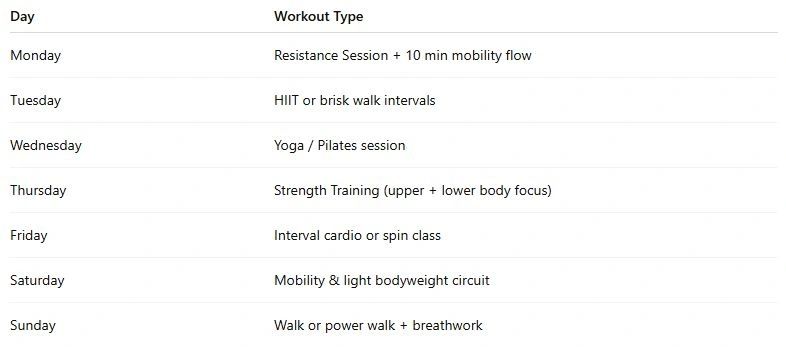
Sample 5-Day Emotional Reset Workout Plan for Women
Day 1 – Power & Calm
- 20 minutes strength training (upper & lower body compound lifts)
- 10 minutes restorative yoga
Day 2 – Nature Reset
- 30–40 min brisk outdoor walk
- 5 minutes diaphragmatic breathing
Day 3 – Endorphin Boost
- 15 minutes rhythmic dance cardio
- Core mobility sequence (10 minutes)
Day 4 – Empower Lift
- 30 minutes resistance training (focus on lower body)
- Gentle stretching (10 minutes)
Day 5 – Full Reset
- 40-minute hike or long walk in nature
- 10 minutes gratitude journaling afterward
The Mind-Body Ripple Effect
When women reduce their mental load through intentional movement, the benefits spill into every area of life:
- Better Relationships: You respond, rather than react, in emotionally charged moments.
- Sharper Focus: Your brain handles multitasking with less overwhelm.
- Improved Energy: Exercise can break the fatigue-stress cycle, giving you energy for both work and play.
- Greater Self-Trust: Each completed workout reinforces that you can prioritize your own well-being without guilt.
Final Thoughts
The mental load is real — and heavy. But you don’t have to wait for life to slow down to start feeling lighter. Fitness is not just a physical pursuit; it’s an emotional reset button, a daily choice that says, I matter too.
If you’re overwhelmed, start small: five minutes of movement today, maybe 10 tomorrow. Over time, you’ll notice not just stronger muscles, but a stronger, calmer mind ready to handle whatever life throws your way.
This article is for educational purposes only and is not a substitute for professional medical or mental health advice. Always consult a qualified provider before starting any new exercise routine.