BeeFit: Fitness & Wellness

Low‑Impact Training: Effective Workouts for All Fitness Levels

Quick Take

  • Meeting minimum physical activity guidelines (150-300 minutes weekly moderate exercise) is associated with 22% reduction in all-cause mortality and 30% reduction in cardiovascular disease mortality.
  • Adults performing 2-4 times the recommended amount of moderate physical activity (300-600 minutes weekly) show 26-31% lower all-cause mortality risk based on 30-year studies.
  • Even low volumes of moderate exercise (92 minutes weekly or 61% of recommended amount) significantly reduce cardiovascular and all-cause mortality compared to sedentary individuals.
  • No harmful cardiovascular effects were found in adults engaging in more than 4 times the recommended minimum activity levels in long-term research studies.

Why High-Impact Training Isn’t Necessary for Results

Are you avoiding exercise because high-intensity workouts feel intimidating or cause joint pain? Research consistently demonstrates that moderate-intensity, low-impact activities like walking and cycling produce substantial mortality reductions without requiring jumping, running, or intense exertion.

“Meeting guideline-recommended levels of physical activity was associated with a 22% reduction in mortality. Adherence to WHO PA guidelines is associated with approximately 30% reduction in cardiovascular disease mortality and 29% in all-cause mortality.” (2025, Review in Circulation Research analyzing 2+ million individuals)


The misconception that only intense exercise produces meaningful health benefits ignores decades of evidence showing moderate-intensity activities deliver comparable or superior cardiovascular protection with lower injury risk and better long-term adherence.

Your Application:

  • Start with any consistent movement (walking, cycling, swimming) rather than waiting for perfect program or gym access
  • Aim for minimum 150 minutes weekly of moderate-intensity activity where you can talk but not sing comfortably
  • Recognize that even 50-100 minutes weekly provides significant health benefits compared to being completely sedentary

Can Low-Impact Exercise Really Reduce Mortality Risk?

Yes, dramatically. Adults performing moderate-intensity exercise 92 minutes weekly (61% of recommended guidelines) experienced 19% reduction in cardiovascular mortality and 14% reduction in all-cause mortality compared to inactive individuals.

A 30-year study of over 100,000 adults found those meeting minimum guidelines (150-300 minutes weekly) reduced mortality risk by 21-23%, while those doing 2-4 times the recommended amount (300-600 minutes) reduced risk by 26-31%.

“Adults who performed two to four times above the recommended amount of moderate physical activity (300-600 min/week) had observed 28-38% lower risk of cardiovascular disease mortality and 25-27% non-cardiovascular disease mortality.” (2022, Circulation study with 30-year follow-up)


The dose-response relationship shows benefits continue increasing up to 3-5 times the minimum recommendation before plateauing, meaning more is generally better within reasonable limits.

Your Application:

  • Target 150 minutes weekly as initial goal (30 minutes, 5 days weekly) to achieve meaningful mortality reduction
  • Progress toward 300-600 minutes weekly (40-80 minutes daily) for maximum cardiovascular benefits if time allows
  • Break activity into shorter bouts (3x 10-minute walks daily) if continuous 30-minute sessions feel challenging

What Qualifies as Low-Impact Moderate-Intensity Exercise?

Walking, cycling, swimming, elliptical training, and water aerobics qualify as low-impact moderate-intensity exercise when performed at pace where you can speak in sentences but not sing comfortably.

Moderate intensity corresponds to 40-60% of maximum heart rate or 3-6 METs (metabolic equivalents). For reference, brisk walking at 3-4 mph represents approximately 3-4 METs while easy cycling is 4-6 METs.

Research shows even standing more (versus sitting) produces health benefits. Standing 2+ hours daily associates with 10% mortality reduction, with benefits increasing to 24% for those standing 8+ hours daily.

These activities protect joints through smooth, controlled movements without impact forces from jumping or running that stress cartilage and tendons over time.

Your Application:

  • Choose activities you genuinely enjoy (walking outdoors, pool exercise, cycling scenic routes) for better long-term adherence
  • Use “talk test” to gauge intensity rather than obsessing over heart rate monitors or precise calculations
  • Accumulate activity throughout the day (parking farther away, taking stairs, walking during phone calls) if structured exercise is difficult

Does Low-Impact Training Build Strength and Improve Body Composition?

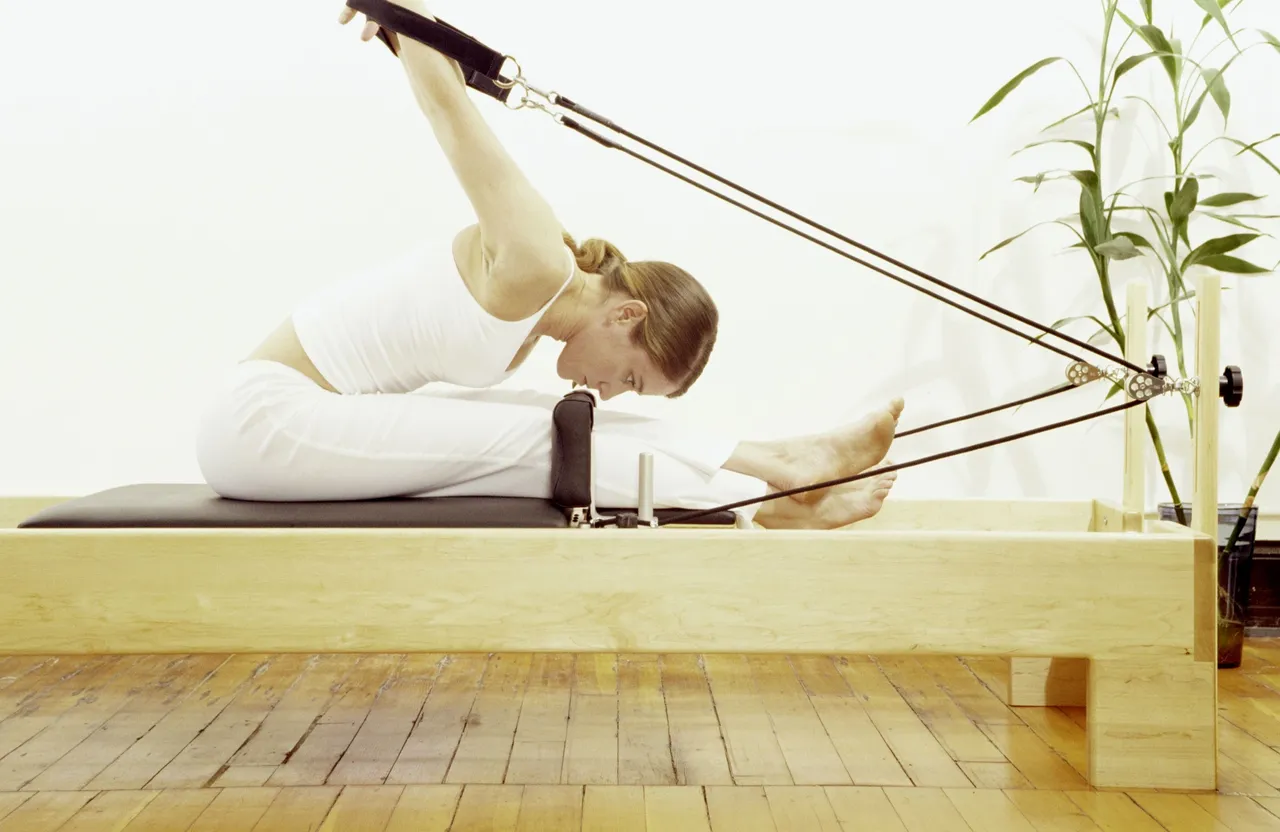
Yes, particularly resistance-based low-impact activities like Pilates, bodyweight circuits, water resistance training, and resistance band work. These build functional strength without joint stress from impact or heavy loading.

Research on exercise-based interventions shows various forms of aerobic exercise at range of intensities (50-95% VO2max) significantly reduce cardiovascular mortality and improve quality of life over 1-47 month interventions.

While moderate-intensity exercise alone produces modest weight loss (averaging 1.5-3.5 kg in controlled trials), combining with calorie restriction and resistance training optimizes body composition changes.

Low-impact doesn’t mean low-effectiveness. Controlled bodyweight exercises, aquatic resistance, and Pilates create sufficient stimulus for muscle maintenance and functional strength improvements throughout lifespan.

Your Application:

  • Include 2-3 weekly sessions of resistance-based low-impact work (Pilates, resistance bands, bodyweight circuits) alongside aerobic activity
  • Focus on controlled tempo (2-3 seconds lowering, 1-2 seconds lifting) to maximize time under tension without impact
  • Progress difficulty through increased repetitions, slower tempo, or added resistance rather than impact or explosive movements

Can You Exercise Low-Impact Every Day Without Overtraining?

Yes. Low-impact moderate-intensity exercise allows daily participation without the extensive recovery requirements of high-intensity or high-impact training.

Research supports “move more, sit less” approach irrespective of activity type, with even light-intensity walking and taking stairs conferring significant health benefits through reduced sedentary time.

The beauty of low-impact training is sustainability. Unlike HIIT or running requiring 48-72 hour recovery between sessions, walking, cycling, or swimming can be performed daily with minimal accumulated fatigue.

Studies show breaking up sitting time with light activity improves cardiovascular markers independent of structured exercise, suggesting frequent movement matters as much as intense sessions.

Your Application:

  • Aim for some form of movement 6-7 days weekly, varying intensity from very light (leisurely walks) to moderate (brisk walking, cycling)
  • Include 1-2 complete rest days monthly when feeling fatigued or for mental recovery from routine
  • Listen to joints and muscles; persistent soreness or pain signals need for easier day or additional rest

What’s the Minimum Effective Dose for Health Benefits?

Even minimal activity provides measurable benefits. Running just 51 minutes weekly (68% of recommended volume) reduced cardiovascular mortality by 55% and all-cause mortality by 30% compared to non-runners.

“Americans running 51 min/week or 68% of the recommended volume experienced lower cardiovascular disease mortality (HR: 0.45) and all-cause mortality (HR: 0.70) compared with nonrunners.” (2016, Research in Journal of the American College of Cardiology)

The greatest incremental health gains occur when moving from completely sedentary to any consistent activity. For example, increasing from 2,000 to 4,000 daily steps associates with nearly 50% mortality reduction.

This means starting with even 15-20 minutes daily (105-140 minutes weekly) provides substantial benefits, though progressing toward 150+ minutes optimizes outcomes.

Your Application:

  • Start where you are (even 10-15 minutes daily) rather than attempting immediate adherence to 150-minute guidelines
  • Add 5-10 minutes weekly until reaching minimum 150 minutes, allowing gradual adaptation without injury
  • Celebrate small wins (parking farther, taking stairs, evening walks) that accumulate toward activity targets

FAQ: Your Low-Impact Exercise Questions, Answered

Q: Can low-impact exercise help me lose weight?
A: Low-impact exercise supports weight management but produces modest weight loss alone (averaging 1.5-3.5 kg in studies). Combine with calorie restriction for optimal fat loss. The primary benefits are cardiovascular health, mortality reduction, and body composition maintenance.

Q: Is low-impact exercise effective for older adults or those with injuries?
A: Yes, it’s ideal. Low-impact activities provide cardiovascular and strength benefits while protecting joints from excessive stress. Research shows older adults and those with arthritis, past injuries, or limited mobility benefit significantly from walking, water exercise, cycling, and resistance band work.

Q: Do I need to reach certain heart rate zones for benefits?
A: No. While moderate intensity (40-60% max heart rate) optimizes benefits, even light activity provides measurable health improvements over being sedentary. Use “talk test” as simple guide: able to speak in sentences but not sing continuously.

Q: Can I build significant muscle with only low-impact exercise?
A: You can build functional strength and maintain muscle mass through resistance-based low-impact activities (Pilates, bodyweight circuits, resistance bands). However, building substantial muscle mass requires progressive overload with heavier resistance that low-impact methods may not provide indefinitely.

Q: How does low-impact compare to HIIT for cardiovascular health?
A: Both improve cardiovascular health, but low-impact moderate-intensity exercise shows similar or superior mortality reductions with lower injury risk and better long-term adherence. HIIT is more time-efficient but requires adequate recovery and isn’t necessary for health benefits.

Start Moving Today at Your Own Pace

Low-impact exercise produces dramatic reductions in cardiovascular and all-cause mortality without requiring intense training, jumping, or joint-stressing activities. Even minimal weekly activity (50-100 minutes) provides measurable benefits compared to being sedentary.

Begin with activities you enjoy and can sustain long-term rather than forcing yourself into uncomfortable or painful exercise. Progress gradually toward 150-300 minutes weekly of moderate-intensity movement for optimal cardiovascular protection and mortality reduction.

For evidence-based guidance on structuring complete fitness programs combining low-impact cardio with strength training, explore our workout programming fundamentals at BeeFit.ai. You can also check out our breakdown of progressive overload principles and how to systematically increase training difficulty over time.

This article is for informational purposes only and is not a substitute for professional medical advice, diagnosis, or treatment. Always consult with a qualified healthcare provider before starting any new exercise or nutrition program.
The Leg Day Lies You Still Believe (And What Actually Works)

Quick Take

  • Squats alone are insufficient for complete leg development; the Romanian Deadlift is the essential, non-negotiable complement for the posterior chain.
  • The leg press is not “cheating”—it’s a strategic tool for overloading muscles with minimal systemic fatigue, allowing for greater growth stimulus.
  • Training frequency trumps marathon sessions; training legs 2-3 times per week with varied focus yields faster results than one epic workout.
  • Machines like the hack squat can provide safer, more focused muscle isolation than free weights, making them superior for targeted hypertrophy.

The prevailing wisdom for building strong legs is simple: squat heavy, lunge often, and embrace the pain. But what if the standard advice is leaving gains on the table or worse, setting you up for imbalance and injury? The latest insights from exercise science and biomechanics reveal that the most effective approach to leg development is more nuanced. It’s not just about moving weight; it’s about how you move it, which muscles you prioritize, and the intelligent sequence of your training.

For too long, leg day has been governed by tradition rather than optimization. At BeeFit.ai, we analyze the data to separate fitness folklore from scientific fact. This article dismantles common leg day myths and provides a clear, evidence-based blueprint for building powerful, balanced, and resilient legs. The goal isn’t just to list exercises, but to explain the why behind a smarter strategy.

Is the Barbell Squat Really the “King” of Leg Exercises?

Direct Answer: Yes, but with a critical caveat: its reign is only effective if paired with its essential counterpart, the hinge. The barbell squat is unmatched for overall loading and systemic stimulus, but it cannot adequately develop the posterior chain—a job for which the Romanian Deadlift (RDL) is indispensable.

Explanation & Evidence:
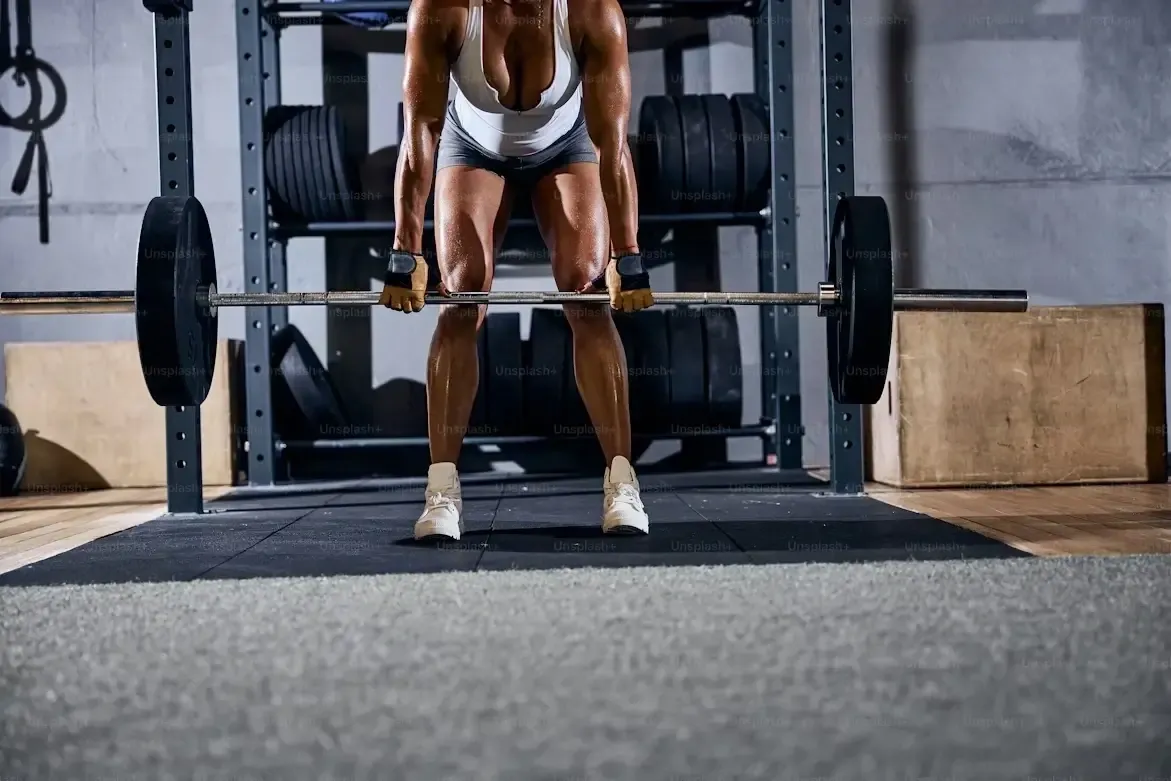
The barbell back squat is a compound, multi-joint movement that simultaneously engages the quads, glutes, hamstrings, and core. This allows for significant weight to be moved, triggering a powerful anabolic (muscle-building) hormone response. However, its movement pattern is primarily knee-dominant.

Key Insight: While the squat is a foundational movement, exercise physiologists note that “the Romanian Deadlift (RDL) targets the posterior chain with less strain on the spine than conventional deadlifts,” making it the safer, more effective complement for hamstring and glute development.


Analysis & Application:
Relying solely on squats leads to quad dominance and a weak posterior chain, a common imbalance that can cause knee pain and limit performance. 

Your Application: Treat the RDL with equal importance as the squat. In your weekly plan, ensure you have at least one dedicated “hinge” pattern for every “squat” pattern to build balanced, resilient legs.

Are Machines Like the Leg Press a Waste of Time?

Direct Answer: Quite the opposite. When used strategically after free-weight compounds, machines like the leg press and hack squat are superior tools for applying pure, focused overload to target muscles with minimal interference from stabilizer fatigue.

Explanation & Evidence:
Free weights are crucial for building functional strength and coordination. However, machines offer a distinct advantage for hypertrophy: they isolate muscle groups. After your nervous system is fatigued from squats and RDLs, a machine allows you to safely push your muscles to true failure without the same risk of technical breakdown.

Key Insight: The leg press is explicitly valued because it is “a safe, machine-based movement that lets you push heavy loads with minimal coordination,” enabling you to accumulate high-quality training volume that directly stimulates growth.


Analysis & Application:
This flips the script on the “machines are inferior” myth. They are not for beginners; they are for advanced lifters who need to isolate and annihilate a specific muscle group after their primary work. 

Your Application: Program machines as your third or fourth exercise. Use them to add 3-4 sets of high-rep, controlled work to fully exhaust the target muscles after your heavy compound lifts.

Should You Really Only Train Legs Once a Week?

Direct Answer: No. For most people seeking growth, a once-a-week “destroyer” session is inferior to a higher-frequency approach. Training legs 2-3 times per week with varied exercise selection and intensity allows for better recovery, more total weekly volume, and superior muscle protein synthesis signaling.

Explanation & Evidence:
A single, brutally long leg session creates massive muscle damage and systemic fatigue that can take days to recover from, often disrupting other training. Splitting your weekly leg volume across multiple, shorter sessions reduces per-session fatigue, improves exercise quality, and provides more frequent growth stimuli.

Analysis & Application:
The “can’t walk for days” metric is not a badge of honor; it’s a sign of excessive damage that hampers recovery and subsequent workouts. 

Your Application: Instead of one 90-minute leg day, try two 50-minute sessions. For example, Session A: Squat and Quad Focus. Session B: RDL and Glute/Hamstring Focus. This method, supported by numerous studies on training frequency, leads to better long-term gains.

Is the Hack Squat Better for Your Quads Than a Barbell Squat?

Direct Answer: For pure, isolated quad development and growth, yes. The hack squat machine places the torso in a fixed position, directing force vectors more directly through the knees and reducing involvement from the posterior chain and lower back.

Explanation & Evidence:
The barbell squat is a full-body exercise where lower back and core strength can be the limiting factor. The hack squat machine removes these variables, allowing you to load the quads more directly and with a greater range of motion for many individuals, as the torso is supported.

Key Insight: The hack squat is recognized for its ability to “isolate the quads while minimizing lower back strain,” making it a premier movement for those whose back fatigue limits their squat volume or those targeting quad-specific hypertrophy.


Analysis & Application:
This is crucial for lifters with long femurs or mobility issues who struggle to reach depth in a back squat without compromising form.

Your Application: Use the hack squat as a primary quad builder if you have back limitations, or as a secondary movement to add volume after barbell squats. Focus on deep, controlled reps to maximize time under tension in the quads.

Why Are Single-Leg Exercises Like Bulgarians Non-Negotiable?

Direct Answer: Single-leg exercises are the most effective tool for identifying and correcting strength imbalances, building crucial stabilizer muscles, and enhancing athletic performance—benefits that bilateral lifts often miss.

Explanation & Evidence:
When you squat with two legs, your dominant side can compensate for the weaker side, perpetuating imbalances. Bulgarian split squats and walking lunges force each leg to work independently, exposing weaknesses and ensuring both sides develop equally. They also significantly increase core stability and hip control.

Analysis & Application:
Ignoring single-leg work is an invitation for future injury and asymmetrical development. 

Your Application: Mandate at least one single-leg movement in every leg workout. The Bulgarian Split Squat, with its reduced spinal load and high quad activation, is an excellent choice. Start with bodyweight to master balance before adding load.

FAQ: Your Leg Training Questions, Answered

Q: What’s the most overlooked factor in leg muscle growth?
A: Training frequency and exercise sequence. Most people under-train legs (once a week) and perform exercises in a suboptimal order. Prioritizing heavy compounds first, followed by machines, and finishing with single-leg work is a proven formula for maximizing growth.

Q: I get knee pain when I squat. Should I stop?
A: Not necessarily—diagnose first. Knee pain during squats is often a technique issue (knees caving in), a mobility restriction (poor ankle dorsiflexion), or a strength imbalance (weak glutes or hamstrings). Consider recording your form, improving mobility, and strengthening your posterior chain with RDLs and hip thrusts before abandoning the movement.

Q: Can I build legs with just bodyweight and dumbbells?
A: You can build a foundation, but for significant hypertrophy, you’ll need progressive overload. While movements like goblet squats and lunges are excellent, you will eventually need to add substantial external resistance through barbells, machines, or heavy dumbbells to continue challenging your muscles enough to grow.

Q: How long should I rest between sets for leg growth?
A: It depends on the exercise. For heavy compound lifts (squats, RDLs), rest 90-120 seconds to replenish energy systems for the next set. For hypertrophy-focused accessory work (leg press, hack squat), 60-90 seconds is sufficient. For pump-oriented work (extensions, curls), 45-60 seconds.

The Final Step: A Smarter Path to Stronger Legs

Building impressive legs is less about enduring punishment and more about applying intelligent, consistent pressure. It requires respecting the synergy between movement patterns the squat and the hinge, the bilateral and the unilateral. By moving beyond the myth of the single, weekly marathon session and embracing a structured, frequent, and balanced approach, you transform leg day from a dread-filled ordeal into a calculated, results-driven process.

The journey to stronger legs is a masterclass in body mechanics. What surprising imbalance will you uncover and correct first?

This article is for informational purposes only and is not a substitute for professional medical or fitness advice. Always consult a certified personal trainer or physician before beginning any new exercise program, especially if you have pre-existing health conditions.

For more insights on structuring your workouts for maximum efficiency, explore our guide on building a full-body routine at BeeFit.ai.

The Busy Professional’s 3-Step Hybrid Workout Plan

Quick Take

  • Hybrid training strategically combines gym strength sessions with home-based cardio and recovery, delivering comprehensive fitness in less total weekly time.
  • Short, intense home workouts (10-30 minutes) are scientifically proven to be effective, making consistency possible on your busiest days.
  • This model prevents the all-or-nothing trap by offering flexible, no-excuse alternatives when you can’t get to the gym.
  • The variety built into a hybrid plan enhances adherence and reduces injury risk by balancing heavy loads with functional movement and mobility.

The classic advice for getting fit is simple: join a gym and go consistently. But for the busy professional, this model is fundamentally broken. The commute, the crowded racks, the need to block out a full hour—it turns fitness into another logistical nightmare on your calendar. The result is an all-or-nothing cycle: a few perfect weeks followed by a missed session, then guilt, then complete abandonment.

What if there was a loophole? A method that acknowledges your unpredictable schedule and leverages it? Hybrid training—the intentional blend of gym-based strength work and time-efficient home workouts—isn’t a compromise. It’s a strategic upgrade. Research and fitness experts note that this approach can improve both strength and cardiovascular fitness more effectively than gym-only or home-only plans, all while requiring 40-50% less weekly training time. This guide from BeeFit.ai provides the evidence-based framework to build your own sustainable hybrid plan, turning sporadic activity into a resilient fitness habit.

Why Does a “Split” Between Gym and Home Work Better Than an All-Gym Routine?

Direct Answer: A hybrid split respects the reality of a busy schedule by matching the workout’s demands to your available time and energy, making consistency—the true driver of results—actually achievable.

Explanation & Evidence:
Traditional bodybuilding splits (e.g., “chest day,” “leg day”) require 4-6 weekly gym visits for optimal results, creating a rigid structure that crumbles under work travel, late meetings, or family needs. Hybrid training flips this by assigning specific purposes to different environments. The gym is for what it does best: providing heavy barbells, machines, and the environment for focused, progressive strength training. Home becomes the venue for convenient cardio, high-intensity intervals, and essential mobility work that requires minimal time and zero commute.

Research Insight: Fitness experts point out that “full-body hybrid sessions offer workout flexibility that accommodates unpredictable schedules while delivering a complete training stimulus in each session. This means missing a workout doesn’t create training gaps”.


Analysis & Application:
This is a psychological and logistical game-changer. You’re no longer “failing” if you miss the gym; you simply execute the adaptable home-based backup plan. 

Your Application: Designate 2-3 non-negotiable “anchor” sessions at the gym for heavy lifting (e.g., Monday lower body, Thursday upper body). Treat the intervening days as flexible slots for short home workouts, which you can do anytime—even in a 15-minute window between calls.

Can a 10-Minute Home Workout Really Contribute to Serious Fitness?

Direct Answer: Absolutely. Short, high-intensity home workouts are not a consolation prize; they are a potent, science-backed tool for improving cardiovascular health, boosting metabolism, and maintaining workout momentum.

Explanation & Evidence:
High-Intensity Interval Training (HIIT) is the engine behind effective micro-workouts. It involves short bursts of all-out effort followed by brief recovery. Studies show that a 10-minute HIIT workout can provide similar cardiovascular benefits to a longer, moderate workout. The intense effort creates an “afterburn effect” (Excess Post-Exercise Oxygen Consumption, or EPOC), where your body continues to burn calories at an elevated rate after you’ve finished.

Analysis & Application:
This demolishes the “not enough time” excuse. A decade of fitness marketing has told us we need 60 minutes. Science says we need consistent effort, which is far more possible in 10-minute blocks. 

Your Application: On packed days, schedule a literal 10-minute slot. Follow a simple HIIT protocol: 40 seconds of an exercise like air squats, push-ups, or mountain climbers, followed by 20 seconds of rest, repeated for 8-10 rounds. This delivers a legitimate, metabolism-revving workout without leaving your living room.

Is Lifting at Home with Minimal Equipment Enough to Build Strength?

Direct Answer: Yes, for building a strong foundation and maintaining muscle, especially when it strategically complements your heavier gym sessions. The key is mastering progressive overload with the tools you have.

Explanation & Evidence: You don’t need a full rack to build strength. The principle of progressive overload—gradually increasing the challenge to your muscles—can be achieved at home with smart equipment choices. Experts recommend a few versatile pieces: adjustable dumbbells, resistance bands, and a suspension trainer. These allow you to increase weight, tension, or leverage to continue making progress.

Analysis & Application:
Your home strength work shouldn’t try to replicate your max barbell squat. Instead, it should focus on different benefits: addressing muscle imbalances, improving stability, and adding volume. 

Your Application: Invest in a few key items. Use resistance bands for pulling exercises like rows and face pulls to counteract desk posture. Use dumbbells for single-leg work (like Bulgarian split squats) and presses. This home strength work supports your big gym lifts by strengthening stabilizer muscles and promoting joint health.

How Do You Balance Intensity to Avoid Burnout with a Demanding Job?

Direct Answer: You build active recovery and flexibility into the plan itself, treating them with the same importance as the workouts. A hybrid schedule isn’t just “workout, workout, workout”—it’s a deliberate rhythm of stress and recovery.

Explanation & Evidence: The “go hard or go home” mentality is a direct path to fatigue and injury for busy professionals. Effective hybrid plans schedule low-intensity days for activities like walking, gentle yoga, or focused mobility sessions. This “active recovery” promotes blood flow to aid muscle repair, reduces soreness, and helps manage stress without taxing your nervous system.

Analysis & Application:
Recovery is not idleness; it’s when your body adapts and gets stronger. Ignoring it undermines your gym efforts. 

Your Application: Legitimately schedule “Active Recovery” on your calendar (e.g., Saturday). This could be a 30-minute walk outdoors, a gentle yoga flow from an app, or a short session of foam rolling and stretching for tight areas like hips and shoulders. Protect this time; it’s what allows you to perform during your high-intensity sessions.

FAQ: Your Hybrid Training Plan Questions, Answered

Q: What’s the absolute minimum equipment I need to start hybrid training at home?
A: You can start with just your body weight and a resistance band. Bodyweight exercises like push-ups, squats, lunges, and planks are incredibly effective. A single resistance band adds endless variety for pulls, presses, and leg exercises. As you advance, your first investment should be a pair of adjustable dumbbells.

Q: How do I know if I’m making progress without focusing solely on lifting heavier at the gym?
A: Track multiple metrics. Beyond gym poundages, note: Can you do more reps with your home resistance band? Has your 10-minute HIIT workout become easier, allowing you to complete more rounds? Has your mobility improved (e.g., deeper squat, longer held plank)? Improved sleep, energy levels, and reduced stress are also key markers of success.

Q: I have to travel frequently for work. How can I maintain a hybrid routine?
A: This is where the hybrid mindset shines. Your “home” workout becomes your “hotel room” workout. Pack a resistance band and a jump rope. Use bodyweight circuits and HIIT protocols that require no equipment. Use the hotel gym for what it has—often dumbbells and a treadmill—and improvise the rest. The goal is consistency of effort, not perfection of environment.

Q: Is it okay to do two hard days in a row if my schedule forces it?
A: It’s better to adjust the plan than to force it. If you must train consecutive days, make them different. For example, follow a heavy gym lower-body day with a home-based upper-body or cardio-focused HIIT day that doesn’t tax the same muscles. Always listen to your body; if you’re overly fatigued, swap a hard day for an active recovery session.

The Final Rep: Fitness That Fits Your Life

The ultimate goal of any fitness plan is sustainability. The hybrid model achieves this by bending to fit the contours of your real life, not the other way around. It replaces the brittle, all-or-nothing approach with a resilient system where a busy day doesn’t mean a lost day—it just means a different, equally effective kind of day.

By valuing the 10-minute home HIIT session as much as the 60-minute gym lift, you build a fitness identity that isn’t dependent on any single location or piece of equipment. You become someone who works out, no matter what. Ready to build a plan that finally sticks? For more on creating balanced routines, explore our guide to full-body training fundamentals at BeeFit.ai.

This article is for informational purposes only and is not a substitute for professional medical or fitness advice. Always consult a certified personal trainer or physician before beginning any new exercise program, especially if you have pre-existing health conditions.

Can You Build Muscle After 40? Expert Trainer’s Guide

Quick Take

Yes, you can build muscle after 40 with the right approach. Focus on compound movements, controlled reps, balanced nutrition, and recovery. Tailored strength routines can preserve and grow muscle safely into midlife and beyond.

Why This Matters

As a certified American trainer and fitness influencer, I’ve seen countless clients over 40 transform their strength and physique. In 2025, smart muscle building is trending: users search for “strength training over 40,” “muscle gain after 40,” and “safe workouts for midlife recovery.” This guide shares proven exercises, nutrition strategies, and recovery tips for sustainable results.

The Reality: Hormonal Changes and Adaptation

Testosterone levels decline gradually with age, and recovery times often lengthen. But this doesn’t block progress—it only means workouts must be smarter. Prioritizing joint health, movement efficiency, and progressive loading is key to thriving after 40. Here are 5 Fundamental exercises for men over 40.

1. Bench or Parallel Bar Triceps Dips

  • Benefit: Develops upper body strength—chest, arms, and shoulders—without compressive spinal loading. 
  • Coach’s Tip: Keep shoulders down and elbows tucked. Lower slowly to build control. 
  • Watch & Learn: Tricep Dips Tutorial 

2. Squats or Lunges

  • Benefit: Reinforces leg power, core stability, and functional mobility. 
  • Coach’s Tip: Maintain upright posture and knee alignment. Start with bodyweight if needed. 
  • Form Guide: Bodyweight Squat for Beginners 

3. Goblet Squats

  • Benefit: Strengthens legs and core with reduced spinal strain—ideal for healthy posture. 
  • Coach’s Tip: Hold a dumbbell close to your chest and squat deep with control. 
  • Video Demo: Goblet Squat Technique 

4. Resistance Band Rows

  • Benefit: Corrects posture, strengthens the upper back, and balances daily sitting habits. 
  • Coach’s Tip: Anchor bands securely and squeeze shoulder blades as you pull toward the ribs. 
  • Instructional Video: Band Row Guide 

5. Controlled, Slow Reps

  • Benefit: Maximizes muscle engagement with lighter weights and reduces joint strain. 
  • Coach’s Tip: Use a 3-second descent, 1-second pause, 2-second ascent tempo. 
  • Insight Source: Benefits of Super Slow Training 

Nutrition & Recovery Essentials

  • Protein: Aim for 1.6 g/kg of body weight daily (e.g., chicken, dairy, legumes). 
  • Carbs & Fats: Include whole grains and healthy fats for energy and recovery. 
  • Hydration: Supports muscle function and metabolic health. 
  • Rest: Allow 48 hours between sessions targeting the same muscles. 
  • Sleep: Aim for 7–8 hours nightly; it’s the cornerstone of recovery and hormonal balance. 

Weekly Workout Structure (Example)

Day 1: Squat (3×10), Band Row (3×12), Core work
Day 2: Rest or light mobility
Day 3: Goblet Squat (3×10), Tricep Dips (3×8), Shoulder stability work
Day 4: Rest or low-impact cardio
Day 5: Repeat or swap in lunges & band rows
Weekend: Active recovery—walk, yoga, or light mobility

FAQs

Can I build muscle with light weights?
Absolutely. Slow, controlled reps with any weight can stimulate muscle growth—especially great for joint safety.

Do I need protein shakes?
Whole foods are best, but supplements are convenient post-workout. Focus on whole-food sources first.

Is cardio still okay?
Yes. Cardio supports heart health and recovery but don’t over-train—it can impact muscle gains if excessive.

Final Takeaway

Building muscle after 40 is achievable and sustainable with intelligent training, recovery, and nutrition. These five exercises, when executed with control and consistency, can reshape your physique, improve metabolism, and elevate quality of life well into your 50s and beyond.

This article is for informational purposes only and does not constitute medical advice. Always consult with a qualified healthcare professional before making changes to your supplement, nutrition, or fitness routine, especially if you are pregnant, nursing, taking medication, or managing a health condition. 

The 10,000-Step Myth: 5 Surprising Truths About Walking

Quick Take

  • The 10,000-step goal is a marketing slogan, not a scientific mandate; major health benefits begin at just 4,000-7,000 steps daily.
  • Walking is a potent tool for mental health, proven to reduce symptoms of depression and anxiety while enhancing mental clarity.
  • Timing matters: short walks after meals can significantly blunt blood sugar spikes and regulate cravings more effectively than one long walk.
  • Small tweaks like adding intervals or walking on an incline can dramatically increase calorie burn and cardiovascular fitness.
  • Social accountability through challenges or groups can boost daily step counts by 20-25%, solving the consistency problem.

Walking is the world’s most underrated exercise. Prescribed for weight loss, heart health, and recovery, it’s often seen as the gentle entry point to fitness. But this simplicity masks a powerful truth: a strategic walking routine is one of the most accessible, sustainable, and scientifically-proven tools for holistic transformation. The common goal of 10,000 steps has become a cultural fixture, yet fixating on this number can obscure the more nuanced principles that determine real success.

What if the secret to a transformative walking plan isn’t just hitting a target, but understanding how to walk, when to walk, and why each step matters? Modern research reveals that the greatest benefits of walking come from counter-intuitive strategies that prioritize metabolic timing, mental rewards, and sustainable habit formation over arbitrary metrics. This article distills five evidence-based truths that will help you transform your daily walk from a basic activity into a precision tool for improving your body, mind, and long-term health.

1. Is the 10,000-Step Goal a Scientific Requirement?

Direct Answer: No. The 10,000-step target originated as a Japanese marketing slogan in the 1960s. While a worthy goal, substantial health benefits begin at much lower step counts, making consistency more important than perfection.

Explanation & Evidence:
Epidemiological research has since validated the benefits of high step counts, but the focus on the round number can be discouraging. Landmark studies show a dramatic reduction in mortality risk at thresholds far below 10,000. The key insight is that the relationship between steps and health is a curve, not a cliff.

“One study found that going from 4,000 to 7,000 steps a day reduced death risk by 50%,” reports the Harvard School of Public Health.

Analysis & Application:
This liberates you from an “all-or-nothing” mindset. If you’re sedentary, focus first on consistently hitting 4,000-5,000 steps. Celebrate that as a life-extending victory. Gradually increase your baseline by 500-1,000 steps every week or two. This progressive, sustainable approach builds a lifelong habit without the burnout associated with chasing an intimidating daily target.

2. Can Walking Significantly Impact Your Mental Health?

Direct Answer: Absolutely. Walking is a powerful neuromodulator. It reduces symptoms of depression and anxiety, decreases stress hormone activity, and enhances cognitive function and creativity, offering benefits that often surpass the physical calorie burn.

Explanation & Evidence:
The mental health benefits are grounded in robust physiology. Rhythmic, bilateral movement like walking helps regulate the nervous system, shifting it from a stressed “fight-or-flight” state to a calmer “rest-and-digest” state. This process lowers cortisol levels. Furthermore, walking increases blood flow to the brain and stimulates the release of endorphins and brain-derived neurotrophic factor (BDNF), a protein crucial for brain cell health and mood regulation.

Analysis & Application:
Use walking as a moving meditation. On high-stress or low-mood days, prioritize a 20-30 minute walk over skipping activity entirely. Leave your headphones off occasionally to practice mindful awareness of your surroundings and breathing. This reframes walking from a weight-loss chore to a non-negotiable mental clarity tool. For more on the science of movement and mood, explore our guide on exercise for stress relief.

3. Does When You Walk Matter as Much as How Much?

Direct Answer: Yes. Strategically timing your walks can amplify specific metabolic and health benefits. The most impactful strategy is the post-meal walk, which directly improves your body’s glycemic control.

Explanation & Evidence:
When you eat, blood glucose rises. Muscle contraction helps shuttle that glucose into your muscles for energy without requiring as much insulin. A meta-analysis in Sports Medicine concluded that short bouts of walking after eating are remarkably effective at smoothing blood sugar spikes. Just 2-5 minutes of light walking after a meal can improve glycemic response, while a 15-minute walk provides a substantial benefit.

Analysis & Application:
Incorporate “habit stacking” by linking a short walk to daily routines. Commit to a 10-minute walk after your largest meal of the day. This simple habit aids digestion, reduces post-meal fatigue, and helps regulate appetite and cravings. It’s a more effective and sustainable strategy for metabolic health than trying to cram all your steps into a single, exhausting session.

4. How Can You Make a Walk Burn More Calories?

Direct Answer: By manipulating intensity and terrain through interval walking and incline walking. These methods increase cardiovascular demand and muscle recruitment, leading to higher caloric expenditure and improved fitness compared to steady-pace walking on flat ground.

Explanation & Evidence:
Interval training principles apply perfectly to walking. Alternating between a moderate pace and a brisk, challenging pace increases excess post-exercise oxygen consumption (EPOC), meaning you burn more calories after the walk is over. Similarly, walking on an incline increases the workload significantly; research shows that a 5% grade can increase calorie burn by over 50% compared to walking on flat ground.

Analysis & Application:
Don’t just walk—train. Twice a week, upgrade your walk:

  • For Intervals: After a warm-up, alternate 3 minutes of brisk walking where conversation is difficult with 3 minutes of comfortable recovery walking. Repeat 4-5 times.
  • For Incline: Find a hilly route or use a treadmill incline. Aim for a sustained 5-10 minute climb during your walk.
    These “walking workouts” improve heart health and body composition far more efficiently.

5. What’s the Single Best Way to Stay Consistent?

Direct Answer: Leverage social accountability. Participating in a step challenge, joining a walking group, or having a dedicated walking partner increases adherence by 20-25% by tapping into our innate motivations for connection, friendship, and friendly competition.

Explanation & Evidence:
Behavioral science consistently shows that accountability and social support are key drivers of habit maintenance. A study cited by PubMed found that group-based walking programs significantly outperformed solo efforts in terms of long-term participation and total steps accumulated. The shared experience transforms a personal task into a social commitment.

“Participating in a step challenge or walking group can boost daily activity by 20–25%,” confirms the research.

Analysis & Application:
Make your walking social. Start a weekly walking date with a friend, join a community hiking group, or initiate a friendly 4-week step challenge with colleagues using a fitness app. The external motivation helps you show up on days when internal willpower is low, turning consistency from a struggle into an engaging part of your social life.

FAQ: Your Walking for Wellness Questions, Answered

Q: I have joint pain. Is walking still a good option?
A: Yes, walking is a superb low-impact exercise. It helps nourish joint cartilage and strengthen supporting muscles without the high stress of running or jumping. Start on soft, even surfaces (like a track or trail), wear supportive shoes, and begin with shorter, manageable distances. If pain increases, consult a physical therapist.

Q: Do I need to get all my steps in one continuous walk?
A: No. Accumulated steps throughout the day are equally beneficial for health. In fact, breaking up sedentary time with short “walking snacks” (e.g., 5-10 minutes every hour) is excellent for metabolic health, circulation, and reducing the risks associated with prolonged sitting.

Q: How many calories does walking actually burn?
A: A general estimate is 70-100 calories per mile for a person of average weight, but this varies widely based on weight, speed, and incline. A more valuable focus is the consistency of the activity. The cumulative metabolic, cardiovascular, and mental health benefits far outweigh the calorie count of any single walk.

Q: What’s better: walking indoors on a treadmill or outdoors?
A: Both are excellent. Treadmills offer control over speed, incline, and weather. Outdoor walking provides varied terrain, fresh air, sunlight (for vitamin D), and a greater connection to nature, which has additional mental health benefits. The best choice is the one you will do consistently.

Walking transcends simple exercise. It is a foundational practice for human health—a rhythmic, accessible act that aligns your metabolism, clears your mind, and strengthens your body against the stresses of modern life. By moving beyond the 10,000-step dogma and embracing these five principles—progress over perfection, mental wellness, strategic timing, intentional intensity, and social connection—you reclaim walking as a joyful, sustainable pillar of your daily life.

Your next step is not on a pedometer; it’s a decision. Which of these five surprising truths will you apply first? Will you take a post-lunch walk today, call a friend for a weekend hike, or try a 3-minute interval during your evening stroll? The path to better health is literally at your feet. For more science-backed strategies to build a resilient and vibrant life, visit BeeFit.ai.

This article is for informational purposes only and is not a substitute for professional medical advice. Always consult with your healthcare provider before beginning any new exercise program.

Soft Fitness: Gentle Exercise That Feels Like Play

Quick Take

  • Soft fitness is a growing trend that emphasizes gentle movement, mindfulness, and consistency over intensity.
  • It’s ideal for beginners, older adults, or anyone recovering from stress, burnout, or injury.
  • These routines include low-impact workouts like walking, aqua aerobics, yoga, and mobility flows that prioritize enjoyment and recovery.
  • Research shows gentle exercise supports long-term mental health, hormone balance, and sustainable weight management.
  • No gym memberships or advanced gear required — soft fitness is accessible, playful, and easier to stick with.

What Is Soft Fitness?

Soft fitness refers to gentle workouts designed to support mental health, joint health, and consistent activity. These routines avoid intense strain or impact, making them ideal for people who want to move their bodies without the pressure of “going hard.”

It’s a movement rooted in the idea that exercise should be:

  • Sustainable
  • Enjoyable
  • Low-impact
  • Accessible
  • Restorative

From post-pandemic burnout to chronic stress and injury recovery, soft fitness meets people where they are — and gives them a way to move that heals instead of harms.

Why the Soft Fitness Trend Is Exploding

Soft fitness isn’t just a cute hashtag — it’s supported by science and driven by the real-world need for more forgiving, inclusive movement options.

  • Mental health: A 2021 study in Frontiers in Psychology found that regular low-impact movement like walking or tai chi improves mood and reduces anxiety.
  • Consistency beats intensity: Research shows moderate, consistent activity over time is more beneficial than sporadic high-intensity sessions for long-term health.
  • Joint-friendly: Soft fitness is perfect for those with joint pain, arthritis, or recovering from injury.

It’s also been amplified by TikTok creators and wellness communities showing how movement can be joyful, even playful — not punishment.

Soft Fitness Routines You Can Start Today

Here are the most popular (and effective) soft fitness formats to try:

1. Walking Workouts

  • Perfect for all fitness levels
  • Boosts cardiovascular health, mood, and fat metabolism
  • Pair with a podcast or playlist for fun

Tip Try the trending “hot girl walk” — a daily 30- to 60-minute walk with mindfulness, hydration, and affirmations.

2. Aqua Aerobics or Aqua Boards

  • Reduces joint stress
  • Great resistance without impact
  • Especially beneficial for older adults or during rehab

Soft fitness studios now offer aqua board workouts: balance-based, floating routines that are fun and effective.

3. Mobility and Stretch Flows

  • Improves range of motion and posture
  • Supports strength training recovery
  • Can be done with yoga blocks, bands, or bodyweight only

Try a 10-minute morning mobility flow to wake up your body without taxing it.

4. Rebounding (Mini-Trampoline)

  • Low-impact cardio
  • Boosts lymphatic drainage
  • Improves balance and coordination

Start with 5–10 minutes a day for a gentle energy boost.

5. Dance-Based Movement

  • Follow-along dance routines that feel like play
  • Great for cardiovascular fitness and mood
  • No choreography skills required — just have fun

Look up “joyful dance cardio” or “low-impact Zumba” for options.

6. Restorative Yoga or Yin Yoga

  • Focuses on breath, stillness, and deep stretching
  • Supports parasympathetic nervous system (aka your relaxation mode)
  • Pairs well with stress-reduction goals

Who Should Try Soft Fitness?

Soft fitness isn’t just for beginners or older adults — it’s great for:

  • Anyone with chronic fatigue, stress, or burnout
  • People recovering from injury or illness
  • Women during menstrual cycles, perimenopause, or postpartum
  • Fitness enthusiasts needing active recovery days

It also appeals to people who simply want a more sustainable, kind relationship with exercise.

How to Build Your Own Soft Fitness Plan

Step 1: Choose Your Format

Pick 2–3 soft fitness styles you enjoy. This could be walking + yoga + dance, or aqua board + stretching + rebounder.

Step 2: Set a Frequency

Start with 3–4 sessions per week, 20–45 minutes each.

Step 3: Track How You Feel

Instead of focusing on calories burned, track:

  • Mood
  • Energy
  • Sleep
  • Consistency

Step 4: Stay Playful

This is your permission slip to move for joy, not punishment.

The Long-Term Benefits of Soft Fitness

According to the CDC, consistent low- to moderate-intensity physical activity can:

  • Lower blood pressure
  • Improve sleep
  • Support healthy weight
  • Reduce anxiety and depression
  • Improve mobility and balance

You don’t need HIIT or marathons to be healthy. Gentle, enjoyable movement adds up — and supports every system in your body.

Final Thoughts

Soft fitness is more than a trend — it’s a smarter, more human approach to movement. It invites you to listen to your body, move with joy, and build habits that support lifelong health.

So ditch the guilt, grab your yoga mat (or your walking shoes), and find your flow. Gentle workouts might just be the strongest move you make.

This article is for informational purposes only and is not intended as a substitute for medical advice. Always consult your physician or healthcare provider before beginning any new exercise routine.