
BeeFit: Fitness & Wellness

12 Budget-Friendly Mediterranean Diet Staples for Clean Eating

Quick Take

  • Beans and lentils offer high-quality plant protein and fiber for under $1 per serving, forming a cost-effective foundation for Mediterranean meals.
  • Canned fish like sardines provide essential omega-3 fatty acids for heart and brain health at a fraction of the cost of fresh seafood.
  • Frozen vegetables and berries retain nearly all their nutrients while reducing cost and food waste, making daily antioxidant intake affordable.
  • Staple aromatics like onions and garlic are low-cost flavor enhancers with proven anti-inflammatory and cardiovascular benefits.

The Mediterranean diet has long been celebrated as one of the healthiest ways to eat, thanks to its focus on fresh, nutrient-dense, and flavorful foods. Unlike restrictive fad diets, the Mediterranean diet emphasizes flexibility, making it easy to adapt to your preferences and budget. Even better, you don’t need to break the bank to enjoy its health benefits. By choosing wisely, you can stock your pantry with affordable, Mediterranean-approved staples that fuel your body and satisfy your taste buds. Here are 12 budget-friendly foods that are not only Mediterranean-diet approved but also versatile and packed with essential nutrients.

1. Beans: Affordable Plant-Based Protein

Beans are an essential Mediterranean diet staple, rich in protein, fiber, and important minerals like magnesium, iron, and potassium. These little powerhouses are incredibly versatile and cost-effective, with dried beans often costing less than $1 per pound. They’re perfect for hearty stews, salads, or spreads like hummus.

  • Health Benefits: Lower cholesterol, improve gut health, and provide long-lasting energy.
  • How to Use: Try them in a warm Chickpea and Spinach Stew or mash them into a White Bean Dip for a healthy snack.

2. Lentils: Quick-Cooking Nutrition

Lentils are another affordable plant-based protein source that fits seamlessly into the Mediterranean diet. With plenty of iron, folate, and fiber, lentils are perfect for soups, salads, or even grain bowls.

  • Health Benefits: Boost heart health, reduce inflammation, and promote digestive wellness.
  • How to Use: Whip up a One-Pot Lentil and Vegetable Soup or toss lentils with olive oil, lemon juice, and herbs for a quick salad.

3. Potatoes: The Humble Yet Mighty Vegetable

Potatoes are an underrated Mediterranean staple, offering a hearty dose of potassium, vitamin C, and fiber (especially when you eat the skin). They’re inexpensive, versatile, and satisfying.

  • Health Benefits: Support heart health, regulate blood pressure, and keep you full longer.
  • How to Use: Roast them with olive oil, garlic, and rosemary for a side dish, or use them as the base for a Potato and Egg Frittata.

4. Canned Fish: Omega-3 Power

Canned fish, such as sardines, tuna, or salmon, is a budget-friendly way to add heart-healthy omega-3 fatty acids to your meals. These convenient pantry staples can enhance salads, pasta dishes, or rice bowls.

  • Health Benefits: Improve brain health, reduce inflammation, and support cardiovascular wellness.
  • How to Use: Make Tuna-Stuffed Bell Peppers or a quick Sardine Pasta with garlic and lemon.

5. Peanut Butter: Protein and Healthy Fats

While not traditionally Mediterranean, peanut butter is a budget-friendly way to add protein, fiber, and unsaturated fats to your meals. It’s a great alternative to pricier nuts like almonds or walnuts.

  • Health Benefits: Promote satiety, boost heart health, and balance blood sugar levels.
  • How to Use: Spread it on whole-grain bread, mix it into smoothies, or use it in savory recipes like a Peanut Sauce for grain bowls.

6. Canned Tomatoes: A Pantry Essential

Canned tomatoes are a Mediterranean must-have, providing antioxidants like lycopene and an affordable way to add rich flavor to your meals. They’re perfect for sauces, stews, and casseroles.

  • Health Benefits: Protect against heart disease and support healthy skin.
  • How to Use: Simmer them into a Slow-Cooker Ratatouille or use them as the base for a classic Shakshuka.

7. Frozen Greens: Nutritious and Convenient

Leafy greens like spinach and kale are nutrient-dense, but fresh options can be pricey or spoil quickly. Opt for frozen greens to save money and reduce food waste without sacrificing nutrition.

  • Health Benefits: Provide calcium, iron, and antioxidants for bone health and immunity.
  • How to Use: Stir them into soups, stews, or omelets, like in a Spinach and Feta Egg Bake.

8. Onions and Garlic: Flavorful and Functional

These inexpensive aromatics are a cornerstone of Mediterranean cuisine, adding depth to any dish while offering significant health benefits.

  • Health Benefits: Support gut health, lower blood pressure, and fight inflammation.
  • How to Use: Sauté them as the base for soups and stews or roast them for a caramelized topping on vegetables or grains.

9. Rice: A Versatile Grain

While specialty grains like farro and quinoa can be pricey, rice offers a budget-friendly alternative. Brown rice, in particular, is high in fiber and protein, making it a nutritious choice for Mediterranean-inspired meals.

  • Health Benefits: Stabilize blood sugar and improve digestion.
  • How to Use: Pair it with roasted veggies for a simple grain bowl or use it in a Mediterranean Stuffed Bell Pepper recipe.

10. Frozen Berries: Affordable Antioxidants

Fresh berries can be expensive, but frozen varieties are just as nutritious and last much longer. Packed with vitamins and antioxidants, berries are an excellent addition to any meal.

  • Health Benefits: Improve brain health and reduce inflammation.
  • How to Use: Add them to yogurt, oatmeal, or smoothies, or bake them into a Whole-Grain Berry Crumble.

11. Oats: The Breakfast Hero

Oats are another affordable whole grain that’s easy to incorporate into your daily routine. They’re a great source of fiber, which keeps you full and supports heart health.

  • Health Benefits: Lower cholesterol and stabilize blood sugar levels.
  • How to Use: Enjoy Overnight Oats for a quick breakfast or bake Oatmeal Energy Balls for a healthy snack.

12. Corn: The Sweet and Savory Grain

Corn is a budget-friendly whole grain that’s naturally sweet and versatile. Fresh, frozen, or canned, it’s easy to incorporate into your meals.

  • Health Benefits: Improve gut health, support vision, and provide sustained energy.
  • How to Use: Try it in a Hot Honey Corn Salad or blend it into a creamy Corn and Tomato Soup. 

FAQ: Your Mediterranean Diet on a Budget Questions, Answered

Q: Is the Mediterranean diet expensive to follow?
A: No, it can be very budget-friendly. The diet’s foundation is inexpensive pantry staples: beans, lentils, rice, oats, canned tomatoes, and frozen vegetables. The most significant cost is often extra-virgin olive oil, but a little goes a long way, and it’s a high-value investment in healthy fats. You save money by reducing purchases of expensive red meats, processed foods, and pre-packaged meals.

Q: Can I use canned beans instead of dried?
A: Absolutely. Canned beans are a convenient, nutritious, and still very affordable option. To reduce sodium, simply rinse them thoroughly under cold water before use. Dried beans are the most economical, but canned beans save time and are perfect for quick meals.

Q: What if I don’t like fish?
A: You can obtain omega-3s from plant-based sources within the diet. Incorporate ground flaxseeds, chia seeds, and walnuts. While the fatty acid type (ALA) differs from fish (EPA/DHA), it still contributes to heart health. For the specific benefits of EPA/DHA, an algae-based supplement is a vegan alternative.

Q: How do I add flavor without expensive herbs and spices?
A: Build flavor with the holy trinity of budget aromatics: onions, garlic, and carrots. Sautéing these in olive oil creates a flavorful base for any soup, stew, or sauce. Lemon juice, vinegar, and dried herbs like oregano and basil are also inexpensive ways to add brightness and depth.

Q: Is whole-grain bread part of the Mediterranean diet?
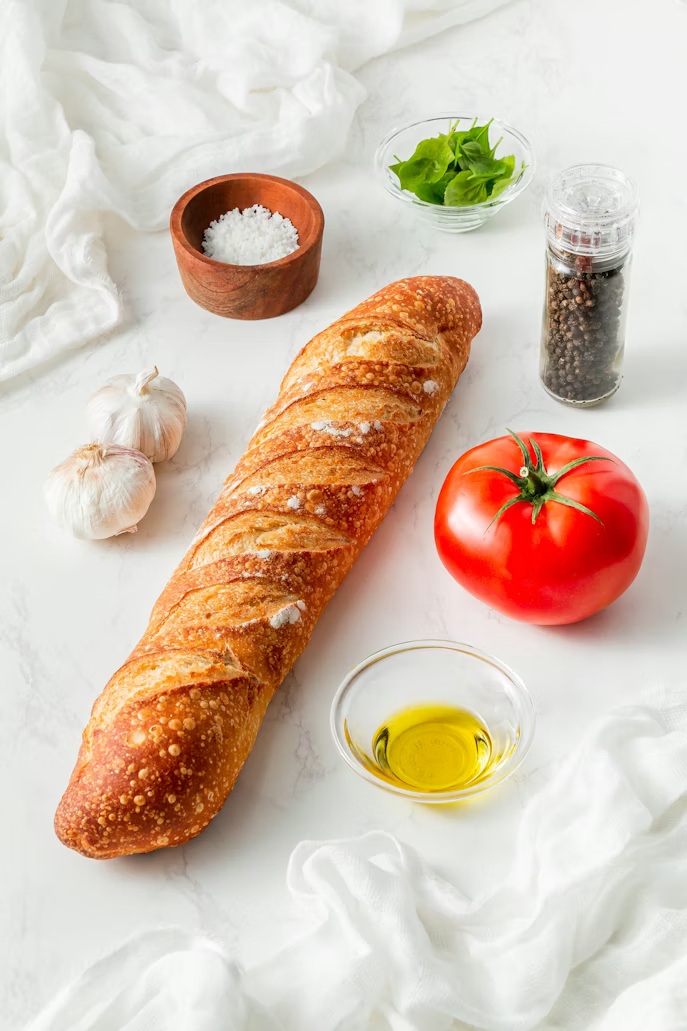
A: Yes, but the focus is on quality. Look for authentic, budget-friendly options like sourdough or breads with short ingredient lists (flour, water, salt, yeast). These are often less processed and more satisfying than packaged, sliced bread. Use it for dipping in olive oil or for hearty, open-faced sandwiches with beans and vegetables.

The Bottom Line

The Mediterranean diet proves that healthy eating doesn’t have to be expensive. With these 12 budget-friendly foods, you can enjoy a diverse range of flavors, textures, and nutrients while sticking to your grocery budget. Whether you’re preparing a hearty lentil soup, tossing together a berry parfait, or roasting potatoes with olive oil, these ingredients will help you eat clean, feel great, and save money.

This article is based on research and general nutritional guidelines. It is not a substitute for medical advice. Always consult a healthcare provider for personalized dietary recommendations.  

Mastering Calorie Management: Beyond “Calories In, Calories Out”

Quick Take

  • The thermic effect of food means protein calories cost 20-30% of their energy to digest, while fat costs 0-3%, making a calorie’s source metabolically significant.
  • Sustainable weight loss requires managing metabolic adaptation—the predictable slowdown of metabolism—not just creating a larger calorie deficit.
  • Adherence to a flexible diet (like the 80/20 rule) consistently outperforms rigid calorie counting for long-term weight maintenance.
  • Ultra-processed foods may be absorbed more efficiently than whole foods, effectively providing more “net calories” despite identical label numbers.

The foundational rule of weight management that you must burn more calories than you consume is mathematically true but biologically incomplete. Treating it as simple arithmetic leads to frustration and failure because it ignores the dynamic, adaptive systems of the human body. Your metabolism is not a passive furnace but a responsive endocrine system; the calories you absorb are not just a number on a label but a variable influenced by food quality and gut health. Effective energy management requires moving beyond basic math to understand the physiology that dictates how your body chooses to use those calories.

Is a “Calorie” Truly a Standard Unit of Energy in Your Body?

Direct Answer: No. While a calorie is a fixed unit of heat energy, your body’s net absorption and the metabolic cost of processing different calorie sources vary dramatically, meaning 100 calories of chicken and 100 calories of soda have profoundly different biological effects.

Explanation & Evidence

This difference is quantified by the thermic effect of food (TEF), the energy required to digest, absorb, and metabolize nutrients. Protein has a TEF of 20-30%, carbohydrates 5-10%, and fats 0-3%. Therefore, if you consume 100 calories of pure protein, your body uses 20-30 of those calories just to process it. Furthermore, the fiber in whole foods reduces the net absorbed calories. Studies show diets matched for calories but higher in protein and whole foods lead to greater fat loss, proving all calories are not metabolically equal.

Analysis & Application

This dismantles the idea of “a calorie is a calorie” for weight management. Focusing solely on the number ensures you miss the most powerful lever: food quality. Optimizing for high TEF (protein) and high fiber (plants) automatically increases energy expenditure and reduces net calorie absorption, making the “calories out” side of the equation work harder for you.

Your Application

Prioritize protein and fiber at every meal. Before reducing your calorie target, first ensure 30% of your calories come from protein and you’re consuming 30-40 grams of fiber daily. This improves the metabolic math in your favor before you cut a single calorie.

Why Does Your Metabolism “Fight Back” During Weight Loss?

Direct Answer: Through a process called metabolic adaptation, your body actively lowers its resting metabolic rate (RMR) in response to calorie restriction and weight loss as a survival mechanism, making continued loss progressively harder and regain biologically favored.

Explanation & Evidence

When you lose weight, you lose both fat and metabolically active muscle tissue. Your body also becomes more efficient, requiring less energy for the same functions. Hormones like leptin (which signals fullness) drop, while ghrelin (which signals hunger) rises. Research indicates this metabolic slowdown can account for a 15-20% reduction in daily energy expenditure beyond what’s expected from lost weight alone. This is the primary biological reason weight loss plateaus and why drastic, rapid dieting fails.

Analysis & Application

This means successful dieting is a negotiation with your metabolism, not a war. Aggressive deficits trigger a stronger adaptive response. The goal is to lose weight at a pace that minimizes this adaptation, preserving muscle mass and hormonal balance to keep your metabolic rate as high as possible.

Your Application

Implement a moderate deficit of no more than 500 calories below your maintenance level. Incorporate strength training at least twice weekly to explicitly signal your body to preserve muscle. Consider periodic “diet breaks” at maintenance calories for 1-2 weeks to help regulate leptin and ghrelin.

Does Rigid Tracking Lead to Better Results Than Flexible Guidelines?

Direct Answer: No. Long-term studies show that flexible, rule-based dietary patterns (e.g., focusing on food quality and meal timing) achieve equal or superior weight maintenance compared to rigid daily calorie counting, primarily due to drastically higher adherence and reduced psychological stress.

Explanation & Evidence

Rigid tracking has a high behavioral dropout rate. The cognitive load and psychological restriction often lead to rebound overeating. In contrast, frameworks like the 80/20 rule (80% whole foods, 20% flexibility) or simple plate method (1/2 plate vegetables, 1/4 protein, 1/4 carbs) create automatic habits without counting. The National Weight Control Registry notes that most successful long-term maintainers use consistent eating patterns and regular self-weighing, not meticulous daily logging.

Analysis & Application

This suggests that precision is useful for initial education but detrimental as a lifelong strategy for most. The key to sustainability is building a default eating pattern that aligns with your goals 80% of the time, allowing for life’s variability without guilt or derailment.

Your Application

For two weeks, stop counting calories. Instead, apply two simple rules: 

1) Eat a palm-sized portion of protein with every meal, and 

2) Fill half your plate with vegetables before adding anything else. 

This builds an automatic, sustainable structure.

How Do Ultra-Processed Foods Hijack the Calorie Equation?

Direct Answer: Ultra-processed foods are engineered for hyper-palatability and rapid digestion, which can increase calorie absorption, blunt satiety signals, and encourage overconsumption effectively altering both sides of the “calories in vs. out” equation in favor of weight gain.

Explanation & Evidence

These foods are often stripped of fiber and water, leading to faster gastric emptying and a reduced thermic effect. Their soft texture requires less chewing and less digestive work. Crucially, they disrupt gut-brain signaling; studies like the NIH’s landmark inpatient feeding trial found people consumed about 500 more calories per day on an ultra-processed diet versus an unprocessed one, even when meals were matched for presented calories, sugar, fat, and fiber.

Analysis & Application

This reveals a major flaw in tracking only calorie numbers: 500 “logged” calories from a protein bar and 500 calories from chicken and vegetables do not have the same impact on hunger, hormones, or subsequent intake. The processing level is a critical, often unlogged, variable.

Your Application

Read ingredient lists, not just nutrition labels. If a product contains industrial ingredients like emulsifiers, hydrolyzed proteins, or high-fructose corn syrup, treat it as your 20% flexibility foods, not your 80% core. Your body manages calories from whole foods far more effectively.

FAQ: Your Calorie Management Questions, Answered

Q: Should I eat back the calories I burn through exercise?
A: Generally, no. Fitness trackers and machines notoriously overestimate calorie burn. Eating them back can erase your deficit. Consider exercise calories a bonus toward your deficit, not a license to eat more. If you feel excessively hungry on workout days, add 100-200 calories from protein or complex carbs.

Q: How often should I recalculate my calorie needs?
A: Recalculate your Total Daily Energy Expenditure (TDEE) for every 10-15 pounds of weight lost, as your metabolism will have adapted. More importantly, pay attention to hunger cues and energy levels; if you’re consistently starving and progress has stalled, a small increase to maintenance for 1-2 weeks (a “diet break”) can be more effective than further restriction.

Q: Is it necessary to count calories to lose weight?
A: It is not necessary but is often instructive for a limited time. A 2-4 week period of meticulous tracking can be a powerful educational tool to understand portion sizes and the calorie density of foods. After this learning phase, transitioning to the habit-based strategies above is recommended for long-term sustainability.

Q: Why do I seem to gain weight so easily after a diet?
A: This is largely due to the metabolic adaptation and hormonal changes described. When you return to “normal” eating, your “normal” metabolic rate is now lower, and your hunger hormones are elevated. This is why a slow, phased approach to ending a diet reverse dieting by gradually increasing calories is crucial to lock in results.

Mastering energy balance is the art of managing a complex biological system, not solving a simple math problem. By prioritizing food quality to leverage the thermic effect, respecting metabolic adaptation with moderate deficits, adopting flexible behavioral rules over rigid counting, and minimizing ultra-processed foods, you work with your body’s physiology rather than against it. This nuanced approach transforms calorie management from a frustrating numbers game into a sustainable, psychologically freeing practice.

What is one step you can take this week swapping an ultra-processed snack for a whole-food alternative or adding a serving of protein to your lunch to begin working with, not against, your metabolic system?

This article is for informational purposes only and is not a substitute for professional medical or fitness advice. Always consult a certified personal trainer or physician before beginning any new exercise program, especially if you have pre-existing health conditions.