
Quick Take
- CoQ10 is critical for cellular energy production, and levels naturally decline with age.
- Statin medications for cholesterol can deplete the body’s CoQ10, contributing to side effects like muscle pain.
- Supplementation can improve heart function; a study found it significantly reduced mortality in heart failure patients.
- For better absorption, take CoQ10 with a meal containing healthy fats.
Coenzyme Q10 (CoQ10) is a powerful antioxidant that plays a crucial role in energy production and overall health. Naturally produced by the body, CoQ10 helps fuel cells, supports heart function, and protects against oxidative stress. However, levels decline with age, making supplementation beneficial for many people.
What Is CoQ10?
CoQ10 is essential for producing energy in your cells, primarily in the mitochondria, the “powerhouses” of the body. It also protects cells from oxidative stress and inflammation, which are linked to aging and chronic diseases. While your body produces CoQ10, factors like age, stress, and medications such as statins can deplete levels.
Health Benefits of CoQ10
1. Boosts Heart Health
CoQ10 may reduce blood pressure, improve symptoms of heart failure, and enhance overall heart function. According to a study published in the European Journal of Heart Failure, CoQ10 supplementation significantly reduced mortality rates in patients with heart failure.
2. Improves Energy and Exercise Performance
By supporting energy production, CoQ10 helps reduce fatigue and improve endurance, especially for athletes or those experiencing chronic fatigue. A study in the Journal of the International Society of Sports Nutrition found that CoQ10 supplementation enhanced performance in endurance athletes.
3. Supports Brain Health
CoQ10’s antioxidant properties protect the brain from oxidative damage, potentially reducing the risk of Alzheimer’s and Parkinson’s diseases.
4. Slows Aging
Research shows that CoQ10 improves skin elasticity and reduces wrinkles when taken orally or applied topically, thanks to its ability to combat free radicals.
5. Helps Manage Cholesterol
Statins, which are commonly prescribed for high cholesterol, can deplete CoQ10 levels, causing side effects like muscle pain. Supplementing with CoQ10 may help alleviate these symptoms.
Top CoQ10 Brands Compared
When choosing a CoQ10 supplement, factors like form, bioavailability, and additional ingredients matter. Below is a comparison of popular CoQ10 brands available in the U.S.:
1. Qunol Ultra CoQ10
- Pros: High bioavailability due to water and fat-soluble formulation. Available in soft gel form, making it easy to swallow. Widely recommended for heart health.
- Cons: Slightly more expensive than generic brands.
- Best for: Individuals seeking a high-absorption formula.
- Price: Around $30 for 60 soft gels.
- More about Qunol CoQ10
2. Nature Made CoQ10
- Pros: Affordable, widely available in drugstores. USP-verified for quality and purity.
- Cons: Standard formulation may not absorb as well as water-soluble options.
- Best for: Budget-conscious buyers.
- Price: Approximately $20 for 60 softgels.
- Learn more about Nature Made CoQ10
3. Doctor’s Best High Absorption CoQ10
- Pros: Features BioPerine (black pepper extract) for enhanced absorption. Affordable and vegan-friendly.
- Cons: Some users report mild digestive discomfort.
- Best for: Vegans or vegetarians looking for value.
- Price: $22 for 120 capsules.
- Doctor’s Best CoQ10 Details
4. NOW Foods CoQ-10
- Pros: Trusted brand offering a variety of strengths and formulations. Non-GMO and budget-friendly.
- Cons: Lacks advanced absorption technology.
- Best for: General supplementation.
- Price: $15–$25, depending on dosage.
- Read about NOW Foods CoQ10
For those prioritizing absorption, Qunol is a standout option. For affordability, Nature Made and NOW Foods are solid choices. Always look for third-party certifications like USP or NSF to ensure quality.
Natural Food Sources of CoQ10
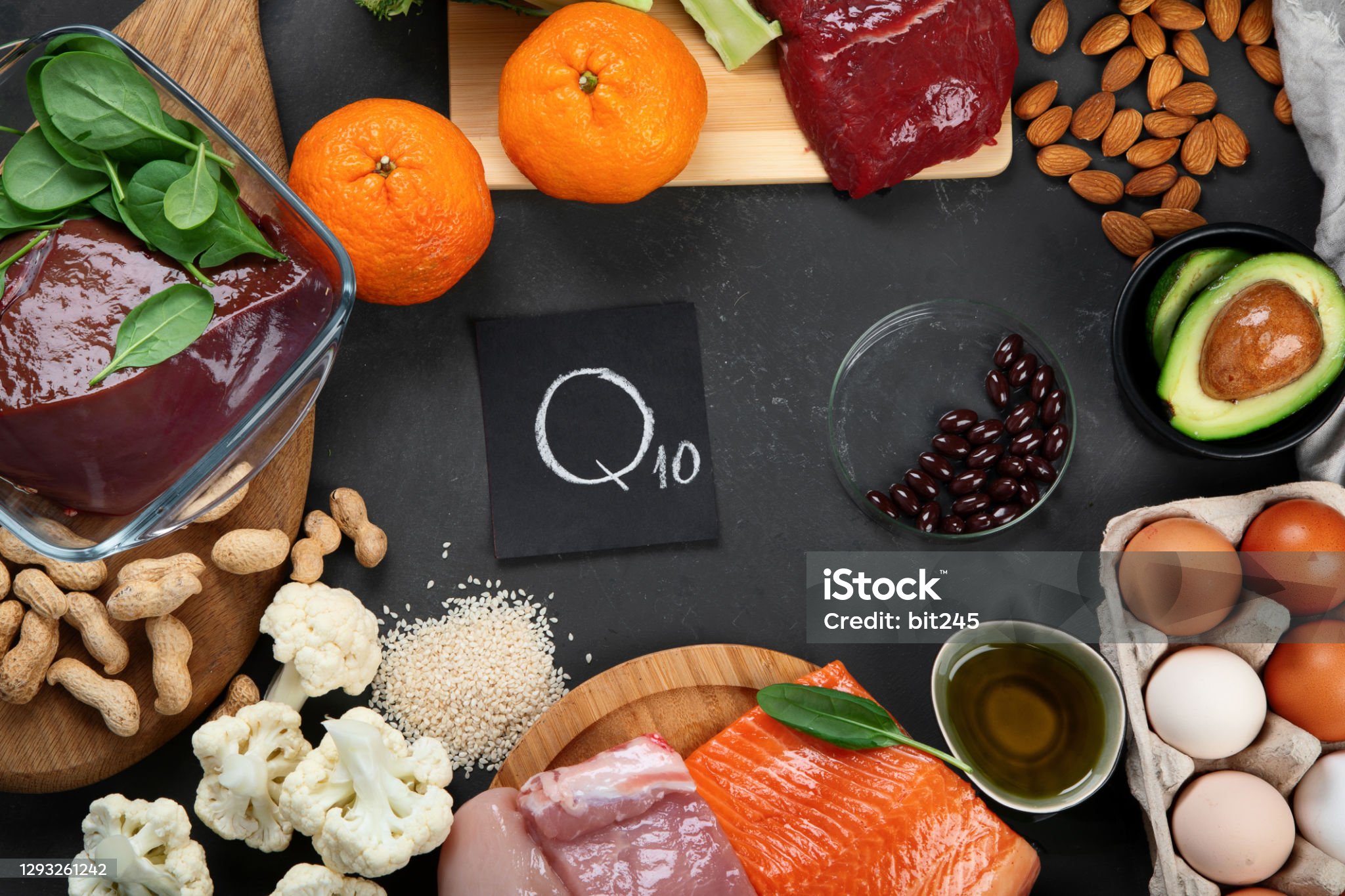
Although supplementation is often recommended for therapeutic doses, CoQ10 can also be found in these foods:
- Fatty fish (salmon, mackerel, tuna)
- Organ meats (liver, kidney, heart)
- Whole grains
- Spinach and broccoli
- Nuts and seeds
The natural content of CoQ10 in these foods is lower than in supplements, so combining both may provide the best results.
How to Use CoQ10 for Maximum Effect
- Dosage: Most studies recommend 100–300 mg daily, though your healthcare provider may suggest more for specific conditions.
- Timing: Take CoQ10 with meals containing healthy fats for better absorption.
- Consistency: CoQ10’s benefits accumulate over time, so regular daily use is key.
Is CoQ10 Safe?
CoQ10 is generally safe, but mild side effects like nausea, headaches, or upset stomach can occur in some individuals. Pregnant or breastfeeding women and those taking medications should consult a healthcare provider before starting CoQ10.
Why CoQ10 Is a Must-Have for Americans
With the prevalence of heart disease, fatigue, and age-related conditions in the U.S., CoQ10 is an accessible and effective way to support overall health. By choosing the right brand and dose, Americans can reap the benefits of this powerful nutrient while taking steps toward a healthier lifestyle.
FAQ: Your CoQ10 Questions, Answered
Q: What is CoQ10, and do I need a supplement?
A: CoQ10 is an antioxidant your body makes to help cells produce energy. You may benefit from a supplement if you are over 40, take statin medications, have a heart condition, or experience persistent fatigue, as levels decrease with age and certain medications.
Q: What’s the difference between ubiquinone and ubiquinol?
A: Ubiquinone is the oxidized form, and ubiquinol is the reduced, antioxidant form. Your body converts one to the other. Ubiquinol is often marketed as more “bioavailable,” especially for older adults, but high-quality ubiquinone is also effective and typically more affordable.
Q: Can CoQ10 really help with statin side effects?
A: Research suggests it can. Statins lower cholesterol but also reduce your body’s natural CoQ10 production, which may lead to muscle aches and weakness for some. Supplementing with CoQ10 has been shown in studies to help alleviate these symptoms.
Q: How long does it take to feel the effects of CoQ10?
A: For energy or exercise performance, you may notice a difference in a few weeks. For cardiovascular benefits, it often takes 8-12 weeks of consistent use to see measurable changes, as it works on a cellular level.
Q: Are there any side effects or interactions?
A: CoQ10 is generally well-tolerated. Mild side effects can include digestive upset or headaches. It may interact with blood-thinning medications like warfarin and potentially affect blood sugar and blood pressure. Always consult your doctor before starting, especially if you are on medication.
The Bottom Line
CoQ10 is a versatile supplement with proven benefits for energy, heart health, and aging. Whether you’re managing health conditions or simply looking to enhance your wellness, CoQ10 can play a vital role.
This article is for informational purposes only and does not substitute for professional medical advice. Consult your healthcare provider for personalized recommendations.
Share :

