
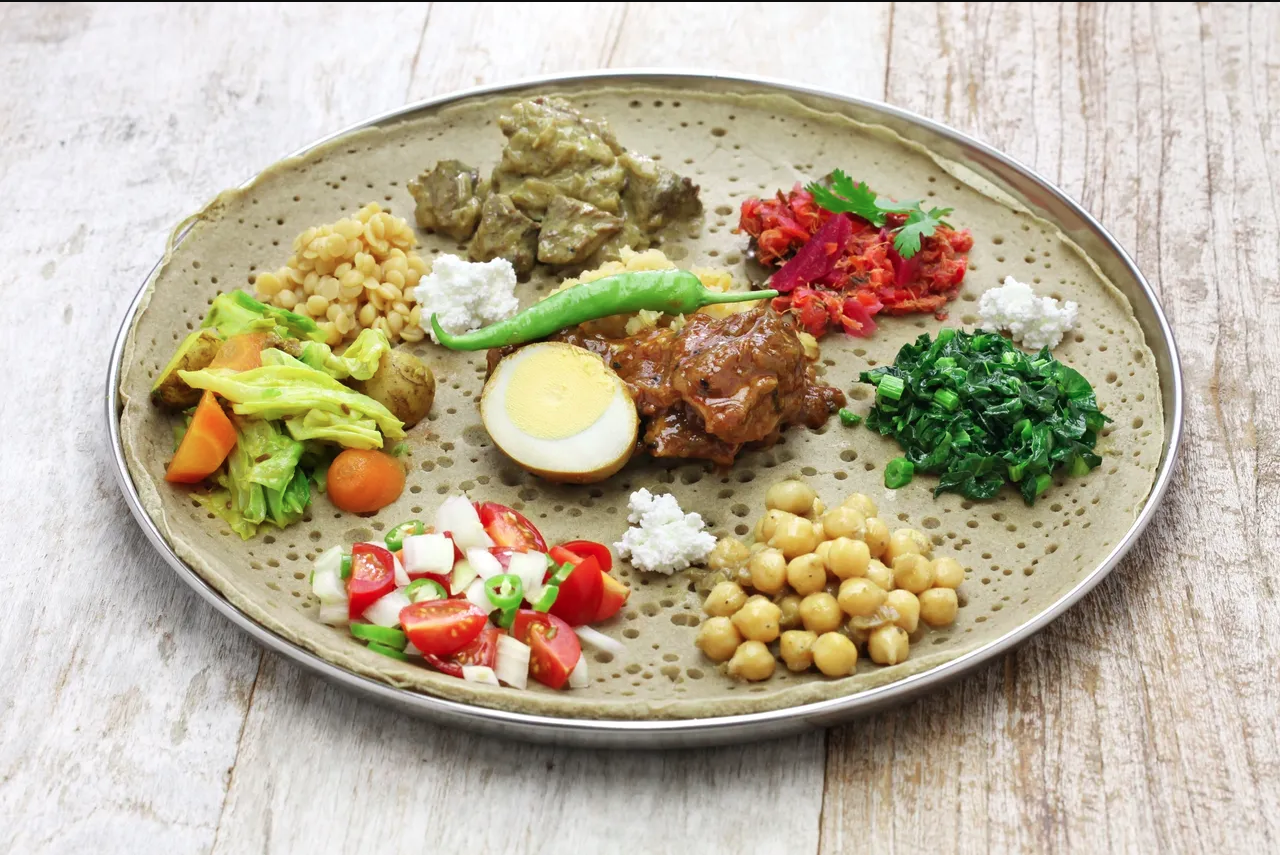
Most weight‑loss advice has long focused on simple arithmetic: eat fewer calories than you burn and the pounds will melt away. On the other side of the debate, nutritionists insist that it’s not just about the numbers, it’s about the quality of the calories you consume. So which is it; food quality or calorie quantity? The short answer is that both matter, but they influence our bodies in different ways. Understanding how they intersect can help you build a healthier diet and maintain a balanced weight without feeling deprived.
In this in‑depth guide, we’ll unpack the science behind caloric intake and nutrient quality, explore why not all calories are equal, and offer practical tips on balancing both sides of the equation. We’ll also tackle common myths and answer the questions people often search for online.
Calories 101: The Basics of Weight Loss
A calorie is a unit of energy. In nutrition, calories refer to the energy we get from food and the energy we expend through metabolism and movement. The principle of energy balance still holds: if you consume more calories than your body uses, you will gain weight; consume fewer and you will lose weight. This is why most weight‑loss plans involve some form of calorie reduction.
Energy deficit remains essential
A comprehensive review of weight‑loss strategies published in the Journal of Obesity & Metabolic Syndrome notes that a negative energy balance, eating fewer calories than you burn is the most important factor for weight loss. The authors acknowledge that the type and timing of foods matter, but energy deficit is “key” for losing weight. They also highlight that the body adapts to lower calorie intakes by slowing metabolism, a phenomenon called metabolic adaptation or the set‑point theory, which makes sustained weight loss challenging pmc.ncbi.nlm.nih.gov.
Even so, a purely mathematical view of calories ignores how different foods affect hunger, hormones, metabolism and long‑term health. Many people find that focusing only on calories leads to cycles of restriction and overeating without addressing the underlying drivers of appetite and energy expenditure.
Why Food Quality Matters: Nutrient density and satiety
Foods contain a vast array of nutrients beyond calories: vitamins, minerals, fiber, healthy fats and proteins. These nutrients influence satiety the feeling of fullness and how our bodies process energy. A widely cited article from Harvard’s Nutrition Source stresses that while calories matter, food quality is equally important. Researchers who followed more than 120,000 people for two decades found that diets rich in vegetables, whole grains, fruits, nuts and yogurt were associated with weight loss, whereas diets high in potato chips, refined grains and processed meats correlated with weight gain nutritionsource.hsph.harvard.edu.
The implication: choosing high‑quality foods often leads to natural calorie reductions without deliberate restriction.
Metabolism and microbiome
Dr. Fatima Cody Stanford, an obesity medicine specialist at Harvard Medical School, has argued that the old advice of “calories in, calories out” is antiquated and wrong. She points out that people have different metabolic rates, hormone profiles and gut microbiome compositions that influence how efficiently they burn calories health.harvard.edu. Emerging research shows that gut bacteria vary in their ability to extract calories from food and affect how hungry or satisfied we feel after a meal. Processed foods tend to alter our microbiota unfavorably, whereas high fiber plant foods support a more diverse, beneficial gut community.
Processed foods and overeating
Not all calories are equal when it comes to appetite. A controlled crossover study published in Cell Metabolism found that participants ate about 500 more calories per day when offered an ultra‑processed diet compared with an unprocessed diet, even when meals were matched for macronutrients, sugar, fat and fiber health.harvard.edu. The researchers attributed the difference to the hype palatability and soft texture of processed foods, which make them easy to over‑consume. A follow‑up analysis from the Macros Inc blog notes that people given minimally processed foods naturally consume fewer calories and feel fuller macrosinc.net.
From a practical standpoint, high‑quality foods like lean proteins, vegetables and whole grains generally have greater nutrient density, more vitamins, minerals and fiber per calorie which leads to longer‑lasting satiety. In contrast, processed snacks such as chips or sugary cereal deliver a lot of calories with minimal nutrients, leading to quick spikes and crashes in blood sugar. A health‑and‑wellness article sums it up by comparing 150 calories of almonds (protein, fiber, healthy fats) with 150 calories of potato chips (refined carbs, unhealthy fats) and almonds keep you fuller and steadier. However, the chips spike blood sugar and increase cravings howardhealthandwellness.com.
Hormonal and metabolic effects
Calories from different foods can trigger very different hormonal responses. High‑fiber fruits and vegetables slow the release of glucose into the bloodstream, reducing insulin surges and fat storage. Healthy fats and proteins stimulate hormones like GLP‑1 and PYY that signal fullness. By contrast, refined carbohydrates and added sugars can spike insulin and ghrelin (the hunger hormone), increasing appetite and fat storage. Healthline notes that while 100 calories of sugar and 100 calories of broccoli provide the same energy, the broccoli’s fiber and micronutrients lead to more satiety and improved metabolism. Foods also differ in how they affect our gut hormones and microbiota; donuts, for example, may leave us hungrier than apples healthline.com.
Evidence Supporting Calorie Quantity
Even though food quality matters, achieving and maintaining a healthy weight still requires managing total energy intake. A 2024 review in Critical Reviews in Food Science and Nutrition (not pictured here) summarized dozens of clinical trials and found that participants in low‑calorie diets consistently lost more weight than those eating maintenance calories. Similarly, an analysis by Achieve Oxfordshire explains that while nutrient‑dense foods help you feel fuller, you must still operate at a calorie deficit to lose weight. They stress portion control, physical activity and mental health management as components of a balanced weight‑loss strategy. achieveoxfordshire.org.uk
Overeating ultra‑processed foods drives weight gain
A recent report from Medical News Today summarizes a 2025 study suggesting that reducing calories particularly from ultra‑processed foods is more effective for weight loss than simply increasing exercise. The study emphasizes that the obesity epidemic is tied to what and how much we eat, not just sedentary lifestyles medicalnewstoday.com. While exercise has countless health benefits, researchers argue that you cannot outrun a poor diet; cutting calories from processed foods is the bigger lever for weight control.
Quantity matters for metabolic adaptation
It’s also important to appreciate that long‑term weight loss triggers hormonal changes that make continued weight reduction harder. The Journal of Obesity & Metabolic Syndrome review notes that low‑calorie diets produce weight loss but also decrease resting energy expenditure, prompting weight regain pmc.ncbi.nlm.nih.gov. This is why some people regain weight after a crash diet; the body’s metabolism adjusts to conserve energy. Maintaining weight loss requires a moderate calorie deficit rather than extreme restriction and may involve occasional re‑feeds or diet breaks to keep metabolism from plummeting.
Evidence Supporting Food Quality
Harvard’s Nutrition Source article highlights multiple long‑term studies demonstrating that people who priorities high‑quality foods are more successful at keeping weight off. In the Nurses’ Health Study and Health Professionals Follow‑Up Study (covering more than 120,000 participants), researchers noted that incremental diet changes adding more vegetables, fruits and whole grains while reducing processed snacks and sugary drinks correlated with gradual weight loss over many years nutritionsource.hsph.harvard.edu.
Microbiome and metabolism research
Several emerging studies show that diet quality alters gut bacteria in ways that may influence weight and disease risk. The ZOE project and the British Gut project found that people who ate at least 30 different plant foods per week had more diverse and robust microbiomes (with more “good” bacteria) than those who ate fewer types of plants zoe.com. Diverse microbiomes are associated with lower inflammation, improved insulin sensitivity and better metabolic health. Conversely, diets high in processed meats and refined carbs reduce microbiome diversity and promote harmful bacteria.
The ultra‑processed food environment
Our modern food environment is saturated with convenient, hyper‑palatable products. Tim Spector, a genetic epidemiologist and co‑founder of the ZOE nutrition program, points out that in the U.S. and U.K. about 60% of adult diets and close to 70% of children’s diets consist of ultra‑processed foods. These foods are engineered to be “bliss point” perfect, encouraging overeating and driving obesity. Spector notes that moving from an unhealthy to a healthier diet – even later in life can add five to ten years of healthy life zoe.com. That’s a powerful argument for focusing on food quality alongside quantity.
Quality supports mental health and energy
Quality calories impact mood and energy differently than empty calories. Whole foods provide steady fuel, whereas sugary snacks cause quick highs and crashes. A health‑and‑wellness article emphasizes that nutrient‑dense foods reduce stress, regulate mood and support brain function, making it easier to stick to healthy habits howardhealthandwellness.com. Harvard Health further notes that a diet rich in fiber, protein and healthy fats supports stable blood sugar, improving energy and mental performance health.harvard.edu.
Food Quality vs Quantity: Finding the Sweet Spot
There’s no denying that total energy intake determines whether you gain or lose weight. However, what makes up those calories determines how satisfied you feel, how your hormones respond and how easily you can maintain a calorie deficit. Eating 2,000 calories of chips, soda and white bread will affect your body very differently than eating the same amount of vegetables, fish and nuts.
Quality and quantity are interdependent: choosing high‑quality foods often leads you to naturally eat fewer calories because these foods are more filling and less likely to trigger cravings macrosinc.net. Conversely, focusing purely on calories without considering nutrition can lead to nutrient deficiencies, hormonal imbalances and a constant battle with hunger.
Individual variation
Genetics, age, activity level and gut microbiome all influence how your body processes different foods and calories. Some people can eat more carbohydrates without blood‑sugar spikes, while others respond better to higher protein or healthy fats. The University of Sydney’s Professor Luigi Fontana notes that there is no universal “best” diet; rather, both quantity and quality should be tailored to individual needs. He recommends replacing refined foods with high‑fiber vegetables, stopping eating when about 80% full and practicing time‑restricted eating to improve metabolic health sydney.edu.au.
Practical Tips to Balance Quality and Quantity
Here are actionable ways to combine smart calorie management with nutrient‑dense eating:
- Fill half your plate with non‑starchy vegetables. Leafy greens, colorful vegetables and low‑glycemic fruits are low in calories yet rich in fiber, vitamins and antioxidants. They bulk up meals so you feel satisfied on fewer calories.
- Priorities lean protein. Include sources such as fish, poultry, beans, tofu and yogurt. Protein is highly satiating and preserves muscle mass during weight loss. It also blunts blood sugar spikes from carbohydrates.
- Choose healthy fats. Incorporate extra virgin olive oil, avocados, nuts and seeds in moderation. These fats raise HDL (“good”) cholesterol and support hormone balance howardhealthandwellness.com.
- Limit ultra‑processed foods and added sugars. Packaged snacks, sugary beverages and refined grains deliver empty calories that spike hunger and are easy to over‑eat health.harvard.edu. Swap them for whole‑food snacks like nuts, fruit or plain yogurt.
- Use the 80/20 guideline. Macros Inc suggests aiming for 80% whole, minimally processed foods and 20% indulgent foods macrosinc.net. This approach satisfies cravings without derailing your calorie goals.
- Watch your portions. Even healthy foods can contribute to weight gain if you eat too much. Use smaller plates, measure portions, and pay attention to hunger cues achieveoxfordshire.org.uk.
- Practice mindful eating. Slow Sometimes thirst masquerades as hunger. Adequate sleep supports hormone balance and reduces cravings eating. Keeping a food journal or using an app can increase awareness without obsessive tracking.
- Stay hydrated and sleep well. Sometimes thirst masquerades as hunger. Adequate sleep supports hormone balance and reduces cravings health.harvard.edu.
- Consider time‑restricted eating. Finishing meals within an 8–10 hour window may improve insulin sensitivity and support weight management sydney.edu.au. Start gradually if you’re new to this approach.
- Get professional guidance. A registered dietitian can help tailor a plan based on your medical history, preferences and goals. They can also help interpret advanced lipid panels and microbiome tests if you’re curious about deeper markers.
Frequently Asked Questions
Q: Are all calories equal?
A:From an energy standpoint, yes – a calorie is a unit of energy. For weight loss, a calorie deficit is necessary pmc.ncbi.nlm.nih.gov. However, calories from different foods affect hormones, hunger, microbiota and metabolic health differently. That’s why 200 calories of vegetables and protein will leave you fuller and more nourished than 200 calories of candy healthline.com.
Q: Do I need to count calories?
A: It depends. Some people find calorie tracking helpful, especially when starting a weight‑loss plan. Others achieve success by emphasizing whole foods and listening to their body’s hunger signals. If you’re consistently gaining weight or struggling to lose, a period of structured tracking can help you identify where calories may be sneaking in.
Q: Can I lose weight by eating healthy foods without cutting calories?
A: Possibly, especially if your current diet is heavy in processed foods. High‑quality foods are more satiating and may naturally lead to fewer calories macrosinc.net. However, if you have a small appetite or already eat healthy foods, you may still need to monitor portions.
Q: What are nutrient‑dense foods?
A: Foods that deliver a high concentration of vitamins, minerals, fiber and other beneficial compounds relative to their calorie content. Think vegetables, fruits, beans, nuts, seeds, fish and lean meats.
Q: How many calories should I eat per day?
A: It varies based on age, sex, body composition, activity level and goals. Calculators can estimate your daily energy needs, but they’re only starting points. Adjust based on progress and how you feel.
Q: What about intermittent fasting?
A:Time‑restricted eating (eating within an 8–12‑hour window) can help some people reduce calories and improve metabolic health sydney.edu.au. But it’s not a magic fix; quality and quantity still matter.
Q: Is it unhealthy to eat ultra‑processed foods occasionally?
A: An occasional treat won’t derail your health. It’s the habitual consumption making up 60–70% of diets in the U.S. and U.K (zoe.com) that contributes to chronic diseases. Use the 80/20 rule: focus on whole foods most of the time and enjoy treats in moderation macrosinc.net.
Quality and Quantity Go Hand in Hand
The debate between food quality and calorie quantity often creates false dichotomies. The evidence shows that both are important, and each influences the other. Managing your energy balance is essential for weight loss, but focusing on nutrient‑dense foods will make that calorie control easier, support a healthy metabolism, and provide long‑term benefits for heart health, gut health, mood and longevity.
Switching from an ultra‑processed, high‑calorie diet to one rich in plants, lean proteins and healthy fats can add years even decades of healthy life zoe.com. Meanwhile, slashing calories without considering nutrition can backfire by slowing metabolism and increasing hunger. The key is to find a balanced approach that fits your lifestyle, honors your preferences and emphasizes sustainable habits. Small, consistent changes – like adding more vegetables and cutting back on processed snacks – can yield big results over time.
Remember that there is no one‑size‑fits‑all diet. Listen to your body, stay flexible, and seek professional guidance if you’re unsure. The journey to better health is about progress, not perfection.
This article is for educational purposes only and is not intended as medical advice. Always consult a qualified healthcare professional before making major changes to your diet or exercise routine.
Share :

