
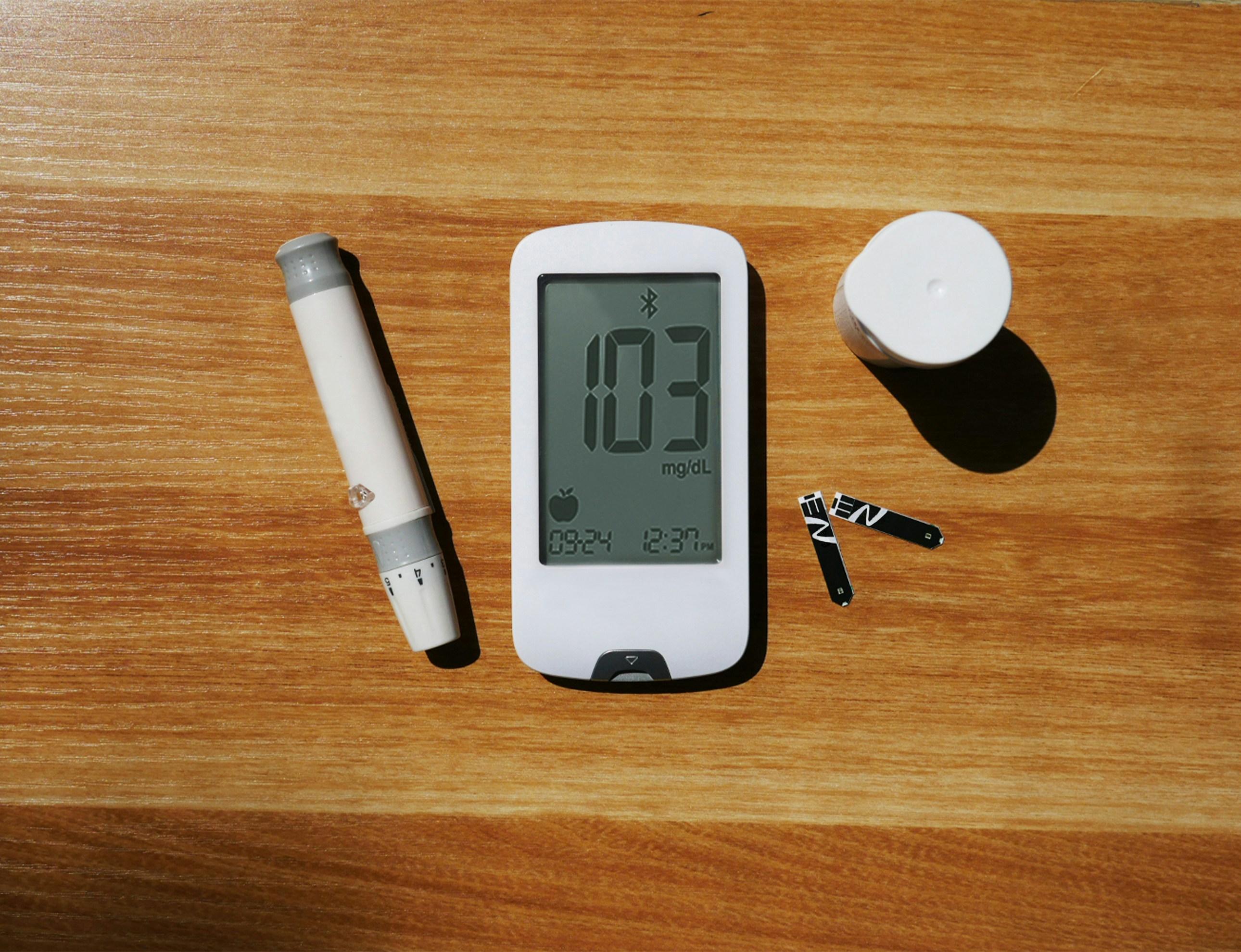
Glucagon‑like peptide‑1 (GLP‑1) drugs such as Ozempic, Wegovy, and Mounjaro have surged in popularity as powerful weight‑loss aids. Originally designed to treat type 2 diabetes, these medications curb appetite and promote significant weight loss by altering gut hormones. Yet questions remain about how they affect muscle, metabolism, exercise, and nutrition. This guide unpacks the science of GLP‑1 receptor agonists, highlights potential drawbacks, and offers actionable tips to stay healthy and strong while using them.
What Are GLP‑1 Weight‑Loss Drugs?
GLP‑1 is a hormone released by the intestines after eating. It signals the pancreas to increase insulin and decrease glucagon (the hormone that raises blood sugar), and it slows stomach emptying. Synthetic GLP‑1 drugs mimic these effects. They not only help control blood sugar but also act on the brain to enhance feelings of fullness my.clevelandclinic.org. This dual action makes GLP‑1 agonists potent tools for weight management.
Several medications fall into this class. Semaglutide is sold as Ozempic for diabetes and as Wegovy for obesity. Tirzepatide (Mounjaro) combines GLP‑1 with another hormone called GIP and shows even larger weight loss in trials. Other GLP‑1 drugs include exenatide (Byetta, Bydureon), dulaglutide (Trulicity), liraglutide (Victoza, Saxenda) and lixisenatide (Adlyxin).
How GLP‑1 drugs work
These medications mimic the natural hormone GLP‑1. They increase insulin and suppress glucagon when blood sugar is high. They also slow gastric emptying, meaning food remains in the stomach longer and promotes a feeling of fullness my.clevelandclinic.org. Because they act only when blood sugar is elevated, GLP‑1 drugs carry less risk of causing dangerously low blood sugar than insulin or sulfonylureas health.harvard.edu. Most are injected once a week.
Weight‑Loss Results and the Muscle‑Mass Question
Clinical trials show that weekly semaglutide injections at higher doses (Wegovy) can lead to weight loss of 15 % or more. Tirzepatide (Mounjaro) has demonstrated losses of 15–21 % in some studies. However, research suggests that a significant portion of this weight loss may come from lean body mass. An Endocrine Society study found that about 40 % of weight lost with semaglutide was lean mass. Lean mass includes muscle and bone, so losing too much can raise health risks. Older adults and women appear to lose more lean mass than younger men endocrine.org.
Not all findings are alarming. A 2022 study on tirzepatide reported that the ratio of fat to lean mass lost was comparable to that seen with diet and exercise alone. Experts from Massachusetts General Hospital note that any significant weight‑loss plan results in some muscle loss, and GLP‑1 drugs are not uniquely harmful. Even so, preserving muscle matters because it supports independence, protects bones, and aids blood-sugar control massgeneral.org.
Why lean‑mass loss matters
Muscle tissue is metabolically active: it helps regulate blood sugar, boosts resting metabolism, and allows us to move with ease. Losing muscle can slow metabolism, increase frailty, and make weight regain more likely. The Endocrine Society warns that excessive lean‑mass loss during GLP‑1 therapy may reduce the drug’s benefits by lowering insulin sensitivity endocrine.org. This makes nutrition and exercise strategies essential for people using these medications.
Possible Side Effects and Risks
Most users experience some gastrointestinal discomfort. Nausea, vomiting, diarrhea, constipation, and abdominal pain are the top complaints. Starting at a low dose and slowly increasing it often eases these issues. Other common side effects include headaches, dizziness, fatigue, and injection‑site irritation health.harvard.edu.
Rare but serious risks
Serious complications are uncommon but worth noting. Pancreatitis, gallbladder problems, and kidney issues have been reported. Animal studies suggest an increased risk of thyroid tumors, though this hasn’t been confirmed in humans health.harvard.edu. Combining GLP‑1 drugs with insulin or certain diabetes pills can cause hypoglycemia because insulin secretion is boosted my.clevelandclinic.org. Very rarely, severe allergic reactions occur.
Muscle loss and metabolic slowdown
Rapid weight loss and appetite suppression can lead to inadequate protein intake and reduced physical activity—both of which increase muscle loss risk. Physicians at Mass General Brigham note that many patients on GLP‑1 drugs reduce exercise because of nausea or fatigue. To counter this, they encourage maintaining protein intake and incorporating resistance training. Another concern is metabolic adaptation: when people lose weight quickly, their metabolism often slows and hunger hormones rise. Omada Health warns that if someone stops taking a GLP‑1 drug and hasn’t built sustainable habits, they may regain weight quickly resourcecenter.omadahealth.com.
Safe Exercise Guidelines for People on GLP‑1 Drugs
Exercise remains a cornerstone of long‑term health and helps preserve muscle while losing weight. Here’s how to train safely while taking GLP‑1 medications.
- Consult your healthcare team. Before starting an exercise program, talk to your doctor or a qualified fitness professional. They can check for conditions that may be affected by medication and advise on blood sugar management during workouts.
- Start slowly and listen to your body. GLP‑1 drugs slow stomach emptying, so exercising right after eating may be uncomfortable. Leave extra time for digestion and choose low‑impact activities like walking or gentle cycling if nausea or dizziness occurs witseducation.com. Begin with short sessions (5–10 minutes) and increase duration as you feel capable.
- Prioritize resistance training. Lifting weights or using resistance bands is the most effective way to protect lean muscle. Aim for 2–3 sessions per week covering all major muscle groups. Exercises such as squats, lunges, rows, chest presses, and overhead presses strengthen muscles and bones. Researchers suggest that combining sufficient protein intake with resistance training helps safeguard muscle during GLP‑1 treatment endocrine.org.
- Add aerobic activity. Cardiovascular exercise improves heart health and insulin sensitivity. Try to accumulate about 150 minutes of moderate‑intensity cardio like brisk walking, cycling, or swimming each week. Short “exercise snacks” of 10 minutes each, spread throughout the day, can also be effective and easier on the digestive system resourcecenter.omadahealth.com.
- Mix intensity levels carefully. Most workouts should be moderate. Including occasional high‑intensity intervals can boost fitness, but don’t push to exhaustion if you’re experiencing side effects. Low‑impact options such as biking or elliptical machines may be more comfortable than running when nausea is present witseducation.com.
- Don’t neglect flexibility and recovery. Stretching, yoga, or Pilates helps maintain joint mobility and reduce injury risk. Get enough sleep and schedule at least one rest day per week. Watch for signs of overtraining, such as persistent fatigue or declining performance.
- Monitor blood sugar and hydration. If you use insulin or sulfonylureas along with a GLP‑1 drug, keep an eye on blood sugar during exercise to avoid hypoglycemia. Always carry fast‑acting carbohydrates if you’re at risk. Because vomiting or diarrhea can cause dehydration, drink plenty of water and consider electrolyte supplements. Health experts recommend at least 64 oz (about 2 litres) of water daily for GLP‑1 users health.osu.edu.
Nutrition Tips to Support Muscle and Metabolism
Diet complements medication and exercise. Here are key nutrition guidelines:
- Emphasize protein. Aim for around 1.2 grams of protein per kilogram of bodyweight uchealth.org. Protein-rich foods such as poultry, fish, eggs, dairy, legumes, tofu will preserve muscle and aid recovery. Smoothies or Greek yogurt are useful for small, protein-dense meals when appetite is low.
- Load up on fiber and vegetables. GLP‑1 drugs can cause constipation. Eating plenty of fiber-rich fruits, vegetables, whole grains, and legumes supports digestion. Cleveland Clinic dietitians recommend focusing on these foods my.clevelandclinic.org. Fiber also slows digestion and stabilizes blood sugar.
- Choose healthy fats and complex carbs. Olive oil, avocado, nuts, seeds, and complex carbohydrates such as brown rice and quinoa provide steady energy and nutrients. Limit saturated fats and fried foods, which can worsen nausea health.osu.edu.
- Limit ultra‑processed and high‑fat foods. Processed snacks and greasy meals are harder to digest. Health experts advise avoiding fried foods, spicy dishes, and sugary or carbonated beverages health.osu.edu.
- Eat small, frequent meals. Large meals may feel uncomfortable because GLP‑1 drugs slow stomach emptying. UCHealth dietitians suggest cutting portion sizes in half and eating smaller meals every few hours uchealth.org. This helps maintain protein intake without overwhelming your stomach.
- Stay hydrated. Adequate fluid intake aids digestion and protects the kidneys. Aim for at least 64 oz of water a day health.osu.edu, and add electrolytes during heavy exercise or if experiencing nausea or diarrhea.
- Work with a dietitian. Everyone’s needs differ. A registered dietitian can tailor your protein and calorie goals, adjust for other medical conditions, and help manage side effects.
Frequently Asked Questions
Q: Do GLP‑1 drugs cause muscle loss?
A: Any significant weight‑loss method may lead to some lean‑mass loss. Studies suggest up to 40 % of weight lost on semaglutide may be lean tissue endocrine.org, although other research shows the fat‑to‑lean loss ratio is similar to diet and exercise massgeneral.org. You can protect muscle by eating adequate protein and performing resistance training regularly.
Q: What are the most common side effects?
A: The most frequently reported issues are nausea, vomiting, diarrhea, constipation, and abdominal discomfort health.harvard.edu. Injection-site reactions, headaches, and dizziness also occur. Starting with a low dose and eating slowly can help.
Q: Can I exercise while using Ozempic or Wegovy?
A: Yes. Exercise is strongly encouraged to preserve muscle and boost metabolism. Begin slowly, give yourself time to digest meals, and blend resistance training with moderate cardio witseducation.com.
Q: How should I adjust my diet?
A: Focus on nutrient-dense food, lean proteins, fiber-rich vegetables, whole grains, and healthy fats my.clevelandclinic.org. Avoid large meals and limit processed and high-fat foods. Adequate hydration and protein are critical uchealth.org.
Q: Do GLP‑1 drugs pose long-term risks?
A: Serious adverse events such as pancreatitis and thyroid tumors are rare my.clevelandclinic.org. Lean-mass loss is a concern, particularly for older adults endocrine.org. Regular check-ins with your healthcare provider, balanced nutrition, and consistent exercise reduce risks.
The Bottom Line
GLP‑1 receptor agonists like Ozempic, Wegovy, and Mounjaro are potent tools for weight loss. They work by boosting insulin, suppressing glucagon, slowing stomach emptying, and enhancing satiety. However, they are not magic bullets. They can cause gastrointestinal side effects and reduce lean mass.
To make the most of these drugs, pair them with adequate protein intake, regular strength and cardio training, thoughtful meal planning, and proper hydration. Always consult your healthcare team before starting or adjusting any medication, diet, or exercise program. With the right support and habits, you can maximize benefits, maintain muscle, and protect your health while using GLP‑1 weight‑loss medications.
This article provides educational information and should not be taken as medical advice. Always consult a qualified healthcare professional for personalized guidance.
Share :

