
Quick Take
- Certain foods can help regulate key hormones like cortisol, insulin, and estrogen.
- Balancing hormones naturally can support fat loss, reduce bloating, and boost energy levels.
- A hormone-friendly diet includes high-fiber vegetables, healthy fats, quality protein, and specific micronutrients.
- Chronic stress, poor sleep, and blood sugar spikes can throw hormones off balance. Diet can help stabilize them.
When your hormones are off, it doesn’t matter how clean you eat or how hard you train—you’ll still feel sluggish, moody, and stuck in a cycle of weight gain and burnout. The fix? Eat to support your hormones. From cortisol to insulin and estrogen, the foods you eat every day directly affect your hormonal balance, metabolism, and energy.
Let’s dive into the most effective hormone-balancing foods and how to build a daily routine around them to feel lighter, leaner, and more energized.
Why Hormones Matter for Fat Loss and Energy
Hormones are chemical messengers that regulate your metabolism, appetite, stress response, and how your body stores fat. Key players include:
- Cortisol: The primary stress hormone. Chronic elevation can lead to belly fat and fatigue.
- Insulin: Controls blood sugar. Imbalance can cause energy crashes and fat storage.
- Estrogen: Affects fat distribution, especially in women. Excess estrogen can cause bloating and slow weight loss.
- Thyroid hormones: Regulate metabolism. Low levels can make it harder to lose weight.
Eating the right foods can support hormonal harmony and help you break free from the “wired but tired” cycle.
1. Cruciferous Vegetables
Examples: Broccoli, cauliflower, Brussels sprouts, kale
Why they help: These veggies support liver detoxification, especially for excess estrogen. They’re rich in indole-3-carbinol, which aids estrogen metabolism.
Tip: Lightly steam or sauté to reduce bloating while preserving nutrients.
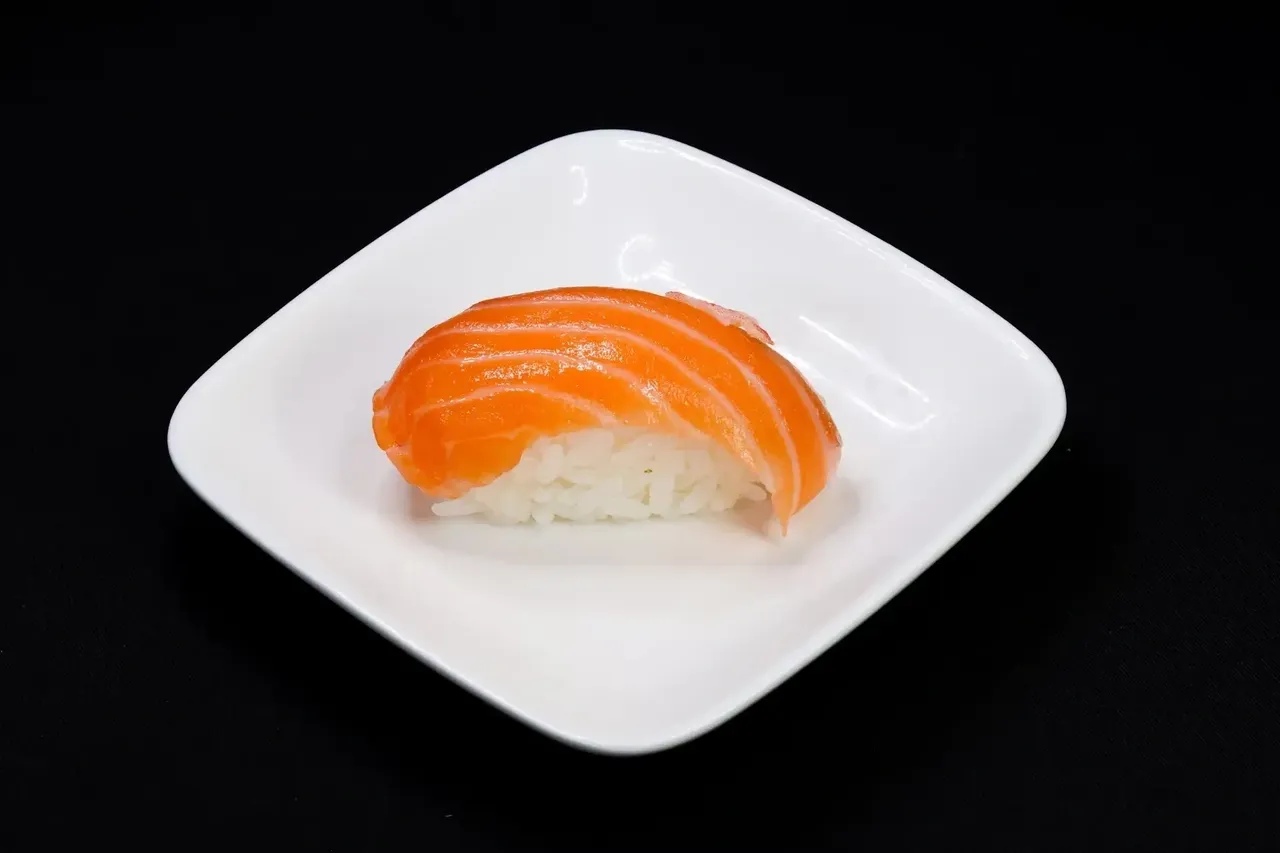
2. Wild-Caught Fatty Fish
Examples: Salmon, sardines, mackerel
Why they help: Rich in omega-3s, which lower inflammation and support insulin sensitivity. Research from the NIH shows omega-3s improve hormonal health and mood.
Meal idea: Grill salmon with lemon and pair it with leafy greens and quinoa.
3. Flaxseeds
Why they help: A great source of lignans, which help modulate estrogen levels. They’re also fiber-rich, aiding digestion and hormone detox.
Tip: Add 1 tablespoon of ground flax to your morning smoothie or oatmeal.
4. Leafy Greens
Examples: Spinach, arugula, Swiss chard
Why they help: High in magnesium, which supports cortisol regulation and reduces PMS symptoms. They’re also alkalizing and anti-inflammatory.
Try this: A big leafy green salad with avocado and grilled chicken.
5. Avocados
Rich in fiber, potassium, and healthy monounsaturated fats, avocados help lower cortisol and improve insulin sensitivity.
Bonus: They also support skin and hormone health with vitamin B6 and folate.
6. Berries
Examples: Blueberries, raspberries, strawberries
Why they help: Low in sugar, high in antioxidants. They reduce oxidative stress, which helps rebalance cortisol and supports estrogen metabolism.
Snack idea: Greek yogurt with berries and a sprinkle of chia seeds.
7. Fermented Foods
Examples: Sauerkraut, kimchi, kefir, yogurt
Why they help: Gut health is tied to hormone regulation. A healthy gut microbiome improves estrogen processing and reduces inflammation.
Add fermented foods daily to balance your gut and hormones.
8. Eggs
Why they help: A complete protein packed with omega-3s and vitamin D. Protein supports muscle maintenance and stabilizes insulin levels.
Breakfast idea: Veggie omelet with spinach, mushrooms, and feta.
9. Green Tea
Why it helps: Contains L-theanine, which promotes calm without drowsiness. Also supports metabolism and fat burning.
Bonus: Some studies link green tea to reduced cortisol levels.
10. Sweet Potatoes
Why they help: Complex carbs support serotonin production and reduce cortisol. They also provide fiber and steady energy without sugar crashes.
Try roasted sweet potato wedges with olive oil and herbs.
Bonus Tips for Hormonal Health
- Prioritize sleep: Lack of sleep spikes cortisol and ghrelin (the hunger hormone).
- Minimize added sugar and refined carbs: They cause insulin spikes that disrupt hormone balance.
- Stay hydrated: Even mild dehydration stresses the body and raises cortisol.
- Use herbs adaptogens like ashwagandha: Some research shows they help regulate cortisol.
Build a Daily Meal Plan for Hormone Health
Breakfast: Greek yogurt with berries, ground flax, and cinnamon
Lunch: Grilled salmon over leafy greens with olive oil, avocado, and roasted veggies
Snack: Green tea and a boiled egg or a handful of walnuts
Dinner: Chicken stir-fry with broccoli, mushrooms, and sweet potato
Final Thoughts
Balancing your hormones through diet is one of the most powerful ways to support your energy, mood, and metabolism. Start with nutrient-dense whole foods, avoid sugar spikes, and aim for fiber, healthy fats, and clean proteins at every meal.
Over time, you’ll feel the difference — better sleep, better energy, fewer cravings, and yes, more effective fat loss.
This article is for informational purposes only and does not replace medical advice. Always consult a healthcare provider before making changes to your diet or supplement routine.
Share :

