
Quick Take
- Let chopped broccoli rest 40 minutes before cooking to maximize the production of sulforaphane, a potent anti-cancer compound.
- Switch from non-stick to stainless steel or ceramic cookware to avoid PFAS “forever chemicals” that can disrupt metabolism and hormones.
- Always pair turmeric with black pepper; the piperine in pepper boosts curcumin absorption by up to 2000%, dramatically increasing its anti-inflammatory benefits.
- Prioritize fiber from legumes (lentils, chickpeas); studies show legume fiber is associated with a significantly greater reduction in colon cancer risk compared to other fibers.
In the pursuit of health, we often overlook the profound power of daily habits. What if the most impactful “supplements” for longevity aren’t in a bottle, but are already in your kitchen? This isn’t about exotic superfoods or complex recipes; it’s about applying simple, science-backed principles to unlock the hidden potential in everyday meals.
By making a few deliberate adjustments to how you prepare and combine foods, you can transform your cooking routine into a strategic foundation for a longer, healthier life. Here are four powerful, evidence-based kitchen hacks that leverage food science for measurable health benefits.
Should You Really Let Chopped Broccoli Sit Before Cooking?
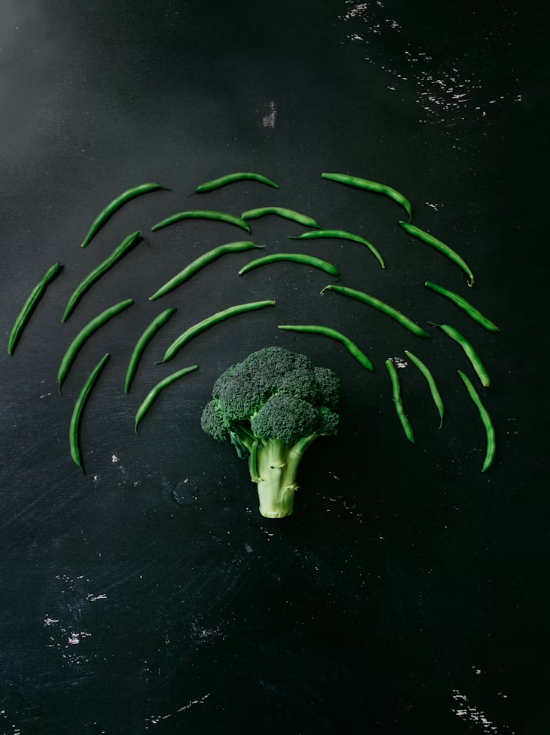
Direct Answer: Yes. Allowing chopped broccoli, cauliflower, or other cruciferous vegetables to rest for 30-40 minutes before cooking dramatically increases the formation of sulforaphane, a powerful, health-protective compound.
Explanation & Evidence
Chopping these vegetables activates an enzyme called myrosinase. This enzyme converts precursor compounds into sulforaphane, but heat rapidly destroys it. The resting period gives the enzyme time to work before cooking halts the process.
Research highlights sulforaphane as “one of the strongest anti-cancer compounds you can find in food,” with studies also pointing to its benefits for detoxification and metabolic health.
Analysis & Application
Make this a prep habit: chop your broccoli first when you start cooking. Let it sit on the cutting board while you prepare other ingredients. This small timing shift ensures you get the maximum bioactive benefit from your vegetables, turning a simple side dish into a functional food.
Is Your Non-Stick Pan a Hidden Source of Toxins?
Direct Answer: Very likely. Conventional non-stick cookware can release per- and polyfluoroalkyl substances (PFAS) when heated—persistent chemicals linked to long-term health risks. Switching to stainless steel, cast iron, or certified ceramic non-stick is a safer choice.
Explanation & Evidence
PFAS are “forever chemicals” that accumulate in the body and environment. Heating non-stick coatings, especially if scratched or overheated, can cause these chemicals to leach into food and air.
Studies indicate that exposure to PFAS can have a negative impact, potentially “messing with your metabolism, hormones, and fertility.” Choosing your cookware is a foundational step in creating a non-toxic kitchen.
Analysis & Application
Invest in high-quality stainless steel or enameled cast iron for most cooking. For eggs or delicate foods, use a well-seasoned cast iron pan or a reputable ceramic non-stick option. This change reduces your daily exposure to metabolic disruptors, supporting your body’s natural systems.
Why is Turmeric Useless Without Black Pepper?
Direct Answer: Curcumin, the active compound in turmeric, is poorly absorbed. Piperine, a compound in black pepper, inhibits its metabolism in the gut, boosting curcumin’s bioavailability by up to 2000%, making its anti-inflammatory effects possible.
Explanation & Evidence
Without piperine, most curcumin passes through your system unused. Piperine slows the liver’s process of breaking down curcumin, allowing it to remain in the bloodstream longer and at higher levels.
This synergy means the “antioxidant, anti-inflammatory, and metabolic benefits last longer.” It’s a prime example of food synergy, where combining ingredients creates an effect greater than the sum of its parts.
Analysis & Application
Never use turmeric alone. Always add a generous pinch of black pepper (about a 1:10 ratio of pepper to turmeric). This applies to golden milk, curries, soups, and even scrambled eggs. For a concentrated boost, look for curcumin supplements that include piperine or BioPerine®.
Are Lentils and Chickpeas Superior to Other Fibers?
Direct Answer: For specific, powerful health outcomes, yes. While all fiber is beneficial, the unique fiber and resistant starch in legumes (beans, lentils, chickpeas) are associated with a disproportionately greater reduction in the risk of serious conditions like colon cancer.
Explanation & Evidence
Legume fiber fosters a gut environment that produces protective compounds like butyrate. Research quantifying this benefit shows a striking difference.
One analysis found that consuming 10 grams of legume fiber daily was linked to a 32% reduction in colon cancer risk, compared to just a 10% reduction from the same amount of other dietary fibers. This highlights the importance of source-specific nutrition.
Analysis & Application
Aim to integrate legumes into multiple meals each week. Add lentils to bolognese, toss chickpeas into salads, blend white beans into soups, or enjoy hummus. This moves legumes from an occasional ingredient to a dietary staple, leveraging their unique protective properties.
Your Longevity Kitchen Questions, Answered
Q: Do other vegetables need to rest like broccoli?
A: This principle applies to all cruciferous vegetables, including cauliflower, Brussels sprouts, kale, cabbage, and bok choy. Chopping or crushing them activates the myrosinase enzyme needed to form beneficial compounds like sulforaphane.
Q: What’s the safest non-stick alternative for beginner cooks?
A: A high-quality ceramic non-stick pan (from a reputable brand) or a well-seasoned carbon steel wok are excellent, forgiving options. For versatility, a tri-ply stainless steel saucepan is a foundational piece that, with proper preheating, provides excellent non-stick performance for many foods.
Q: If I take a curcumin supplement, do I still need black pepper?
A: Check the label. High-quality curcumin supplements must include a bioavailability enhancer. This is often piperine (black pepper extract), listed as BioPerine®. If it’s not included, the supplement is likely to be ineffective. Taking it with a meal containing black pepper can help.
Q: I get bloated from beans. How can I eat more legumes?
A: Start small (1-2 tablespoons daily) and increase gradually to let your gut microbiome adapt. Always rinse canned beans thoroughly. Soaking dried beans and discarding the soaking water before cooking can also reduce gas-producing compounds. Using digestive spices like cumin, ginger, or fennel in your recipes can help.
Transforming your health doesn’t require a complete diet overhaul. As these four hacks demonstrate, small, strategic shifts in your kitchen routine can yield disproportionately large benefits for your long-term well-being. By focusing on food preparation, cooking tools, powerful synergies, and superior ingredient choices, you build a diet that actively works to protect and enhance your vitality for years to come.
Ready to build more science-backed habits for lasting health? Explore further insights and personalized guidance at BeeFit.ai.
This article is for informational purposes only and is not a substitute for professional medical or nutritional advice. Always consult with a healthcare provider before making significant changes to your diet.
Share :

