
Quick Take
- Up to 70% of your immune system resides in your gut, making a balanced microbiome your first line of defense against illness.
- The gut produces over 90% of your body’s serotonin, directly linking digestive health to anxiety, mood, and depression.
- Dietary fiber is the primary fuel for beneficial gut bacteria; increasing intake can shift microbiome composition within 24-48 hours.
- Chronic stress can alter gut bacteria populations and increase intestinal permeability (“leaky gut”), creating a cycle of inflammation.
If you view your gut as merely a food processor, you’re missing its true role as command center. This complex ecosystem of trillions of microbes your microbiome influences everything from your immune response and metabolism to your cravings and mental clarity. When this system is balanced, you thrive. When it’s disrupted a state called dysbiosis it can manifest as digestive distress, stubborn weight, skin issues, or relentless fatigue.
Healing your gut isn’t about a quick fix; it’s about understanding the dialogue between your lifestyle and your microbes, and learning how to send them the right signals. This is your actionable blueprint for resetting that conversation.
How Do You Know if Your Gut Is Actually Unhealthy?
Direct Answer: Look for a constellation of symptoms beyond digestion: persistent bloating, unpredictable bowel habits, new food sensitivities, unexplained fatigue, skin flare-ups, and mood changes like anxiety or brain fog are classic signs of dysbiosis and increased intestinal permeability.
Explanation & Evidence:
Your gut lining is a selective barrier. When compromised by inflammation or imbalance, it can become overly permeable (“leaky gut”), allowing undigested particles and toxins into the bloodstream. This triggers systemic inflammation, which your body manifests in diverse ways. The gut-brain axis—the direct neural highway between your gut and brain—means inflammation in the gut can directly impact neurotransmitter production and mood regulation.
Research in Frontiers in Immunology confirms that “intestinal hyperpermeability is a documented physiological phenomenon associated with systemic inflammation and is present in individuals with a range of chronic symptoms, from IBS to depression.”
It’s not in your head; it’s in your gut, and the symptoms are the body’s distress signals.
Your Application
Keep a simple symptom journal for two weeks. Note digestion, energy, skin, and mood daily. Look for patterns, especially after meals. This data is your starting point.
What Is the Single Most Important Dietary Change for Gut Health?
Direct Answer: Dramatically and consistently increase your intake of diverse plant-based fibers. Fiber is the prebiotic “food” that your beneficial gut bacteria ferment to produce short-chain fatty acids, which heal the gut lining and reduce inflammation.
Explanation & Evidence:
Your good bacteria starve without fiber. The standard Western diet is critically low in it. Different fibers feed different bacteria. A 2021 study found that individuals who consumed over 30 different plant types per week had significantly healthier and more diverse gut microbiomes than those eating fewer than 10. Diversity is key—it’s not just about eating more broccoli, but about rotating beans, berries, oats, nuts, seeds, and a rainbow of vegetables.
A landmark study in the journal Gut concluded that “dietary fiber intake directly and positively correlates with microbial diversity. Increased diversity is consistently associated with better metabolic, immune, and gastrointestinal health outcomes.”
You are not just feeding yourself; you are farming an internal ecosystem.
Your Application
Aim for 30+ different plants per week. Count all fruits, vegetables, legumes, nuts, seeds, herbs, and spices. This goal naturally shifts your diet toward whole, fiber-rich foods.
Are Probiotic Supplements Necessary or Just Hype?
Direct Answer: They can be a helpful therapeutic tool for specific situations, but they are not a substitute for a fiber-rich diet. For general health, probiotic-rich foods are often more effective and sustainable.
Explanation & Evidence:
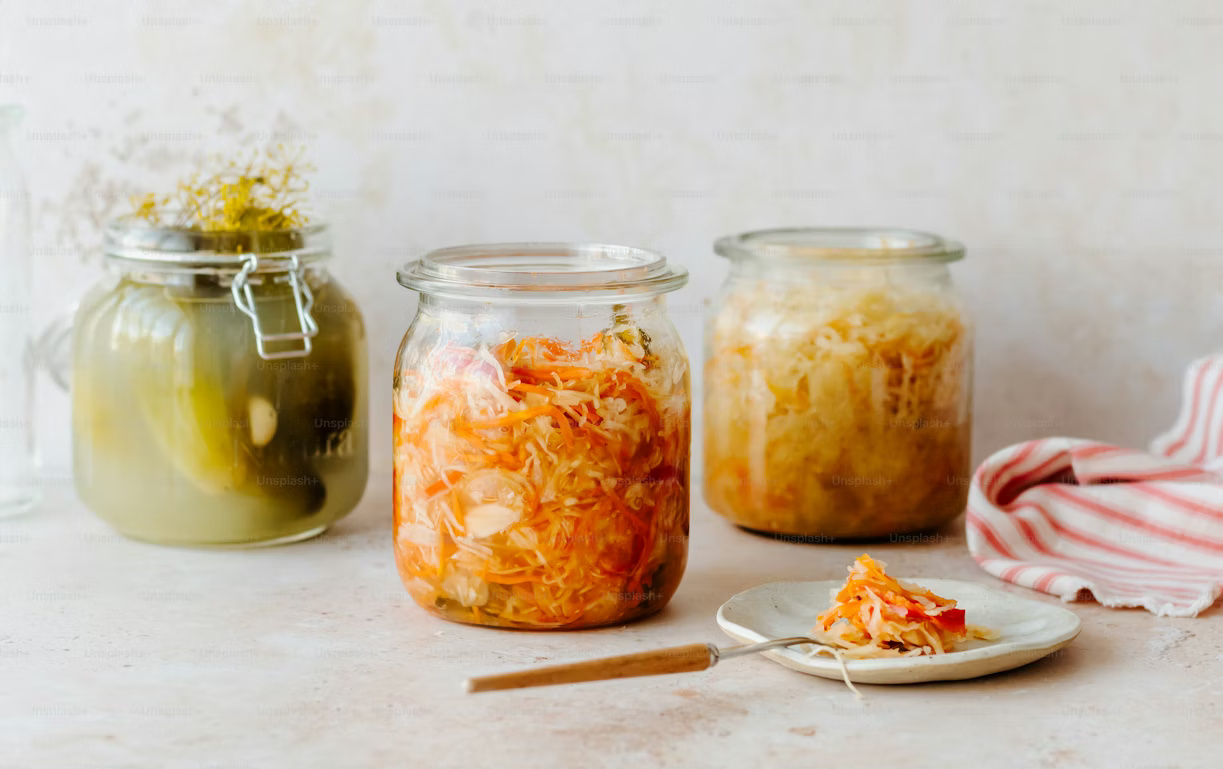
Probiotic supplements contain specific, concentrated strains. They can be excellent after a course of antibiotics to repopulate the gut, or for managing specific conditions like IBS (with strains like Bifidobacterium infantis 35624). However, research shows these supplemented strains often don’t permanently colonize the gut. They pass through, exerting benefits during transit. Fermented foods (kimchi, sauerkraut, kefir, yogurt) contain a wider, more natural array of bacteria and their beneficial metabolites.
A Stanford School of Medicine study found that “while a high-fiber diet consistently increased microbial diversity, a probiotic-rich diet of fermented foods significantly decreased inflammatory markers and increased immune function a more pronounced effect than seen with a high-dose supplement pill.”
Food-first probiotics come with a built-in matrix of complementary nutrients.
Your Application
Prioritize one daily serving of a fermented food like sauerkraut, kimchi, kefir, or unsweetened yogurt. Reserve targeted probiotic supplements for post-antibiotic use or under the guidance of a practitioner for a specific diagnosis.
How Does Stress Physically Damage Your Gut?
Direct Answer: Chronic stress activates the sympathetic nervous system (“fight-or-flight”), which shunts blood flow away from digestion, alters gut motility, increases permeability, and changes the actual composition of your gut bacteria, favoring more inflammatory species.
Explanation & Evidence:
The gut-brain connection is a two-way street of nerves, hormones, and immune signals. When your brain perceives chronic stress, it releases cortisol and other compounds that can degrade the tight junctions between gut lining cells. This makes the barrier leaky. Stress also reduces the production of protective mucus in the gut. You can be eating the perfect diet, but if you’re chronically stressed, you may still be harming your gut.
A review in Neurogastroenterology & Motility states that “psychological stressors induce measurable increases in intestinal permeability, alter microbiota profiles, and activate gut-based inflammatory pathways, creating a vicious cycle.”
Managing stress isn’t optional for gut health; it’s a core treatment pillar.
Your Application
Pair dietary changes with a non-negotiable daily stress-reduction practice. Even 10 minutes of diaphragmatic breathing, a walk in nature, or meditation can dampen the stress response and directly support gut healing.
What Are the Most Underrated Gut-Healing Foods?
Direct Answer: Prebiotic fibers (like onions, garlic, leeks, jicama, asparagus) and collagen-rich foods (like bone broth) are underrated powerhouses that directly repair the gut lining and selectively feed beneficial bacteria.
Explanation & Evidence:
While probiotics get the spotlight, prebiotics are the essential fertilizer. Foods rich in inulin and other prebiotic fibers reach the colon undigested, where they selectively stimulate the growth of beneficial Bifidobacteria and Lactobacilli. Meanwhile, the amino acids in collagen and bone broth (like glycine, proline, and glutamine) provide the raw materials to repair the damaged protein structure of the gut lining.
Research in the Journal of Gastroenterology shows that “dietary interventions with prebiotics like inulin are as effective as some probiotics in increasing beneficial microbiota and improving gut barrier function.”
Healing requires both the materials (amino acids) and the right workforce (well-fed good bacteria).
Your Application
Add one prebiotic food to your daily diet (e.g., add raw garlic to dressings, sauté asparagus, snack on jicama). Sip a cup of bone broth several times a week, or add a scoop of collagen peptides to your morning coffee or smoothie.
FAQ: Your Gut Health Questions, Answered
Q: How long does it take to heal your gut?
A: For minor imbalances, you may notice improvements in digestion and energy within 2-3 weeks of consistent change. For more significant dysbiosis or permeability, meaningful healing typically takes 3-6 months of dedicated diet and lifestyle intervention. It’s a marathon, not a sprint.
Q: Do I need to cut out gluten and dairy to heal my gut?
A: Not necessarily for everyone. These are common irritants, but not universal. The best approach is an elimination diet: remove them strictly for 3-4 weeks, then reintroduce one at a time while tracking symptoms. This provides personal data. Many find they can tolerate high-quality, fermented dairy (like yogurt) or sourdough bread better.
Q: Is apple cider vinegar good for gut health?
A: It can be supportive for some. The acetic acid may help stimulate stomach acid production (beneficial for those with low acid) and has antimicrobial properties. However, it can irritate others. Try 1 tsp in water before a meal and see how you feel. It’s a tool, not a cure-all.
Q: Can exercise hurt your gut?
A: Moderate, regular exercise is anti-inflammatory and beneficial. However, prolonged, intense endurance exercise can increase gut permeability and cause distress (e.g., “runner’s gut”). Balance intense training with ample recovery, and avoid high-fiber foods immediately before hard workouts.
Q: When should I see a doctor about gut issues?
A: Seek medical advice for “red flag” symptoms: unexplained weight loss, blood in stool, severe pain, or symptoms that persist despite 4-6 weeks of dedicated lifestyle changes. A gastroenterologist can rule out conditions like Crohn’s, ulcerative colitis, or SIBO (Small Intestinal Bacterial Overgrowth).
Your gut is the soil from which your entire health grows. You cannot have a vibrant immune system, clear skin, stable energy, or a resilient mind without tending to this internal garden. The protocol is simple, but not easy: feed it a diverse array of plants, manage your stress, incorporate fermented foods, and be patient. The investment you make in your gut health today pays compound interest across every facet of your well-being for years to come.
This article is for informational purposes only and is not a substitute for professional medical advice, diagnosis, or treatment. Always seek the advice of your physician or other qualified health provider with any questions you may have regarding a medical condition.
Share :

