
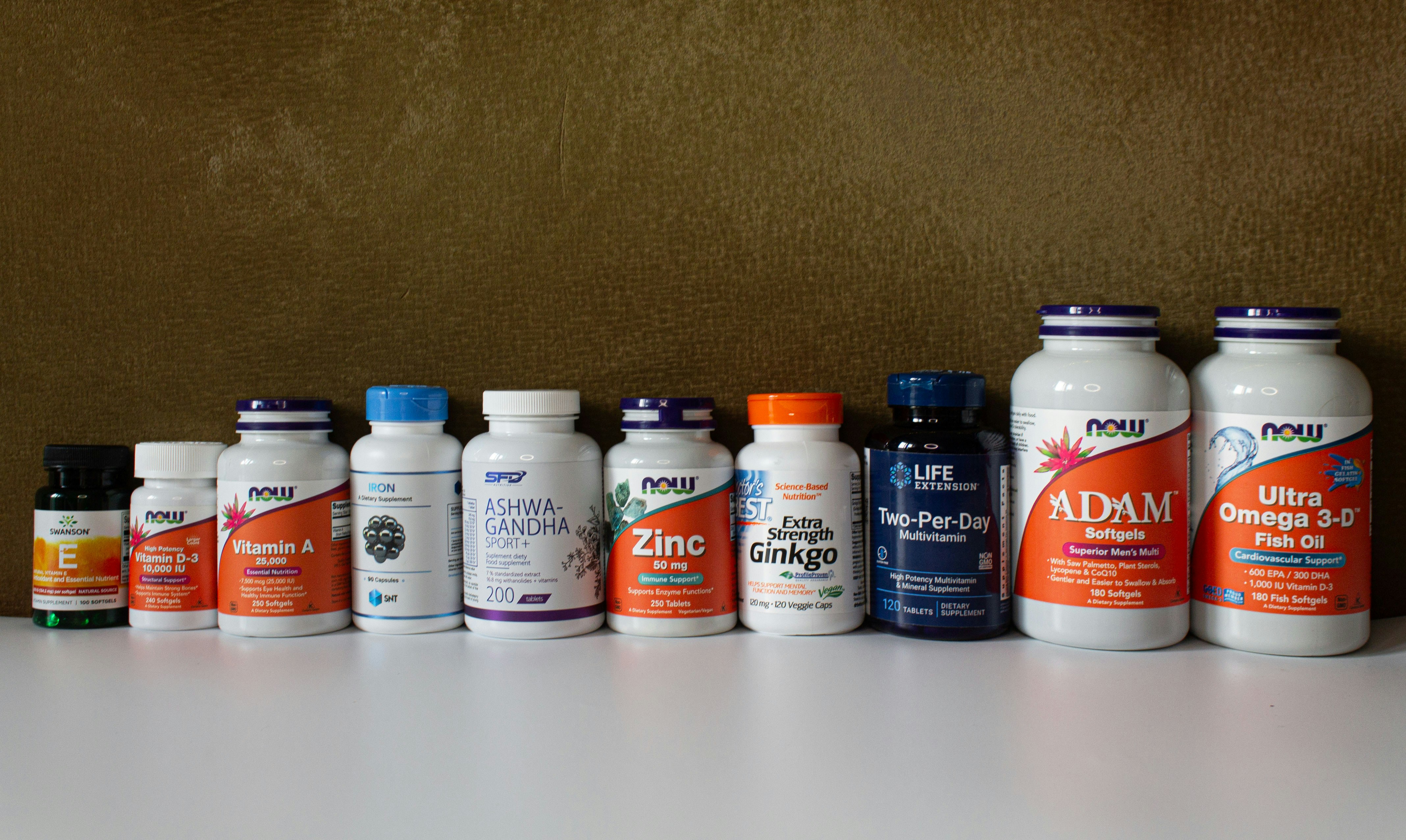
In a hurry? The best-supported muscle-recovery supplements for most athletes are – in order of scientific weight – adequate protein (20-40 g with ≥3 g leucine post-workout), creatine monohydrate (3-5 g daily), omega-3 fish oil (≈2 g EPA + DHA), tart-cherry polyphenols, curcumin, HMB, collagen + vitamin C, and magnesium. Each has multiple peer-reviewed studies showing faster strength rebound, reduced soreness (DOMS), or lower muscle-damage markers compared with placebo. Below you’ll find the evidence, practical doses, and how to combine them wisely – plus quick-answer snippets and FAQs to satisfy both search engines and inquisitive readers.
Quick Answer
Which supplements actually speed muscle recovery?
Research indicates that daily **protein (especially whey), creatine monohydrate, and omega-3 fatty acids provide the most consistent benefits for reducing muscle damage and restoring performance, while tart-cherry juice, curcumin, HMB, collagen + vitamin C, and magnesium offer targeted, condition-specific support.
How Muscles Recover: The Science in 90 Seconds
Intense training produces microscopic tearing of muscle fibers, oxidative stress, and an inflammatory cascade. Effective recovery strategies (nutrition, sleep, active rest) accelerate muscle-protein synthesis (MPS), restore glycogen, and quench excess inflammation so that fibers rebuild stronger. Supplements can assist at three key stages:
- Repair: supplying amino acids and creatine for MPS and ATP resynthesize.
- Re-balance: controlling inflammation/oxidative stress (omega-3, tart-cherry, curcumin).
- Remodel: supporting collagen turnover in tendons/ligaments (collagen + vitamin C) and neuromuscular function (magnesium).
Proven Supplements for Muscle Recovery

1. Protein & Leucine
- Why it works: Protein provides essential amino acids; leucine triggers mTOR for MPS.
- Evidence: The International Society of Sports Nutrition (ISSN) notes a modest but significant hypertrophy boost when 20-40 g protein is consumed within 60 min post-exercise.
- Dose & Timing: 0.3 g/kg bodyweight immediately after training; include ≥3 g leucine.
- Best form: Whey isolate for speed; casein at night for sustained amino acid release.
Snippet: Most athletes recover faster when they take 0.3 g/kg of fast-digesting protein with at least 3 g leucine within an hour after lifting.
2. Creatine Monohydrate
- Recovery perks: Lowers post-exercise creatine kinase (CK) and restores force production more quickly between training bouts. Source
- Real-world note: A recent consumer guide confirms creatine monohydrate remains the safest, most cost-effective form.health.com
- Dose: 3-5 g daily (loading optional); pair with carbs or protein for uptake.
3. Omega-3 Fish Oil (EPA + DHA)
- Mechanism: Omega-3s modulate cell-membrane fluidity and blunt excess cytokines.
- Meta-analysis results: Regular intake (~2 g/day) reduces DOMS and IL-6 after eccentric exercise. Source
- Practical tip: Look for triglyceride-form oils with at least 500 mg EPA and 400 mg DHA per capsule, certified by NSF or IFOS.
4. Tart-Cherry Polyphenols
- What it does: Anthocyanins enhance antioxidant capacity, reducing strength loss 24-48 h post-workout. Source
- Best protocol: 240–480 mL tart-cherry juice twice daily, starting 4-5 days pre-competition and 2 days post.
- Watch-out: Adds ~30 g carbs per serving – athletes in strict cutting phases may prefer concentrated capsules.
5. Curcumin (Turmeric Extract)
- Evidence: A 2024 meta-analysis shows curcumin significantly lowers CK, soreness, and IL-6, especially with ≥150 mg curcuminoids twice daily for ≥4 weeks. Source
- Absorption hack: Pair with Piperine or a phospholipid complex (e.g., Meriva®) to boost bioavailability ~20-fold.
6. HMB (β-Hydroxy-β-Methylbutyrate)
- Role: Slows muscle protein breakdown and may preserve strength during intense blocks or caloric deficit.
- Latest umbrella review: Demonstrated gains in fat-free mass and reduced muscle damage across 15 RCTs. Source
- Dose: 3 g per day divided into two or three servings.
7. Collagen Peptides + Vitamin C
- Why include it: Supports tendon and ligament repair and may lessen joint pain. Source
- Protocol: 15 g hydrolyzed collagen with 50 mg vitamin C 30–60 min before loading exercises (e.g., plyometrics).
8. Magnesium & Electrolytes
- Benefits: Athletes often need 10–20 % more magnesium; supplementation cut DOMS scores and improved peak torque in a 2024 review. Source
- Dose: 300–400 mg elemental Mg (glycinate or citrate) taken in the evening may also aid sleep quality.
How to Build a Safe, Effective “Recovery Stack”
- Foundation: Hit daily protein target (1.6–2.2 g/kg) and add 3-5 g creatine.
- Anti-Inflammatory Layer: 2 g EPA + DHA plus tart-cherry juice around heavy weeks.
- Targeted Boosters: Curcumin or HMB when volume spikes; collagen + vitamin C if joints/tendons ache.
- Micronutrient Insurance: 300 mg magnesium nightly; balance electrolytes in hot climates.
- Quality Control: Choose products carrying NSF Certified for Sport®, Informed-Sport, or USP Verified seals to avoid contaminants.
- Monitor & Adjust: Track soreness, sleep, and performance metrics in BeeFit.ai to see which combos move the needle.
Frequently Asked Questions
Can I combine creatine and protein in the same shake?
Yes. Taking creatine (3-5 g) with 20-40 g whey post-workout may even enhance uptake via insulin-mediated transport.
How long before a race should I stop anti-inflammatory supplements?
Polyphenol-rich aids (tart-cherry, curcumin) generally don’t blunt training adaptations, but some coaches pause high doses 24 h pre-event to avoid GI load. Always test in training first.
Is fish oil vegan-friendly?
Marine micro-algae oils deliver EPA + DHA without fish; ensure ≥250 mg of each fatty acid per capsule.
Do I really need HMB if I already take whey?
Probably not during maintenance phases, but HMB can preserve lean mass during calorie deficits or injury lay-offs.
Takeaway & Next Steps
Prioritize whole-food nutrition, smart programming, and sleep first. Then layer evidence-backed post-workout recovery supplements – starting with protein, creatine, and omega-3s – to bridge any gaps and accelerate bounce-back between sessions. Track how each addition affects soreness and performance in the BeeFit.ai dashboard, and tweak your stack seasonally.
This content is for informational purposes only and does not substitute professional medical advice. Consult a qualified healthcare provider before starting any new supplement, especially if you have underlying conditions or take medication.
Share :

