
Quick Take
- Eating a mix of protein and carbs 30–90 minutes before training boosts energy, focus, and performance.
- Post-workout meals help muscle repair and glycogen replenishment—key for recovery and long-term progress.
- The “anabolic window” isn’t a 30-minute emergency—it’s more like a 2-hour opportunity.
- Weight loss? Keep pre-workout light and post-workout lean. Muscle gain? Fuel both sides.
- Meal timing is a performance tool—not just about eating, but eating smart.
Why What (and When) You Eat Around Workouts Actually Matters
If you’re crushing your workouts but feel gassed halfway through—or still sore three days later—your pre and post-workout meals might be the issue.
Training is stress. Food is the recovery plan. When you dial in the timing and content of your meals, you get:
- More energy during workouts
- Better muscle repair after
- Reduced soreness and fatigue
- Improved strength and body composition over time
And yes—science backs this up. In a review published in Nutrients, researchers noted that both macronutrient composition and timing can improve adaptation to resistance training (source).
Pre-Workout Nutrition: What to Eat Before You Train
When Should You Eat?
Most people do best eating 30–90 minutes before training. That gives you time to digest while still supplying your muscles with fuel.
Too close to the workout, and you risk bloating or sluggishness. Too early, and you’re running on empty halfway through.
What Should You Eat?
Think carbs and protein. Carbs give your body immediate energy (via glycogen), and protein starts prepping your muscles for recovery before you even finish your session.
Avoid high-fat or high-fiber foods pre-workout—they slow digestion and can cause discomfort when you’re under a barbell or mid-sprint.
Example macro targets for a pre-workout snack:
- 30–60g carbs
- 10–20g protein
- Low fat (~5g or less)
Smart Pre-Workout Meal Ideas
- 1 slice whole-grain toast + peanut butter + banana
- Greek yogurt + berries + drizzle of honey
- Protein shake + oats + almond milk + half a banana
- Rice cake + turkey breast + a few baby carrots
Got 30 minutes? Go smaller. Got 90 minutes? You can eat more.
Also, don’t forget hydration. Even mild dehydration can tank performance (source).
Post-Workout Nutrition: Recovery Starts Now
Is the “Anabolic Window” Real?
You’ve probably heard you must eat within 30 minutes after your workout or your muscles will start eating themselves. That’s not exactly true.
The current consensus: you should eat within 1–2 hours post-training, especially if you didn’t eat much before. Your body stays primed for muscle repair and glycogen restoration for several hours after a session.
This isn’t about panic—it’s about consistency.
“The post-exercise period represents a critical time to ingest nutrients that influence the muscle remodeling process.”
– Journal of the International Society of Sports Nutrition (source)
What to Eat After Training
Your goal: restore glycogen and stimulate muscle protein synthesis. That means protein + carbs, again. You can (and should) eat some fat now too—it won’t hurt recovery, and it can keep you full longer.
Recommended macros for post-workout:
- 20–40g protein
- 40–70g carbs
- Moderate healthy fats (10–20g)
Great Post-Workout Meal Options
- Grilled chicken + white rice + broccoli + olive oil drizzle
- Salmon + sweet potato + spinach salad with avocado
- Scrambled eggs + whole wheat toast + fruit
- Protein shake + oats + peanut butter + blueberries
If you’re short on time, a protein shake and banana can hold you over until a full meal.
Nutrition Strategies: Weight Loss vs Muscle Gain
How you eat around your workouts should reflect your bigger goal. Here’s how to tailor your approach:
If You’re Training for Fat Loss
- Pre-workout: Go light. You want energy, not a full stomach. Try a small carb and maybe caffeine (like coffee + banana).
- Post-workout: Don’t skip. Protein + veggies + a moderate carb source helps with recovery without wrecking your calorie deficit.
Pro tip: Stay away from high-calorie “reward meals” after training. That’s how you undo your hard work.
If You’re Training for Muscle Gain
- Pre-workout: You need fuel. Eat a balanced carb + protein meal and don’t train hungry.
- Post-workout: Go big. You need calories, protein, and carbs to drive muscle protein synthesis and recovery.
Muscle growth happens in recovery, not during the workout. If you’re under-eating post-training, your gains will stall—period.
Timing Based on When You Train
Morning Workouts
- Pre: You might not feel like eating, but a banana, toast, or small shake goes a long way.
- Post: Breakfast is now your recovery meal—eggs, oats, fruit, and coffee is a winning combo.
Evening Workouts
- Pre: Your lunch matters. Make sure it has carbs + protein (think: chicken sandwich or grain bowl). Snack 1–2 hours before if needed.
- Post: Don’t skip dinner—go high protein, moderate carb. Something like steak + rice + salad works great.
Fasted Training (if you do it)
- Not ideal for strength or hypertrophy.
- If you insist: sip BCAAs or EAA during your session.
- Your post-workout meal becomes mission-critical: aim for 30–40g protein and solid carbs within 30 minutes.
How to Stay Consistent Without Overthinking
You don’t need a spreadsheet. You just need a routine that fits your lifestyle:
- Pick 2–3 go-to meals for pre and post-workout. Rotate them.
- Set timers or reminders if you forget to eat.
- Use protein shakes as tools, not crutches.
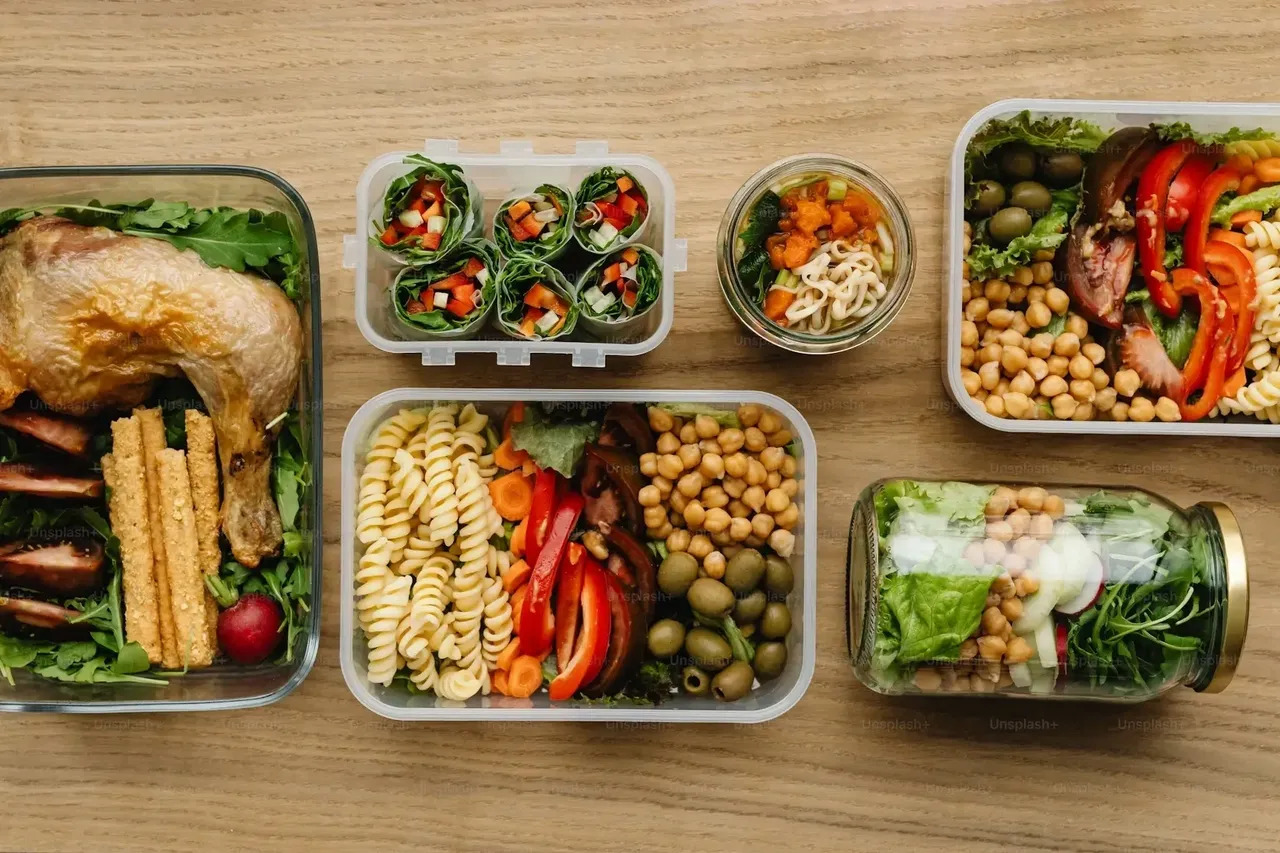
- Cook in bulk: grill protein, prep grains, and freeze meals if time is tight.
Staying consistent 80% of the time beats being perfect 10% of the time.
Make Food Part of Your Training Strategy
You’re not eating just to not be hungry. You’re eating to train better, recover faster, and progress. Pre- and post-workout meals aren’t bonus content—they’re the second half of the workout.
.webp/:/cr=t:0%25,l:0%25,w:100%25,h:100%25/rs=w:1280 "Make Food Part of Your Training Strategy, train better, recover faster, and progress")
The Bottom Line
Smart workout nutrition isn’t about chasing trends or overthinking timing windows. It’s about fueling with purpose.
- Pre-workout meals give you energy, focus, and better output.
- Post-workout meals speed up recovery, boost muscle growth, and make your training count.
- Consistency—not perfection—gets results.
Start with a banana and a scoop of whey. End with grilled chicken and rice. Nail the basics, and the progress follows.
Your gains don’t just come from the gym. They come from the plate.
This article is for educational purposes only and does not constitute medical or dietary advice. Always consult with a certified trainer, dietitian, or healthcare professional before making major changes to your nutrition or fitness routine.
Share :

